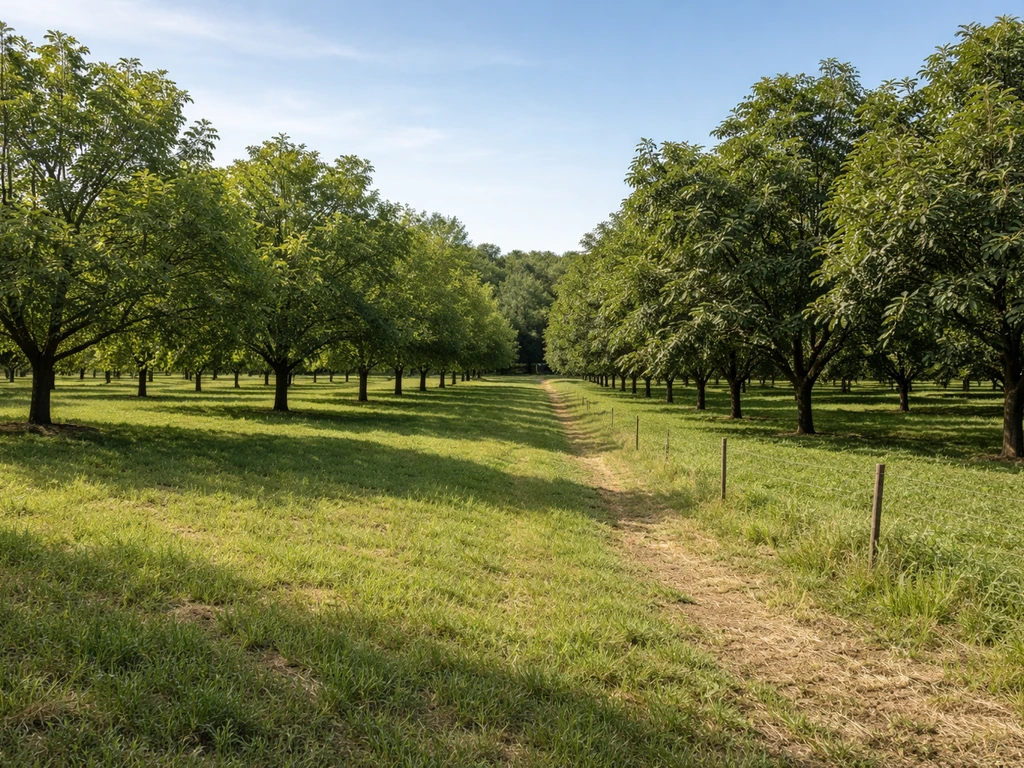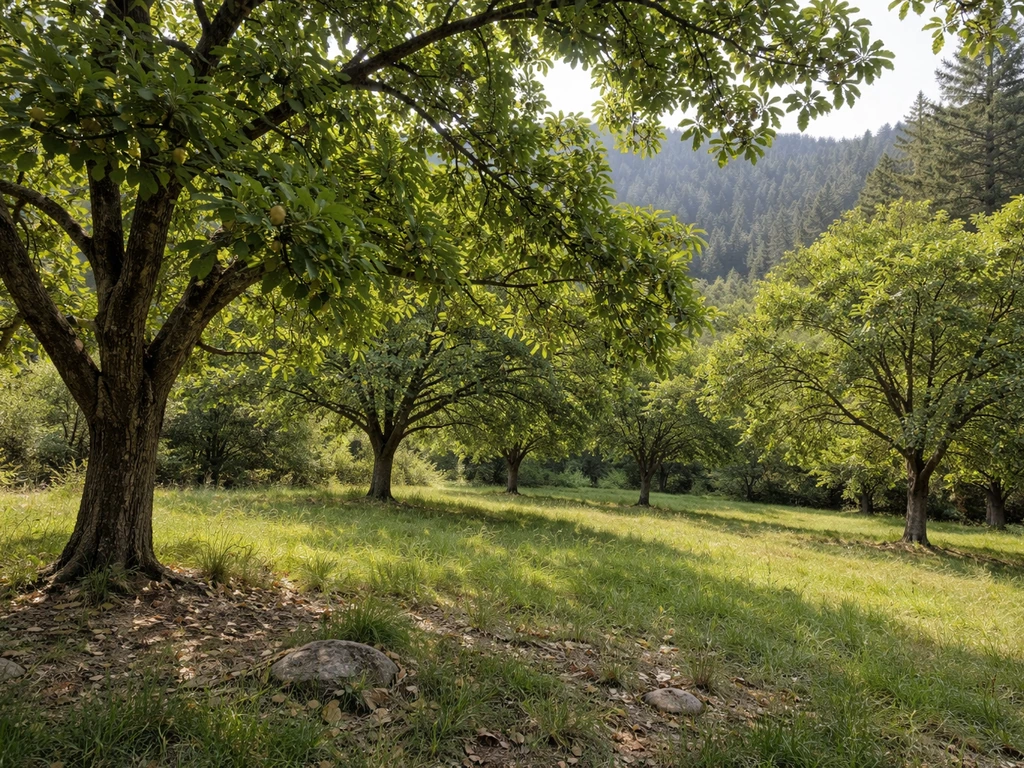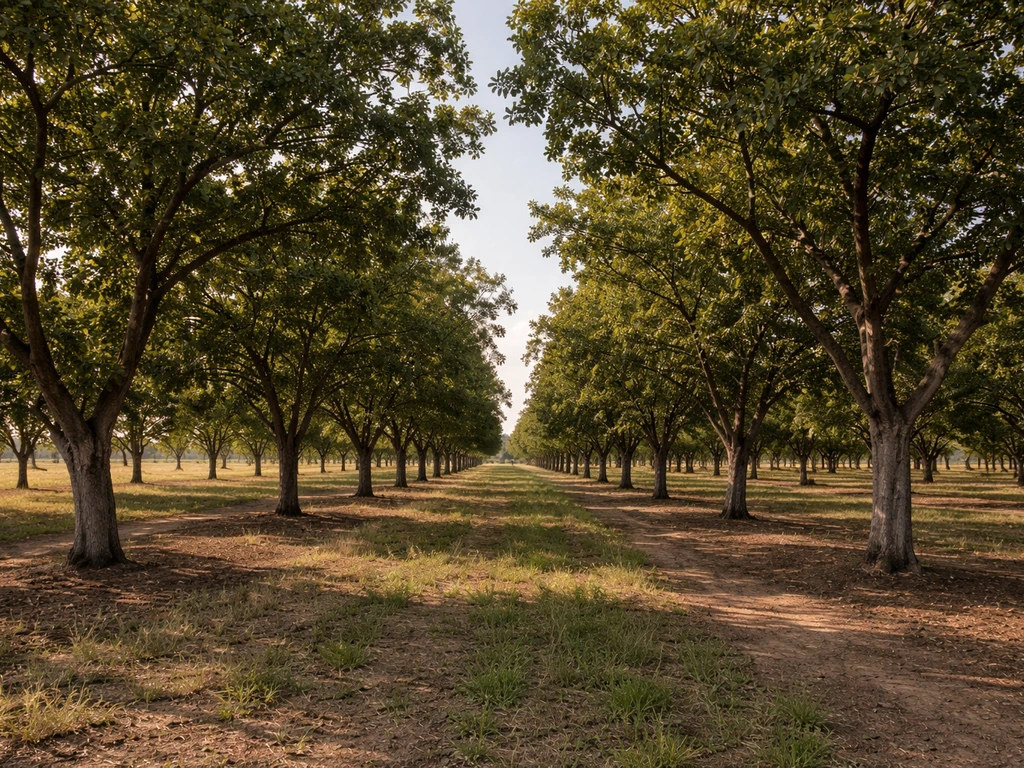
Walnuts can grow in Canada, but only in specific southern pockets, and the species that works best depends heavily on where you live. If you're in southern Ontario, southwestern Quebec, or parts of the Maritimes, you have real options. If you're in Saskatchewan, northern Ontario, or most of British Columbia, you're largely out of luck with any walnut that will reliably produce nuts. The honest answer is that Canada sits at or near the northern edge of walnut's viable range, so success comes down to picking the right species, the right cultivar, and the right microsite on your property.
Where Do Walnuts Grow in Canada Regions and Requirements
Marcus Hendricks
17 May 2026
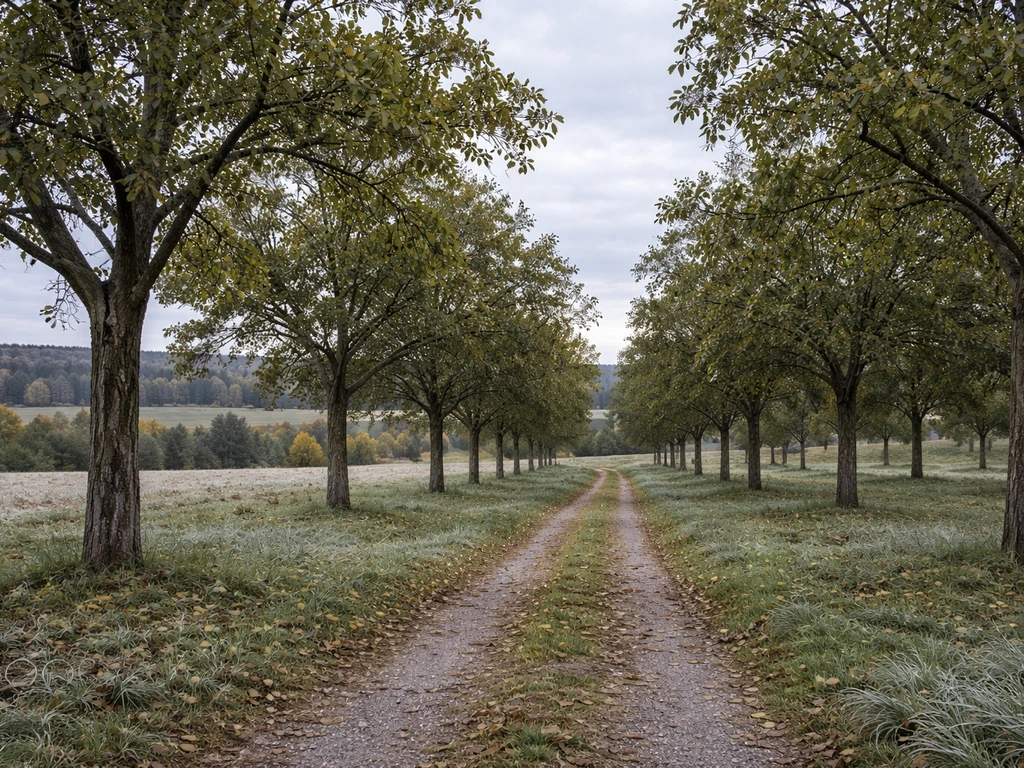
Walnut types you can actually grow in Canada
Canada has two native walnut species in the genus Juglans: Butternut (Juglans cinerea) and, technically, Black walnut (Juglans nigra), though Black walnut is so uncommon in its natural Canadian occurrence that Tree Canada treats it as uncommon rather than a true native. Butternut is the one with a genuine native footprint. Then there's Persian walnut (Juglans regia), also called English walnut, which is not native to Canada at all but is the species most people are actually trying to grow for edible nuts, and it's been cultivated successfully in Atlantic Canada and southern Ontario.
Each of these three has a very different cold tolerance, nut quality, and site requirement. Butternut is the hardiest of the three and produces an oily, richly flavored nut, but it's been devastated by Butternut Canker disease across its range. Black walnut is a large, beautiful tree with excellent timber value and tasty (if hard-to-crack) nuts, but it needs warmth and a long growing season. Persian walnut produces the familiar grocery-store walnut and is the primary commercial nut crop of the three, but it's the most cold-sensitive of the group.
| Species | Cold Hardiness (approx.) | Nut Quality | Disease Concern | Best Canadian Use |
|---|---|---|---|---|
| Butternut (J. cinerea) | Zone 3b-4 | Rich, oily, good flavor | Butternut Canker (serious) | Native restoration, hardy backyard tree |
| Black Walnut (J. nigra) | Zone 5-6 | Excellent, hard shell | Generally healthy | Southern ON gardens, timber+nut |
| Persian/English Walnut (J. regia) | Zone 5-6 (some cultivars Zone 4) | Best for eating/cracking | Relatively minor | Commercial and home nut production |
For most Canadian growers asking where to start, the answer comes down to two paths: if you want a tree that will survive almost anywhere walnuts can survive in Canada, plant a disease-resistant Butternut or a Butternut hybrid. If you want to actually harvest and eat a meaningful crop of easy-to-crack walnuts, you're looking at Persian walnut cultivars selected for cold hardiness, and you need to be honest about whether your zone can support them.
The climate limits that control walnut growth in Canada
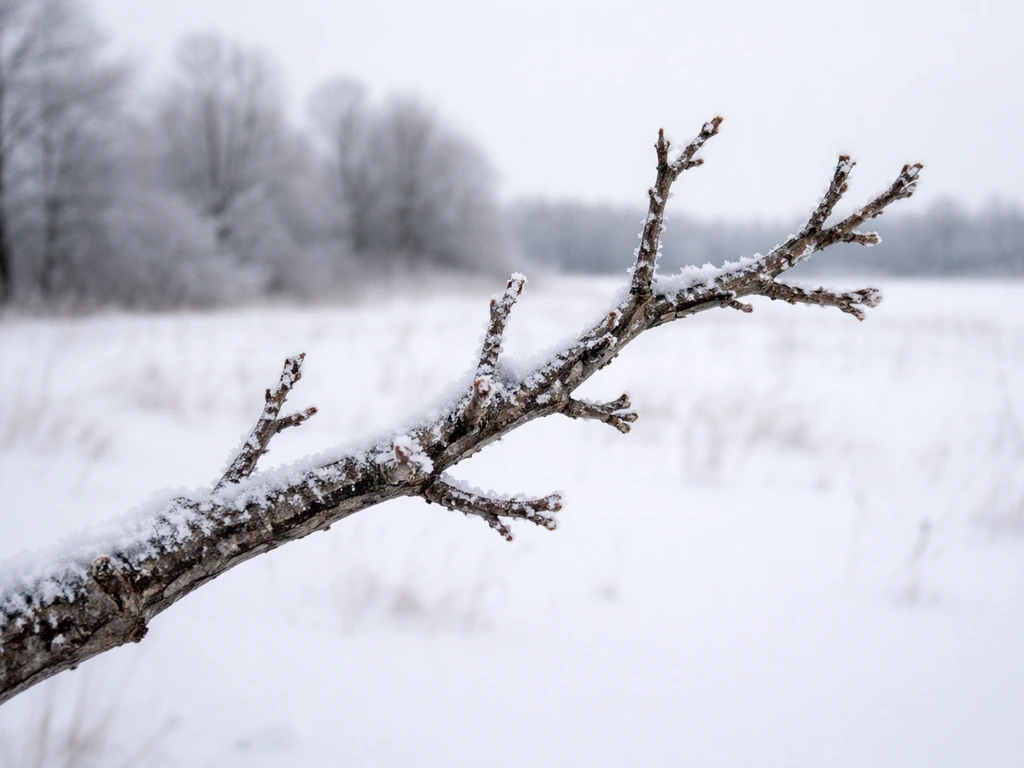
Canada's winters are the main constraint. Walnut trees, depending on species, need to survive absolute winter lows without suffering fatal trunk or branch dieback, and they also need enough growing season warmth (measured in growing degree days) to ripen their nuts before fall frost shuts things down. Walnuts also need enough warmth for the season to ripen the nuts, which is why frost-free days and hardiness zone matter. In Canada, walnut growth is largely controlled by climate, especially winter lows and the length of the frost-free season.
Butternut is the most cold-tolerant, surviving in Zone 3b-4 conditions, which gets you into a much wider band of southern Canada. Black walnut and Persian walnut both need Zone 5 as a baseline, with some Persian walnut cultivars like 'Carpathian' types bred to push into Zone 4 with some risk. Zone 5 in Canada is essentially a thin strip: the Niagara Peninsula, parts of southwestern Ontario, the lower Fraser Valley of BC, and some favored spots in Atlantic Canada near the coast.
Growing degree days matter too. Persian walnut needs roughly 150 to 180 frost-free days to reliably mature its nuts. Black walnut wants a similar window. Most of Canada's agricultural zones that touch Zone 5 just barely meet this threshold in good years, which means late spring frosts and early fall frosts can and do cut the harvest short. This is a real issue growers face, not a theoretical one.
- Absolute winter minimum: Persian and Black walnut need temps that don't regularly drop below about -25°C (-13°F); Butternut handles -35°C (-31°F) better
- Frost-free days: aim for at least 150 days for nut maturity with Persian walnut, 140 days as a minimum
- Late spring frosts below -2°C can kill new growth and eliminate that year's nut crop
- Summer heat accumulation (growing degree days) determines whether nuts actually fill and ripen
Where walnuts grow best across Canada, province by province
Southern Ontario is Canada's walnut heartland. This is where you find the most naturally occurring Black walnut trees, the warmest Canadian climate pockets, and the best conditions for Persian walnut cultivation. If you're wondering where do walnuts grow in California as a comparison point for your walnut goals, the key takeaway is that warmth and a long growing season matter as much as species choice. The Niagara Peninsula, Essex County, and the area around London and Hamilton sit in Zones 6-7 by Canadian standards, and growers there can reliably crop Persian walnuts. Move north of Toronto and conditions get marginal for Persian walnut but still workable for Butternut and some Black walnut.
Quebec's growing potential is focused tightly on the southwestern corner of the province. The south shore of the St. Lawrence near Montreal and the Eastern Townships can support Butternut (which is native there) and, in sheltered spots, Black walnut. Persian walnut is a risky push in most of Quebec, though some dedicated growers in the Montérégie region have had success with hardy cultivars.
Atlantic Canada is a bit of a surprise. Nova Scotia, New Brunswick, and parts of PEI benefit from ocean-moderated winters that can create Zone 5-6 pockets, especially along the Annapolis Valley and coastal areas. Perennia, the Nova Scotia agricultural extension service, has documented Persian walnut being cultivated successfully there. New Brunswick also falls within Butternut's native range in its western and southern regions. These are genuine opportunities for Maritime growers.
British Columbia is the other viable zone. The lower Fraser Valley, southern Vancouver Island, and the Okanagan Valley all have mild enough winters to support Persian and Black walnut. The Okanagan in particular combines warmth and a long growing season that suits walnut well, though irrigation is needed in the dry interior. Vancouver Island's coastal climate is mild but can be too wet and cool in summer for great nut production.
The Prairie provinces (Alberta, Saskatchewan, Manitoba) are almost entirely off the table for Persian and Black walnut. Only Butternut in its hardiest forms stands a chance in sheltered spots in southern Manitoba or parts of Alberta, and even then you're unlikely to get consistent nut crops. The combination of brutal winter lows and late spring frosts is too much for any Juglans species to handle comfortably in most Prairie locations.
Native stands vs. where people actually cultivate them
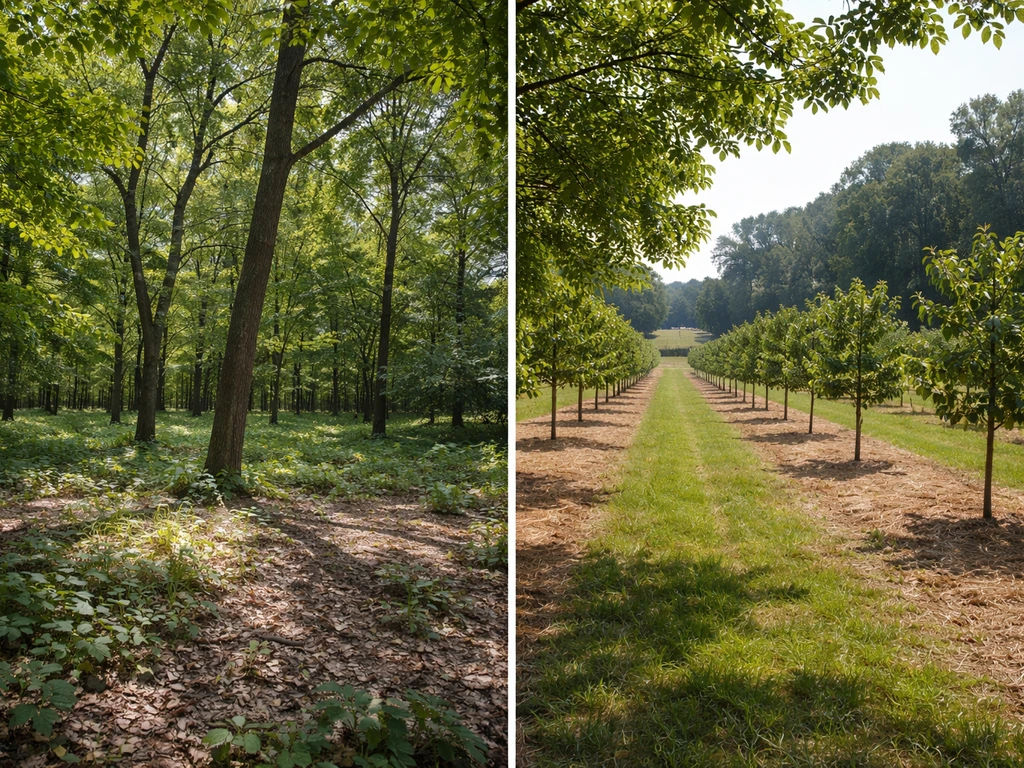
Butternut's native Canadian range is clearly defined: southern Ontario south of a rough boundary running from Georgian Bay through the Ottawa Valley, and into southwestern Quebec down to roughly the Quebec City region, plus western and southern New Brunswick. If you're in those areas and stumble across a stand of walnut-like trees in a woodlot, they're likely Butternut. These native stands are under serious pressure from Butternut Canker, a fungal disease that has eliminated a large percentage of the population, which is why COSEWIC lists Butternut as an endangered species in Canada.
Black walnut is genuinely uncommon in Canada as a wild tree. You'll find planted specimens in parks, old homesteads, and estate gardens throughout southern Ontario, but a true native stand is rare. Most Black walnuts you see in Canada were planted by people. Persian walnut is entirely cultivated everywhere it grows in Canada; there are no wild stands.
The practical implication: if you're looking to see walnut trees in Canada without planting them yourself, head to old southern Ontario woodlots and look for Butternut. If you want to grow walnuts for nuts, you're in cultivated-tree territory regardless of species, and your site selection and cultivar choice matter enormously.
How to pick the right spot on your property
Site selection is where most walnut failures actually happen in Canada. The tree might survive a few mild winters and then get hammered when conditions turn harsh, often because of a poor site choice rather than a wrong species pick.
Soil
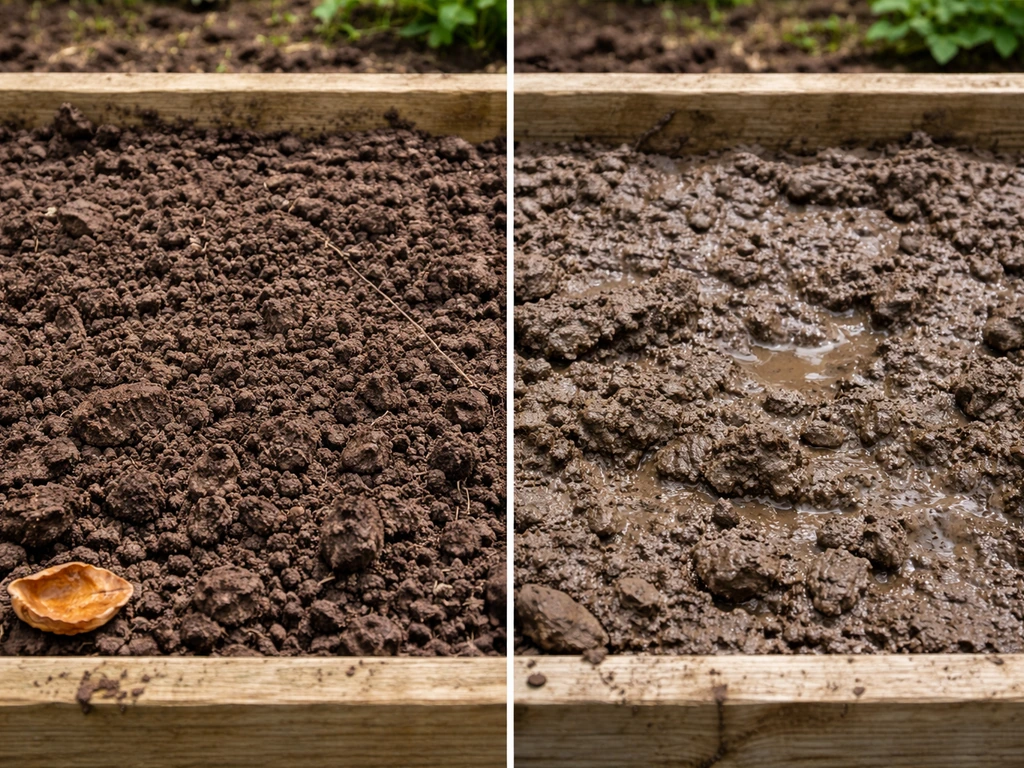
Walnuts want deep, well-drained loam with a pH of roughly 6.0 to 7.0. They develop a deep taproot and struggle in shallow, compacted, or rocky soils. If your topsoil is less than 60 cm (2 feet) deep before hitting hardpan, clay, or bedrock, the tree will be stressed and stunted. Sandy soils drain too fast and don't hold enough nutrients. The ideal is a deep, slightly moist but freely draining loam or sandy loam. If you can grow productive vegetable gardens in your soil, walnuts will likely find it acceptable.
Drainage and frost pockets
Drainage is non-negotiable. Walnut roots sitting in waterlogged soil even briefly in spring or fall will suffer root rot, and the tree will decline fast. But the drainage concern works the other way too: low-lying areas and valleys are frost pockets. Cold air drains downhill on calm nights and pools in low spots, meaning you can see frosts in a valley bottom when the slope above it stays a degree or two warmer. In Canada, where margin for error is thin, planting on a gentle mid-slope rather than the bottom of a hollow can be the difference between a tree that flowers and fruits and one that loses its buds every spring.
Sun exposure
Full sun, at least 6 to 8 hours of direct sun daily, is required for nut production. Walnuts grown in partial shade will grow fine as trees but produce poor nut crops. South-facing or southwest-facing slopes are ideal in Canada because they warm up earlier in spring, extend the effective growing season, and help nuts mature before fall frost. If you're in a marginal zone, a south-facing slope can effectively bump your microclimate by half a hardiness zone.
Juglone and spacing
One thing many people don't realize: Black walnut (and to a lesser degree other walnuts) produces juglone, a chemical that is toxic to many other plants, including apples, tomatoes, and some ornamentals. Plan for spacing of at least 15 to 18 meters (50 to 60 feet) from susceptible plants. Persian walnut produces less juglone and is less of a concern, but it's still worth keeping in mind when positioning trees.
What to realistically expect: timing, pollination, and harvest
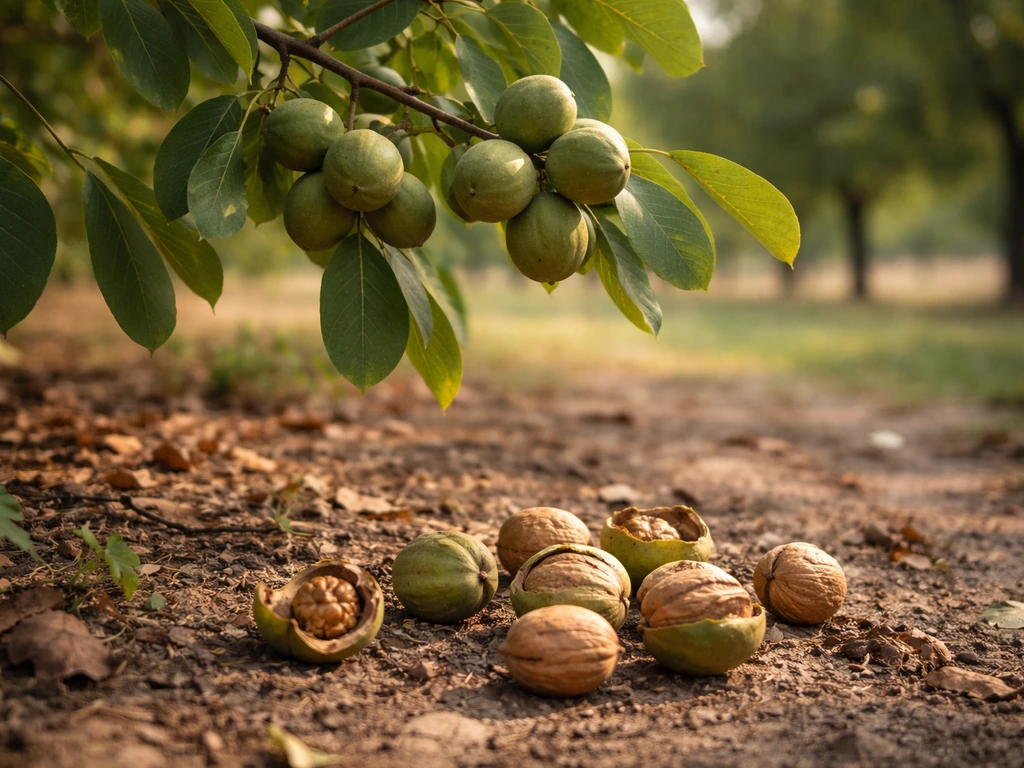
Patience is the first requirement. Walnut trees grown from seed can take 8 to 15 years to produce their first real nut crop. Grafted Persian walnut trees from known productive cultivars will typically bear in 4 to 7 years. If someone is promising you nuts in 2 to 3 years, be skeptical. Butternut can start bearing in 5 to 8 years from a quality seedling.
Pollination is a practical consideration that catches people off guard. Walnuts are monoecious, meaning they have separate male (catkin) and female flowers on the same tree, but the timing of pollen shed and female flower receptivity often doesn't perfectly overlap on a single tree (a phenomenon called dichogamy). To get reliable nut set in Canada, planting at least two trees from different cultivars or sources is strongly recommended. One tree alone may produce nuts in good years, but cross-pollination consistently improves yields.
Harvest timing in Canada typically runs from late September through October, depending on species and location. Black walnut husks turn from green to yellowish-brown and the nuts drop on their own. Persian walnut hulls split when ripe. You want to collect nuts promptly after they fall, husk them quickly (Black walnut husks stain everything, so gloves are essential), and dry them in a well-ventilated spot for 2 to 3 weeks before eating or storing. In borderline zones, some years you'll harvest mature nuts and some years a September frost will catch the crop before it's ready. That variability is the reality of growing walnuts near their northern limit.
For a Canadian grower evaluating their property today: confirm your hardiness zone, check whether you're in Zone 5 or warmer (required for Persian and Black walnut) or Zone 4 (where Butternut is your realistic option), assess your soil depth and drainage honestly, identify any frost pocket risk on your site, and plan for at least two trees if you're serious about consistent nut production. In the United States, walnuts grow best in regions that meet each species' chill and growing-season requirements where do walnuts grow in the US. With those factors checked off, walnut growing in Canada is genuinely achievable in the right places, and the trees, once established, are long-lived investments that can produce for decades.
FAQ
If my neighborhood is warm, but my yard is colder, will walnuts still grow? (Frost pockets)
Not much, because in Canada the limiting factor is almost always winter survival plus the length of the frost-free period. In practice, if you are not in a Zone 4 to 6 pocket for the species you want, better irrigation or fertilizer will not reliably rescue nut production.
Can I plant only one walnut tree and still expect nuts every year?
For consistent harvest, yes. Even though a single tree can sometimes set nuts, the flowering overlap timing can miss on one cultivar, so having two different cultivars (or at least different sources) improves the chance of pollen meeting receptive female flowers in Canadian conditions.
Are seed-grown walnuts a good idea for getting edible nuts in Canada?
Seeds can work for survival and root establishment, but they are unpredictable for nut quality and bearing speed. If you want dependable edible nuts, grafted Persian walnut cultivars selected for cold hardiness are the safer bet, and they typically start producing earlier than seed-grown trees.
What soil and location mistakes most often cause walnut failures in Canada?
Do not judge the site by summer shade alone. The key is winter and spring cold drainage, so avoid bottoms of hollows and low spots, even if the area looks sunny. A gentle mid-slope that stays warmer overnight during spring frosts can be the difference between flowering and bud loss.
How can I tell if my soil drainage is good enough for walnuts?
Walnut trees hate waterlogged roots, especially during spring and early fall. If your property floods seasonally or you can see standing water after heavy rain, plan drainage improvements or choose a higher micro-site, otherwise you risk root rot and slow decline.
What plants should I avoid planting near my walnut trees?
Juglone sensitivity is real, and it varies by plant. A practical rule is to keep walnuts well away from apples and tomatoes, and if you have existing sensitive plants, test tolerance by observing a small section or consult your local extension for known juglone-sensitive cultivars.
How can I identify whether the walnuts I see are native butternut or another species?
No, you should not assume every “walnut-like” tree is a usable walnut species. Butternut is native in southern parts of Ontario, Quebec, and New Brunswick, while black walnut is mostly planted in Canada and Persian walnut is cultivated. If you find wild trees, confirm species before investing in nut harvest plans.
When is the right time to harvest and dry walnuts in Canada?
Collecting right after they drop or hull-split matters, and drying too slowly can lead to rancidity or mold. Aim for thorough air flow during drying and keep the nuts in cool, dry storage once dry, because borderline-zone harvests can be uneven year to year.
Why do some people get nuts one year and nothing the next?
Yes. If you are right near the edge of the viable range, your harvest can swing from a good crop one year to little or none the next due to late spring frosts or early fall frosts. Plan for the possibility of “some years yes, some years no,” and focus on site microclimate and cultivar cold tolerance.
Can winter protection or mulching make Persian walnuts succeed in colder areas?
Yes for the right reasons, but not as a substitute for climate. Mulch can help moderate soil temperature and reduce moisture stress, and wind protection can prevent winter trunk damage, but it cannot replace the need for adequate winter hardiness and a long enough season for nut ripening.