Lettuce is sensitive to juglone, the allelopathic chemical produced by black walnut trees, and growing it in-ground within the root zone is genuinely risky. You can pull it off in some situations, but you need to be honest about the odds: in-ground lettuce planted inside or near the dripline of a mature black walnut will often germinate poorly, stunt early, yellow, and collapse. That said, lettuce grown in raised beds or containers with fresh, uncontaminated soil, positioned at least 50 to 60 feet from the trunk, has a much better shot. The distance, the soil, and the root map under your yard are what actually determine success.
Can Lettuce Grow Near Black Walnut Trees? Yes, If You Do This
Marcus Hendricks
7 May 2026
What juglone actually does to plants
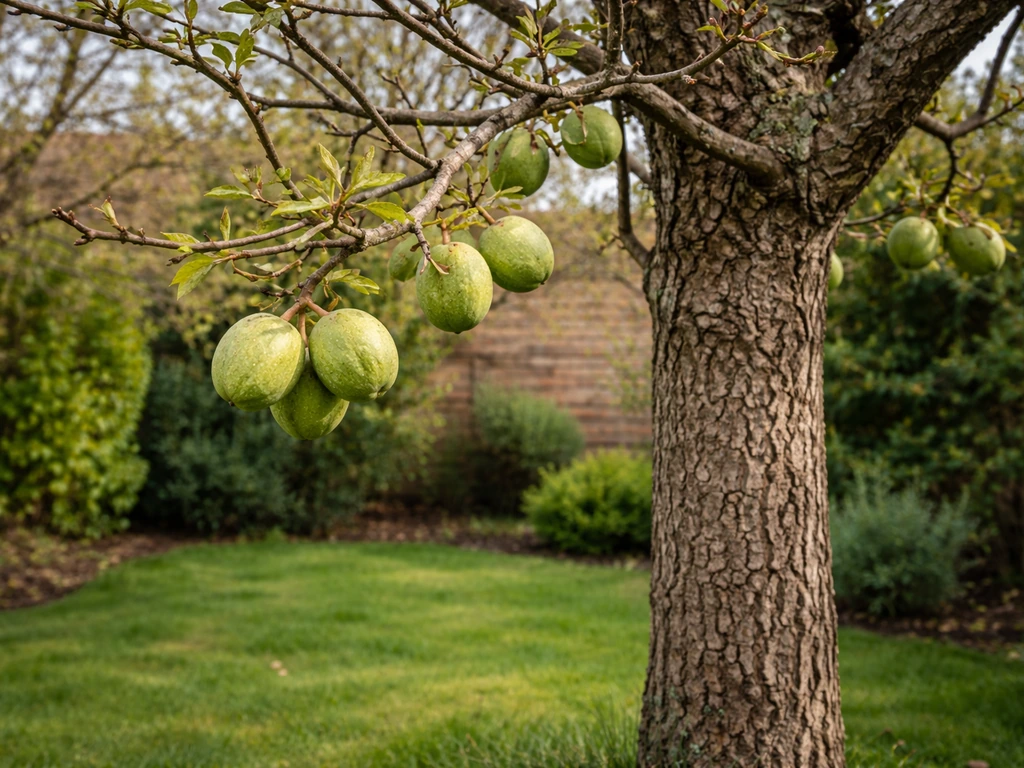
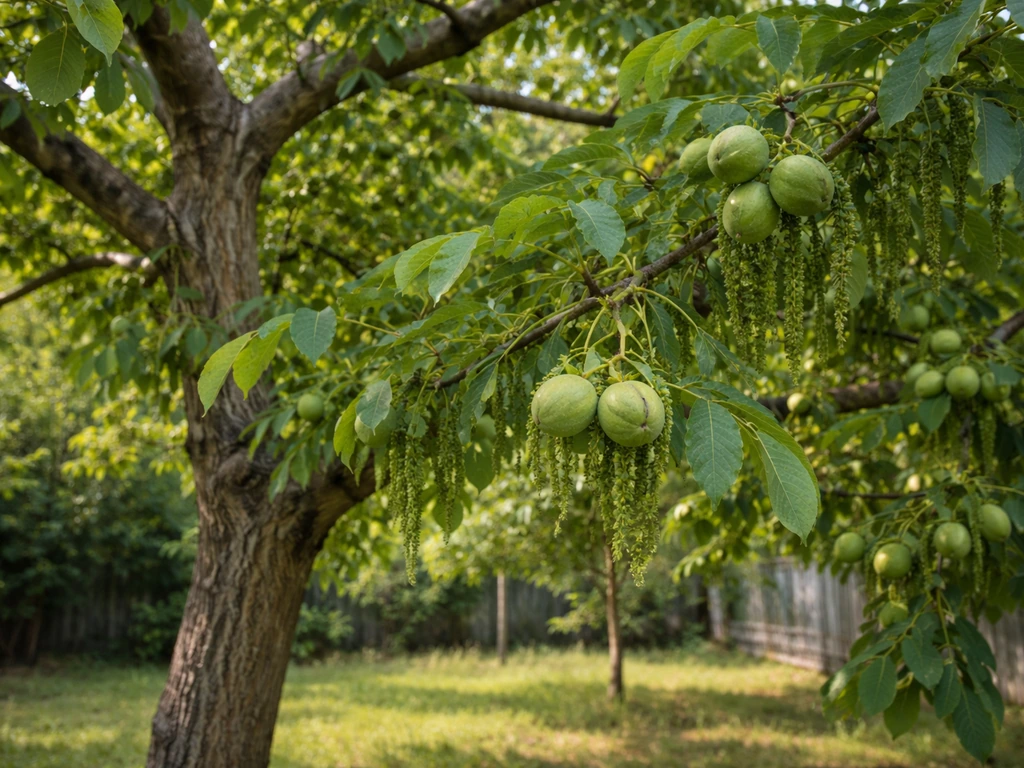
Black walnut trees produce a compound called juglone (5-hydroxy-1,4-naphthoquinone) throughout their tissue: roots, leaves, nut hulls, and bark all contain it or its precursor. The roots are the main delivery mechanism into surrounding soil, but decomposing leaves and hulls that pile up under poor drainage conditions also release juglone into the rhizosphere. Penn State Extension research makes an important point here: blank" rel="noopener noreferrer">the toxin accumulates most severely in wet, poorly aerated soils with low microbial activity and limited organic matter. University of Maryland Extension similarly notes that walnut toxicity conditions are most severe when juglone breaks down and accumulates under less favorable soil conditions blank" rel="noopener noreferrer">wet, poorly aerated soils with low microbial activity and limited organic matter. In well-drained, biologically active soil, microbial breakdown reduces juglone levels faster. That's not a cure, but it's a meaningful variable you can actually work with.
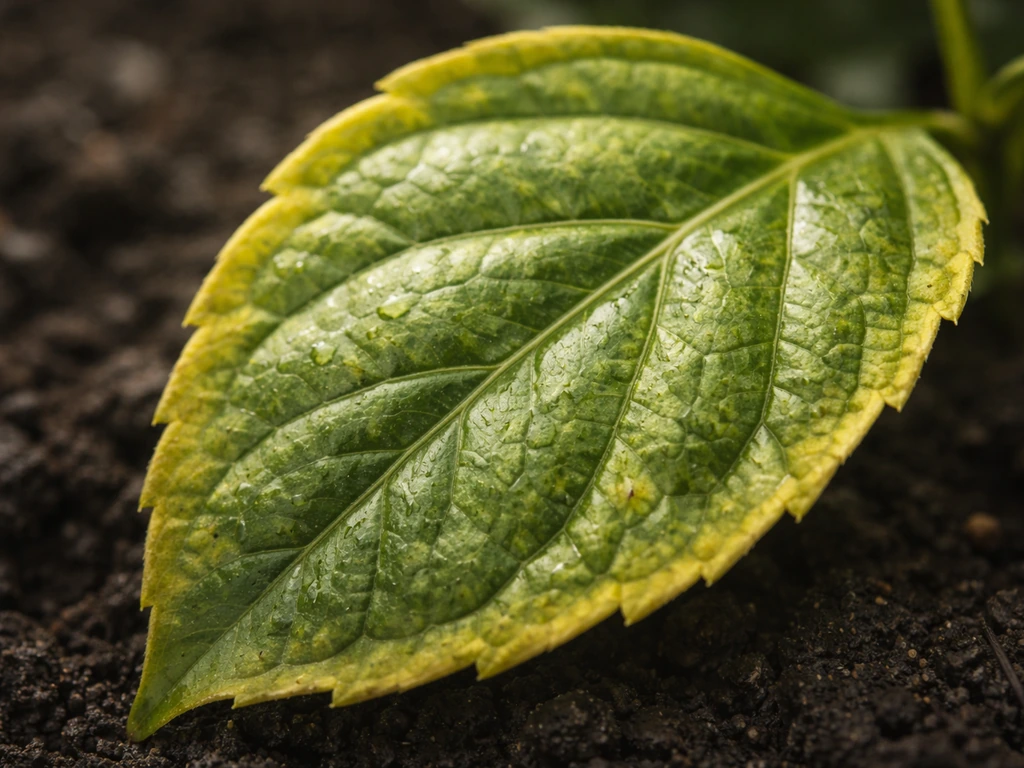
Juglone's mechanism is interference with cellular respiration in sensitive plants. Research on lettuce seedling roots specifically has confirmed phytotoxic effects at the root tips, which explains why lettuce under walnut influence looks like it's water-stressed even when soil moisture is fine. The roots simply can't function normally, nutrient and water uptake breaks down, and the plant deteriorates from the bottom up. This is why wilting, yellowing, and stunted seedlings are the classic field symptoms, and why it's easy to misdiagnose as drought or nutrient deficiency.
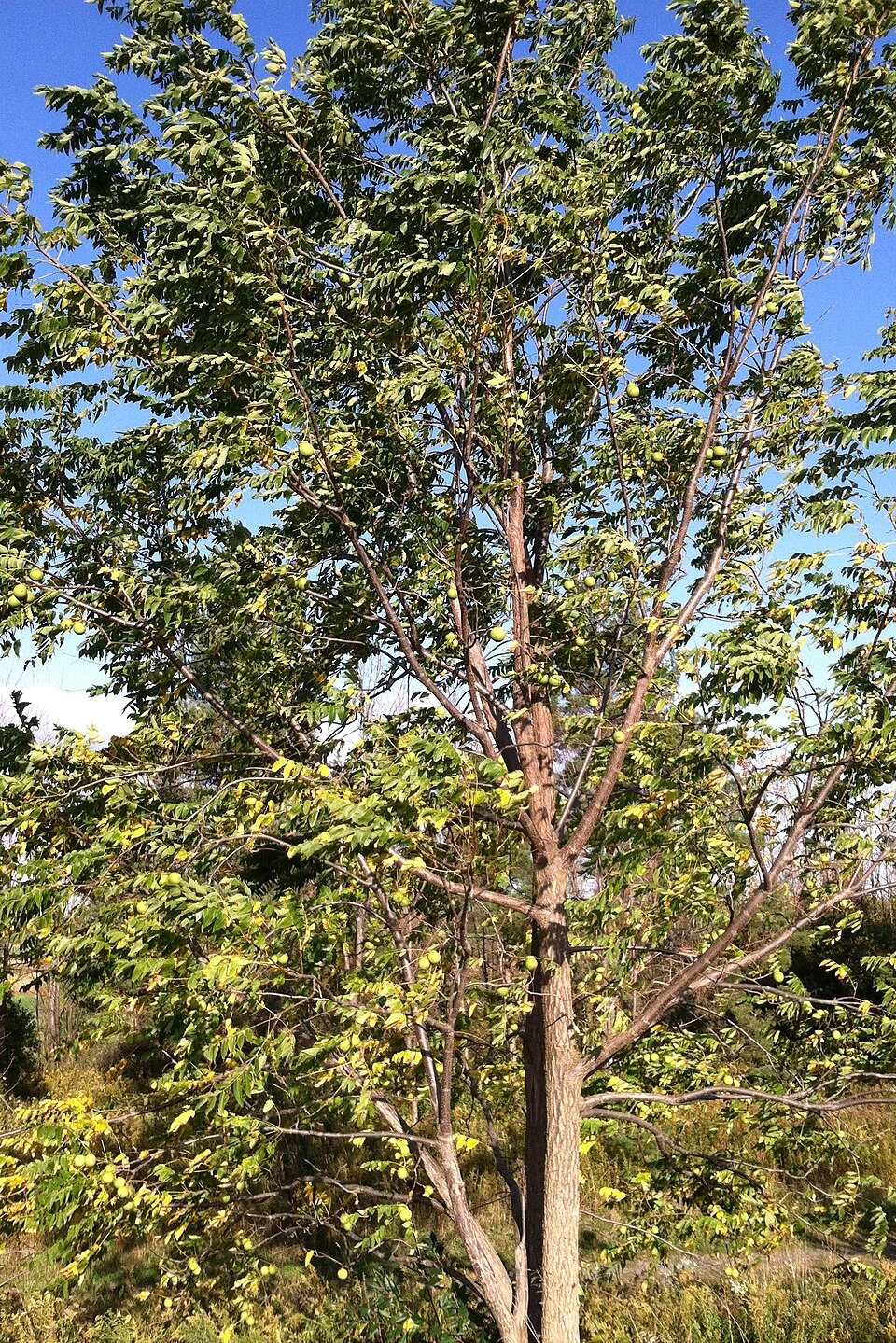
The reach of black walnut roots matters as much as the tree's canopy. Roots typically extend 1.5 to 2 times the height of the tree outward from the trunk, which can mean 50 to 80 feet of root spread on a mature tree. Juglone concentration drops with distance, but it doesn't hit zero at the dripline. This is one reason gardeners are often surprised when plants 30 or 40 feet from the trunk still struggle.
How sensitive is lettuce, exactly?
Lettuce (Lactuca sativa) lands firmly in the sensitive category. It's not at the extreme end like tomatoes or blueberries, which can die outright from juglone exposure, but it's not tolerant either. The confirmed phytotoxic effects at the root tip level mean that even moderate juglone concentrations in soil will impair germination and early establishment. What you typically see in practice is this: seeds germinate, seedlings emerge looking okay, then growth slows and the plants never really take off. By the time you realize something's wrong, weeks have passed and the crop is compromised.
Lettuce also has a short growing window, especially in warm climates where it's a cool-season crop needing to finish before heat arrives. That limited timeline makes it even less forgiving of any growth disruption. A plant already fighting juglone stress has almost no buffer to recover and still produce a usable harvest. Compare that to a more tolerant crop that might show mild stress but still yields something reasonable, and you can see why the math on lettuce near black walnut is tough.
Realistic outcomes if you try it anyway
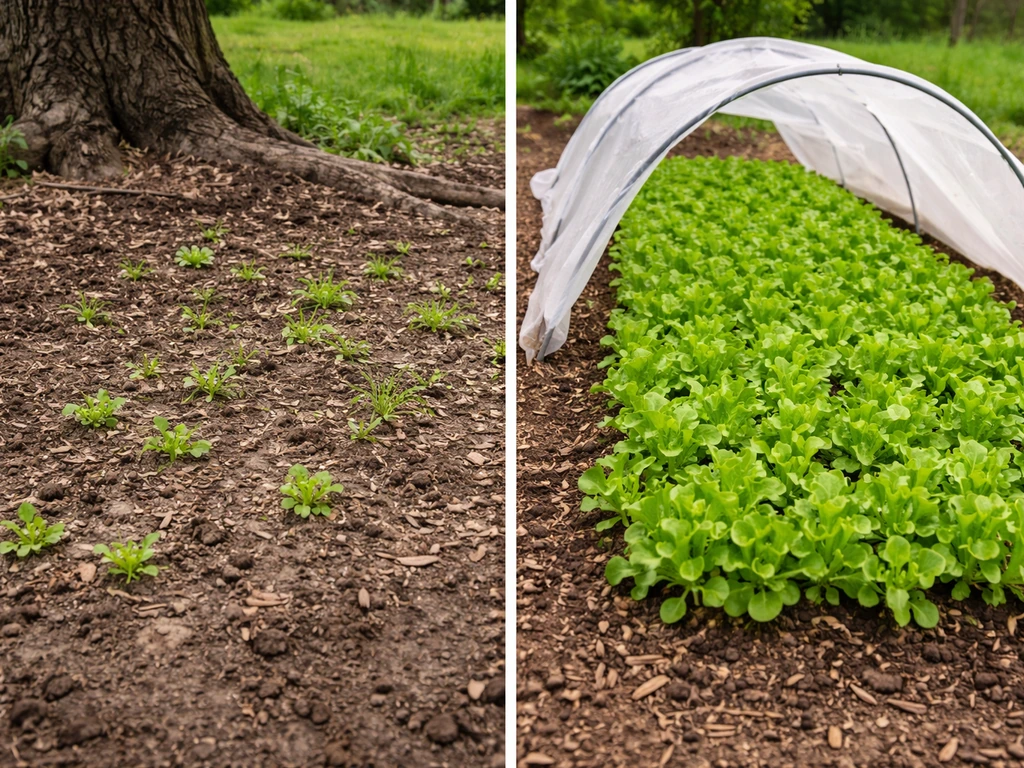
If you plant lettuce directly in-ground within the dripline or root zone of a mature black walnut, here's what most growers experience: germination is patchy, seedlings that do emerge grow slowly and unevenly, leaves yellow from the outside in, and plants often wilt during midday heat even with adequate water. Some plants may hang on without producing a full head; others collapse entirely. Loose-leaf varieties tend to fare slightly better than heading types simply because they can be harvested at a smaller size, but neither will thrive.
Beyond the dripline but still within the extended root zone (say, 40 to 60 feet from the trunk), outcomes get more variable. Some gardeners report decent crops with no obvious problems; others hit juglone pockets from lateral roots and see the same symptoms. Soil type and drainage play a big role here. Sandy, well-drained soil breaks down juglone faster and gives you better odds. Heavy clay that stays wet is the worst-case scenario.
Outside 60 feet from a mature tree, in well-drained soil, in-ground lettuce is generally workable. If you're dealing with a younger or smaller walnut, the root spread is proportionally smaller and the risk zone shrinks accordingly. Young trees under 15 to 20 feet tall pose significantly less risk than a 50-foot mature specimen.
How to test your specific yard before committing
The most practical diagnostic is a plant bioassay, basically growing a known-sensitive species as a test crop in the specific soil where you want to garden. Tomato transplants or tomato seedlings started from seed work well for this because tomatoes are highly sensitive to juglone and show symptoms quickly and clearly. Plant a few in the spot you're considering, in native soil, and observe for two to three weeks. Wilting, yellowing, and stunted growth with no other obvious cause points to a juglone problem. If the tomatoes establish and grow normally, lettuce is likely to do okay there too.
You can also do a simple observation audit of your yard. Look at what's already growing naturally in the area. Grass that looks thin or patchy under and around the tree canopy, perennial plants that struggle year after year, or bare patches under the dripline where little establishes well are all signs of active juglone interference. Conversely, if you see healthy weeds, vigorous ground cover, or other ornamentals thriving within 40 to 50 feet of the trunk, the juglone pressure in that specific soil may be lower than average due to drainage or microbial activity.
Mapping where the roots actually run helps too. Black walnut lateral roots often follow irrigation lines, downslope gradients, and areas of looser soil. Walk the perimeter after a rain and look for areas where surface roots are visible. Those are the highest-risk zones for juglone concentration. Keep your vegetable beds away from them regardless of linear distance from the trunk.
Placement strategies that actually improve your odds
Distance is your first and most important lever. Aim for at least 50 to 60 feet from the trunk of a mature black walnut for any in-ground planting of sensitive crops. If your property doesn't give you that buffer, raised beds or containers become the realistic path forward.
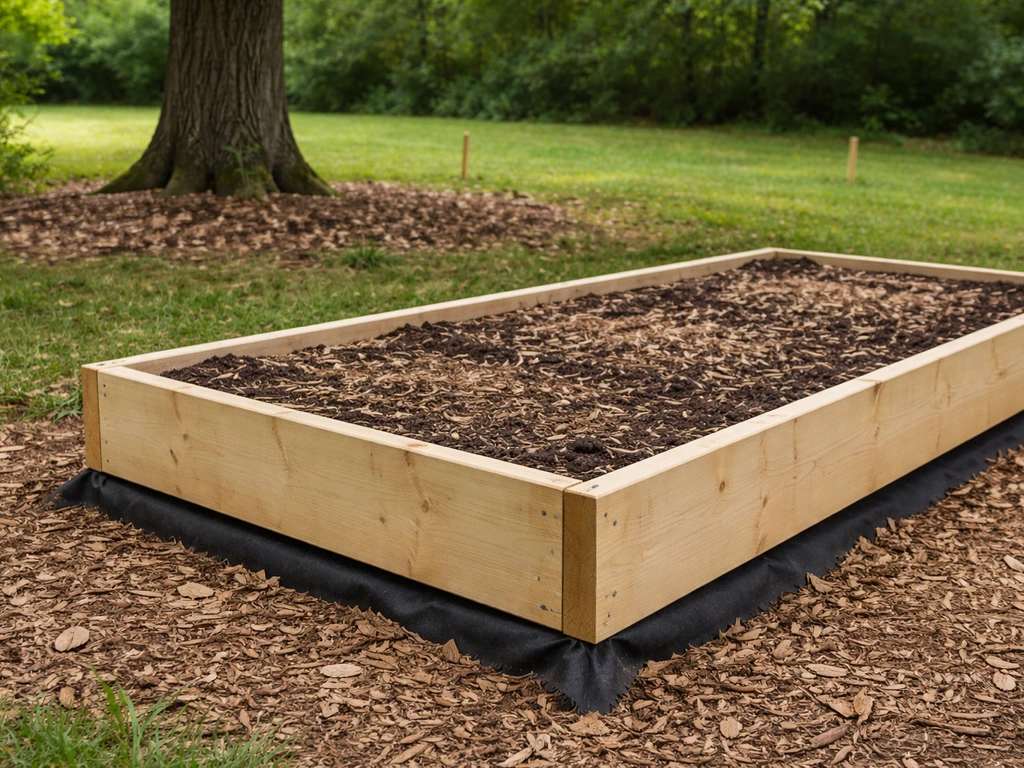
Raised beds work well when they're built with a proper barrier at the base. A thick layer of landscape fabric or heavy-duty liner at the bottom of a raised bed, placed over native soil, won't stop juglone completely forever but it significantly slows root intrusion and soil contact. Fill the bed with fresh, uncontaminated growing mix: a blend of quality compost, aged organic matter, and well-draining media. The key is that lettuce roots never contact native soil where juglone has accumulated. This approach lets you garden much closer to the tree, potentially within 20 to 30 feet, though I'd still avoid planting directly underneath the canopy where falling leaves and hulls will drop into the bed.
Containers on legs or hard surfaces (concrete, gravel, deck boards) are even more effective than in-ground raised beds because they eliminate soil contact entirely. A half-barrel or large container planted with a loose-leaf lettuce mix, positioned upslope or well away from the drip zone, is about as protected as you can get without relocating the tree. The tradeoff is that containers dry out faster, which matters for lettuce that prefers consistent moisture.
Timing also helps. Spring planting, before walnut leaf-out and before hull drop in fall, keeps the window of active decomposing plant material lower. Walnut leaves fall in autumn and can release additional juglone as they break down through winter. Planting a cool-season lettuce crop in early spring in a well-drained raised bed minimizes the leaf-decomposition input during the growing window. Remove fallen walnut leaves from the bed as soon as they land; don't let them compost in place.
Soil amendments and workarounds: what helps and what doesn't
Improving soil drainage and biology is the most reliable in-ground mitigation. Because juglone accumulates worst in wet, low-oxygen, low-microbial-activity soils, anything that improves drainage and adds active organic matter works in your favor. Incorporating aged compost (not fresh walnut leaves or hulls), coarse organic matter, and even biochar helps both drainage and microbial populations. Raised beds filled with compost-heavy mix naturally achieve this.
What doesn't work reliably: lime applications, pH adjustments, or specific fertilizers that claim to counteract allelopathy. Juglone is not a nutrient problem, it's a biochemical interference issue, and no fertilizer resolves that. Adding more nitrogen because lettuce looks yellowed will not fix juglone-related chlorosis. It's a common mistake, and it wastes time and resources while the real issue goes unaddressed.
Physical barriers between roots and your planting area help but need realistic expectations. Heavy landscape fabric slows root intrusion and reduces soil contamination from direct root contact, but it doesn't stop juglone from moving through groundwater or leachate over time. A 12-inch-deep liner under a raised bed gives you two to five years of reasonable protection depending on root pressure and precipitation. After that, refreshing the bed's growing media is a practical maintenance step.
One approach that genuinely helps in marginal zones is planting a ring of juglone-tolerant plants as a buffer between the walnut and your vegetable area. Species like black raspberry, elderberry, pawpaw, and certain grasses tolerate juglone well and their root systems may partially intercept lateral walnut roots. This isn't a silver bullet, but it can reduce the root density reaching your garden beds over time. Understanding which vegetables and plants handle walnut allelopathy well is a useful framework here, since those tolerant species can become productive companions rather than just barriers. Once you know the juglone-sensitive area, you can choose vegetables that will grow near black walnut trees based on their tolerance and placement.
What to grow instead if lettuce keeps failing
If you've tried the raised bed approach, kept the beds clean of walnut debris, and lettuce still underperforms, it's worth shifting to crops that are confirmed more tolerant of juglone. The following plants can often succeed in zones where lettuce struggles, and several are productive, practical choices for the home garden.
- Corn (Zea mays): generally juglone-tolerant and productive even near walnut zones
- Squash and melons: moderately tolerant and often used successfully by gardeners near black walnuts
- Beans (snap and dry types): better tolerance than most solanums or brassicas
- Beets: handle juglone better than lettuce in most reported cases
- Carrots and parsnips: root crops often succeed where leafy greens fail
- Onions and garlic: reliably tolerant and useful as companion plantings
- Jerusalem artichoke: highly tolerant and actually in the same Juglandaceae-adjacent ecosystem in many regions
Spinach is a middle-ground option. Like lettuce, it's a leafy green with similar cultural needs, but some growers report it handles mild juglone exposure better than lettuce does. It's worth trialing spinach in a bed where lettuce failed before abandoning leafy greens entirely in that space. Swiss chard also performs reasonably well in marginal juglone zones and tolerates more heat than lettuce, which extends the usable growing window.
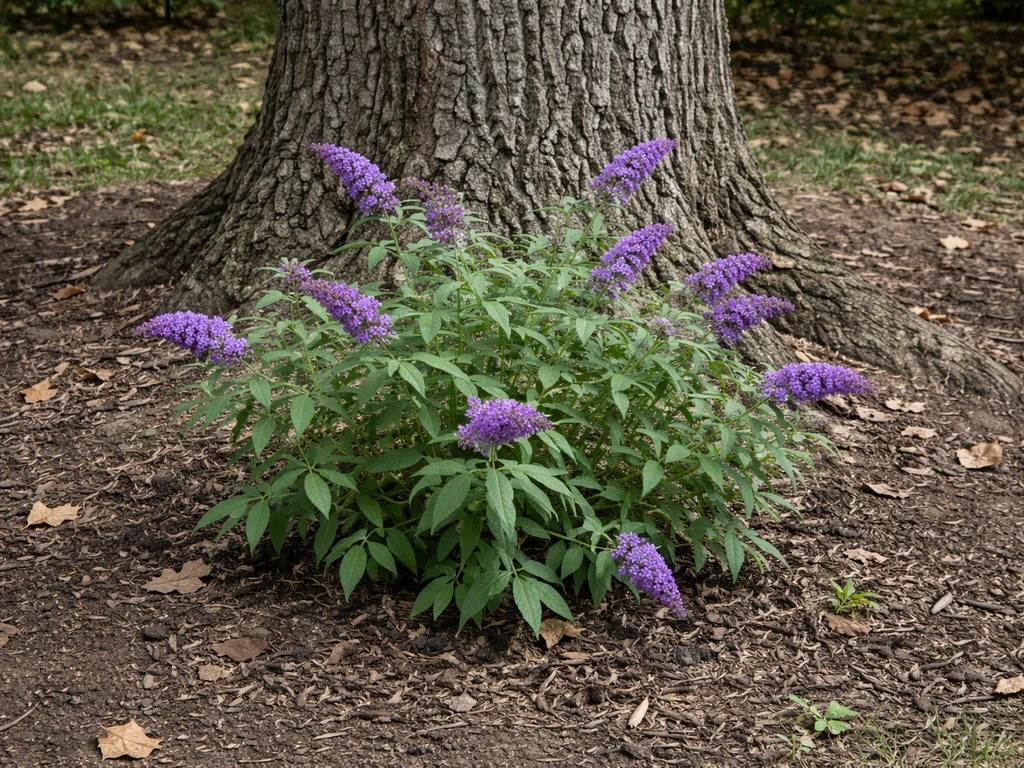
The broader lesson with black walnut allelopathy is that it creates a gradient, not a hard line. Very close to the tree, very little survives. In the middle zone, sensitive plants struggle and tolerant ones can thrive. At the outer edge of the root system, almost everything grows normally. The practical approach is to map that gradient in your yard through observation and testing, then match crops to zones accordingly rather than fighting the chemistry at every point. If you are wondering whether a butterfly bush will do well under a black walnut, the same juglone stress can matter, depending on distance and soil conditions butterfly bush will grow under black walnut. If lettuce belongs 60 feet away in a container, that's not failure, it's just good site planning. Can cucumbers grow near black walnut trees? The same juglone principles apply, and cucumbers are generally more tolerant than lettuce but still can be affected depending on distance, soil moisture, and drainage.
For gardeners dealing with a young black walnut tree, it's also worth noting that the allelopathic pressure will increase as the tree matures and roots expand. What works today may not work in five years as the root system grows outward. Factor that trajectory into your garden layout decisions now, particularly if you're building raised beds or permanent structures near the tree.
FAQ
Can I grow lettuce near a black walnut if I use planters or grow bags?
Yes, but only if the container soil is fully isolated from walnut-root contact. Use fresh, uncontaminated potting mix, set the pot on a non-soil surface (or keep it far enough that roots cannot reach it), and don’t let the container sit with standing water that can raise leaching from nearby soil. Also plan for faster drying, since container lettuce needs more frequent watering than in-ground beds.
Will landscape fabric under a raised bed fully prevent black walnut juglone from affecting lettuce?
They can help but they are not a long-term guarantee in the same way as replacing the soil. Heavy fabric and liners reduce direct root intrusion and slow mixing between native soil and your bed, but juglone can still move indirectly through water pathways. If you use a barrier, expect to refresh the growing media periodically and monitor symptoms in the lettuce after wet seasons.
If my lettuce yellows near walnut trees, will more fertilizer or nitrogen fix it?
It is unlikely to be the solution. Juglone stress disrupts root function rather than supplying a missing nutrient, so changing fertilizer or boosting nitrogen often delays the problem without fixing the cause. If lettuce keeps yellowing from the outside in and growth stalls after normal watering, treat it as allelopathy first, then adjust your planting zone or soil isolation.
Does adjusting soil pH or adding lime counteract black walnut allelopathy for lettuce?
Not reliably. Lime or pH adjustments may slightly influence microbial activity, but they do not neutralize juglone itself. If you want a pH change for plant health, do it based on a soil test, but don’t expect it to convert a high-juglone zone into a safe one for lettuce.
How can I tell juglone stress apart from drought or nutrient deficiency?
Yes, but symptoms can look misleading early on. Lettuce under juglone influence can start germination, then fail to gain vigor, with stunting and yellowing that progresses and wilting that happens even when the bed is adequately moist. Because lettuce is sensitive, catch it early by comparing performance to a nearby control bed with non-native soil or a far-from-walnut location.
If lettuce works near my walnut one year, will it keep working as the tree grows?
If the walnut is large or mature, five years is often not enough. Root expansion and increased root density can change the juglone gradient over time, even if lettuce seems fine one season. Reassess distance and barrier integrity each year, especially after tree growth, and be ready to move lettuce into containers or farther zones.
How do I run a practical tomato bioassay to decide whether a spot is safe for lettuce?
Use the bioassay as a yes or no indicator for that specific spot and soil condition, not as a guarantee for the entire yard. Tomatoes are sensitive and usually show symptoms within a couple of weeks if juglone pressure is active, but you still need to run the test in the same moisture conditions you will use (drainage differences matter).
Can fallen walnut leaves or nut hulls affect lettuce even if I’m far from the trunk?
Yes, and it is an overlooked factor. Walnut leaves and hull fragments that collect in or near your beds can add to juglone exposure as they decompose, especially in wet or poorly aerated areas. Remove fallen walnut debris promptly, don’t compost it on site, and avoid mulches that get soaked and stay wet.
Why do lettuce problems sometimes happen in spots that are far from the walnut trunk?
In many yards, yes, because walnut lateral roots can follow moisture features. After a rain, identify areas with visible surface roots, downslope channels, or where irrigation tends to wet the ground, and treat those as high-risk pockets even if the trunk-to-bed distance seems adequate. The most successful beds are the ones that stay on the cleaner, drier side of those lateral-root pathways.
Do loose-leaf lettuce varieties perform better than heading types near black walnut trees?
Yes, but choose varieties strategically and manage expectations. Loose-leaf lettuce generally tolerates marginal conditions better because it can be harvested at smaller sizes, while heading types often require more consistent establishment and are more likely to fail when early root function is impaired. Still, if germination is patchy and seedlings stall, switch locations rather than waiting for a late recovery.
Does improving drainage help enough to grow lettuce closer to a black walnut?
Yes, especially if you can keep the bed from getting wet. Since juglone is most problematic in wet, low-oxygen soils with lower microbial breakdown, improving drainage and keeping beds aerated can reduce the severity. Use well-draining mixes, avoid overwatering, and correct compacted areas so the root zone stays oxygenated.