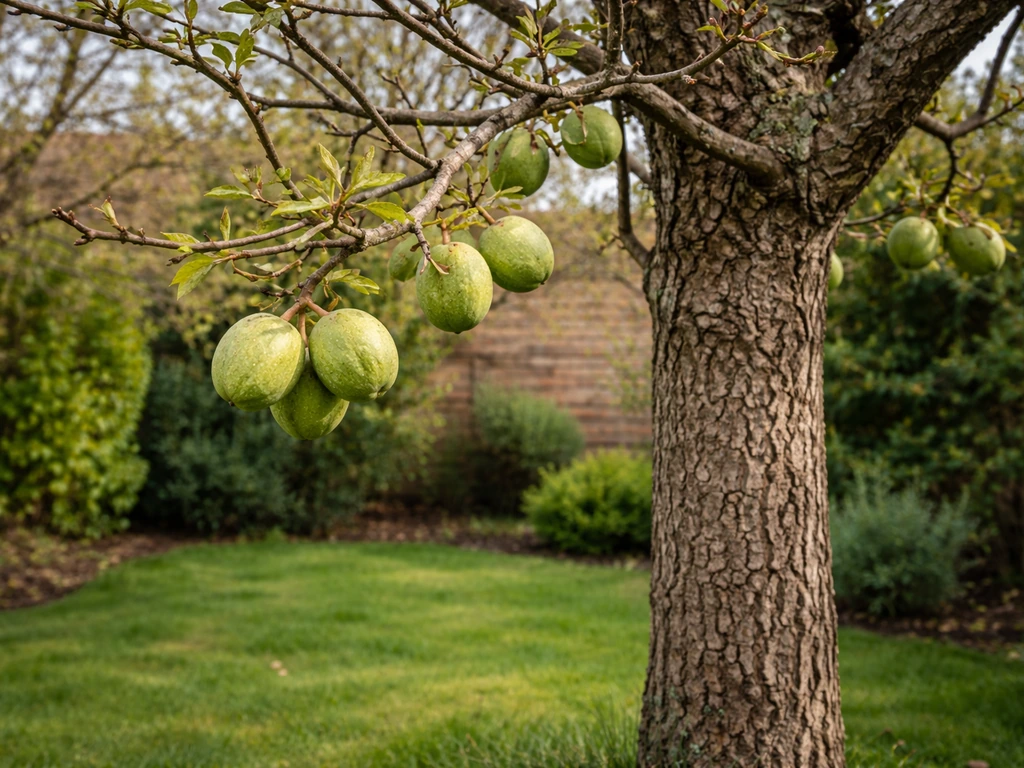
Butterfly bush (Buddleja davidii) is not on the confirmed-sensitive list for juglone, but it's also not on any confirmed-tolerant list either. CSU Extension notes that summer-flowering shrubs include most butterfly bush (Buddleia spp.), and it explains how pruning timing impacts blooms. That middle ground means you can try it near a black walnut, but you're taking a real gamble if you plant it directly under the canopy or within the main root zone. Your best shot is planting it at least 50 to 60 feet from the trunk, or using a raised bed with a root barrier if you're working with a smaller yard. The closer to the tree, the more likely you'll see poor performance or outright failure.
Will Butterfly Bush Grow Under Black Walnut? Tips
Marcus Hendricks
3 May 2026
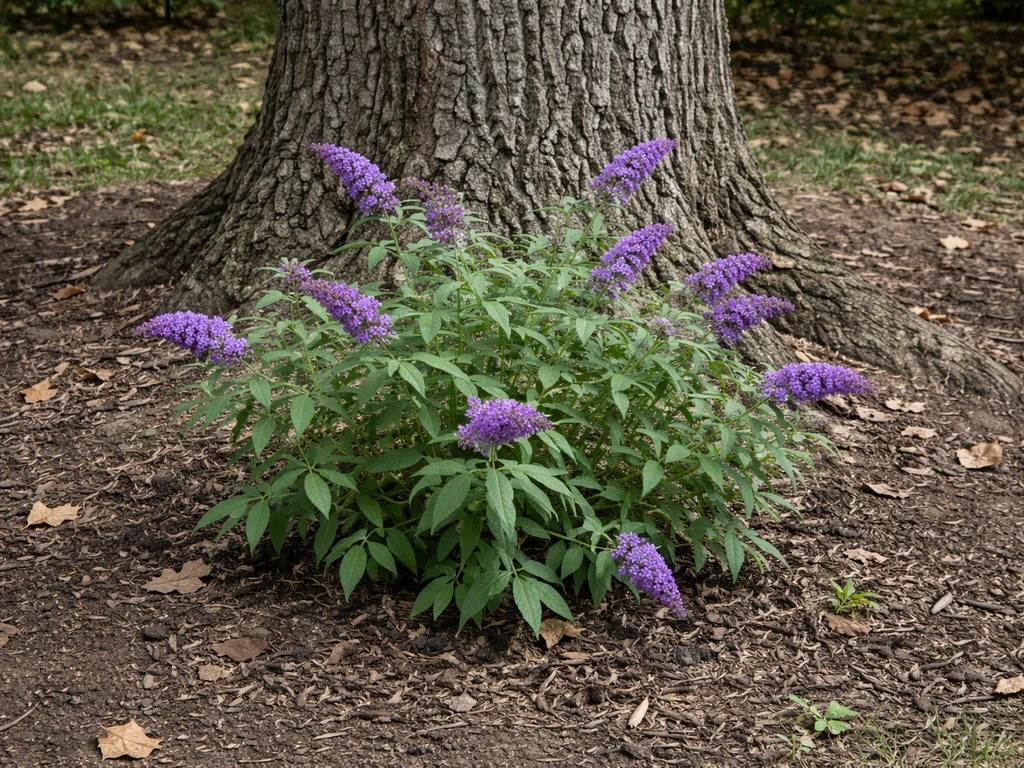
What juglone actually does to nearby plants
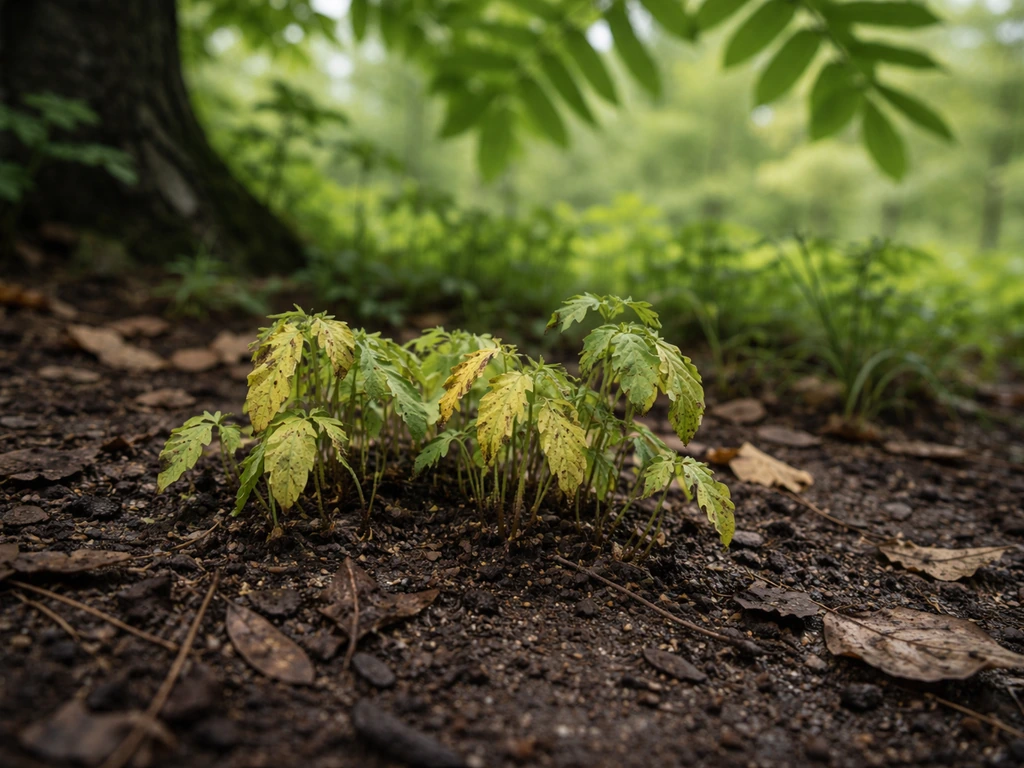
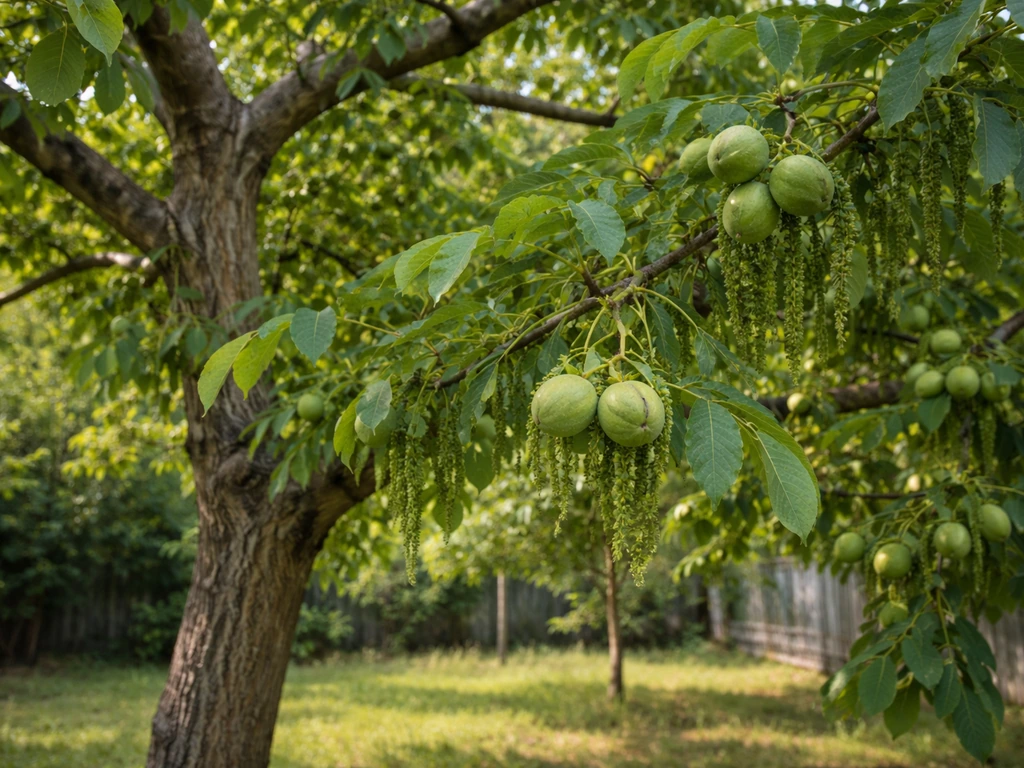
Black walnut trees produce a compound called juglone, which shows up in essentially every part of the tree: roots, buds, nut hulls, bark, and even the leaves as they break down. The roots are the main delivery system into the soil, and because walnut roots spread wide and deep, juglone doesn't stay neatly contained under the canopy. Wisconsin Extension puts the active toxic zone at roughly 50 to 60 feet from the trunk of a mature tree, with the worst exposure inside the dripline where root density is highest.
Here's the tricky part: juglone doesn't disperse evenly through the soil. WSU Extension research notes that a lot of the compound stays concentrated in the rhizosphere (the zone right around the roots) rather than spreading broadly through the bulk soil. That's actually useful information. It means the risk isn't uniform across your yard. Plants whose roots physically contact walnut roots face the highest exposure, while plants a bit farther away may escape significant harm even if they're technically within the 50 to 60 foot zone.
Juglone problems tend to get worse in wet, poorly aerated soils because that's where the toxin accumulates rather than breaking down. Penn State Extension specifically flags this: susceptible plants under the canopy are most at risk when soils are waterlogged and microbial activity is low. Fallen walnut leaves, nut hulls, and wood chips from walnut trees all continue releasing juglone as they decompose, so even the leaf litter you rake away from the trunk adds to soil loading over time. And if you've removed a walnut tree and are now trying to garden there, don't assume the problem is gone. Root pieces left in the ground can keep releasing juglone for several years as they decay.
What butterfly bush actually needs to thrive
Before you can assess how butterfly bush will handle juglone, it helps to understand what the plant needs in the first place, because some of those needs directly conflict with what you'll find under a black walnut canopy.
- Full sun is non-negotiable for good flowering. Clemson Extension and the RHS both specify full sun to partial shade, and the blooms noticeably decline under heavy shade. Under a large walnut's canopy, light is already a limiting factor.
- Well-drained soil is critical. Butterfly bush roots rot quickly in waterlogged conditions. This matters because wet soil is exactly where juglone accumulates most.
- Soil pH around 6.0 to 7.0 suits it best, which often aligns with walnut-adjacent soils, so that's one thing that's less likely to be a problem.
- Once established, it handles drought reasonably well, but drought stress opens it up to spider mite infestations that can look a lot like other problems.
- It's hardy to about -20°F (USDA zones 5 to 10) and blooms on new growth, so even if top growth dies back in winter, it can resprout from the crown.
The overlap between butterfly bush's weaknesses and walnut's impact zone is the real issue. Poor drainage, reduced light from canopy shade, and root competition from the walnut all hit butterfly bush where it's already vulnerable. Even if juglone alone doesn't kill it, the combination of stressors makes success a lot harder to guarantee.
So will butterfly bush actually grow near a black walnut?
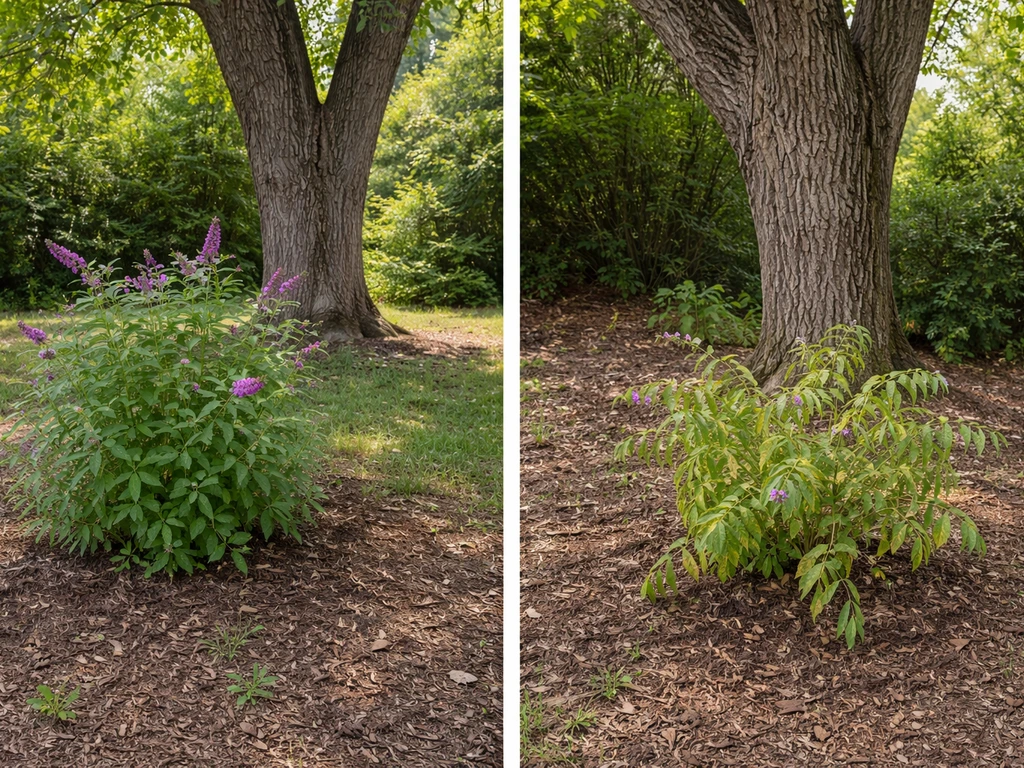
Honestly, it depends heavily on placement. Lettuce can struggle near black walnut trees because the trees release juglone that affects nearby plants can lettuce grow near black walnut trees. Butterfly bush doesn't appear on Purdue Extension's or Wisconsin's lists of plants confirmed sensitive to juglone, but it also doesn't appear on the tolerant lists. That ambiguity matters. University Extension sources, including Purdue HO-193 and UW-Madison, explicitly caution that most tolerance and sensitivity lists are built from field observations rather than controlled experiments, so absence from either list is not reassurance.
Here's the realistic picture. If you plant butterfly bush directly under the canopy of a mature black walnut, in-ground and without any barriers, you're stacking several problems at once: potential juglone exposure from root contact, reduced sunlight, and root competition for water and nutrients. Even a juglone-tolerant species would struggle with that combination. Your chances of success improve significantly as you move farther from the trunk, improve drainage, and reduce direct root competition with the walnut. At the edge of the canopy or beyond it, with good drainage and full sun exposure, butterfly bush has a reasonable shot.
How to cut down your juglone risk
Distance and site selection
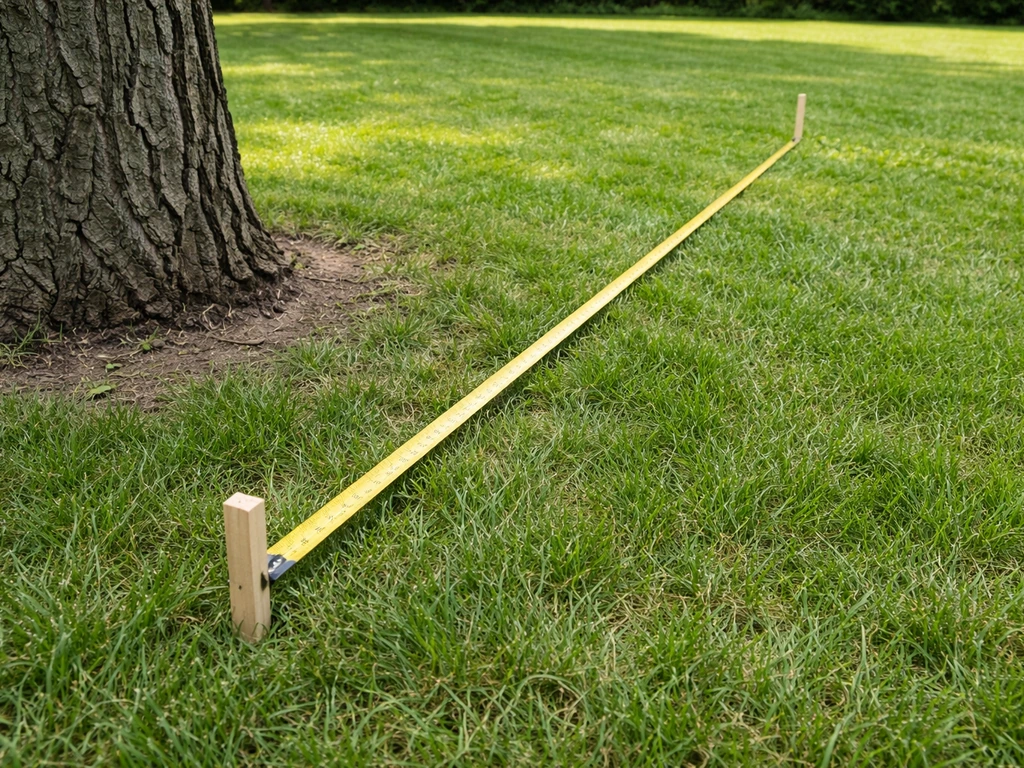
The simplest thing you can do is plant outside the main toxic zone. Aim for at least 50 to 60 feet from the trunk, and ideally beyond the dripline (the outer edge of the canopy). If your yard doesn't give you that much space, you're going to need physical strategies to compensate.
Soil management and amendments
Good soil aeration and drainage matter because juglone is most harmful in compacted, waterlogged, low-oxygen conditions. Improving organic matter content and working in amendments that boost microbial activity can help break down juglone faster. That said, don't over-amend with compost, especially walnut-origin materials. UW Extension is direct about this: walnut leaves, bark, and wood chips should never be used as mulch near plants that might be sensitive, because they keep releasing juglone even after composting. Stick to non-walnut compost and organic matter.
Root barriers
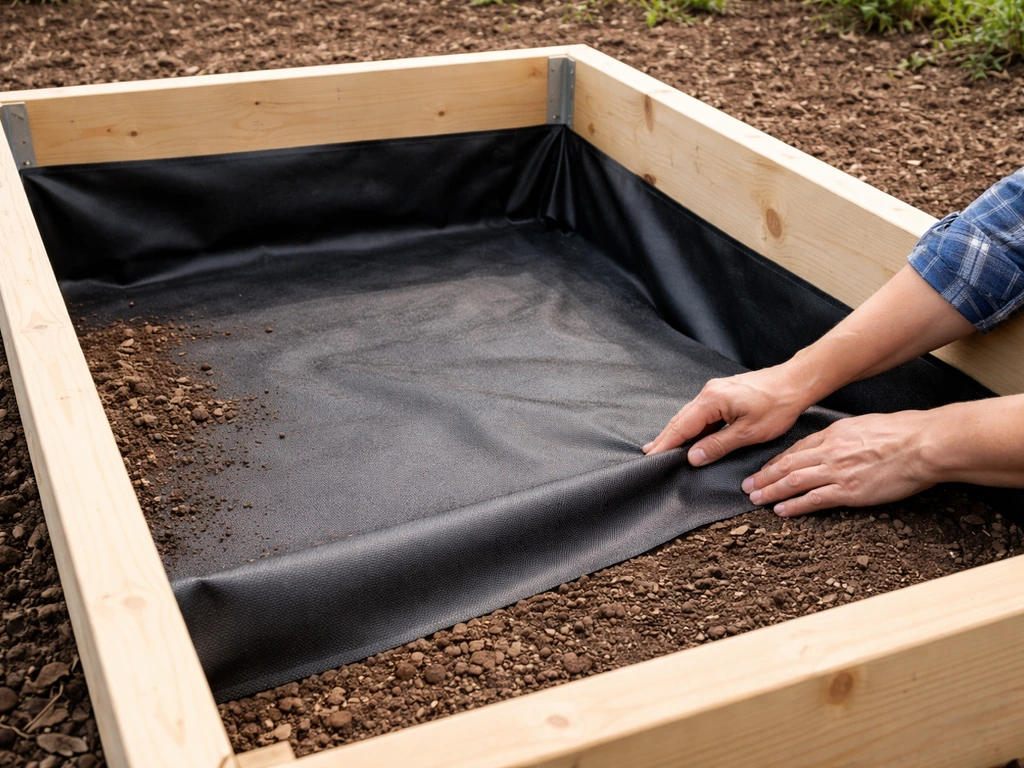
If you're planting inside the walnut's root zone, a physical root barrier on the bottom of a raised bed can reduce how much walnut root (and therefore juglone) reaches your plant's roots. Ask Extension recommends a raised bed at least 18 to 24 inches deep, lined on the bottom with heavy landscape fabric or quarter-inch hardware cloth to block walnut root intrusion. Fill it with clean, uncontaminated topsoil, not soil excavated from within the walnut zone. This isn't a perfect fix since walnut roots are persistent and will eventually work around barriers, but it buys you meaningful time and protection.
Container growing versus in-ground under a black walnut
Container growing is honestly the most reliable strategy if you want butterfly bush anywhere near a black walnut and don't want to gamble. A large container (at least a 15 to 20 gallon pot) filled with fresh potting mix keeps walnut roots out entirely, as long as the container doesn't sit directly on soil where roots could grow up through drainage holes. Elevating it slightly or setting it on a hard surface solves that problem.
| Factor | In-Ground (no barrier) | In-Ground (raised bed + barrier) | Container |
|---|---|---|---|
| Juglone exposure | High if within root zone | Reduced but not zero | Essentially none |
| Root barrier needed | No (not feasible) | Yes (18–24" deep + lined base) | Yes (elevate off soil) |
| Soil control | Limited | Good (use clean fill) | Complete |
| Watering demands | Tree competes for moisture | Moderate; monitor drainage | Higher; dries faster |
| Light availability | Depends on canopy position | Depends on canopy position | Can move for more sun |
| Long-term viability | Uncertain, higher failure risk | Better odds, still some risk | Best odds near walnut |
The trade-off with containers is maintenance. Butterfly bush is a vigorous grower and will outgrow smaller pots in a season or two. You'll also need to water more consistently since containers dry out faster, especially in the open sun that butterfly bush needs. But if your goal is a pollinator-attracting shrub near your walnut tree without the heartbreak of watching an in-ground plant fail, a large container is the pragmatic choice.
Spotting problems early and knowing when to give up
If butterfly bush is struggling due to juglone, the symptoms look a lot like general stress: yellowing leaves, wilting during hot or dry periods, and slow growth or dieback. Penn State Extension describes exactly this pattern for juglone-sensitive plants, and UW-Madison notes that symptoms can appear within just a few days of transplanting a sensitive plant into the walnut root zone. That fast timeline is useful for troubleshooting.
The problem is that yellowing and wilting are also classic signs of drought stress, root rot from poor drainage, or spider mite damage, all of which butterfly bush is prone to independently. Before you blame juglone, rule out the simpler causes. Is the soil draining properly? Is the plant getting at least 6 hours of direct sun? Have you checked the undersides of leaves for mites? If the basic conditions are right and the plant is still declining, juglone becomes a more likely culprit.
Give an in-ground plant a full growing season before writing it off. Butterfly bush resprouts vigorously from the crown even after top growth dies back, so don't pull it after a rough summer. Scratch the base stems near the soil line in spring and look for green tissue. If the crown is alive and putting out new shoots, the plant is fighting back. If you see no new growth by late spring and the crown is dry and brittle, it's done. Two seasons of that with no meaningful recovery is a clear signal to rethink your approach.
Better shrubs to try if butterfly bush doesn't make it
If you've given butterfly bush a fair shot and it keeps failing, or if you'd rather start with something that has a better documented track record near black walnut, there are shrubs worth considering. Extension sources including Purdue HO-193 and the K-State Johnson County Master Gardeners list have compiled observations of plants that tend to tolerate juglone better.
- Forsythia (Forsythia spp.) is frequently cited as tolerant of juglone and makes a reliable flowering shrub near walnuts.
- Viburnum species, particularly native viburnums, appear on multiple tolerant lists and provide wildlife value similar to butterfly bush.
- Elderberry (Sambucus spp.) is often listed as tolerant and does well in the dappled light and variable moisture conditions typical near walnut trees.
- Rugosa rose (Rosa rugosa) is another shrub that tends to handle walnut proximity better than many ornamentals.
- Spicebush (Lindera benzoin) is a native shrub that handles partial shade and is often cited as tolerant, making it a good fit under or near the outer edge of walnut canopies.
- Panicle hydrangea (Hydrangea paniculata) is mentioned in some tolerant-plant compilations and offers the ornamental impact butterfly bush gardeners are usually after.
Keep in mind that these lists are observation-based, not experimentally confirmed, just as the Extension sources themselves acknowledge. They're guidance, not guarantees. But if you're choosing between an untested plant and one that's been observed succeeding near black walnut in multiple gardens, the odds favor the plant with the positive track record. The same logic applies to any other plants you're trying near your walnut, whether that's vegetables like cucumbers or leafy greens, or other ornamentals.
Vegetables with strong, practical performance near black walnut often include options that prefer similar conditions and can be started farther from the trunk vegetables like cucumbers or leafy greens. Cucumbers can grow near black walnut trees in some yards, but you still need to manage distance, drainage, and root competition to improve your odds vegetables like cucumbers. Working within known tolerance categories saves a lot of frustration.
The bottom line is this: butterfly bush is an unknown quantity under black walnut, and the conditions under a walnut canopy work against it on multiple fronts. If you're set on trying it, plant it at the outer edge of the toxic zone with excellent drainage, give it full sun, and use a raised bed with a root barrier if you're within the dripline. If you want to plan farther ahead, it also helps to understand how black walnuts grow, because their root spread and canopy shape drive the juglone zone. If you want a more confident outcome from the start, pick a shrub with documented tolerance and save yourself a season of uncertainty.
FAQ
If I plant butterfly bush 50 to 60 feet from a black walnut, is that automatically safe from juglone?
Not automatically. Even at that distance, juglone risk depends on whether butterfly bush roots physically reach walnut roots. Areas with heavier soil, poor drainage, or frequent water pooling can increase exposure because juglone accumulates where oxygen is low.
Does the risk change if the black walnut is younger or smaller?
Yes, usually. The toxic root zone is discussed for mature trees, but young walnut trees can still release juglone through their roots. If you do not know the full root spread, start farther out than you think and avoid planting in low spots where water collects.
Can I use the walnut leaf litter raked away from the trunk as mulch around butterfly bush?
Avoid it. Walnut leaves, nut hulls, and wood chips can keep releasing juglone as they decompose, which can worsen risk even if you compost them. If you are trying butterfly bush near walnut, keep walnut-origin litter well away from the shrub.
Will composting walnut leaves make them safe for butterfly bush?
No, composting does not reliably neutralize juglone. Walnut plant parts can continue releasing juglone after composting, so it is best to use compost that is not made from walnut materials for areas where butterfly bush or other sensitive plants will be growing.
If I use a root barrier in a raised bed, what should I avoid doing?
Do not fill the raised bed with soil excavated from inside the walnut root zone, since it can already contain juglone. Also ensure the barrier goes deep enough and is continuous at the bottom and sides, because gaps can let walnut roots route around it over time.
How do I keep a container from becoming a pathway for walnut roots?
Prevent contact with soil. Place the pot on a hard surface or elevate it, so drainage water does not encourage walnut roots to grow into the container area. Also make sure no part of the container touches bare ground where roots could bridge over.
What soil conditions make butterfly bush more likely to fail near black walnut?
Poor drainage and compaction are the biggest multipliers. If the area stays soggy, forms a crust, or has standing water after rain, juglone effects tend to be more severe and long-lasting, regardless of the plant species.
If my butterfly bush yellows or wilts, how can I tell whether it is juglone versus something else?
First confirm basics. Check for adequate direct sun (at least 6 hours), then inspect leaf undersides for mites, and evaluate drainage by digging and checking moisture depth. Juglone symptoms often come on quickly after transplanting into the walnut root zone, but drought and root rot can look similar.
Should I give butterfly bush more time before concluding black walnut is the cause?
Yes. Butterfly bush can resprout from the crown after top dieback, so do not remove it after a single bad season. Scratch the crown area in spring to look for live green tissue, and judge by whether it puts out new shoots by late spring, then reevaluate again after a second season of no meaningful recovery.
If butterfly bush is not doing well, is moving it usually better than starting over in-ground?
Often, yes, but do it strategically. If you move it farther out from the trunk and improve drainage, you reduce both root contact and waterlogged stress. If it has already been in the walnut root zone, do not reuse soil from the planting hole in the new location.
Is there a safer “middle option” between in-ground planting and using a container?
A raised bed can be a good compromise if you use clean fill and a proper deep barrier. It still is not as foolproof as a container because walnut roots can eventually find paths around barriers, but it can significantly reduce direct root contact in the early years.