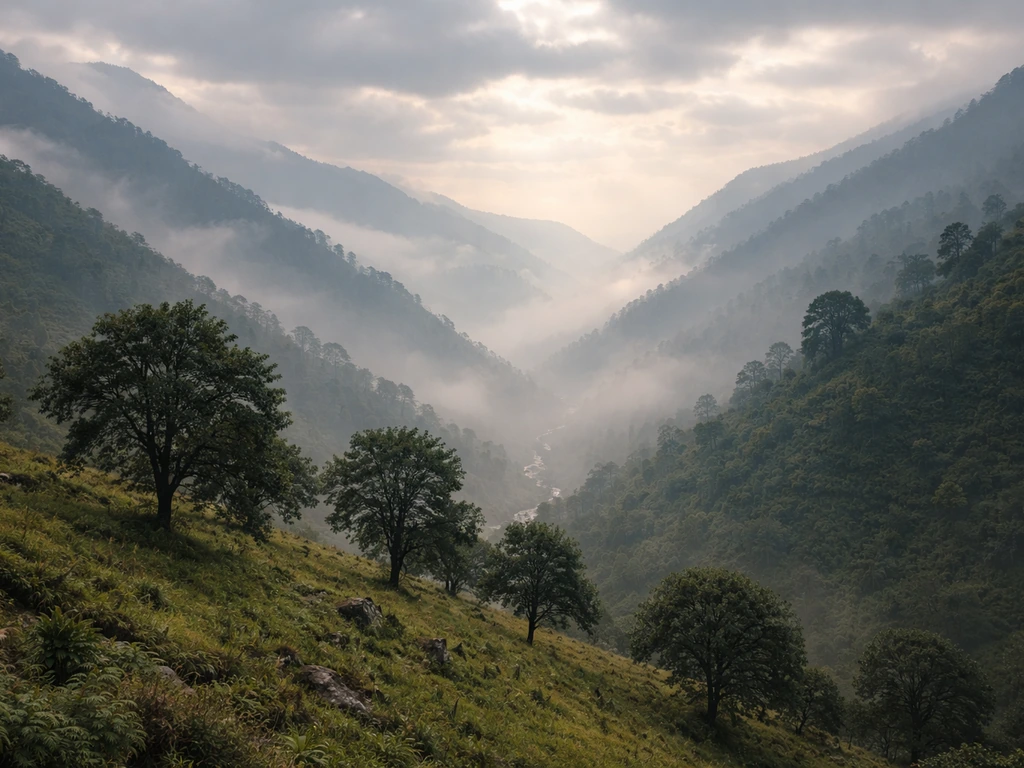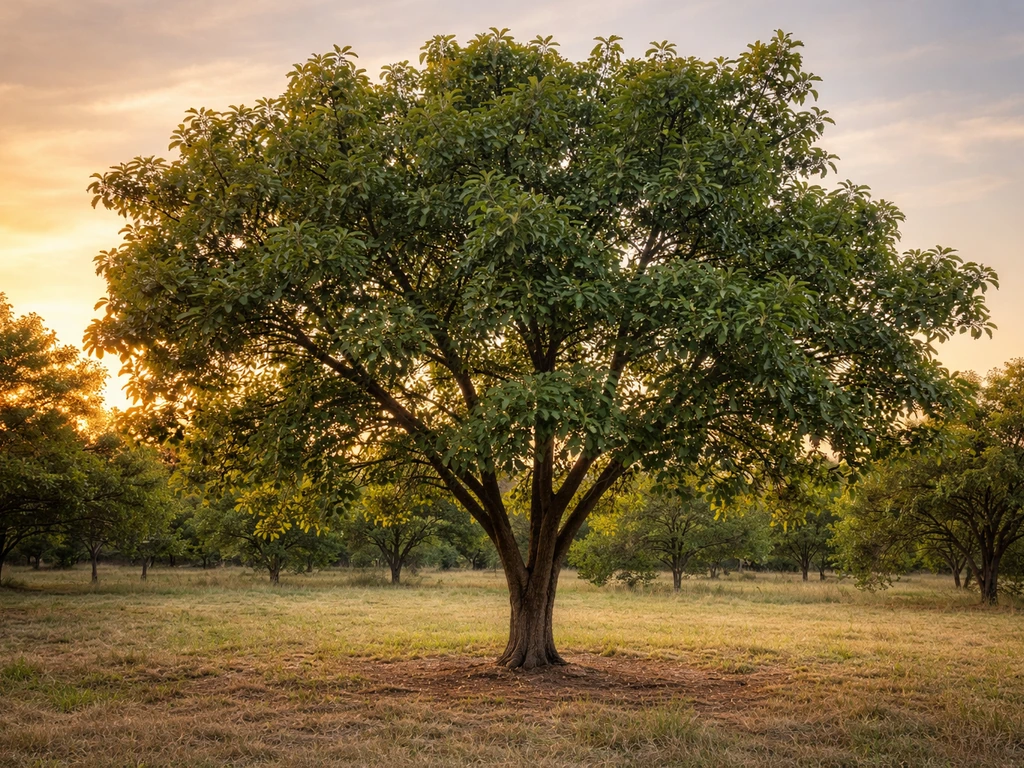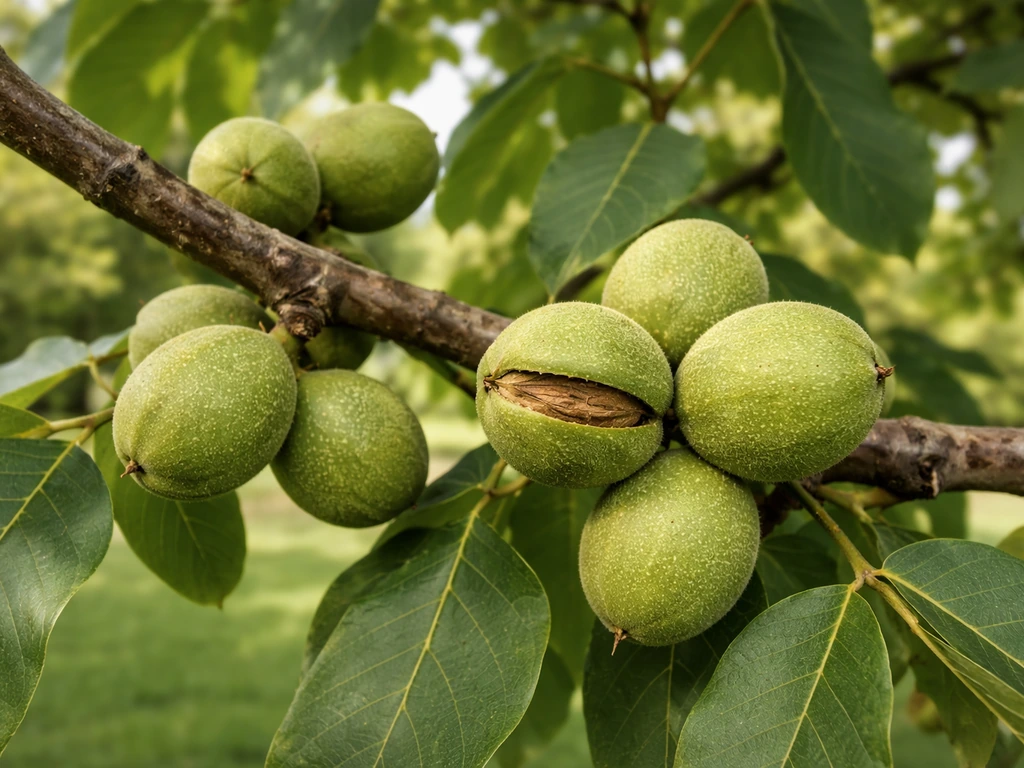
Yes, walnut trees can grow in Ireland, and there are established specimens across the country to prove it. The honest catch is this: getting a tree to survive Irish winters is the easy part. Getting it to reliably produce a meaningful crop of mature nuts is genuinely difficult, and a respected Irish nursery puts it plainly: Juglans regia is "not a reliable nut producer in Ireland, but a beautiful tree." So if your goal is ornamental value or shade, go ahead and plant one. If you want harvests you can count on, you need to choose your site and variety very carefully and go in with realistic expectations.
Do Walnut Trees Grow in Ireland? Species, Care and Options
Marcus Hendricks
24 Apr 2026
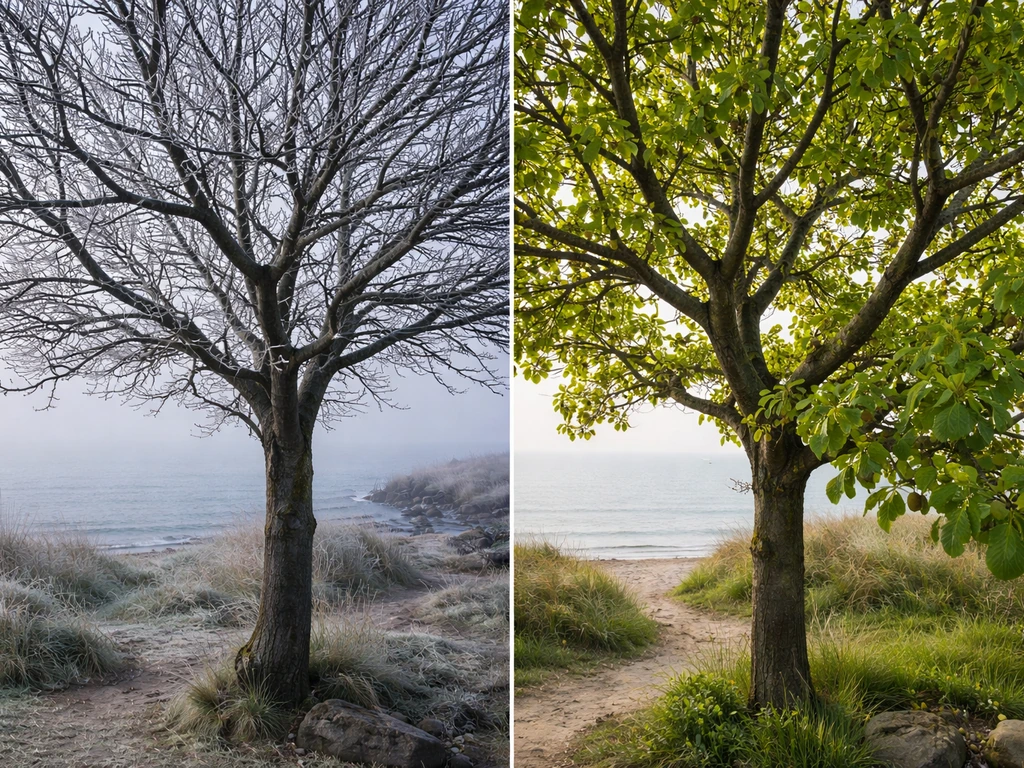
Which walnut species are we actually talking about
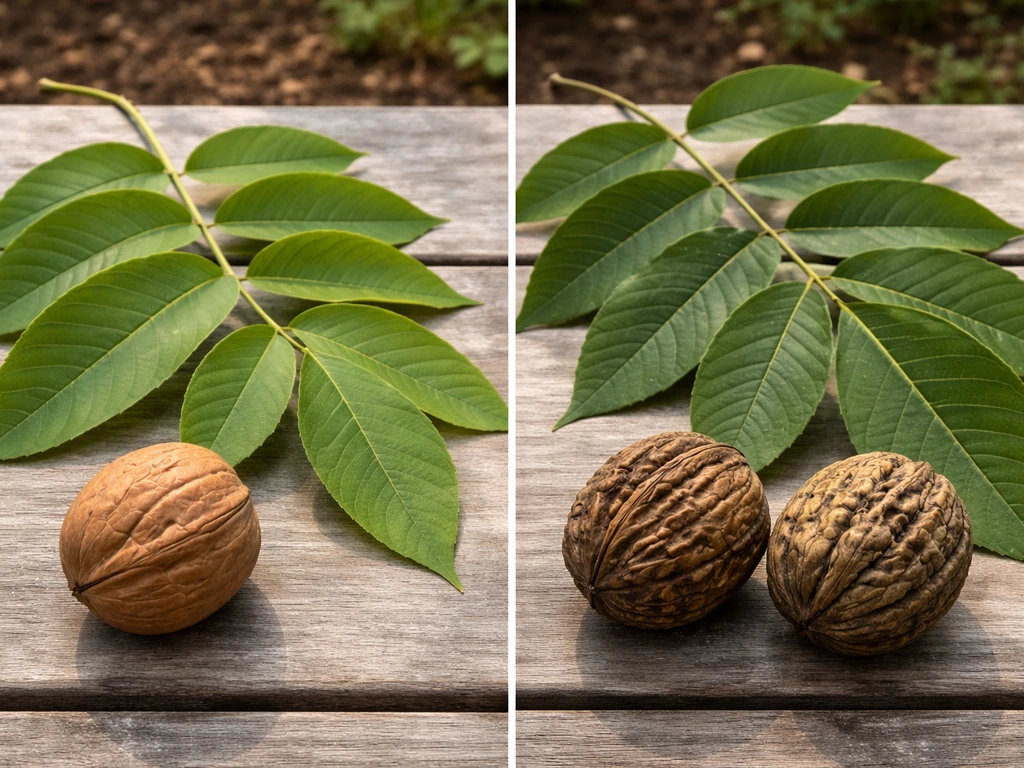
Most people searching this question have one tree in mind: the English walnut, also called the common or Persian walnut (Juglans regia). This is the species behind almost every walnut you have eaten, and it is the one with the best chance of cropping in Irish conditions. The other species that comes up regularly is black walnut (Juglans nigra), a North American native that is tougher and more vigorous but produces smaller, harder-shelled nuts with very thick husks. It is grown in Ireland mainly as a forestry or amenity tree rather than for food. COFORD's guide to Irish hardwoods acknowledges both species as present in Irish growing contexts, which tells you that neither is completely out of place here.
One practical difference worth knowing: black walnut produces significantly more juglone, a soil chemical that suppresses or kills many nearby plants. The RHS confirms this effect is far more noticeable with J. nigra than with J. regia, so if you're planning a mixed garden or orchard, that matters for placement. For nut production in Ireland, J. regia is the species to focus on, and the rest of this guide is built around it.
What Irish climate actually means for a walnut tree
Ireland's Atlantic climate is mild but not in ways that help walnuts produce well. Winters are rarely severe enough to kill an established J. regia: the RHS rates it H6, meaning it is hardy across all of the UK and northern Europe. In the UK, walnuts can grow outdoors too, but the same issues of late frosts, wet summers, and choosing a suitable variety apply can walnuts grow in the uk. Bark and branch death from winter cold is not your main worry. What does cause problems are late spring frosts, wet summers, and wind.
Late spring frosts are the single biggest threat to a walnut crop in Ireland. Teagasc is direct about this: while severe winter cold rarely damages trees here, late spring and early summer frosts can be very detrimental. Walnuts break bud relatively early compared to many trees, and once that new growth emerges it is frost-tender. One frost at the wrong moment wipes out the year's flowers and developing fruitlets, which means no nuts regardless of how well the rest of the season goes.
Wet summers create a second layer of difficulty. Walnuts need a reasonable amount of warmth and sun to mature their nuts fully, and Ireland's frequently overcast, wet summers mean there are years when nuts simply do not reach the quality needed for a good harvest. On top of that, walnut leaf blotch and walnut leaf spot thrive in exactly the kind of prolonged wet spring and summer Ireland reliably delivers. Severe infections cause early leaf fall, which cuts the tree's ability to photosynthesize and push energy into the developing nuts. In a bad year, that cycle can effectively end the harvest before autumn arrives.
Wind is the third factor. Walnuts are light-demanding and prefer shelter. Ireland's coastal winds, especially in the west, can cause physical damage and compound cold stress at budbreak. A sheltered, south-facing or west-facing slope is not just ideal, it is close to essential if you want a productive tree rather than a battered one.
Soil requirements
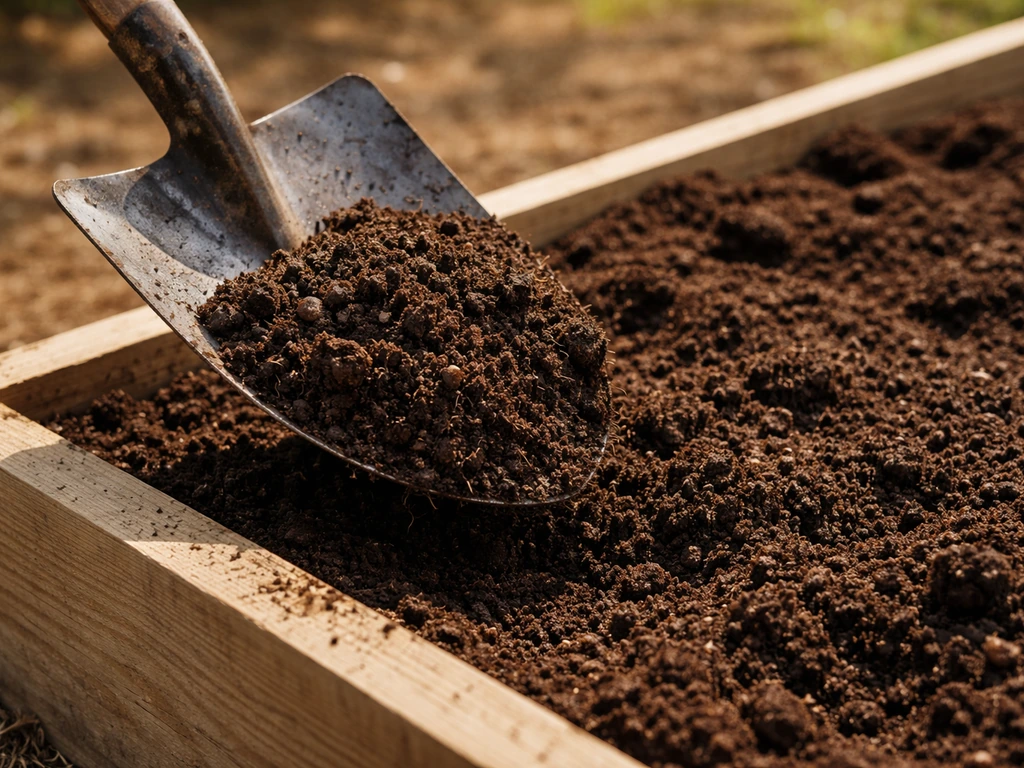
Walnuts want deep, fertile, well-drained loam. If you are wondering where can walnut trees grow, focus on finding a sheltered spot with reliable drainage and full sun Walnuts want deep, fertile, well-drained loam. In India, the question of where walnut trees grow comes down to finding suitable temperate regions with the right chill and growing conditions <a data-article-id="0812AB44-0F49-4150-9B9B-4D17EF6FE91D">where can walnut trees grow. If you are comparing Ireland’s conditions with other regions, where do walnut trees grow in India is another useful related perspective alongside site and variety where can walnut trees grow. Do walnut trees grow in Texas? The short answer is that they can, but success depends heavily on choosing a heat-tolerant variety and matching the site to the tree’s drainage and frost requirements. </a>. A southerly or westerly aspect with full sun and a rich, loamy, deep soil gives the best results in Irish conditions. Drainage is non-negotiable: waterlogged soil kills walnut trees outright. Purdue Extension research on black walnut puts a sharp number on it: if water remains over the tops of young trees for more than two days, the trees usually die. J. regia is no more tolerant. Aim for a pH of around 6.5 to 7.0, avoid low-lying frost pockets, and do not try to establish a walnut on a poorly drained site no matter how good everything else looks.
Choosing the right variety and rootstock
Cultivar selection is probably the most important decision you will make after site choice, and it matters more in Ireland than it does in warmer, drier climates. The key trait to prioritise is late leafing: varieties that break bud later in spring have a far better chance of avoiding the frost events that abort a crop. Here are the cultivars most relevant to Irish conditions:
| Cultivar | Leafing/budbreak | Self-fertile? | Notes for Ireland |
|---|---|---|---|
| Fernor | Late leafing | Partly (Franquette recommended as pollinizer) | French variety, excellent kernel quality, good precocity; late budbreak reduces frost risk |
| Chandler | Late leafing | Yes | Heavy and reliable early cropper; self-fertile makes it practical for single-tree planting |
| Fernette | Late/early fruiting | Yes | Well known in UK conditions; self-fertile; suits British-like climates |
| Franquette | Late leafing | Partly | Widely used as pollinizer for Fernor; good late-season performance in cooler climates |
On rootstock: most named cultivars sold in the UK and Ireland are grafted onto J. regia seedling rootstock, which is fine for most garden and orchard situations. The important thing is to buy grafted, named cultivars from a reputable source rather than growing from seed. Seedling-grown walnuts are genetically variable, and you have no guarantee of the leafing-out time or nut quality you will get. When it comes to frost-sensitive crops in a borderline climate, that variability is a real risk.
Planting and establishing your walnut tree
When and how to plant
Plant bare-root trees between late autumn and early spring while the tree is dormant, ideally November to March. Container-grown trees can go in at most times of year, but autumn and early spring are still best in Ireland because they let roots establish before the tree faces its first summer. Avoid planting into waterlogged ground: if your site is wet in winter, fix the drainage first or choose a different spot.
Choose a position in full sun, sheltered from prevailing winds, and well away from any known frost pockets. South-facing or west-facing slopes are ideal. Avoid low-lying areas where cold air collects on still, clear spring nights. Dig a hole wide enough to spread the roots comfortably, backfill with the original soil (amended with compost if the soil is thin or sandy), and stake the tree firmly for the first two to three years. Young walnuts are slow to establish and need that stability.
Spacing
For a single garden tree you need to give it space: a mature J. regia can reach 20 to 25 metres in height and has a wide canopy. For a small orchard or agroforestry setup, traditional spacing runs from around 7 to 10 metres between trees depending on the system. If you are planting for nut production rather than timber, closer spacings of 7 to 8 metres are used in intensive systems, with wider spacings of 10 to 12 metres for lower-input approaches. Do not crowd walnuts: they need light and airflow, and in Ireland's damp climate, poor airflow around the canopy makes disease pressure worse.
Pollination
Walnuts are wind-pollinated. Some named cultivars, including Chandler and Fernette, are described as self-fertile, which means a single tree can set a crop. However, even self-fertile trees tend to crop better with a second compatible cultivar nearby, as the RHS notes for fruit trees generally. Fernor, for example, crops better when Franquette is planted as a pollinizer. If you have space for two trees, plant two different late-leafing cultivars: it reduces your frost-damage risk across both trees and usually improves nut set compared to relying on a single tree. Walnuts are protandrous in some cultivars (male flowers open before female flowers) and protogynous in others (female before male), so checking the timing overlap of your chosen varieties helps maximise pollination.
Care and common problems in Irish conditions
Watering and feeding
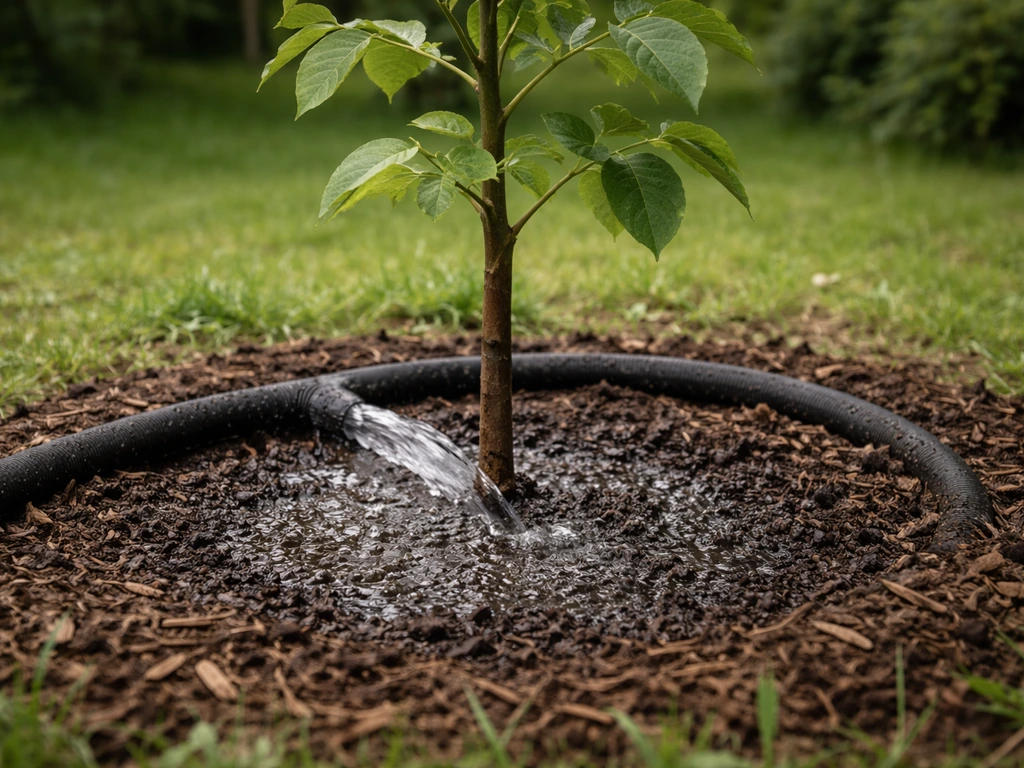
Established walnuts in Ireland rarely need irrigation: rainfall is usually sufficient. Young trees in their first two seasons benefit from watering during any dry spells, particularly in summer. Avoid overwatering or planting where water pools: walnut roots are very sensitive to prolonged saturation. A mulch of bark or compost around the base helps retain moisture in dry periods while improving soil structure over time, but keep it away from the trunk itself to avoid collar rot.
Leaf diseases: the main threat in a wet climate
Walnut leaf blotch and walnut leaf spot are the diseases you are most likely to deal with in Ireland. Both are fungal conditions that thrive in wet springs and summers, and the RHS lists J. regia as susceptible to both. In a bad outbreak, early leaf fall can significantly reduce nut development: less leaf area means less photosynthesis, less energy into the nuts, and smaller or poorly filled kernels. UC IPM research on walnut blight (a related bacterial problem) shows that in orchards with a history of infection, protective treatments at seven to ten day intervals during prolonged wet springs are necessary for adequate control. For a garden tree this level of intervention is rarely practical, but good airflow around the canopy, prompt removal of fallen leaves in autumn, and avoiding overhead irrigation all help reduce pressure.
Other pests and diseases
The RHS also lists honey fungus and coral spot as diseases J. regia is susceptible to. Neither is specific to walnuts, but both are more likely on trees that are already stressed, which in Ireland usually means a tree on a poorly drained site or one that has had repeated frost damage to young growth. Keep the tree healthy and well-sited, and these secondary problems are much less likely to take hold.
Poor nut set and what causes it
In Ireland the most common disappointment is a tree that looks healthy and may even flower well, but produces few or no filled nuts. The causes are usually one or more of the following: late frost killing the flowers or fruitlets in spring, a cool wet summer limiting the heat accumulation needed to mature the nuts, poor pollination (especially with a single self-sterile cultivar), or heavy leaf disease reducing the photosynthetic capacity of the tree. Late-leafing varieties reduce but do not eliminate the frost problem. Planting in the warmest, most sheltered part of your garden is the single most effective thing you can do to improve nut set over time.
Harvest timing and realistic yields
In Ireland, walnut harvest typically falls between late September and late October, depending on the variety and the season. Nuts are ready to collect when the green outer husk splits and they fall naturally, or when a gentle shake of a branch brings them down. You can also knock branches deliberately once the husks are cracking open. Remove the husks promptly to avoid staining (walnut husk will stain skin and clothing permanently) and dry the nuts in a single layer in a warm, ventilated space for two to three weeks before storing.
Yields in Ireland are variable and often modest. A mature, well-sited tree in a good year can produce several kilograms of nuts, but a frost event in April or May, or a particularly wet and grey summer, can reduce that to very little. The RHS assessment that walnut crops are "unreliable north of the Midlands" applies to Ireland in full. Do not plant a walnut expecting an annual harvest you can depend on: plant it expecting occasional good years and some lean ones, especially in the first decade.
If walnuts won't work on your site
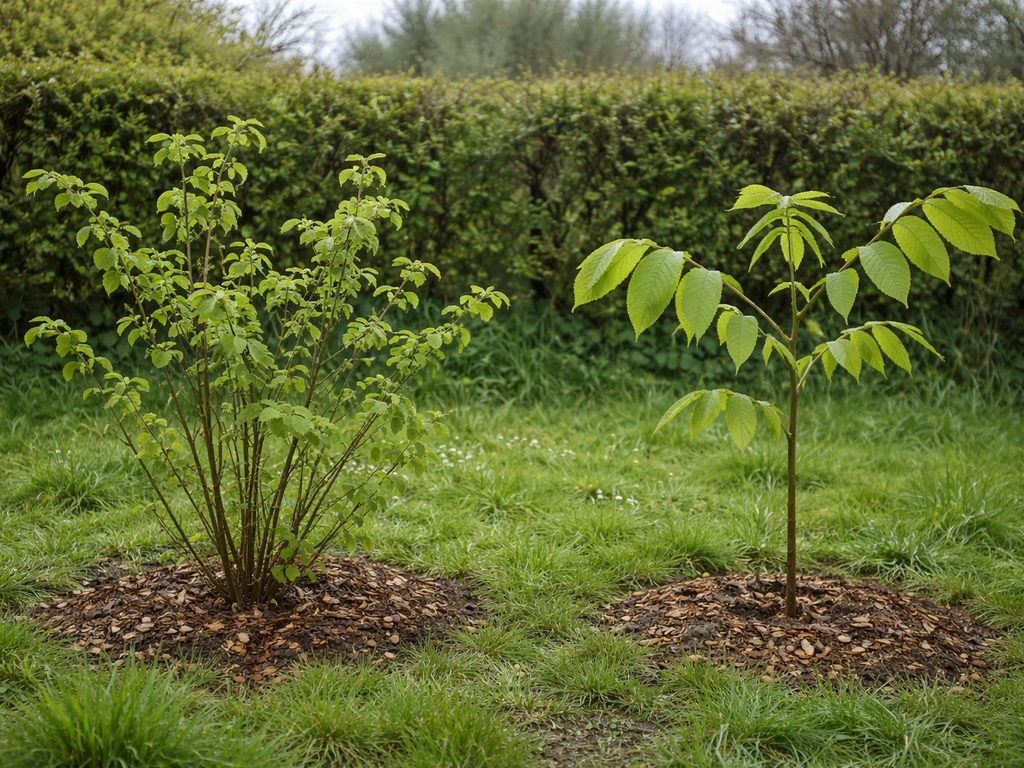
If your site is too exposed, too cold in spring, or too wet for walnut to crop reliably, there are nut trees that are genuinely better suited to Ireland's climate. Hazelnuts (Corylus avellana) are the obvious first choice: they are native to Ireland, thrive in a wide range of conditions including partial shade, and produce reliable crops even in poor summers. Named varieties like 'Cosford' and 'Butler' crop well and can be kept as manageable bushes. Sweet chestnut (Castanea sativa) is another option for milder, well-drained sites, particularly in the south and east of Ireland. It needs more warmth than hazel but handles Atlantic conditions reasonably well and produces worthwhile crops.
If you are specifically drawn to the walnut family, Juglans ailantifolia (Japanese walnut) is hardier than J. regia and more tolerant of cooler conditions, though its nuts are smaller and oilier. It is worth considering if you want the biology of a walnut without pushing the climate limits quite as hard. For anyone comparing Irish walnut prospects with those in other regions, the situation here is broadly similar to the cooler parts of the UK, though Ireland's high rainfall and Atlantic exposure add extra layers of difficulty that parts of southern England do not face.
FAQ
If do walnut trees grow in Ireland, why do some trees flower but not fill many nuts?
The most common reason is timing, a late spring frost wiping out the flowers or tiny fruitlets right after budbreak. A close second is a cool, wet summer that prevents full nut maturation, especially when leaf blotch or leaf spot reduce leaf area and energy transfer to the kernels.
What is the best way to improve my chances of nuts rather than just a healthy ornamental walnut?
Prioritise late-leafing cultivars and place the tree in the warmest, most sheltered spot you have, typically a south-facing or west-facing slope with full sun. Also avoid planting near frost pockets, because reducing frost exposure early in the season often matters more than anything you do later.
Can I grow walnuts in Ireland from seed to save money?
It is a gamble. Seedlings are genetically variable, so you cannot reliably control the leafing time that affects frost survival, nor the eventual nut quality. For a borderline climate, grafted, named cultivars from a reputable supplier are the safer choice.
How close do I need another walnut for pollination in Ireland?
Even if you choose a self-fertile cultivar, pairing with a compatible late-leafing cultivar usually improves results. In practice, plan for two trees (with overlapping flowering periods), spaced according to your system (often around 7 to 10 m for orchard/agroforestry), so pollen can move between crowns.
Is black walnut (Juglans nigra) a better option for harvesting nuts in Ireland?
It is generally better for vigour and toughness than for Irish nut cropping. Black walnut produces harder, smaller nuts with thick husks, and it can release juglone that suppresses other plants nearby, so it is often planted for amenity or forestry rather than for reliable harvests.
How do I know if my garden soil drains well enough for walnuts?
Test for winter waterlogging. A simple check is to observe after heavy rain or in late winter, if water sits in the planting area, that is a red flag. If you cannot guarantee fast drainage, choose a higher, sloped site or improve drainage before planting, because walnuts are sensitive to prolonged saturation.
What should I do if I suspect leaf blotch or leaf spot starting early?
Focus on reducing leaf wetness and improving airflow. Avoid overhead watering, remove fallen leaves in autumn to reduce overwintering spores, and do not crowd the canopy. In a single garden tree, preventative fungicide schedules are usually impractical, so cultural controls are your main lever.
Do I need to irrigate a walnut in Ireland?
Established trees usually manage on rainfall, but young trees in their first one to two seasons benefit from watering during dry spells. Keep watering moderate, avoid creating pooled conditions, and rely on mulch to stabilise moisture without letting compost or bark touch the trunk.
When is the right time to plant a walnut in Ireland for best establishment?
For bare-root trees, late autumn to early spring when the tree is dormant is the usual window, roughly November to March. For container trees, you can plant more flexibly, but autumn or early spring still tends to give roots time to settle before the tree faces its first summer.
How do I harvest and store walnuts so the kernels do not spoil?
Collect as soon as the green husk splits and nuts fall, then remove husks promptly because they stain permanently. Dry nuts in a single layer in a warm, ventilated space for a couple of weeks before storage, and keep them dry and ventilated to reduce mould risk.
If walnuts fail repeatedly in my spot, what alternatives work well in Ireland?
Hazelnuts are usually the easiest step-up in reliability, including named varieties that fruit well even in poorer summers and can be kept as manageable bushes. Sweet chestnut can also work for warmer, well-drained sites, and if you still want something in the walnut genus, Japanese walnut is often more forgiving than English walnut but with smaller nuts.