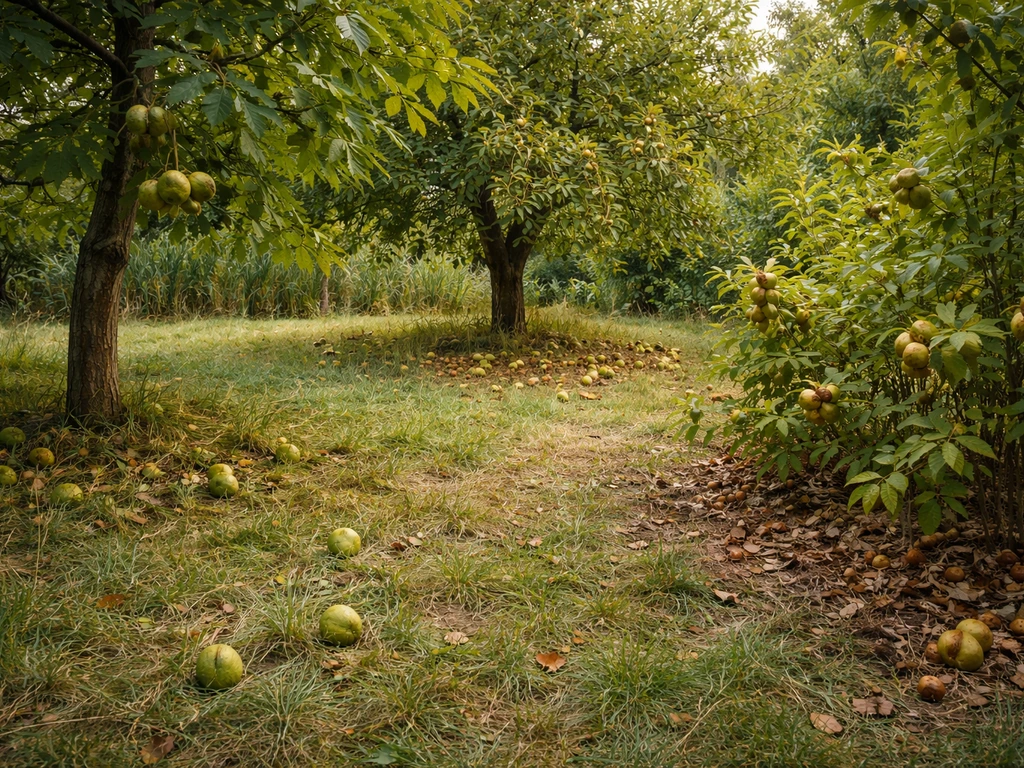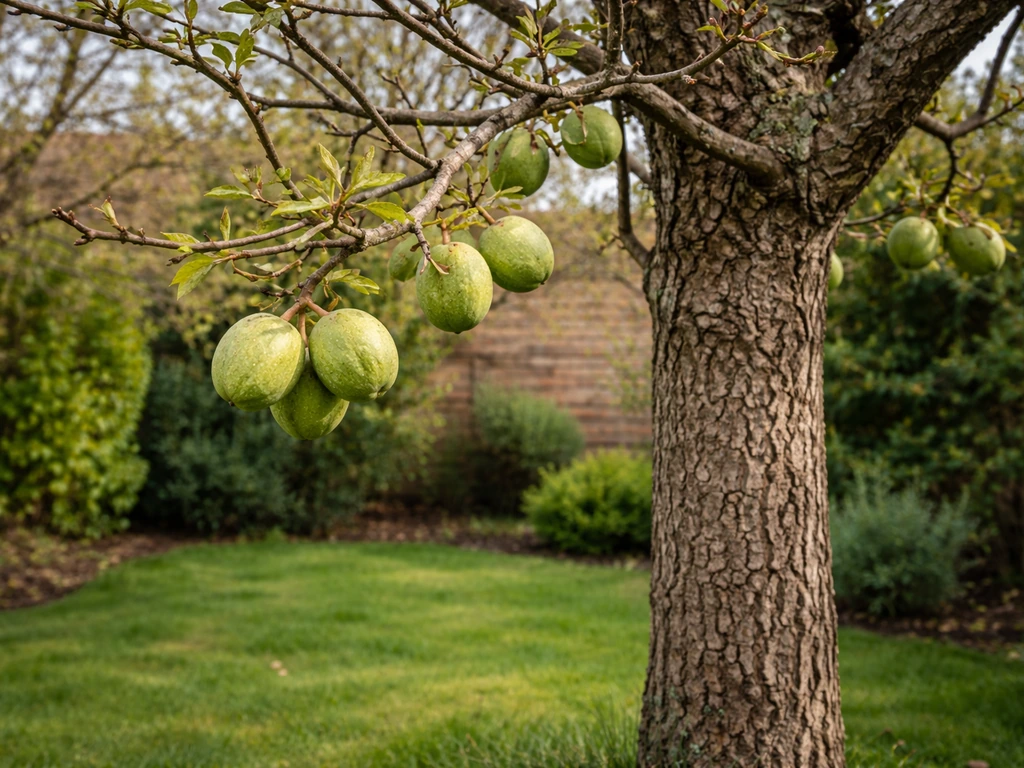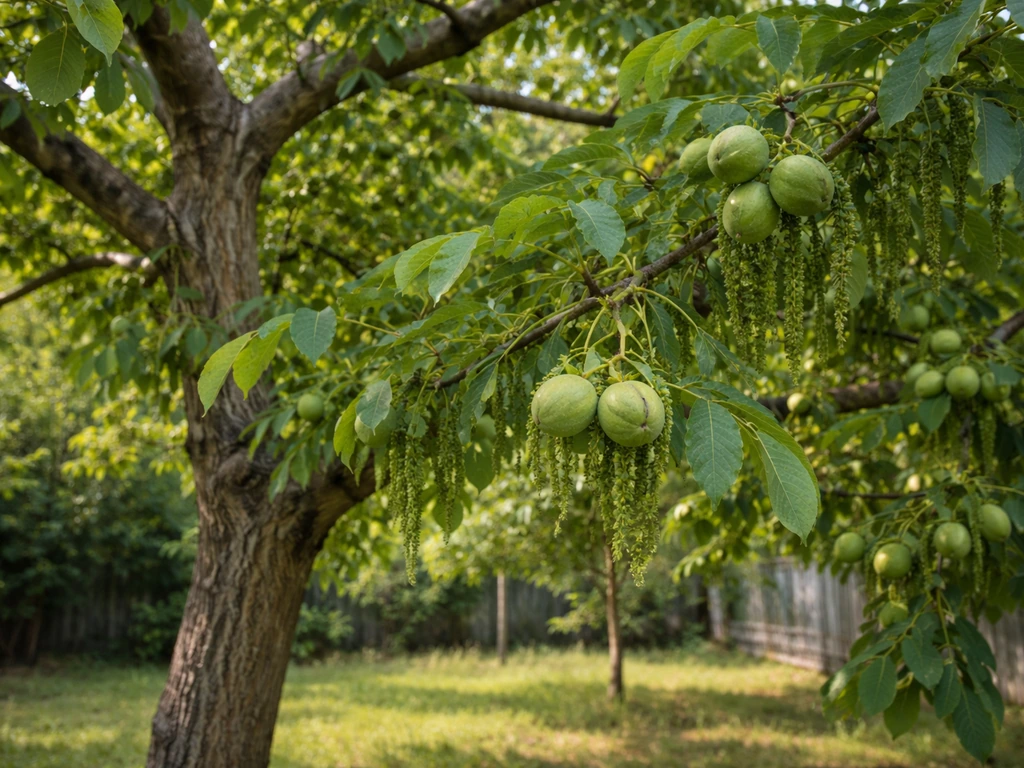
You can grow hazelnuts, chestnuts, walnuts, almonds, pecans, and pistachios at home, but which one actually works depends heavily on your USDA zone, how much space you have, and how patient you're willing to be. Hazelnuts are the most universally forgiving and will produce in 3–4 years. Chestnuts and walnuts are solid mid-range bets for temperate climates. Almonds and pistachios want heat and near-perfect drainage. Pecans need a long, hot growing season. Pick the wrong species for your climate and you'll wait years for nothing. Pick the right one, set it up properly, and you'll have more nuts than you know what to do with.
Nuts You Can Grow at Home: Best Options by Zone
Marcus Hendricks
7 May 2026
What actually counts as a nut tree for home growing
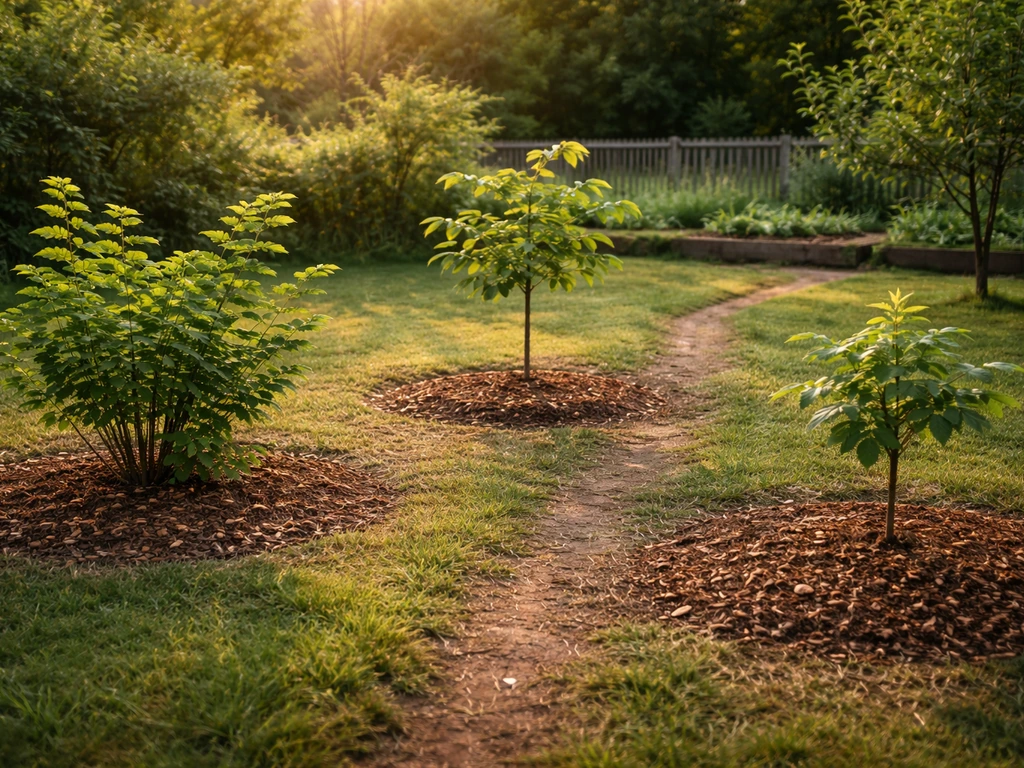
Before you dig a hole, it helps to understand what you're dealing with. True botanical nuts, like hazelnuts, chestnuts, and acorns, are single-seeded fruits where the wall of the fruit becomes hard at maturity. Walnuts and pecans are technically drupes (the fleshy husk splits to reveal the hard shell), and almonds are the dried seed of a stone fruit. Pistachios are also drupes. None of that matters much for eating, but it matters for how the tree flowers, sets fruit, and what kind of pollination it needs. Almost every nut crop requires some form of cross-pollination, meaning a lone tree usually means a disappointing harvest, or none at all.
It's also worth distinguishing between nut trees that grow in the ground and nut crops that can be container-grown. Some nut trees can be grown in pots if you choose the right species and manage pruning, drainage, and winter protection carefully container-grown. Most nut trees develop deep taproots and large canopies, they want to be in the ground long-term. Some, like hazelnuts, can be kept smaller and are more amenable to constrained spaces. If you're specifically looking at container options or indoor growing, those involve a different set of tradeoffs and species choices worth exploring separately.
Choosing the right nut for your climate and space
The single biggest mistake home growers make is falling in love with a species before checking whether their climate supports it. Here's the honest breakdown by zone and space:
| Nut | USDA Zones | Space Needed | Years to First Harvest | Key Climate Requirement |
|---|---|---|---|---|
| Hazelnut | 3–9 | 15–20 ft between plants | 3–4 years | Adaptable; tolerates cold winters |
| Chestnut | 4–9 | 40–60 ft at maturity | 5 years (grafted) | Full sun; well-drained soil |
| Walnut (English/Persian) | 5–9 | 40–60 ft at maturity | 4–7 years | Deep, well-drained soil |
| Black Walnut | 4–9 | 50+ ft at maturity | 4–7 years | Deep fertile soil; allelopathic to nearby plants |
| Almond | 7–9 | 15–25 ft at maturity | 3–4 years | Hot, dry summers; excellent drainage |
| Pecan | 6–9 | 40–70 ft at maturity | 6–10 years | Long hot season; 555+ hours above 65°F |
| Pistachio | 7–11 | 20–30 ft at maturity | 5–6 years | ~850 chill hours below 45°F; hot dry summers |
If you're in a cold-winter zone (3–5), hazelnuts are your most reliable bet by a wide margin. They're hardy to zones 3–4 depending on variety, they produce relatively quickly, and they're manageable in size. Chestnuts work in zones 4 and up and are worth serious consideration if you have the space. If you're in a warm-summer, mild-winter zone (7–9 in the South or West), almonds, pecans, and pistachios become realistic. Pistachios actually need that high chilling requirement of around 850 hours below 45°F combined with hot, dry summers, a combination found in places like California's Central Valley and parts of the Southwest, not in mild coastal climates.
Best nut trees and shrubs for home growing
Hazelnut: the home grower's best friend
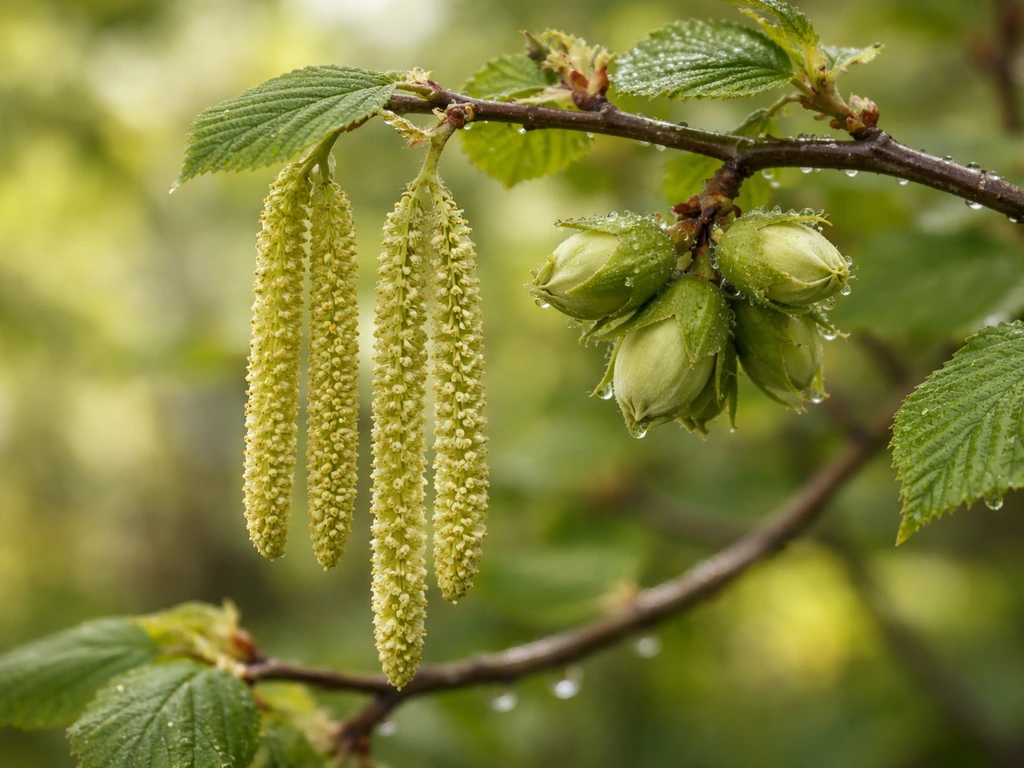
Hazelnuts are the most home-garden-friendly nut crop available. They can be grown as large shrubs or small multi-stemmed trees, typically reaching about 15 feet in height and width when maintained for home production. That's manageable in most suburban yards. They're wind-pollinated and begin producing nuts in about 3–4 years, reaching full production around 7–8 years. You need at least two compatible varieties for good pollination. Plan for 15–20 feet of spacing between plants. Prune out the suckers regularly to keep the plant from spreading into a thicket, that's the main maintenance task besides harvest.
Chestnut: underused and underrated
Chestnuts are wind-pollinated and essentially self-sterile, so you need at least two trees for any nuts to form. A grafted tree will start producing in about 5 years. They need full sun and a proper soil test before planting, soil chemistry matters a lot for chestnut success. At maturity they're large trees, so factor in the long-term canopy spread. That said, they're one of the most rewarding crops you can grow if you have the space and patience.
Walnut: long-lived and eventually prolific
English (Persian) walnuts produce in 4–7 years and are the better choice for nut quality and shell-cracking ease. Black walnuts are tougher and more cold-hardy but famously difficult to shell, and they release juglone from their roots, a chemical that's toxic to many garden plants nearby. Don't plant black walnut near vegetable gardens or fruit trees. Both species want deep, well-drained soil and significant space. Walnut blight is a real disease concern: it infects all young green tissue including buds, flowers, leaves, and developing nuts, so site selection and sanitation matter from day one.
Almond: doable in the right conditions
Almonds work well in zones 7–9 where summers are hot and dry. The biggest killers are late spring frosts (almonds bloom early and a frost can wipe out a crop), soggy soil, and lack of a compatible pollinator. Most edible almond varieties are not self-pollinating, you need a second compatible variety that blooms at the same time. In the first 1–2 years, remove flowers or immature fruit so the young tree puts energy into root and branch development instead. This feels counterintuitive but genuinely improves long-term production.
Pecan: for the patient grower with the right climate
Pecans are a long game. They need a long, hot growing season, not just warm summers, but enough heat units above 65°F to complete nut fill. They also need blank" rel="noopener noreferrer">two trees for cross-pollination because of a timing mismatch: the pollen-shedding and female flower receptivity often don't overlap on the same tree. Clemson Extension notes that pecan production is influenced by dichogamy, which is the timing separation that helps cross-fertilization, and recommends planting pecan trees within about 200 feet to ensure adequate pollination blank" rel="noopener noreferrer">pecans need two trees for cross-pollination because of a timing mismatch. Select varieties bred for your region because pecan varieties vary widely in their heat requirements and disease resistance. Plan for a large tree and many years before meaningful production.
Pistachio: niche but excellent in the right spot
Pistachios are slow-growing and take 5–6 years to produce a first crop. They're dioecious, male and female flowers are on separate trees, so a lone female produces nothing reliably. They do best in hot, dry climates with that unusual combination of high chill hours and hot summers. If you're in a climate that genuinely delivers both, pistachios are a rewarding long-term investment.
Requirements that make or break success
Sun and soil
Every nut tree on this list needs full sun, at minimum 6 hours of direct sun daily, and more is better. Chestnuts and hazelnuts will tolerate partial shade but produce far less. Soil drainage is non-negotiable for almonds, pistachios, and walnuts. Planting in a wet, poorly drained site is a reliable way to kill an almond tree slowly. If your drainage is marginal, raised beds or planting on ridges are legitimate solutions. For pecans, target a soil pH of 6.0–6.5 to keep essential nutrients available. Always do a soil test before planting any nut tree, it costs a few dollars and tells you exactly what amendments you need.
Chill hours
Chill hours are the number of hours between roughly 32°F and 45°F that a tree accumulates during winter dormancy. Most nut trees need adequate chilling to break dormancy evenly and flower properly. Pistachios require around 850 hours below 45°F. Pecans can break dormancy with fewer than 100 chill hours, but uneven budbreak causes pollination problems when some parts of the tree wake up at different times. Hazelnuts are the most cold-tolerant and adaptable. If you're in a mild-winter climate (zone 9+), focus on low-chill hazelnut and almond varieties, and avoid pecans unless you have a reliably long hot summer.
Pollination biology
This is where most beginner nut growers go wrong. Almost no nut tree reliably self-pollinates, and timing matters as much as proximity. For wind-pollinated trees (hazelnuts, chestnuts, walnuts, pecans), pollen has to be in the air when the female flowers are receptive. For pecans specifically, that's why you need two varieties with different pollen-shed and receptivity timing, so that when one is shedding pollen, the other's female flowers are open. Place pollinators at reasonable intervals so pollen stays available throughout the receptive window. For almonds, a nearby peach tree that blooms at the same time can serve as a pollinator in a pinch. For pistachios, you need at least one male tree per several females.
How to plant and establish nut trees
Timing and site prep
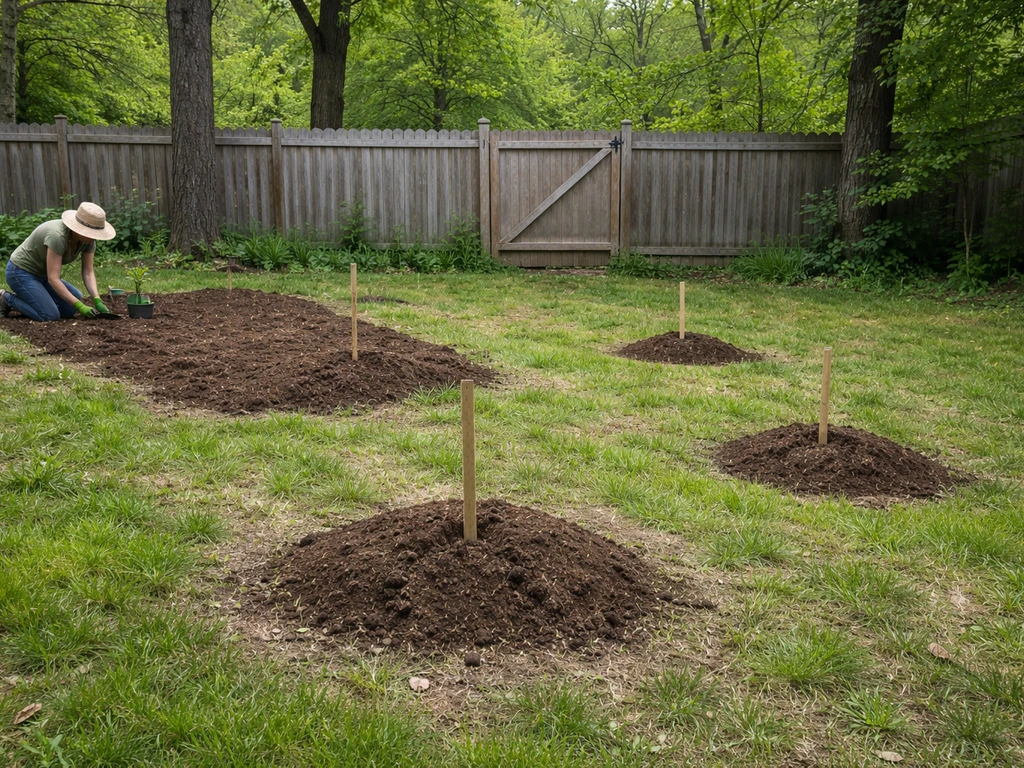
Plant bare-root trees in late winter to early spring before bud break. Container-grown trees can go in the ground in spring or early fall, but spring planting gives roots a full growing season to establish before their first winter. Run a soil test 6–8 weeks before planting so you have time to adjust pH or add amendments. Mark out your spacing before you dig, it's easy to underestimate how much room a mature walnut or pecan needs. If you're planting hazelnuts, the 15–20 foot spacing recommendation is for orchard-style production; in a home setting you can push them slightly closer but expect more competition.
Planting technique
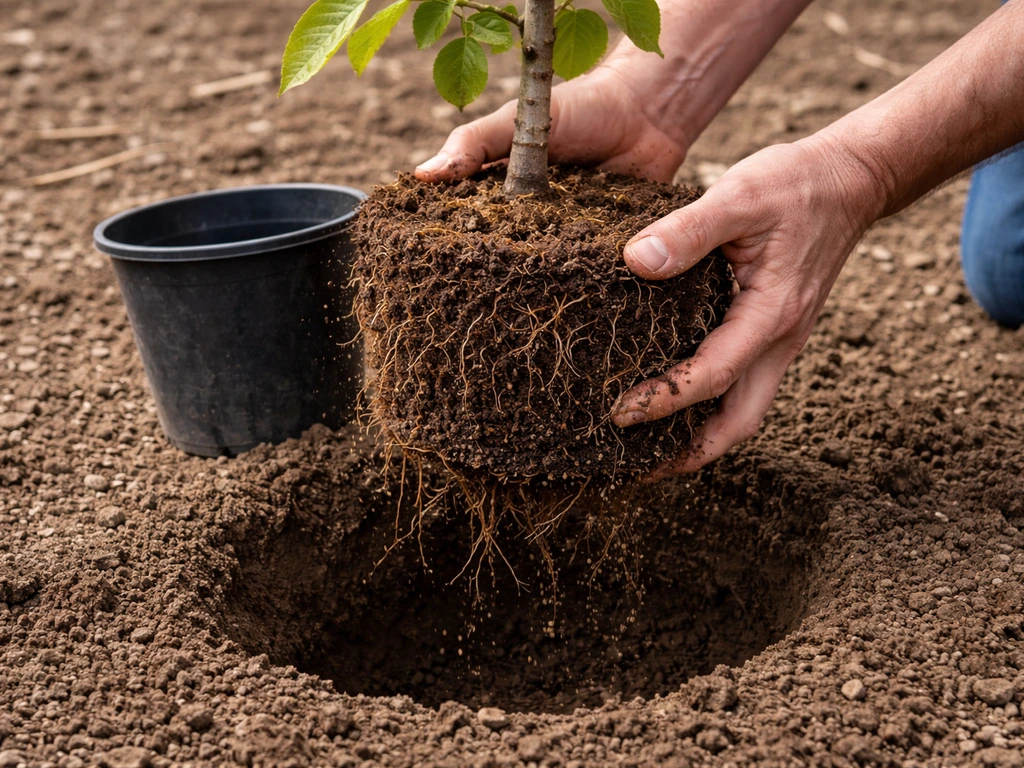
For container-grown trees, remove the pot, shake off excess potting media, and inspect the roots. Trim any circling or damaged roots. For pecans and other deep-rooted trees, lightly trim the taproot tip to encourage lateral root development. Dig the hole wide rather than deep. Place the tree so the root flare sits at or slightly above the surrounding soil grade, never deeper than it was in the container. Backfill with the native soil you removed (skip the amended backfill myth), water thoroughly, and mulch out 3–4 feet from the trunk while keeping mulch a few inches back from the bark itself.
Container growing
Most nut trees don't thrive long-term in containers because of their deep root systems and eventual size. Hazelnuts are the most practical for large-container or raised-bed situations if you manage their size aggressively. If container growing is your main option, the constraints and species selection get more specific, it's a topic worth understanding in its own right before committing to a species. If you are curious about palm trees instead, you can also look into what nuts grow on palm trees and whether they fit your climate. Whatever container you use, drainage is critical, and winter protection for the root zone becomes essential in cold climates where roots freeze in an above-ground container.
Care schedule: what to do and when
Watering
Newly planted trees need consistent moisture for the first 1–2 years to establish roots. After that, deep but infrequent watering is better than shallow frequent irrigation. For almonds, this is especially important, overwatering or wet soil conditions invite root rot and disease. Deep irrigation encourages roots to go down, which improves drought tolerance and stability long-term. For pecans, nut fill quality is directly influenced by water availability during the growing season, so don't let the tree drought-stress in late summer when nuts are sizing up.
Fertilizing
Let your soil test guide fertilization. Most nut trees benefit from a balanced fertilizer applied in early spring as growth begins. Avoid heavy nitrogen fertilization in late summer, it pushes soft growth that won't harden off properly before frost. Zinc deficiency is a known issue in pecans grown in the Southeast; foliar zinc applications are a standard fix. For hazelnuts and chestnuts, correct any pH issues first before adding other nutrients, since pH controls nutrient availability.
Pruning and training
The goal in the first few years is to establish a strong scaffold structure, not maximize fruit. For single-trunk nut trees (walnut, chestnut, pecan), select 3–5 well-spaced scaffold branches and remove competing leaders while the tree is young. For hazelnuts, decide early whether you want a multi-stemmed shrub or a single-trunked tree form, then manage suckers accordingly, removing suckers keeps the plant tree-like, leaving some creates the shrub form. Prune during dormancy (late winter) for most species. Remove any diseased or crossing wood at the same time. The Washington State University extension guide specifically covers walnut, hazelnut, and chestnut pruning in a home orchard context and is worth consulting for species-specific cuts.
Mulching
Maintain a 3–4 inch layer of organic mulch in a wide ring around each tree. This conserves moisture, moderates soil temperature, suppresses weeds, and gradually improves soil organic matter as it breaks down. Keep mulch away from direct contact with the trunk or main stems. Refresh mulch annually in spring.
Common pests, diseases, and how to handle them
Walnut problems
Walnut blight (caused by the bacterium Xanthomonas arboricola pv. juglandis) is the main disease to know. It infects all young green tissue, buds, flowers, leaves, and developing nuts, and can devastate a crop in a wet spring. Good air circulation from proper pruning and avoiding overhead irrigation reduces risk. Walnut husk fly is a common pest in home orchards: the larvae burrow through the husk and stain the shell. The damage is mostly cosmetic for many homeowners since the nut meat often remains usable, but if staining is a concern, non-chemical controls like ground barriers, sanitation, and tolerant cultivar selection are good first options. Spinosad-based sprays are an option if chemical control is needed.
Almond problems
Navel orangeworm is the biggest almond pest in warm-climate home orchards. The larvae enter nuts through the hull and damage the kernel. The best management is a combination of thorough winter sanitation (removing mummified nuts from trees and ground before February) and harvesting early as soon as nuts are ready. Brown rot and shot hole disease are fungal problems that thrive in wet springs, good pruning for airflow and avoiding overhead water helps. Diseased wood should be removed with cuts that go well past the visible symptoms.
Hazelnut problems
Home-grown hazelnuts face aphids, leaf rollers, spider mites, scales, and various nut-feeding insects. None of these are typically catastrophic at the home scale, and most are manageable with monitoring and targeted controls. The more serious issue is eastern filbert blight (Anisogramma anomala) in susceptible varieties east of the Rockies, it's a canker disease that slowly kills branches. When pruning out infection, cut 1–3 feet past where symptoms are visible to make sure you're removing all infected tissue. Selecting resistant varieties is the best long-term solution.
General prevention principles
- Sanitation first: remove fallen nuts, mummified fruit, and dead wood promptly — most pest and disease cycles break down without that overwintering material
- Prune for airflow: dense canopies trap moisture and create ideal fungal conditions
- Monitor early: catch pest populations when they're small and easier to manage
- Avoid water stress: stressed trees are more susceptible to almost every problem
- Match spray timing to pest life cycles, not the calendar — your local extension office is the best source for region-specific timing
Harvest timing, storage, and basic processing
Knowing when to harvest
Timing varies by species. Hazelnuts drop from the tree when ripe, gather them from the ground daily to beat squirrels and prevent mold. Chestnuts fall inside their spiny burrs; collect daily and handle carefully (the spines are sharp). Walnuts are ready when the green outer husk begins to split and the nuts start dropping. Almonds are ready for harvest when the hull splits open and begins to dry, hulls that stay green and tight aren't ready yet. Pecan shell hardening and nut fill takes roughly 90 days after pollination, with harvest typically in fall when the shucks split. Pistachios are ready when the hull turns from green to yellowish-red and splits naturally.
Curing and processing
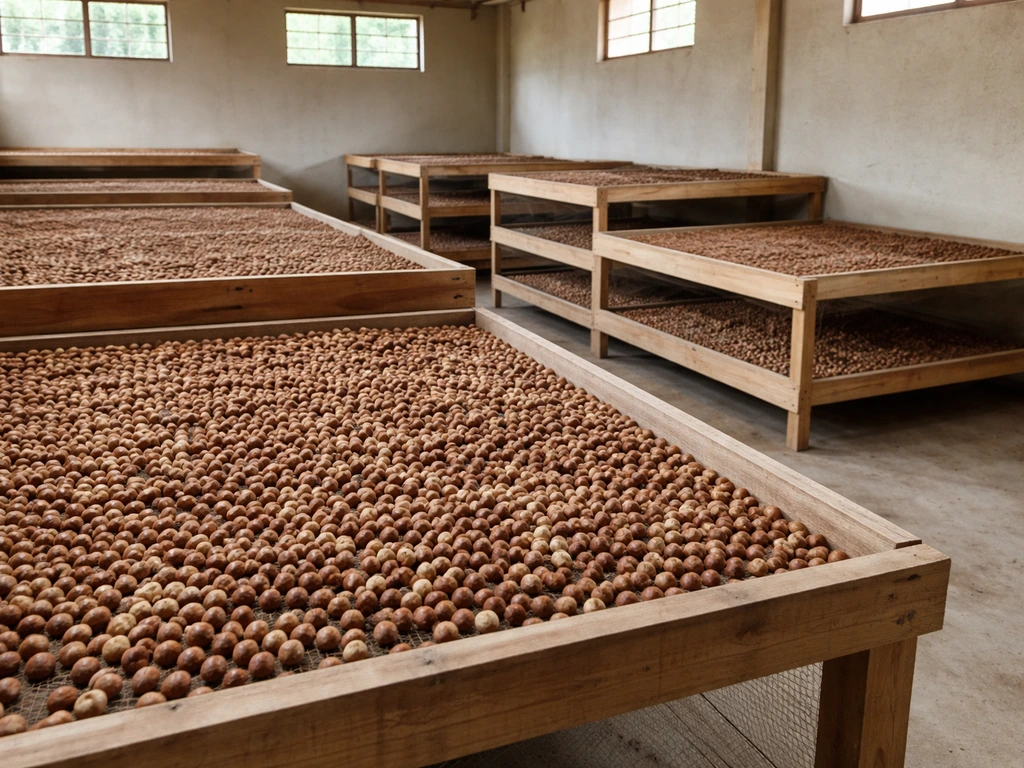
Most nuts need a curing or drying period after harvest. Hazelnuts and chestnuts should be dried in a single layer with good airflow for several days to a few weeks. Walnuts need to dry in their shells for 2–3 weeks after husk removal before the kernel reaches good flavor. Almonds should be spread in a single layer and dried until the kernel snaps cleanly. Pecans need a few weeks of drying before storage quality stabilizes. Don't rush this step, storing wet or undried nuts leads to mold and off-flavors.
Storage
In-shell nuts store longer than shelled nuts because the shell protects the oil-rich kernel from oxidation. Pecans stored in-shell at 32–34°F can last up to about one year. Hazelnuts and walnuts stored in a cool, dry place in-shell will easily last through winter. For longer storage of shelled nuts, vacuum-sealed bags in a freezer extend shelf life significantly. Chestnuts are the exception, they're high in starch and low in fat, and they don't store nearly as long as other nuts. Use chestnuts within a few weeks or freeze them after a brief boil.
Your next steps: a practical planning checklist
Here's how to move from reading to actually planting something that will produce. Work through this in order and you'll avoid the most common and costly mistakes.
- Confirm your USDA hardiness zone and count your average annual chill hours (your state's extension service has this data for your county)
- Honestly assess your space: measure the area available and cross-reference with mature tree size requirements in the table above
- Choose a species that fits both climate and space — if you're in zones 3–6 with limited space, start with hazelnuts; zones 7–9 with a large yard, consider chestnuts, walnuts, or almonds depending on your summer heat and soil drainage
- Order a soil test from your local extension lab before buying trees — adjust pH and correct major deficiencies before planting
- Select at least two compatible varieties for your chosen species (check variety compatibility charts through your state extension service or the American Chestnut Foundation for chestnuts)
- When buying trees, prioritize grafted named varieties over seedlings for earlier production and predictable nut quality
- Plan your planting layout with full mature spacing in mind — stake positions before you dig to visualize spacing accurately
- Plant in early spring, water consistently for the first two years, and mulch immediately after planting
- In the first 1–2 years: remove flowers on almonds, establish scaffold structure on tree-form species, and start monitoring for pests
- Set realistic expectations: hazelnuts in 3–4 years, chestnuts in 5, walnuts and almonds in 4–7, pecans in 6–10
If space is genuinely limited or you want to start small before committing ground space, understanding what's actually possible in containers or indoors is worth investigating alongside your ground-planting plans. If you're wondering, can you grow nuts indoors, the container choice and species that tolerate limited light are usually the deciding factors. Similarly, if you're in a specific region like Pennsylvania or another temperate state, the species list and variety recommendations narrow down considerably based on what actually overwinters and produces reliably there. For a quick, practical shortlist of the best nuts to grow in Pennsylvania, focus on varieties that match your winter chill and your growing season length. The biology of nut formation doesn't change, but the practical shortlist does.
FAQ
My nut tree flowers but doesn’t set nuts. What should I check first?
If your tree has flowers but no nuts, the most common causes are cross-pollination timing mismatch or insufficient chill to trigger even flowering. For wind-pollinated nuts, also check that your yard has enough surrounding plantings or open airflow so pollen can move through the canopy. In practice, add the second compatible variety (or a male tree for pistachios) before assuming the tree is “nonproductive,” and verify you matched bloom times, not just the species.
How long should I wait before worrying that my nuts won’t ever show up?
Yes, delayed first harvest can be normal, but “no nuts after the expected window” usually points to a setup problem. Recheck (1) whether you planted the right species for your zone and chill, (2) whether you have the required pollination partner(s), and (3) whether the tree is in adequate sun (especially walnuts and pecans). Also confirm soil drainage, since soggy conditions can suppress vigor and future fruiting even when the tree looks alive.
What pruning mistake most often delays production by a year?
For most of these trees, pruning too early or too late can reduce the following season’s production by disrupting flower-bearing wood. Plan dormancy pruning (late winter) and avoid heavy “green season” cuts unless you are removing disease or obvious hazards. If you prune in a way that removes the same wood that carried next year’s buds, you can get a year or two of weak yields even with correct pollination.
I water regularly. Could that be hurting nut production?
Overwatering is a bigger issue than underwatering for almonds and walnuts, because root problems can start quietly and show up later as poor flowering or weak nut fill. Use deep, infrequent irrigation after establishment, and rely on drainage improvements rather than adding more water. A simple check is whether water sits or sinks slowly after a thorough soak, that is your signal to fix drainage (raised beds or planting on ridges).
Why are nuts dropping early even though pollination seemed to happen?
If you see a lot of dropped nuts early, it’s usually stress-related (late frost for almonds, uneven budbreak, or drought during sizing). For pecans, late-summer drought can reduce kernel quality, not just total numbers, so keep soil moisture steady during nut fill. For chestnuts and walnuts, wet, cool springs can also increase disease pressure that causes early loss.
What’s the right way to plant nuts in heavy or marginally drained soil?
Raised beds and ridges help with nuts that demand sharp drainage, but don’t “amend and trap” water by backfilling with overly water-holding mixes. Use native soil for backfill when possible, improve the site with grading and organic matter only as your soil test recommends, and keep the root flare at or slightly above grade. If you’re in a borderline wet site, the biggest win is correcting the soil structure, not adding more amendments.
Can I solve missing nuts by planting “another tree,” or does it have to be the right variety?
Most nut trees need two compatible varieties, but the requirement is more specific for timing than for just compatibility. With hazelnuts, chestnuts, walnuts, and pecans, bloom overlap matters because wind pollen has to arrive while female flowers are receptive. For pecans, choose two varieties engineered for your region, then plan spacing so both trees contribute pollen to the receptive window, not just proximity in general terms.
Are containers actually realistic for nuts, or will the trees always fail long term?
If you want to grow nuts in containers, assume tradeoffs: limited root volume, winter root-zone risk, and a shorter path to stunting or stress. Hazelnuts are the most forgiving choice for staying smaller, but you still need aggressive pruning, excellent drainage, and insulation for the root zone during freezes. For deep-rooted trees like pecans and walnuts, containers are usually a temporary or experimental setup unless you can provide very large, well-protected root volume.
Should I fertilize to boost production, or is that counterproductive early on?
In the first 1 to 2 years, fertilizing should be light and guided by your soil test, because excess nitrogen can push tender growth that doesn’t harden off. For pecans in the Southeast, zinc deficiency is a known issue, so address it based on your soil results or through targeted foliar zinc if that’s what your test indicates. For hazelnuts and chestnuts, correct pH first, because nutrient uptake problems often look like “missing fertilizer” when the real issue is soil chemistry.
How do I improve nut quality, not just yield?
If you’re getting thin or poorly flavored nuts, check two timelines: water during nut fill and drying after harvest. Pecans are especially sensitive to water stress during the sizing period. After harvest, rushing drying invites mold and off-flavors, so dry nuts to the point where they reach stable quality (single-layer airflow for hazelnuts and chestnuts, and proper in-shell or kernel drying for others).
Can I plant black walnut near a vegetable garden or fruit trees?
Black walnut is a special case because it can inhibit nearby plants through juglone released from roots and decomposing material. If you want to keep vegetables, many fruit trees, or sensitive ornamentals nearby, locate black walnut far from those plantings. Also remember that black walnut often has a more difficult shelling and different fruiting expectations than English (Persian) walnuts, so plan for your end use.
What practical disease-prevention steps work best for backyard growers?
For home orchard hygiene, the most effective disease management often comes before spraying, particularly for walnuts and hazelnuts. Remove infected material, avoid overhead irrigation to reduce wet leaf time, and space plants or prune for airflow. If you are dealing with walnut blight or filbert blight risk, sanitation timing matters because infected young tissue and cankers can become a long-term problem if left on-site.
How do I harvest nuts in a way that reduces mold and wildlife damage?
If your goal is frequent harvesting with less loss to wildlife, adjust your harvest routine rather than assuming you’ll get a perfect crop. Hazelnuts are typically dropped when ripe, so daily ground collection reduces squirrel losses and mold. Chestnuts should be collected from the burr area promptly and handled carefully because spines are sharp. For walnuts, harvest when the husk begins to split so nuts are gathered in a narrow window for best quality.