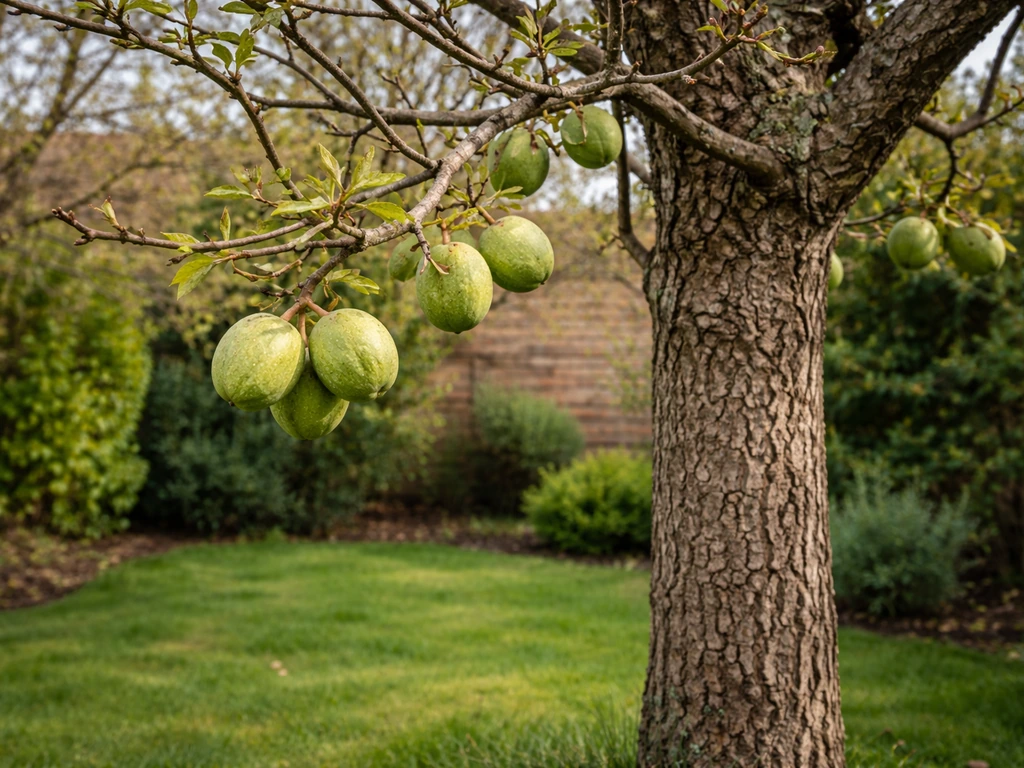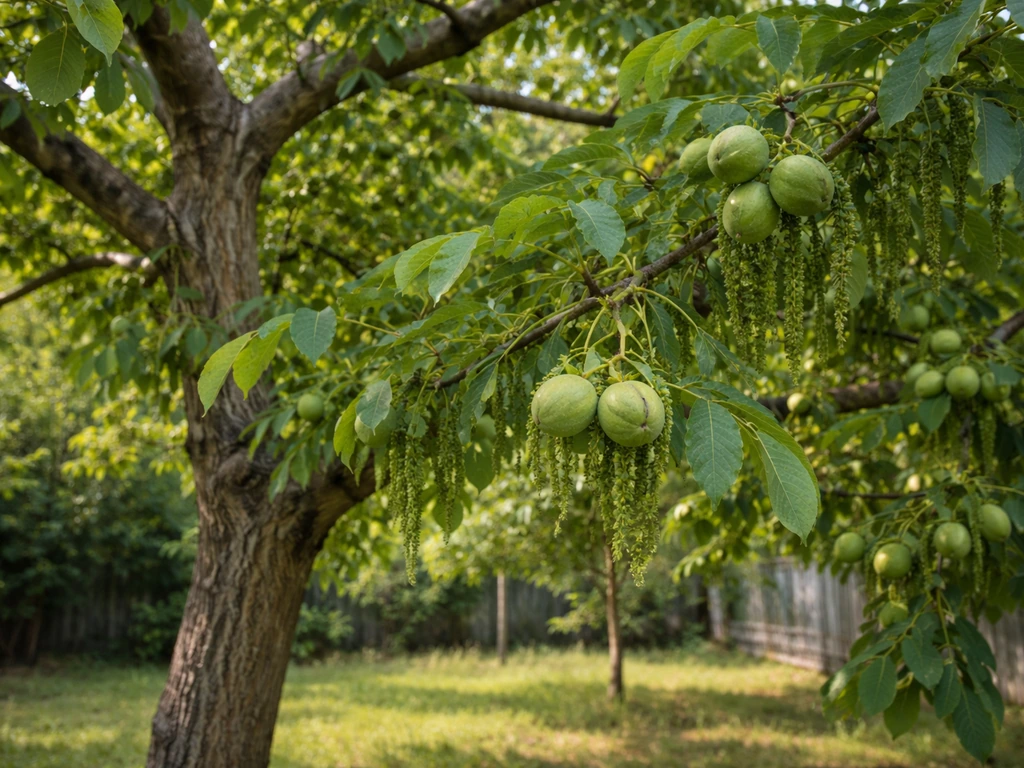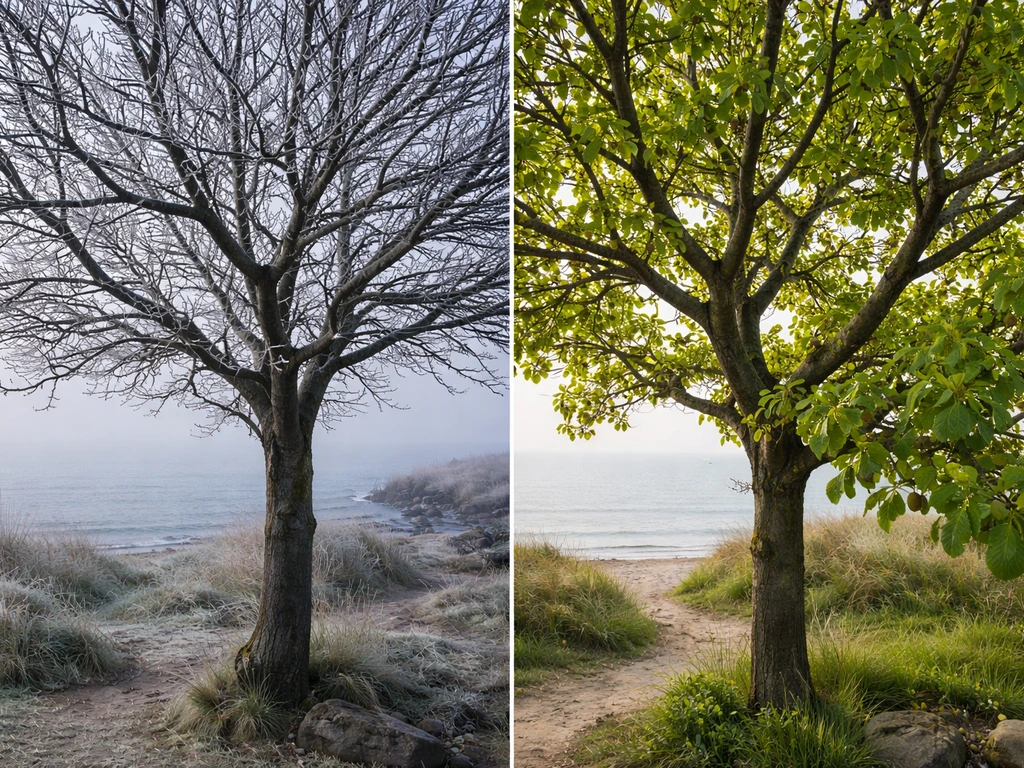
Pennsylvania is genuinely one of the better states in the eastern U. S. for growing nut trees. Black walnut, American hazelnut, and Chinese chestnut are your most reliable picks statewide.
Best Nuts to Grow in Pennsylvania: Top Options and How to Succeed
Marcus Hendricks
28 Apr 2026
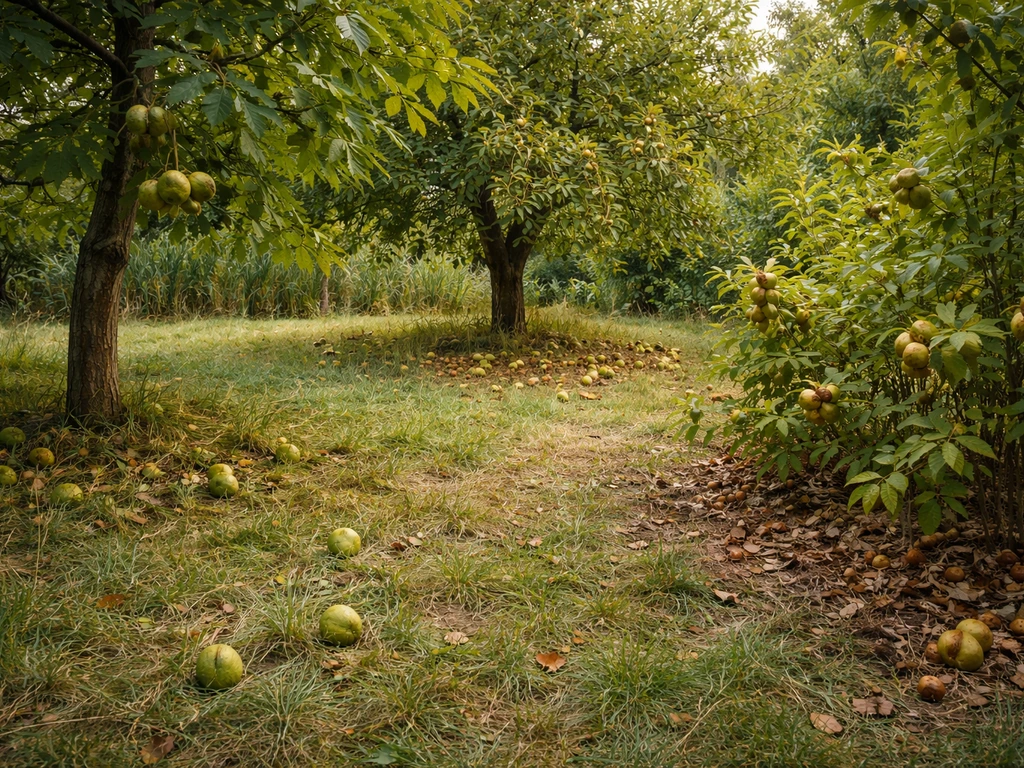
Shellbark and shagbark hickory are slower but rewarding natives. Pecan is marginal in the warmer southeastern corner only. Butternut is native but currently a tough sell because of disease. Which one is "best" for you depends on your patience, your yard space, and how much you want to manage pests and diseases, but for most Pennsylvania growers, hazelnut or Chinese chestnut gives the fastest, most satisfying return.
If you want nuts you can grow at home beyond Pennsylvania specifically, the best approach is to choose hardy species for your local USDA zone and plan for the right soil and spacing. Palm trees are different from the nut trees discussed in this article, so the nuts you can get depend on the specific palm species and climate where you live what nuts grow on palm trees.
Nut species that actually grow well in Pennsylvania
Pennsylvania has a wide climate range, and that's actually good news. The state spans USDA zones 5b through 8a, meaning average winter lows run from around -15°F in the northern highlands down to roughly +15°F in the Philadelphia suburbs. That spread means different parts of the state can support different species, but there's a solid core group that works nearly everywhere in the state.
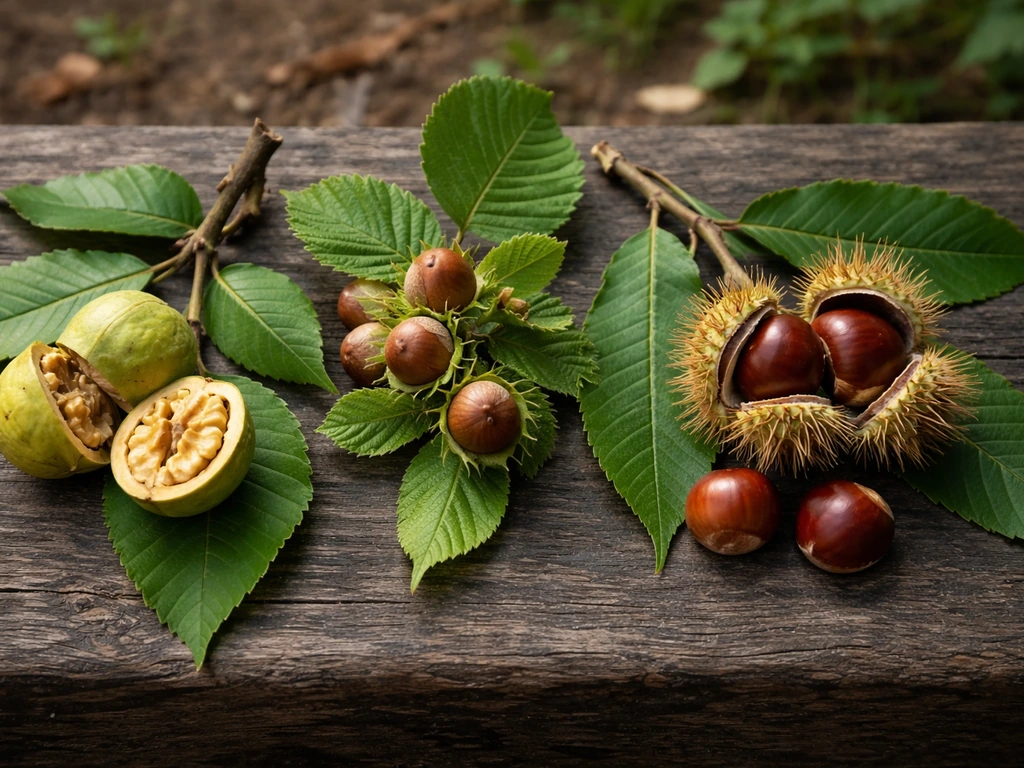
- Black walnut (Juglans nigra): native to nearly every Pennsylvania county, extremely cold-hardy, massive trees that produce prolifically but need space and have allelopathic effects on nearby plants.
- American hazelnut (Corylus americana): also native, shrub-sized, produces in 2-3 years after planting, the fastest path to a first harvest in PA.
- Chinese chestnut (Castanea mollissima): the go-to chestnut for PA growers thanks to blight resistance, medium-large tree, reliable producer in zones 5-8.
- Shagbark hickory (Carya ovata) and shellbark hickory (Carya laciniosa): native, very cold-hardy, excellent nut quality but extremely slow to first harvest (10-15+ years).
- Pecan (Carya illinoinensis): viable only in southeastern PA's warmest zones (7a-7b and the 8a fringe near Philadelphia); too risky further north.
- Butternut (Juglans cinerea): native and historically common in PA, but butternut canker has devastated wild populations and makes new plantings a gamble.
European hazelnut (Corylus avellana) is worth a mention. It produces larger, more commercial-style nuts than the native American species, but it's less cold-hardy and more susceptible to eastern filbert blight, which is a real problem in the eastern U.S. Most Pennsylvania growers are better served sticking with American hazelnut or blight-resistant hybrid hazelnuts unless they're specifically interested in the European types and willing to manage disease pressure.
Hardiness, site fit, and regional suitability in PA
Zone matters, but it's not the whole story. Within Pennsylvania, the major growing regions break down roughly like this: the northern tier (Potter, McKean, Sullivan counties and neighbors) sits in zone 5b-6a, which limits you to the hardiest species. Central PA, the Ridge and Valley, parts of the Susquehanna watershed, is mostly zones 6a-6b. The southeast, including the Philadelphia collar counties and the lower Delaware Valley, reaches zones 7a-7b and even 8a in some urban pockets. The Pittsburgh region is largely 6a-6b with some 6b-7a areas in sheltered valleys.
Beyond cold hardiness, the non-negotiables for most nut trees are deep, well-drained soil; adequate sun (full sun, meaning 6-8 hours minimum for productive trees); and enough horizontal space. Black walnut can reach 70-100 feet tall with a canopy to match. Chestnuts and hickories are also large trees at maturity. Hazelnut is your best option if you're working with a smaller suburban yard or want something you can plant near a garden without causing problems for your other plants.
Black walnut's blank" rel="noopener noreferrer">juglone effect deserves its own sentence: the roots release juglone, a chemical that's toxic or inhibiting to many plants including tomatoes, peppers, apples, and quite a few ornamentals. Penn State Extension has noted that juglone effects persist in the soil even after a tree is removed. After a walnut is removed, juglone in the soil can break down comparatively quickly, with much of it gone within a few months, though conditions can affect the timeline blank" rel="noopener noreferrer">juglone effects persist in the soil even after a tree is removed. Plan your layout carefully before you plant one near a vegetable garden or orchard.
| Species | Hardiness (PA zones) | Tree/Shrub Size | Soil Needs | Best PA Region |
|---|---|---|---|---|
| Black walnut | 5b-8a | Large tree (70-100 ft) | Deep, well-drained, pH ~7.0 | Statewide |
| American hazelnut | 5b-8a | Multi-stem shrub (8-16 ft) | Adaptable, moist-well-drained | Statewide |
| Chinese chestnut | 5b-8a | Medium-large tree (40-60 ft) | Well-drained, slightly acidic | Statewide |
| Shagbark hickory | 5b-8a | Large tree (60-80 ft) | Deep, well-drained loam | Statewide |
| Shellbark hickory | 5b-8a | Large tree (60-80 ft) | Tolerates wetter soil | Central & western PA |
| Pecan | 7a-8a | Very large tree (70-100 ft) | Deep alluvial soil, good drainage | SE Pennsylvania only |
| Butternut | 5b-8a | Medium-large tree (40-60 ft) | Deep, well-drained, fertile | Statewide (disease risk) |
Top picks: honest pros and cons for Pennsylvania growers
American hazelnut: best for beginners and small spaces
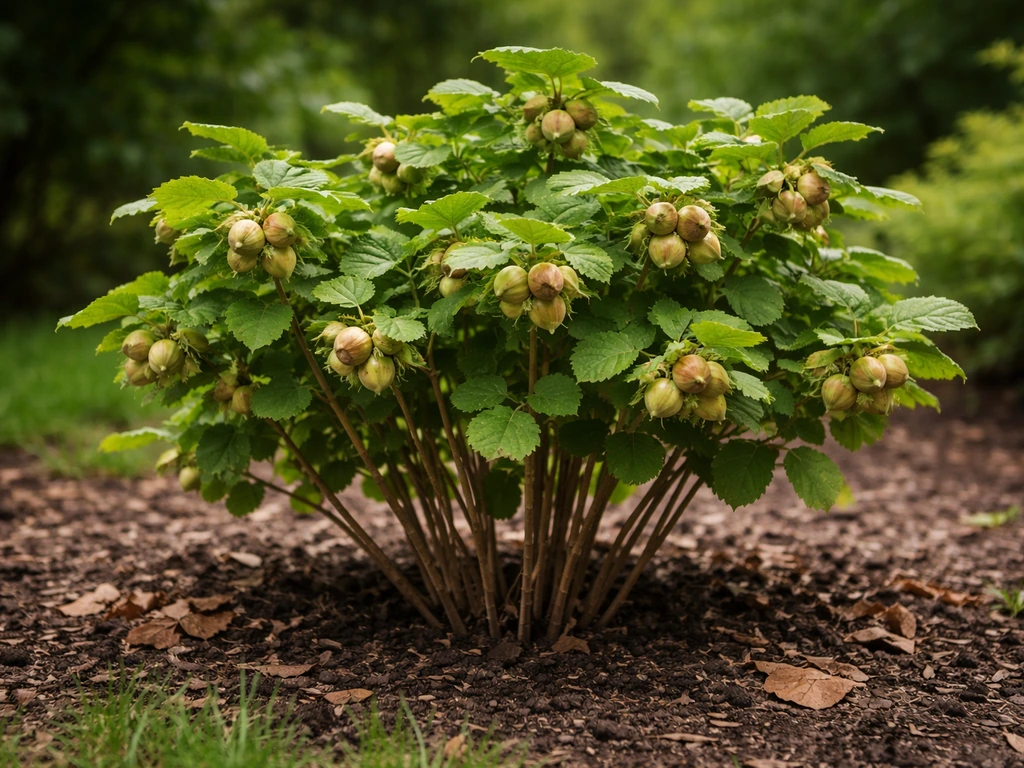
If you want nuts in your hand within a few years of planting and you don't have an acre to dedicate, start with American hazelnut. It's native to Pennsylvania, cold-hardy statewide, and begins producing good seed crops every 2-3 years once established. The nuts are smaller than commercial hazelnuts, but they're genuinely tasty and wildlife loves them too. The shrubby multi-stem form (typically 8-16 feet tall and wide) means it fits in a corner of a residential yard where a walnut wouldn't. The catch: hazelnuts are self-incompatible, so you need at least two or three plants for cross-pollination. Plant them within 20-30 feet of each other for reliable wind pollination.
Chinese chestnut: best balance of size, production, and disease resistance
Chinese chestnut is the chestnut you should actually be planting in Pennsylvania. American chestnut is functionally gone as a productive nut tree thanks to chestnut blight (Cryphonectria parasitica), which kills the above-ground growth. Chinese and Japanese chestnuts have meaningful resistance to blight, though not full immunity. For PA growers right now, Chinese chestnut or a Chinese-American hybrid is the realistic choice. Trees typically begin producing in 3-5 years after planting (faster if you buy a good grafted tree), and yields can be substantial by year 7-10. You need at least two trees for cross-pollination. Chestnuts prefer slightly acidic, well-drained soil and are sensitive to standing water, so avoid low spots.
It's worth knowing that Penn State has active breeding programs developing blight-resistant American chestnut hybrids through multi-generation backcrossing with Chinese chestnut. These trees aim to combine American chestnut's timber and nut characteristics with blight resistance. Some restoration planting material is becoming available through specific programs, but for a home grower wanting reliable nut production now, Chinese chestnut is still the cleaner choice.
Black walnut: best for serious growers with space and patience
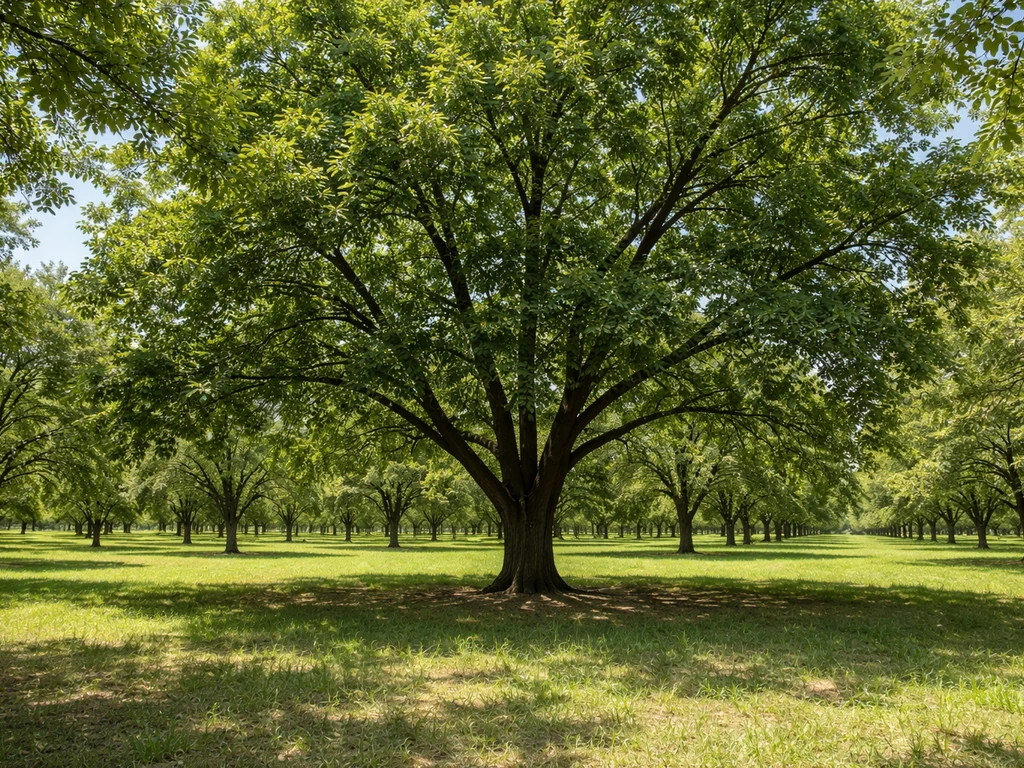
Black walnut is a Pennsylvania native that produces prolifically once it gets going, and the nuts command strong prices if you're selling them. But it needs room (the mature canopy can be 50+ feet across), the juglone allelopathy limits what you can grow nearby, and good production typically takes 8-12 years from a young tree. The USDA recommends planting for nut production at around 12x12 feet spacing, though trees ultimately need more room. Soil pH correction to around 7.0 before planting improves establishment. It's best suited to someone with a larger property who wants a long-term investment tree, not someone looking for a quick harvest.
Hickories: the slow-burn native option
Shagbark and shellbark hickory produce excellent nuts with a flavor that beats anything you'll find in a store. The problem is patience: these trees routinely take 10-15 years before they produce meaningful crops, and they have irregular heavy-production years with light years in between. For someone planting a long-term homestead or landscape where the trees will be enjoyed for generations, hickories are wonderful. For someone who wants nuts in the near term, they're a frustrating choice.
Pecan: southeastern PA only, with caveats
Pecan is technically possible in the warmest corners of Pennsylvania, but it's a marginal choice. Pecan trees need a long growing season and struggle with the colder, shorter summers of most of the state. Pecan scab (Cladosporium effusum) is also a disease issue in the humid East. If you're in Chester, Delaware, or Philadelphia counties and want to try a pecan, plant two different cultivars because pecan is heterodichogamous: different cultivars have pollen release and stigma receptivity that peak at different times, and you need overlap to get fruit set. But honestly, most PA gardeners would get more reliable results from black walnut or chestnut.
Butternut: a native worth mentioning, but hard to recommend right now
Butternut (white walnut) is native to Pennsylvania and produces rich, buttery nuts. The problem is butternut canker, caused by the fungal pathogen Sirococcus clavigignenti-juglandacearum. This disease has devastated wild butternut populations across the state and the broader eastern range. Cankers on branches, stems, and roots cause progressive dieback and eventually kill the tree. If you find what looks like a healthy, canker-free butternut locally, there's some hope that it may carry some resistance, but planting butternuts as a reliable nut crop right now is risky. Until more canker-resistant material becomes widely available, most PA growers should look elsewhere.
Planting, establishment, and long-term care
When and how to plant
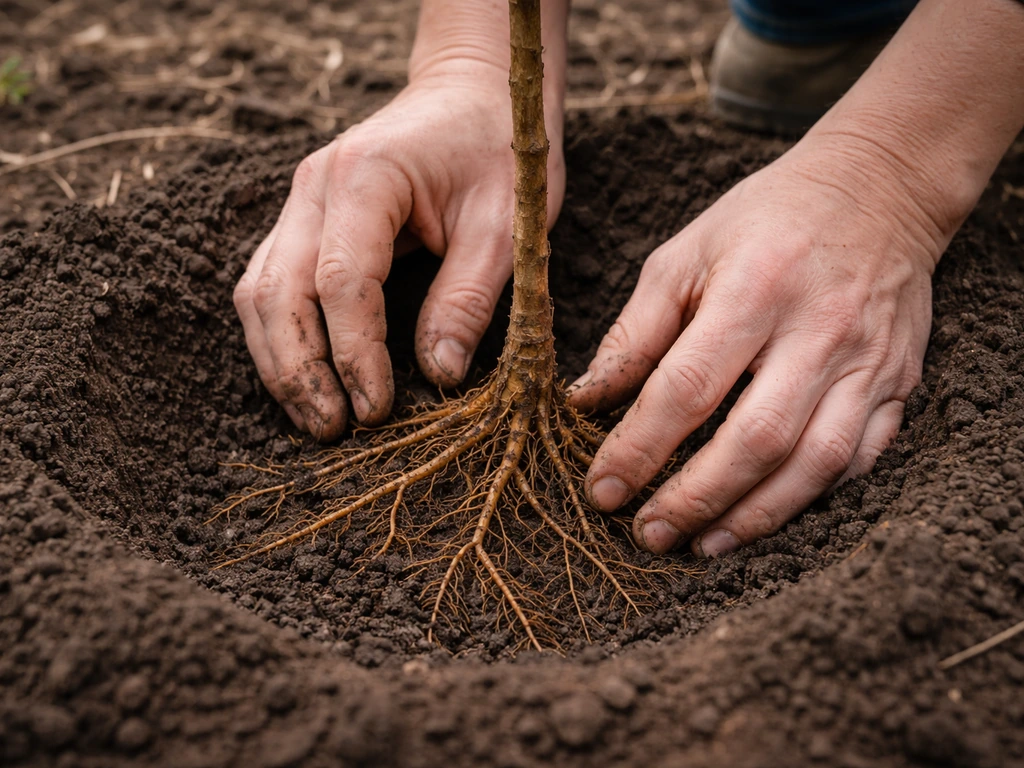
Early spring planting, just as the soil becomes workable in March or April, is ideal for Pennsylvania. Bare-root trees (commonly sold by mail-order nurseries) should go in the ground as soon as they arrive before buds break. Container-grown trees can be planted spring through early fall, but spring and early fall plantings give better establishment before summer heat or winter cold arrive. Avoid planting in late summer heat if you can.
For sourcing: look for trees grown from stock adapted to the northeastern U.S., not from southern seed sources. A black walnut sapling grown from southern seed may not be as cold-hardy as one sourced from a Pennsylvania or Ohio nursery. For chestnuts and hazelnuts, grafted named cultivars will perform more consistently than seedling trees, though they cost more upfront. When you're spending years waiting for a tree to produce, paying a little more for proven genetics is almost always worth it.
Site prep and soil
Test your soil before planting, not after. Most nut trees prefer a soil pH in the 6.0-7.0 range, with black walnut doing best toward neutral (around 7.0). Chestnuts prefer slightly more acidic conditions (5.5-6.5). If your pH needs adjustment, lime or sulfur applications several months before planting are far more effective than trying to amend after the tree is in the ground. All nut trees want well-drained soil, a waterlogged planting site is one of the fastest ways to kill a young tree or stunt its growth permanently. If your site has drainage issues, raised planting mounds or choosing shellbark hickory (which has more tolerance for wet conditions than most) are your workarounds.
Mulching, watering, and early care
A 3-4 inch deep ring of wood chip mulch, kept 4-6 inches away from the trunk, is one of the most valuable things you can do for a newly planted nut tree. It retains moisture, moderates soil temperature, suppresses competing grass, and encourages the healthy soil biology that feeds the tree's roots. Water deeply once or twice per week during the first growing season in dry periods. A young tree with a well-watered, mulched establishment will outgrow a neglected tree by years. Once established (typically 2-3 years in), most native nut trees in Pennsylvania are quite drought-tolerant and need minimal intervention in a normal year.
Long-term pruning and structure
For walnut and chestnut, the first few years of pruning focus on establishing a strong central leader and removing competing or crossing branches. Hazelnuts benefit from periodic renewal pruning, cutting older canes to the ground every few years to keep the shrub productive and manageable. Avoid heavy pruning in late summer or fall, which can stimulate vulnerable new growth before winter. Late winter or very early spring, before bud break, is the best window for most nut tree pruning in Pennsylvania.
Pollination, harvest timing, and what to realistically expect
Pollination requirements
Nearly all nut trees are wind-pollinated and most need cross-pollination from a second tree to set good crops. The rule of thumb: plant at least two trees of any nut species, ideally different cultivars or seedlings. The specifics matter for a few species. Hazelnuts are self-incompatible, a tree's own pollen will not fertilize its own flowers, so a single hazelnut plant will produce little to nothing.
Pecan is heterodichogamous: pollen shedding and stigma receptivity peak at different times on the same tree, so you need two cultivars with overlapping but complementary bloom timing. For black walnut and hickory, having two or more trees improves yields significantly even if they're not required. For chestnut, plant at least two different cultivars or seedlings within 50-100 feet.
When to expect your first harvest
Be realistic about timelines. Hazelnut is the fastest: you can see nuts 2-3 years after planting a container or bare-root shrub, and good crops every 2-3 years thereafter. Chinese chestnut on a grafted tree can produce lightly in year 3-4 and meaningfully by year 7-10. Black walnut typically takes 8-12 years for reliable production from a young nursery tree, though trees planted in ideal conditions can start earlier. Hickories are the slowest, commonly 10-15 years from a young tree to meaningful first harvest. These are not trees for the impatient, but they also live for 100-200+ years, so the timeline looks different when you think about the long run.
Harvest timing in Pennsylvania
Most nut crops in Pennsylvania drop or are ready to harvest in September through November. Hazelnuts are usually ready in September, when the husks turn brown and nuts fall easily. Chestnuts drop from their spiny burs in September and October, harvest promptly because the nuts dry out and lose quality quickly if left on the ground.
Black walnut hulls turn yellow-green to black through September and October; collect them as they fall and hull them promptly to prevent staining and quality loss. Hickories ripen in October and November. A late frost in May or early June can damage flowers and reduce or eliminate the year's crop, this is a genuine risk in northern Pennsylvania and elevated sites across the state, and it's why frost-pocket locations should be avoided when siting nut trees.
Common diseases and pests in Pennsylvania, and how to manage them
Walnut diseases
Thousand Cankers Disease (TCD) was confirmed in Pennsylvania in 2011 and is associated with the walnut twig beetle (Pityophthorus juglandis) carrying the Geosmithia fungi that create cankers under the bark. TCD is primarily a threat to black walnut trees under stress, so keeping your trees healthy through good site selection, soil management, and avoiding mechanical injury is your main defense. There's no practical chemical control once a tree is heavily infected. Black walnut anthracnose (a fungal leaf disease) causes early defoliation in wet summers but rarely kills trees, good air circulation and avoiding overhead irrigation helps. Butternut canker, as noted above, is essentially a species-level problem with no cure currently available.
Chestnut diseases
Chestnut blight remains the defining disease pressure for chestnuts in Pennsylvania. Chinese chestnut has good resistance, not immunity, but enough that trees survive and continue producing even when blight is present. You may see blight cankers on Chinese chestnut branches, but the tree typically compartmentalizes the infection and doesn't die. Keep trees healthy and well-sited. Phytophthora root rot is another problem, particularly in poorly-drained soils, and it kills trees fast. Choose a well-drained site and don't overwater.
Insect pests
Walnut husk fly and walnut curculio are the main insect pests affecting black walnut quality in Pennsylvania. Husk fly larvae tunnel into the husk (not the nut itself in most cases), causing early drop. Chestnut weevils can infest chestnut crops and overwinter in the soil, where weevils are a persistent problem, prompt harvest and cold storage of nuts helps reduce their populations over time. Aphids and caterpillars occasionally defoliate young nut trees but rarely cause long-term damage to established trees. Squirrels are, practically speaking, your most consistent pest regardless of species, and physical barriers around young trees or timely harvest are the only real solutions.
A general management approach
The most effective disease and pest management strategy for nut trees in Pennsylvania isn't a spray schedule, it's stress reduction through proper site selection, soil health, and good establishment. Stressed trees invite problems. A well-sited, well-established black walnut or chestnut in Pennsylvania is a remarkably resilient plant. If you're dealing with persistent disease issues on chestnuts or walnuts, the first question to ask is whether the tree is getting what it needs in terms of drainage, sun, and soil nutrition.
How to choose the right nut tree for your Pennsylvania yard
Here's a straightforward decision framework. Answer these questions and the right species usually becomes obvious.
- How much space do you have? Less than 400 square feet available or a small suburban lot: American hazelnut is your answer. It's compact, productive, and doesn't interfere with neighboring plants the way a walnut does. If you have a half-acre or more, any of the tree species become viable.
- How patient are you? Want nuts within 3-5 years: plant hazelnut first, add a Chinese chestnut for medium-term production. If you're planting a long-term homestead and thinking in decades, add hickories and black walnut too.
- Do you have an existing vegetable garden nearby? Black walnut's juglone effect can damage many vegetables and fruit trees within 50-80 feet. If your planting site is near a productive garden, choose chestnut or hazelnut instead.
- What's your PA zone? Zone 5b-6a (northern tier): stick with black walnut, hazelnut, shagbark hickory, and Chinese chestnut — all are cold-hardy enough. Zones 7a+ (southeast PA): you have the widest options, including marginal pecan.
- How much disease management are you willing to do? Low tolerance for disease issues: Chinese chestnut or American hazelnut are your most forgiving choices. Avoid butternut. Black walnut is relatively low-maintenance if you site it well.
- Home harvest vs. landscape value? If you want both a beautiful tree and eventual nut production, chestnut and shagbark hickory deliver well on both. If nut production is the primary goal, Chinese chestnut or hazelnut give the fastest, most reliable returns.
If you're genuinely unsure where to start and just want something that will reliably produce nuts in Pennsylvania without a lot of drama, plant two or three American hazelnuts now. They'll prove the concept on your site, feed you within a few years, and give you time to plan where to put a chestnut or walnut as a longer-term investment.
That combination, hazelnut for the near term and chestnut for the medium term, covers most Pennsylvania growers' goals without overcomplicating things. And if you're interested in expanding beyond the ground, the same species that work outdoors in PA are worth comparing against what's possible for container growing or indoor situations, though nut trees that reach 60 feet clearly need a different approach in those contexts.
In many cases, you can grow certain nut trees in pots by using compact, well-draining setups and planning for long-term growth limits. If you're wondering can you grow nuts indoors, the biggest limiter is that most nut trees need long-term space, light, and years to bear.
FAQ
What’s the best nut to grow in Pennsylvania if I’m in a colder northern county (zone 5b/6a)?
Yes, but treat them as a “production” question and choose cultivar hardiness for your exact zone and exposure. For example, Chinese chestnut can work well in many areas if it is planted on a well-drained slope, but a frost-prone yard can still cut yields by damaging flowers in spring. If you are in a low spot, raised mounds or slope planting usually matter more than the species choice.
I only have room for one type of nut tree. Which “best nuts to grow in Pennsylvania” should I choose for a smaller yard?
If you want to harvest sooner and you have limited space, American hazelnut or Chinese chestnut are usually the two fastest bets. For planning, budget for cross-pollination (hazelnut needs multiple plants, chestnut needs different trees), then pick the one that best matches your drainage: hazelnut is more forgiving, chestnut needs slightly acidic, well-drained soil and dislikes standing water.
How do I know if my soil is too wet for the best nuts to grow in Pennsylvania?
It depends on the tree and your yard drainage. Black walnut and hickories can tolerate some moisture variation once established, but young trees die quickly from waterlogged planting sites. Chestnut is especially sensitive to soggy ground, so if you have wet springs, use a mound, plant on a slope, or switch to a more wet-tolerant hickory like shellbark.
When should I prune my nut trees in Pennsylvania, and what mistakes should I avoid?
For most nut trees, start pruning only after the tree has taken hold and you can clearly see its main structure. Avoid heavy cutting right before winter because it can trigger vulnerable new shoots. Also, don’t over-prune chestnuts early on, focus on removing crossing branches and building a strong scaffold, then keep pruning light for the first few seasons.
Can I plant just one nut tree and still expect nuts in Pennsylvania?
You can’t rely on “one tree” for most nuts in Pennsylvania. Hazelnut is self-incompatible, so a single plant often produces little or nothing. Chestnut and pecan require cross-pollination, and black walnut and hickory benefit from having multiple trees even if not strictly required. A practical workaround is planting two or three hazelnuts together, or pairing two different chestnut cultivars within about 50 to 100 feet.
What’s different about growing the best nuts to grow in Pennsylvania in pots or containers?
Yes, and it changes your timing and expectations. Pests like walnut husk fly and squirrels still matter, but the biggest difference is scale: the container’s limited root volume usually means slower growth and smaller or delayed yields compared to in-ground trees. If you try container growing, use a compact, well-draining setup and plan for eventual transplanting or long-term root confinement limits.
Should I buy seedling trees or grafted trees for hazelnut and Chinese chestnut in Pennsylvania?
If your goal is nuts you can eat soon, buy genetics that are most likely to produce reliably. For hazelnut and chestnut, grafted named cultivars generally perform more consistently than seedling trees, especially for harvest timing. For walnuts and hickories, the long wait is partly genetic and partly environmental, so pay extra for locally adapted stock grown from northeastern sources.
Can I plant vegetables or fruit trees near black walnut in Pennsylvania?
Black walnut juglone is the main gotcha, but it’s not the only one. It can inhibit nearby plants, including many common garden crops and some fruit trees, and it can persist in the soil even after removal. If you want a mixed garden, keep walnuts away from vegetable beds and apple-like plantings, and verify your layout before planting rather than trying to “fix it later.”
Why did my nut tree bloom but produce little or no nuts this year?
A key edge case is late spring frosts that damage blossoms, especially in northern Pennsylvania and in low or sheltered spots. Even a well-chosen species can fail to crop in a bad frost year. When choosing a site, avoid frost pockets and prioritize air drainage and full sun so flowers are less likely to get knocked out.
What are the most important disease prevention steps if I prefer not to spray my nut trees?
For disease-prone orchards, the biggest preventive step is reducing stress, not spraying. Make sure the site drains well, give adequate sun, and water correctly during establishment, then avoid overhead irrigation when practical to reduce fungal pressure. If you see rapid declines in chestnut, suspect root rot and check drainage before anything else.
How should I time nut harvest in Pennsylvania to avoid quality problems?
Harvest timing affects quality a lot. Chestnuts should be harvested promptly when they drop from burs because quality declines quickly if left on the ground. Hazelnuts are usually best when husks brown and nuts fall easily. For black walnut, hull promptly after collection to reduce staining and quality loss.