A handful of flowers actually do well under a black walnut, including daylilies, black-eyed Susans, astilbe, bee balm, marigolds, impatiens, pansies, Siberian iris, and many native woodland species like bloodroot, Virginia bluebells, and trillium. The catch is that most common ornamentals will struggle or die outright, not from poor soil or shade, but from a chemical the tree produces called juglone. Knowing which plants can handle it, and how to set up the planting site, is the whole game here.
What Flowers Will Grow Under a Walnut Tree
Marcus Hendricks
15 May 2026
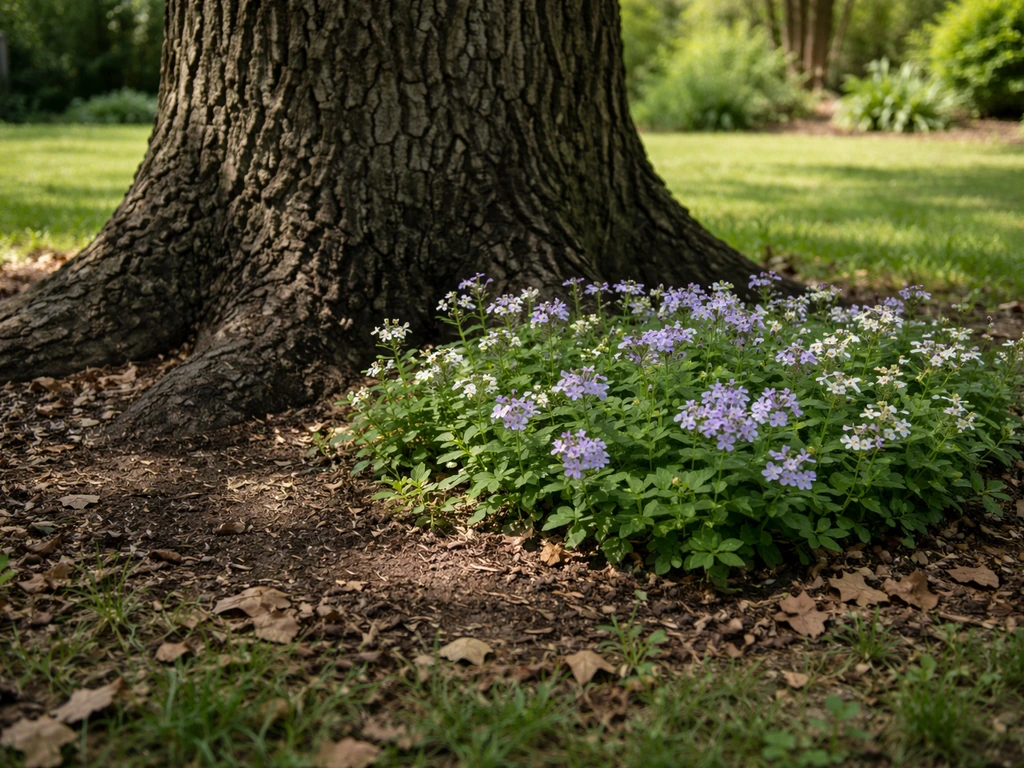
Why most flowers fail under walnut trees
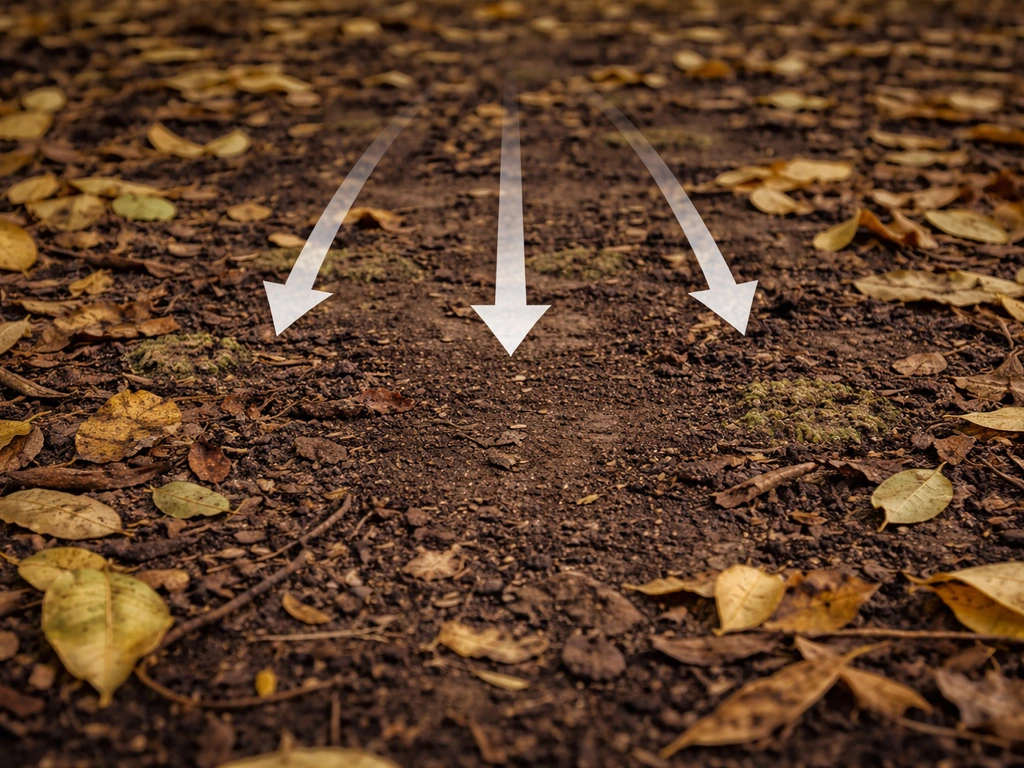
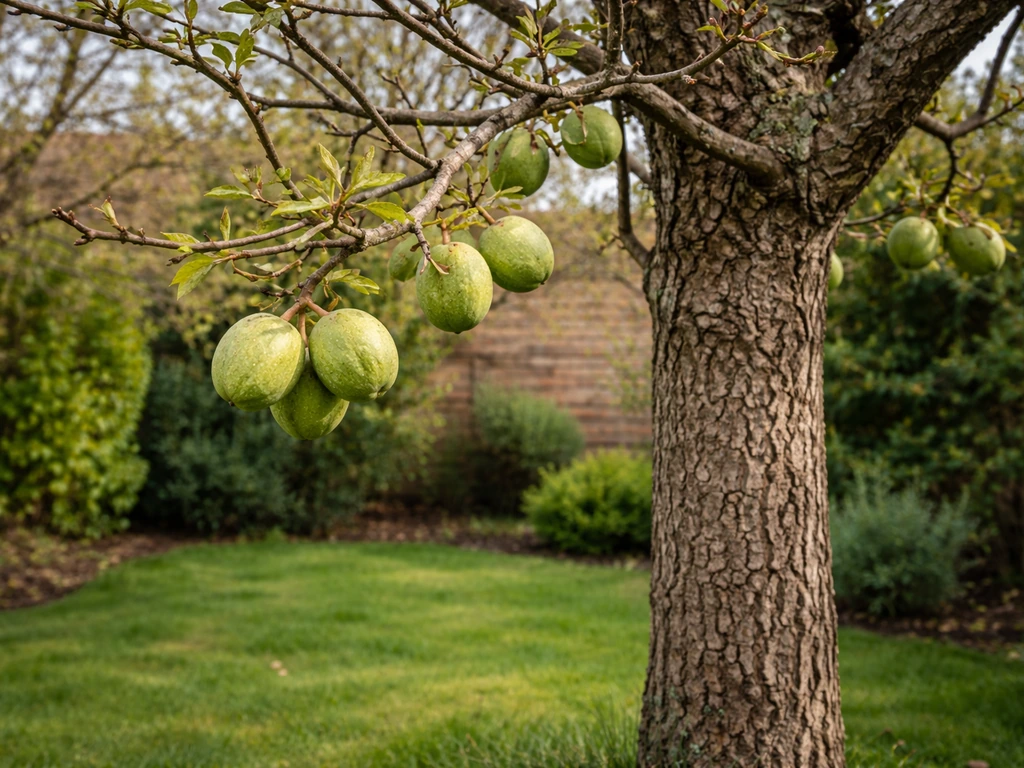
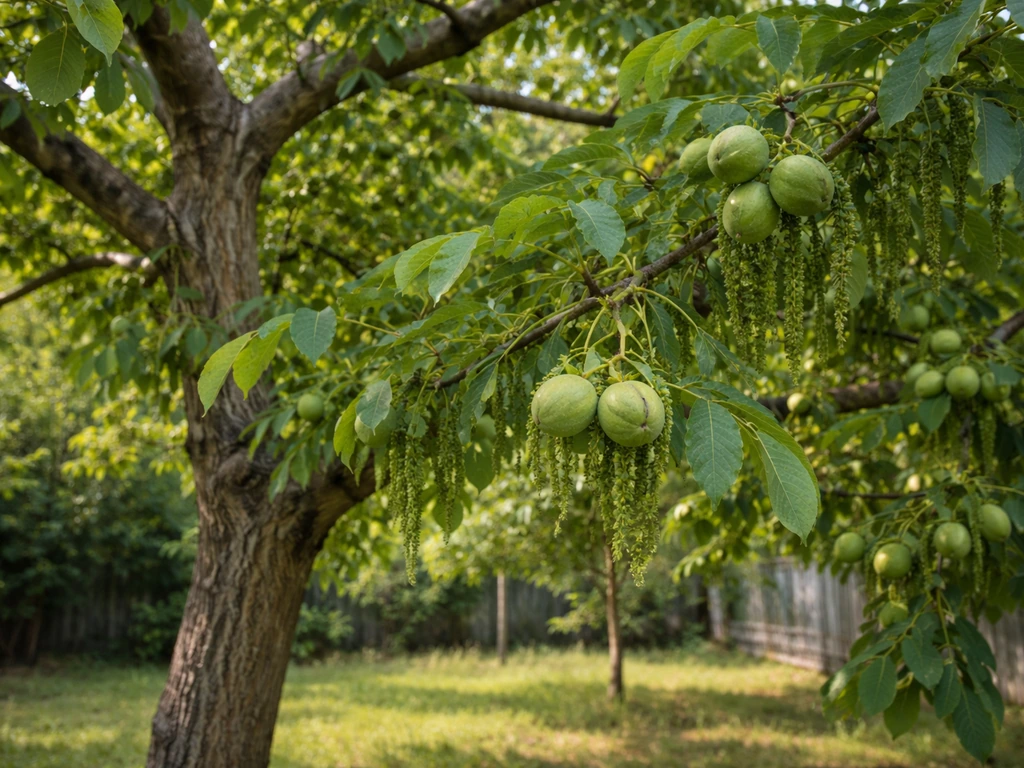
Black walnut (Juglans nigra) practices what botanists call allelopathy: it releases chemicals into the surrounding environment that suppress or kill competing plants. This isn't an accident. It's an evolutionary strategy that gives the tree a growth advantage by reducing competition for water, nutrients, and light. For anyone trying to garden under or near one, it's the central problem to understand before choosing a single plant.
The allelopathic effect doesn't come from one source. Juglone is present in the tree's roots, bark, leaves, nut husks, and even the wood itself. Roots are the primary delivery mechanism into the soil, but decomposing leaves and hulls on the ground also contribute. When a sensitive plant's roots come into contact with juglone in the soil, the chemical interferes with root respiration and inhibits root elongation at a cellular level, essentially starving the plant of its ability to take up water and nutrients properly. The result looks a lot like drought stress or disease, which is one reason so many gardeners misdiagnose the problem.
What juglone actually does to soil, and how long the risk lasts
Juglone is classified chemically as 5-hydroxy-1,4-naphthoquinone. In practical terms, it's a compound that moves through soil via root exudates and decomposing plant matter, and it builds up most intensely within the tree's dripline, which is the area directly below the canopy's outer edge. For a mature black walnut, that toxic zone typically extends 50 to 80 feet from the trunk, with the highest concentration of juglone occurring inside the dripline where root density is greatest.
Soil conditions affect how severe the impact is. Wet, poorly drained soils tend to concentrate juglone, making toxicity worse because the compound doesn't break down as quickly without adequate aeration and microbial activity. Sandy or well-drained soils allow more breakdown and dilution. Soil microbes, particularly certain Pseudomonas bacteria, do degrade juglone over time, which is why juglone levels can drop after a tree is removed. But don't expect a quick cleanup: research indicates juglone can persist for at least two months after tree removal, and decaying root systems can continue releasing juglone for several years while they break down. If you're inheriting a yard where a walnut was recently cut, the soil is likely still problematic.
Seasonal leaf drop adds to the picture. Walnut leaves hitting the ground each fall contribute juglone to the soil surface, especially if they mat down and decompose slowly in place. This is why site management around an existing tree is an ongoing task, not a one-time fix.
The best flowers for under a walnut tree
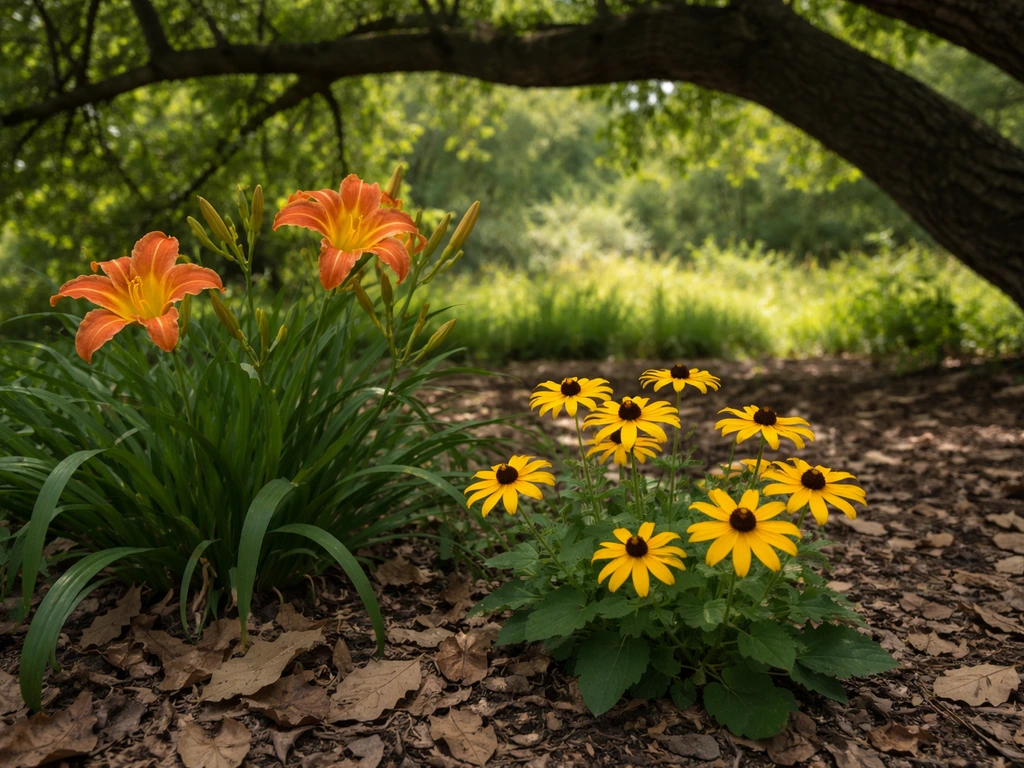
The following plants have solid, repeated track records of tolerating juglone conditions. They show up consistently across university extension lists from Wisconsin, Minnesota, Penn State, and Purdue, which is about as reliable a cross-reference as you'll get for this kind of practical question. Keep in mind that no plant is guaranteed to thrive in every walnut situation, because light levels, soil drainage, and root density all vary. Ask Extension points to Wisconsin Extension’s black walnut toxicity guidance and notes that while plant tolerance lists can exist, real performance depends on factors like light (shade versus edge light) and establishment conditions because light levels, soil drainage, and root density all vary. But these are your best starting bets.
Reliable juglone-tolerant flowers
- Daylily (Hemerocallis spp.) — one of the most dependable choices, tolerates both shade and juglone well
- Black-eyed Susan (Rudbeckia spp.) — tough, drought-tolerant, performs well on the dripline edge
- Bee balm (Monarda spp.) — great for pollinators, does well in partial shade under canopy
- Astilbe — thrives in the moist, shaded conditions common under large walnuts
- Siberian iris — handles both the chemical environment and competition for moisture
- Marigold (Tagetes spp.) — annual option that's easy to test and replace if a spot proves too toxic
- Impatiens — another reliable annual for shadier spots under the canopy
- Pansy — works well as a seasonal annual planting in the outer zones of the root area
- Zinnia — annual, sun-preferring, better suited to the dripline edge than directly under
- Aster — perennial, solid performer in juglone-affected areas
- Calendula — useful annual with good tolerance reported across multiple sources
- Morning glory — tolerant vine-type that can work along the edges
- Jacob's ladder (Polemonium spp.) — woodland perennial that does well in shaded juglone zones
- Bloodroot (Sanguinaria canadensis) — native woodland species, naturally adapted to walnut-rich forest floors
- Virginia bluebells (Mertensia virginica) — another native that historically coexists with black walnut in eastern US forests
- Trillium — shade-loving native perennial with good juglone tolerance
- Bellflower (Campanula latifolia) — does well as a shade-tolerant underplanting
- Sweet woodruff — excellent low ground cover under walnut canopy
- Phlox — tolerant of juglone conditions with adequate moisture
- Ferns (various species) — not flowering, but invaluable as gap-fillers in deeply shaded zones
A few common favorites to avoid entirely: peonies, azaleas, and rhododendrons are reliably killed by juglone. Tomatoes and blueberries (if you're mixing edibles in) are also highly sensitive. Columbine is one of those plants where sources genuinely disagree on sensitivity, so if you want to try it, do a small test planting before committing.
Tolerant vs. sensitive at a glance
| Plant | Juglone Tolerance | Best Position |
|---|---|---|
| Daylily | High | Under canopy or dripline |
| Black-eyed Susan | High | Dripline edge, full sun |
| Astilbe | High | Under canopy, moist shade |
| Bee balm | High | Partial shade under canopy |
| Siberian iris | High | Under canopy or dripline |
| Bloodroot | High | Under canopy, woodland conditions |
| Virginia bluebells | High | Under canopy, spring-blooming |
| Marigold | Moderate-High | Dripline edge, annual test plant |
| Impatiens | Moderate-High | Shaded under-canopy spots |
| Pansy | Moderate | Outer root zone, seasonal |
| Peony | None | Keep 80+ feet away |
| Azalea/Rhododendron | None | Keep 80+ feet away |
| Columbine | Uncertain | Small test planting only |
Where you plant matters as much as what you plant
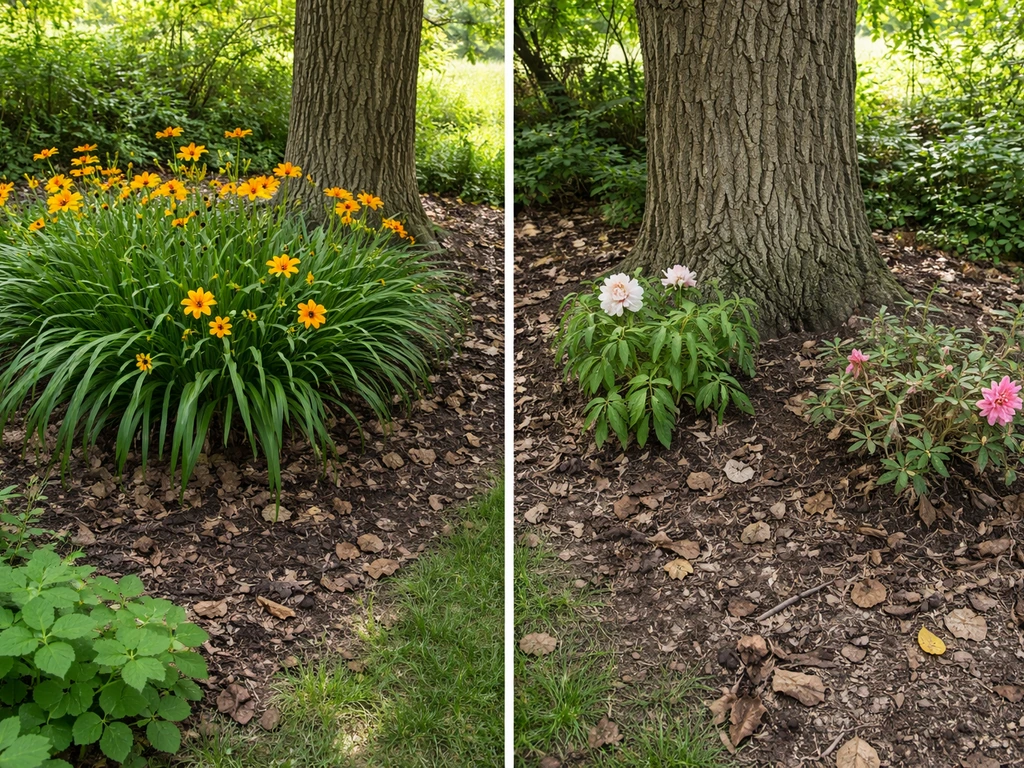
Position is everything when gardening under a walnut. The zone directly beneath the canopy center, right near the trunk, is the worst spot to plant. Root density is highest there, and juglone concentration follows root density. The further you move toward the outer edge of the dripline and beyond, the better the odds of success, both because juglone levels drop and because light improves.
Penn State Extension advises starting any underplanting at least one foot from the trunk. That's a minimum. In practice, keeping sensitive or even moderately tolerant plants 10 to 15 feet from the trunk gives them a real fighting chance, especially in heavy or clay soils where juglone moves less but also degrades more slowly. The outermost edge of the dripline and slightly beyond is where you'll see the best success with a wider range of species.
Light is the secondary factor. Under a full walnut canopy, you're dealing with moderate to deep shade, which narrows your options even among juglone-tolerant plants. Astilbe, sweet woodruff, bloodroot, impatiens, and Jacob's ladder all handle shade well. At the canopy edge where light increases, black-eyed Susans, bee balm, and zinnias become better choices. At the canopy edge, some common, juglone-tolerant flowers and perennials can grow much better near walnut trees black-eyed Susans, bee balm, and zinnias. Match the light requirement of the plant to the actual light level at your planting spot, not just the juglone tolerance.
Drainage is the third variable. Wet soil increases juglone concentration and reduces microbial breakdown. If your site under the walnut stays soggy after rain, address drainage before planting anything, because even tolerant species will struggle when juglone is concentrated in waterlogged soil.
How to actually set up the planting site for success
Skip walnut-derived mulch
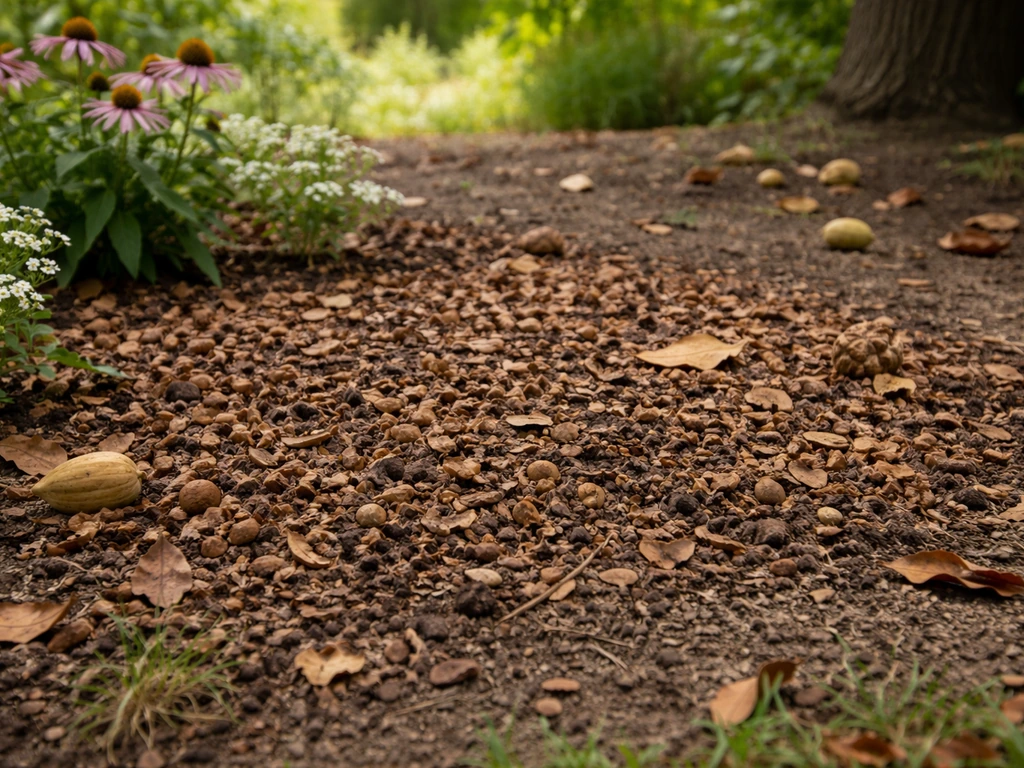
This is the single most common mistake. Using walnut leaves, bark, wood chips, or hulls as mulch introduces fresh juglone directly into the soil surface where your flowers are rooting. Multiple extension programs, including Penn State, Wisconsin, and K-State, are explicit about this: don't use fresh walnut material as mulch around garden plants. Use bark mulch from other tree species instead, or a clean straw layer.
The one exception is well-composted walnut material. When walnut leaves are composted for at least six months with adequate air and moisture exposure, microbial activity breaks juglone down to safe levels. Fresh material piled on the ground as mulch is a completely different situation. If walnut leaves fall into your planting area naturally each autumn, rake them out promptly rather than letting them mat down and decompose in place over the winter.
Raised beds and root barriers
For anyone who really wants to grow juglone-sensitive plants near a walnut, raised beds with physical root barriers are the most effective solution. The goal is to interrupt the path walnut roots take into your growing zone. A raised bed built 12 to 18 inches high and lined at the bottom with heavy landscape fabric or quarter-inch hardware cloth creates a significant physical barrier against root intrusion. Fill it with clean topsoil brought in from outside the juglone zone. Walnut roots will eventually find a way around any barrier over enough time, so inspect and refresh the setup every few years.
For flowers you're planting directly in the ground (without a raised bed), the soil prep is simpler but still matters. Improving drainage with organic matter helps microbial populations that degrade juglone. Avoid working the soil when it's wet, which compacts structure and reduces aeration. Deep watering encourages plants to root deeply, which can actually help them access soil layers below the heaviest juglone concentration near the surface, since walnut feeder roots often concentrate in the upper foot or two of soil. If you’re also wondering about walnut trees specifically, you’ll need to plan for enough water during establishment to support healthy root growth and early development Deep watering encourages plants to root deeply.
Ongoing maintenance
- Remove fallen walnut leaves, husks, and twigs from planting areas promptly each fall and spring, before they decompose in place.
- Water deeply and consistently, especially in the first season. Root competition from the walnut is intense, and newly planted flowers need encouragement to establish quickly.
- Mulch with non-walnut material to retain moisture and buffer soil temperature, keeping a 2 to 3 inch layer around plants without piling it against stems.
- Refresh mulch annually, especially after raking out walnut debris.
- If using raised beds with barriers, check for root intrusion each spring and trim any walnut roots that have penetrated the barrier before they establish.
Common mistakes and what to do when flowers are struggling
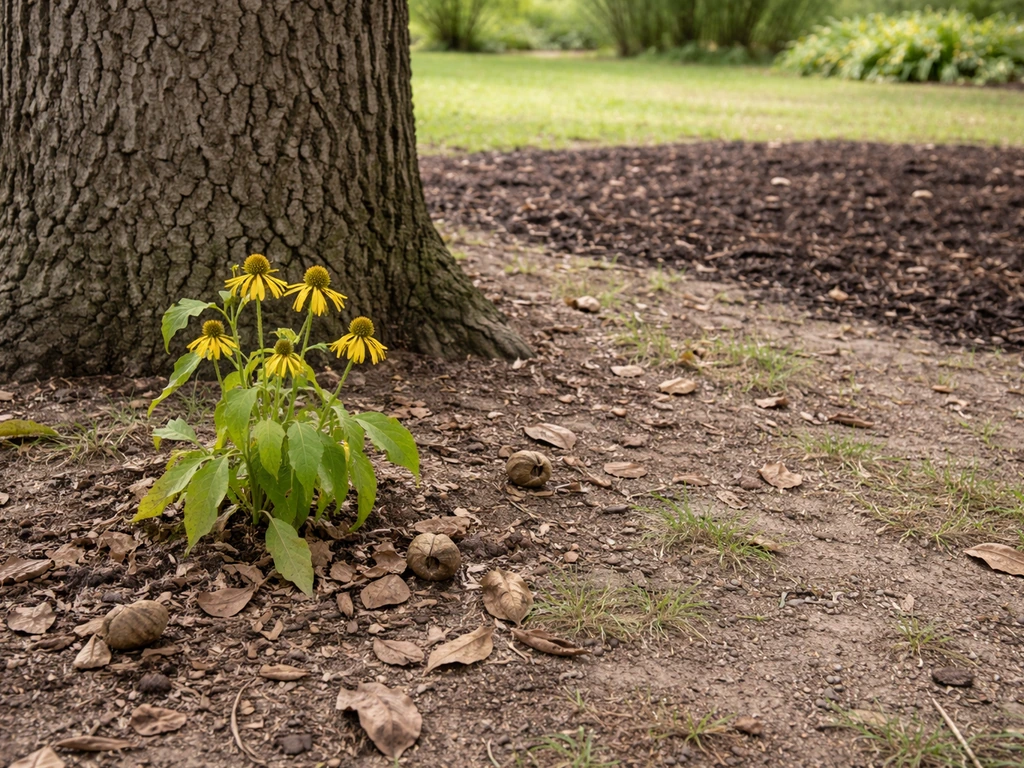
The most common mistake is assuming a plant is tolerant because it's native, perennial, or listed as "tough." Juglone sensitivity doesn't correlate with hardiness in the conventional sense. Peonies are robust, long-lived perennials in most gardens, but they're reliably killed by black walnut. Always cross-check any plant specifically against a juglone tolerance list before placing it within 80 feet of a mature black walnut.
The second most common mistake is planting too close to the trunk, in the densest root zone, even with plants that are listed as tolerant. Tolerance lists describe plants that can handle juglone, not plants that are immune to it. Planting a daylily two feet from the trunk in the most root-dense zone is still a bad idea. Give tolerant plants every advantage: outer dripline position, good drainage, non-walnut mulch, and consistent moisture.
If flowers you've planted are showing yellowing leaves, stunted growth, wilting, or brown leaf edges that don't improve with watering, juglone toxicity is the prime suspect, but don't assume it immediately. UW-Extension specifically notes that juglone symptoms are easily confused with drought stress, wilt diseases, and herbicide injury. Run through this checklist before concluding it's juglone:
- Is the plant getting enough water? Deep, consistent irrigation should rule out drought stress first.
- Is the soil draining properly, or is it staying wet? Waterlogged roots can mimic juglone symptoms.
- Has any herbicide been applied nearby, including lawn treatments? Herbicide drift causes similar yellowing and distortion.
- Are other plants of the same species in the same area also affected? Widespread uniform symptoms point more toward chemical cause than a disease.
- How close is the plant to the walnut trunk and are the roots of both species likely overlapping? If the answer is yes, juglone becomes the most likely cause.
If juglone is the likely cause, the options are straightforward: move the plant to a location outside the dripline, switch to a more tolerant species in that spot, or install a raised bed with a root barrier if you're committed to that location. There's no soil amendment you can add to neutralize juglone in the ground around an actively growing walnut. The tree keeps producing it continuously through its roots, so working around root contact is always more effective than trying to detoxify the soil.
One final thing worth knowing if you're gardening near English walnut (Juglans regia) rather than black walnut: English walnut does produce juglone, but at significantly lower concentrations than black walnut. The problem is still real, but the exclusion zone and symptom severity are generally less extreme. Black walnut is the species responsible for most of the dramatic plant failures gardeners report, and it's the baseline for everything in this guide. If your tree is a different walnut species, the same principles apply but with somewhat more flexibility in plant selection and placement. Will a walnut grow into a tree? Yes, the black walnut tree that produces juglone eventually grows into a mature tree, which is why the underplanting concerns keep mattering over time. If you're also choosing the best walnut tree to grow, consider how species and placement will affect juglone risk under nearby plantings.
FAQ
How far from a walnut trunk should I plant flowers to avoid juglone problems?
Treat it as a gradient, but a practical starting rule is at least 10 to 15 feet for tolerant plants, with better odds near the outer edge of the dripline or slightly beyond. If you are trying anything borderline, move farther out, because the highest juglone levels track root density.
Does juglone affect plants forever, even after the walnut tree is removed?
Not forever, but it can last for years. Even after removal, juglone can persist for months, and decaying roots can keep releasing it while underground material breaks down. Plan on re-testing planting choices rather than assuming the soil is immediately safe.
Is mulch always bad under a walnut tree?
Fresh walnut leaves, bark, wood chips, and hulls can worsen juglone exposure because they add more compound directly at the soil surface. Use mulch from other tree species, or straw. If you want to use walnut material, only do it after it has been well composted for at least several months.
Can I use store-bought potting soil or compost to “fix” juglone in the ground?
Not reliably. Juglone is continuously introduced from surrounding walnut roots and leaf litter, so soil amendments usually cannot cancel it out. The more dependable fixes are changing the planting location (outside the dripline) or isolating roots with a physical barrier using clean fill.
Will raised beds with a root barrier completely eliminate juglone?
They greatly reduce risk, but they are not a one-and-done guarantee. Walnut roots can grow around barriers over time. Inspect the barrier every few years, keep the bed filled with clean soil, and watch plants for early stress to decide if you need adjustments.
What symptoms suggest juglone, and how can I tell it apart from drought or disease?
Look for stress that persists despite consistent watering, yellowing that does not rebound, stunted growth, and dieback that resembles poor root function. The key caveat is that juglone symptoms can mimic drought stress and some injuries, so cross-check timing (often worst in the densest root zone) before diagnosing.
Can I plant bulbs under a walnut tree?
Sometimes, but placement matters. Bulbs often tolerate temporary seasonal dryness, yet juglone can still inhibit root development and reduce vigor. If you try bulbs, start near the dripline edge, choose well-established juglone-tolerant candidates, and avoid burying them close to the trunk where juglone is highest.
Why do some walnut yards have fewer problems than others?
Soil drainage and seasonal leaf-mat behavior can change severity. Waterlogged soil can concentrate juglone and slow microbial breakdown. If the area stays soggy after rain or leaf litter mats in place, toxicity pressure tends to be higher.
Are all “native” plants safe under walnuts?
No. Native does not equal juglone-proof. Some natives are tolerant, others are not, and tolerance lists should still be checked before planting anything in the underplanting zone.
If I want to grow a sensitive plant, what is the best fallback plan?
Start with a location change outside the dripline, or use a raised bed with a root barrier and clean soil fill. If neither is feasible, consider growing the sensitive species in containers placed farther from the trunk so you control root contact with the walnut’s soil zone.
Does the type of walnut tree matter, like English walnut versus black walnut?
Yes. Black walnut is the main driver of severe underplanting failures because juglone concentrations are typically much higher. English walnut still produces juglone, but the risk is usually lower, so you may have slightly more flexibility with distance and plant choice.
When is the best time to plant under a walnut?
For many flowers, spring or early fall planting helps establish roots before peak summer stress. Avoid trying to rush establishment during the hottest, driest parts of summer in poorly drained sites, because juglone stress and water stress can compound.