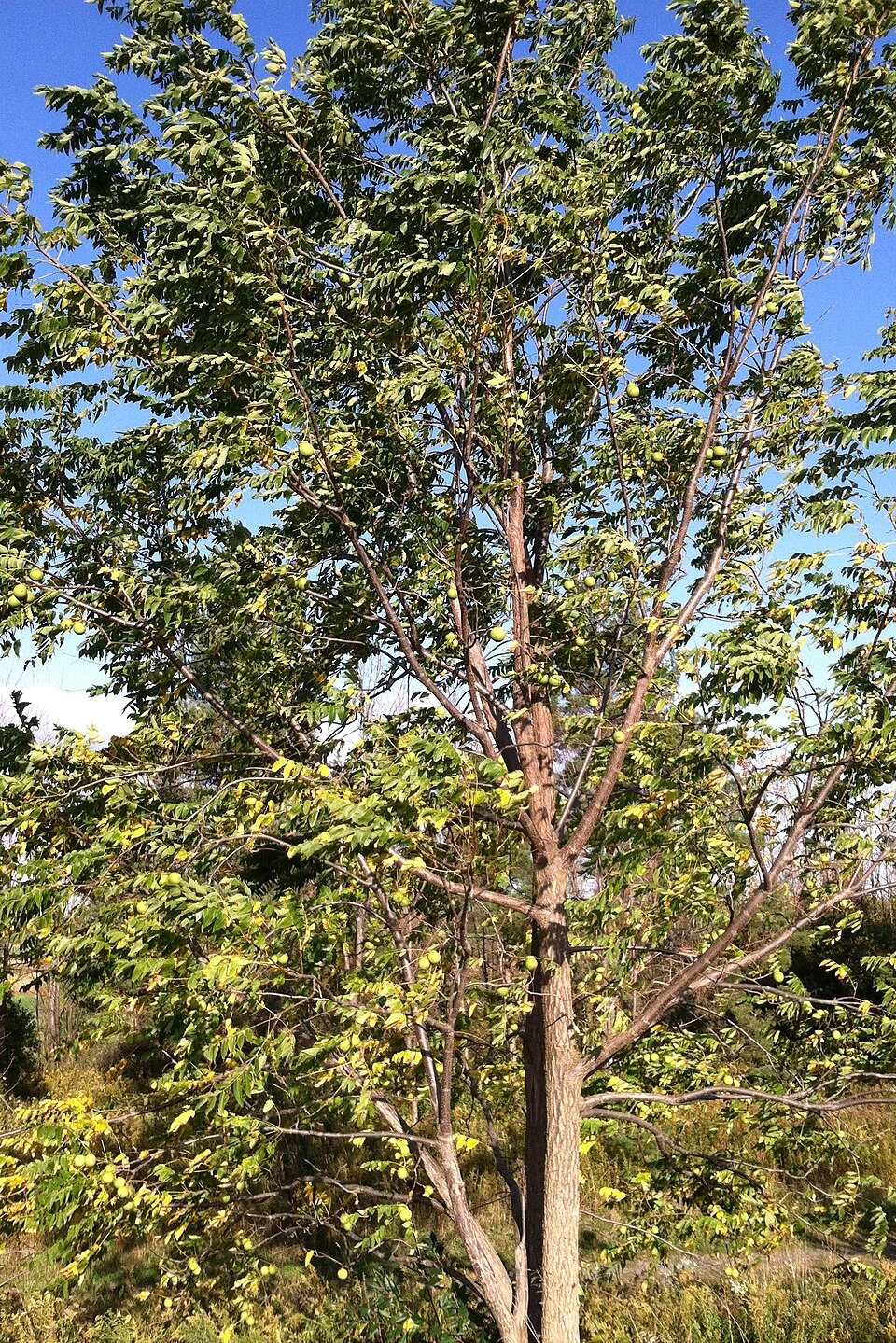
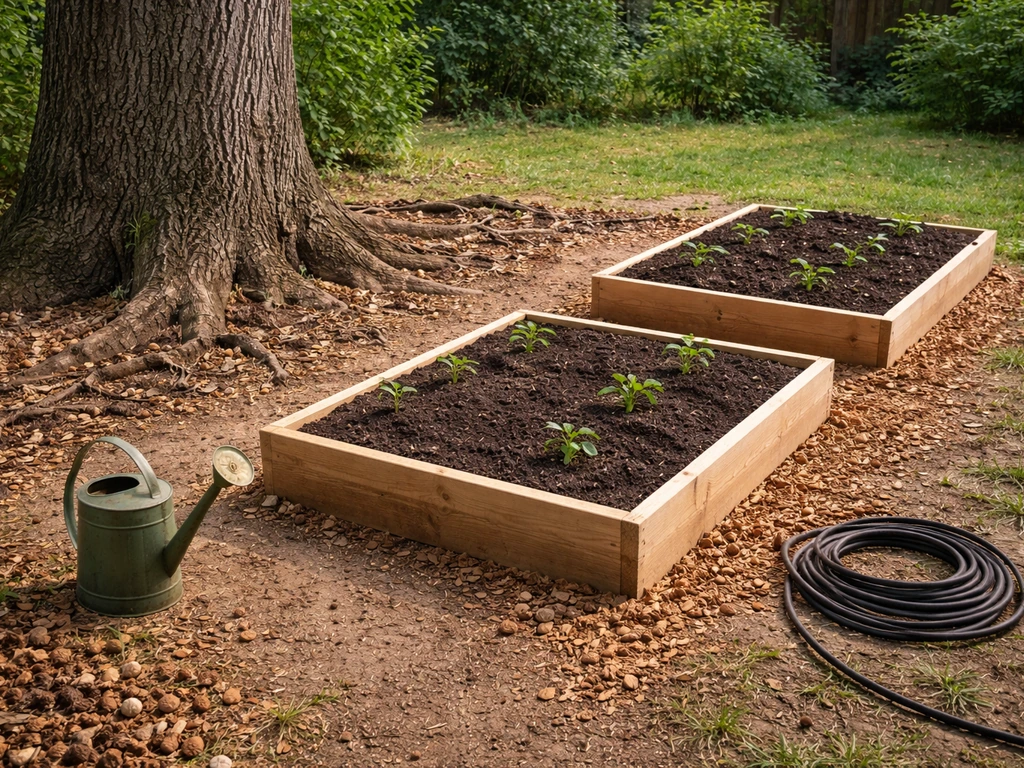
Beets, carrots, corn, onions, garlic, snap beans, lima beans, squash, melons, and parsnips are among the vegetables that can grow near black walnut trees without the typical die-off you see with tomatoes or peppers. That said, 'can grow' comes with real conditions: distance from the trunk, your soil drainage, and how much leaf litter and root contact your bed gets all shift the odds considerably. If you have tomatoes, eggplant, peppers, or potatoes anywhere near a black walnut, move them now or plan on losing them. MSU Extension also advises that raised beds with new, uncontaminated soil are a good option for growing susceptible plants near black walnut trees blank" rel="noopener noreferrer">move them now or plan on losing them.
Vegetables That Will Grow Near Black Walnut Trees
Marcus Hendricks
17 May 2026
Why black walnut makes some plants struggle
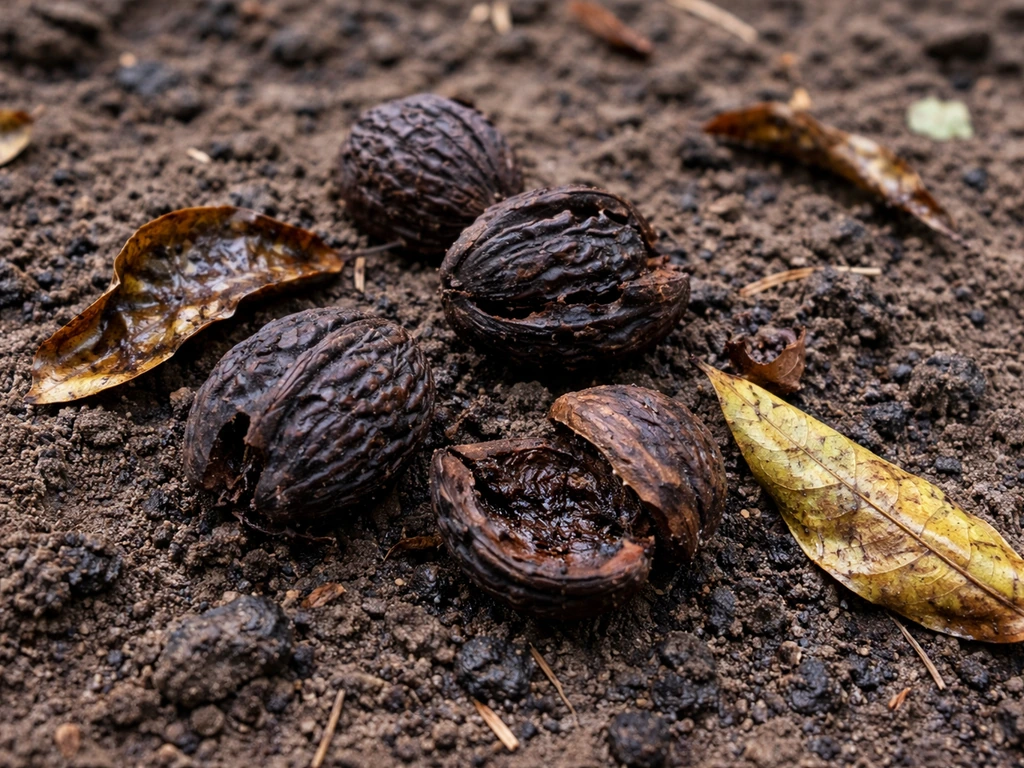
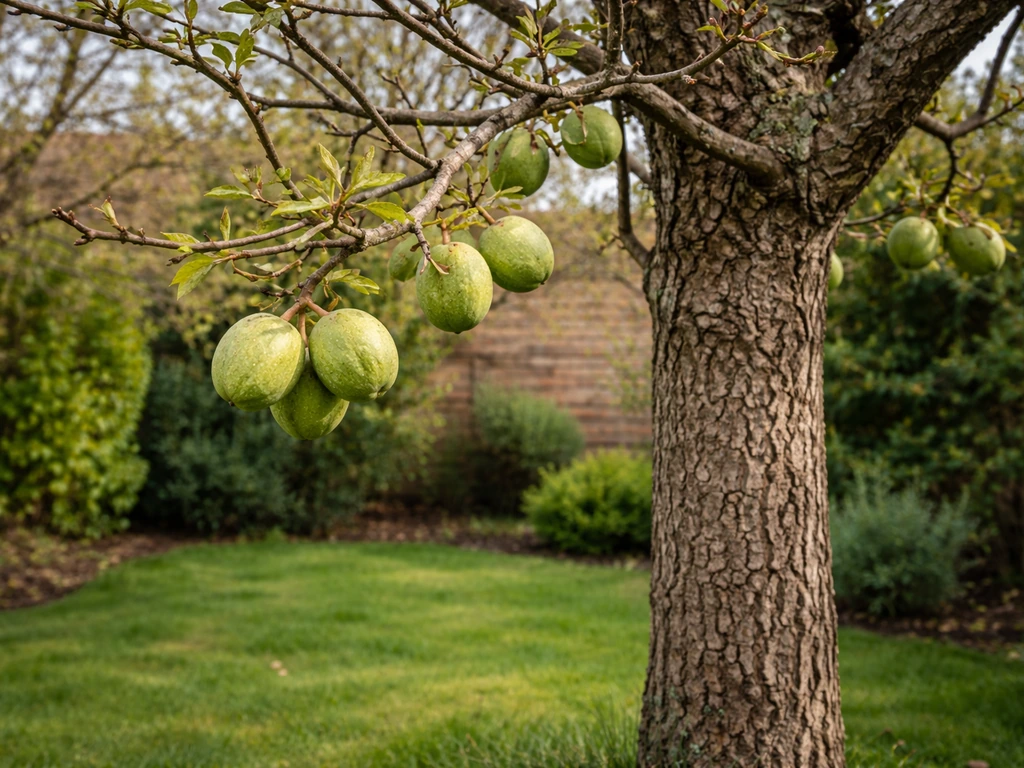
Black walnut produces a chemical called juglone (technically 5-hydroxy-1,4-naphthoquinone) in virtually every part of the tree: roots, leaves, twigs, nut hulls, and buds. The roots are the biggest source of exposure in most gardens because they spread wide and deposit juglone directly into surrounding soil. Fallen leaves, nut hulls, and decaying twigs add more over time, especially if they pile up and decompose slowly in wet or compacted soil.
Juglone itself is poorly water-soluble, which means it doesn't wash freely through the soil profile the way a fertilizer salt would. It tends to accumulate close to its source, particularly in the rhizosphere around walnut roots. This is actually somewhat reassuring: the toxicity is not evenly distributed across your whole yard. The zone directly under the canopy and within reach of the main root system is where concentrations are highest, and where sensitive plants fail most reliably.
When a sensitive plant encounters enough juglone, it shows up as yellowing, wilting during hot or dry spells, and stunted growth. Leaves may turn brown or twisted before the plant eventually dies. This symptom pattern is easy to confuse with drought stress or nutrient deficiency, which is why many gardeners spend a full season trying to 'fix' a problem that is actually chemical. If your tomatoes keep wilting despite adequate water and fertilizer near a black walnut, juglone is almost certainly the culprit, not your technique.
One more thing worth knowing: juglone does not disappear when you cut a black walnut down. The roots continue to decay and release toxins for several years afterward. So if you removed a walnut tree recently and are now trying to garden where it stood, the soil may still be problematic for sensitive plants for quite a while.
Vegetables most likely to succeed near black walnut
Several vegetable crops have shown consistent tolerance to juglone across Extension research and field observations from multiple states. These are not guaranteed to thrive in every situation, but they are the ones worth trying first. If you're wondering how black walnuts grow and what conditions they create, focus on their root zone and leaf litter effects on nearby plants.
- Beans (both snap beans and lima beans)
- Beets
- Carrots
- Corn
- Onions
- Garlic
- Leeks
- Parsnips
- Squash (summer and winter types)
- Melons
- Soybeans
- Parsley
- Cauliflower
- Jerusalem artichoke
Corn is a particularly reliable pick because it is a heavy feeder that does well in the slightly modified soil conditions common near black walnuts. Root vegetables like carrots, beets, and parsnips are good candidates too, though you will want to make sure the soil is loose enough for proper root development since walnut-zone soils can be dense and root-competitive. Squash and melons are worth trying in the outer canopy zone or just beyond the dripline, where they have room to sprawl without sitting directly over the densest root zone.
Vegetables to keep well away from black walnut
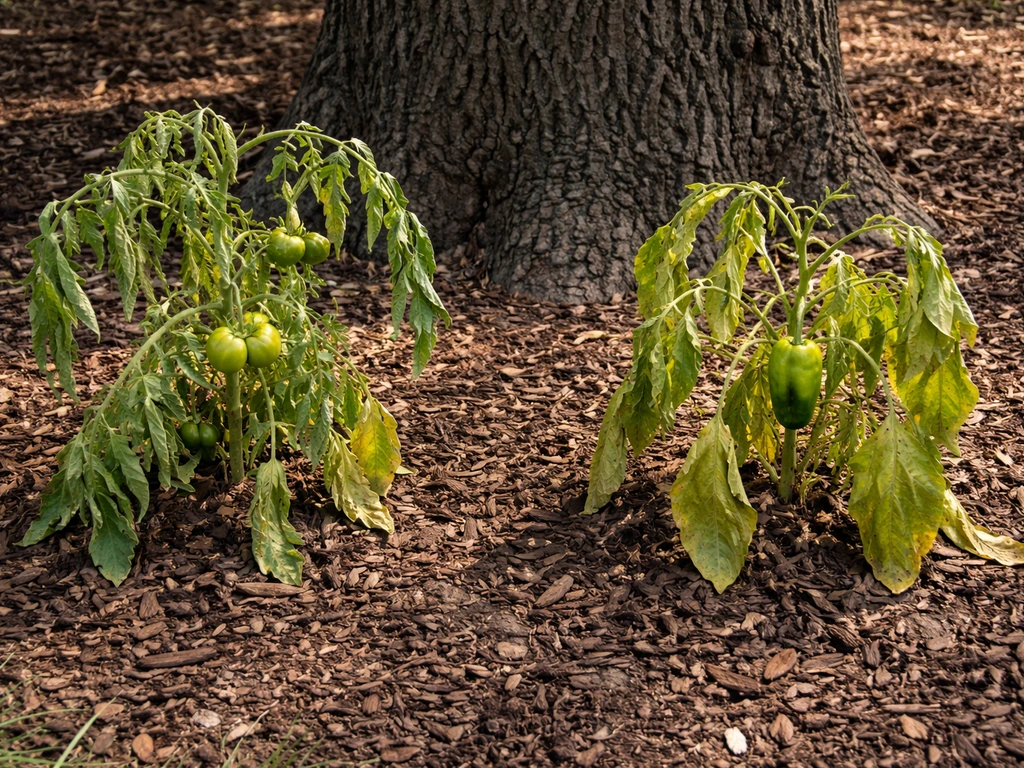
The solanaceous family is the clearest example of juglone sensitivity in vegetables, and the failure rate near black walnut is high enough that it is not worth the gamble if you have other options. Tomatoes, peppers, eggplant, and potatoes all fall into this category. These are the crops Extension offices across the country (Penn State, UNH, NDSU, MSU) consistently flag as problematic, and for good reason: they react to juglone with rapid wilting and often die before producing a useful harvest.
Beyond the solanums, lettuce tends to struggle too, which is a topic worth looking into separately since it's in a different plant family but still shows sensitivity. If you are wondering can lettuce grow near black walnut trees, the short answer is that it often struggles and is best kept away or grown with strong root separation. The general rule is that if a plant is known to be juglone-sensitive in ornamental contexts (think blueberries, rhododendrons, or azaleas), that same sensitivity usually extends to any closely related vegetable species. When in doubt, keep it far from the tree or grow it in a completely isolated raised bed with a root barrier.
How close can you actually plant? What changes the outcome
Distance matters a lot, but the dripline is not the boundary people assume it is. Black walnut roots routinely extend two to three times the crown radius beyond the canopy edge. A mature tree with a 30-foot canopy spread might have roots reaching 45 to 90 feet or more from the trunk. That means a garden bed that looks like it is 'clear' of the tree might still be within the root zone, especially for tolerant species that you are pushing near their limits.
Soil drainage plays a major role. In poorly aerated, wet soils, juglone accumulates faster and breaks down more slowly because the microbial activity needed to degrade it is suppressed. A garden with good drainage, high organic matter, and active soil biology will naturally process juglone more efficiently than a compacted, waterlogged bed. This is not a complete fix, but it genuinely shifts the dose that reaches your plants.
Shade and moisture from the tree canopy also compound the problem. Plants under the canopy not only get more juglone from direct root contact and falling debris, they also compete with walnut roots for water and nutrients, and they get reduced sunlight. Most vegetables need at least 6 to 8 hours of direct sun anyway, so growing directly under a black walnut's canopy is a poor choice for vegetables on multiple levels.
The bottom line on distance: for juglone-tolerant vegetables, planting just outside the dripline with good drainage gives you a reasonable shot. For sensitive crops, no distance within the typical root zone is truly safe. Even 20 to 30 feet away can be within reach of walnut roots from a large, established tree.
Practical strategies to actually make vegetables succeed
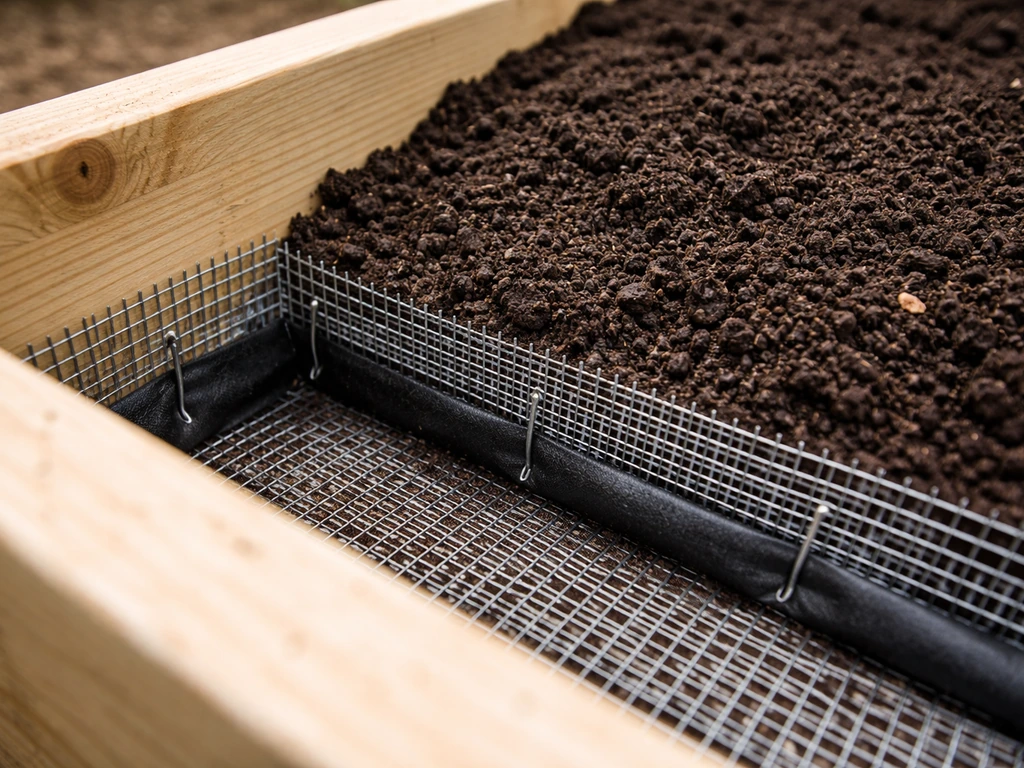
The single most effective thing you can do is raise the bed and block the roots. A raised bed filled with fresh, uncontaminated soil that physically prevents black walnut roots from growing up into it is the closest thing to a reliable solution for sensitive crops near walnut trees. MSU Extension and UNH Extension both point to this approach as the key intervention when you cannot simply move your garden further away.
Raised beds with root barriers
Build your raised bed at least 12 to 18 inches deep and line the bottom with a heavy-duty root barrier fabric or a layer of hardware cloth before filling with fresh soil. The barrier is what does the real work: it physically stops walnut roots from growing up into the bed from below. Without it, roots will find their way in within a few growing seasons and you will be back to square one.
Fill the bed with a quality mix of compost, topsoil, and other amendments that have no walnut material in them. Keep an eye on bed depth over time too, because organic matter settles and decomposes, reducing the effective separation between your vegetables and the barrier. Refresh the bed's soil volume each spring.
Container growing
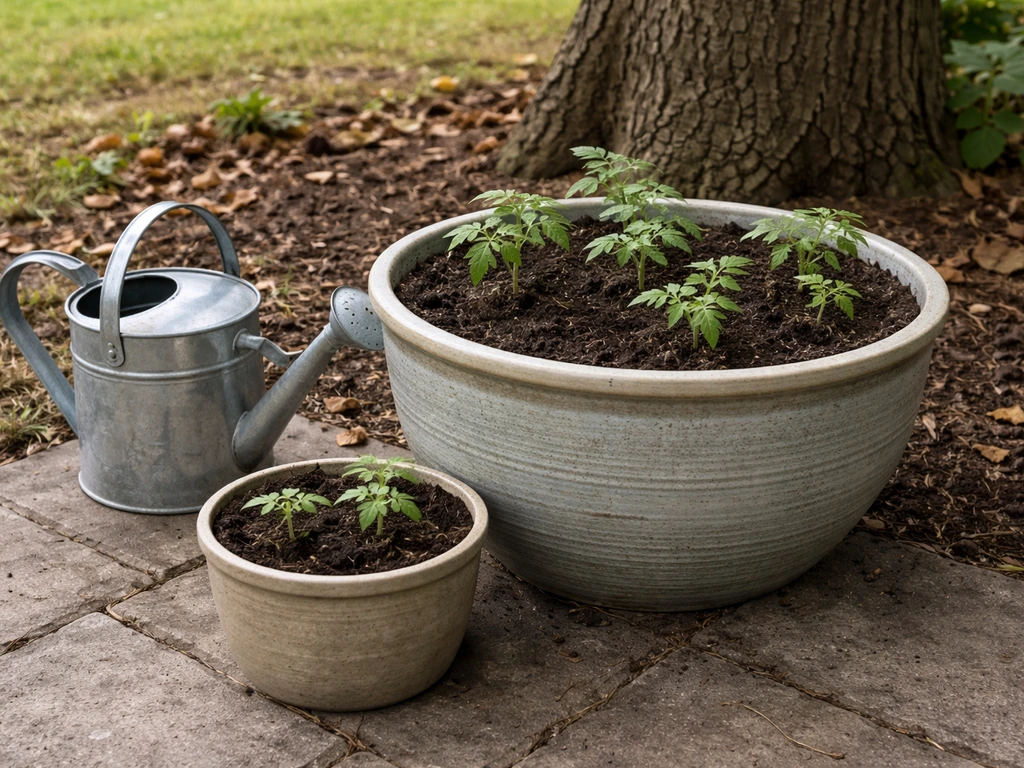
Containers are an even more complete solution for gardeners who want to grow juglone-sensitive crops like tomatoes in a walnut-dominated yard. A large container with fresh potting mix has zero root contact with the walnut, and as long as the container is not sitting on ground that is saturated with juglone-heavy runoff, the plant should perform normally. Move containers off the ground with stands or place them on hard surfaces where possible.
What to use (and not use) as mulch
Do not use black walnut leaves, bark, or wood chips as mulch anywhere near your vegetable beds. Multiple Extension sources (Purdue, Virginia Tech, UW, K-State) are consistent on this: walnut-derived organic material carries juglone and can inhibit plant growth even when applied as a surface mulch.
University of Maine Extension also advises locating gardens away from trees when possible and warns specifically not to place vegetable gardens close to black walnut because walnut trees release toxic compounds from their roots into surrounding plantings mulch guidelines around black walnut. Use straw, non-walnut wood chips, or compost made from other materials instead.
If you have walnut leaf litter landing in your garden beds regularly from an overhanging tree, rake it out promptly. Some evidence suggests walnut leaves can break down safely in an actively managed compost pile with good moisture, air, and microbial activity within a few weeks, but that is not the same as leaving them on top of your garden beds.
Soil prep and ongoing care near black walnut
Whether you are growing in a ground-level bed outside the main root zone or managing a raised bed closer to the tree, soil health is your biggest lever. Juglone breaks down faster in soil with high microbial activity and good aeration. Regularly amending with finished compost (non-walnut) feeds the soil biology that degrades juglone. Avoid compacting the soil, which cuts off oxygen and slows microbial activity.
Drainage is non-negotiable. If your garden area near the walnut has standing water or stays soggy after rain, that is a compounding problem: juglone accumulates in saturated soils while simultaneously suppressing the microbes that would otherwise help break it down. If you cannot improve drainage naturally through grading or amendment, raise the bed. There is no effective way to garden successfully in a waterlogged zone near a black walnut.
Watering rhythm matters too. Consistent, moderate watering is better than infrequent heavy soaks near walnut trees. Soggy cycles stress plants and create the saturated conditions that worsen juglone accumulation. Drip irrigation that keeps moisture even and targeted is a better approach than overhead watering that saturates the wider bed area.
Timing plantings to avoid having seedlings in the ground during the periods of peak walnut root activity (typically late spring through midsummer when the tree is actively growing) can help with borderline crops. Getting transplants established early or using fast-maturing varieties that finish before stress peaks gives sensitive crops a slightly better window.
When vegetables fail: what to change and what to try next
If your plants are yellowing, wilting despite adequate water, growing slowly, or dying off despite good inputs, run through this checklist before assuming it is a soil fertility or pest problem.
- Identify whether the affected plants are known juglone-sensitive species. Tomatoes, peppers, eggplant, and potatoes near walnut trees almost always fail for this reason.
- Check your distance from the trunk. If you are within two to three times the canopy radius, you are likely in the active root zone regardless of whether you can see roots.
- Inspect your bed for walnut root intrusion. Dig at the corners and edges of your bed. If walnut roots have breached a barrier or are growing freely under an unlined bed, that is your answer.
- Look for walnut leaf or hull accumulation in the bed. Decomposing hulls and leaves are an ongoing source of juglone. Remove any walnut debris that has fallen into the bed.
- Evaluate your drainage. If soil is compacted or wet for extended periods, address that before replanting.
- Upgrade your setup. If you are in a ground-level bed without a root barrier, switch to a lined raised bed or containers before the next planting cycle.
Once you have diagnosed the problem, the decision is straightforward. If the crop is a known sensitive species like a solanaceous vegetable, do not replant it in the same spot without first installing a proper root barrier and fresh soil fill. If the crop is supposed to be tolerant (beans, beets, corn) but is still struggling, the likely issue is root intrusion, drainage, or walnut debris accumulation rather than the vegetable species itself.
For a quick swap, beans and beets are among the easiest tolerant replacements if you want something fast-growing and reliable while you work on a longer-term bed upgrade. Corn is a good choice for a larger area where you want to test tolerant crop performance before investing in infrastructure. If you want to push into growing cucumbers nearby, that is a separate question with its own nuances worth investigating, since cucumbers occupy a different tolerance band than squash.
| Vegetable | Juglone Tolerance | Best Strategy Near Walnut |
|---|---|---|
| Snap beans / Lima beans | Tolerant | Ground-level bed outside dripline, or raised bed |
| Beets | Tolerant | Ground-level bed with good drainage |
| Carrots | Tolerant | Loose, well-drained soil away from heavy root zones |
| Corn | Tolerant | Open ground beyond dripline |
| Onions / Garlic / Leeks | Tolerant | Ground-level or raised bed |
| Squash / Melons | Tolerant | Outside dripline; allow to sprawl away from trunk |
| Parsnips / Parsley | Tolerant | Ground-level bed with good drainage |
| Cauliflower | Tolerant | Raised bed preferred |
| Tomatoes | Sensitive | Lined raised bed with root barrier, or containers only |
| Peppers | Sensitive | Containers only near walnut |
| Eggplant | Sensitive | Containers only near walnut |
| Potatoes | Sensitive | Avoid walnut zone entirely if possible |
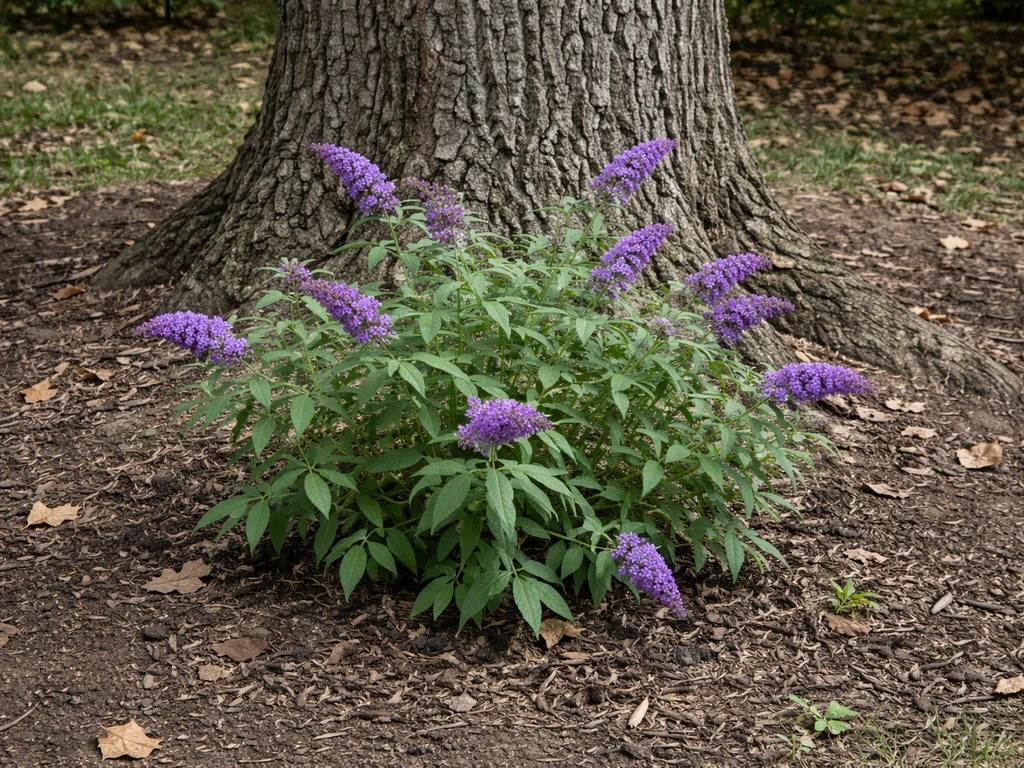
The broader principle is this: black walnut is a genuinely challenging neighbor for a vegetable garden, but it is a manageable one if you plant the right crops, respect the root zone, keep walnut debris out of your beds, and build in physical separation where needed. Butterfly bush can be difficult to grow near black walnut because the same juglone-related root zone problems that affect vegetables can also interfere with ornamental shrubs black walnut is a genuinely challenging neighbor for a vegetable garden. Start with the tolerant vegetables on the list above, get your drainage and soil health in order, and save the tomatoes and peppers for a properly lined raised bed or a spot well away from the tree entirely.
FAQ
How can I tell whether my planting spot is actually inside the black walnut root zone?
Yes, you can often improve results for tolerant vegetables by targeting the “walnut zone” more precisely. Before planting, dig a few small test pits (6 to 12 inches deep) around the area you plan to use. If you find lots of walnut leaf litter fragments or dense, rooty soil that you did not expect, treat that area as high risk and shift beds farther out or upgrade to a raised, barrier-lined bed.
If my soil test looks fine, does that rule out juglone problems?
Do not rely on soil tests alone. Typical tests (pH, phosphorus, potassium) will not tell you how much juglone is present or how concentrated it is in the rhizosphere. If your symptoms match juglone patterns (wilting in spite of adequate watering, stunting near the tree), prioritize physical separation (raised beds or containers) and drainage fixes over fertilizer changes.
Can I use regular mulch near black walnut trees, or will it still cause issues?
Mulch can matter even when you are using tolerant vegetables. Walnut debris (leaves, hulls, bark, wood chips) is a direct juglone source, but even non-walnut mulches can worsen conditions if they trap moisture against the soil in a poorly drained spot. For areas near walnuts, keep mulch light, use straw or non-walnut chips, and rake off any walnut litter quickly.
How often should I remove black walnut leaf litter from my vegetable beds?
Leaf litter control is worth doing, especially for gardens close to the canopy edge. A thick layer of falling leaves and nut hulls can add juglone over time and also reduce oxygen at the soil surface. Rake or remove litter regularly during leaf-drop, and avoid letting it compost directly on top of vegetable beds unless you are using a properly managed compost system.
What should I do the next season if my tomatoes failed near a black walnut?
If you already lost a solanaceous crop (tomato, pepper, eggplant, potato) in the same ground, replanting in that spot usually fails again unless you change the root exposure. The most reliable approach is fresh soil plus a root barrier in a raised bed, or a container system. If you only “wait a season” without upgrading separation, root intrusion and residual toxin release can still keep the spot hostile.
What if the area drains better than before, but it still stays damp for a day or two?
Improving drainage helps, but it is not a substitute for root separation when you are growing sensitive crops. If water pools or the soil stays soggy after rain, juglone accumulates faster while microbial breakdown slows. In that situation, the decision should be either grade/repair drainage and build a bed, or move the crop to a raised, barrier-lined bed or container.
Does planting early or using short-season varieties really reduce juglone damage?
Yes, but treat it as a temporary “diagnostic” tool rather than a cure. Growing transplants early and using fast-maturing varieties may let some plants finish before peak root activity stresses them, but sensitive crops can still show damage as the walnut season progresses. Pair timing with good watering practice, sunlight (at least 6 to 8 hours for most vegetables), and strict litter control.
If I can grow squash, will cucumbers also reliably do well near black walnut?
Growing cucumbers near black walnut can be inconsistent. Cucumbers are often managed successfully in some conditions, but they are still vulnerable when they end up in the densest walnut root reach, when the bed stays wet, or when the canopy blocks sun. If you try them, place them outside the densest root zone, use a trellis to manage canopy coverage, and consider a raised bed with barrier if you have a history of failure.
Are raised beds fully “safe,” or can walnut roots still get into them?
Raised beds work best when the barrier truly blocks walnut roots from below, not just from sides. Use enough depth (at least 12 to 18 inches) and install heavy-duty barrier fabric or hardware cloth at the bottom before filling. Also plan to refresh soil volume each spring because settlement can reduce the effective separation over time.
Can I grow tomatoes in containers, even if the rest of my yard is walnut-dominated?
Containers usually work well, even for sensitive vegetables, but only if the potting mix is fresh and the container is not sitting on saturated, walnut-influenced ground. Avoid placing containers directly on damp soil or where runoff concentrates from under the walnut canopy. Using stands and hard surfaces is a practical way to prevent indirect root exposure and wetness buildup.