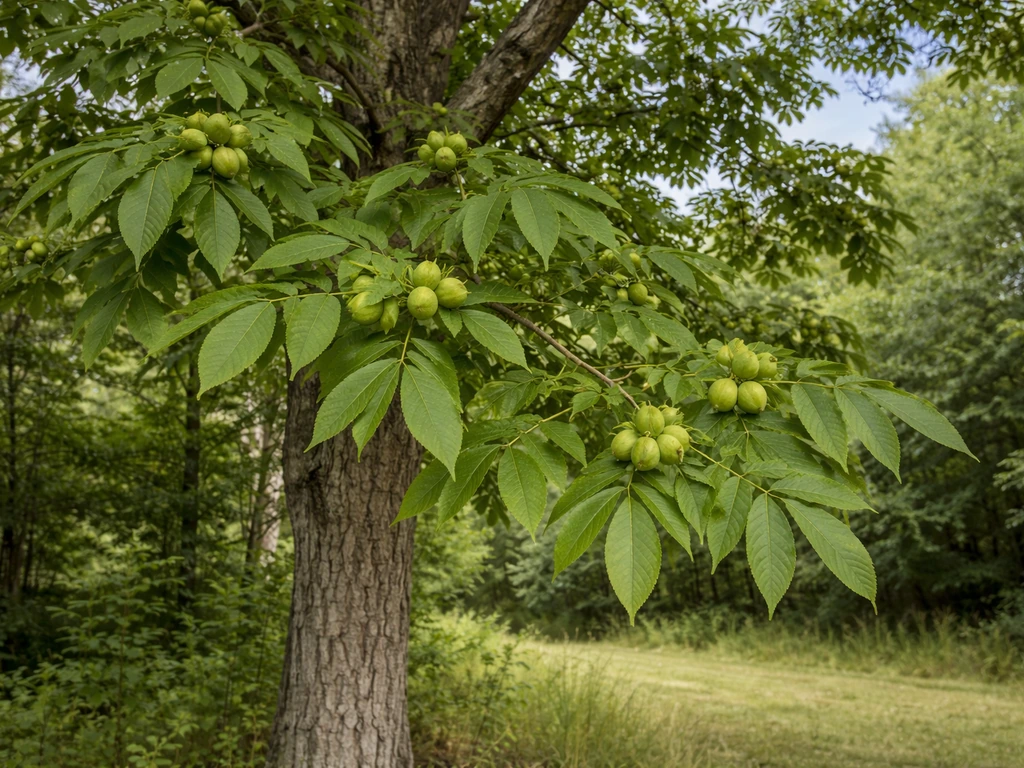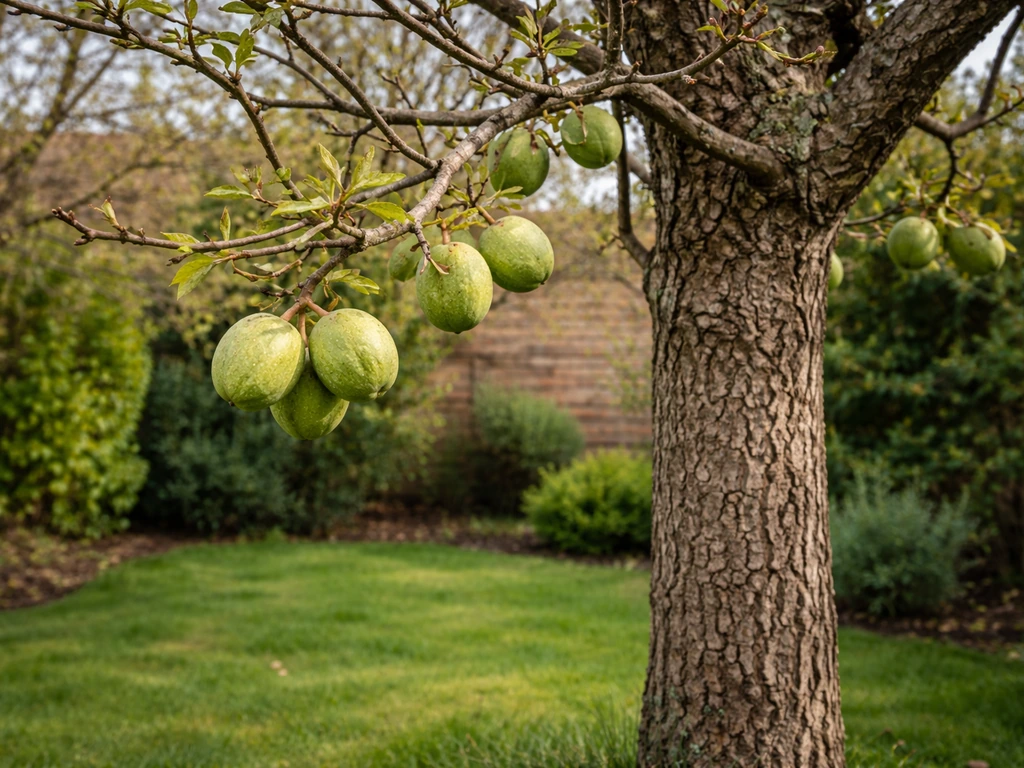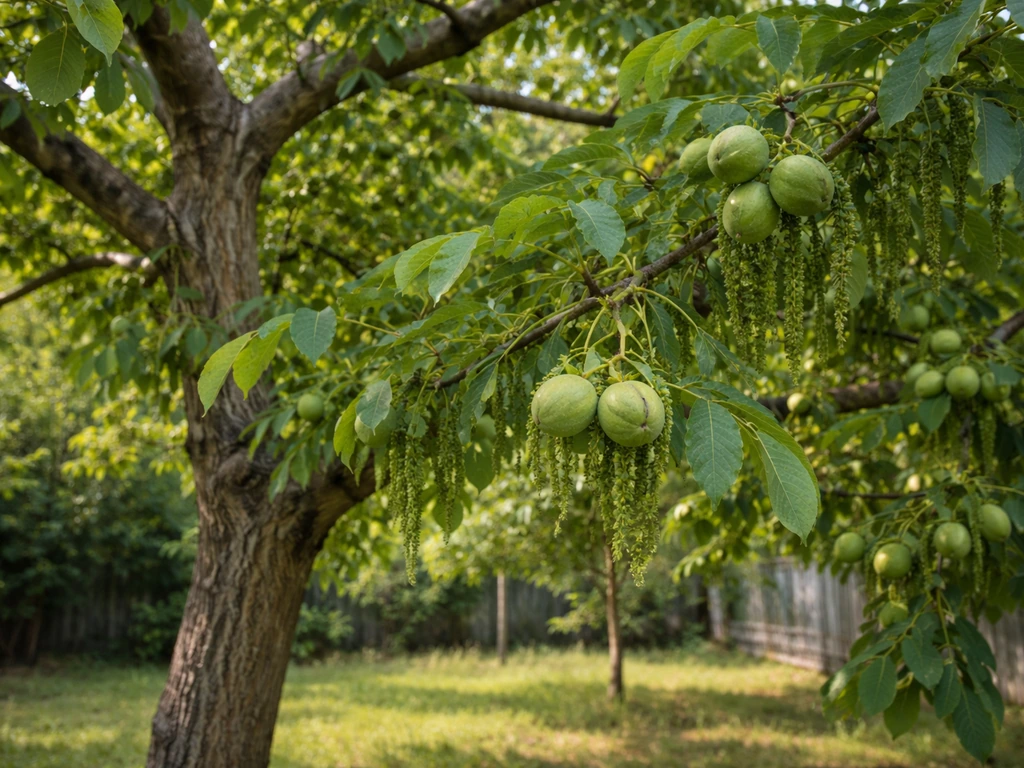
Yes, chestnut trees can grow in Illinois, and for most of the state, Chinese chestnut (Castanea mollissima) is the practical choice. If you are trying to figure out where hickory chickens grow, focus on the same idea: their habitat depends heavily on the local environment, not on where you buy the bird.
Do Chestnut Trees Grow in Illinois? Planting Guide
Marcus Hendricks
20 May 2026
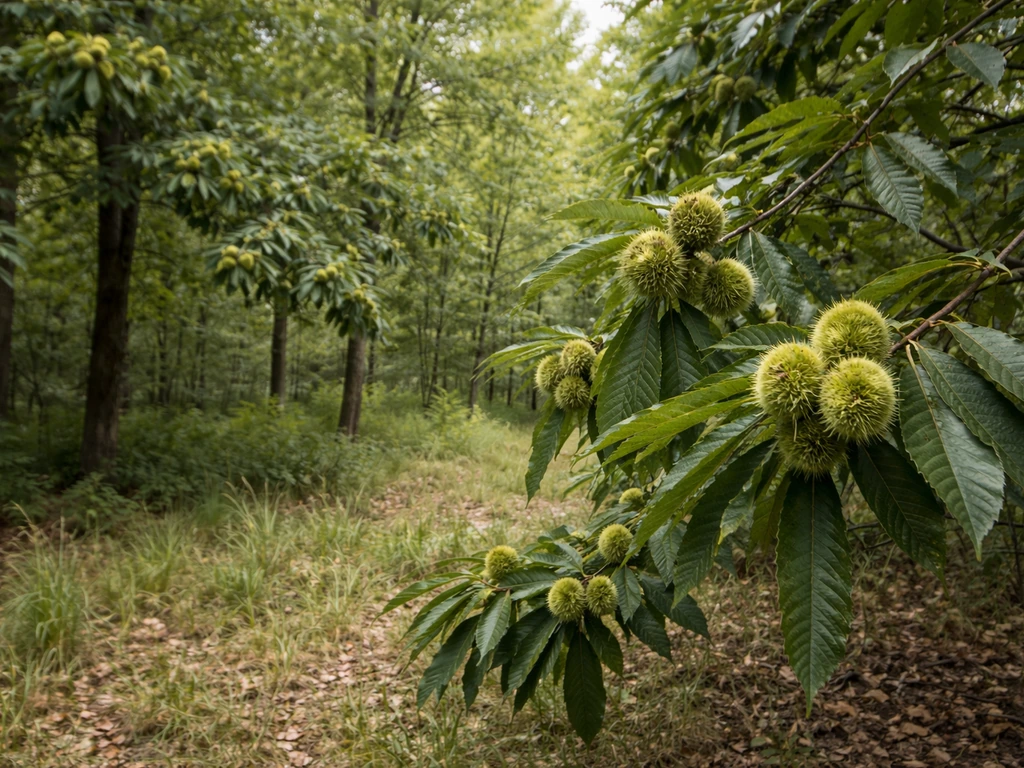
It's hardy in USDA zones 4 through 8, covers all of Illinois's zone range (5a to 7b), resists chestnut blight reasonably well, and will produce edible nuts in four to six years from planting. The native American chestnut is technically possible in some spots but is state-listed as endangered and devastated by blight, so it's not a realistic option for most growers. Hybrid chestnuts, particularly Dunstan-type hybrids, are the other strong contender.
Which species you plant matters enormously, so let's sort that out first.
Which Chestnut Species Actually Matter for Illinois
There are three categories of chestnut you'll encounter when shopping for trees or seeds, and they are not interchangeable in Illinois.
American Chestnut (Castanea dentata)
The American chestnut was once one of the dominant trees in eastern North America, but chestnut blight (caused by the fungus Cryphonectria parasitica) wiped out billions of trees through the early 20th century. In Illinois today, it's listed as a state-endangered species. Wild-type American chestnuts will almost certainly contract blight and die back to the root crown before producing a nut crop. The American Chestnut Foundation (TACF) is working on improved backcross hybrids that are roughly 94% American chestnut genetics with blight resistance bred in from Chinese chestnut, but these are still in testing phases. Unless you're participating in a TACF restoration project, planting a standard American chestnut in Illinois and expecting a nut harvest is not realistic right now.
Chinese Chestnut (Castanea mollissima)
This is the go-to species for Illinois growers. Native to northern China and Korea, it's adapted to climates with cold winters and warm summers, which is essentially what central Illinois delivers. Chinese chestnut is resistant to chestnut blight, though not immune, and University of Illinois Extension specifically lists it as a viable landscape and orchard tree. It's hardy to at least zone 4, so even the coldest parts of far northern Illinois (zone 5a) are well within its comfort range.
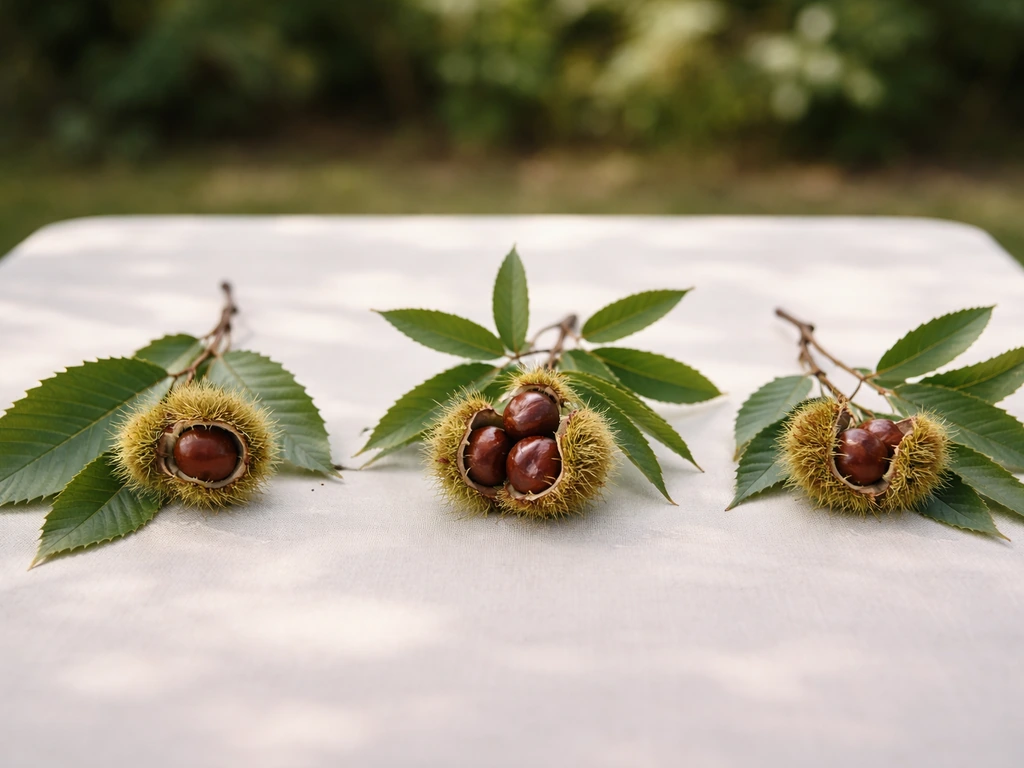
Nuts are large, enclosed in spiny burs with one to four nuts each, and ripen mid-September through October. The main downsides are a wide mature canopy (plan for 40 to 60 feet of spread) and nut quality that is solid but generally considered less sweet than American chestnut.
Hybrid Chestnuts (Dunstan and Others)
Dunstan chestnuts are a cross between American and Chinese chestnut, bred to carry American chestnut's superior nut flavor while inheriting blight resistance from the Chinese side. They're rated for zones 5 through 9, which covers Illinois comfortably. The Dunstan is the most commonly planted hybrid for nut production in the eastern and Midwestern United States. One caution from MSU Extension worth taking seriously: Chinese chestnut varieties and hybrid cultivars should not be planted together in adjacent orchards due to pollen incompatibility issues. MSU Extension's chestnut resources also warn about pairing Chinese chestnuts and Dunstan-type hybrids due to pollen incompatibility issues. If you go the hybrid route, stick with hybrids from the same cultivar group for cross-pollination.
| Species/Type | Blight Resistance | Illinois Zone Fit | Nut Quality | Best For |
|---|---|---|---|---|
| American Chestnut | Very low (wild-type) | Zone 5–7 (but blight kills) | Excellent | TACF restoration only |
| Chinese Chestnut | High (not immune) | Zones 4–8, all of Illinois | Good | Backyard and orchard growers |
| Dunstan Hybrid | High | Zones 5–9, all of Illinois | Very good | Serious nut producers |
For most Illinois growers, the recommendation is straightforward: plant Chinese chestnut or a Dunstan-type hybrid. Both work. Dunstan hybrids edge ahead on nut flavor; Chinese chestnut is slightly easier to source and has a longer track record in the state.
Illinois Climate and What Your Site Needs to Deliver
Illinois spans USDA zones 5a (far north, near the Wisconsin border) through 7b (far south, near the Kentucky border), with the bulk of central Illinois sitting in zone 6a and the band between I-70 and I-64 in zone 6b. Chinese chestnut handles all of those zones with no winter hardiness concerns. What matters more in Illinois is the combination of summer heat, drainage, and soil pH, because those are the factors that actually trip up growers.
Cold, Heat, and Sunscald
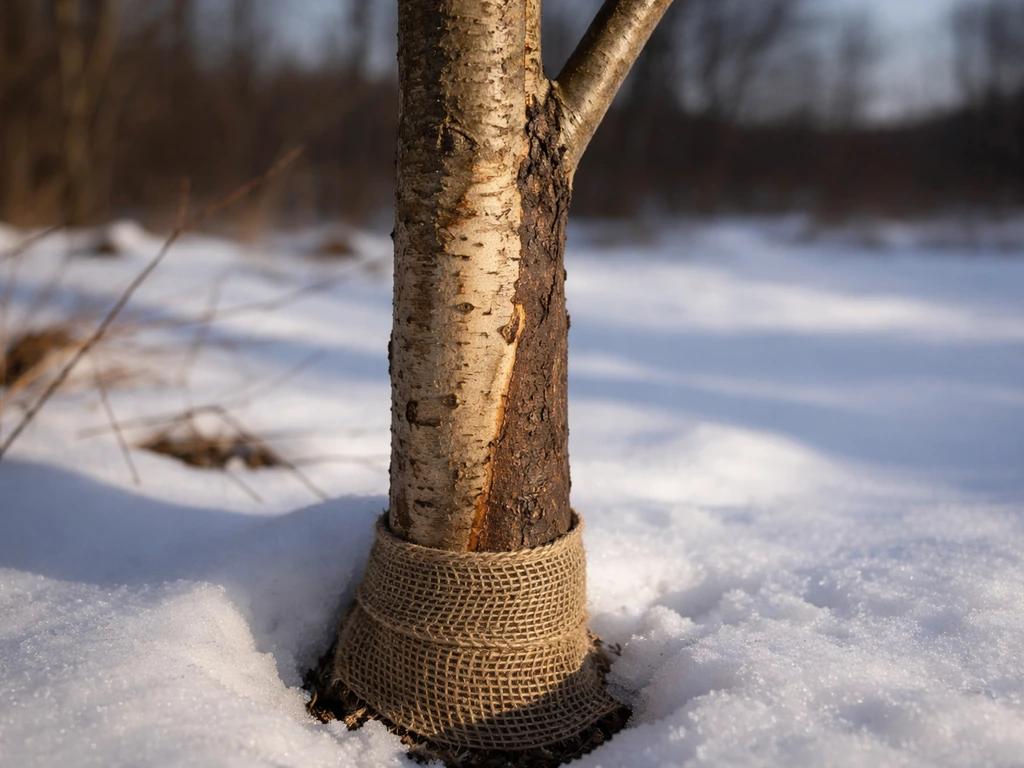
Chinese chestnut doesn't struggle with Illinois winters from a pure cold-hardiness standpoint. The real winter threat is sunscald, which happens when bright late-winter sun warms the bark on the south and southwest sides of a young tree, and then temperatures drop sharply overnight. MSU Extension specifically flags this as a hazard for newly established chestnuts. Wrapping trunks of young trees with white tree wrap for the first two or three winters reduces this risk. You also want to make sure roots are well established going into winter, because it's the root system's inability to hydrate branches during cold, desiccating winds that causes dieback, not the cold temperature alone.
Drainage and Soil pH
This is where most Illinois chestnut failures actually happen. Chestnuts are extremely sensitive to poorly drained soil. Wet feet, especially in spring when soils stay saturated, creates low-oxygen conditions around the roots and can kill trees that look perfectly healthy going into fall. MSU Extension's guidance on orchard design is blunt about this: well-drained soil is non-negotiable. In Illinois, heavy clay soils in low-lying areas are the biggest red flag. Aim for loamy soil or at minimum a site with natural slope to move water away from the root zone.
Soil pH needs to sit between 5.5 and 6.5. Illinois soils are often near neutral or slightly alkaline, particularly in areas with a history of agricultural lime application, so testing before you plant is not optional. If your pH is above 6.5, chestnuts will struggle to take up iron and manganese, and you'll see yellowing leaves and weak growth long before you see any nuts. Sulfur amendments can lower pH, but it takes time, so test the season before you plan to plant.
Sunlight and Air Circulation
Chestnuts want full sun, meaning at least six to eight hours of direct sun per day. South-facing slopes are ideal because they warm up faster in spring, improve air drainage (reducing late frost damage to flowers), and drain water away from the root zone. The Dunstan chestnut's documented success in zones 5 through 9 has specifically been linked to south-slope, well-drained sites with good air circulation. Avoid low spots and frost pockets, especially in northern Illinois where late spring frosts can damage chestnut flowers and wipe out a year's nut crop.
How to Plant and Establish Chestnut Trees in Illinois
Timing and Spacing
Spring planting after the last frost date is the most reliable timing for Illinois. Fall planting can work but gives young trees less time to establish before winter, which matters especially in zone 5a and 6a. For backyard growers with two to three trees, give each tree at least 20 to 30 feet of space. For a serious orchard, spacing at 30 to 40 feet in rows allows enough room for a mature canopy while still permitting equipment access. Chinese chestnut canopies can reach 40 to 60 feet wide at maturity, so don't let the size of a sapling fool you.
Planting Depth: The Most Common Mistake
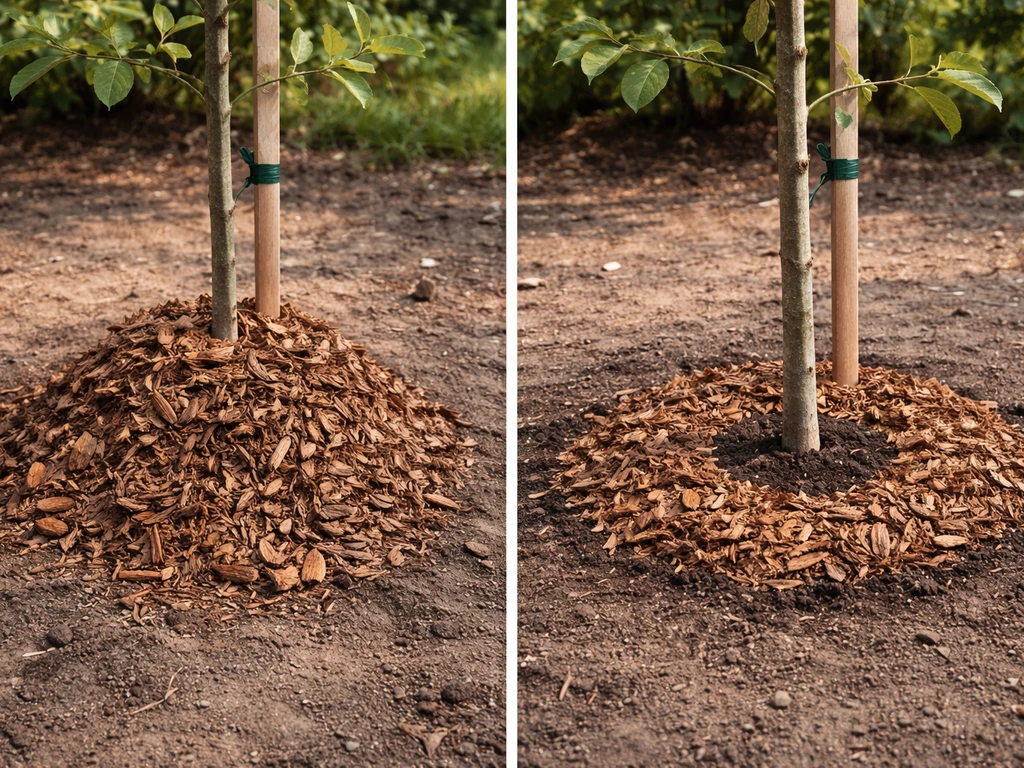
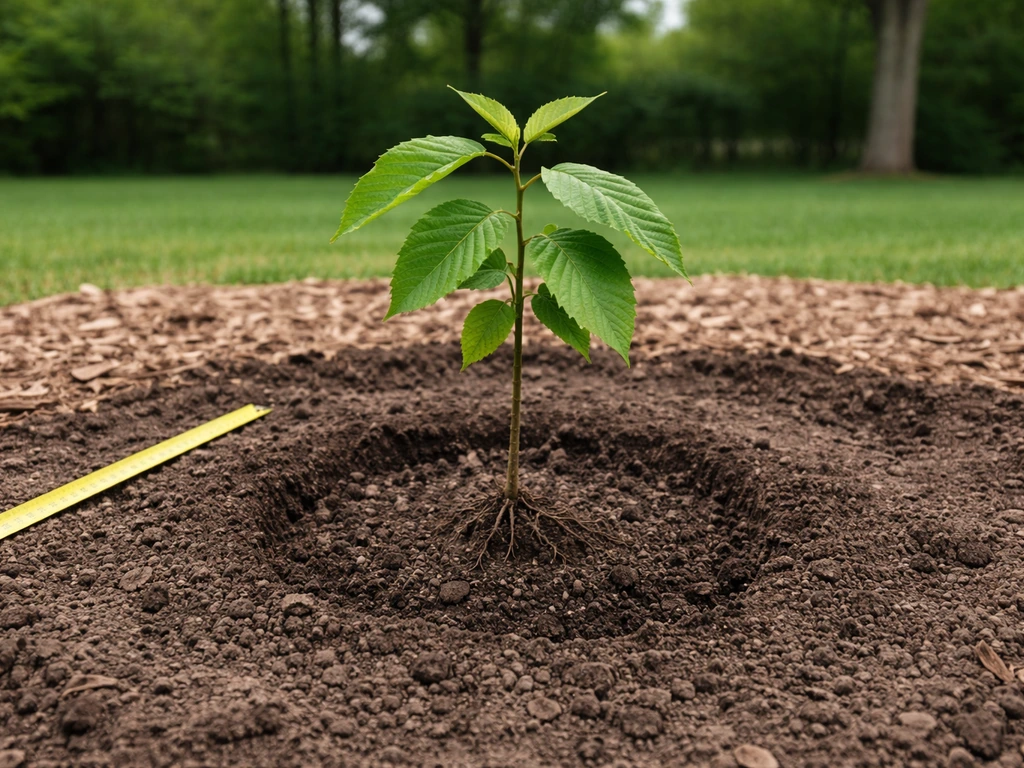
Illinois Extension is direct about this: planting at the wrong depth is the single most common tree planting mistake, and it's responsible for a huge number of trees that decline slowly over years without an obvious cause. Find the root flare, the point where the trunk base widens into the root system, and make sure it sits at or just above the final soil surface. Never bury the root flare. Dig the hole wide (two to three times the diameter of the root ball) but no deeper than the root ball itself. Backfill with the native soil you removed; there's no benefit to amending the backfill in most cases.
Mulch, Water, and Deer Protection
Apply a two to four inch layer of wood chip mulch in a circle as wide as the planting hole, but keep it away from the trunk itself. Piling mulch against the trunk (the classic volcano mulch mistake) traps moisture against the bark, promotes fungal disease, and invites insects. Keep a mulch-free gap of a few inches around the base.
Watering the first year is critical. TACF recommends watering at least once a week for the first month after planting, and then regularly throughout the first growing season during dry spells. Deep watering (soaking down 12 to 18 inches) encourages roots to go deep rather than staying shallow, which builds drought resilience and winter stability. If you're planting multiple trees and can install drip irrigation before you plant, do it. It's far easier than trying to retrofit irrigation around established trees.
Deer are a serious threat in most of Illinois, particularly in rural areas and suburbs backing onto woodlands. TACF recommends a wire cage or fence in a three-foot diameter circle around each young tree, tall enough to protect against the height that deer can reach while browsing, typically five feet minimum. Plastic tree shelters can work as an alternative and also provide some protection from sunscald, but make sure they have ventilation holes to prevent overheating. Remove shelters once the trunk is large enough that browsing damage is no longer a survival threat.
Pollination, Nut Production, and When to Expect a Harvest
Here's something that catches a lot of first-time chestnut growers off guard: chestnuts rarely self-pollinate. TACF puts it plainly: you need at least two trees near each other to get viable nut production. One tree will typically produce flowers that shed pollen at a slightly different time than the receptive period on that same tree, which is a biological insurance policy against inbreeding but inconvenient if you only bought one tree. Plant at least two, and for a proper orchard, alternate double rows of at least two cultivars to ensure consistent cross-pollination.
From seed-grown Chinese chestnut trees, expect to wait four to six years before seeing a meaningful nut crop. Grafted trees or named cultivars may produce a year or two earlier. Nuts ripen mid-September through October in Illinois, falling from their spiny burs when ready. A mature Chinese chestnut tree can produce substantial yields, and the nuts need to be harvested promptly because they have a high moisture content and will mold or ferment quickly if left on wet ground. Collect every few days during peak drop and refrigerate or process immediately.
Keep in mind the cultivar compatibility issue raised by MSU Extension: Chinese chestnut varieties and Dunstan-type hybrids may have pollen incompatibility when planted together. If you're mixing types, research specific cultivar pairings before you plant, or stick to trees from the same group.
Pests, Diseases, and the Realistic Survival Picture
Chestnut Blight
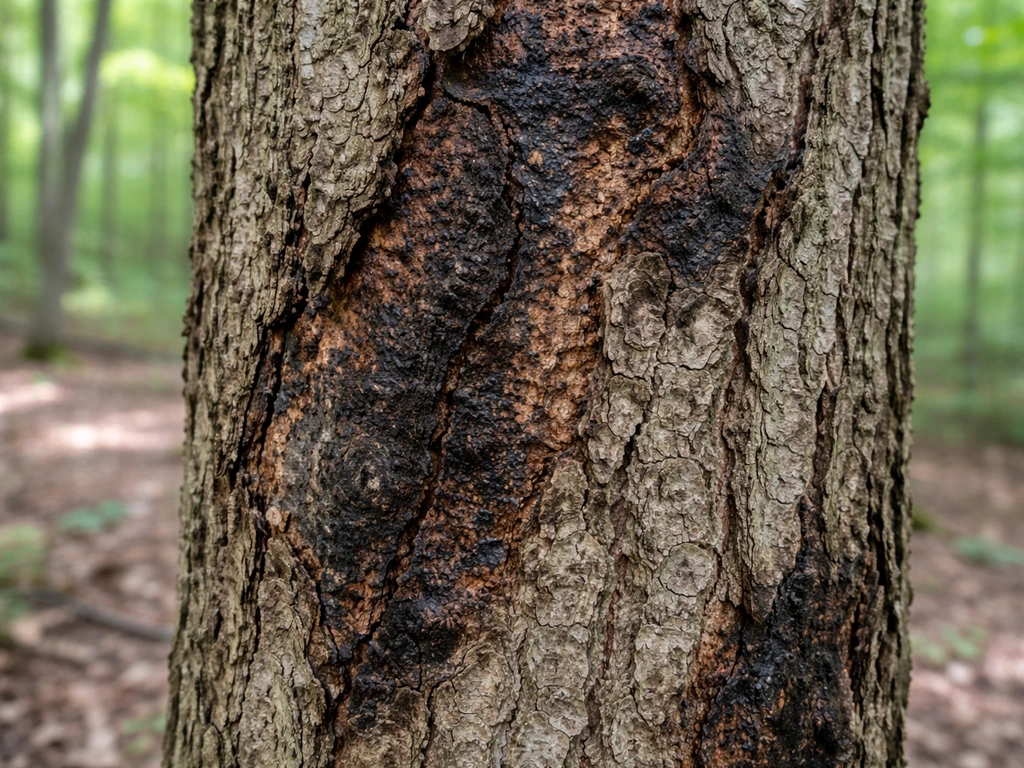
Chestnut blight is the disease that ended American chestnut as a commercial and forest species in North America, and it's still present in Illinois. The blight fungus enters through bark wounds and kills the cambium layer, girdling branches and trunks. American chestnuts are highly susceptible and will almost certainly be killed to the root crown. Chinese chestnut is resistant but not immune, meaning you may see occasional cankers on Chinese chestnut, but a healthy tree usually contains them without dying. Keep an eye on the bark of your Chinese chestnut trees and prune out any cankered branches promptly, cutting well below the visible infection and sterilizing tools between cuts.
Two-Lined Chestnut Borer
The two-lined chestnut borer (Agrilus bilineatus) is a secondary pest that attacks stressed or weakened chestnut trees, boring into the cambium layer and accelerating decline. Trees under drought stress, with root damage, or already fighting blight cankers are the most vulnerable. The best prevention is keeping your trees healthy: consistent water, proper planting depth, good drainage, and appropriate soil pH. If you see D-shaped exit holes in the bark or serpentine galleries under the bark, contact your local Illinois Extension office for diagnostics, as management options depend on the severity and timing.
Wildlife Pressure
Squirrels, deer, turkey, and raccoons all love chestnuts, and they'll compete aggressively with you for the harvest. Squirrels in particular can strip a tree before nuts are fully ripe. There's no perfect solution, but harvesting promptly as nuts begin to fall, and using ground covers or tarps to collect fallen burs, reduces losses. Deer damage to young trees (browsing on leaders and lateral branches) is the more serious concern because it can permanently deform or kill saplings, which is why the early fencing investment pays off.
When Chestnuts Aren't the Right Fit: What to Try Instead
If your site has poorly drained, alkaline soil, or you're in a low-lying area with poor air circulation that makes late frost and blight pressure worse, chestnuts may not be the right call. A few alternatives worth considering in Illinois are worth knowing.
- Hazelnut (Corylus americana or hybrid hazelnuts): Native to Illinois, extremely cold-hardy, blight-resistant, and productive in zones 4 through 9. Hazelnut shrubs produce nuts in three to four years, tolerate a wider range of soils than chestnut, and take up far less space. A strong first choice for anyone who just wants an edible nut crop from a low-maintenance plant.
- Black walnut (Juglans nigra): Native to Illinois and genuinely thrives across the state. Produces large, flavorful nuts, tolerates heavier clay soils better than chestnut, and is highly resistant to all native pests and diseases. The trade-off is juglone toxicity to many nearby plants and a very hard shell.
- Hickory (Carya species): Native Illinois hickories including shagbark (Carya ovata) and shellbark (Carya laciniosa) produce excellent nuts and are supremely adapted to Illinois conditions. They're slow to bear (often ten-plus years) but are long-lived and essentially zero-maintenance once established.
- Heartnut or buartnut: These Juglans species are Japanese walnut relatives with easier-to-crack shells than black walnut, good cold hardiness, and some adaptability to Illinois conditions. Less common but worth researching if you want a novelty nut crop.
If your main interest is chestnuts specifically but your soil pH is too high, that's a fixable problem with time and soil acidification. Test first, amend, and retest before writing off the site entirely. A second soil test a full growing season after amendment will tell you if you've moved the pH into a viable range.
Illinois growers in other nearby states face similar decisions. The calculus for choosing species and managing blight pressure is not radically different across the Midwest, though factors like summer heat and humidity shift meaningfully as you move south toward Oklahoma or Louisiana, or east toward the Carolinas.
If you are wondering will chestnut trees grow in Louisiana, the Midwest lessons still apply, but you will also need to factor in Louisiana's warmer, more humid conditions and adjust your species choice and site preparation accordingly. A similar comparison for the drier, hotter conditions you’ll face when will chestnut trees grow in oklahoma is to focus first on drainage, soil pH, and full sun.
In South Carolina, you should evaluate heat, humidity, and winter cold-hardiness separately, even if chestnut blight resistance helps south toward the Carolinas.
Your Next Steps as an Illinois Chestnut Grower
- Test your soil now: check pH (target 5.5 to 6.5) and drainage. If water pools for more than an hour after rain, find a different site or plant on a raised berm.
- Choose Chinese chestnut or a Dunstan-type hybrid. Order at least two trees from the same species/group to ensure cross-pollination.
- Plan for full sun and, if possible, a south-facing slope with natural air and water drainage.
- Plant in spring after last frost. Get deer fencing in place before or immediately after planting.
- Water deeply once a week for the first month, then regularly during dry periods throughout year one.
- Mulch two to four inches deep in a wide ring, keeping mulch away from the trunk base.
- Be patient: expect your first meaningful nut crop four to six years after planting. Monitor for blight cankers annually and prune them out promptly.
The bottom line is that Illinois is genuinely good chestnut country, especially for Chinese chestnut and hybrids. The state's zone 5a to 7b range, combined with reasonably warm summers and adequate rainfall, gives you everything these trees need. The failures that do happen in Illinois almost always trace back to the same three issues: poor drainage, wrong soil pH, or planting a single tree with no cross-pollinator nearby. Get those three things right, and you're likely to have productive chestnut trees for decades.
FAQ
Can I grow chestnut trees in Illinois if my soil is clay but I improve drainage?
Yes, but focus on moving water away from the root zone, not just adding organic matter. Create a gently sloped site or raised bed, and keep the trunk planted at the correct depth with a mulch-free ring. If water pools after heavy rain for more than a day, chestnuts will still struggle even with amendments.
What if I only have room for one chestnut tree, will it still produce nuts in Illinois?
Most chestnuts will not reliably self-pollinate for a nut crop. If you have only one tree, consider adding a second tree within the same neighborhood of your yard or orchard, ideally with compatible cultivar timing. Otherwise, plan around ornamental growth and leaves rather than expecting nuts.
How do I choose between Chinese chestnut and a Dunstan-type hybrid for Illinois backyard conditions?
If you want the simplest path to establishment, Chinese chestnut is often easier to source and has a longer track record. If your priority is nut flavor, Dunstan-type hybrids usually deliver better eating quality. Either way, your biggest success drivers remain well-drained soil, correct pH, and enough direct sun.
Will deer fencing make chestnut trees produce sooner or just improve survival?
Primarily it improves survival and reduces setbacks. Deer browsing can permanently deform leaders or kill young shoots, which then delays years of usable branching for flowering and nut production. Protecting the first few winters usually prevents the “slow decline” that looks like a health issue but is really repeated damage.
Do I need to test soil pH every year after planting chestnuts in Illinois?
Not every year, but retesting is smart when growth problems appear or when you make major soil changes. A practical approach is to test before planting, confirm after amendments, and then test again only if you see persistent yellowing, weak growth, or you applied lime. Chestnuts respond slowly to pH shifts, so annual testing can lead to overcorrection.
What are the early warning signs that chestnut trees are not happy in Illinois before nuts are expected?
Look for yellow leaves (often pH or iron uptake issues), dieback after winter with dry or desiccated branch tips (root establishment or wind desiccation), and leaf problems paired with soggy ground in spring (drainage). Early cankers on the bark can also show up, especially if a tree is stressed, so inspect trunk and scaffold branches seasonally.
Can I plant Chinese chestnut near other nut trees or will it interfere with pollination?
It can still work, but proximity and cultivar compatibility matter more than simply having “another chestnut somewhere.” Keep chestnut trees close enough for pollen exchange and avoid planting incompatible Chinese varieties right next to hybrids. If you mix types, confirm they bloom with overlapping timing and are compatible, not just both chestnuts.
How close can chestnut trees be to my house or driveway once they mature?
Plan for canopy width and roots. Chinese chestnut can spread 40 to 60 feet at maturity, so 20 to 30 feet spacing for young trees is not enough for permanent siting near structures. Put mature trees far from foundations and overhead lines, and ensure the site still stays well-drained in rainstorms.
Is mulching helpful for chestnuts in Illinois, or can it cause problems?
Mulching helps if it is done correctly. Use a 2 to 4 inch wood chip layer and keep it a few inches away from the trunk, piled against bark is a common reason for disease and insect issues. Maintain an open ring around the base so the root flare stays visible and oxygen can reach the graft or trunk base.
How soon after planting should I expect frost-related issues, and what can I do about them?
Frost pocket problems show up in spring when flowers are developing, and sunscald can show up in winter on the south and southwest sides. Reduce risk by choosing a site with air drainage and full sun, and wrap young trunks for the first two or three winters if you get strong late-winter temperature swings.
If my chestnut tree gets cankers, do I wait, prune, or remove the tree?
Prune promptly when you find cankered branches on Chinese chestnut, cutting well below the visible infection and sterilizing tools between cuts. Removing the whole tree is usually a last resort, but if girdling damage spreads quickly or multiple major limbs are affected, contact your local Illinois Extension for a diagnosis and management timing.
When is the best time to harvest chestnuts in Illinois, and what should I do with them right away?
Harvest as soon as nuts drop and the burs open, mid-September through October for many sites. Don’t leave them on wet ground, they can mold or ferment quickly. Refrigerate promptly and shell as soon as you can for best quality, especially if you want to store nuts for more than a few days.