If you searched 'where do hickory chickens grow,' you're almost certainly looking for one of two things: hickory trees (genus Carya) and where they naturally thrive across North America, or the Appalachian folk term 'hickory chicken,' which is actually a regional nickname for morel mushrooms, not a bird breed or poultry variety. Either way, this article covers both, then dives deep into the practical growing geography of hickory nut trees, because that's where the most useful information lives for anyone thinking about planting or foraging.
Where Do Hickory Chickens Grow? Nut Tree Guide by Region
Marcus Hendricks
19 May 2026
So what exactly is a 'hickory chicken'?
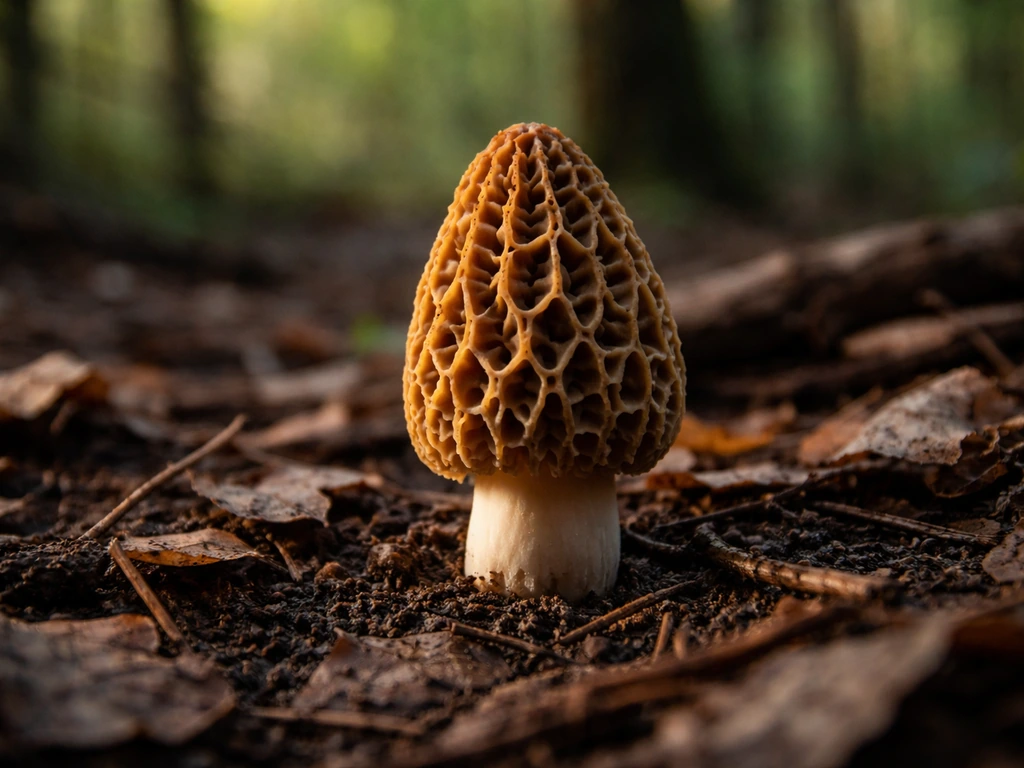
In Appalachian and Southern folk speech, 'hickory chicken' (also called 'dry land fish') is a beloved regional nickname for morel mushrooms (Morchella spp.). It has nothing to do with chicken, and it's not a reference to hickory trees in any direct botanical sense. The mushrooms get the name partly because they're found in hardwood forests, often near or under hickory and other large hardwoods, and partly because of their flavor and texture when fried. If you're in the Appalachians in spring and someone tells you the hickory chickens are up, they mean the morels are popping, not that anything is being planted or raised.
There's also a completely separate food-labeling context where 'hickory chicken' appears, referencing a preparation style (hickory-smoked or brined chicken products). That's a commercial naming convention, not a breed or variety of bird. So there is no recognized poultry breed called the hickory chicken. If your goal is hickory nuts or growing hickory trees, read on, because that's where this gets genuinely useful.
Where hickory trees actually grow natively
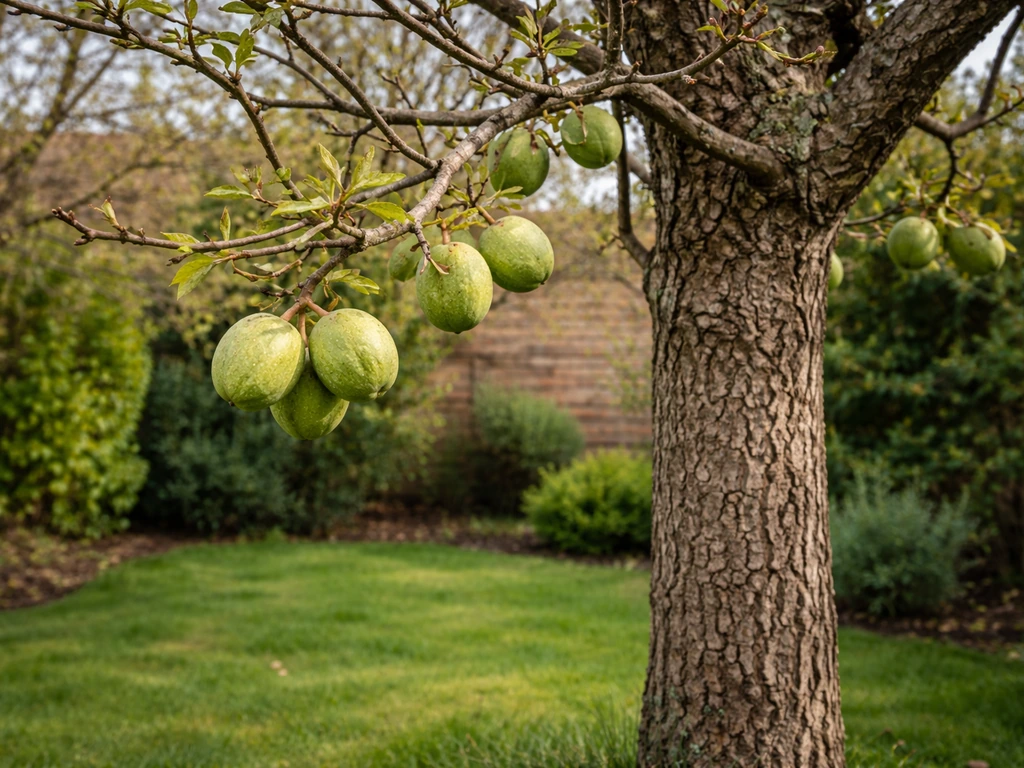
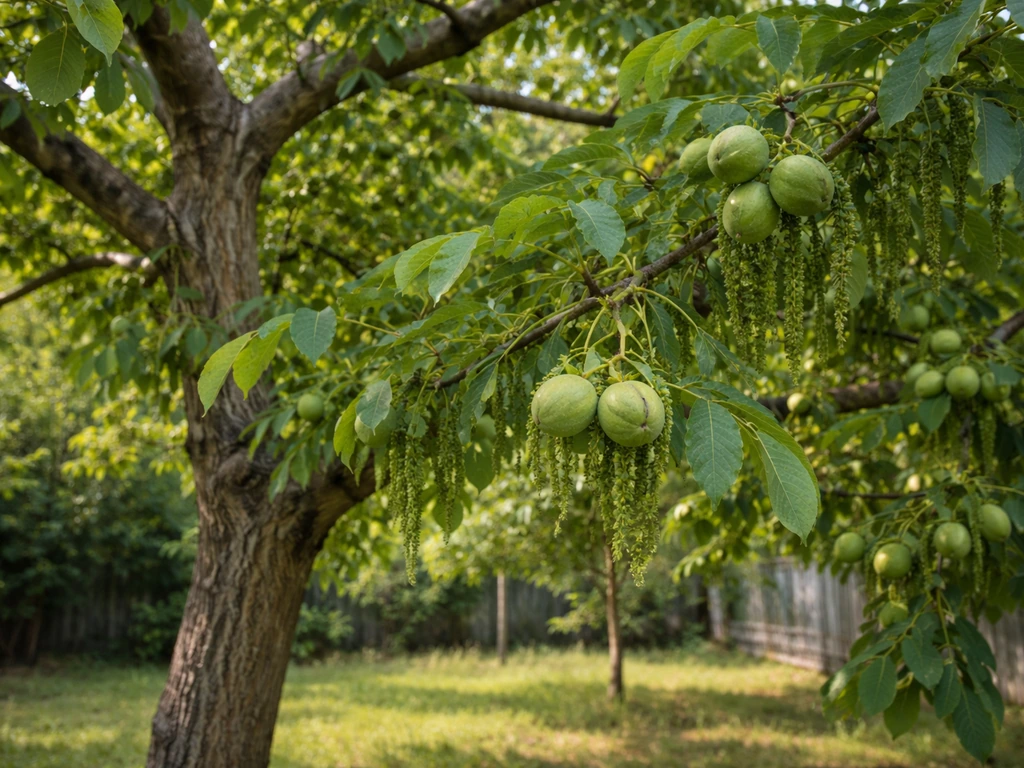
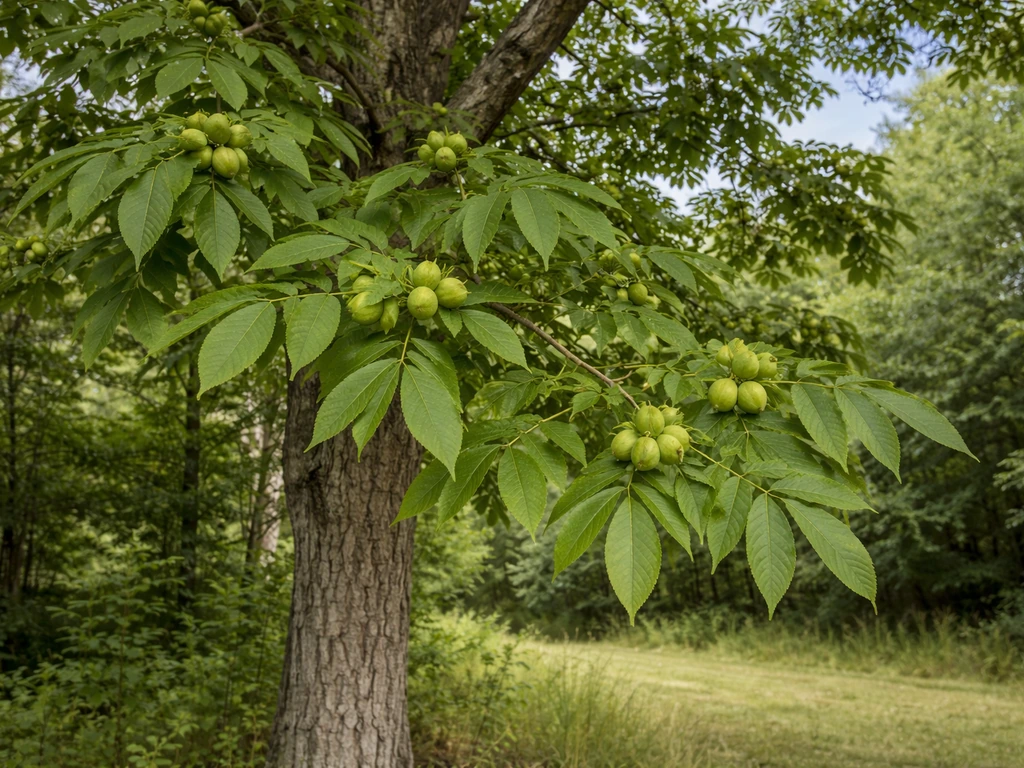
Hickory trees (genus Carya) are almost entirely a North American story. The genus' native range runs from southern Quebec and Minnesota in the north, sweeps south through the eastern half of the United States, and extends into parts of Texas and the Gulf Coast. In practical terms, if you live east of the Great Plains and south of the boreal forest, you're living in hickory country. The greatest species diversity sits in the Midwest and the eastern U.S., particularly in the Appalachian region, the Ohio Valley, the Mid-Atlantic states, and the Southeast.
Pecan (Carya illinoinensis) extends the genus' reach into the South and lower Midwest, including Texas, Oklahoma, Kansas, and down through the Gulf states. Shagbark hickory (Carya ovata) has one of the widest individual species ranges, covering Quebec to Minnesota and south to Georgia and Texas. Shellbark hickory (Carya laciniosa) runs through the Ohio and Mississippi River valleys. Bitternut hickory (Carya cordiformis) ranges across a huge swath of the eastern and central U.S. West of the Rockies, wild Carya simply doesn't exist. If you're in the Pacific Northwest, Arizona, or the northern Great Plains, hickory is not part of your native flora, though some species can be grown there with effort.
Climate and site requirements: zones, cold, rainfall, and drainage
Hickories as a group are adaptable, but individual species have real climate limits. Bitternut hickory is the cold-hardiest of the bunch, rated for USDA Zones 3 through 7, meaning it can handle brutal northern winters. Shagbark hickory is hardy in Zones 4 through 8. Shellbark hickory is rated to Zone 5. Pecan, the most commercially significant species, is suited to the warmer end of the range, thriving in the South and lower Midwest.
Rainfall and moisture availability matter as much as cold hardiness. Most hickories want at least 30 to 40 inches of annual precipitation, though the specific drainage requirements vary sharply by species. Shellbark hickory is essentially a bottomland tree, found on river terraces, second bottoms, and flood-prone lowlands. Water hickory (Carya aquatica) goes even further, functioning as a major component of clay flats and backwater areas near streams and rivers. Shagbark and mockernut hickories, by contrast, are upland species that want well-drained soil and don't tolerate prolonged flooding. Bitternut splits the difference, tolerating a range from poorly drained to well-drained deep moist soils.
Chill hours are worth considering if you're growing pecan in marginal areas. Pecan needs a long frost-free growing season, typically 150 to 200+ days depending on the cultivar, which is why it performs best in the Deep South and lower Midwest rather than the Upper Midwest or New England. For questions like do chestnut trees grow in South Carolina, the key is matching the right climate zone, chill hours, and soil conditions to the particular chestnut variety in the South and lower Midwest. For the hardier Carya species, chill accumulation is less of a bottleneck than the summer heat needed to ripen the nuts fully.
Soil and sunlight: what hickory needs in your yard
Hickories prefer loam, but they're more adaptable than people give them credit for. Shagbark hickory tolerates a pH range of 5.0 to 8.0, meaning it handles both fairly acidic and moderately alkaline soils. Pecan likewise tolerates clay, sand, and loam, and handles both acidic and alkaline conditions. That said, the consistent sweet spot across species is a deep, moist, nutrient-rich soil with good structure. Shallow or compacted soils are the main limiting factor, not pH. Hickories develop a substantial taproot and need depth, so hardpan within the top 18 to 24 inches is going to stunt growth noticeably.
Sun exposure is non-negotiable for nut production. Hickories are full-sun trees, meaning at least 6 hours of direct sunlight per day. Pecan in particular performs best in full sun, though it will tolerate some light shade. Shaded trees grow slower, produce fewer nuts, and are more prone to fungal issues. For spacing, give hickories room: most species want at least 30 to 40 feet between mature trees, and for pecan you'll need multiple cultivars for cross-pollination to get consistent nut set. NC State Extension recommends planting at least three pecan cultivars with at least one of each pollination type to maximize production.
Which Carya species fits your region
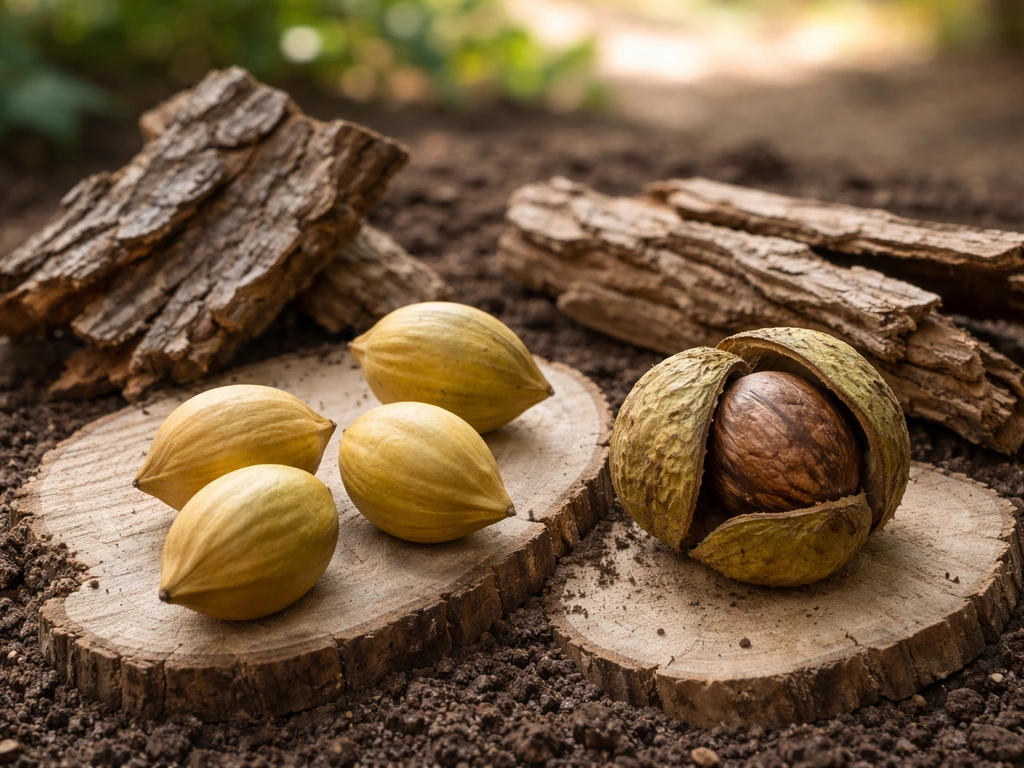
Matching the right species to your climate is the single most important decision you'll make. Here's a practical region-by-region breakdown of the best species options.
| Region | Best Carya Species | Key Considerations |
|---|---|---|
| Upper Midwest / Great Lakes (Zones 3-5) | Bitternut hickory (C. cordiformis), Shagbark hickory (C. ovata) | Bitternut is the cold-hardiest; shagbark works in Zone 4+; nuts take 10+ years to produce |
| Ohio Valley / Mid-Atlantic (Zones 5-6) | Shagbark (C. ovata), Shellbark (C. laciniosa), Bitternut (C. cordiformis) | Shellbark for wetter bottomland sites; shagbark for upland/well-drained yards |
| Southeast / Appalachians (Zones 6-8) | Shagbark (C. ovata), Mockernut (C. tomentosa), Pignut (C. glabra) | Mockernut and pignut excel on upland, drier sites; all three produce viable nuts |
| Deep South / Gulf Coast (Zones 7-9) | Pecan (C. illinoinensis), Water hickory (C. aquatica) | Pecan is the primary nut crop; water hickory for wet bottomland sites only |
| Lower Midwest / Southern Plains (Zones 5-7) | Pecan (C. illinoinensis), Shagbark (C. ovata) | Pecan thrives in OK and TX; shagbark handles colder northern parts of this zone |
| Northeast (Zones 4-6) | Shagbark (C. ovata), Bitternut (C. cordiformis) | Both are native; expect slower growth and long nut production timelines in cooler areas |
If you're in Oklahoma or neighboring states, pecan is king and has deep roots in the regional agricultural identity. Similar thinking applies to parts of Louisiana and the Carolinas, where the climate closely resembles what pecan and mockernut hickory need. Chestnut trees can be a much tougher fit for Louisiana, since they generally need specific cool-weather and site conditions that vary by species parts of Louisiana.
The chestnut-growing suitability questions for those same states follow very similar zone and soil logic, which is worth keeping in mind if you're planning a broader hardwood nut orchard. If you are wondering whether will chestnut trees grow in Oklahoma, your best starting point is to compare local zone and soil conditions to the chestnut species you plan to grow chestnut-growing suitability.
How to confirm whether your specific yard works today
Don't just assume your zone means a species will perform well. A few concrete checks before you plant will save years of frustration.
- Look up your USDA Plant Hardiness Zone using the official USDA Plant Hardiness Zone Map web application (search 'USDA hardiness zone map' and enter your zip code). This tells you your minimum winter temperature range, which sets your species shortlist.
- Check your soil using USDA NRCS's Web Soil Survey. Enter your address, draw your area of interest, and generate a soil map with drainage class, texture, and limitation data. This is free, official, and surprisingly detailed down to the field level.
- Test your yard's drainage by digging a hole about 12 inches deep, filling it with water, and watching how fast it drains. If the water is still sitting 24 hours later, you're looking at a bottomland-suited species like shellbark or water hickory, not shagbark or mockernut.
- Measure your sun exposure honestly. Count the hours of direct sun your planting site gets on a clear summer day. Less than 6 hours and nut production will be marginal regardless of species.
- Check your soil depth. Dig down at least 18 to 24 inches. If you hit hardpan, rock, or heavy clay that resists a probe, reconsider the site. Hickory taproots need room.
- Contact your state extension service or a local native plant nursery and ask what Carya species they're stocking. If they're carrying it locally, it almost certainly grows in your area.
One practical shortcut: look around your neighborhood or nearby woods. If you see wild hickory growing nearby, that species is clearly viable in your conditions. Identifying the local species (shagbark's shaggy bark is unmistakable; shellbark grows in low spots near water) tells you what your yard can likely support without any further analysis.
Getting started: planting basics, realistic timelines, and what to expect
Hickories are not fast-gratification trees. Plant one today and you're looking at 10 to 15 years before meaningful nut production from most species, sometimes longer for shagbark. Pecan is somewhat faster under ideal conditions, potentially producing in 6 to 10 years from a grafted cultivar. Seedling-grown trees of any species take longer than grafted stock. If nut production is your primary goal, buy named grafted cultivars from a reputable nursery rather than growing from seed.
Plant in spring or fall into a well-prepared hole twice as wide as the root ball but no deeper, because you don't want the taproot sitting in a bowl of settling soil. Water consistently for the first two growing seasons. Hickories establish slowly above ground while they're putting energy into root development, so don't panic if top growth looks minimal in years one and two. Mulch around the base (but not against the trunk) to retain moisture and suppress competition.
For pecan specifically, plan for cross-pollination from the start. Plant at least two or three cultivars of different pollination types within 150 to 200 feet of each other. A single pecan tree will produce few to no nuts reliably without a compatible pollinator nearby. This is a common mistake that leaves growers waiting a decade only to get disappointing yields.
Pest and disease pressures vary by species and region. Pecan scab is the major fungal issue for pecan growers in the humid Southeast, so choosing scab-resistant cultivars for that climate is essential. Shagbark and shellbark are generally lower-maintenance, though they're not immune to hickory bark beetle pressure in stressed trees. Keep new plantings well-watered and avoid compacting the root zone, which is the most common way home growers stress hickories into pest vulnerability.
The bottom line is this: if you're in the eastern half of North America, there's almost certainly a Carya species that fits your yard. The work is matching the right species to your specific zone, drainage situation, and sun exposure, then committing to the long timeline that hickory nut production requires. That's the real answer to where hickory chickens (hickory trees) grow: across most of the eastern U. If you're wondering whether chestnut trees grow in Illinois, check the specific climate and soil needs of the chestnut species you're considering, since Illinois conditions can vary by region. S. and lower Midwest, in the right conditions, one species or another will thrive.
FAQ
How can I tell if “hickory chickens” near me means morels or hickory trees?
Ask what time of year people mention it. If it’s spring and they’re talking about foraging, they almost certainly mean morels. If it’s about planting or yard trees, they mean hickory (Carya), not the folk mushroom nickname.
Is there any real “hickory chicken” poultry breed I can buy?
No. “Hickory chicken” in food menus usually refers to a cooking style for chicken products (like smoking or curing), not a bird breed. If you’re looking for a tree or mushroom, search for hickory (Carya) or morel (Morchella) instead of poultry.
If I live in the Pacific Northwest, can I grow hickories anyway?
Some can be grown as experimental plantings, but they’re not native there, and success depends heavily on matching native-like sun, winter cold, and summer heat for nut ripening. Plan on extra monitoring for pests and fruiting, and expect slower or inconsistent nut production.
What’s the biggest mistake people make when planting hickory for nuts?
Planting in the wrong drainage situation for the species. Upland hickories usually fail when they sit in low, wet soil, while bottomland species struggle on dry ridges. If your yard floods or stays wet in spring, start by choosing the right species for that pattern.
Do I need to fertilize hickory right away after planting?
Usually not. Over-fertilizing early can push weak top growth while the taproot establishes slowly. A better approach is to focus on consistent watering for 2 growing seasons, then assess soil and leaf growth before adding any amendments.
How far apart should I space hickory seedlings versus grafted trees?
The mature-tree spacing rules still apply, since crown size and root spread drive the spacing need more than whether the tree came from seed or graft. Seedlings simply take longer to reach nut-bearing size, so you should still plan permanent spacing from the start.
Will a single pecan tree produce nuts if I can’t find pollinator cultivars?
Reliable production usually requires compatible pollinizers nearby. If you plant only one cultivar, it may set few or no nuts. For planning, use multiple cultivars (different pollination types) within roughly 150 to 200 feet to increase the odds of consistent nut set.
How do chill hours and heat affect pecan in northern climates?
Pecan is often limited by both length of the growing season and the ability to fully ripen nuts, not just winter chill. Even if winters are survivable, insufficient warm, frost-free time can reduce kernel development and yields, so pay attention to your frost-free days.
What site should I choose if I’m not sure whether my yard is upland or lowland?
Watch the ground for at least one spring season. If water sits or the soil stays saturated, that’s a clue you’re closer to bottomland conditions. If the soil dries relatively quickly after rains, you’re likely closer to upland conditions, which changes which Carya species is your best match.
Are hickory nuts safe to eat right off the tree?
Not always. Some nuts are unfilled, moldy, or damaged by pests before you harvest, and storage can create rancidity or mold issues. Use a quality check like removing moldy or insect-damaged nuts, then store properly (cool and dry) so oils do not go rancid.