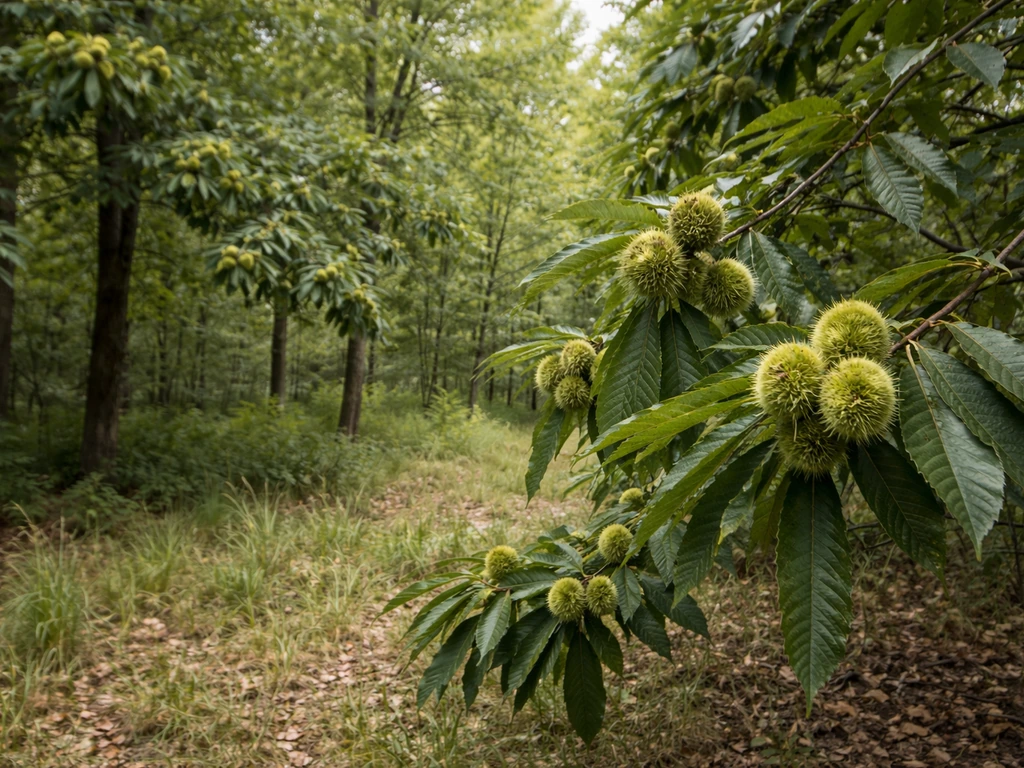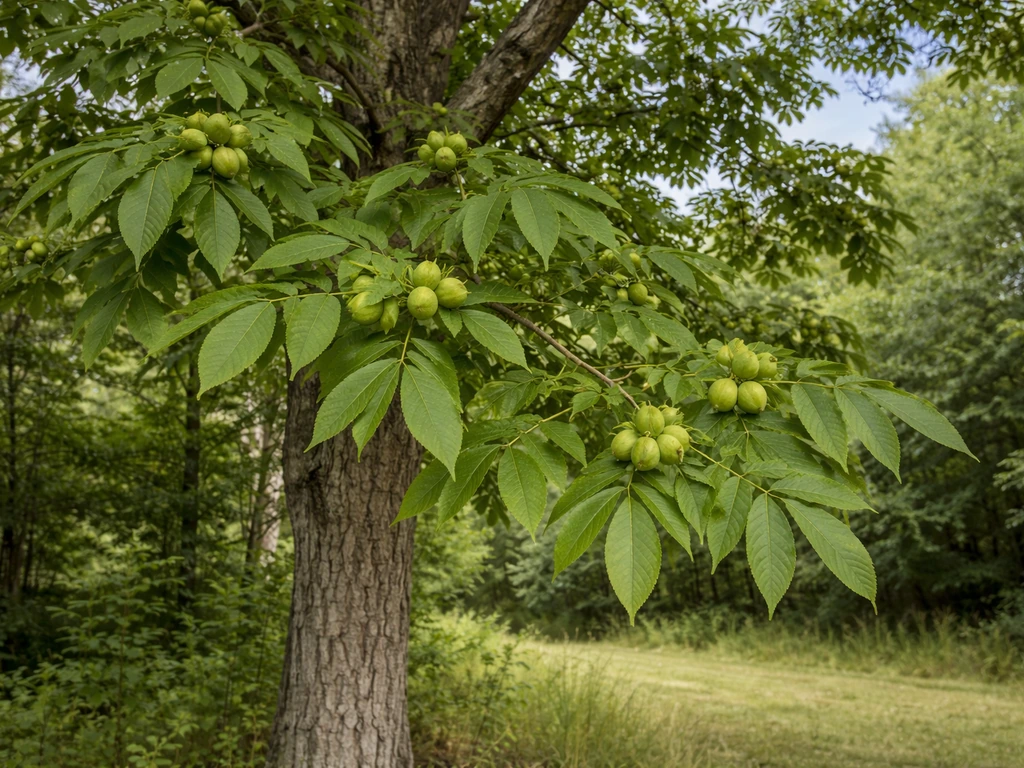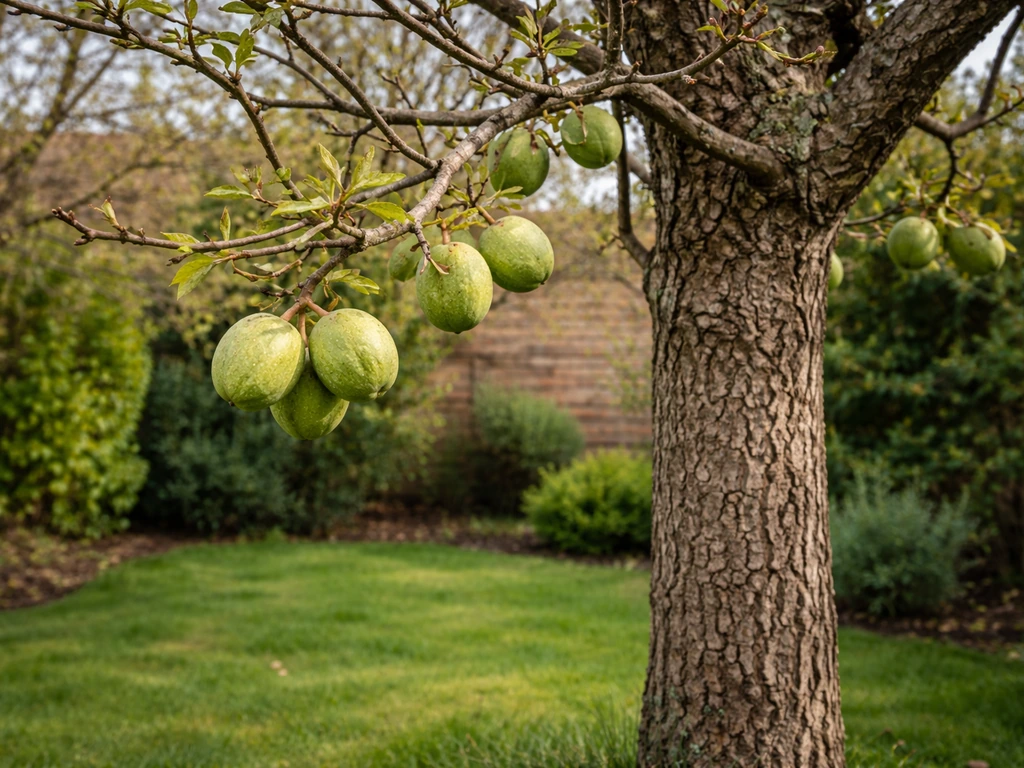
Yes, chestnut trees grow in South Carolina, and people are actively growing them there right now. The bigger question is which type makes sense for your specific location and goals, because not all chestnuts handle South Carolina's heat, humidity, and disease pressure equally well. If you are asking do chestnut trees grow in illinois, keep in mind that the same “right type for your location” logic applies, because heat, humidity, and disease pressure change by state. The short version: Chinese chestnuts and Chinese-American hybrids are your most realistic options for most of the state, with pure American chestnuts reserved for experimental or restoration planting rather than reliable nut production.
Do Chestnut Trees Grow in South Carolina? Species, Care, and Yield Tips
Marcus Hendricks
22 May 2026
Chestnuts in South Carolina: what's actually growing there
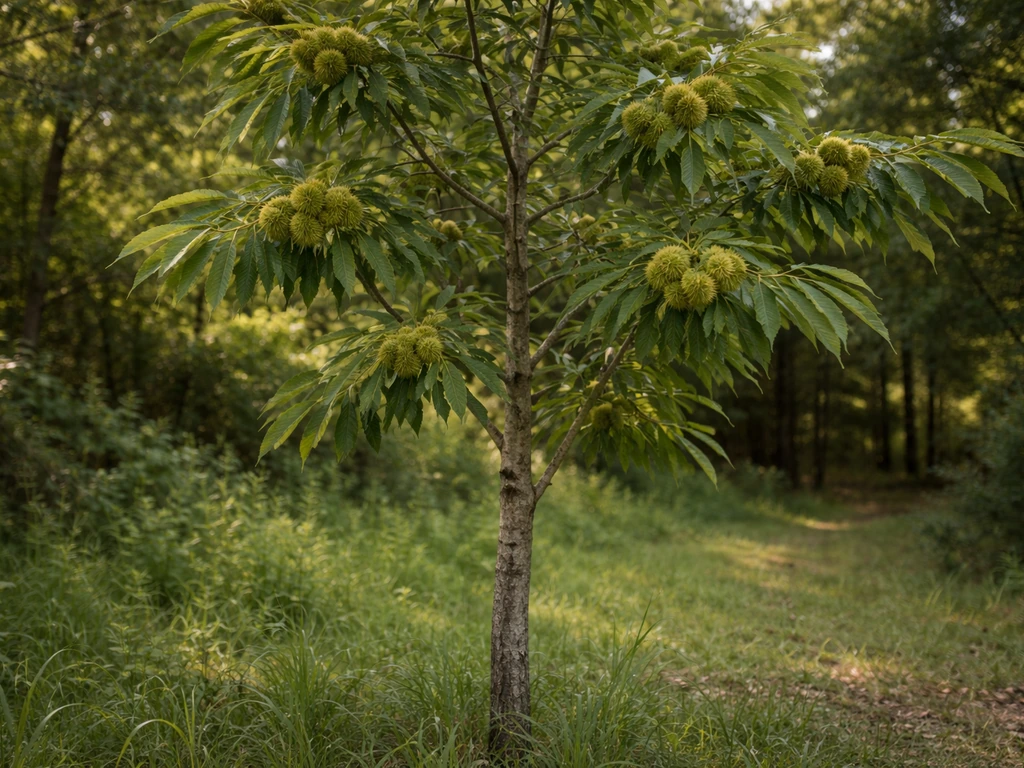
South Carolina has a real chestnut presence, both historically and today. The American chestnut (Castanea dentata) was once native to the eastern US including the Appalachian foothills of the Carolinas, but chestnut blight (caused by the fungus Cryphonectria parasitica) wiped out billions of trees through the 20th century. Pure American chestnuts are essentially gone as functional forest trees, though their root systems still send up sprouts that get killed back before they can produce nuts consistently.
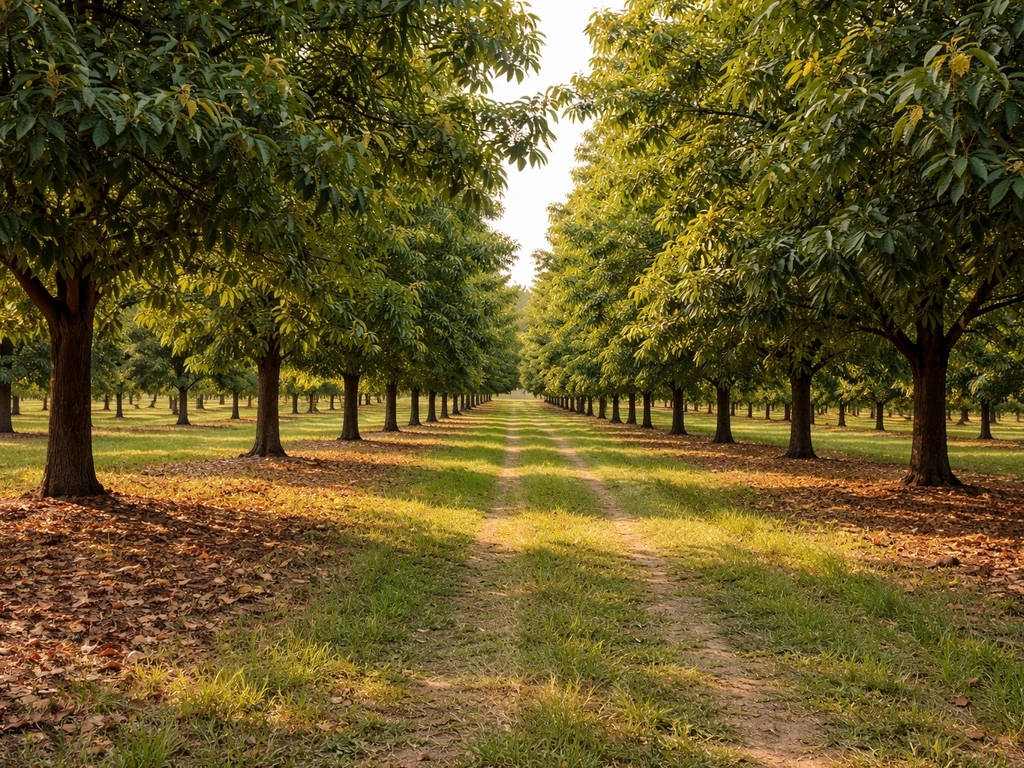
What's being grown in South Carolina today tells the real story. The American Chestnut Foundation (TACF) has planted a chestnut orchard at The Park at Glassy in Landrum, SC, including pure Chinese chestnuts, Chinese-American crosses, and pure American chestnuts as part of a breeding and restoration effort. More practically for growers, TACF held blight inoculation trials in April 2025 on hybrid chestnuts at Chestnut Return Farm in Seneca, SC, in collaboration with the South Carolina Forestry Commission. And the South Carolina Department of Agriculture lists Meador Acres Chestnuts, LLC as an operating SC chestnut orchard. These aren't theoretical possibilities; people are growing chestnuts for nuts in this state right now.
Which chestnut types actually fit South Carolina's climate
South Carolina spans USDA hardiness zones roughly from 7a in the upstate mountains to 8b near the coast and into the midlands. That range matters when you're picking a chestnut type. The good news is that Chinese chestnut (Castanea mollissima) fits comfortably across most of the state. It handles heat, tolerates humidity better than American chestnut, and most importantly, it carries strong natural resistance to chestnut blight. blank" rel="noopener noreferrer">Chinese chestnut is not immune to blight, but it's resistant enough to survive and produce nuts under normal orchard conditions, which is something you simply cannot say about untreated pure American chestnuts.
Chinese-American hybrid chestnuts are the other strong option. TACF has spent decades backcrossing American chestnut with Chinese chestnut to transfer blight resistance while recovering the American chestnut's genetics. The backcross generations (B1F3, B3F2, etc.) vary in their resistance level, but well-developed lines show intermediate to strong resistance in field trials in the southern Appalachians. If you're in the upstate SC counties near the mountains, these hybrids can be worth exploring through TACF's regional programs. Down in the lower piedmont and coastal plain, the heat and humidity increase disease pressure significantly, and a pure or mostly Chinese chestnut genetic background becomes more important.
| Chestnut Type | Blight Resistance | SC Climate Fit | Nut Production Reliability | Best For |
|---|---|---|---|---|
| Chinese chestnut (C. mollissima) | Strong (not immune) | Excellent statewide | High | Home orchards, commercial growers |
| Chinese-American hybrid (TACF backcross) | Intermediate to strong depending on generation | Good in upstate/piedmont | Moderate to high | Restoration projects, upstate growers |
| Pure American chestnut (C. dentata) | Very low | Poor for nut production | Unreliable (blight kills before nut-bearing age) | Experimental/restoration only |
Named Chinese chestnut cultivars worth knowing include 'Abundance', 'Crane', 'Kuling', 'Meiling', and 'Nanking', as documented by North Carolina Extension. These have proven track records in the Carolinas region. When you're shopping for trees, asking specifically for these named cultivars (rather than unnamed seedlings) gives you more predictable results in both nut quality and tree performance.
Picking the right spot on your property
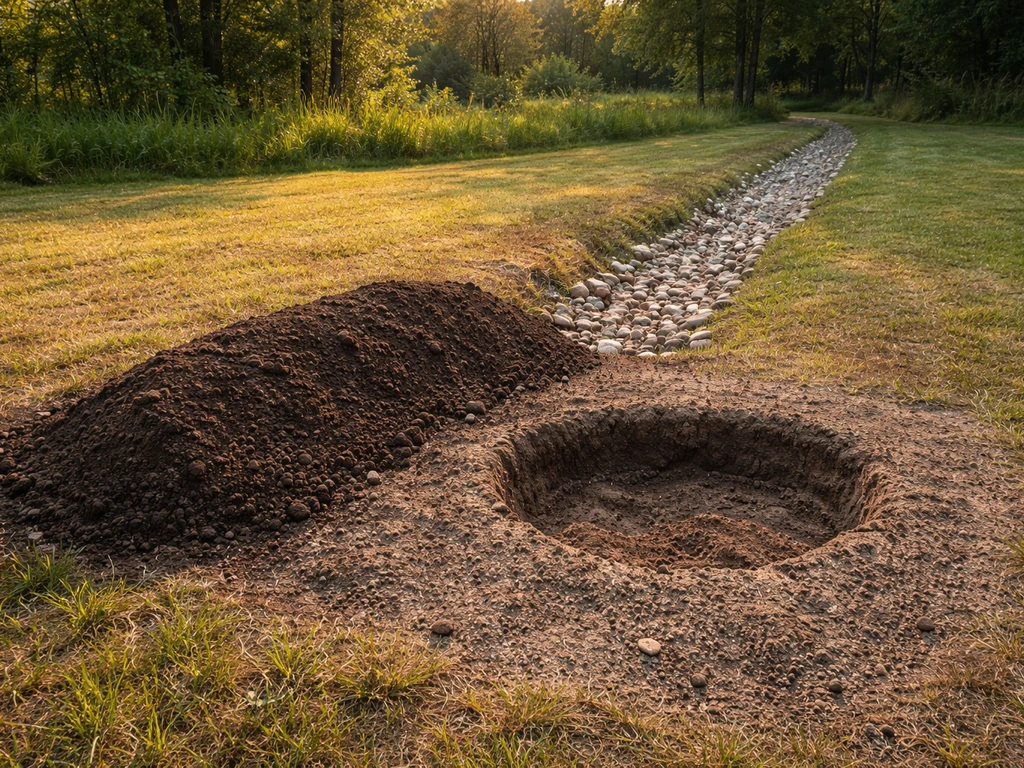
Site selection is where most chestnut failures begin, especially in South Carolina. The two things that kill chestnuts fastest in this region are poor drainage and wrong soil pH, and both are easy to address if you catch them before planting.
Drainage is non-negotiable
Phytophthora cinnamomi, the pathogen that causes ink disease and Phytophthora root rot, is a serious chestnut killer in the Southeast and it thrives in wet, poorly drained soils. TACF specifically flags this as a root-killing disease that's linked directly to site conditions rather than something you can spray your way out of. If your site has standing water after rain, heavy clay with no sub-surface drainage, or a hardpan layer close to the surface, fix that before you plant anything.
A practical solution for marginal sites: build a raised berm about 8 to 10 inches high and roughly 3 feet in diameter per planting spot. That extra elevation can make the difference between a tree that survives and one that collapses from root rot by year three.
Soil pH: get it right first
Chestnuts want slightly acidic soil, between pH 4.5 and 6.5. Most South Carolina soils naturally fall in this range, especially in the Piedmont and upstate, but it's worth doing a soil test before planting rather than assuming. The Clemson Cooperative Extension soil testing service is affordable and gives you SC-specific amendment recommendations. If your pH is too high, sulfur applications can bring it down, but that takes time, so test and amend at least a season before planting if possible.
Sun and spacing
Chestnuts are full-sun trees. They need at least six to eight hours of direct sun daily to produce well, and shaded trees are more disease-prone and produce far fewer nuts. For spacing, Chinese chestnuts can spread 40 feet or more at maturity, so for a home orchard plan at least 30 to 40 feet between trees. If you're planting in a tighter arrangement early and thinning later, that's workable, but don't underestimate how large these trees get.
Getting your trees in the ground
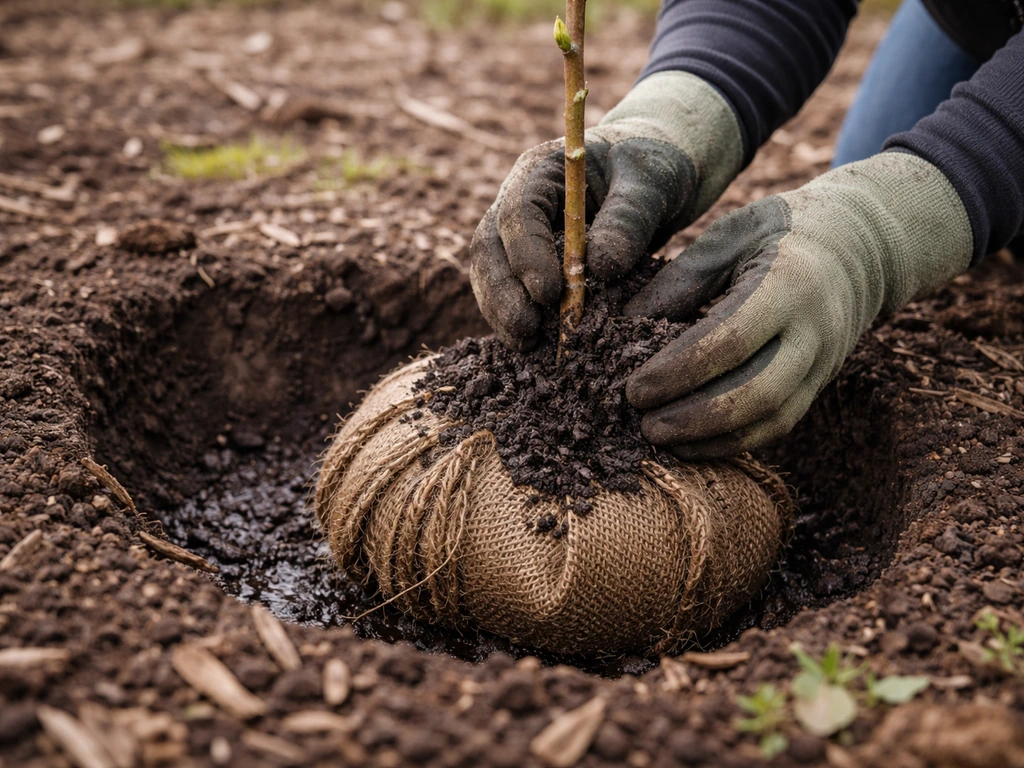
Late winter to early spring (February through April in most of SC) is the best window for bare-root chestnut planting. Container-grown trees give you more flexibility into late spring, but avoid planting anything during the heat of summer if you can help it. Fall planting is possible in SC's mild climate, but if you go that route, plan to water consistently until the ground cools down significantly, since newly planted trees need to establish root contact before going dormant.
If you're starting with bare-root trees, keep the roots moist from the moment you receive them until the moment they go in the ground. Dried-out roots kill more bare-root trees than any disease. At planting, water in thoroughly unless the soil is already saturated. A common mistake is planting too deep: the root flare (where the trunk widens at the base) should sit at or slightly above the final soil grade, not buried. Clemson's guidance on tree planting depth is clear on this point, and it applies just as much to chestnuts as to ornamentals.
Mulch around the base after planting to conserve moisture and suppress weeds, but keep mulch depth to about two inches and pull it back a few inches from the trunk. Piling mulch against the trunk traps moisture and invites rot and disease right at the most vulnerable point. Early-stage irrigation matters: water weekly during the first growing season unless rainfall is consistent, and more frequently during SC's hot, dry July and August stretches.
Pollination, nut set, and what to realistically expect
Chestnuts are not reliably self-fertile. You need at least two trees (ideally from different genetic lines or cultivars) within about 200 feet of each other for good cross-pollination and consistent nut set. A single isolated tree may produce some nuts in a good year, but nut production will be significantly lower and more variable than a properly cross-pollinated pair or group. Plan for a minimum of two trees from the start.
Chinese chestnuts typically start producing nuts within three to five years of planting under good conditions. Don't expect a full crop in years one or two; the tree is still establishing its root system. By years five to seven, a healthy Chinese chestnut in SC should be producing meaningful quantities of nuts annually. Yields vary with cultivar, site quality, and pollination, but a mature, well-managed Chinese chestnut tree can produce dozens of pounds of in-hull chestnuts per season.
Nut quality and timing also vary by cultivar. Some named cultivars ripen in August; others push into October. For SC's climate, earlier-ripening cultivars can be advantageous because they finish before the worst of late-season humidity and potential wet weather at harvest. Talk to whoever supplies your trees about ripening timing relative to your specific region of SC.
Diseases and pests: what to watch for in South Carolina
South Carolina's warm, humid climate means you're dealing with more disease pressure than growers in cooler, drier states. There are two primary threats you need to understand before you plant.
Chestnut blight
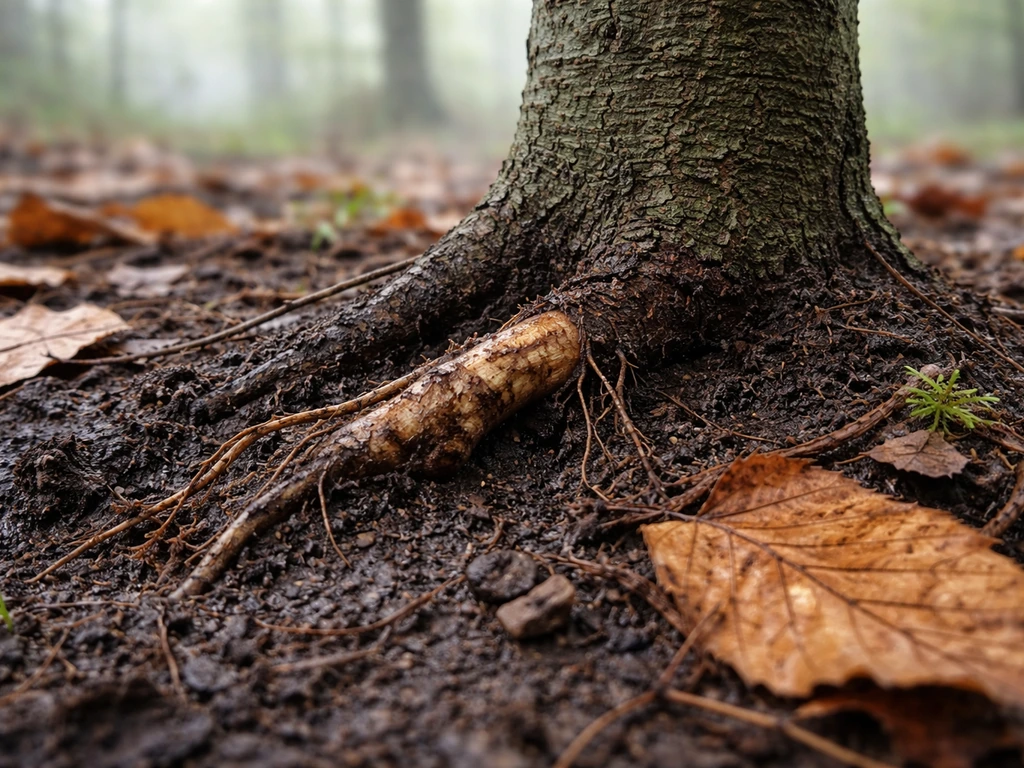
Chestnut blight (Cryphonectria parasitica) is the reason you shouldn't plant untreated pure American chestnuts for nut production in South Carolina. The fungus enters through wounds in the bark, forms a canker, and kills everything above the infection point. On a Chinese chestnut or well-developed hybrid, the tree typically walls off the infection and survives, which is why blight resistance is the first criterion for chestnut selection in the Southeast.
Watch for sunken, discolored cankers on stems or branches, often with orange-yellow fungal pustules visible on the surface. On susceptible trees, the canker girdles the stem and the foliage above it dies. Biological control using hypovirulent (weakened) strains of the blight fungus exists and can slow canker development, but it works best as a complement to planting resistant types, not a substitute.
Phytophthora root rot and ink disease
Phytophthora cinnamomi is the Southeast's other major chestnut killer, and in some ways it's more insidious than blight because you don't see obvious above-ground symptoms until the tree is already severely compromised. The pathogen lives in soil and thrives in wet conditions, attacking roots and the lower trunk. Infected trees show gradual decline: thin canopy, undersized leaves, poor growth, and eventually death. There's no cure once a tree is badly infected, which is why drainage-focused site selection is your primary defense. Soil movement can spread Phytophthora between sites, so be careful about bringing in fill dirt from unknown sources.
Other things to watch
- Chestnut weevils (Curculio species): larvae develop inside the nuts; infested nuts have entry holes and will contain small white grubs at harvest
- Chestnut gall wasp: causes abnormal growths (galls) on shoots and can significantly reduce nut production in affected trees
- Armillaria root rot: another root disease that can attack stressed trees in SC's humid climate, most often a secondary problem following poor drainage or physical damage
- Deer and squirrel pressure: significant in most of rural SC; young trees need protection and mature nuts disappear quickly without management
The South Carolina Forestry Commission offers pest identification and prescribed control support for landowners at no charge through its forest health staff. If you see something on your trees that you can't identify, contact them before spraying anything. Their general guidance is exactly right: identify the problem first, then treat. Misidentified problems lead to wasted money and sometimes more damage.
Where to get reliable guidance for your specific situation
The most important step before you buy trees is to verify your specific site's hardiness zone using the USDA's 2023 Plant Hardiness Zone Map. South Carolina's zones vary meaningfully across the state, from the cooler upstate counties near the NC border to the warmer coastal plain. A ZIP code lookup takes two minutes and tells you exactly which zone you're in, which helps narrow down cultivar choices.
Clemson Cooperative Extension is your best local resource for SC-specific soil testing, planting recommendations, and pest diagnosis. Their Home and Garden Information Center handles questions from home gardeners and small-scale growers, and their county offices can connect you with agents who know local conditions well. TACF recommends working with Land-Grant University extension services for exactly this reason: local diagnostic labs understand what diseases and pests are active in your region, not just what's theoretically possible nationally.
If you're interested in the restoration or hybrid breeding side of things, TACF's Southeast regional program is directly active in South Carolina, as the Seneca and Landrum plantings demonstrate. Their growing resources include detailed soil pH and planting guidance, and their regional coordinators can point you toward reputable sources for blight-resistant hybrid seedlings. The NC Extension Gardener Plant Toolbox is also worth bookmarking; it covers Chinese chestnut cultivars with factsheets that apply directly to the Carolinas growing environment.
Chestnuts are being grown successfully in South Carolina right now, not just experimentally but as working orchards. If you're wondering where hickory chickens grow, start by matching the best local habitat conditions and nearby food sources to your area Chestnuts are being grown successfully in South Carolina right now. If you are wondering will chestnut trees grow in louisiana, start by thinking about the same climate fit and site basics this guide covers for South Carolina.
The path there requires picking the right type (start with Chinese chestnut or a well-tested hybrid), getting site drainage right before you plant, and keeping realistic expectations about timeline and disease management. Do those three things well and you have a genuinely productive nut tree that fits South Carolina's climate better than most people expect.
Growers in neighboring states like Louisiana and Oklahoma face similar questions about heat, humidity, and blight pressure, so the same species-selection logic applies across much of the South.
FAQ
Can I get chestnuts in South Carolina with only one chestnut tree?
Probably, if you keep expectations realistic and plan for cross-pollination. Chestnuts need at least two compatible trees (often from different cultivars or genetic lines) within about 200 feet for reliable nut set, and Chinese types usually begin producing in year 3 to 5 rather than year 1. If you only have one tree, you may get occasional nuts, but yields are typically much lower and more variable.
How do I know which specific chestnut cultivar or hybrid is the right one to buy for my part of South Carolina?
Yes, but don’t rely on a “general recommendation” for where to buy or what’s disease-resistant. In South Carolina, a tree can be blight-resistant genetically but still fail if the planting spot holds water or has the wrong soil pH. Ask the seller for cultivar or hybrid name, harvest timing, and whether it comes from a blight-resistant breeding line tested in similar conditions.
When should I plan to harvest chestnuts in South Carolina, and does ripening time change what I should plant?
Your harvest window matters because late-season humidity can reduce quality and increase disease risk around nuts. If you’re in the lower piedmont or closer to the coast, prioritize earlier-ripening cultivars and be ready to harvest promptly when burrs open. Waiting too long can lead to overripe nuts, higher loss to pests, or more field problems.
Is it better to plant chestnuts in fall or spring in South Carolina?
For most South Carolina yards, fall planting is only “possible,” and it works best when you can maintain steady watering until the ground cools and roots re-establish. In practice, bare-root planting in late winter to early spring is usually more predictable because you avoid summer establishment stress. If you plant in fall, be especially careful about drainage and don’t skip watering if dry weather persists.
Can I plant chestnut trees from containers in South Carolina instead of bare-root?
Yes, but it’s important to distinguish container limits from disease control. Containers can extend planting flexibility, yet the tree still needs the same full-sun, well-drained site and correct pH. Also plan on careful root handling, keep the root flare at the proper height, and avoid letting the potting mix create a “water-holding layer” that delays drainage into the native soil.
What’s the correct way to mulch chestnut trees after planting?
Mulch helps, but too much mulch or mulch piled against the trunk can increase rot risk at the most vulnerable spot. Keep mulch shallow (around 2 inches), pull it back a few inches from the trunk, and recheck after storms or weed-control efforts so it doesn’t creep up against the bark.
Should I fertilize chestnut trees in South Carolina, and what should I avoid?
Fertilizing is usually not the first lever in South Carolina, because drainage and pH problems can kill trees even when they’re well-fed. If you fertilize, base it on a soil test, and avoid heavy nitrogen that can encourage soft growth that is more disease-prone. If your soil pH is high, correcting pH takes time, so amend well before major fertilization decisions.
How can I tell if my chestnut trouble is likely Phytophthora root rot versus blight?
Watch the pattern more than a single leaf problem. Phytophthora issues often look like gradual decline (thinning canopy, smaller leaves, reduced growth) and can be tied to wetter-than-expected soil, even if the tree looks “okay” at first. If you suspect it, stop trying random treatments, improve drainage or consider raised berms, and get a diagnosis before money is spent on ineffective sprays.
Can I spread chestnut diseases between my own yard sections or from other properties?
Yes, and it’s a common way disease gets moved between sites. Don’t bring fill dirt or landscaping soil from unknown sources, and clean equipment if you work between properties with sick trees. Minimizing soil movement and keeping the planting spot consistently well-drained are practical ways to reduce the risk of introducing soilborne pathogens.
If I find cankers or dieback, should I prune immediately or replace the tree?
If a tree is already in decline, pruning alone usually will not solve the problem, especially with root-killing pathogens. For blight specifically, you may remove infected branches to reduce spread, but the tree still needs the right genetics and wound management. If you see cankers or dieback, identify the cause first, then decide whether sanitation pruning is appropriate versus replacing and changing the site conditions.
Does USDA hardiness zone alone predict whether chestnuts will thrive in my SC location?
In South Carolina, hardiness zone is only one piece, because microclimate and soil wetness can override zone expectations. Even within the same zone, a spot that floods or stays soggy can fail regardless of how cold-hardy the cultivar is. Use your USDA zone for cultivar selection, then confirm the site is truly well-drained before planting.