Horse chestnut trees grow naturally in a narrow strip of the Balkans, specifically the mountains of Greece, Albania, North Macedonia, and one remote locality in Bulgaria. That's it for the native range. Everywhere else you see them, including across Western Europe, the United Kingdom, and North America, they were planted. That distinction matters a lot if you're trying to figure out whether one will grow in your yard or whether the big tree on your street corner is a local native or a long-established ornamental.
Where Do Horse Chestnuts Grow Naturally and in the US
Marcus Hendricks
9 Apr 2026
What people mean by "horse chestnut" (and why it gets confusing)
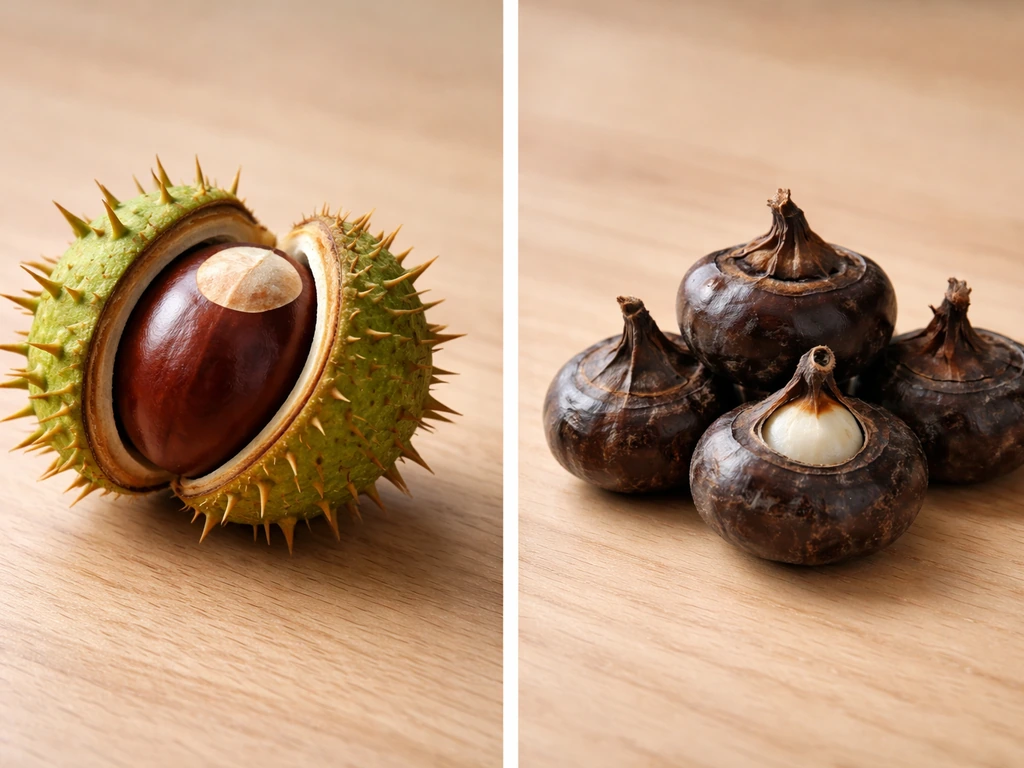
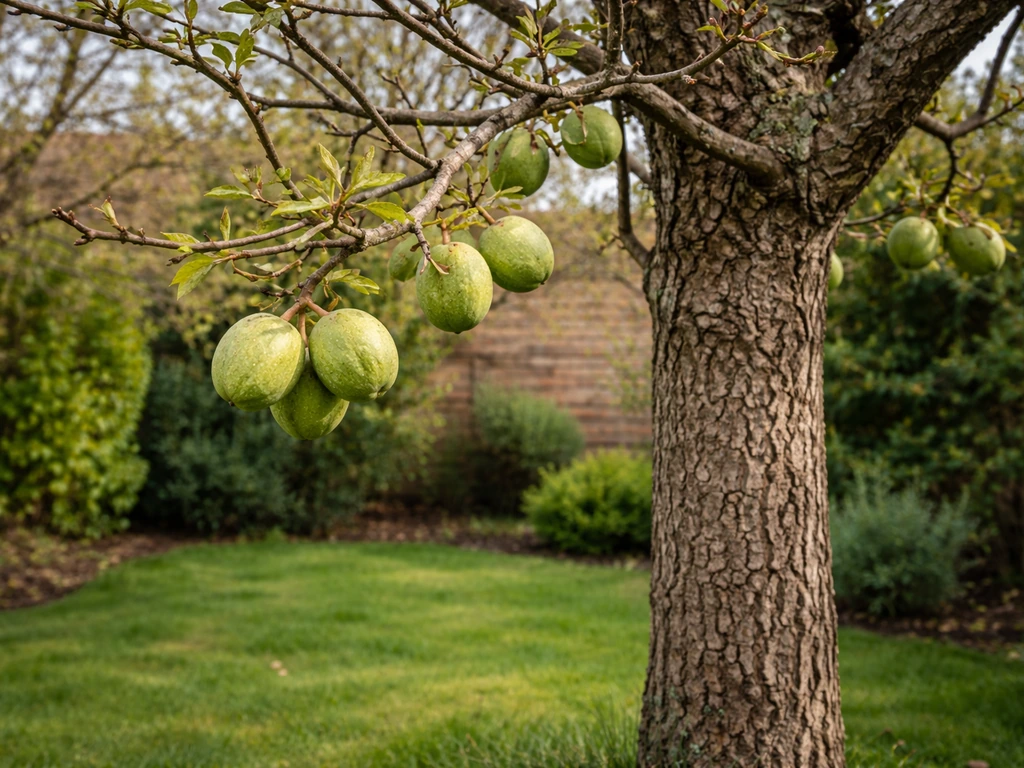
When most people say "horse chestnut," they mean Aesculus hippocastanum, the European horse chestnut. It's the big, stately tree with the distinctive spiky green husks and shiny brown seeds that kids love to collect in autumn. But here's where people get tangled up: horse chestnuts are not true chestnuts. The genus Aesculus (which also includes American buckeyes) is botanically unrelated to Castanea, the genus that covers the edible chestnuts you'd find at a holiday market. The seeds look superficially similar, which is how the name stuck, but they're from completely different plant families and the horse chestnut's seeds are toxic to humans.
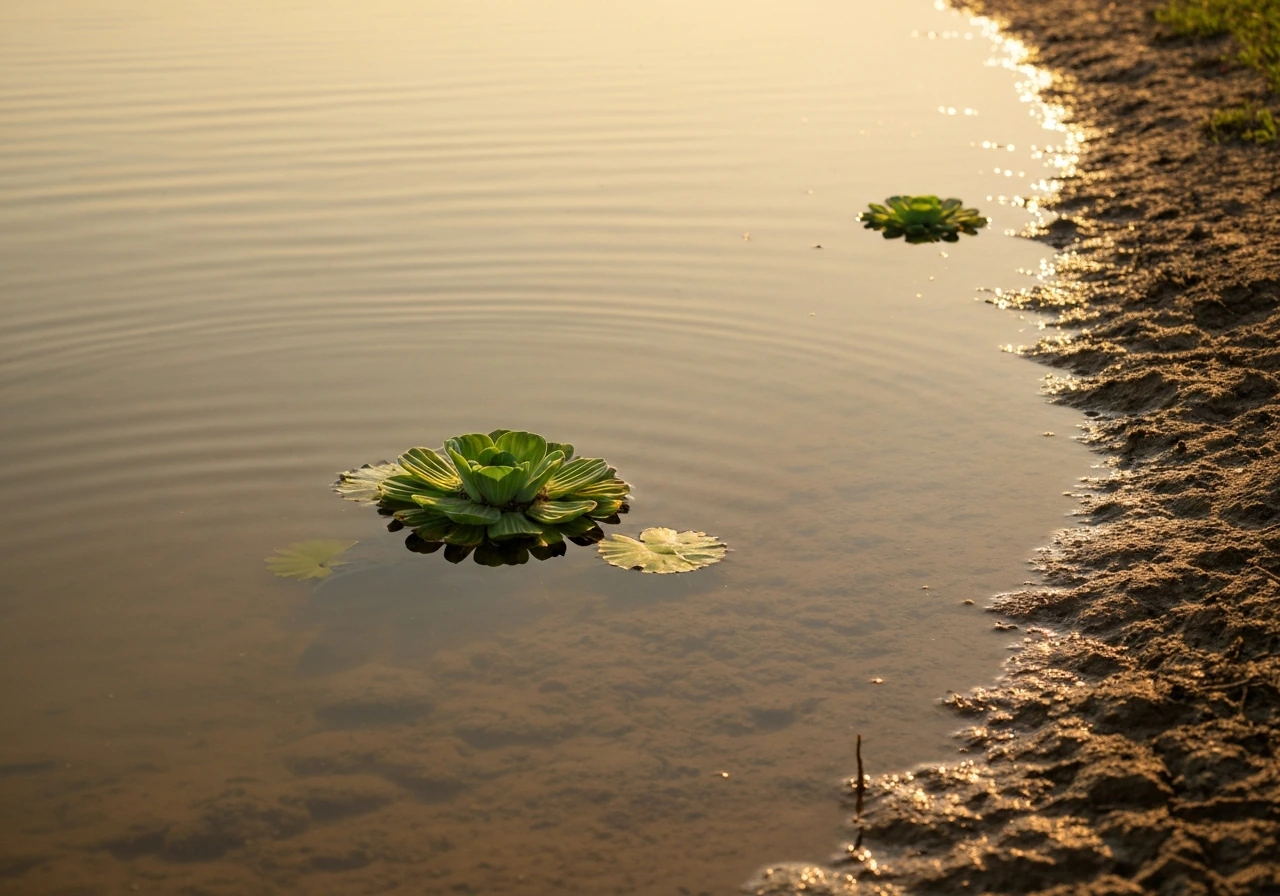
There's also a secondary confusion with water chestnuts, which aren't related to either. If you've been reading about where water chestnuts grow, you already know that Trapa natans is an aquatic plant with a completely different growth habit and origin story. The "chestnut" name is applied loosely across several unrelated species, so it's worth being precise about which one you're asking about before you start planning around it.
There's also the matter of other Aesculus species. Red buckeye, Ohio buckeye, yellow buckeye, and the red horse chestnut hybrid (Aesculus x carnea) all get called "horse chestnut" in casual conversation. For this article, we're focused on Aesculus hippocastanum, the species most people are actually asking about when they search this question.
Where horse chestnuts grow natively
The native range of Aesculus hippocastanum is genuinely small. According to research published in Acta Botanica Croatica, the natural distribution is restricted to the mountains of Greece, Albania, and North Macedonia, with one remote locality in Bulgaria. The European Atlas of Forest Tree Species describes it as a mesophytic broad-leaved tree native to only a few mountain areas. EU-Forest is a high-resolution dataset for Europe that integrates and extends publicly available information on European tree species occurrence and distribution, as described in a Nature Scientific Data paper. In its home territory, it grows in mixed deciduous forest on rocky slopes and ravines, typically at mid-elevations where moisture is reliable and temperatures are moderate.
The tree was essentially unknown to Western botanical science until 1596, when Clusius documented it in Vienna. By 1603 it had reached France, and by 1612 to 1615 it was established in Britain. The NPS notes it was introduced to North America specifically from Greece and Albania. So the tree's journey from a small Balkan mountain range to becoming one of the most recognizable park trees in the temperate world took only a few centuries. That's a pretty remarkable spread for a large deciduous tree.
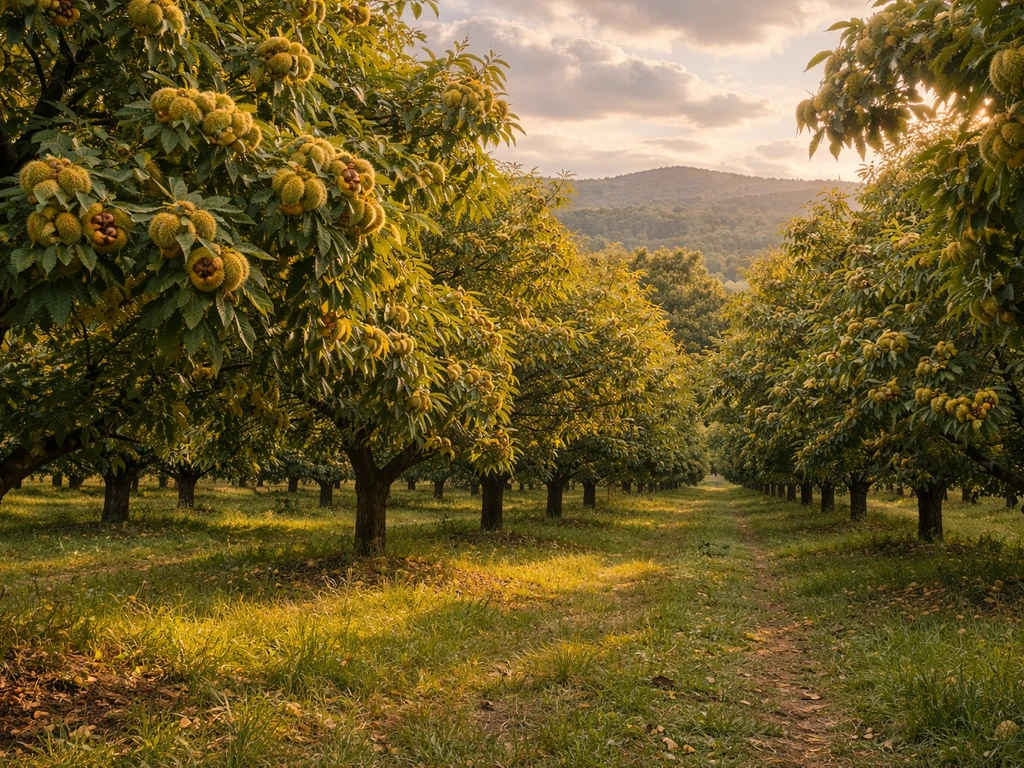
It's worth putting this in context compared to true chestnuts. If you want to understand where chestnuts grow in Europe, you'll find that the sweet chestnut (Castanea sativa) has a much broader native distribution, spanning the northern Iberian Peninsula, southern France, Italy, and the southern Balkans into Turkey and the Caucasus. Horse chestnut's native footprint is far smaller by comparison.
Do horse chestnut trees grow in America?
Yes, but not as a native species. Aesculus hippocastanum is described by Go Botany (Native Plant Trust) as introduced in North America and naturalized in places, meaning it has escaped cultivation and reproduces on its own in some areas. County-level distribution maps from BONAP show scattered records across much of the eastern and midwestern United States, along with parts of the Pacific Northwest. These occurrences are not a native population, they reflect decades of ornamental planting and, in some cases, local naturalization.
The Architect of the Capitol notes that the species is widely planted in parks and along streets in both Europe and North America. In American cities, you're most likely to spot horse chestnut trees in older neighborhoods in New England, the Mid-Atlantic, and the Midwest, places where Victorian and early 20th-century landscape design favored large, showy ornamental trees. Think older university campuses, estate grounds, and formal parks. Chicago's northern Illinois location falls squarely within its hardiness range, and the Morton Arboretum grows specimens there.
In the South and Southwest, horse chestnuts are uncommon. The heat and drought conditions in those regions push outside what the tree tolerates. In the Pacific Northwest, where summers are cool and moist, conditions are actually quite suitable, and you'll find horse chestnuts in older Seattle and Portland neighborhoods. Hawaii and Florida are non-starters. High-elevation parts of the Rockies might technically fall in the right temperature zone but usually have the wrong soil moisture profile.
Climate and soil: what horse chestnuts actually need
The Morton Arboretum and Kimmel Orchard both list Aesculus hippocastanum as hardy in USDA Hardiness Zones 3 through 7. NC State Extension's plant profile narrows it slightly to Zones 4a through 7b in practical growing terms. The lower end of that range (Zones 3 and 4) applies to young established trees that can handle cold winters, while the upper limit of Zone 7 reflects the tree's sensitivity to sustained summer heat.
Beyond winter hardiness, the climate that horse chestnuts prefer is temperate and moderately moist. They do best with cool to mild summers, adequate rainfall or irrigation, and well-drained but consistently moist soil. They are not drought-tolerant trees. In dry summers, leaf scorch appears by mid-August even in otherwise suitable zones. This sensitivity to heat and moisture stress is one reason they're much more common and healthy in the UK and northern Continental Europe than they are in the hotter, drier parts of the American range.
Soil-wise, horse chestnuts prefer deep, fertile, well-drained loam with a near-neutral to slightly acidic pH. They dislike waterlogged roots but equally struggle in shallow or sandy soils that dry out quickly. A site with good topsoil depth and reliable ground moisture, like near a stream or in a low-lying area with good drainage, tends to produce the best specimens.
One honest note about disease and pest pressure: in Europe, two serious problems have significantly reduced the health and lifespan of horse chestnut trees in recent decades. The horse-chestnut leaf miner (Cameraria ohridella) causes severe defoliation by late summer, and bleeding canker caused by Pseudomonas syringae pv. aesculi is a bacterial disease that can be lethal to Aesculus hippocastanum. Research published in MDPI has examined how these two problems interact and compound each other. In the U.S., these diseases are less widespread currently, but they're worth knowing about if you're investing in a long-term planting.
How to check if horse chestnut suits your specific location

Start with your USDA Hardiness Zone. If you're in Zones 3 through 7, you're in the right temperature window. You can confirm your zone at the USDA Plant Hardiness Zone Map site using your zip code. But zone alone doesn't tell the whole story. You also need to honestly assess your summer temperatures and soil moisture situation.
Ask yourself these questions before committing to a planting:
- Do your summers regularly push past 90°F (32°C) for extended periods? If yes, horse chestnut will struggle even in the right zone.
- Is your annual rainfall above 25 to 30 inches, reasonably distributed through the growing season? If not, plan for supplemental irrigation.
- Do you have deep, loamy soil with good drainage? Compacted clay or shallow sandy soil will limit success.
- Are you in Zone 7 or borderline Zone 8? You're at the edge of viability, and a particularly hot summer can cause significant dieback.
For a broader sense of what regions tend to support chestnut-type trees in general, it helps to look at how chestnut trees grow across different climate types, because the moisture and temperature requirements have some overlap even between different species. That said, true chestnuts tolerate a wider range than horse chestnuts do, so don't assume suitability automatically transfers.
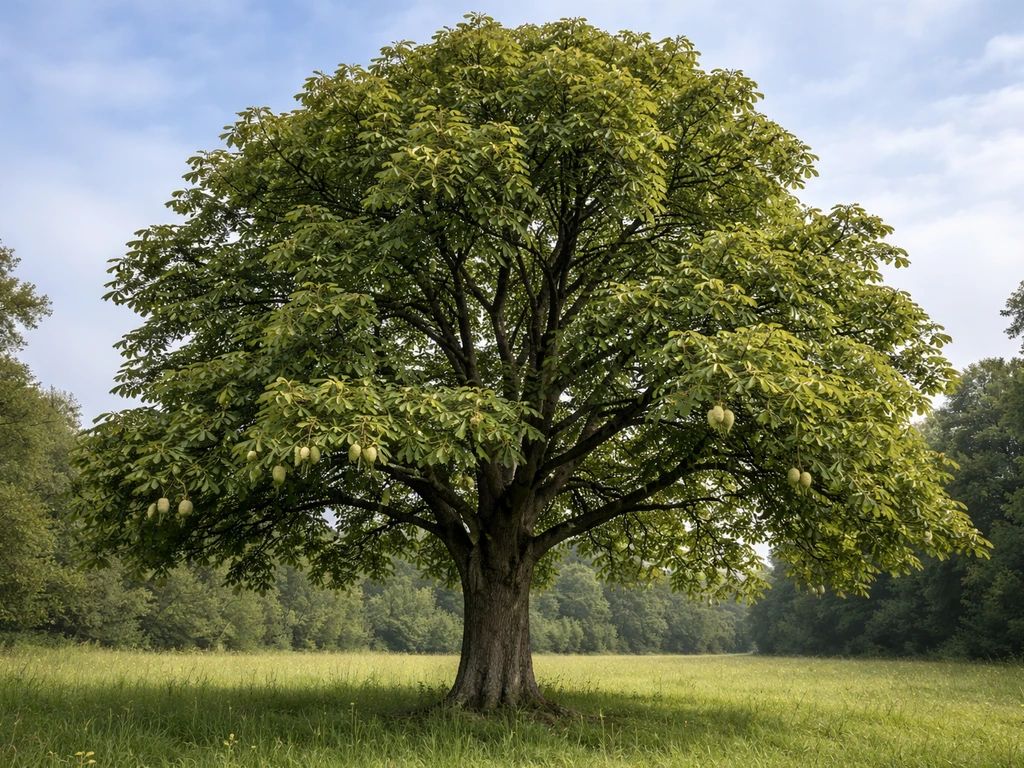
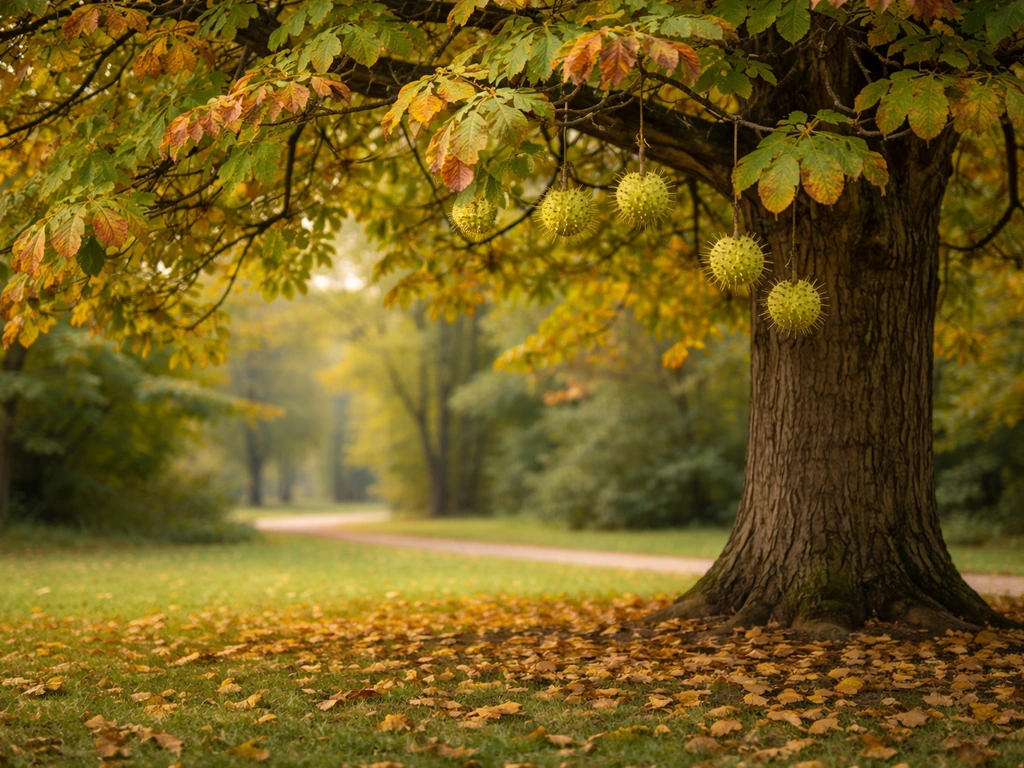
In terms of visual identification in the wild or in landscaping: look for a large tree (often 50 to 75 feet tall at maturity), with large palmate leaves made up of 5 to 7 leaflets, showy white flower spikes in late spring, and spiky green seed husks in autumn. The seeds inside are glossy brown with a distinctive pale patch. The leaf shape is unmistakable once you've seen it.
Horse chestnut vs. sweet chestnut at a glance
Since the name confusion is real and persistent, here's a side-by-side comparison of the two trees most commonly conflated:
| Feature | Horse Chestnut (Aesculus hippocastanum) | Sweet Chestnut (Castanea sativa) |
|---|---|---|
| Native range | Balkan mountains (Greece, Albania, N. Macedonia, Bulgaria) | Southern/central Europe, western Asia |
| Edibility of seeds | Toxic to humans | Edible, commercially important |
| USDA zones | 3 to 7 | 5 to 7 (varies by cultivar) |
| Leaf shape | Palmate compound (5–7 leaflets) | Simple, long, toothed |
| Husk appearance | Spiky, thick, green | Spiny burr, multiple seeds inside |
| Primary use | Ornamental | Food production and ornamental |
| Common U.S. locations | Parks, streets, older estates | Orchards, some naturalized areas |
If you're after an edible nut crop rather than an ornamental, you want Castanea, not Aesculus. You can read more about where sweet chestnuts grow to see how their range and requirements compare.
Finding or growing horse chestnuts: practical next steps
Finding existing trees
If you want to find horse chestnuts near you, start with older public spaces: established city parks, historic estate grounds, university campuses, and botanical gardens in Zones 4 through 7 are your best bets. In New England, the Mid-Atlantic states, the Great Lakes region, and the Pacific Northwest, they're fairly common in older plantings. iNaturalist and urban tree inventory tools for your city can help locate specific specimens. The BONAP county distribution map is also useful for seeing whether Aesculus hippocastanum has been recorded in your county.
Growing one yourself
Horse chestnuts can be grown from seed, and the seeds are easy to collect in autumn when they fall from existing trees. According to UF/IFAS propagation data, seeds should be collected fresh in autumn and sown relatively soon, as they don't store well when dried out. They're large seeds with good germination rates when fresh. Cold stratification (keeping seeds cool and moist over winter, either naturally outdoors or in a refrigerator in moist medium) improves spring germination. In r/NativePlantGardening Q&A threads, users also discuss how cold stratification schedules work and why using fresh, high-quality seed matters for germination blank" rel="noopener noreferrer">Cold stratification improves spring germination.
For planting location, choose the sunniest spot you have that also holds reasonable moisture. Full sun to partial shade works, but deep shade limits flowering and overall vigor. Give the tree plenty of space: a mature horse chestnut can spread 40 to 70 feet wide. Planting too close to a structure or pavement is a common mistake given how massive these trees become.
Expect slow establishment in the first two to three years and be ready to water through dry spells. Once established, they're reasonably self-sufficient in Zones 4 through 6 with adequate rainfall. Growth rate is moderate, typically 13 to 24 inches per year in good conditions. You're looking at 10 to 20 years to a tree that makes a real statement in the landscape.
If you're comparing this to true chestnuts and trying to decide which species fits your situation better, it's worth understanding where chestnuts grow more broadly, since Castanea species have different zone tolerances and soil preferences that may suit your site better, especially if you're in a warmer or drier part of the country.
Bottom line: horse chestnuts are a rewarding ornamental tree if you're in the right zone and have the space. They're not for hot, dry climates or small yards. But if you're in the northern half of the country with decent soil and summer rainfall, there's a good chance one is already growing somewhere in your city, and you could grow one yourself without much drama.
FAQ
If I find horse chestnuts growing wild in my county, are they truly native there?
In the United States, horse chestnut (Aesculus hippocastanum) is considered introduced and naturalized in scattered places, meaning the trees you see today are usually the result of long-term ornamental planting rather than native forest growth. That distinction matters for expectations about local adaptation and for how you interpret county records.
Can I grow horse chestnuts if my USDA zone is within 3 to 7, but my summers are hot?
A common mistake is relying on winter hardiness alone. Even in a zone that fits on paper, repeated hot, dry summers can trigger leaf scorch and weaker flowering because the tree needs cool to mild summers plus consistently available moisture. If your area has low summer rainfall or frequent irrigation constraints, you may need to rethink the site or plan on supplemental watering.
What kind of soil moisture is best, and is extra watering always helpful?
Yes, but “watered” should mean consistent moisture, not soggy soil. Horse chestnut roots can struggle in waterlogged conditions, so aim for well-drained ground with near-neutral to slightly acidic soil and water deeply during dry spells, especially in the first 2 to 3 years while the tree establishes.
How far should I plant a horse chestnut from sidewalks, foundations, or driveways?
Planting near pavement is a frequent problem not because of roots immediately, but because the area often turns into heat-retaining, uneven moisture ground. If you must plant by sidewalks or driveways, leave generous distance and choose a spot where rain can infiltrate and the root zone can stay cool rather than baking in summer.
Why don’t horse chestnut seeds germinate well when I plant them?
Horse chestnut seeds do not store well when dried out, so collecting too early or letting them dry before sowing often leads to low germination. The practical approach is to sow soon after collection, then use cold stratification (outdoor or refrigerated with moist medium) if you cannot sow immediately.
Can I grow horse chestnuts for edible nuts?
If your goal is nuts or edible “chestnuts,” horse chestnut (Aesculus) is the wrong tree. For edible nuts, you want true chestnuts (Castanea), which have different growth needs and seed chemistry. Horse chestnut seeds are toxic to people, even though they look similar to chestnuts in autumn.
What are the most common mix-ups when identifying horse chestnuts in landscapes?
If you are trying to tell whether you have the European horse chestnut or another look-alike, focus on the palmate leaf structure and the classic seed husks. Water chestnut is an aquatic plant with very different growth, and true chestnuts (Castanea) are a different genus with different leaves and fruit structure, so identification should start with the leaves and overall tree habit, not just the “nut” appearance.
Do horse chestnuts fail because of disease, or is it mostly climate stress?
In disease-prone areas, the tree can still survive but may decline faster when both stress and pests align. Leaf miner can cause heavy defoliation late in summer, and bleeding canker can be severe, so healthy, non-stressed trees (adequate moisture, good drainage, correct site) tend to handle pressure better than trees planted in marginal heat or drought spots.
What should I do if I’m right on the edge of the recommended climate for horse chestnuts?
For someone on the edge of the suitable climate range, the best decision aid is to check your hottest months and your ability to maintain soil moisture. If you cannot provide irrigation during dry spells or you routinely hit long stretches of high heat, you may still plant successfully only if you pick a cooler microclimate location (like a site with morning sun, nearby water features, or natural shade) and monitor closely the first few years.