Water chestnuts grow naturally across a wide swath of the Old World, from Europe through Asia and into Africa, wherever shallow, warm, slow-moving freshwater meets soft, nutrient-rich sediment. USGS also describes Trapa natans habitat in North America as shallow (less than 3 meters) nutrient-rich lakes, ponds, canals, and slow-moving rivers and streams [shallow, warm, slow-moving freshwater](https://nas. er. usgs.
Where Does Water Chestnut Grow and How It Grows
Marcus Hendricks
4 Apr 2026
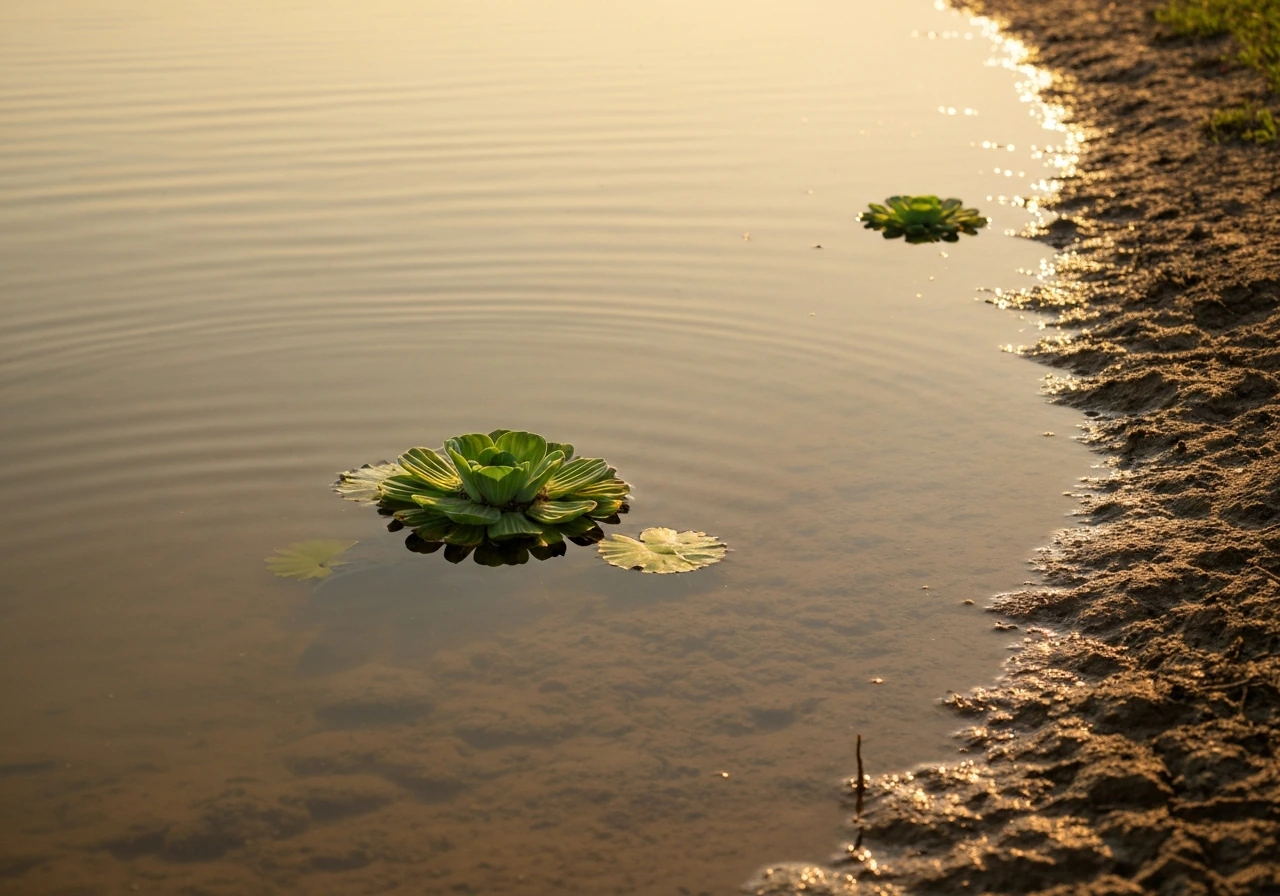
gov/queries/greatlakes/FactSheet. aspx? Species_ID=263). If you're picturing a chestnut tree, stop right there, because water chestnuts are a completely different organism.
They're aquatic plants that spend their entire lives rooted in pond mud, and what you eat is an underground corm or tuber, not a nut at all. Once you understand that distinction, figuring out where they grow, and whether you can grow them yourself, becomes a lot more straightforward.
Water chestnut vs. actual chestnuts: let's clear this up first
The name 'water chestnut' gets applied to two very different plants, and the confusion causes real problems when you're trying to figure out growing conditions. The first is the aquatic plant in the genus Trapa (Trapa natans and related species), which produces floating rosettes on the water surface and edible tubers in the sediment below. The second is Eleocharis dulcis, a tropical sedge, also called water chestnut, that's widely grown in East Asian rice paddies and produces the crunchy white corms you find in canned Asian cooking. This article focuses on both of these aquatic plants together, since both grow in water rather than soil, and neither is related to the true chestnut trees you'll read about elsewhere on this site.
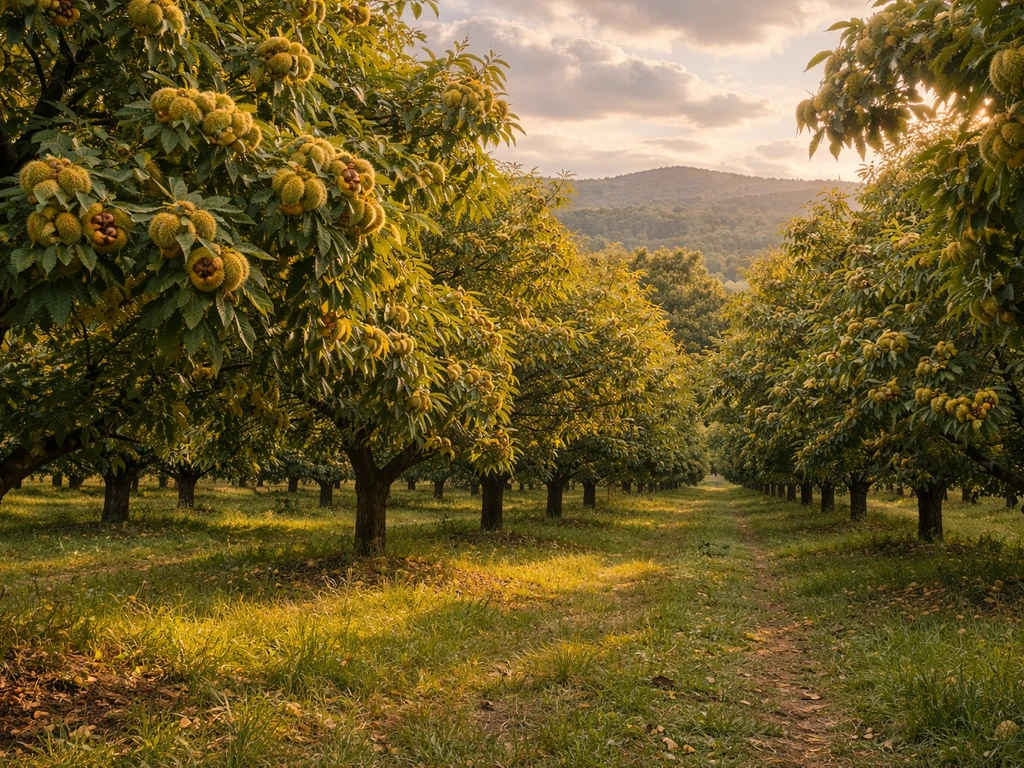
True chestnuts, the kind that grow on trees, are a completely separate category. If you're curious how those compare geographically, the breakdown of where chestnut trees are found around the world covers that well. The short version: tree chestnuts grow in temperate forest zones on dry land. Water chestnuts grow in ponds. The overlap in naming is purely coincidental.
Where water chestnuts grow naturally
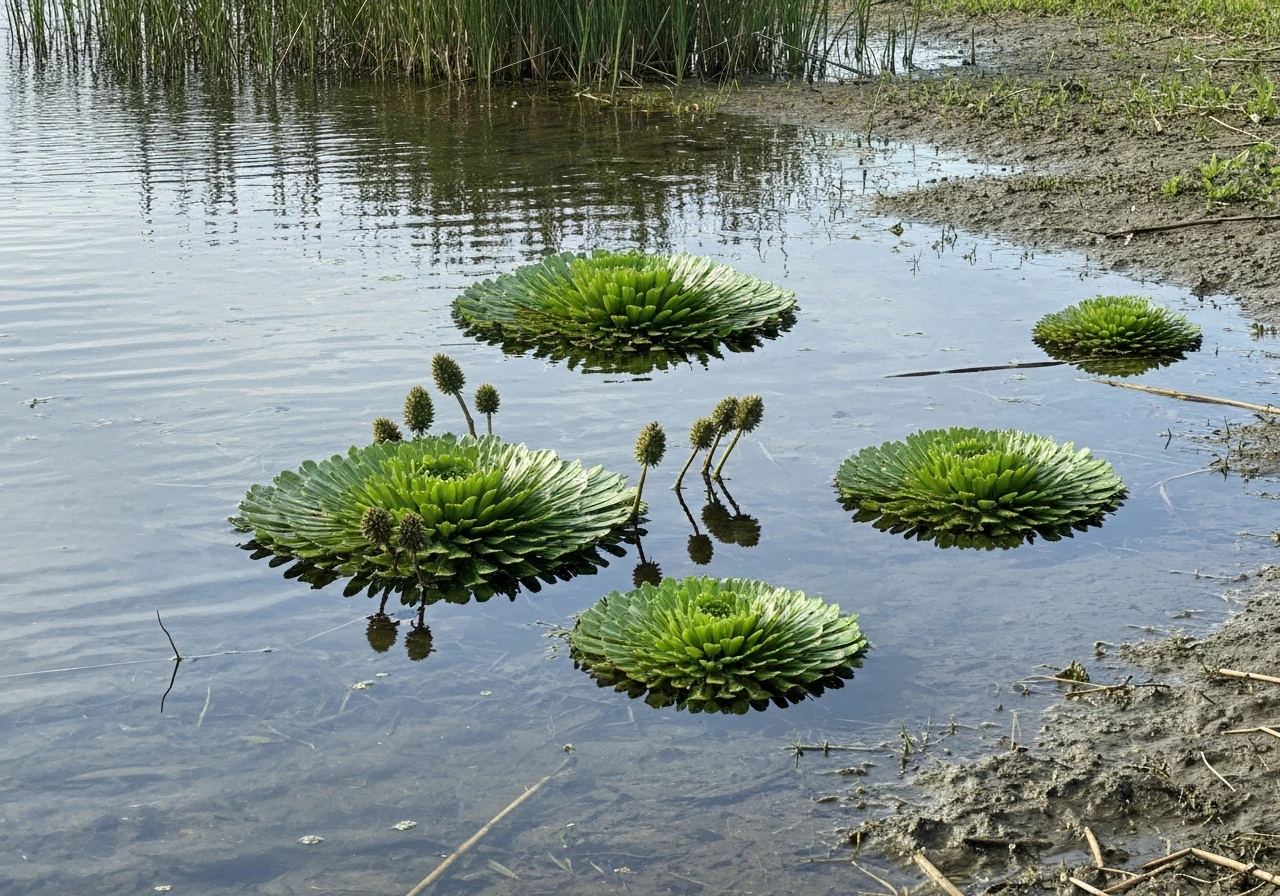
Trapa natans, the water chestnut you're most likely to encounter in wild populations, is native to the Old World. Its natural range spans Europe, Asia, and parts of Africa. Kew's Plants of the World Online confirms this broad native distribution, with occurrence records covering temperate and subtropical wetlands across those three continents. In Europe, wild populations were historically found in central and southern regions, including Italy, France, parts of Germany, and eastward into Russia and Ukraine. In Asia, the plant is native across a wide band from Turkey and the Middle East through South and Southeast Asia, into China and Japan. In Africa, it appears in parts of northern and sub-Saharan Africa where suitable freshwater habitats exist.
Eleocharis dulcis (the crunchy white-cored corm sold in Asian markets) has a native range centered more firmly in tropical and subtropical Asia, particularly China, Southeast Asia, and Australia. It's cultivated extensively in southern China, where it's been a food crop for thousands of years. Both types thrive in warm, shallow water, but Eleocharis dulcis needs consistently high temperatures and is far more sensitive to cold than Trapa natans. Encyclopaedia Britannica describes Chinese water chestnut (Eleocharis dulcis) as widely cultivated in Asia for its edible corms that remain crisp after cooking.
In North America, Trapa natans is technically an introduced species, arriving in the late 1800s, and it has naturalized aggressively in the northeastern United States, particularly in the Hudson River Valley and parts of New England. This invasive success tells you something important: the climate conditions of temperate North America suit it just fine. Understanding where it spreads helps you understand what it needs.
Exactly what habitat do they need?
Water chestnuts are not flexible about their core requirements. Get these wrong and the plant won't establish. Get them right and you'll have more growth than you bargained for.
Water type and movement
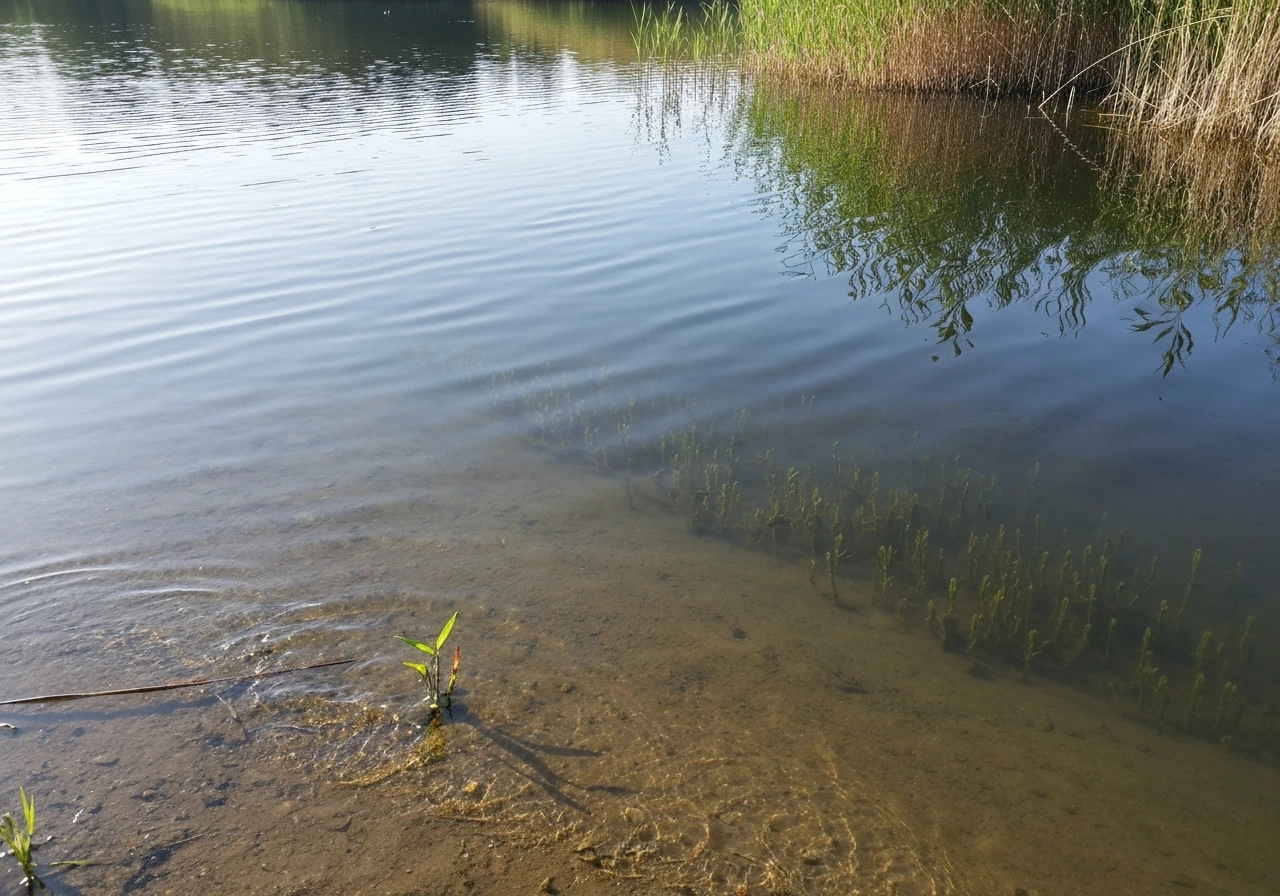
Both Trapa and Eleocharis need freshwater. Salt, even at low concentrations, will kill them. They do best in still or very slow-moving water, think ponds, lake margins, flooded rice paddies, slow backwaters, and wetland areas with minimal wave action or current. Fast-flowing streams or rivers are off the table. The plant anchors to the bottom sediment with fine roots, and any significant current will uproot or damage young plants before they establish.
Water depth
Depth matters a lot. Trapa natans grows best in water between 1 and 3 meters deep (roughly 3 to 10 feet), though it can tolerate shallower conditions. Eleocharis dulcis, the cultivated corm type, prefers much shallower water, typically 10 to 30 centimeters (4 to 12 inches), since it needs the corm to form at or just below the soil surface where it's accessible at harvest. If you're growing Eleocharis in a paddy system, you're essentially managing a very shallow flooded bed, not a deep pond.
Sediment and bottom type
The bottom substrate makes or breaks establishment. Both types need soft, muddy, nutrient-rich sediment with good organic matter content. Sandy or gravelly bottoms won't hold the roots properly and won't deliver enough nutrients. A naturally silty pond bottom or a deliberately built paddy bed with added organic matter gives the best results. For Eleocharis cultivation, growers typically work the soil to a depth of 15 to 20 centimeters before flooding, ensuring loose, workable mud that the corms can push into as they form.
Temperature
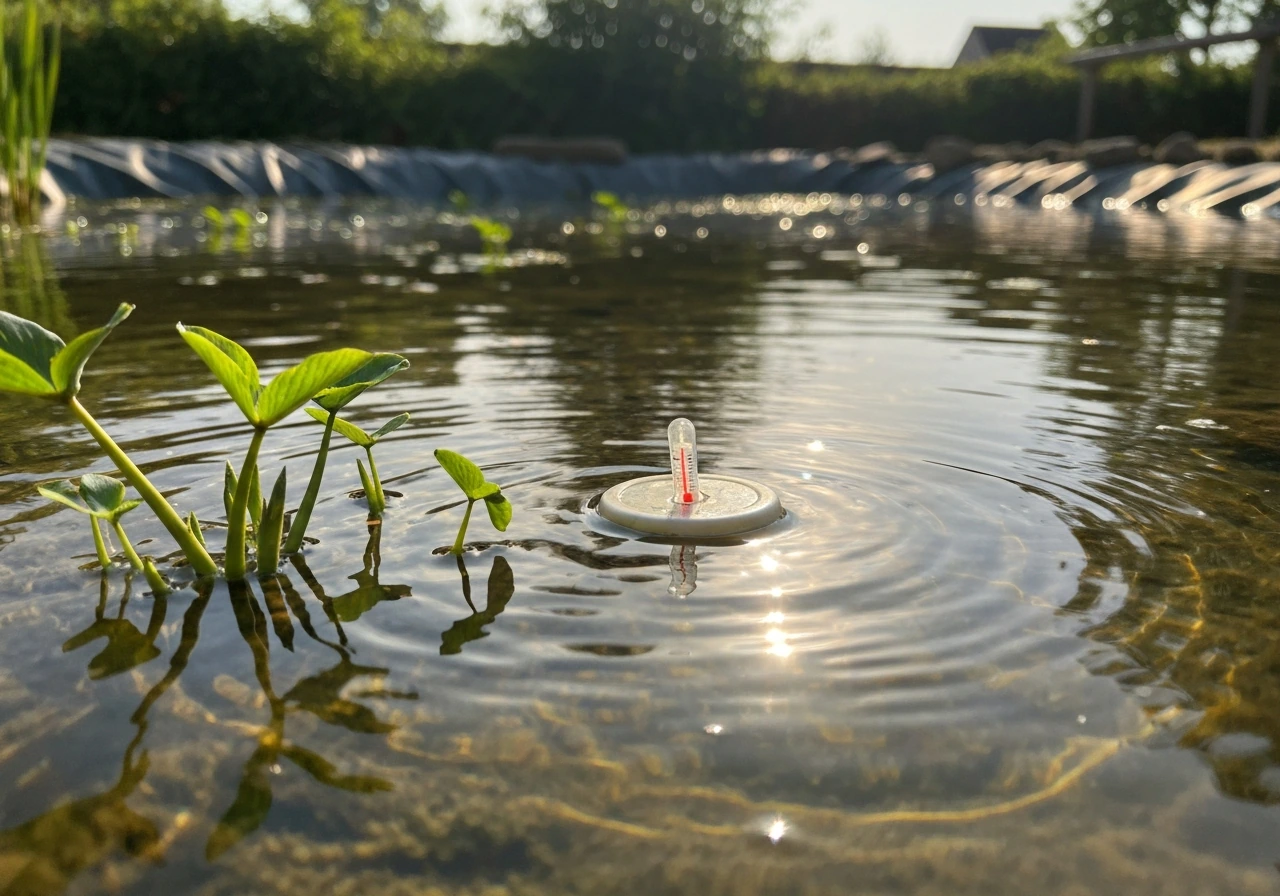
This is the biggest limiting factor for most growers outside the traditional range. Trapa natans germinates when water temperatures reach roughly 15 to 20 degrees Celsius (59 to 68 degrees Fahrenheit) and grows actively through summer. It's an annual in temperate climates, dying back in autumn. The nuts (seeds) overwinter in the sediment and germinate again the following spring. Eleocharis dulcis is more demanding: it needs water temperatures consistently above 20 to 25 degrees Celsius (68 to 77 degrees Fahrenheit) during the growing season, and it won't tolerate frost at all. This pushes Eleocharis cultivation firmly into USDA zones 9 through 12 or into greenhouse/controlled conditions in cooler zones.
Sunlight
Full sun is non-negotiable. Water chestnuts are surface-floating or emergent plants, and they need direct sunlight for the majority of the day to photosynthesize efficiently and form tubers. Shaded ponds, or locations where overhanging trees block summer sun for more than a few hours daily, will produce poor yields. At minimum, aim for 6 to 8 hours of direct sun on the water surface.
How water chestnuts actually grow
Understanding the growth cycle helps you time planting correctly and recognize when things are going well or going wrong.
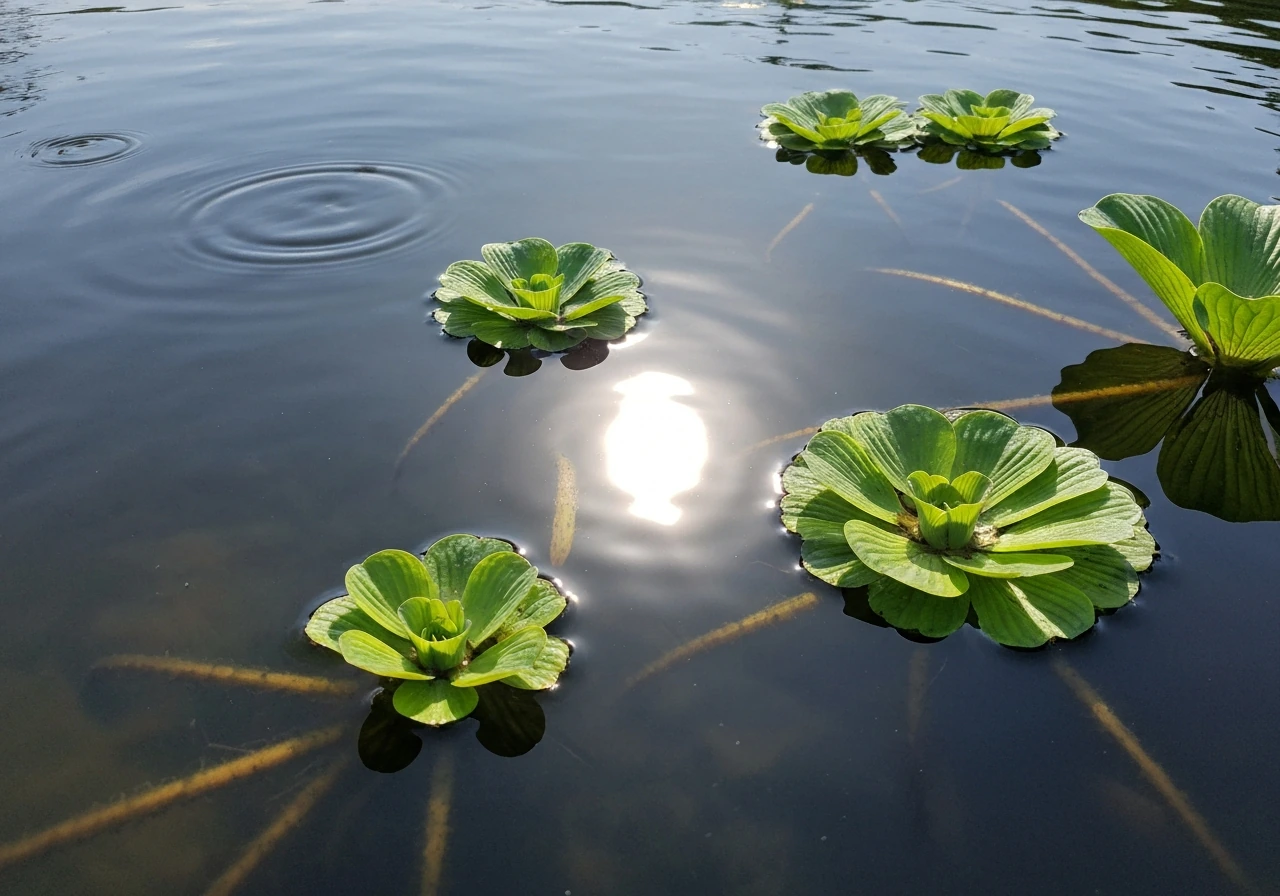
For Trapa natans, the cycle begins in spring when overwintered seeds germinate in the warm sediment. The seedling sends up a stem that reaches the water surface, where it forms a distinctive floating rosette of triangular, serrated leaves. The rosette is buoyant because the leaf petioles are inflated and air-filled. Small white flowers emerge from the center of the rosette through summer. After pollination, the flowers sink below the surface and develop into the characteristic hard, horned seed cases (the 'water nuts' or 'ling nuts' eaten in parts of Asia). Each plant typically produces 10 to 15 of these hard-shelled fruits in a season.
For Eleocharis dulcis, the cycle is different. You start by planting corms or small plant divisions in late spring once water temperatures are reliably warm. The plant sends up upright, hollow green stems that look like rushes, reaching 1 to 1. 5 meters tall.
Underground, the plant spreads through stolons (horizontal runners), and at the tips of these stolons, corms form in the sediment during late summer and autumn as day length shortens and the plant shifts energy from leaf growth to storage. The corms are typically 2 to 4 centimeters in diameter and sit just below the soil surface. You harvest them in late autumn after the above-ground stems die back, digging through the mud to collect them.
It's messy, time-consuming work, and you should expect it to take a full growing season, roughly 6 to 9 months from planting to harvest.
Which climates and zones work best
The practical answer depends on which type of water chestnut you're growing.
| Factor | Trapa natans (Water nut) | Eleocharis dulcis (Corm type) |
|---|---|---|
| Native range | Europe, Asia, Africa (temperate to subtropical) | Tropical/subtropical Asia, Australia |
| USDA zones | 5 to 10 (as annual) | 9 to 12 (perennial); zones 7–8 with protection |
| Min. water temp to grow | 15°C (59°F) | 20–25°C (68–77°F) |
| Frost tolerance | Seeds survive frost; plant dies back | None; frost kills corms |
| Growing season needed | 4 to 6 months | 6 to 9 months |
| Best water depth | 1 to 3 meters | 10 to 30 cm |
| Sediment requirement | Silty, organically rich | Soft, muddy, cultivated paddy bed |
| Sunlight requirement | Full sun (6+ hours) | Full sun (6–8+ hours) |
If you're in a temperate climate, zones 5 through 8, Trapa natans is your realistic option. It completes its full life cycle in a single warm season and the seeds survive winter in the mud, so once established in a suitable pond you may not need to replant. In the southeastern United States, parts of California, and anywhere with long, warm summers and mild winters, Eleocharis dulcis is achievable outdoors. In cooler climates, some growers have had success with Eleocharis in large containers or raised paddy beds that can be partially temperature-controlled, but it's a real commitment.
Europe has its own interesting native distribution to consider. Trapa natans was historically much more widespread across central Europe than it is today, having declined significantly due to water quality changes and habitat loss. The geographic spread of chestnuts across European climates makes for an interesting contrast, as tree chestnuts covered many of the same broad regions but in completely different habitats. The two plants sometimes grew within a few kilometers of each other, one in the forest, one in the pond, which is a useful reminder of how differently these 'chestnuts' operate.
How to check if your local water can support them
Before you spend a season trying this, run through these checks on your specific site. A pond or water body that ticks all these boxes is a genuine candidate.
- Test water salinity: freshwater only. Even brackish conditions (more than 0.5 ppt salinity) will prevent establishment. A basic aquarium salinity test kit works fine.
- Measure water depth across the growing area: for Trapa you need 1 to 3 meters of open water; for Eleocharis you need a shallow zone of 10 to 30 cm that you can actually manage.
- Assess current and movement: wade in or float a stick. If it drifts at walking pace or faster, the current is too strong for Trapa. For Eleocharis paddy culture, you're controlling the water yourself so this is less of an issue.
- Check sediment quality: push your hand into the bottom. It should sink into soft mud, not compact clay or sand. If there's a layer of organic muck, that's ideal.
- Count your frost-free days and record summer water temperatures: Trapa needs at least 4 consecutive months of water temps above 15°C. Eleocharis needs 6 months above 20°C. If your pond doesn't warm up enough or cools too early, your season is too short.
- Evaluate sun exposure: stand at the water's edge at midday in early summer and look honestly at shade coverage. Overhanging trees, buildings, or steep banks shading the water surface for more than 4 hours a day will limit tuber yield significantly.
- Check for invasive species regulations: in many US states and several European countries, Trapa natans is listed as an invasive species and its cultivation or introduction to natural water bodies is regulated or prohibited. Always check local environmental agency rules before planting in any natural waterway.
Practical next steps and the pitfalls to avoid
If your site checks out, here's how to approach actually growing them, along with the mistakes I see most often.
Sourcing the right type for your region
Match the plant to your climate honestly. Don't try to grow Eleocharis dulcis outdoors in zone 6 without a controlled paddy setup; you'll be harvesting nothing but disappointment in October. For temperate growers, Trapa natans seeds (the horned nuts themselves) can sometimes be sourced from Asian grocery stores where they're sold fresh or dried, though viability varies. Make sure any seeds you plant have been stored in water or moist conditions, as they lose viability quickly if allowed to dry out.
Timing and planting
For Trapa, drop the seeds into the sediment in spring once water temperature at the bottom consistently reads above 15°C. Don't rush this. Cold water stalls germination and seeds can rot. For Eleocharis, plant corms in late spring when water is reliably warm, usually after your last frost date plus 4 to 6 weeks. Space corms about 30 centimeters apart in the paddy bed and maintain 10 to 15 centimeters of water above the soil surface through the growing season.
Common pitfalls
- Planting too early: cold water delays germination and increases rot risk. Wait for consistently warm water temperatures before introducing seeds or corms.
- Wrong water depth: Trapa planted in a shallow 20 cm garden pond won't thrive; Eleocharis planted in a deep pond will fail to form accessible corms.
- Neglecting sediment quality: adding compost or aged manure to a paddy bed before flooding significantly improves corm yield for Eleocharis. Skipping this step is one of the most common reasons for poor harvests.
- Underestimating spread: Trapa natans can carpet a pond surface completely within a season, blocking light to everything below. In a closed garden pond this can crash your water ecosystem. Plan for manual thinning.
- Drying out stored seeds or corms: Trapa seeds die if they dry out. Store them submerged in water in a cool location over winter if you're carrying them over from one season to the next.
- Ignoring legal restrictions: introducing Trapa to natural water bodies without checking local regulations is a serious mistake in many regions. Stick to contained systems like garden ponds or paddy beds if you're in a regulated area.
How this compares to growing actual chestnut trees
Since you're on a site focused on nut growing, it's worth being direct: water chestnuts are far more labor-intensive per harvest than nut trees, and the infrastructure required (a suitable water body or paddy system) is a much bigger barrier than planting a tree in good soil. Where chestnuts grow on dry land covers a much broader range of climates and soil types than water chestnuts require. If you're weighing options and don't already have a suitable pond or flooded bed, a true chestnut tree will almost certainly be more practical for your property.
That said, if you have the right water conditions, Trapa natans in particular is genuinely interesting to grow and requires almost no inputs once established in a warm, sunny pond. It's the Eleocharis paddy system that demands real commitment, careful water management, and the right climate zone. Sweet chestnuts and water chestnuts sit at opposite ends of the growing complexity spectrum in different ways: the tree is a long-term investment in the right soil, the aquatic plant is a seasonal commitment in the right water. Neither is 'easy,' they just have very different requirements.
One last point worth making: if you're drawn to the water chestnut question partly because you're curious about the broader chestnut family, it helps to know that even among true chestnuts, there's significant variation in where they grow. Horse chestnuts, for example, have a completely different native range and habitat than sweet chestnuts, despite sharing a common name, much like the situation with water chestnuts. Names mislead; habitat requirements don't.
FAQ
Where does water chestnut grow naturally, in terms of habitat type?
It grows in shallow, warm freshwater settings such as ponds, lake margins, flooded rice paddies, and slow backwaters, where plants can anchor in soft, muddy sediment. It does not thrive in fast rivers or areas with noticeable wave action.
Can water chestnuts grow in brackish or salty water?
No. Even low salt levels can kill Trapa and Eleocharis. If your water source is influenced by coastal tides, test salinity first and avoid using it for growing beds.
What water temperature is required for water chestnuts to start growing?
Trapa natans typically needs bottom water temperatures around 15 to 20°C to germinate and begin active growth. Eleocharis dulcis requires consistently warmer conditions, roughly above 20 to 25°C during the growing season, and it will not tolerate frost.
Do water chestnuts need full sun, or will partial shade work?
They need direct sun for most of the day. If overhanging trees or heavy shade block more than a few hours of summer sunlight, yields drop because the plants are surface-floating or emergent and depend on strong light for photosynthesis and storage formation.
What depth of water should I aim for, depending on the type?
Trapa natans does best around 1 to 3 meters deep. Eleocharis dulcis needs much shallower water, usually about 10 to 30 centimeters, because the edible corms form at or just below the soil surface for harvest.
Does the bottom soil matter for getting tubers or corms?
Yes, establishment depends on soft, nutrient-rich mud. Sandy or gravel bottoms reduce root anchoring and nutrient availability, and you may get weak growth or no usable harvest. A naturally silty pond bottom or an amended paddy bed works best.
Why do people fail when trying to grow water chestnuts outside the native range?
The most common issues are cold water for too long (especially for Eleocharis), using the wrong water movement (currents uproot young plants), and starting with the wrong depth or substrate texture. Even if the plant survives, these factors often prevent proper tuber or corm development.
Are the “water chestnuts” sold in grocery stores all the same plant?
No. Canned Asian “water chestnuts” are usually Eleocharis dulcis, while other products or wild-harvest references may refer to Trapa species. Check which species your source is describing before trying to match growing conditions.
Can I grow water chestnut in a container instead of a pond?
Trapa can be adapted to a contained pond or large water tub if you can maintain warm, still or very slow water and a muddy substrate. Eleocharis is more likely to require controlled temperatures and careful shallow water management, often making containers more complex than they sound.
Do water chestnuts come back every year, or do you replant?
In temperate climates, Trapa natans is often treated as an annual that regrows because seeds overwinter in sediment. If you do not get seed set, you may still need to reintroduce planting material later.
How can I tell if my plants are actually establishing versus just surviving?
For Trapa, look for a floating rosette stage and later formation of the submerged horned seed cases, rather than only surface leaves. For Eleocharis, successful establishment shows up as vigorous rush-like stems and later corm formation near the soil surface, followed by dieback at the right time.