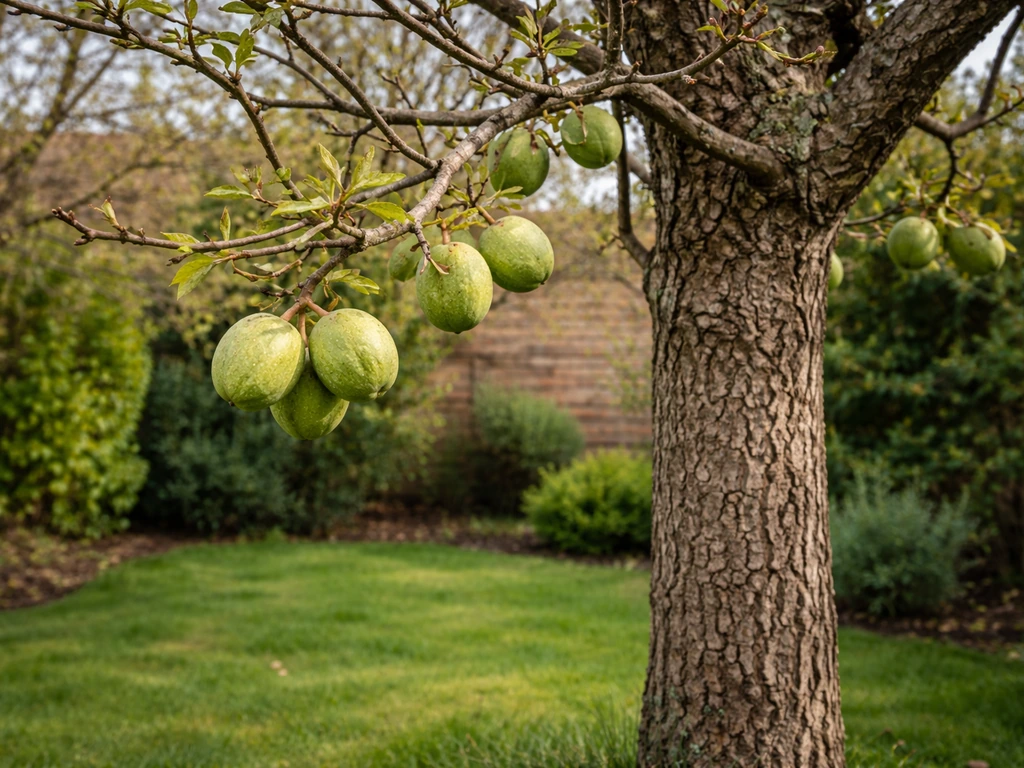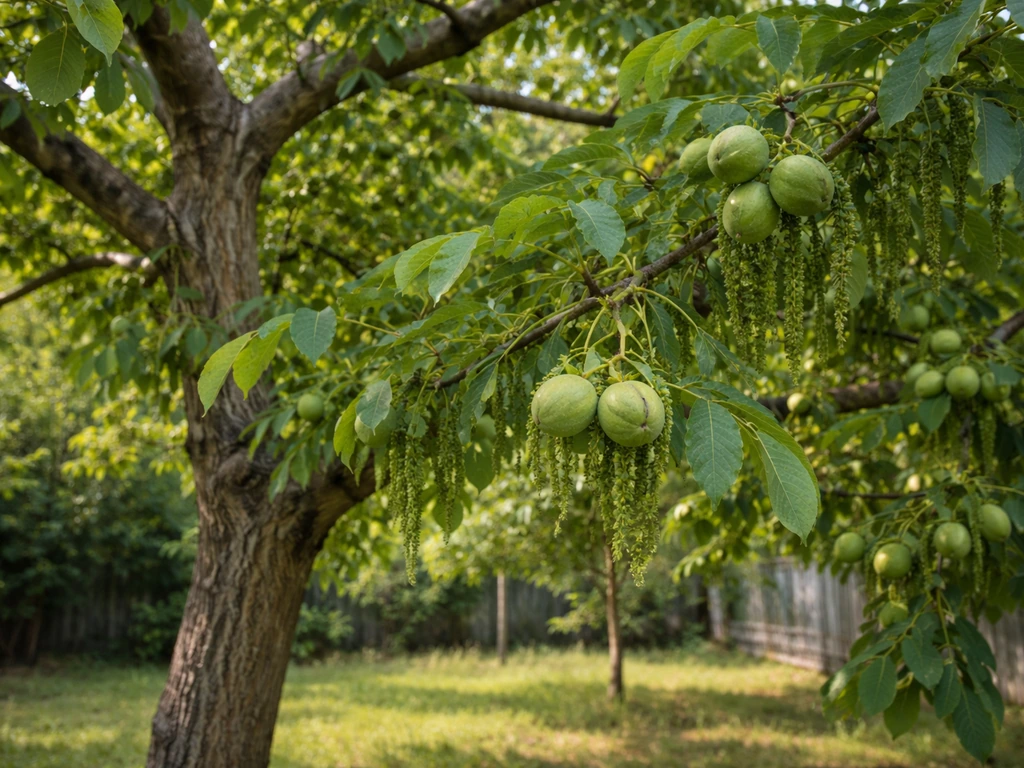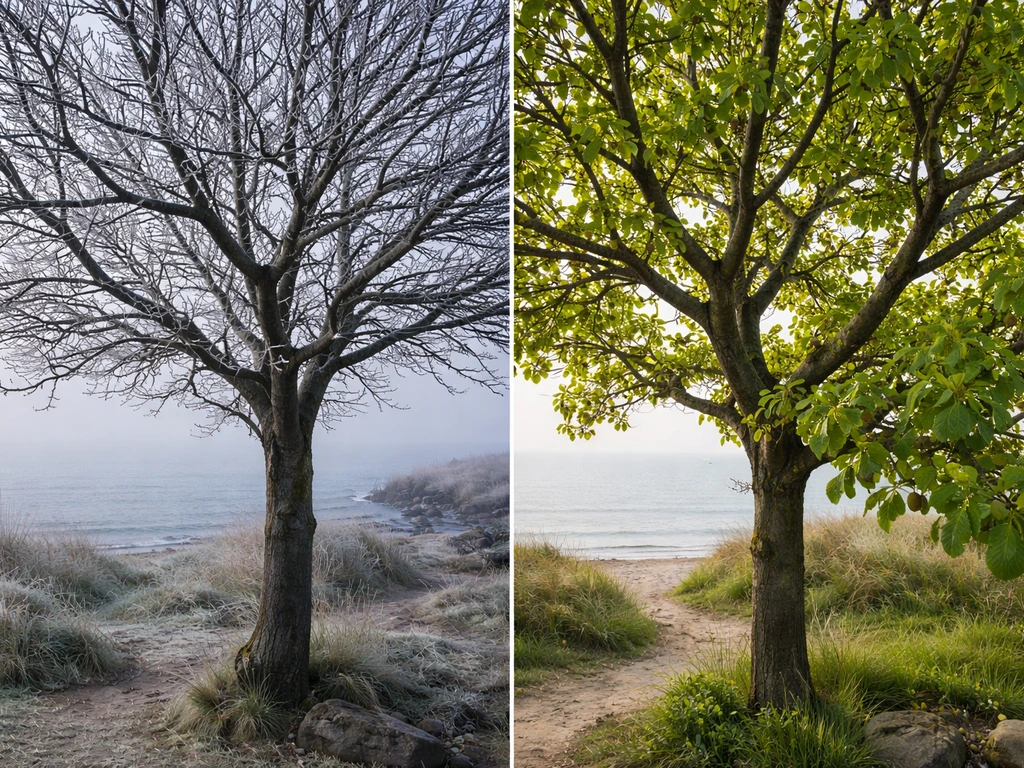
Chestnuts grow on trees in the genus Castanea, and those trees are native to three main regions of the world: eastern North America, Europe and western Asia, and East Asia (primarily China, Korea, and Japan). The USDA Forest Service notes that the genus Castanea includes deciduous chestnut species found in southwestern and eastern Asia, southern Europe, North Africa, and the eastern United States. If you want to grow chestnuts yourself, the species you choose depends almost entirely on where you live, what winters look like, and what your soil is doing. The short answer is that chestnuts can be grown across a wide swath of the temperate world, but matching the right species to your specific climate is what separates a productive tree from a frustrating one.
Where Does Chestnut Grow Best By Species and Climate
Chestnut tree species basics
All edible chestnuts come from the genus Castanea, a group of deciduous trees in the beech family (Fagaceae). There are four species that matter most for growers: American chestnut (Castanea dentata), European or sweet chestnut (Castanea sativa), Chinese chestnut (Castanea mollissima), and Japanese chestnut (Castanea crenata). Each one produces edible nuts enclosed in a spiny bur, and each one has a distinct native range, cold-hardiness profile, and growing character.
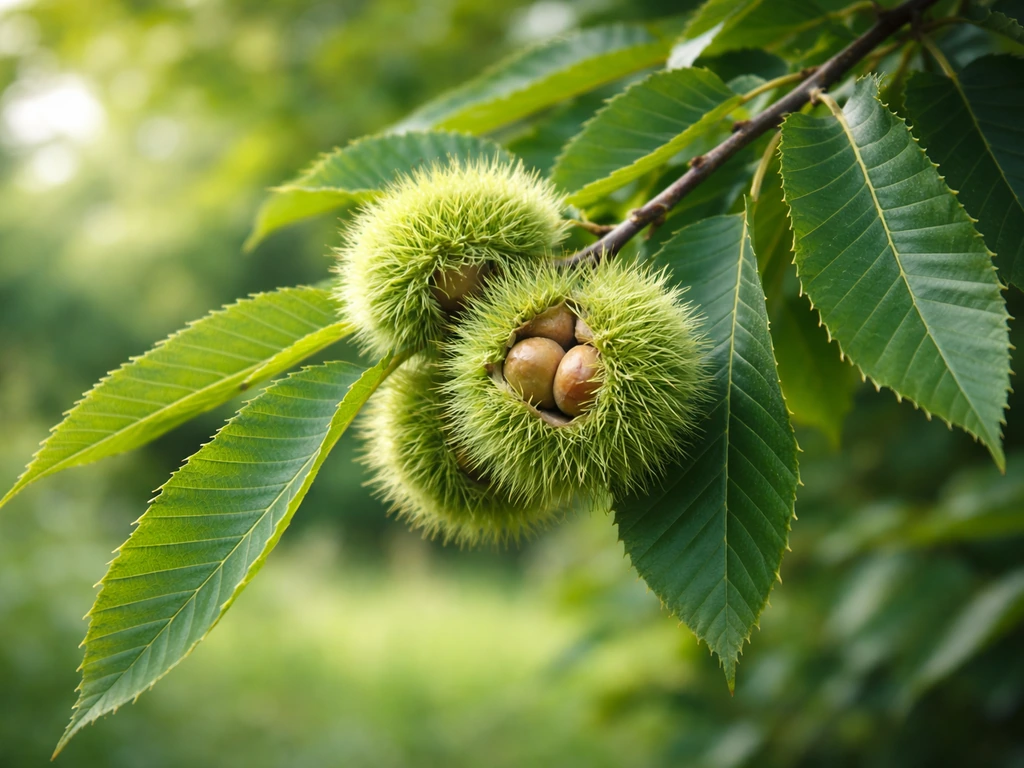
The American chestnut (Castanea dentata) is native to eastern North America, where it was once a dominant forest tree before chestnut blight nearly wiped it out in the early 20th century. It produces edible nuts in husks covered with numerous sharp spines. The European or sweet chestnut (Castanea sativa) is native to Southern Europe and Asia Minor and has been cultivated for its edible seeds for thousands of years. Chinese chestnut (Castanea mollissima), native to China and Korea, is currently the most practical choice for most North American growers because it carries natural resistance to chestnut blight. Japanese chestnut (Castanea crenata) rounds out the group and is mainly grown in East Asia, though it has some use in hybridization programs.
Native and natural range (where chestnuts grow in the wild)
In North America, the American chestnut's native range ran from Maine and southern Ontario down through the Appalachian Mountains to Alabama and Georgia, extending west to the Ohio Valley. Before blight, it was one of the most common hardwood trees in eastern forests. Today, you'll find stump sprouts and blight-resistant research trees, but not mature wild specimens producing consistent crops.
In Europe, wild and naturalized sweet chestnut forests grow across the Mediterranean basin, from Portugal and Spain through Italy, France, and the Balkans, into Turkey and parts of the Caucasus. The tree thrives in the mild, wet winters and warm summers of that zone. For a deeper look at how chestnut distribution plays out across that continent, where do chestnuts grow in Europe breaks it down region by region.
In East Asia, Chinese chestnut grows wild across central and northern China and into the Korean Peninsula. Japanese chestnut is native to Japan and Korea, typically found at low to mid elevations in mixed forests. Both species evolved in climates with cold winters and warm, humid summers, which is a useful clue about where they perform well outside their native ranges.
Climate and soil requirements (what determines where they can grow)
Temperature and chill hours
Chestnuts need a real winter. They require a dormancy period with sufficient chill hours (typically 400 to 700 hours below 45°F, depending on species) to break dormancy properly and set a good crop. American and Chinese chestnuts are both cold-hardy to around USDA Zone 4 to 5 (roughly -20°F to -10°F), making them solid choices for most of the eastern and midwestern U.S. Sweet chestnut is slightly less cold-hardy, generally performing best in Zones 5 to 7, and it struggles at the edges of that range. Late spring frosts are a bigger practical problem than winter cold for most growers, because chestnut flowers appear relatively late and a frost at bloom time wipes out the year's crop.
Rainfall and season length
Chestnuts want 25 to 60 inches of annual rainfall, reasonably well-distributed through the growing season. They don't like prolonged drought, especially in years when nuts are forming (late summer into fall). Season length matters too: you need around 100 to 120 frost-free days for a reliable harvest. That rules out parts of northern Canada and high-altitude sites even within otherwise acceptable hardiness zones.
Soil: the make-or-break factor
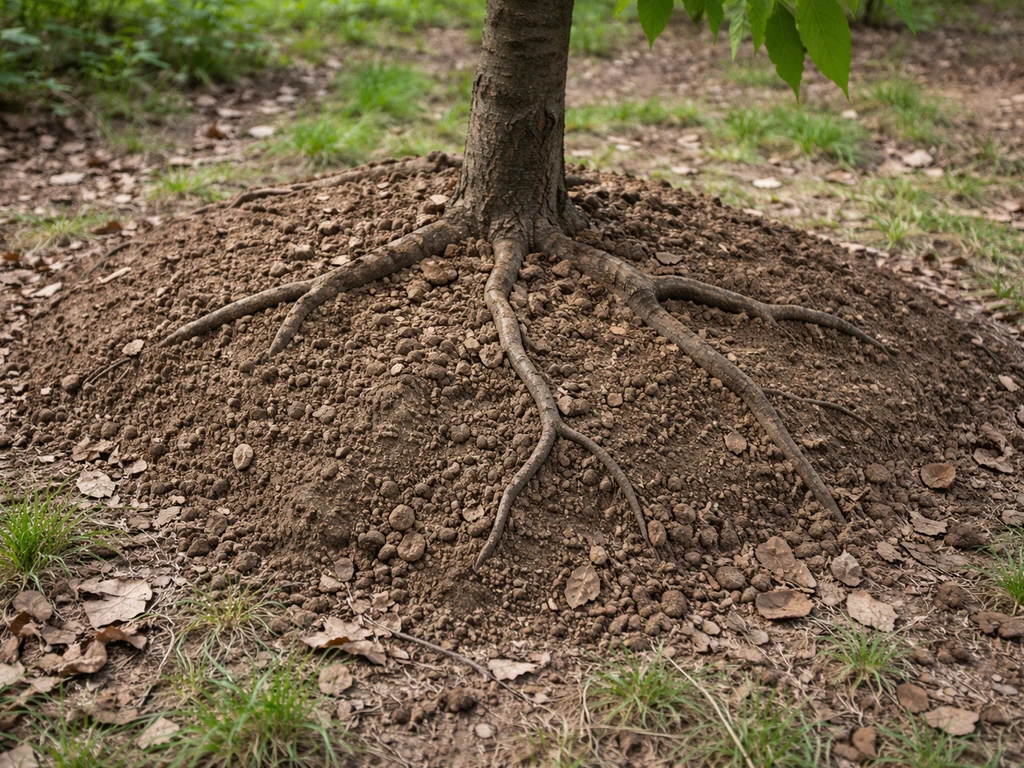
Soil is where most chestnut planting attempts fail. Chestnuts are highly sensitive to poor drainage and wet feet, meaning clay-heavy or compacted soils that hold standing water will kill or severely stunt them. They prefer well-drained, loamy to sandy-loam soils with a slightly acidic pH of 4.5 to 6.5. Soil pH above 7.0 leads to micronutrient deficiencies, particularly iron and manganese, that stunt growth noticeably. If your soil is alkaline (common in much of the Great Plains and parts of the West), growing chestnuts becomes a real uphill battle. Good drainage and correct pH are non-negotiable.
Sun exposure
Full sun, meaning at least 6 to 8 hours of direct sunlight daily, is required for productive nut crops. Chestnut trees grown in partial shade tend to develop weak structure, produce fewer nuts, and become more susceptible to disease. This is worth thinking about when siting a tree, because chestnuts grow large over time and neighboring trees that seem small now can shade them out within a decade.
Best regions and conditions (where chestnut trees grow best)
In the United States, the sweet spot for chestnut production is the eastern half of the country: the mid-Atlantic states, the Appalachian highlands, the Midwest from Ohio through Missouri, and parts of the Pacific Northwest where rainfall and mild winters align. The upper South (Zones 6 to 7) is particularly productive for Chinese chestnut. The Great Lakes region works well for cold-hardy Chinese and American-Chinese hybrid varieties. The Southeast at lower elevations (Zone 8 and warmer) is marginal because winters aren't cold enough to fully satisfy chill-hour requirements.
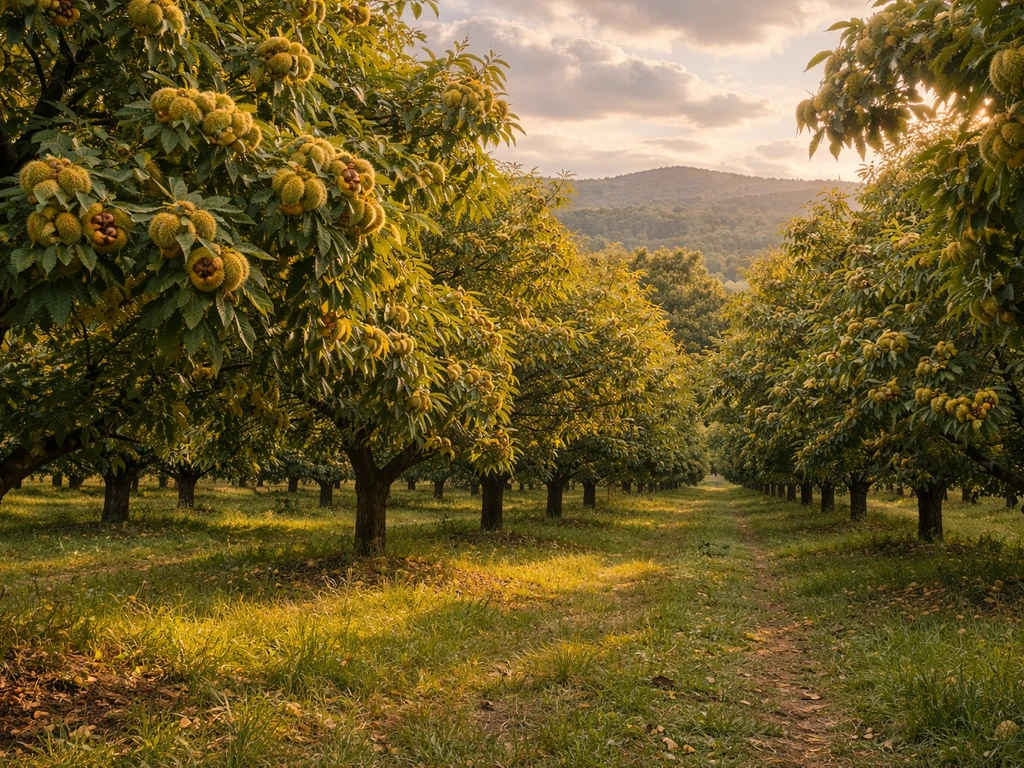
In Europe, southern France, northern Spain, Italy, and the Balkans are the heart of traditional chestnut cultivation. Sweet chestnut orchards (called castagneti in Italian) have been managed there for centuries. Chestnut trees and where they grow maps this geography in more detail if you're looking at European site selection specifically.
In East Asia, Chinese and Japanese chestnuts are grown commercially across a broad swathe from northern China through Korea and Japan. Elevation matters here: mid-elevation sites (1,500 to 3,000 feet) in those regions tend to produce the best quality nuts because of the combination of warm summers and cool nights during nut fill.
Which "tree" produces chestnuts (species and host-tree confusion)
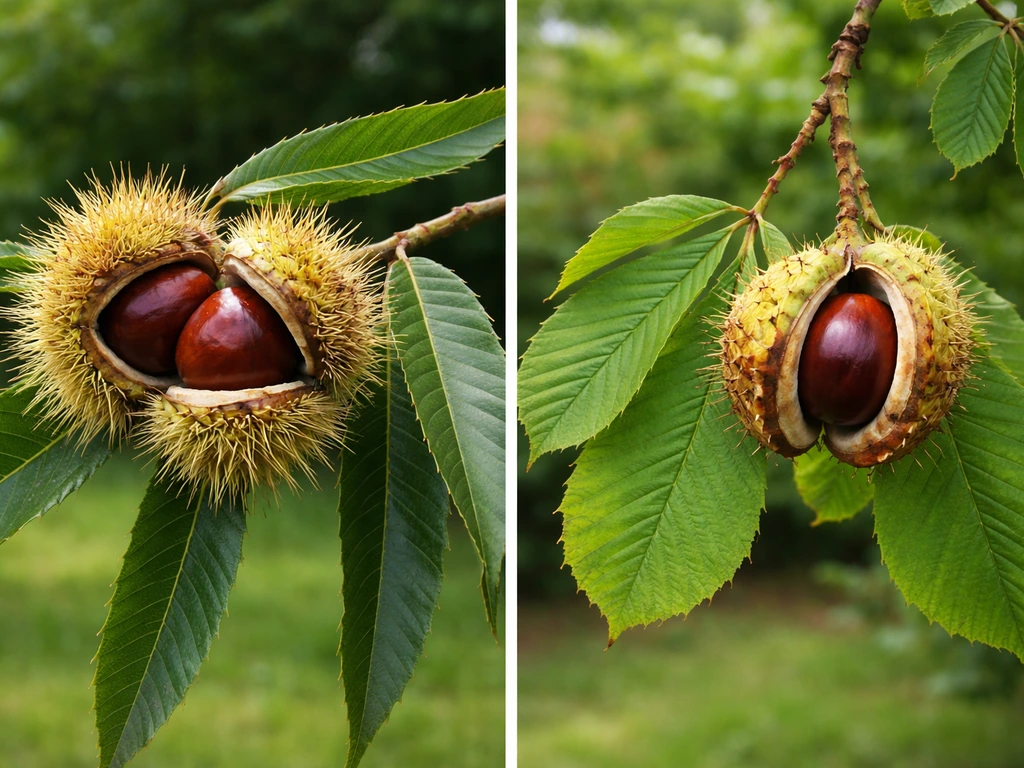
This comes up a lot: people ask what tree chestnuts grow on, and the answer is that chestnuts only grow on trees in the genus Castanea. There is no other tree that produces true chestnuts. The confusion usually comes from two lookalike plants that share the name but are entirely different organisms.
Horse chestnut (Aesculus hippocastanum) is the most common source of confusion. It produces large, shiny seeds inside a spiky husk that looks superficially similar to a chestnut bur, but the seeds are toxic due to compounds called saponins. Horse chestnut is in a completely different family (Sapindaceae) from true chestnuts. You cannot eat horse chestnuts. If you're curious about where horse chestnuts grow, that's a separate topic worth reading, but for edible nut production they are not relevant.
Water chestnut is an even more dramatic case. The water chestnut you find in Asian cuisine (Eleocharis dulcis) and the invasive floating plant (Trapa natans) are both called water chestnuts, but neither is related to Castanea trees at all. They are aquatic plants, not trees. If you've been wondering where water chestnuts grow, the answer involves marshes, ponds, and flooded fields, not orchards or forest edges.
So to be direct: if you want edible chestnuts from a tree, you are growing one of four Castanea species (American, European/sweet, Chinese, or Japanese). Everything else called "chestnut" in everyday language is either inedible or botanically unrelated.
Comparing the four main chestnut species
| Species | Native Range | Cold Hardiness (USDA Zone) | Blight Resistance | Best Use for Growers |
|---|---|---|---|---|
| American (C. dentata) | Eastern North America | 4–5 | Very low (blight-devastated) | Restoration/breeding programs; hybrid rootstocks |
| European/Sweet (C. sativa) | Southern Europe, Asia Minor | 5–7 | Low to moderate | Traditional orchards in mild-winter regions |
| Chinese (C. mollissima) | China, Korea | 4–5 | High (naturally resistant) | Best all-around choice for most North American growers |
| Japanese (C. crenata) | Japan, Korea | 5–6 | Moderate | East Asian cultivation; used in hybridization |
For most growers in North America today, Chinese chestnut is the practical first choice. It combines blight resistance, cold hardiness down to Zone 4 or 5, and reliable nut production. American-Chinese hybrids developed through restoration programs also show promise and can perform well in the eastern U.S. In Europe, sweet chestnut remains the standard for orchard production across Mediterranean and sub-Mediterranean climates.
Growing options by region (practical guidance for planting today)
Before you plant anything, run through this short checklist for your site:
- Identify your USDA hardiness zone (or equivalent in your country). Zones 4 through 7 are where most chestnut species are most productive.
- Check your average annual rainfall. Under 25 inches without irrigation is marginal; 35 to 50 inches is comfortable.
- Test your soil pH before planting. You want 4.5 to 6.5. If you're above 7.0, you'll need to amend aggressively or choose a different planting site.
- Assess drainage. Dig a hole about 12 inches deep, fill it with water, and watch how fast it drains. If water sits for more than a few hours, that spot will stress or kill a chestnut over time.
- Count your frost-free days. You need at least 100, and 120 is better for a full crop.
Eastern and midwestern U.S.
This is the most productive chestnut-growing region in North America. Chinese chestnut and American-Chinese hybrids both perform well across Zones 5 through 7. You'll want to plant at least two trees for cross-pollination, as chestnuts are largely self-infertile. Space them 30 to 40 feet apart. Expect your first meaningful crop in 3 to 5 years from a grafted tree, or 5 to 8 years from a seedling.
Pacific Northwest (U.S.) and similar maritime climates
Western Oregon and Washington have the mild winters and adequate rainfall that sweet chestnut prefers. European varieties do reasonably well here, though blight remains a concern. Chinese chestnut also adapts to this region. The main challenge is season length in northern parts of this zone: pick early-ripening varieties if you're above roughly 47 degrees north latitude.
Southern U.S. and warm climates
In Zone 8 and warmer, chill-hour requirements become a real constraint. Some Chinese chestnut varieties have lower chill requirements and may produce modest crops, but you're working against the biology of the tree. MSU’s Chill Hours tool/app estimates chill-hour accumulation for a location using actual weather station data Chill-hour requirements become a real constraint. If you're in this zone, it's worth contacting a local agricultural extension office to find out if there are regionally trialed varieties that have shown promise in your area specifically.
Northern U.S. and Canada
In Zone 4 and colder, cold-hardiness is the priority. Cold-hardy Chinese chestnut varieties and some American-Chinese hybrids have survived Zone 4 winters, but you need to select stock from a proven cold-hardy seed source or nursery program. Avoid European sweet chestnut here as it will suffer winter dieback regularly.
Europe
Southern and central Europe is traditional sweet chestnut country. If you're in the UK or northern France, sweet chestnut can grow but nut production is unreliable because summers are often not warm enough to fully ripen the nuts. For reliable harvests north of roughly 50 degrees north latitude in Europe, you'd need to trial early-ripening varieties or look at Chinese chestnut as an alternative. In warmer parts of Spain, Italy, Portugal, and Greece, sweet chestnut is essentially a proven crop with centuries of cultivation history behind it.
The bottom line: chestnuts are not a casual plant-and-forget tree. They reward careful site selection and species matching more than almost any other nut crop. Get the drainage right, get the pH right, and pick the species or variety that fits your winters and summers. Do those three things and you have a genuinely productive long-lived tree. Skip them and you'll spend years wondering why the tree isn't thriving.
FAQ
Can I grow “chestnuts” if I just plant horse chestnut or water chestnut? (People say they are chestnuts.)
If you mean edible chestnuts, they grow only on true chestnut trees in the genus Castanea (American, European, Chinese, or Japanese). Horse chestnut and “water chestnuts” are not the same organism, and the seeds from horse chestnut are toxic, so they should not be used for eating even though the husks look similar.
How do I figure out which chestnut species will actually produce nuts where I live, not just survive? (Chill hours vs hardiness vs frost.)
The fastest way to find the right species for “where does chestnut grow” in your yard is to match three numbers: winter chill (chill hours), your last spring frost timing (risk to late bloom), and winter minimum temperatures (hardiness). Even if your zone looks acceptable, a warm winter that fails to meet chill hours can cause weak flowering and low nut set.
Can chestnuts be grown in warmer climates (higher zones), and what tradeoffs should I expect?
Yes, chestnuts can be grown outside their native range, but the limiting factor is often chill and bloom-time frost rather than summer heat. In warmer regions, choose varieties sold as low-chill or early-ripening, and expect “modest” crops even when they leaf out normally.
What are the most common reasons chestnut trees don’t thrive, even when the species is correct?
Poor drainage is the usual failure mode. If water stands after rain for more than a day or two, plan to improve the site before planting (raised beds, subsoil drainage, or relocating to a naturally sloped spot). Avoid relying on adding compost alone, because it does not fix persistent wet feet for deep-rooted trees.
If my chestnut trees survive winter, why might I still get no nuts some years?
Even when winters are cold enough, late spring frosts can wipe out the crop because the flowers open relatively late. Practical mitigation includes siting the orchard on a slope (better cold-air drainage), planting farther from frost pockets like low valleys, and avoiding nitrogen-heavy growth that can delay development.
Do I need more than one chestnut tree to get nuts? (And how close should they be?)
Chestnuts are largely self-infertile, so having one tree often leads to poor yields. A practical rule is to plant at least two compatible trees within pollination distance, and if you are in a small yard, plan the second tree at planting time, not as an afterthought.
What should I do if my soil pH is above 7.0, can I still grow chestnuts?
Soil pH matters, and you cannot easily “correct” it with one-time liming. For alkaline soils, the bigger challenge is chronic micronutrient deficiency, especially iron and manganese, which can show up as yellowing and stunted growth. Many growers choose an alternative site rather than trying to hold pH and micronutrients balanced long-term.
Does “USDA zone” guarantee cold-hardiness for chestnuts, or is there more to consider?
Cold tolerance is not just about your average winter low, it is also about how consistently the cold happens and whether trees are off schedule. Select nursery stock from a proven local or regional source, and avoid European sweet chestnut in colder sites where winter dieback is likely.
Where does blight resistance change the location advice for where chestnuts grow in practice?
In North America, sweet chestnut and other non-blight-resistant types can be affected by chestnut blight, so disease history matters as much as climate. If you are in an area where blight is established, prioritize Chinese or American-Chinese hybrid stock, or plan for long-term management rather than expecting effortless production.
Does elevation affect chestnut quality even when temperature and rainfall seem right?
Yes, elevation and night-time conditions can influence nut quality, especially in East Asia where cool nights during nut fill improve kernel development. If you are choosing among similar hardiness zones, favor sites with a bit more elevation or cooler night exposure (within what frost risk allows).