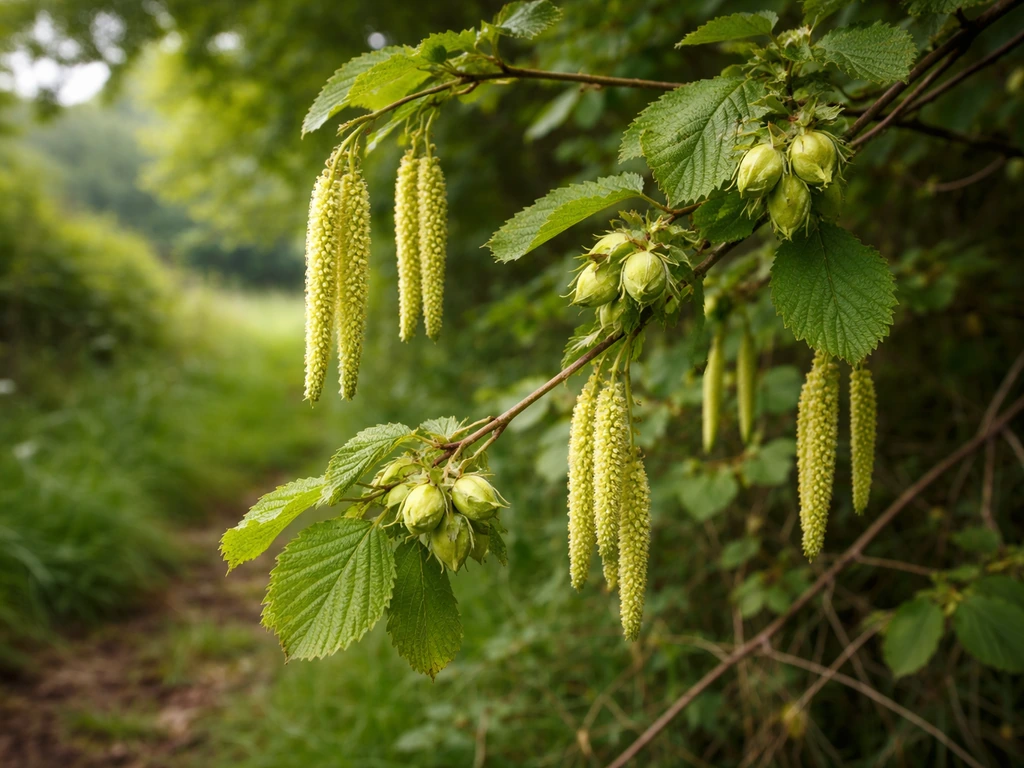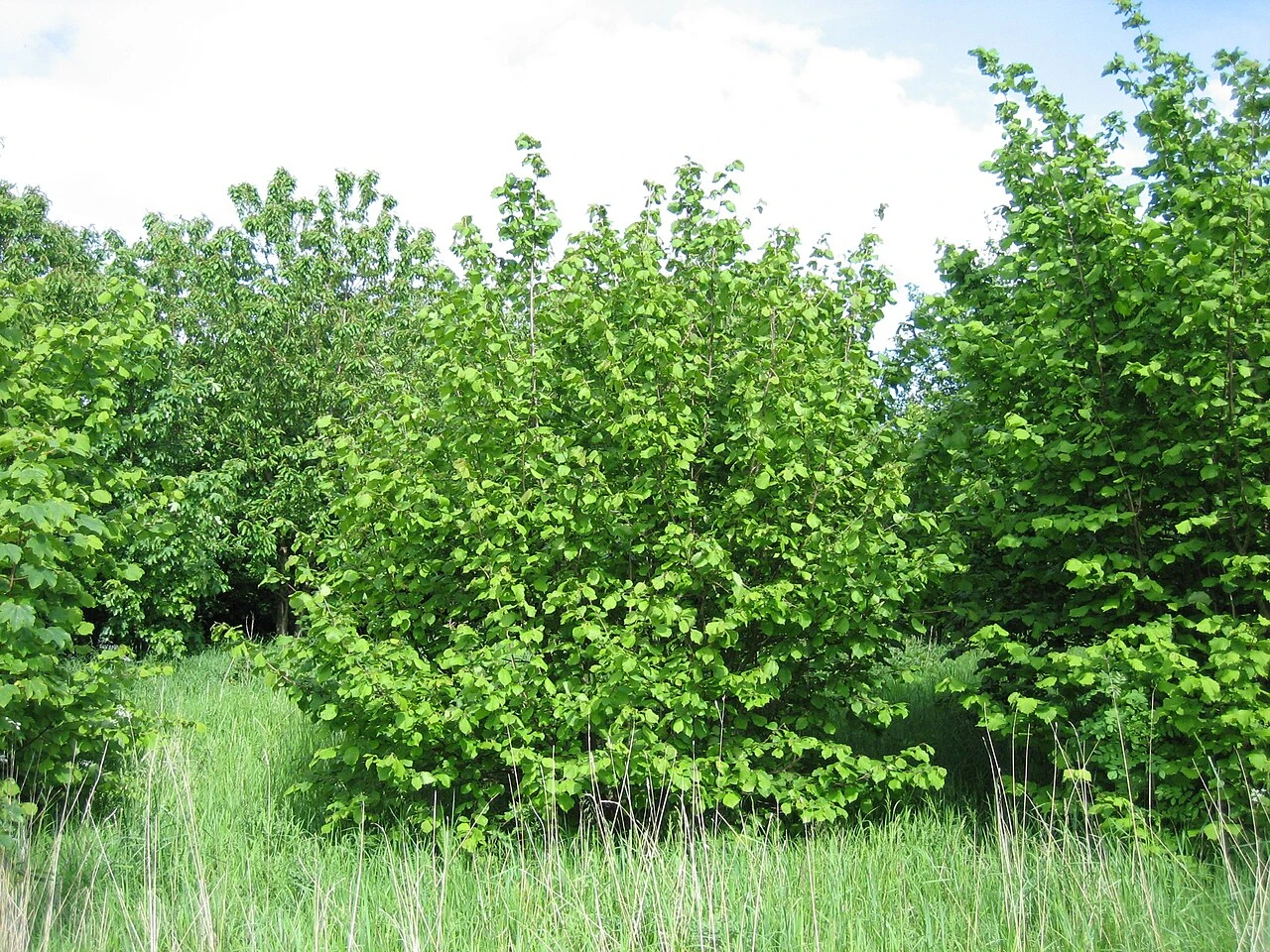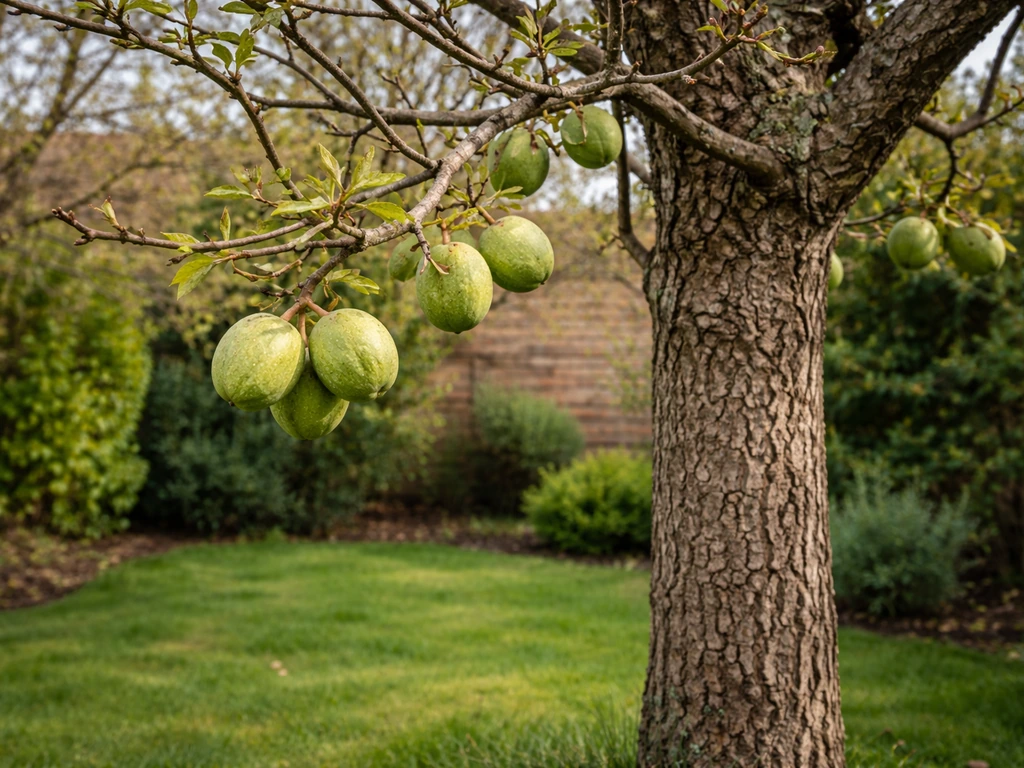
Yes, hazelnuts grow in Michigan, and they can do it well. If you are keeping hazelnuts you bought from the store, you can still raise seedlings, but the results depend heavily on the cultivar and their viability will store bought hazelnuts grow. The native American hazelnut (Corylus americana) is hardy down to USDA Zone 4, which covers essentially all of Michigan. European hazelnuts (Corylus avellana) are trickier, but cold-hardy hybrid cultivars developed specifically for northern climates have made commercial-quality nut production realistic even in the Upper Peninsula. These same hardy approaches are why hazelnuts can be grown successfully in Ontario with the right cultivars and site conditions cold-hardy hybrid cultivars developed specifically for northern climates. The honest version: pick the right species or hybrid for your part of the state, plant at least two compatible plants, give them decent drainage and full sun, and you will get nuts. Skip any of those steps and you probably won't.
Do Hazelnuts Grow in Michigan? Varieties, Planting Tips
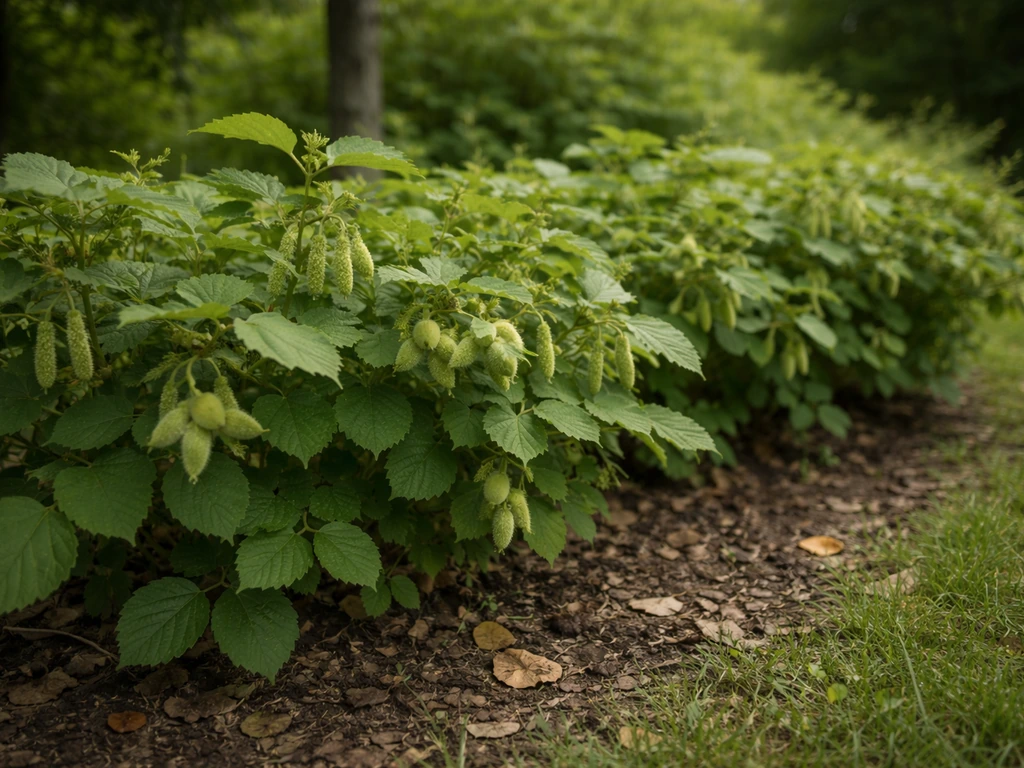
Which 'hazelnuts' count: species and cold-hardiness levels
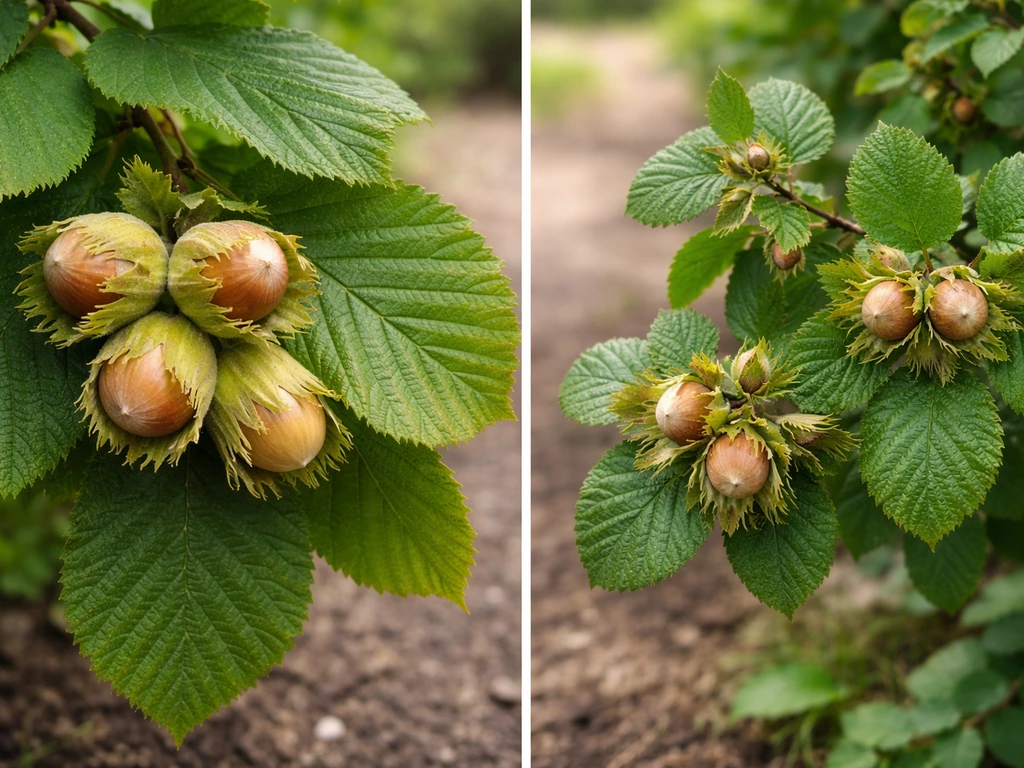
When people ask about growing hazelnuts, they're usually picturing the large, round nuts sold in grocery stores. Those come from European hazelnut (Corylus avellana). But there are really three categories worth knowing for Michigan: the native American hazelnut, the European hazelnut, and cold-hardy hybrids bred from crossing the two.
| Species / Type | Cold Hardiness | Mature Size | Nut Quality | Michigan Suitability |
|---|---|---|---|---|
| Corylus americana (American hazelnut) | Zone 4–9 | 10–15 ft shrub | Smaller nuts, strong flavor | Excellent statewide |
| Corylus avellana (European hazelnut) | Zone 5–8 (borderline) | 15–20 ft shrub or small tree | Large, commercial-quality nuts | Southern Lower Peninsula only, risky |
| Hardy hybrids (e.g., Weschcke, Theta, Jefferson crosses) | Zone 4–5 depending on cultivar | Varies, often 8–15 ft | Larger than americana, near-commercial | Good across most of Michigan with cultivar selection |
The key thing to understand is that USDA hardiness zones tell only part of the story. MSU Extension has long pointed out that winter survival in practice depends on more than the average annual minimum temperature. Factors like late-season hardening, freeze-thaw cycles, and bud hardiness in late winter can kill a plant that technically 'survives' its zone. This is especially relevant for European hazelnuts, whose floral buds break early and are extremely vulnerable to late Michigan frosts even when the plant itself doesn't die outright. A plant that survives winter but loses its flower buds every March will never give you nuts. Hardy hybrid cultivars were bred specifically to address this problem.
Where they'll grow best across Michigan
Michigan spans USDA Zones 4a through 6b, and that range makes a real difference in what you can realistically grow. The Upper Peninsula sits mostly in Zones 4a and 4b, the Northern Lower Peninsula in Zones 5a and 5b, and the Southern Lower Peninsula reaches into Zone 6a and 6b near the Lake Erie and Lake Michigan shorelines.
Upper Peninsula and Northern Lower Peninsula
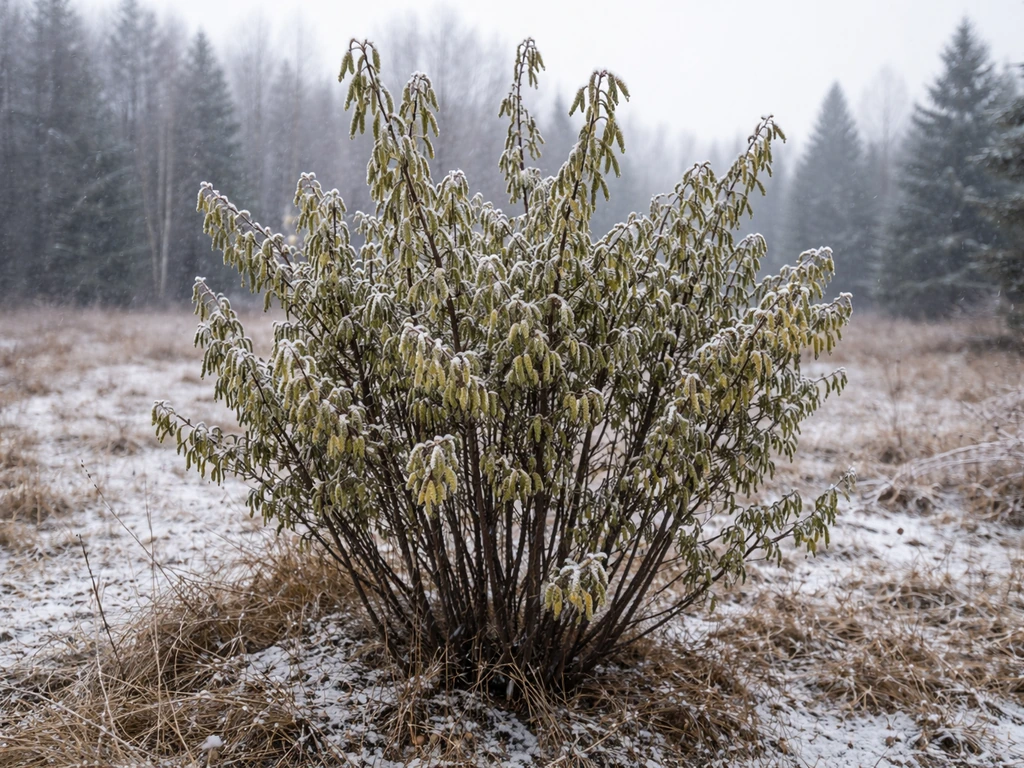
Stick with Corylus americana and the most cold-hardy hybrid cultivars. American hazelnut is native to this region and will establish without drama. Hybrids rated to Zone 4 can work here too, but be conservative: choose cultivars with documented performance in similar climates, not just those listed as 'Zone 4' on a nursery tag. Bud hardiness trial data from Minnesota or Wisconsin is a more reliable indicator than zone rating alone.
Southern Lower Peninsula
This is where your options open up considerably. Zone 5 and 6 growers can successfully grow hardy hybrid cultivars and, in the warmest microclimates near Lake Michigan's eastern shore, even some European hazelnut varieties. The lake effect moderates temperatures and delays spring warm-up, which actually helps by keeping floral buds dormant longer and reducing frost damage. If you're in a Zone 6 location with good air drainage, a named European cultivar is worth trying as a secondary planting alongside hardier types.
Microclimates matter more than you think
Low-lying spots, north-facing slopes, and areas surrounded by dense windbreaks all create colder or more frost-prone microclimates than your official zone suggests. Cold air drains downhill, so planting on a gentle slope rather than at the base of a hill can make the difference between flower buds that survive a late April frost and ones that don't. Conversely, a south-facing wall or a sheltered courtyard in a Zone 5 location can push effective conditions to Zone 6. Learn your specific site before committing to European hazelnut genetics.
Choosing varieties and understanding pollination
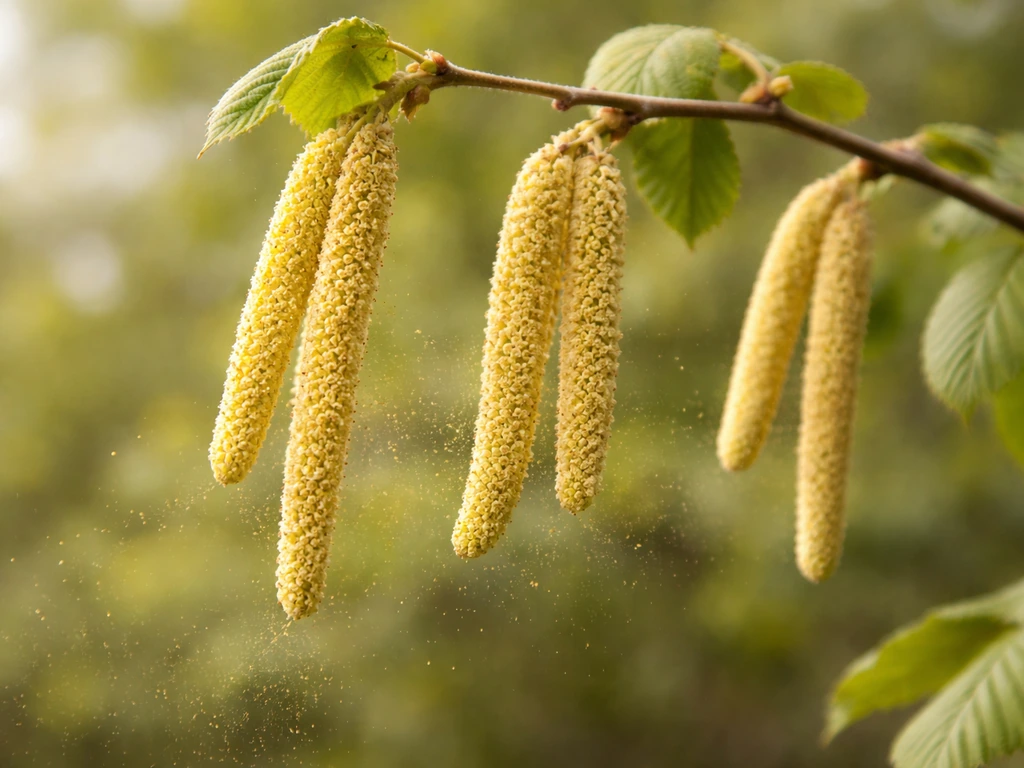
Hazelnuts are self-incompatible, meaning a single plant cannot reliably pollinate itself. They are wind-pollinated, and OSU Extension's research on hazelnut pollination makes the mechanism explicit: even if your plant produces abundant male catkins, if the pollen drifting onto the female flowers doesn't come from a genetically compatible cultivar, nut set simply will not happen. This is the single most common reason hazelnut plantings in Michigan fail to produce. You need at least two plants, and ideally three, from different, compatible cultivars planted within about 50 to 65 feet of each other.
Cultivars worth considering in Michigan
- Weschcke: A cold-hardy hybrid developed in Wisconsin, rated to Zone 4, produces decent-sized nuts and is a reliable performer in northern Michigan climates.
- Theta: Developed by the University of Nebraska breeding program, hardy to Zone 4, with good disease resistance and solid nut size.
- Grand Traverse and other MSU selections: Michigan State University has done hazelnut breeding work, and cultivars developed or evaluated locally carry the most relevant cold-hardiness data for in-state conditions.
- Jefferson (Corylus avellana): A popular commercial variety from Oregon State's breeding program, but only realistic in Zone 6 southern Michigan microclimates with late-frost protection.
- Corylus americana (straight species): No cultivar selection needed, regionally native, extremely reliable, smaller nut but high-quality flavor. Best for wildlife plantings, hedgerows, or as a guaranteed pollinator companion.
When buying plants, ask the nursery specifically which cultivars are compatible pollinators for the ones you're purchasing. Don't just grab two plants of the same cultivar because they look identical in the pot. Compatible pairs need to have overlapping bloom times and different genetic backgrounds. If you're unsure, mixing one American hazelnut with one or two hybrid cultivars is the safest approach and almost always results in cross-pollination. Dawes Arboretum lists the cultivar “Grand Traverse” as having high nut yield, late maturity, and good nut quality mixing one American hazelnut with one or two hybrid cultivars.
Planting basics: site, soil, spacing, and setup
Site and sun
Hazelnuts want full sun for maximum production. They'll tolerate partial shade, especially American hazelnut which grows naturally at woodland edges, but shaded plants produce fewer catkins, set fewer nuts, and become leggy. Plan for at least 6 hours of direct sun. Avoid frost pockets (low spots where cold air settles) and sites with late-winter reflected heat that might trigger premature bud break. If you’re wondering what nuts grow in Ireland, start by checking your area’s climate and hardiness zone, then match nut species to it.
Soil
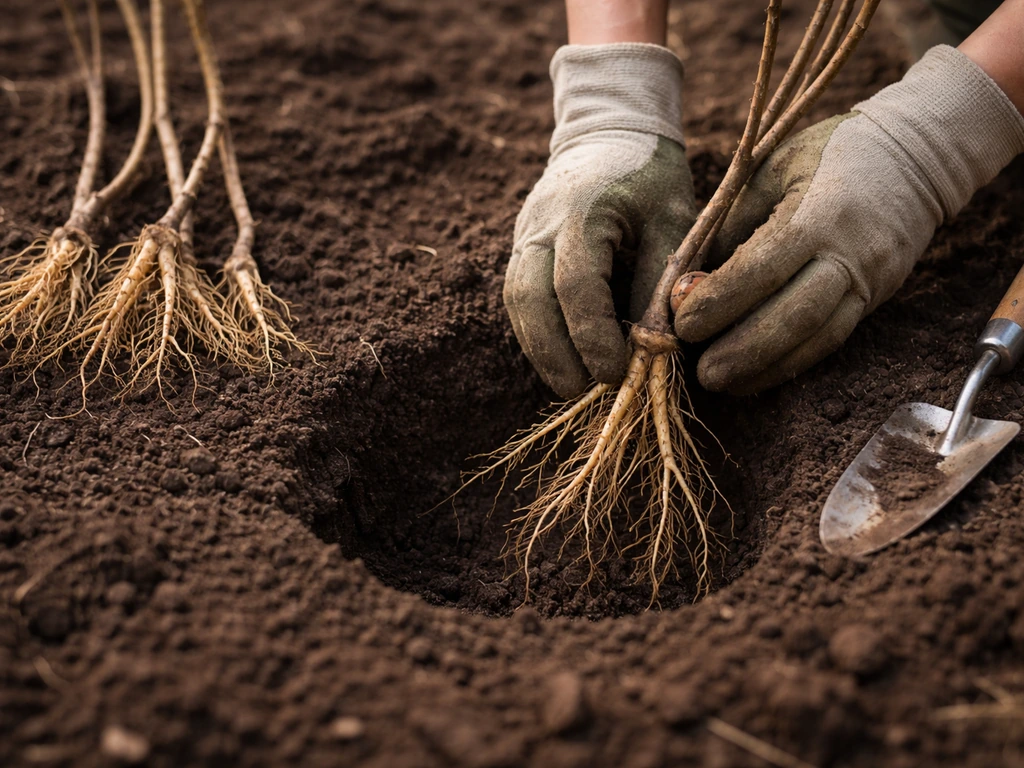
Hazelnuts are not fussy about soil type as long as drainage is good. OSU Extension’s orchard site selection guidance also emphasizes planning for root depth and root range when choosing where to plant hazelnuts as long as drainage is good. They do well in sandy loam, loamy sand, or well-drained clay loam. What they won't tolerate is standing water or compacted, waterlogged ground. Michigan's glacially deposited soils vary enormously across the state, so if your site stays wet for more than a week after heavy rain, either amend heavily, build a raised berm, or choose a different location. Target soil pH between 6.0 and 6.5. A basic soil test from MSU Extension is worth the small cost before you plant.
Spacing and layout
For a backyard or hedgerow planting, space shrubs 8 to 12 feet apart. For a more serious production mindset with multiple rows, 10 to 12 feet between plants and 14 to 18 feet between rows gives enough room for air circulation and equipment access. Remember that American hazelnut spreads aggressively by suckers and will naturally colonize outward from its original planting spot. That's great for a wildlife hedgerow, less ideal if you're trying to maintain a tidy orchard layout.
Container vs. bare-root plants
Both work. Bare-root plants are cheaper and establish quickly if planted in early spring before bud break, which is typically March to mid-April in Michigan depending on your location. Container plants give you more flexibility in timing but cost more. Either way, plant at or slightly above the original soil line, water thoroughly at planting, and mulch the root zone with 3 to 4 inches of wood chips, keeping mulch pulled back a few inches from the base of the stems.
Care for Michigan: pruning, fertilizing, and seasonal maintenance
Pruning
Hazelnuts grown as shrubs benefit from renewal pruning: each year in late winter (February to early March in Michigan, before catkins fully extend), remove the oldest, thickest stems at ground level to keep younger, more productive wood coming in. For American hazelnut especially, this also controls the suckering spread. If you're training for a more tree-like form, select three to five main trunks and remove competing basal shoots regularly. Either way, keep the canopy open enough that sunlight penetrates the interior. Dense, shaded interiors produce poor nut yields and harbor disease.
Fertilizing
Don't over-fertilize young hazelnuts. In the establishment year, a light application of balanced fertilizer (something like 10-10-10) in early spring is fine if your soil test indicates low fertility. In subsequent years, a soil test every two to three years is the best guide. Over-applying nitrogen drives vegetative growth at the expense of nut production and can increase disease susceptibility. If growth looks strong and leaves are a healthy deep green, you may not need to fertilize at all.
Watering and mulch
Established hazelnuts are reasonably drought-tolerant, but consistent moisture during the first two to three years is critical for root establishment. Michigan's summers can be dry, especially in the Lower Peninsula, so plan to water during extended dry stretches in the first few years. A good mulch layer is probably the single most cost-effective thing you can do: it conserves moisture, moderates soil temperature, suppresses weeds, and gradually improves soil structure as it breaks down.
Pests and disease in Michigan
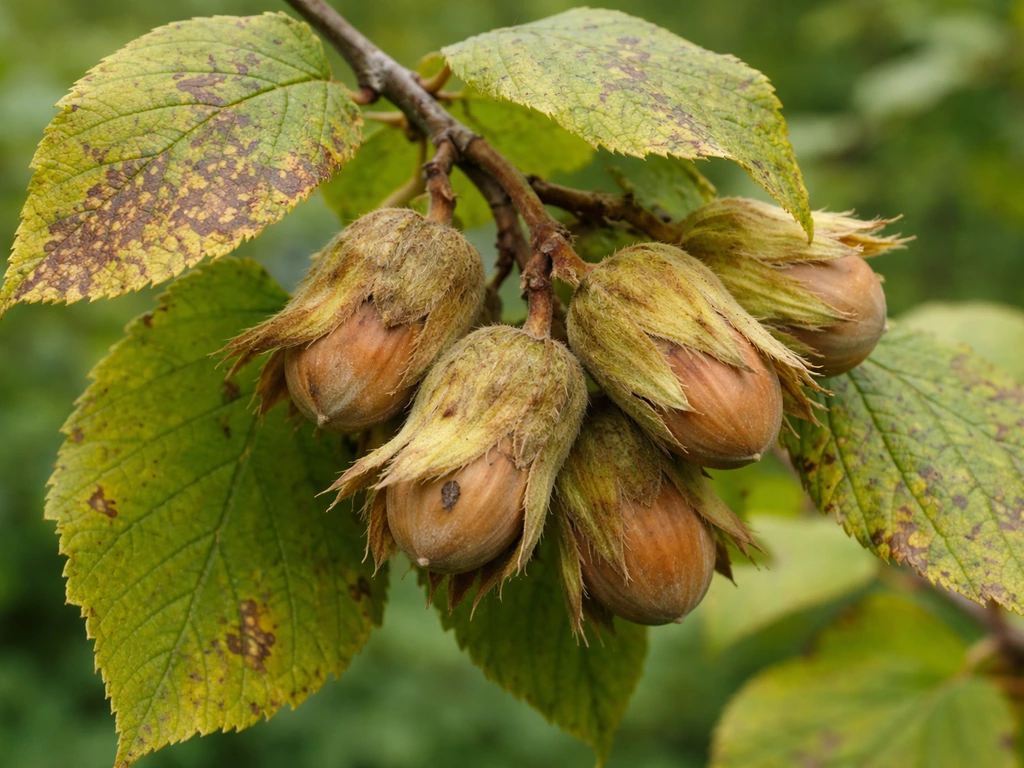
The two biggest concerns for Michigan hazelnut growers are eastern filbert blight (EFB), a fungal disease caused by Anisogramma anomala, and the filbertworm, a moth whose larvae feed on developing nuts. EFB is present in Michigan and can devastate European hazelnut plantings. American hazelnut has strong natural resistance, and most hardy hybrid breeding programs have prioritized EFB resistance as a primary trait. If you're considering any European cultivar, confirm its EFB resistance rating before planting. Powdery mildew and aphids show up occasionally but are rarely production-limiting in well-sited plantings with good air circulation.
Harvest expectations, troubleshooting, and next steps today
When will you get nuts?
Expect to wait three to five years for meaningful nut production from most hazelnut plantings. Some cultivars and American hazelnut in good conditions may produce a small crop in year two or three. Full production typically comes in years five through seven. Hazelnuts ripen in late August through September in Michigan, and ripe nuts drop naturally from the husks, which is the traditional harvest signal. You can either collect fallen nuts daily or spread tarps beneath the plants and gather in batches.
Why plantings fail
- Single-plant syndrome: One plant of any hazelnut species will rarely produce a meaningful crop due to self-incompatibility. Always plant at least two compatible cultivars.
- Late frost killing floral buds: Female flowers emerge very early, often in February to March in Michigan. A late cold snap can wipe out the entire year's nut set even though the plant is otherwise healthy.
- Eastern filbert blight: This fungal disease can kill European hazelnut plantings within a few seasons if resistant cultivars aren't used.
- Poor drainage: Hazelnut roots in waterlogged soil decline slowly, producing weak growth and poor yields before eventually dying.
- Wrong cultivar for the zone: A Zone 5 cultivar in the Upper Peninsula may survive most winters but suffer repeated bud damage that prevents consistent nut production.
Your next steps right now
- Find your actual USDA hardiness zone using the USDA Plant Hardiness Zone Map and then evaluate your specific microclimate for frost risk and drainage.
- Contact MSU Extension for any locally trialed cultivar recommendations or hazelnut trial data specific to your part of Michigan. They are the most reliable source for in-state performance data.
- Order bare-root plants for spring planting (late March to mid-April), choosing at least two compatible cultivars. If you're in Zone 4 or 5, prioritize documented cold-hardy hybrids or include Corylus americana as a built-in pollinator.
- Get a basic soil test done before planting so you know your starting pH and nutrient levels.
- If you're thinking about production at scale, look into whether Michigan's hazelnut industry resources or farm bureau networks have local grower contacts. Learning from someone already growing in your county beats any written guide.
Hazelnuts are genuinely one of the more rewarding nut crops you can grow in Michigan. They're faster to first harvest than most nut trees, they tolerate Michigan's cold winters in the right forms, and the native American hazelnut gives even Zone 4 growers a dependable, no-drama option. The key is going in with realistic expectations, choosing the right genetics for your location, and not skimping on the pollination setup. Get those pieces right and Michigan's climate is not an obstacle. If you're also wondering do hazelnuts grow in UK conditions, the same basics apply: pick cold-hardy cultivars and plan for pollination and winter protection. If you're wondering do hazelnuts grow in ireland, the same approach applies: choose cold-hardy genetics, plan compatible pollination partners, and protect against late frosts. It's actually a pretty decent fit. If you're wondering what nuts grow in Canada, hazelnuts are one of the main possibilities, but the exact species and cultivars need to match your local winter conditions.
FAQ
How many hazelnut plants do I need in Michigan to actually get a crop?
Yes, you may get some nuts with two plants, but Michigan plantings often do better with three, because overlapping bloom and true genetic compatibility can be uneven. When possible, stagger cultivars so you cover the female bloom window with pollen from at least one other cultivar, not just “the other plant exists.”
If I plant hazelnuts I bought from the store, will I get reliable production in Michigan?
If you keep a store-bought hazelnut, it might not produce the nuts you expect, because many grocery nuts are from cultivars that may not be viable as seed and, even if they germinate, seedlings do not stay true to the parent. For predictable results, start with named American or hybrid cultivars that have documented performance and known pollination relationships.
What does “compatible pollinator” mean for hazelnuts, and how do I choose pairs?
Look for evidence of overlapping male catkin release with the female flowering period, not just a shared “hardy” rating. Nurseries can tell you the compatible pollinators for a named cultivar, and you should ask for that pairing specifically, then confirm the bloom times overlap in your Michigan zone range.
Can I grow European hazelnuts in Michigan if my plants are hardy, but my soil holds water after storms?
Test and re-check drainage before planting European hazelnuts, because bud loss from late freezes is only half the risk, standing water can also weaken plants and reduce flowering. If the area stays wet longer than about a week after heavy rain, consider a raised berm or a different site rather than assuming fertilizing or pruning will compensate.
My hazelnuts leaf out and make catkins, but I get no nuts. What usually causes that?
If your plants grow well but don’t set nuts, the cause is often pollination timing or genetic incompatibility, not lack of nutrients or sun. A quick diagnostic is to verify that each plant produces female flowers (not just catkins) and that the planting includes at least one cultivar known to pollinate both during the same period.
What should I do if I’m in a frost pocket but I still want to grow hazelnuts?
Yes, in a cold microclimate, you can keep the plants alive but still fail on yield because late frosts damage buds. If you are in a frost-prone area like a low spot, prioritize American hazelnut or the coldest hybrid cultivars you can document for your region, and consider moving the planting higher on the property before spending years “testing” genetics.
How do I water hazelnuts in Michigan during the first few years without overdoing it?
During establishment, aim for consistent moisture rather than soaking and drying repeatedly. A practical approach is to water deeply when the top few inches of soil dry out, especially through summer dry spells in years one to three, while keeping mulch from touching the stem base.
Should I expect hazelnut suckers in Michigan, and do I need to prune them every year?
If you see heavy sucker growth on American hazelnut, it’s often expected, but you still should control it to prevent the planting from turning into a thick thicket. Renewal pruning in late winter, removing the oldest stems at ground level, keeps the canopy productive and also helps air movement, which can reduce disease pressure.
How can I reduce eastern filbert blight problems if I want to plant any European hazelnuts?
For disease risk, the most important planning step is selecting cultivars with strong eastern filbert blight resistance before you plant. If you already have European-type plants, keep the canopy open, remove heavily affected material promptly when you notice issues, and avoid crowded spacing that limits airflow.
Is it worth trying a European cultivar near Lake Michigan, or should I stick to hybrids only?
If you’re planting near the shoreline or on a sheltered site that feels warmer, you can still get bud damage if spring warm-up is delayed or if a late frost follows a warm spell. The safer move for uncertain locations is to plant hardy hybrids as the primary crop and add any European cultivar as a secondary planting you accept may be less reliable.