Yes, hazelnuts grow in the UK, and they do so naturally without any help from gardeners. Native hazel (Corylus avellana) is found in woodland understoreys, hedgerows, scrubland, and riverbanks right across Britain. But if your question is really 'can I grow hazelnuts in my garden and actually harvest nuts reliably', that is a slightly different conversation. The short answer is still yes, but it needs the right variety, the right site, and a basic understanding of how hazel produces nuts. This guide covers all of it.
Do Hazelnuts Grow in the UK? How to Grow Them Successfully
Marcus Hendricks
22 Apr 2026
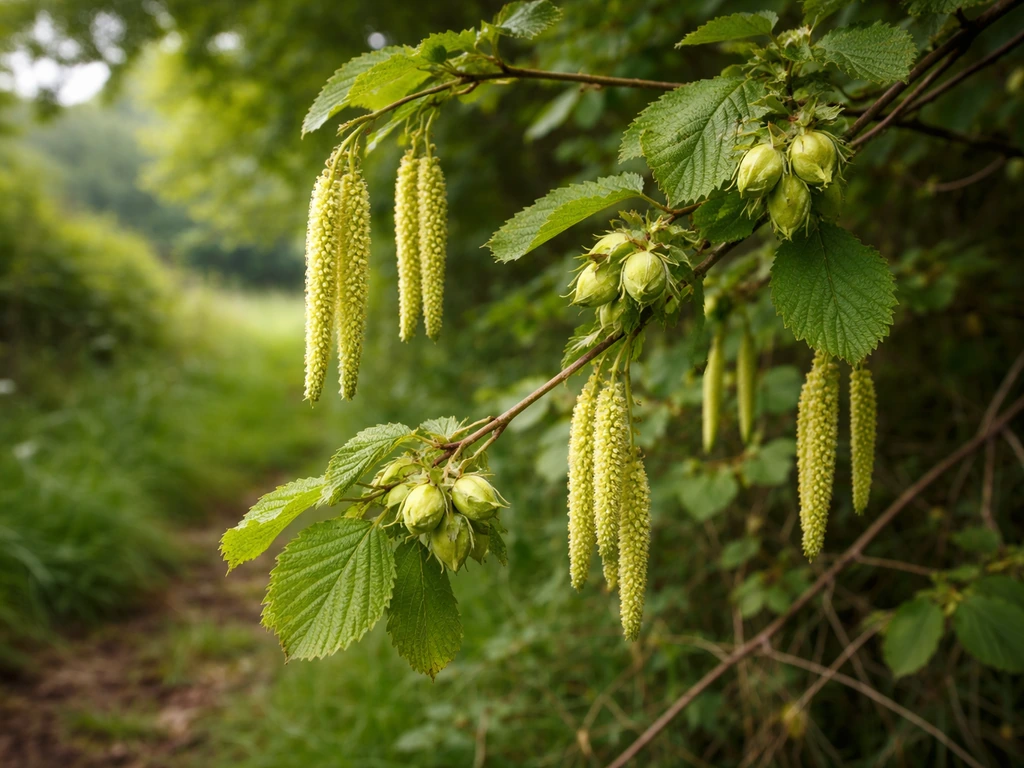
Do hazelnuts grow naturally in the UK (and what that means for you)
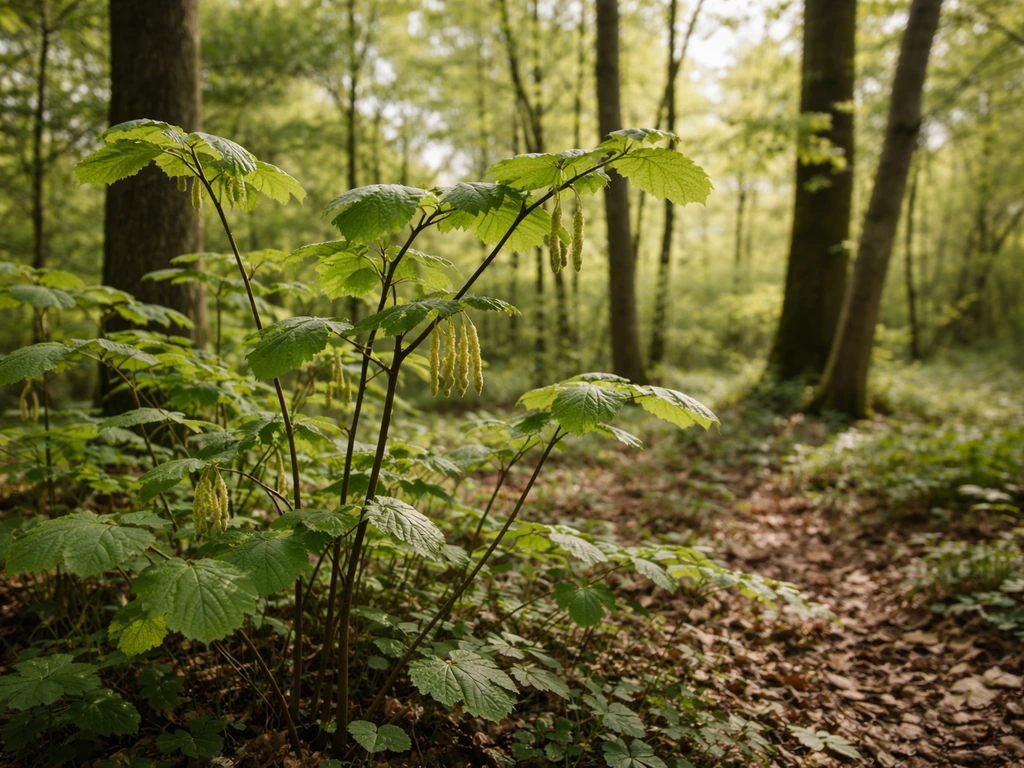
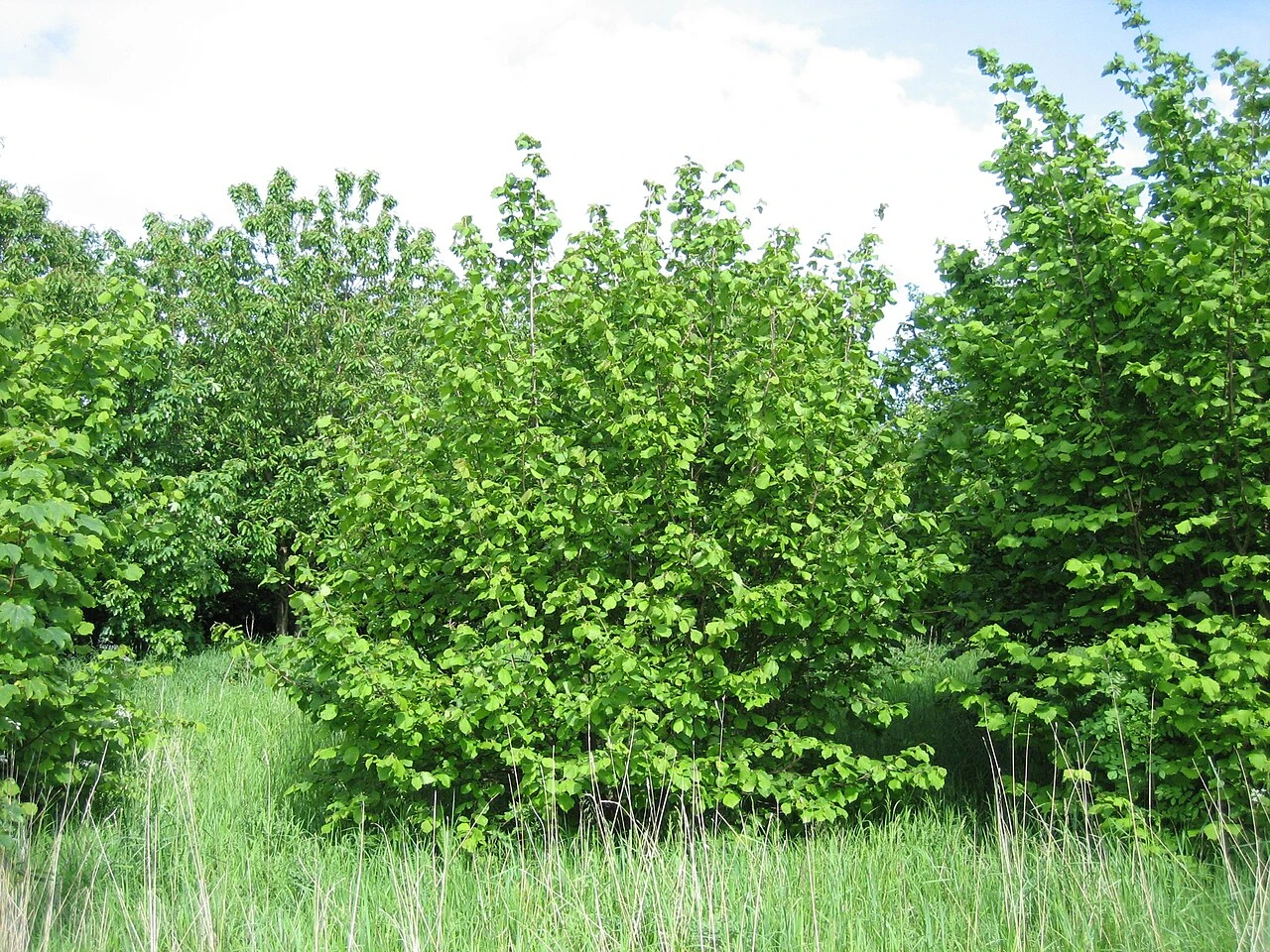
Corylus avellana is genuinely native to the UK. It has been here since before records began, growing in the understorey of lowland oak, ash, and birch woodland, and it is one of the most common hedgerow shrubs you will find across England, Wales, Scotland, and Ireland. If you have ever walked through a British woodland between January and March and seen those long yellow catkins hanging from bare branches, that was hazel. It is as native as it gets.
What this tells you as a grower is that the UK climate is genuinely well-suited to hazel. The species has been thriving here for thousands of years without irrigation, fertiliser, or any human intervention. That is a strong foundation to build on. However, native hazel growing wild in a hedgerow and a cultivated hazelnut bush managed for reliable nut production are not quite the same thing.
Wild hazel produces nuts, but often inconsistently, in small quantities, and frequently gets beaten to them by squirrels and birds. If you want a genuine harvest you can count on, you need to plant selected cultivars, manage for pollination, and site your plants deliberately. The wild hazel tells you the climate is right. The cultivated approach is what gets nuts into a bowl.
Can you grow hazelnuts in UK gardens: best regions and conditions
Hazel will grow almost anywhere in the UK. It tolerates a wide range of soils and is genuinely unfussy about rainfall. That said, if you want consistent nut crops rather than just a healthy shrub, location details start to matter more. The southeast of England, particularly Kent, has the strongest tradition of cultivated hazelnut growing. Kent's 'Kentish Cob' is arguably the most famous British hazelnut cultivar precisely because the region's relatively warm, dry summers suit nut development well. But hazel crops successfully in the Midlands, the southwest, Wales, and into southern Scotland too. You are not restricted to Kent.
The biggest regional risk in the UK is late spring frost. Hazel flowers very early: catkins appear from January to March, and the tiny female flowers are open and receptive at the same time. A sharp frost after flowering can wipe out your crop for that year before a nut has even started forming. Low-lying sites and frost pockets are genuinely problematic for this reason.
If your garden sits in a valley bottom or a hollow where cold air settles, expect more variability in your harvests. A gentle slope with good cold air drainage is noticeably better. Very exposed sites can also damage the male catkins during cold, dry winter conditions, so some shelter from prevailing wind helps without creating a frost pocket.
The wetter, cooler climate of upland Scotland and parts of northern England is not ideal for nut ripening, but hazel will still grow there. The issue is that nuts need enough warmth and a long enough growing season to fully develop by September or October. In consistently cool summers, yields may be lower and nuts may not fill out as well. That said, hazel is considerably more forgiving than, say, sweet chestnut or walnut when it comes to UK climate variability.
Choosing the right hazelnut type for UK success
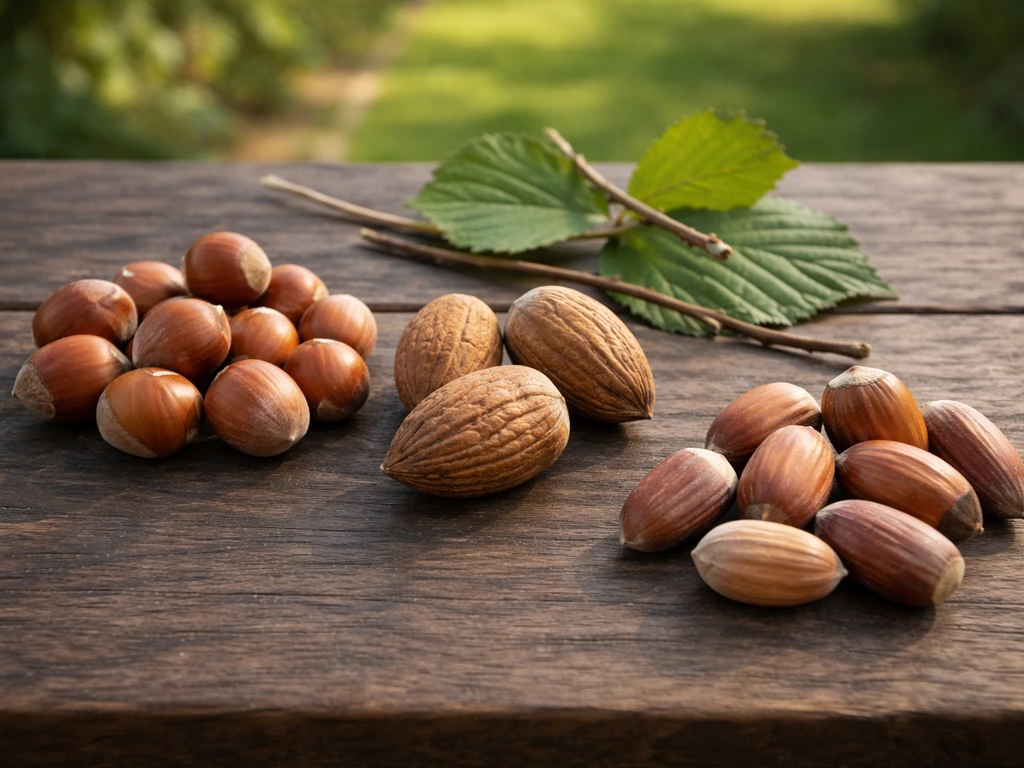
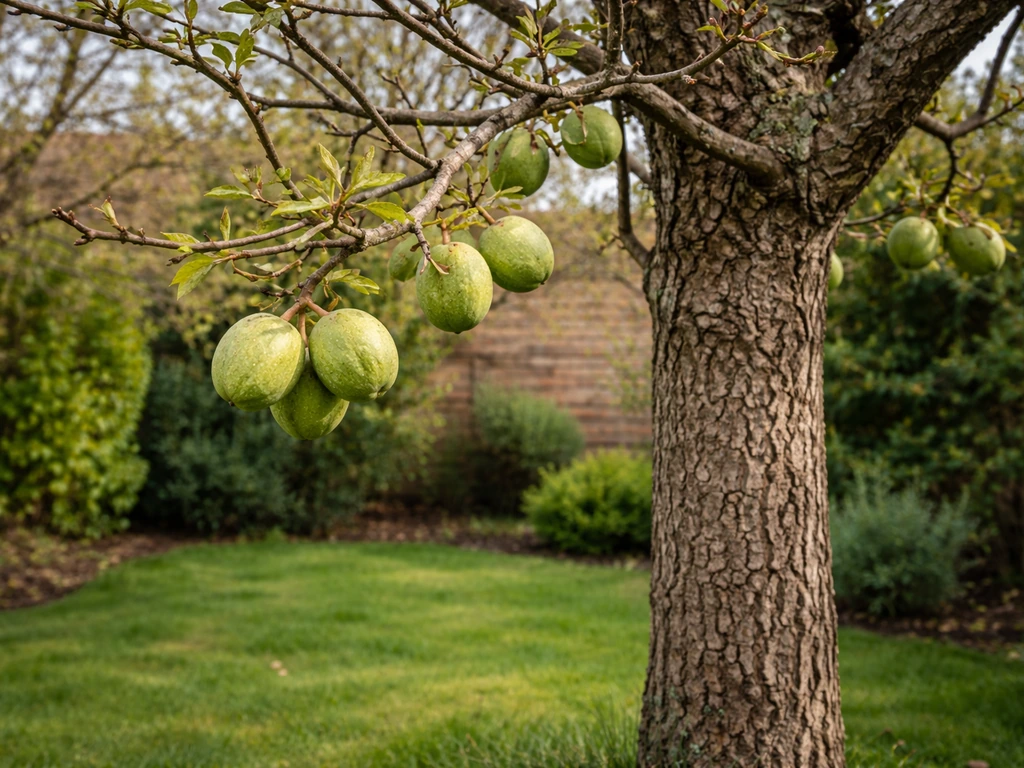
When people talk about cultivated hazelnuts in the UK, you will hear three terms used almost interchangeably: hazelnuts, cobnuts, and filberts. They are all Corylus avellana or very close relatives, and the distinctions are largely about husk length and nut shape rather than any dramatic difference in growing requirements. Cobnuts are the classic UK cultivated form. Filberts have a longer husk that extends beyond the nut. For most gardeners, the practical differences are minor. What matters more is choosing a named cultivar that has been selected for nut quality and reliable cropping.
The cultivars you will most commonly find from UK suppliers are Kentish Cob, Gunslebert, Cosford, and Hall's Giant. All of these have been trialled extensively and perform well in UK conditions. Here is how they compare across the characteristics that matter most to growers:
| Cultivar | Nut Size | Flavour | Vigour | Pollination Notes | Best For |
|---|---|---|---|---|---|
| Kentish Cob | Large | Excellent | Strong | Pollinated by Gunslebert, Cosford, or Merveille de Bollwiller | Main crop variety, especially good in SE England |
| Gunslebert | Medium-large | Very good | Moderate | Pollinated by Cosford and Kentish Cob | Reliable pollinator and decent cropper in its own right |
| Cosford | Medium | Good | Vigorous | Good pollinator for Kentish Cob and Gunslebert | Excellent as a pollinator; thin shell makes shelling easy |
| Hall's Giant | Very large | Good | Very vigorous | Partially self-fertile but much better with a partner | Gardens where space is not a limiting factor |
If you are planting for the first time and want to keep things straightforward, pairing Kentish Cob with Gunslebert or Cosford is the most proven combination in UK gardens. Both cultivars contribute to pollination and both produce harvestable nuts. Hall's Giant is worth considering if you have the room and want large nuts, but its vigour means it needs more space and more assertive pruning to stay manageable.
Site selection and planting basics (soil, light, spacing, timing)
Soil and light
Hazel is not demanding about soil type. It grows on chalk, clay, loam, and sandy soils, though it does best on reasonably fertile, well-drained ground. Waterlogged soil is the main thing to avoid. For nut production, full sun gives you the best results, though hazel will tolerate light shade without complaint. Heavier shade reduces flowering and nut set noticeably. If you are choosing between a sunnier and a shadier spot, take the sun.
Spacing
If you are planting as a managed bush for nut production, allow around 4 to 5 metres between plants. This gives each bush room to develop properly and allows air circulation, which matters for disease management. If you are planting a pair for pollination, that spacing applies between the two plants as well. Hazel can also be grown as part of a hedge, but managed hedging and nut production do not always mix well since heavy cutting removes the flowering wood.
When to plant
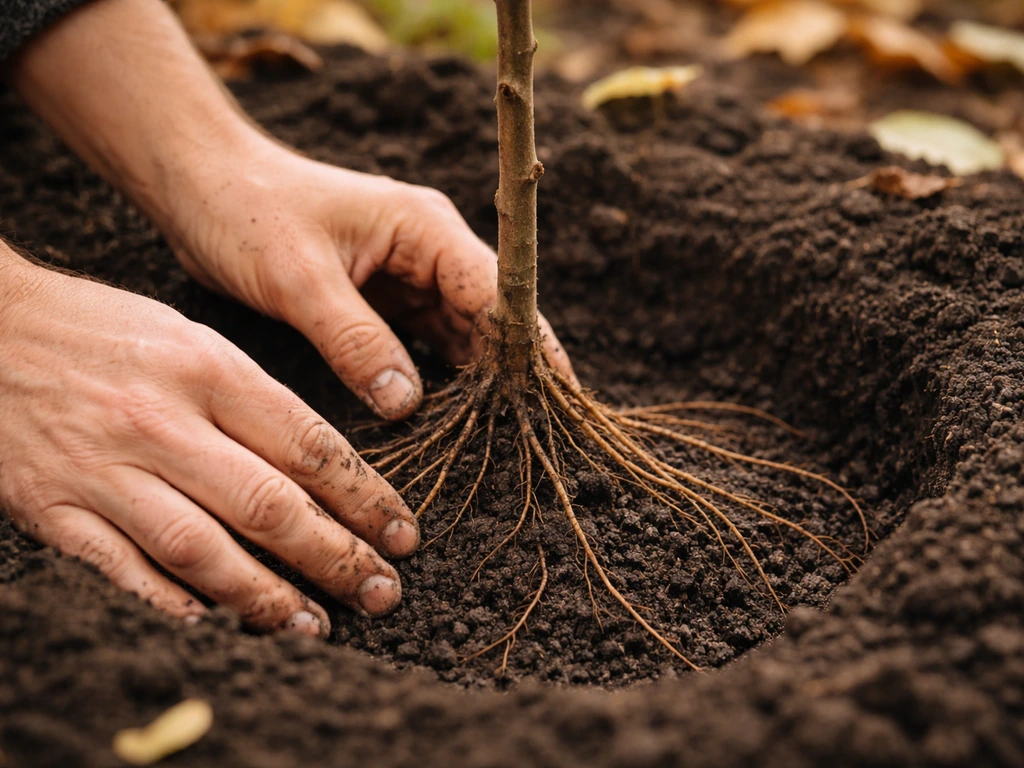
Bare-root hazel plants are typically available from November through to March and this is the most economical way to buy them. Autumn planting, around October to November, gives plants time to establish some root growth before the ground hardens in winter, which sets them up well for spring. If you are planting bare-root, make sure the roots do not dry out before or during planting.
Container-grown plants can go in at any time of year, but you will still need to water them through their first growing season if conditions are dry. Whichever form you plant, water heavily during the first spring and summer if rainfall is low. Establishment stress in year one is the most common reason young hazel plants underperform.
Pollination and getting nuts: what to know before expecting a harvest
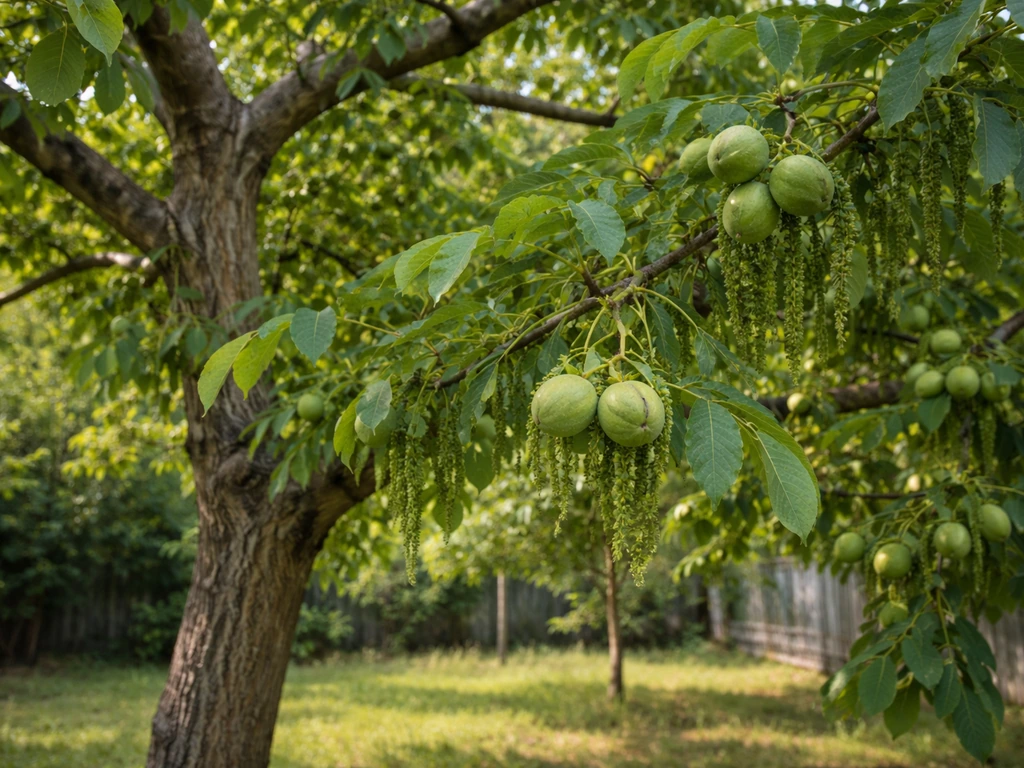
Hazel is monoecious, which means each plant produces both male and female flowers, but they are separate structures on the same plant. The male flowers are the long yellow catkins that appear from January through March. The female flowers are tiny and bud-like, with small red styles poking out, and they are easy to miss if you are not looking for them. Both appear at roughly the same time, and pollination is entirely by wind.
Here is the catch: even though a single hazel plant has both male and female flowers, most cultivars are not reliably self-fertile. The timing of pollen release from the male catkins and the receptiveness of the female flowers on the same plant often do not sync up well enough for consistent self-pollination. In practice, you need at least two different compatible cultivars planted within reasonable proximity of each other for wind to carry pollen between them.
RHS advice notes that planting at least two different hazel cultivars helps ensure good nut set, since hazels are wind-pollinated at least two different compatible cultivars planted within reasonable proximity of each other.
This is not optional if you want a reliable harvest. A single Kentish Cob planted alone may produce a handful of nuts some years and nothing in others. Add a Gunslebert or Cosford nearby and the situation changes significantly. Wild hazel in surrounding hedgerows can also contribute pollen, which is one reason garden hazel near old hedgerows sometimes crops better than more isolated plantings.
From successful pollination in late winter or early spring, the fertilised female flowers slowly develop through spring and summer into the nuts you harvest in autumn. This development period is long, roughly six to eight months, which is why late spring frosts that kill the newly fertilised flowers are such a setback. If the flowers are damaged, the developing nuts simply do not form, and that year's crop is gone regardless of how well you manage the rest of the season.
Care and maintenance through the seasons (pruning, pests, harvest timing)
Pruning
Hazel grown for nut production benefits from regular winter pruning to keep it open, manageable in height, and productive. A GardeningUK thread about pruning filbert trees points to the RHS cobnuts and filberts growing advice as a practical reference for when and how to prune in the UK regular winter pruning.
The classic approach for cobnuts is to maintain a goblet-shaped open bush on a short leg, removing crowded and crossing branches and cutting back side shoots to encourage fruiting spurs. The ideal time to do this winter pruning is when the catkins are releasing pollen, so roughly late January through February in most UK locations.
Pruning at this point lets you see exactly where the flowering wood is and also benefits from the mild weather window that often accompanies catkin time. Avoid pruning too early in winter when severe cold is still possible, and avoid waiting until the female flowers have fully opened, since you do not want to remove receptive flowering wood.
Watering and feeding
Established hazel is fairly drought tolerant in normal UK conditions. The main period when water matters is during the first year after planting, and also during dry spells in summer when nuts are developing. A mulch around the base helps retain moisture and suppresses competition from weeds. Hazel does not need heavy feeding in most UK soils, but a balanced general fertiliser in early spring can support good growth in poorer soils.
Harvest timing
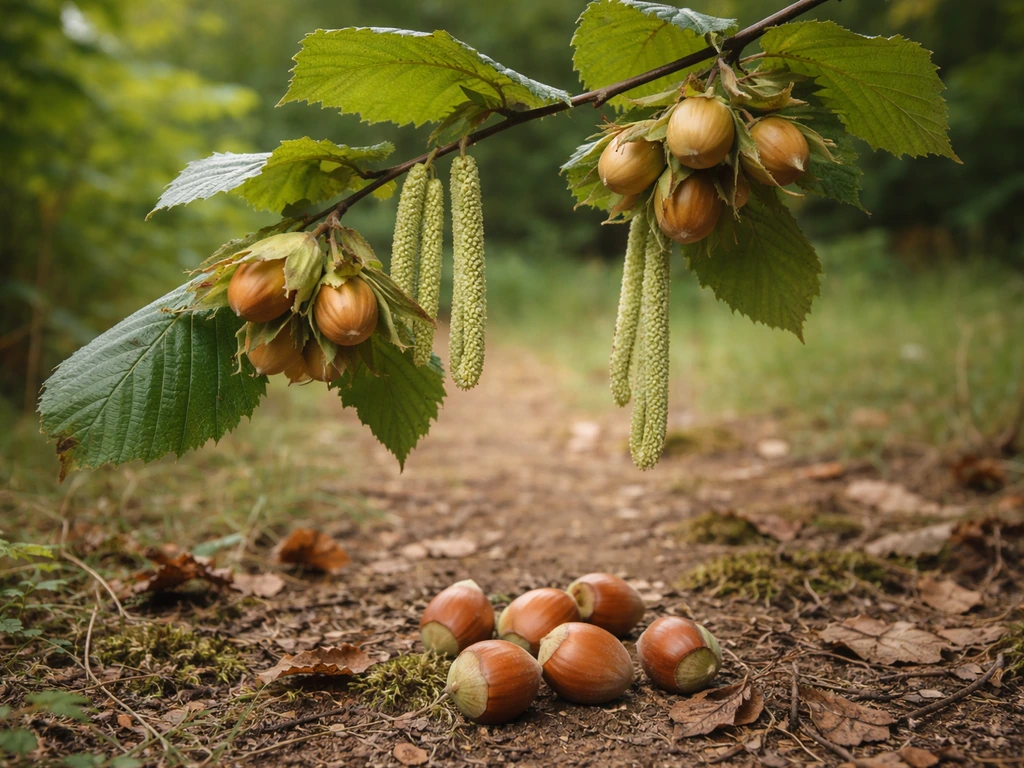
Hazelnuts are ready to harvest in the UK from early September, with October being the typical peak for most cultivars depending on the season and your location. The Woodland Trust puts the ripe window at September to October, and RHS guidance aligns with early September as the start point. You can harvest a little early (the nuts will be fresh and slightly less intense in flavour) or wait until they start dropping naturally. If you are competing with squirrels, earlier is often the pragmatic choice. Nets placed over the bushes in late August can help protect the crop.
Troubleshooting common UK problems and when to adjust your plan
The most common frustration UK growers report with hazel is planting a single bush and getting few or no nuts. This is almost always a pollination issue. If you have a single plant and no nearby wild hazel to contribute pollen, add a second compatible cultivar and give it two or three years. If you buy hazelnuts to eat, you can still save the kernels for sowing, but store-bought nuts may not germinate reliably will store bought hazelnuts grow. The difference is usually dramatic.
Late frost damage is the second most frequent problem. If your nuts fail in some years but not others and you cannot identify a pest or disease cause, look at your spring frost record. A late frost in April or early May, after flowering, is enough to kill the developing nuts invisibly. The bush looks fine, catkins have come and gone, but there are no nuts. If this pattern repeats, consider whether you can add any frost protection (a fleece over smaller bushes during forecast cold snaps in April) or whether relocating a future planting to a better-drained cold air site would help.
The two pests to know about are the hazelnut weevil (Curculio nucum) and big bud mite (Phytoptus avellanae). The hazelnut weevil is a serious pest in established hazel plantings. The adult weevil bores into developing nuts to lay eggs, and the larvae then develop inside, rendering the nut inedible. You will spot affected nuts because they drop early and have a small entry hole.
There is no simple spray solution for home growers. Collecting and destroying affected nuts before the larvae exit helps break the cycle over time. Big bud mite causes distinctively swollen, rounded buds in winter that are easy to spot compared to the normal narrow buds. Heavily infested buds fail to produce flowers or leaves.
Remove and destroy affected buds or shoots promptly. Severe infestations may warrant replacing the plant.
Powdery mildew (Phyllactinia guttata) can affect hazel, showing as a white powdery coating on leaves in late summer. It is rarely fatal and tends to be worse in dry conditions followed by humid periods. Good air circulation from open pruning reduces severity. Established plants generally tolerate it without significant impact on nut production.
If you are gardening in the north of England or Scotland and finding that nuts are not fully ripening before autumn sets in, consider whether your site is as warm and sheltered as it could be. A south-facing slope or a wall-sheltered position can add meaningful warmth in a marginal location. Alternatively, choosing earlier-ripening cultivars like Cosford rather than later ones can help you work with a shorter season rather than fighting it.
Ireland's hazel-growing conditions are closely related to those in northwest England and Wales, so the same regional logic applies there too. If you are specifically wondering do hazelnuts grow in Ireland, the answer is yes, and the main factor is giving them a good site for nut ripening.
Growing hazelnuts in the UK is genuinely achievable for most gardeners. The biology is on your side: this is a native plant that wants to be here. If you are also wondering what else grows well, check what nuts grow in Canada so you can compare options for your climate. The same question matters in Canada too, so you can consider whether do hazelnuts grow in Ontario under similar conditions.
If you are specifically wondering, do hazelnuts grow in Ireland, the answer is yes and the same cultivation principles apply. If you are specifically wondering, do hazelnuts grow in Ireland, the answer is yes and the same cultivation principles apply what nuts grow in Ireland. In Michigan, hazelnuts can still grow, but success depends on choosing the right variety and managing your local frost and ripening conditions do hazelnuts grow in michigan.
The practical steps that make the difference between a decorative shrub and a productive one are choosing the right cultivars, ensuring cross-pollination, picking a site away from frost pockets, and harvesting before the squirrels do. Get those basics right and a mature hazel bush should reward you with a meaningful harvest most years.
FAQ
If hazelnuts grow in the UK, why do my plants produce very few nuts even when they flower normally?
Most often it is pollination timing and cultivar compatibility. Even though hazel makes both male and female flowers, many named cultivars are not dependable self-fertile, so a single bush can give sporadic results. Add a second compatible cultivar within a reasonable distance (and avoid planting them too far apart), then give it 2 to 3 years for established flowering wood.
Can I grow hazelnuts from shelled hazel nuts I bought to eat?
You can try, but germination from store-bought nuts is inconsistent because they may have been dried or stored in ways that reduce viability. For reliable harvests, start with nursery plants of named cultivars, or if you try kernels, plant several and expect uneven growth and nut quality.
How close do I need two hazel bushes for pollination to work well?
Wind pollination helps, but closer is better, especially in smaller gardens where wind exposure can be turbulent. If you can, pair plants so they are side-by-side rather than at opposite ends of the property, and choose cultivars known to fruit together in UK conditions.
Will a wild hazel in a hedgerow nearby be enough, or do I still need two garden cultivars?
It can be enough if the wild hazel is reasonably close and flowering at the same time, wind can carry pollen into your planting, and your garden site is not heavily sheltered from prevailing winds. However, relying on it is less predictable than planting a second compatible cultivar, particularly if neighboring hedgerows are sparse or distant.
My hazel flowers early, but I get no nuts. How can I tell if it is frost rather than a pest or disease?
If the bush looks healthy after flowering, catkins have come and gone, and then there are no developing nuts, late frost is a likely cause. Keep a note of frost dates (especially April to early May) for a couple of years. If the pattern repeats in similar weather, consider fleece protection for smaller bushes during forecast cold snaps.
Do hazelnuts need full sun, or will they still fruit in partial shade?
They will grow in light shade, but flowering and nut set can drop noticeably. For the best chance of consistent cropping, aim for full sun for much of the day, and if you are choosing between two spots, pick the sunnier one even if it means slightly less shelter.
What soil should I use, and is drainage more important than fertility?
Drainage matters more than fertility. Hazel tolerates many soil types including chalk, clay, loam, and sand, but waterlogged ground is the main problem for nut production and plant health. If your site tends to stay wet, improve drainage or choose a higher, better-drained location.
How far apart should I space hazel if I want a managed nut bush hedge or orchard-style planting?
For managed nut bushes, spacing of about 4 to 5 metres between plants is a good rule of thumb. This helps air circulation (which reduces mildew severity), gives space for renewal pruning, and avoids excessive shading between neighboring bushes.
When is the best time to prune for nut production, and what should I avoid?
For a goblet-shaped, productive bush, prune in late January through February when catkins are releasing pollen, so you can clearly see flowering wood. Avoid pruning too early in winter when severe cold is still possible, and avoid cutting later when female flowers are fully open because you can remove receptive flowering wood.
Should I prune in autumn instead of winter?
Autumn pruning is generally a bad idea for nut production because it can stimulate new growth that is more vulnerable to cold, and you may miss the “see the flowering wood” window. If you must do any work outside winter, limit it to light tidy-ups rather than structural cuts.
How do I protect hazelnuts from squirrels without ruining the crop or making harvest harder?
Nets placed over bushes in late August help, ideally before nuts start becoming tempting to squirrels. Secure netting so it does not sag and trap branches in a way that damages shoots, and plan your harvest path so you can remove nuts efficiently when they start to ripen.
If my nuts ripen late or do not fill out fully, what are the best fixes?
Start with site warmth. A south-facing slope or a position sheltered by a wall can add meaningful heat. Also consider earlier-ripening cultivars (like Cosford) if you are in a cooler, higher, or more exposed area where the growing season is shorter.
Are hazelnut weevil and big bud mite problems for young plants, or only older ones?
Hazelnut weevil can become an issue in established plantings, but scouting is still smart once bushes start producing. Big bud mite is usually spotted in winter by swollen, rounded buds, and you can reduce damage by removing affected buds or shoots early before infestations build up.
What should I do after I harvest, and when do I stop leaving nuts on the bush?
Harvest when nuts are ripe and before heavy natural drop turns into losses to wildlife. After harvest, remove and dispose of any visibly damaged nuts promptly, since they can carry over pests like weevil larvae. If you leave nuts for weeks, you increase both squirrel pressure and pest carryover.