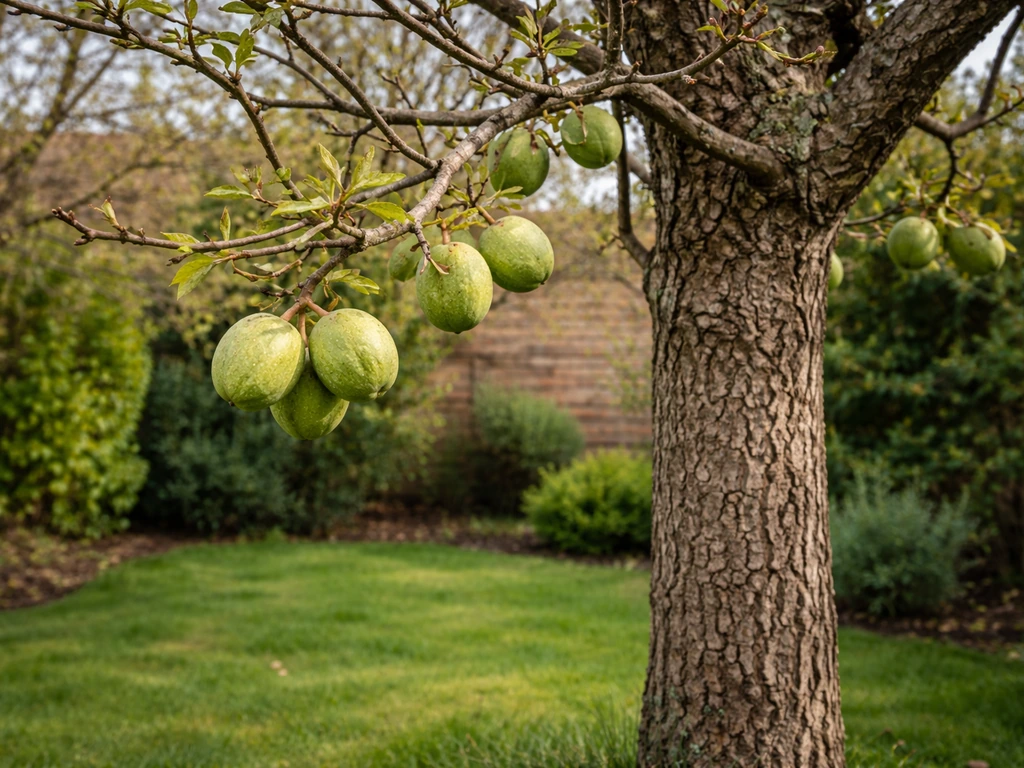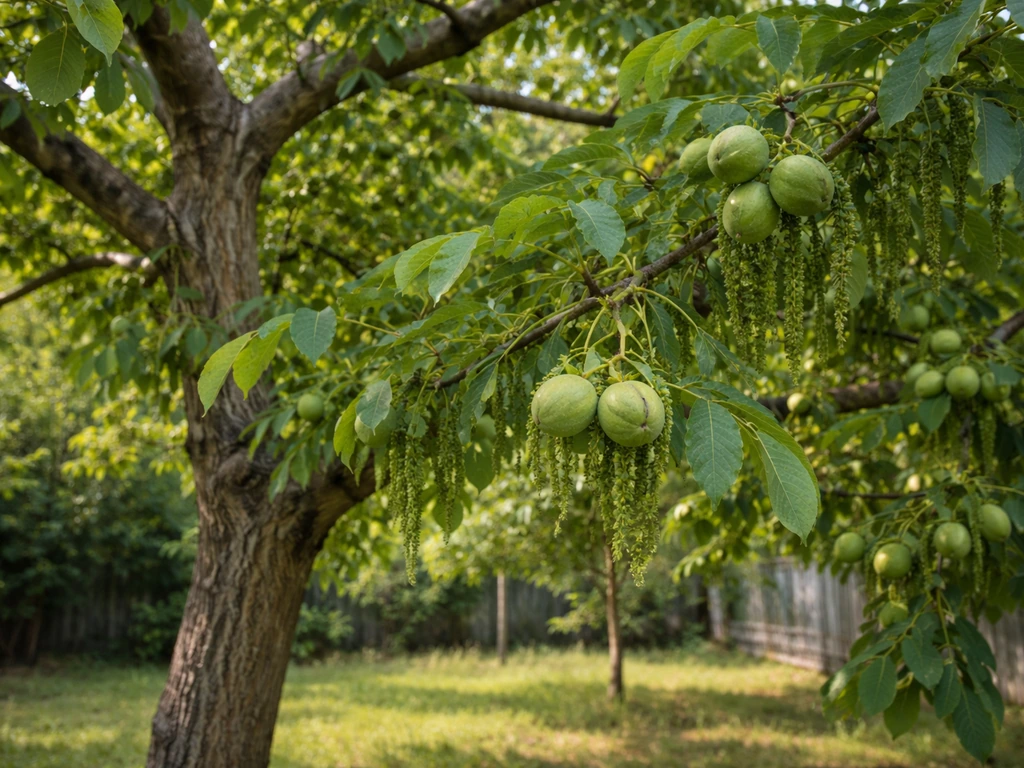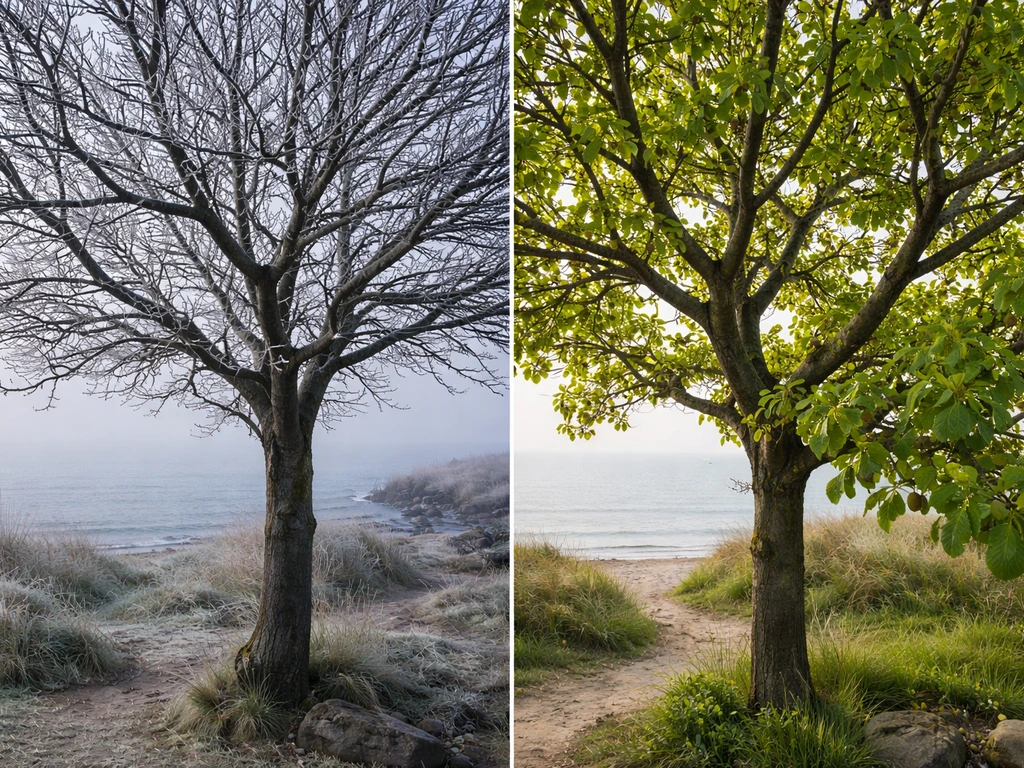
Yes, you can grow nuts in Canada, but the species that actually produce reliable harvests are fewer than most people expect, and your province matters enormously. Canada's climate stretches from Zone 0 in the far north to Zone 8 in coastal British Columbia, so "can nuts grow in Canada" is really four or five different questions depending on where you live.
What Nuts Grow in Canada Best Cold-Hardy Options
Marcus Hendricks
21 Apr 2026
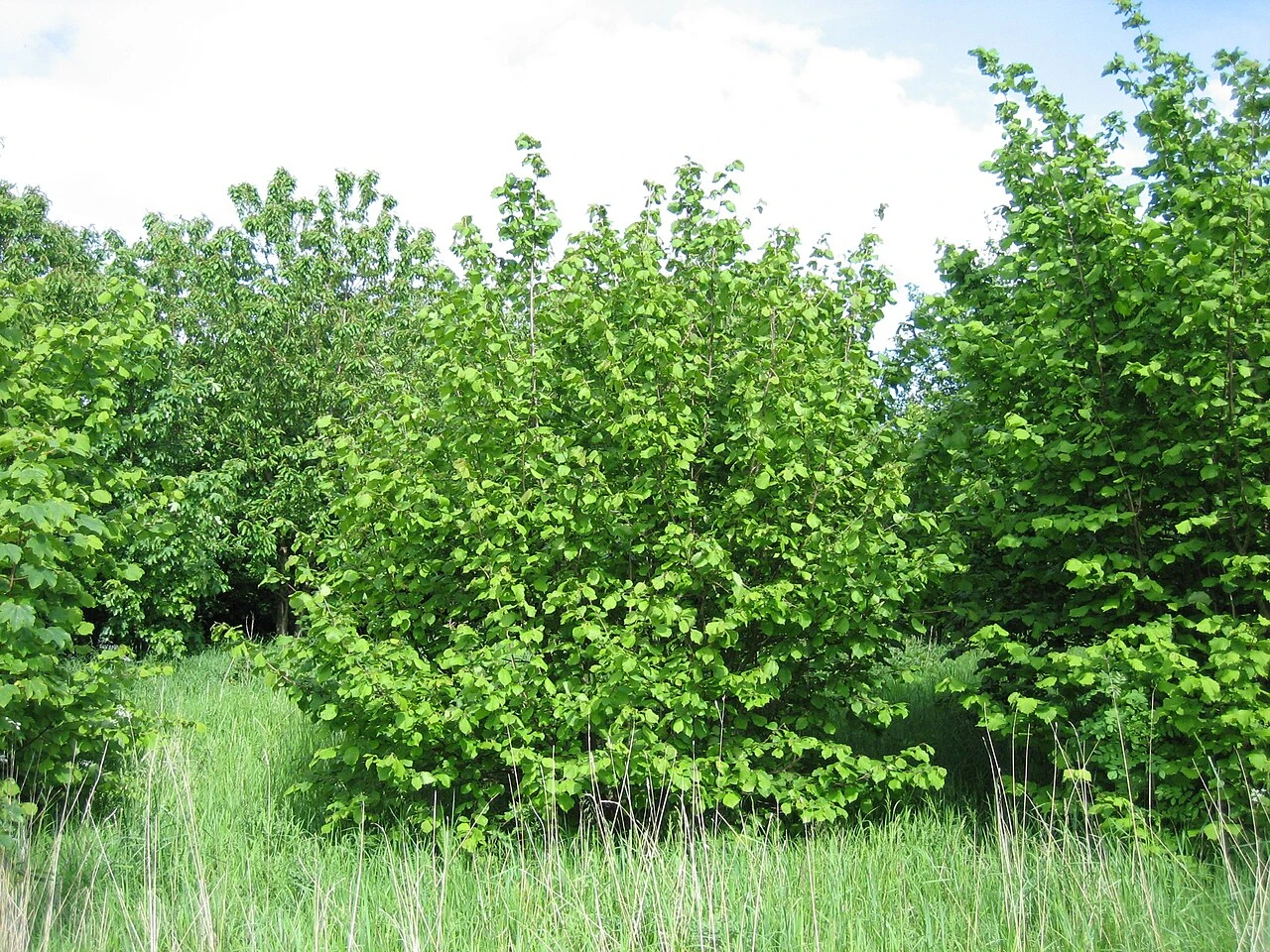
The short answer: hazelnuts are the most widely adaptable option, black walnuts and heartnuts work in southern Ontario and Quebec, and Persian walnuts are possible in the mildest pockets of BC and Atlantic Canada. Yes, hazelnuts can grow in Ontario, but success depends on choosing cold-tolerant cultivars and planting in the right microclimate to manage winter cold and spring frost do hazelnuts grow in Ontario.
Chestnuts and butternuts are technically possible but come with serious disease complications that make reliable harvests genuinely uncertain.
Can you actually grow nuts in Canada? Realistic expectations first
Growing nut trees in Canada is realistic, but it demands patience and honesty about timelines. Most nut trees take 5 to 10 years to bear their first meaningful crop, and that's assuming you planted the right species in the right zone. The two biggest killers of nut-growing ambitions in Canada are winter cold damage and spring frost hitting flower buds right before nut set. A tree that survives winter perfectly can still produce nothing that year if a late frost in May wipes out developing catkins or pistillate flowers. Add a shorter frost-free season than most nut-growing regions in the US, and you start to see why variety selection and site choice aren't optional extras, they're the whole game.
The other realistic expectation to set: disease pressure is real and species-specific. American chestnut trees in Canada are effectively prevented from reaching fruit-bearing maturity by chestnut blight (Cryphonectria parasitica), and ongoing recovery and resistance-breeding programs are the only reason this species still has a future here. Butternut faces a similar crisis from butternut canker, a fungal infection that infects and kills healthy trees, limiting realistic nut production prospects for most home or woodlot plantings. If you want nuts in 7 to 10 years without disease management overhead, stick to hazelnuts, black walnuts, or heartnuts for most of Canada.
Nut varieties that actually do well in Canadian climates
Hazelnuts (Corylus avellana and hybrids)
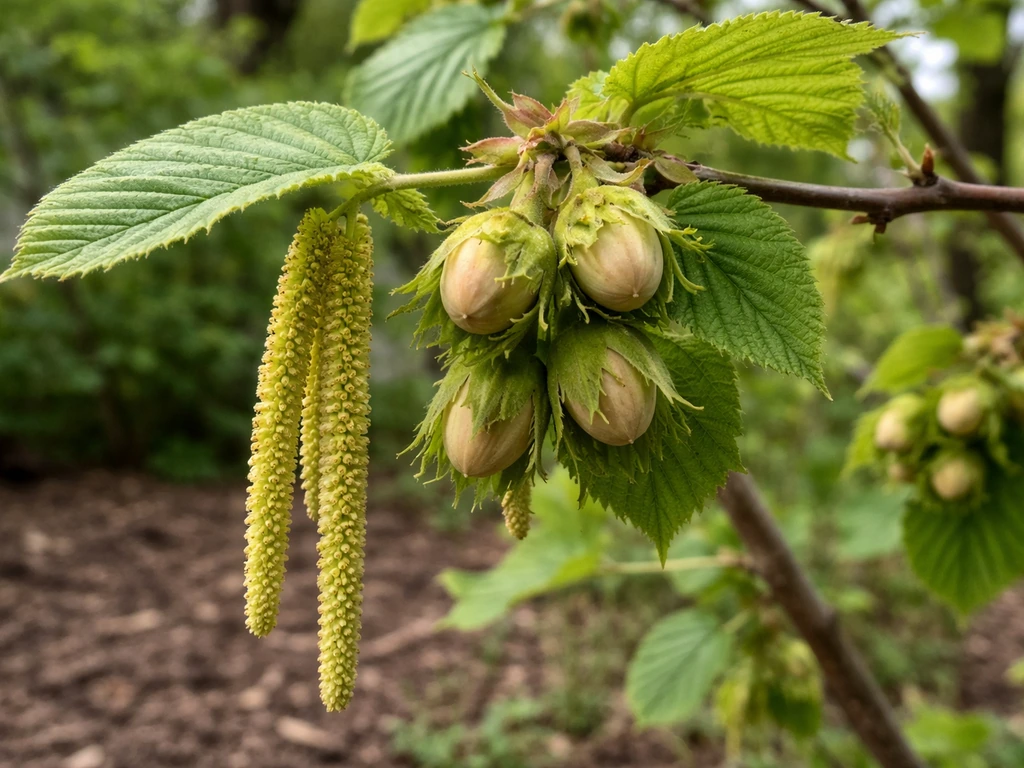
Hazelnuts are the most practical nut crop for the widest range of Canadian growing zones. They're shrubby or small-tree sized (easy to manage), relatively fast to first harvest compared to walnut species, and cold-tolerant cultivars exist for zones 4 through 7b. In Ontario, growers work with cultivar groups including Oregon selections like Jefferson and Yamhill, alongside varieties specifically bred or selected for Ontario conditions with an emphasis on resistance to Eastern Filbert Blight (EFB) and hazelnut bud mite.
The University of Guelph has replicated cultivar trials running across potential Ontario growing regions evaluating exactly these traits. In BC, hazelnuts are a commercial crop in the Fraser Valley, and the provincial government's hazelnut reference guide provides solid cultivar and management guidance. The native beaked hazelnut (Corylus cornuta) grows wild across much of Canada and tolerates acidic soils down to about pH 5. 3, but its nuts are smaller and less desirable for eating than cultivated European or hybrid hazelnuts.
Black walnut (Juglans nigra)
Black walnut is native to southern Ontario and can produce well in zones 5 and 6, though cracking the shells is genuinely hard work and many growers find the harvest-to-kernel ratio discouraging. The trees are large (they need space), and wildlife pressure, especially squirrels, can strip a crop before you even know it's ready. That said, black walnut is one of the hardiest true walnut options available to Canadian growers, and the timber value adds a long-term incentive. Soil pH of about 6.5 to 7.2 and a fertile loam or sandy loam is ideal.
Heartnut (Juglans ailantifolia var. cordiformis)
Heartnuts are hardy to Zone 5 but productive Zone 5 growing is limited by spring frosts that can kill developing flower buds. They're worth considering in southern Ontario and Quebec because they produce a heart-shaped nut that cracks out whole far more easily than black walnut. Pollination improves noticeably when you plant two or more varieties, so plan for at least a pair of trees. OMAFRA notes the spring frost risk specifically as the main production constraint, which means site selection, avoiding frost pockets, matters as much as variety choice.
Persian (English) walnut (Juglans regia)
Persian walnut is possible in the mildest Canadian climates: the Okanagan and lower Fraser Valley in BC, and sheltered sites in Atlantic Canada. Perennia's Persian Walnut fact sheet is direct about this: successful plantings depend heavily on site selection because trees are susceptible to winter cold damage and late frosts. Atlantic Canada-suitable cultivars include Bauer 2 and Coble. If you're in a colder part of Atlantic Canada or anywhere in the Prairie provinces, Persian walnut is a gamble with poor odds.
Chestnuts and butternuts
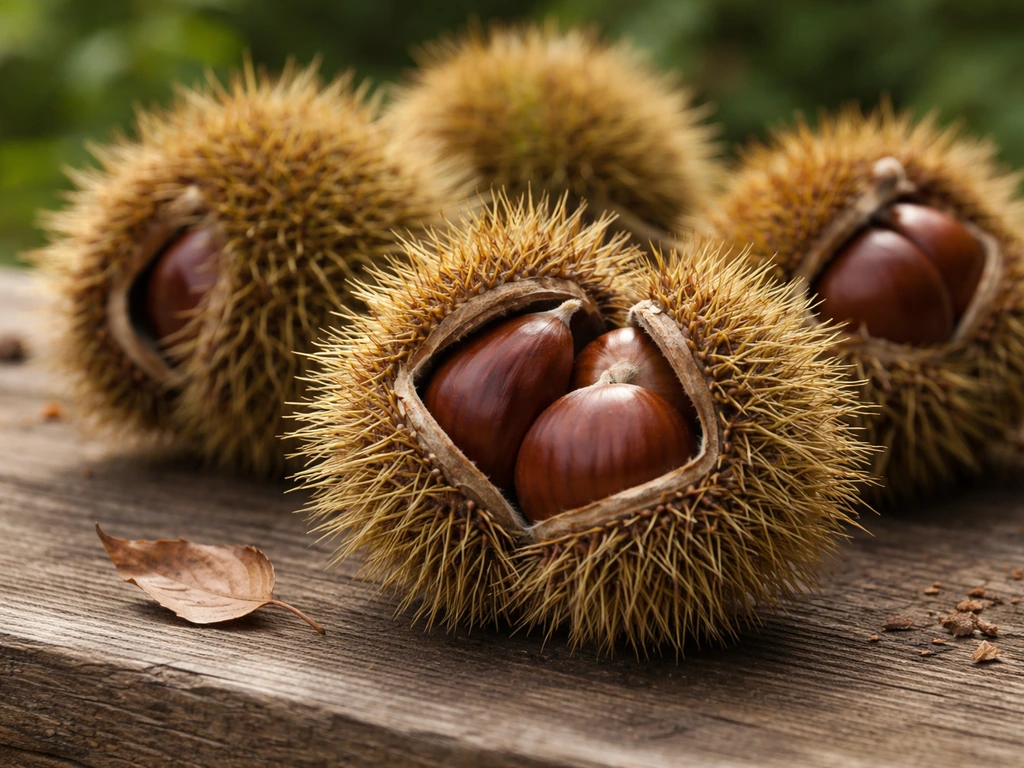
Chinese chestnut (Castanea mollissima) and hybrid chestnuts are more promising than American chestnut in Canadian conditions because they carry some blight resistance. They need a long enough frost-free season to ripen nuts fully, which restricts them to southern Ontario and similar climates. Butternut (Juglans cinerea) is native to eastern Canada but butternut canker continues to devastate populations; Natural Resources Canada recommends removing infected trees quickly in managed contexts to limit spread. For most growers, planting butternut today means a high risk of losing the tree before it ever bears well.
Matching the right nut to your Canadian region
Canada uses its own Plant Hardiness Zone map (updated from the 2000 map), which factors in minimum winter temperatures alongside other variables like frost-free days and precipitation. Natural Resources Canada says Canada’s plant hardiness zone maps and website were updated for the first time in over a decade Canada uses its own Plant Hardiness Zone map (updated from the 2000 map).
It doesn't map one-to-one with USDA zones, but most nut-tree cultivar data you'll find references USDA zones, so it helps to know roughly how they compare for your area. Southern Ontario's fruit-growing belt sits around USDA zones 6b to 7b. The BC Lower Mainland and Fraser Valley reach zone 7 to 8. Atlantic Canada ranges widely, from zone 5 in inland Nova Scotia to zone 6b on the South Shore.
Prairie provinces are mostly zones 2 to 4, which rules out most nut trees except cold-hardy hazelnut selections.
| Region | Realistic USDA Zone Range | Best Nut Options | Key Limiting Factor |
|---|---|---|---|
| Southern Ontario / SW Quebec | 5b–7b | Hazelnuts, black walnut, heartnut, hybrid chestnut | EFB (hazelnuts), spring frost (heartnut/walnut) |
| BC Fraser Valley / Okanagan | 6b–8 | Hazelnuts (commercial), Persian walnut (mild sites) | Site drainage, EFB in hazelnuts |
| Atlantic Canada (sheltered sites) | 5–6b | Hazelnuts, Persian walnut (Bauer 2, Coble), black walnut | Short season, late frost, winter cold (Persian walnut) |
| Prairie Provinces | 2–4 | Cold-hardy hazelnut hybrids only | Extreme winter cold, very short frost-free season |
| Northern Canada / Territories | 0–3 | Very limited; native beaked hazelnut (wild only) | Winter temperatures, season length |
For Ontario growers specifically, hazelnuts are getting the most research attention right now. The Ontario Hazelnut Association and University of Guelph trials are developing a clearer picture of which cultivars perform in different Ontario microclimates. If you're in Ontario and serious about hazelnuts, checking in with those trial results before buying plants will save you from planting cultivars that look good on paper but aren't suited to your zone.
Growing requirements that actually matter
Sunlight
All nut trees need full sun, meaning at least 6 to 8 hours of direct sunlight daily. This isn't negotiable. Shaded nut trees grow slowly, produce poorly, and are more vulnerable to fungal diseases. In Canada's already-short growing season, a tree that's losing productive hours to shade is at a serious disadvantage. Pick the most open, south-facing or southeast-facing site on your property.
Soil drainage and texture
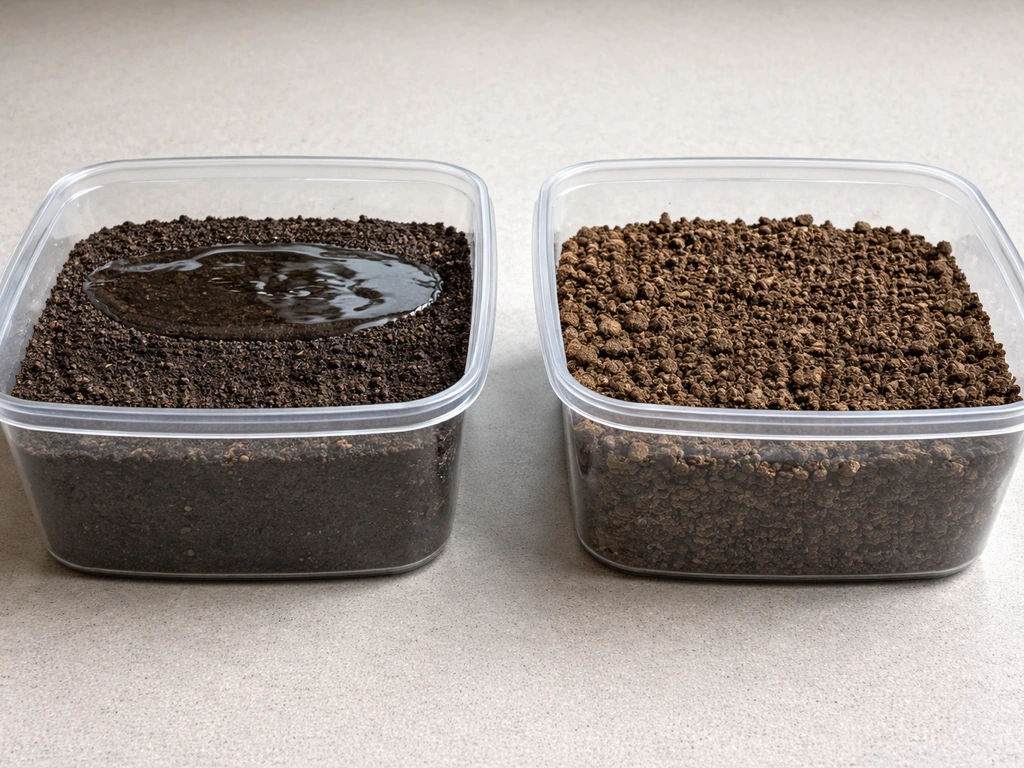
Nut trees are more sensitive to waterlogged soil than most people realize. For hazelnuts, BC's provincial guide specifies well-drained, deep, fertile loam to sandy loam as the ideal soil type. Black walnut wants the same: fertile loam or sandy loam with good drainage. Standing water around roots, even briefly in spring, can stress trees and open the door to root disease. If your site has heavy clay or a high water table, raised planting mounds or selecting a different location is a much better investment than trying to amend your way out of the problem.
Soil pH
Hazelnuts prefer a pH of 6 to 7, and this target is consistent across both BC and Ontario guidance. Black walnut does best around 6.5 to 7.2. The native beaked hazelnut tolerates more acidic conditions (around pH 5.3 to 6.1), which is useful if your site is naturally acidic and you want to minimize amendment work. Test your soil before planting. Adjusting pH takes time, and starting with soil in the right range means one less variable working against you in the early years.
Cold hardiness and frost pockets
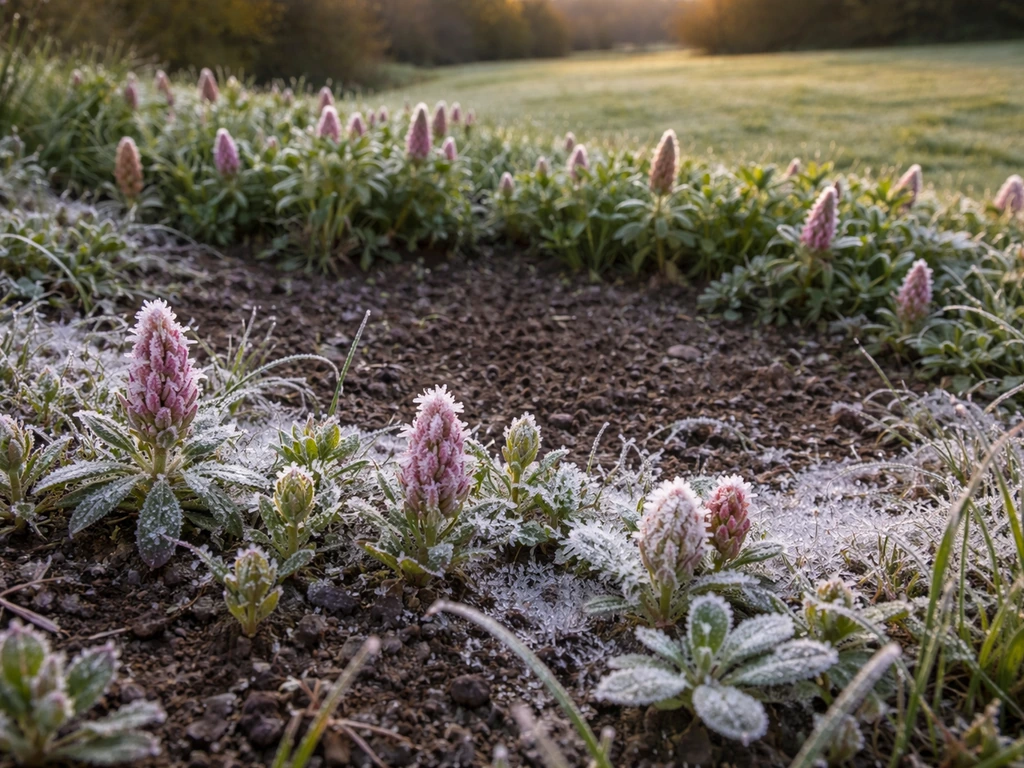
Beyond zone ratings, pay attention to your specific microclimate. Frost pockets, low spots where cold air pools on still nights, can expose flower buds to temperatures 3 to 5 degrees colder than the surrounding landscape. For hazelnuts and heartnuts, where spring frost hitting developing flowers is the main production risk, planting on a gentle slope that allows cold air to drain away can be the difference between a crop and no crop in a borderline spring.
Planting basics and what to do in the first few years
When to plant
Bare-root nut trees and shrubs are best planted in early spring, as soon as the ground can be worked and before significant bud break. Container-grown plants give you a bit more flexibility and can go in through early summer if you keep watering consistent, but spring planting still gives the best establishment window in most Canadian regions. Avoid fall planting for species that are marginal for your zone, since young trees with limited root systems are more vulnerable to freeze-thaw cycles in their first winter.
Spacing
Hazelnuts grown as multi-stem shrubs typically need 3 to 5 metres between plants; trained as single-trunk trees they can be spaced at 4 to 6 metres. Black walnut and heartnut are large trees and need 10 to 15 metres of space at minimum. Persian walnut similarly wants 10 metres or more. Don't crowd nut trees. Air circulation reduces fungal disease pressure and the root competition from crowding reduces nut production for the life of the planting.
Pollination
This is one of the most commonly overlooked requirements. Hazelnuts are wind-pollinated and self-incompatible, meaning a single plant won't set good crops on its own. You need at least two compatible cultivars planted close enough for pollen to move between them. BC's hazelnut guidance specifically notes that air movement is needed for pollen transfer, which matters for site layout: don't plant hazelnuts in completely sheltered, still-air spots. Heartnut production also improves meaningfully with two or more varieties. Black walnut is more self-fertile but still benefits from having multiple trees. Plan your planting layout around pollination compatibility, not just aesthetics or convenience.
Early-care priorities
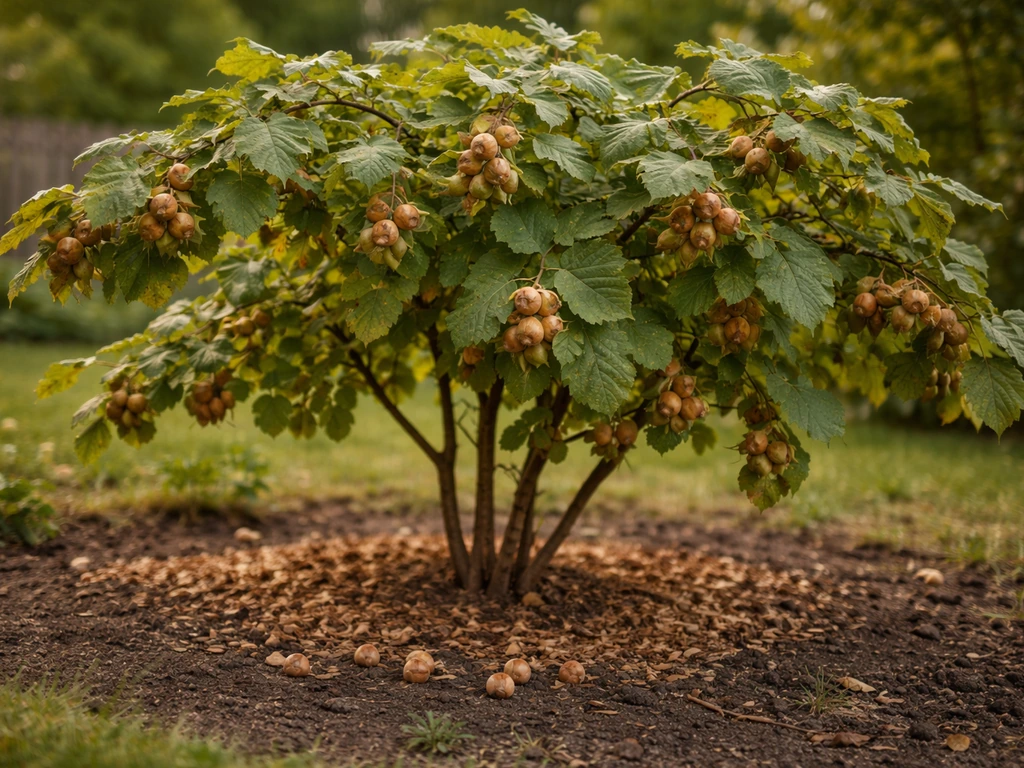
- Water deeply during dry spells in the first two summers; roots need to establish before trees can handle drought stress
- Mulch around the base (keeping mulch away from the trunk) to retain moisture and suppress competing grass and weeds
- Protect young black walnut and heartnut trunks from deer and rodent browsing, especially in the first three winters
- Don't fertilize heavily in year one; encourage root growth, not fast top growth that will be more frost-tender
- Remove any diseased material promptly, especially for hazelnuts in EFB-risk areas of Ontario
When to expect a harvest, how much to expect, and what goes wrong
Time to first nuts
Hazelnuts are the fastest: well-established plants can begin producing small crops in 3 to 5 years from planting, with meaningful harvests by years 6 to 8. Heartnuts and black walnuts take longer, typically 7 to 10 years for a first real crop. Persian walnuts can also take 7 to 10 years. Chestnut hybrids are variable but often fall in the 5 to 8 year range. These timelines assume healthy establishment and good site conditions. A tree stressed by poor drainage, wrong pH, or frost damage in year two is going to take longer.
Harvest timing
Hazelnut ripening generally falls from late September through October depending on cultivar and location. In Canada's shorter seasons, this means you're working with a tight window before first frost, which is exactly why ensuring sufficient frost-free days is a planning requirement, not an afterthought. Hazelnuts drop from husks when ripe, so harvest timing is partly about being ready to collect from the ground quickly before wildlife gets there first. Black walnut and heartnut ripen similarly in fall, with husks softening and nuts falling in September to October in Ontario.
Yield expectations
A mature hazelnut bush in good conditions can produce 2 to 5 kg of in-shell nuts per plant annually, with commercial orchards targeting much higher yields per hectare through intensive management. For home growers, a few well-placed hazelnut plants can produce enough for personal use within a decade. If you are starting from store-bought hazelnuts, the next question is whether those nuts will actually grow into productive trees. Black walnut yields vary widely; a mature tree can produce large volumes but processing time per kilogram of kernel is high. Heartnut is more practical for home processing because of its easier-cracking shell.
Common problems to plan for
- Eastern Filbert Blight in hazelnuts: cankers girdle stems and kill branches; controlling this requires planting resistant cultivars in Ontario, not just spraying
- Spring frost on flower buds: affects hazelnuts, heartnuts, and Persian walnuts; the fix is site selection (slope, not frost pocket) and cultivar choice, not something you solve after planting
- Butternut canker: if you're planting butternut, accept the risk or skip the species entirely
- Wildlife pressure: squirrels and deer are consistent problems for all nut species; physical protection of young trees and accepting some wildlife harvest loss is part of the plan
- Incomplete nut maturation: in zones at the cold edge of a species' range, nuts may not fully ripen before frost; this is a season-length problem that no amount of care can fix if the site is fundamentally too cold
If you're in Ontario and focused specifically on hazelnuts, the hazelnut production picture in that province is evolving quickly with the cultivar trials underway. Hazelnuts also come up frequently in discussions about growing nuts in other temperate regions, including parts of Ireland, the UK, and the northern US, since the core requirements around drainage, pH, and pollination compatibility translate across those climates.
In Ireland, hazelnuts are often the best place to start because they handle cool temperate conditions well when you match the drainage, soil pH, and frost risk what nuts grow in ireland. Michigan winters can be challenging, so the key question is whether hazelnuts can survive your specific zone and microclimate do hazelnuts grow in Michigan.
If you're wondering whether do hazelnuts grow in the UK, the same basics like frost-free conditions, good drainage, and proper pollination spacing still apply. The principles here largely apply wherever hazelnuts are pushed to their cold-climate limits.
The bottom line for Canadian growers: start with hazelnuts if you want the most forgiving entry point across the widest range of Canadian zones. Add black walnut or heartnut if you're in southern Ontario or Quebec and have the space and patience for a longer timeline. Consider Persian walnut only if you're in a demonstrably mild microclimate with a track record of low winter cold damage. And regardless of species, get a soil test, pick the most frost-free spot on your property, and plant at least two compatible varieties. Those three steps alone will do more for your harvest than any other single decision.
FAQ
What nuts are most realistic for backyard growing in the Prairies (Manitoba, Saskatchewan, Alberta)?
In most Prairie zones (often 2 to 4), options are very limited, so hazelnuts with cold-tolerant cultivars are usually the only practical nut-tree choice. Even then, you need a warm, well-drained site that avoids spring frost pockets, because flower buds are the main failure point rather than winter survival alone.
Can I grow nuts from store-bought nuts in Canada, or do I need nursery trees?
In most cases, starting from store-bought nuts is a gamble because you cannot control cultivar and you may get poor genetic performance for your specific frost and disease conditions. For hazelnuts especially, buying named cultivars helps ensure cold tolerance and, if you plant two compatible varieties, reliable pollination.
Do I need more than one nut tree for good yields in Canada?
For hazelnuts, yes. They are wind-pollinated and self-incompatible, so planting only one shrub often produces light yields. Black walnut is more self-fertile but still improves with multiple trees, and heartnut typically benefits from two or more varieties for better pollination.
How do I know if my property has a frost pocket, and what should I do about it?
Look for low spots where cold settles, areas that stay colder after a clear night, and gardens that have repeated late-spring damage. If relocation is not possible, use a gentle slope or more elevated planting point to encourage cold-air drainage, since flower damage can occur even when the tree survived winter fine.
What is the biggest soil mistake when growing nut trees in Canada?
Planting in heavy clay or any spot with standing water, even briefly in spring. Nut trees can be more sensitive than expected to waterlogged roots, so raised mounds or choosing a different location usually beats trying to amend drainage after planting.
Is it safe to plant nut trees in the fall in Canada?
For marginal species or colder sites, fall planting is higher risk because young roots have less time to establish before freeze-thaw cycles. Spring planting, when you can work the ground and before significant bud break, generally gives better establishment for the first winter.
How far apart should I space nut trees if I’m planting for home harvests?
Spacing should match the tree size and air movement needs, not just your available yard space. Hazelnuts commonly need a few metres between plants, while black walnut, heartnut, and Persian walnut require much larger distances (often a decade-long investment, so crowding later becomes a maintenance problem).
What should I do if my first nut trees don’t produce after several years?
First check frost damage timing, drainage, and pollination partners, because a tree can survive and still fail to set nuts after a late frost or poor flowering conditions. Also confirm the planting stock and spacing are appropriate, since stressed trees in year two or three commonly take longer to recover and flower properly.
When should I harvest nuts in Canada, and how do I prevent wildlife loss?
For hazelnuts, harvest typically runs late September through October, with nuts dropping from husks when ripe. Plan to collect quickly (and consider deterrents) because squirrels and other wildlife often start harvesting as soon as husks soften and nuts fall.
If I want chestnuts, can I grow American chestnuts in Canada without blight problems?
In most Canadian situations, American chestnut will not realistically reach fruit-bearing maturity due to chestnut blight. Chestnut hybrids and Chinese chestnut types are generally more plausible, but you still need a long enough frost-free season for full ripening.
What soil pH should I target, and how precise do I need to be?
You should test your soil before planting and aim close to the guidance for each species. Hazelnuts do best around pH 6 to 7, black walnut around 6.5 to 7.2, and beaked hazelnut tolerates more acidity, which can reduce amendment needs if your site is naturally low pH.