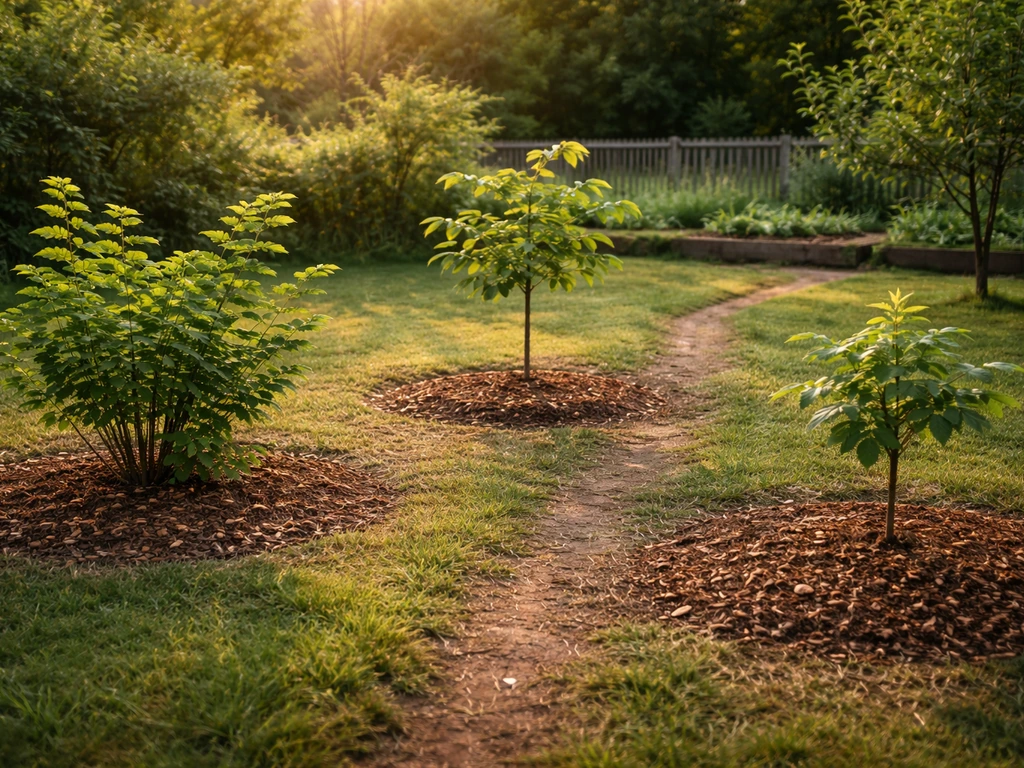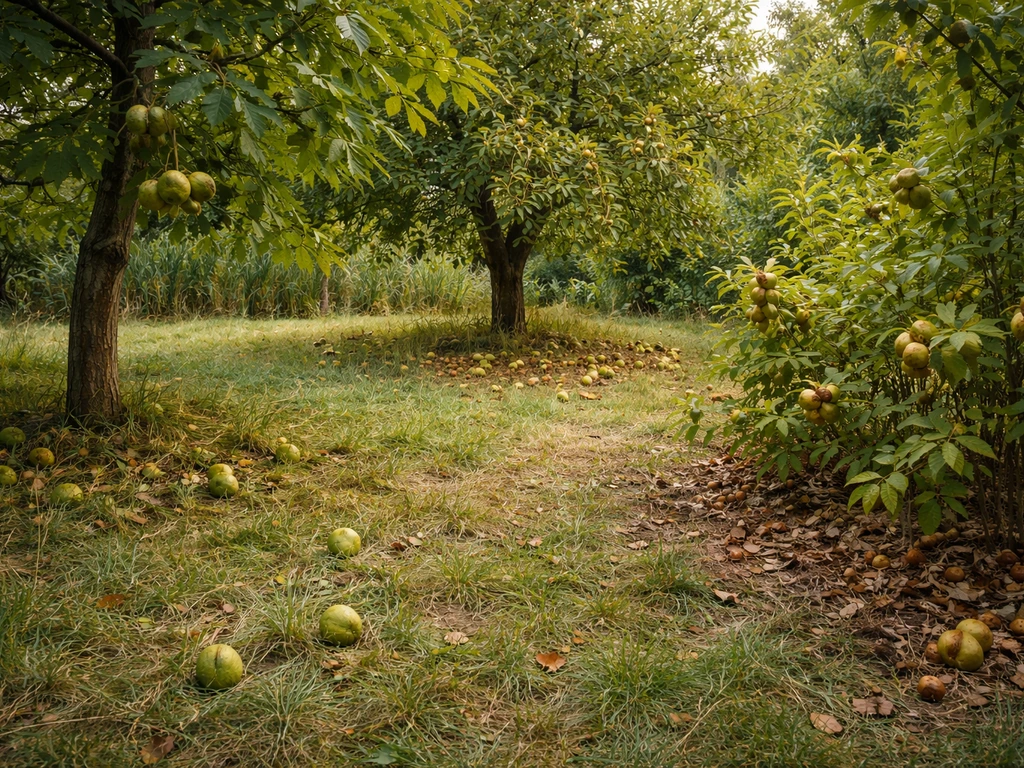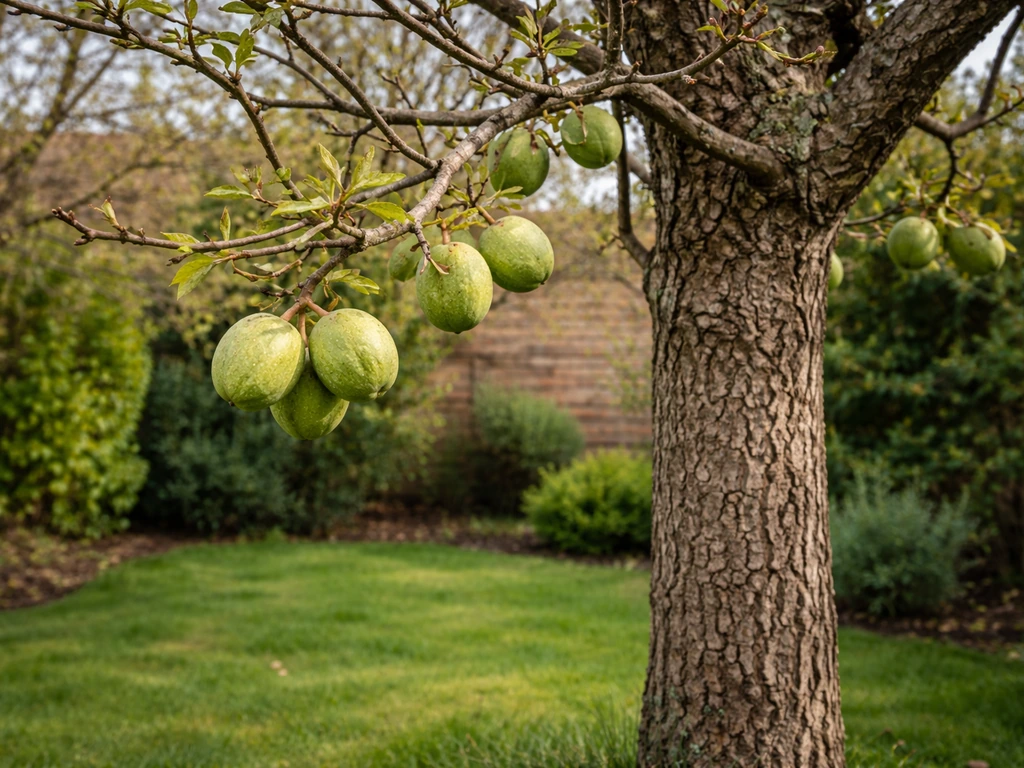
You can grow nut trees indoors in containers, but actually harvesting edible nuts from them is a much harder goal and depends almost entirely on which species you choose. If you are curious about palms specifically, some species produce nuts like coconuts and dates, which are harvested from palm trees rather than traditional nut trees. A few species, notably almonds and certain hazelnuts, give you a realistic shot at indoor flowering and nut production with the right setup. Most of the classic nut trees, including black walnuts, pecans, and pistachios, have biological requirements that make indoor nut production somewhere between very difficult and essentially impossible. Knowing which camp your chosen tree falls into before you start will save you years of frustration.
Can You Grow Nuts Indoors? Step-by-Step Indoor Guide
Realistic expectations: can indoor trees actually produce nuts?
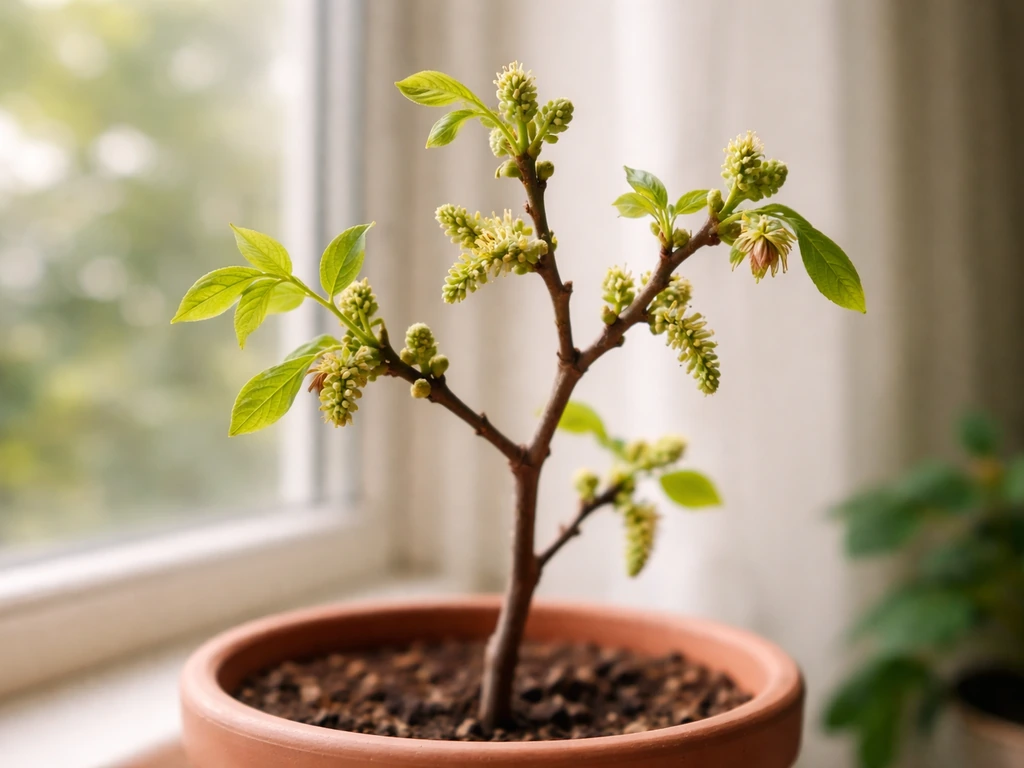
Here is the honest answer most guides skip over: growing a nut tree indoors and growing nuts indoors are two different things. You can absolutely keep a young walnut, pecan, or chestnut alive in a pot inside your home. They make interesting container plants. But getting them to flower, set fruit, and produce harvestable nuts requires you to satisfy their dormancy and chilling requirements, which means exposing them to hundreds of hours of temperatures near or below 45°F every year. Most homes simply cannot provide that. A walnut needs 500 to 1,000 hours of chilling below 45°F. Black walnut pushes past 1,400 hours. Pistachio and hazelnut each need roughly 800 hours. If you skip that cold period, the tree will not break dormancy properly, will not flower, and will not produce nuts.
What you are realistically aiming for with most indoor nut trees is a healthy, growing specimen that you either cycle outdoors for its chilling period or that you manage as a long-term container tree with the understanding that nut production will be limited or sporadic. There are exceptions, and the species section below maps out where your best bets are. But go in with clear eyes: an indoor nut tree is a serious, multi-year project, not a quick harvest.
Choose the right nut species for indoor growing (and why)
Species selection is the single most important decision you will make, and it comes down to two factors: chilling hour requirement and mature tree size. A species with a low chilling requirement can get its cold period in an unheated garage, basement, or brief outdoor placement in most climates. A species with a manageable mature size can actually live in a container long enough to produce. Here is how the main candidates stack up.
| Species | Chilling Hours Needed | Indoor Fruiting Feasibility | Container Suitability |
|---|---|---|---|
| Almond | 250–500 hours below 45°F | Best option for indoor nuts | Good in large containers with pruning |
| Pecan | ~250 hours below 45°F | Possible but tree gets very large | Challenging; needs very deep pots |
| Hazelnut / Filbert | ~800 hours below 45°F | Difficult without a proper cold period | Moderate; multi-stem shrub form helps |
| Chestnut | 60–90 days at 34–40°F for seed; tree chilling variable | Unlikely indoors long-term | Poor; trees grow large quickly |
| Pistachio | ~800 hours below 45°F | Very difficult indoors | Poor; also needs hot, dry summers |
| Black Walnut | Over 1,400 hours below 45°F | Not practical indoors | Very poor; massive taproot |
| English / Persian Walnut | 500–700 hours below 45°F | Unlikely without cold cycling | Poor; large, wide-spreading tree |
Almond is the clearest winner for indoor nut production. Its chilling requirement of 250 to 500 hours is the lowest among common nut crops, and low-chill varieties bred for mild climates push that even lower. You can meet that requirement by moving a containerized almond to an unheated but protected space like a garage or enclosed porch for a few months each winter. Dwarf almond varieties stay compact enough to manage in a 15- to 25-gallon container. Pecan also has a low chilling requirement of around 250 hours, but the trees grow extremely large and need very deep soil for their taproots, making long-term container growing a real challenge. Hazelnut is shrub-like enough to container grow, but its ~800-hour chilling requirement is harder to satisfy indoors. If you are thinking about potted nut trees more broadly, the topic of growing nut trees in pots covers container management in more depth and is worth reading alongside this guide. If you want to grow for outdoor nut harvests in Pennsylvania, start with the best nuts to grow in Pennsylvania and pick varieties that match your chill hours.
Indoor setup essentials: light, temperature, humidity, and airflow
Light

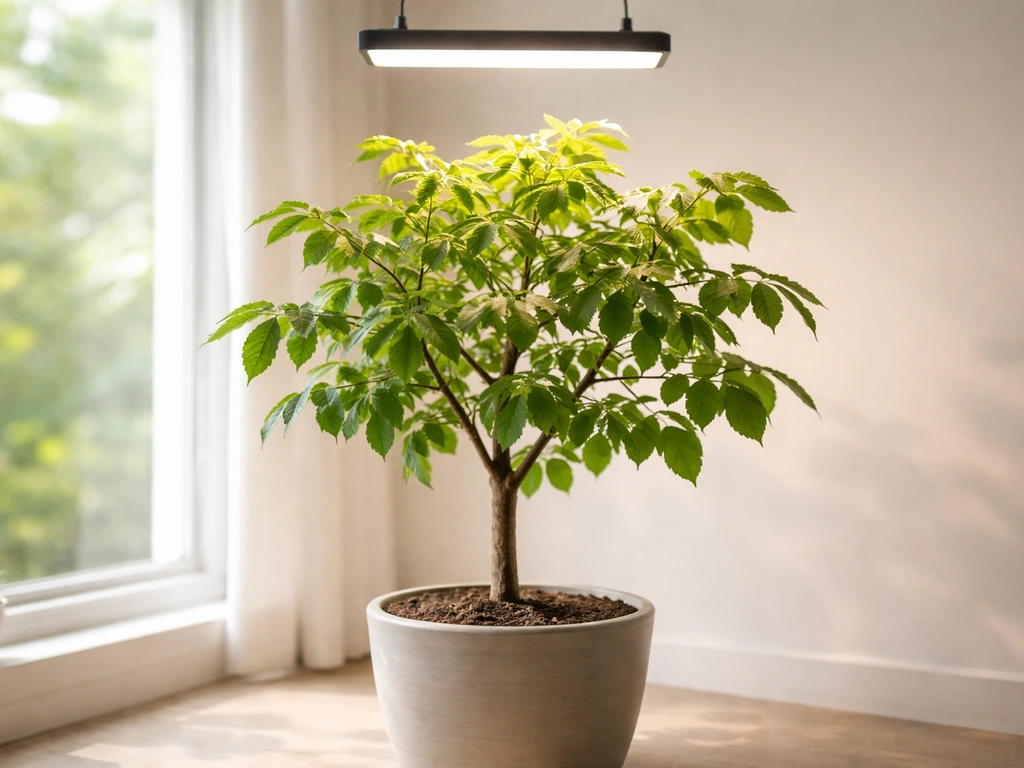
Nut trees are full-sun plants. They want 8 to 10 hours of direct or high-intensity light daily, and a south-facing window simply cannot deliver that in most homes, especially in winter. If you are serious about growing a nut tree indoors beyond the seedling stage, budget for a grow light setup. Full-spectrum LED grow lights rated at 600 to 1,000 true watts work well for a single container tree. Position the light so the canopy sits 12 to 18 inches below the fixture, and run it for 14 to 16 hours a day during the growing season. Leggy, weak growth with long internodes is the clearest sign that your tree is not getting enough light.
Temperature
During active growth, most nut trees prefer daytime temperatures of 65 to 80°F and nighttime temperatures of 55 to 65°F. A slight drop at night actually encourages better growth and helps with dormancy transitions. The tricky part is winter. As discussed above, you need to provide a chilling period, and the approach that works best is moving the container tree to an unheated but frost-protected space (aim for 32 to 45°F) for 8 to 12 weeks in winter. An attached garage, enclosed porch, or cool basement with a small window works. The tree will drop its leaves and go dormant. That is exactly what you want.
Humidity and airflow
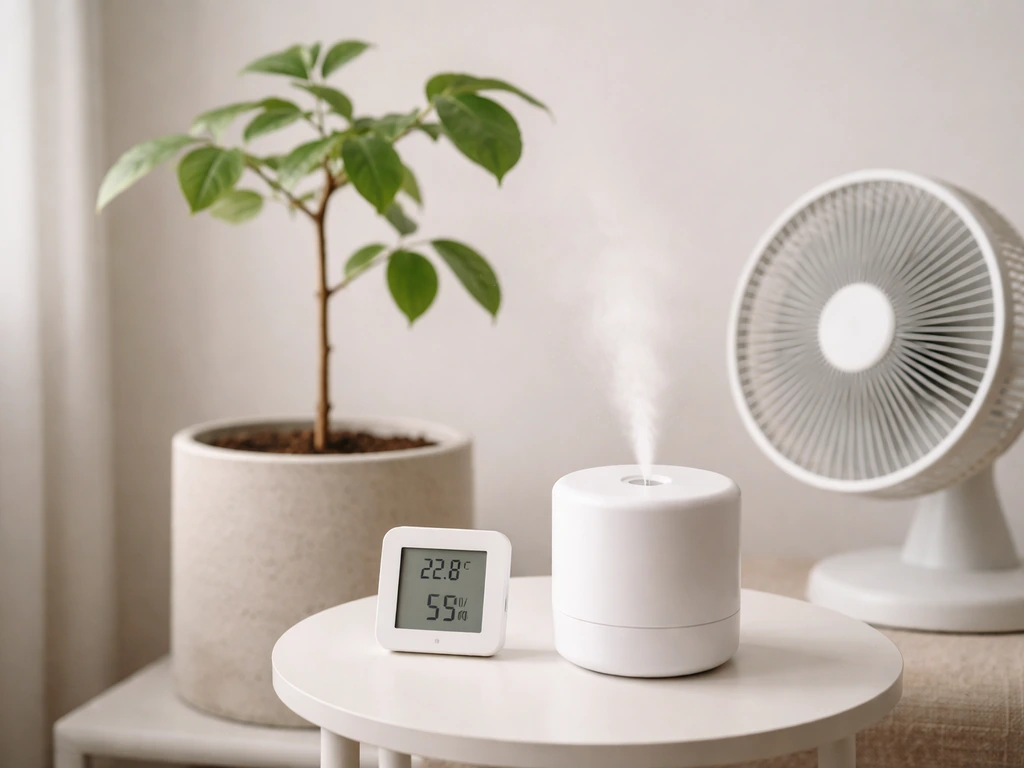
Most homes run dry, especially in winter with central heating running. Nut trees prefer relative humidity between 40 and 60 percent. Below that, you will see leaf tip scorch and increased spider mite pressure. A room humidifier near the tree helps significantly. Equally important is airflow. Stagnant air around a container nut tree encourages fungal problems and can also interfere with pollination. Running a small oscillating fan on low for a few hours a day serves two purposes: it mimics wind-assisted pollination and keeps the canopy dry enough to resist powdery mildew and other common fungal issues.
Starting nut trees indoors: seeds vs transplants and germination basics
You have two paths into an indoor nut tree: starting from seed or buying a nursery transplant. For most growers aiming at eventual nut production, a nursery-grown grafted or rooted transplant of a named variety is the smarter choice. Grafted trees are often 2 to 4 years ahead of seed-grown trees in development, and named varieties carry known traits like low chill requirements and compact growth habit. Starting from seed is interesting, rewarding, and much cheaper, but you will wait longer and the tree's eventual characteristics are less predictable.
If you do start from seed, cold stratification is non-negotiable for most nut species. Black walnut needs about 3 months at 33 to 50°F. Pecan needs roughly 2 months at 36 to 40°F. Chestnut needs 60 to 90 days at 34 to 40°F. Hickory species need roughly 3 months at 33 to 50°F. The practical method is to seal the nuts in a zip-lock bag with slightly damp peat moss or sand, then store them in the back of your refrigerator for the required period. After stratification, plant them 1 to 2 inches deep in a moist, well-draining seed mix and keep the pot at 65 to 70°F. Germination typically takes 2 to 6 weeks depending on species.
Potting, soil, and container and root management
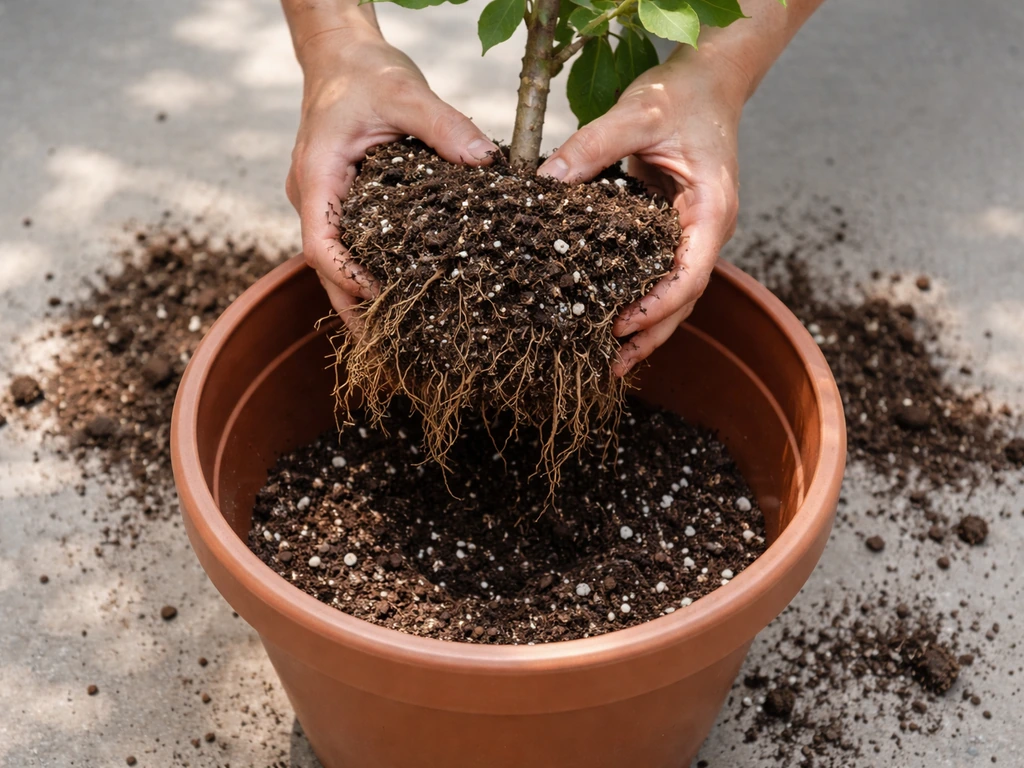
Container size matters more for nut trees than for most other potted plants. These trees naturally develop large root systems, and cramping the roots stunts the whole tree and virtually eliminates any chance of flowering. Start a seedling in a 5-gallon pot, then step up to a 15-gallon container by year two or three, and ultimately aim for a 25- to 30-gallon pot for a mature specimen. Pecans and walnuts develop deep taproots, so tall, narrow containers (sometimes called tree pots or air-pruning pots) work better than wide, shallow ones.
Soil mix is where a lot of indoor nut tree growers go wrong by using straight potting mix. Standard potting soil compacts over time, holds too much moisture, and restricts oxygen to the roots. Build your own mix with roughly 50 percent high-quality potting soil, 25 percent perlite, and 25 percent coarse sand or fine bark. This gives you a well-draining mix that still holds enough moisture and nutrients to support a fast-growing tree. Nut trees generally prefer a slightly acidic to neutral soil pH between 6.0 and 7.0, with the exception of some species like pistachio which can tolerate slightly alkaline conditions.
Root management is an ongoing task. Every 2 to 3 years, unpot the tree in late winter before bud break, prune back any circling or matted roots by about one-third, and repot into fresh mix in the same container or one size up. Air-pruning containers (fabric pots or those with perforated sides) reduce circling root problems significantly and are worth the investment for a tree you plan to keep for decades.
Watering and fertilizing schedules for healthy nut growth
The single most common way people kill indoor nut trees is overwatering. Container trees have no ability to send roots out in search of drier soil, so soggy conditions quickly cause root rot. During the active growing season (spring through early fall), water when the top 2 inches of soil feel dry. When you water, water thoroughly until it drains freely from the bottom, then do not water again until the soil has dried down again. In winter dormancy, water only enough to keep the soil from completely drying out, roughly once every 2 to 3 weeks.
For fertilizing, nut trees are moderate to heavy feeders during active growth. A balanced slow-release granular fertilizer (10-10-10 or similar) applied at the start of spring and again in early summer covers the basics. Supplement with a liquid fertilizer higher in phosphorus and potassium (something like a 5-10-10) once a month from late spring through midsummer to encourage root development and eventual flowering. Stop all fertilizing by late summer to allow the tree to begin hardening off before dormancy. Never fertilize a tree that is dormant or stressed.
How to get flowers and nuts indoors: pollination and fruiting requirements
Getting an indoor nut tree to flower comes down to two things you must get right: adequate chilling hours to break dormancy properly, and enough light and root space to support the energy demands of reproduction. A tree that has been chilling-hour deprived, root-bound, or light-starved will simply not flower no matter how well you water and feed it. This is the stage where most indoor nut tree attempts stall out.
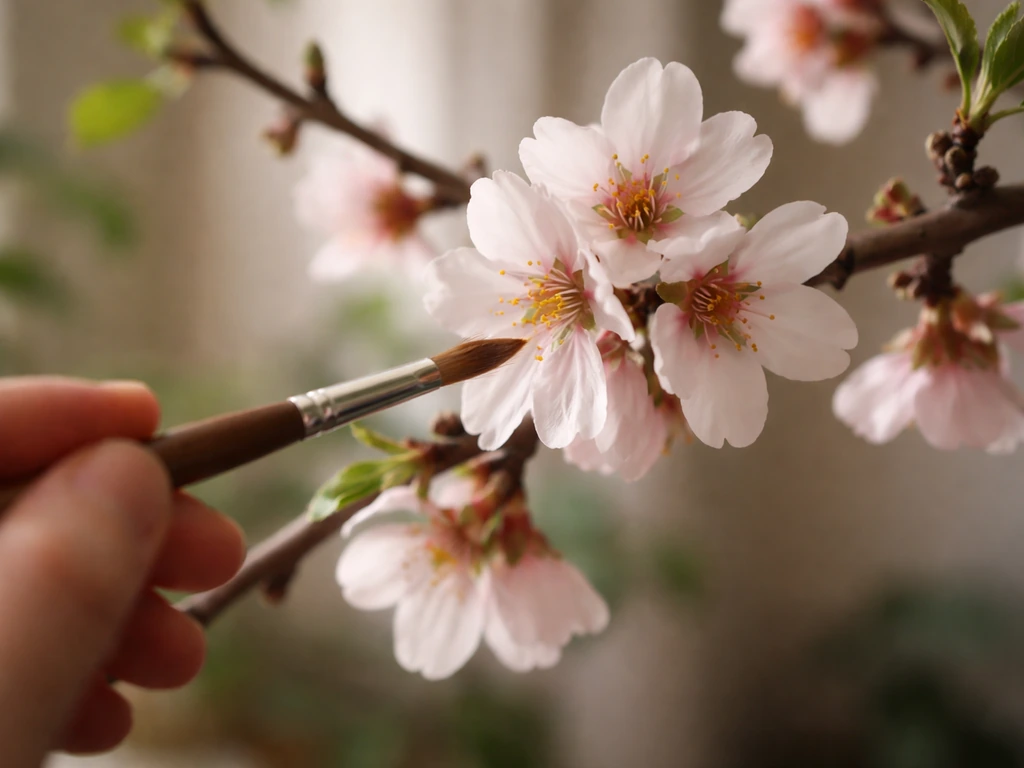
Pollination is the next hurdle. Most nut trees are wind-pollinated, and many require a second tree (or at least a second genetic individual) for cross-pollination. Almonds, hazelnuts, and most chestnuts all benefit strongly from cross-pollination, meaning that a single indoor tree is unlikely to set nuts even if it does flower. The practical workarounds are: growing two trees in containers (one in each large pot), hand-pollinating by collecting pollen from one tree and brushing it onto flowers of the other with a small soft paintbrush, or choosing self-fertile varieties when they exist. Some almond varieties are self-fertile and are worth seeking out specifically for container and indoor growing. Your oscillating fan, mentioned earlier, also helps by circulating pollen around the canopy if both trees are in the same room.
Timeline matters here too. Even under ideal conditions, a grafted almond in a container may take 3 to 5 years to flower reliably. A seed-grown tree will take longer. Patience is a prerequisite for this project.
Troubleshooting common indoor problems
Leggy, weak growth
Long internodes and pale, floppy leaves almost always mean insufficient light. Move the tree closer to your grow light or increase daily light hours. Also check that the light fixture is actually delivering enough intensity; many cheap grow lights underperform their advertised specs.
No flowering after several years
The most common cause is inadequate chilling hours. Track how many hours your tree actually spends below 45°F each winter. If you are not meeting the minimum for your species, extend the cold storage period. The second cause is root restriction: an overgrown root ball shunts the tree's energy away from reproduction. Repot and root-prune, then give it another full growing season.
Flowers appearing but no nuts setting
This almost always points to a pollination problem. If you have only one tree, try hand-pollinating using a small brush between flowers on the same tree. For species that truly need cross-pollination (almonds, hazelnuts), a single tree will not set fruit consistently regardless of what you do. A second tree is the real solution.
Leaf drop outside of dormancy
Sudden leaf drop during the growing season usually means one of four things: severe overwatering, a dramatic change in light or temperature (like moving the tree from a bright spot to a darker room), spider mite infestation, or root rot. Check the roots by removing the tree from its pot. Healthy roots are white or light tan. Dark, mushy roots indicate rot. Trim affected roots back to healthy tissue, let them air briefly, dust with powdered sulfur, and repot into fresh, well-draining mix.
Pest problems
The two pests you will fight most often on indoor nut trees are spider mites and scale insects. Spider mites thrive in dry, warm conditions. Keep humidity above 40 percent and wash the foliage with a strong water spray every few weeks. For infestations, neem oil solution applied every 5 to 7 days for 3 weeks is effective. Scale insects look like small brown bumps on stems and branch crotches. Remove them manually with a cotton swab dipped in rubbing alcohol for small infestations, or use horticultural oil spray for larger ones.
Your indoor nut tree checklist
- Choose a species with a chilling requirement you can actually meet (almond is the most practical for most indoor growers).
- Select a grafted, named low-chill variety from a nursery rather than starting from unknown seed if your goal is fruiting.
- Use a 25- to 30-gallon deep container with drainage holes and a well-draining mix (50% potting soil, 25% perlite, 25% coarse sand or bark).
- Set up a full-spectrum LED grow light and run it for 14 to 16 hours a day during the growing season.
- Move the tree to an unheated, frost-protected space (32 to 45°F) each winter for 8 to 12 weeks to satisfy chilling requirements.
- Water only when the top 2 inches of soil feel dry; reduce to once every 2 to 3 weeks during dormancy.
- Fertilize with balanced slow-release granules in spring and early summer; switch to a low-nitrogen, higher-phosphorus formula monthly through midsummer; stop by late August.
- Run a small oscillating fan near the canopy for a few hours daily to promote airflow and help with wind pollination.
- Grow two trees if you want consistent nut set, or choose a self-fertile variety and hand-pollinate with a soft brush.
- Root-prune and repot every 2 to 3 years in late winter before bud break.
- Monitor weekly for spider mites and scale insects, especially in winter when indoor air is drier.
- Be patient: expect 3 to 5 years before a grafted tree flowers reliably under indoor conditions.
FAQ
Can you grow nuts indoors without a grow light if I have a bright window?
Usually not, because most nut trees need consistently high light for long stretches, especially in winter. If you try a window-only approach, expect slow or leggy growth, and flowering will likely fail. A practical test is to measure light at canopy height, if the level is not comparable to strong outdoor shade, switch to a grow light and place it closer (12 to 18 inches) to increase intensity.
Do nut trees have to experience the full chilling requirement every year?
For reliable flowering, yes in most cases. Missing or reducing chilling can cause the tree to stay dormant longer, fail to flower, or flower but not set fruit. If you cannot provide the required hours, the best strategy is to treat indoor nut trees as long-term container trees for growth, not for a dependable harvest.
What is the difference between “keeping a nut tree alive indoors” and “growing nuts indoors”?
Living indoors is mainly about light, temperature, watering, and container health. Producing nuts additionally requires correct dormancy cycling, enough light intensity to support reproduction, and sufficient space for roots. Even with perfect culture, some species still need cross-pollination, so fruit set can fail without another compatible tree or hand pollination.
Can I simulate chilling by refrigerating the whole pot?
It can work, but you must keep conditions near the target range without freezing the root ball and without letting the mix dry out. Many growers chill the container in an unheated but protected space, because refrigerating the pot can be stressful if temperatures fluctuate or if the soil dries faster. If you use cold storage, monitor both air temperature and soil moisture, and prevent waterlogged soil during the cold period.
How many nut trees do I really need for almonds or hazelnuts indoors?
Plan on at least two genetically compatible plants for consistent nut production, because many varieties benefit strongly from cross-pollination. If you only have one, you can hand-pollinate within the same plant to try to stimulate fruit set, but it will usually be inconsistent for species that require a second genetic source. Two trees in separate large containers placed close together make hand pollination easier and improve natural pollen movement.
Do I need to move my indoor nut tree outside even if I can provide chilling indoors?
Not necessarily, but moving outdoors can help with light intensity and airflow during the active season. If you do move it outside, harden it off gradually over 7 to 14 days to avoid leaf scorch, and protect from strong wind or hail. For chilling, your priority is meeting hours below 45°F safely, regardless of location.
My almond tree flowers but drops the flowers, what usually causes that?
Most often it is either insufficient pollination or energy limitations from light and root constraints. If chilling was slightly short, flowering can occur without viable set. Also check that the canopy is getting true high-intensity light and that the tree is not root-bound, since the plant may abort flowers when it cannot support developing fruit.
Why are my leaves falling suddenly, but the soil seems only a little dry?
Sudden leaf drop during the growing season often follows rapid environmental changes, overwatering that leads to root stress, or spider mite activity. Dark, mushy roots point to rot, which can trigger leaf loss even if the top looks relatively dry. Inspect roots and also check the underside of leaves for mite signs if you have dry indoor air.
How can I tell if my root problems are from overwatering versus a bad soil mix?
Overwatering shows up as persistently wet soil, and it often leads to dark, mushy roots. A poor mix, like compacting potting soil, can cause the same oxygen problem even when you water less. If the mix stays wet for more than a few days in warm weather, repot into a chunkier, well-draining blend and confirm your watering schedule based on soil dryness at 2 inches.
Is fabric pot or air-pruning container use actually worth it for indoor nut trees?
Yes, especially if you want fewer circling roots over years. Air-pruning containers encourage a healthier root architecture and make periodic root pruning less traumatic. If you keep the tree long-term in the same pot, the container type becomes a major factor in whether the tree continues to grow well enough to flower later.
Can I fertilize during winter dormancy to support next year’s growth?
Avoid it. Feeding during dormancy or while the tree is stressed often causes weak growth, salt buildup, or delayed hardening off. In practice, fertilize during active growth only, then stop by late summer so the tree can prepare for dormancy and chilling transitions.
What humidity target should I aim for, and what happens if it is too low?
Aim for roughly 40 to 60 percent relative humidity. Below that, you often get leaf tip scorch and more spider mite pressure, because mites thrive under dry conditions. If you cannot raise humidity with normal room conditions, use a humidifier near the tree and pair it with gentle airflow so leaves do not stay constantly damp.