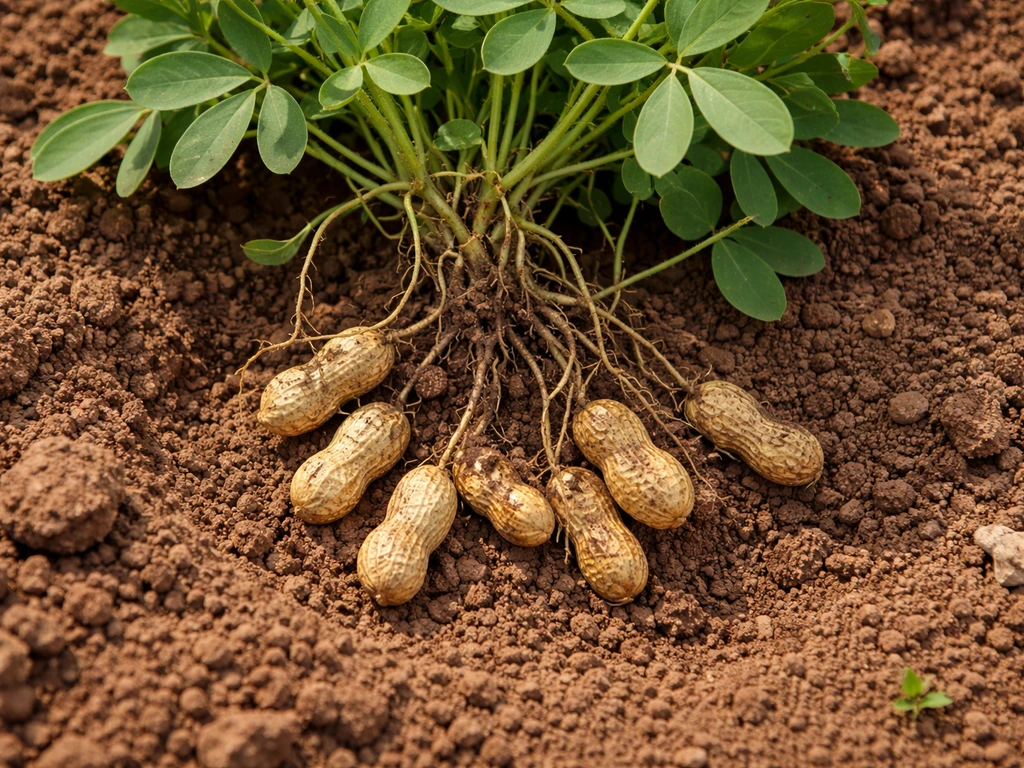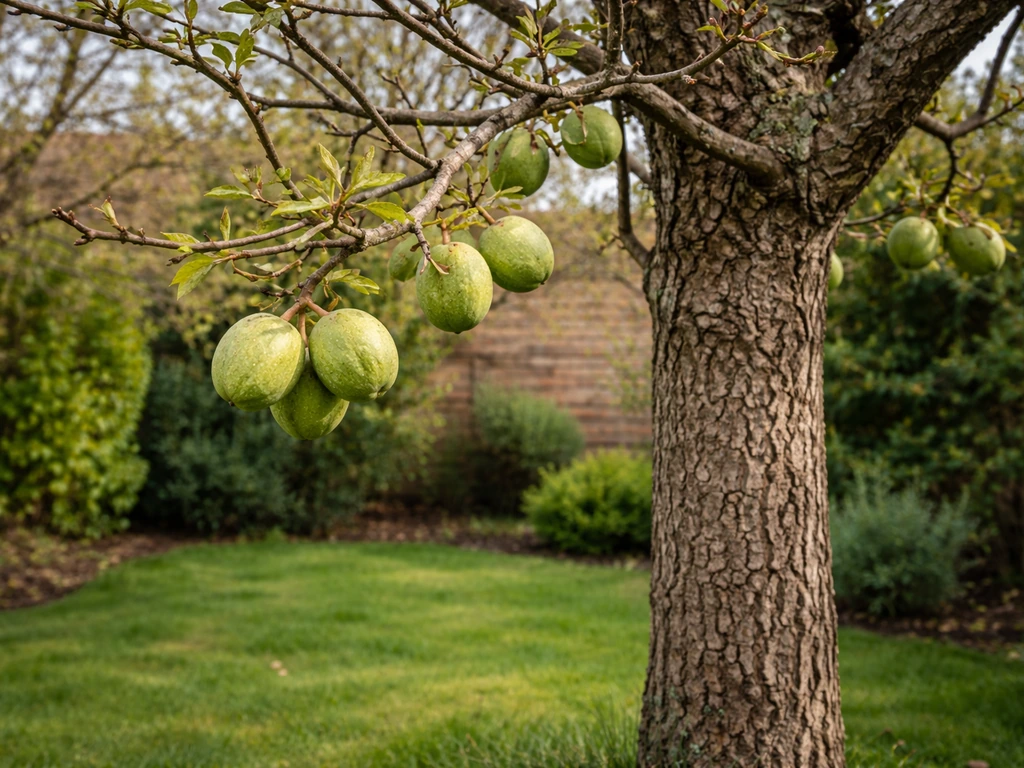
For most nut trees, you're looking at 3 to 5 years before you see your first modest harvest, and anywhere from 7 to 15 years before the tree hits reliable, meaningful production. Monkey nuts, like other nut trees, take several years before you see a meaningful first harvest, and the exact timing depends on how they’re grown and cared for monkey nuts how do they grow.
How Long Does It Take to Grow Nuts From Planting
Marcus Hendricks
4 May 2026
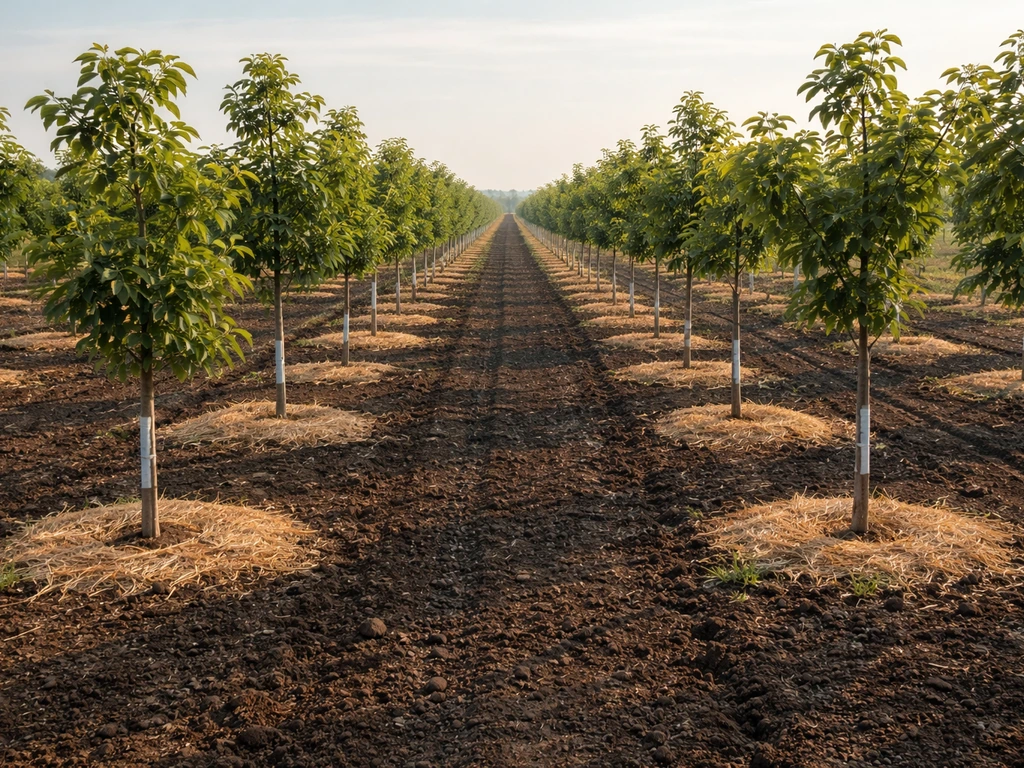
Hazelnuts are the fastest of the common bunch, sometimes producing a few nuts in year two or three. Walnuts and pecans are the slowest, often taking a decade or more to really perform. But those numbers shift significantly depending on whether you're starting from seed or a grafted tree, whether your climate actually suits the species, and how well you manage the tree in those early years.
"Growing nuts" means two different things
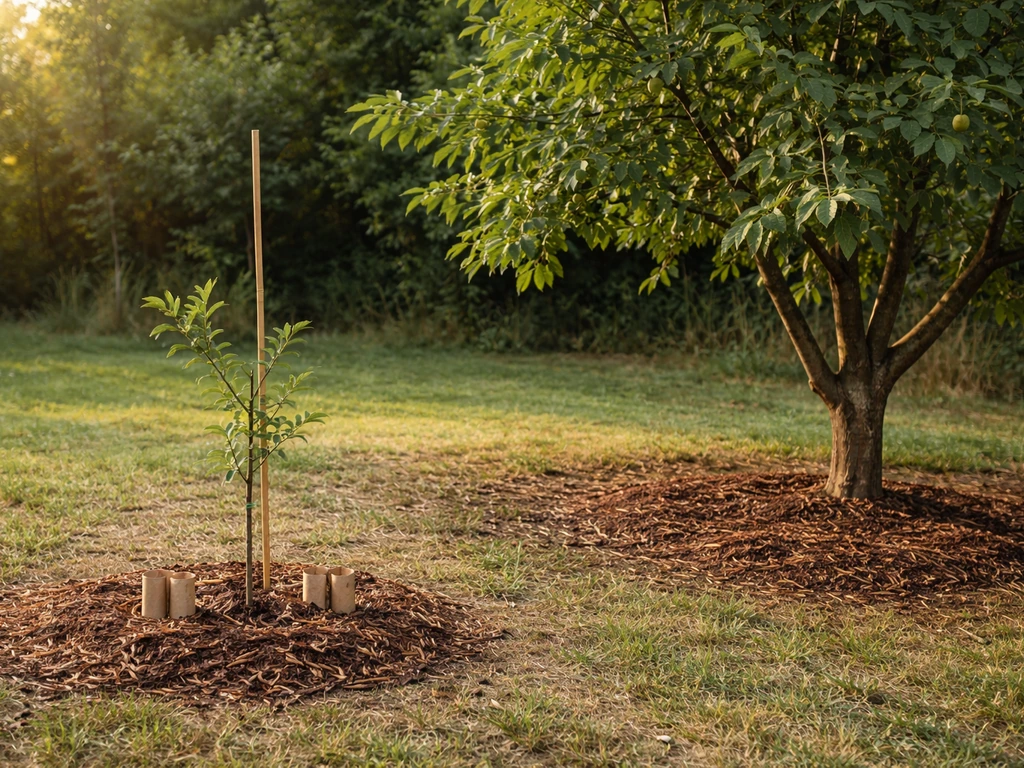
Before diving into timelines, it helps to separate two stages that people often conflate. The first is establishment: the period when a newly planted tree is putting energy into root development, building structure, and just surviving. During this phase, you might see flowers or even a handful of nuts, but the tree isn't actually a productive plant yet. The second stage is bearing: when the tree consistently flowers, gets pollinated, and fills out a harvest worth collecting.
Most extension services define commercial or reliable production differently from "first nut," and that gap can be four to ten years wide depending on the species. When someone asks how long it takes to grow nuts, they usually mean both: how long until I see anything, and how long until I have a real harvest.
Beech trees behave differently from many common nut crops, and the best results usually come from collecting and sowing viable beech nuts soon after they mature. If you're also wondering how does betel nut grow, the same ideas about establishment, bearing, and climate fit apply, just on a longer timeline how long it takes to grow nuts.
Typical timelines by nut type
Here's how the major edible nut trees actually perform from planting to production, based on real extension data. These ranges assume grafted nursery stock unless noted, which is the starting method most home growers and small orchardists use. If you are buying planting stock, compare grafted nursery stock listings with seedling options from a reputable nursery to match the faster production expectations described here.
| Nut Tree | First Nuts (years) | Reliable/Full Production (years) | Notes |
|---|---|---|---|
| Hazelnut | 2–4 | 7–8 | Fastest of the common nut crops; needs cross-pollination |
| Chestnut (grafted) | 2–3 | ~5 | Grafted cultivars can produce quickly; seedlings much slower |
| Almond | 3–4 | 5–7 | Needs cross-pollination; frost at bloom is a major risk |
| Pecan (newer cultivars) | 5–6 | 10–12 | Newer precocious cultivars beat older ones significantly |
| Walnut | 5–7 | 10–15 | Slow to mature; full production often 15+ years from seed |
| Pistachio | 5–6 | 10+ | Dioecious; needs male trees; strict chill hour requirements |
Hazelnuts
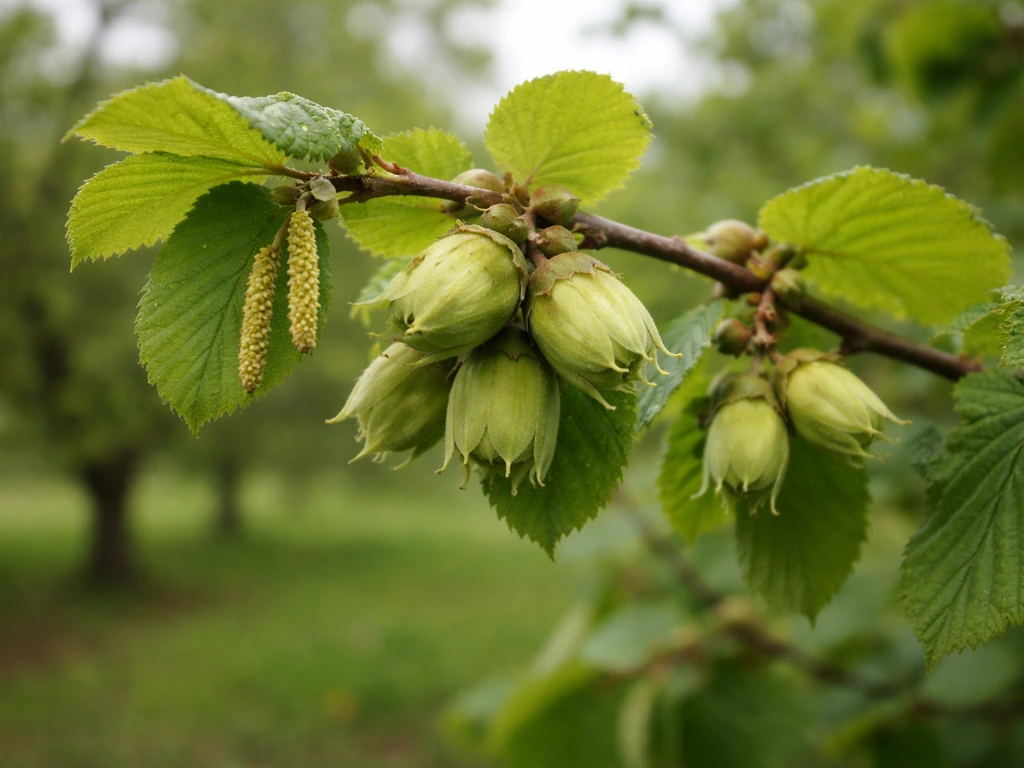
Hazelnuts (also called filberts) are the most accessible nut crop for home growers in terms of patience required. Oregon State University's hazelnut production guidance notes that plants may produce a few nuts as early as years two or three, with commercial-level productivity arriving around year four. Utah State University Extension puts full production at about seven to eight years.
That's a realistic window: expect a token crop early, a growing harvest in years four through six, and a genuinely reliable yield from year seven onward. That said, hazelnut pollination is complicated. They're self-incompatible, meaning you need at least two to three compatible varieties planted together. There's also a biological quirk worth understanding: pollination actually happens in late winter when catkins release pollen, but fertilization of the ovule doesn't happen until four to five months later.
So even in a "successful" year, the process is stretched across most of the growing season.
Chestnuts
Grafted chestnut cultivars are among the fastest nut trees to bear, and Michigan State University describes grafted trees as being effectively "mature when planted," meaning they can initiate nut production almost immediately and deliver substantial yields within about five years. That's a genuinely fast timeline for a tree crop. Seedling-grown chestnuts are a different story, following the slower trajectory common to all seedling-started nuts. Chinese chestnut (hardy in zones 4 through 8) is the most common species grown in North American gardens and orchards.
Almonds
Almonds typically produce first nuts in years three to four, moving toward steady production by years five to seven. The biology is straightforward, but almonds have two major practical vulnerabilities. First, most varieties need a second compatible variety nearby for cross-pollination. Second, almonds bloom very early in spring, which makes late frosts genuinely devastating. USU lists cold winter temperatures, spring frosts, poor pollination, and pest problems as the primary reasons almond trees fail to bear at all. Too much nitrogen fertilizer is another documented culprit: it pushes vigorous leafy growth at the expense of flowering.
Pecans
Pecan timelines depend heavily on which cultivar you choose. Mississippi State University Extension is clear that older pecan varieties are noticeably less precocious than modern ones, with newer cultivars beginning production as early as five to six years after planting. Oregon State Extension notes that establishing pecans from seed without subsequent grafting is generally not recommended because of delayed production, weed competition, and excessive mortality. Most serious growers start with grafted trees or graft young seedlings in the first one to two years. One more wrinkle with pecans: alternate bearing. Heavy production years alternate with light ones, and anything that stresses the tree during an "on" year reduces the reserves available for the following season.
Walnuts
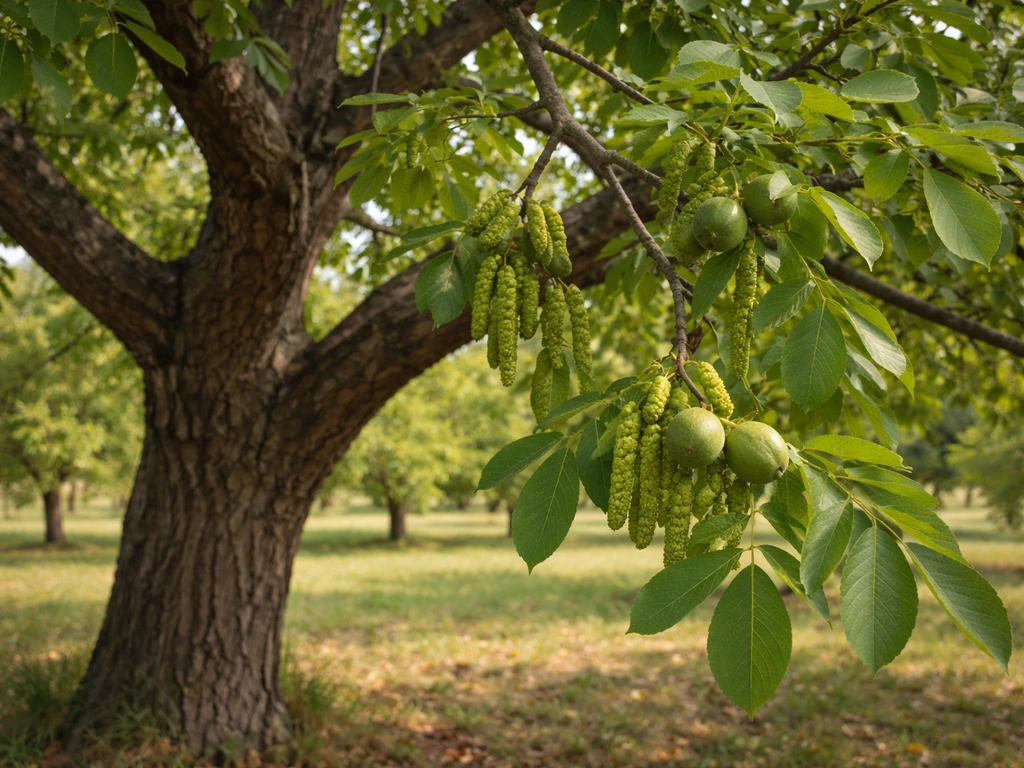
Walnuts are the long game. Utah State University Extension puts initial production at about seven to eight years from planting, with trees not reaching full production until around 15 years. Oregon State's commercial guidance is slightly more optimistic, noting that some varieties may produce a few nuts at five to six years, but true productivity doesn't arrive until around year ten. Black walnut (zones 4 through 9) is the most cold-hardy species and a good fit for a wide range of North American climates, though its notorious juglone toxicity limits what you can plant nearby.
Pistachios
Pistachios sit at the slow, demanding end of the spectrum. AgWest Farm Credit's industry perspective states that pistachio trees take about five to six years to produce any nuts, roughly ten years to break even economically, and more than ten years to reach full production. That's a serious long-term commitment. Pistachios are dioecious, meaning male and female flowers grow on completely separate trees, so you need both sexes in your planting. A common orchard design plants one male tree for every approximately 25 female trees. They also have strict chilling requirements: insufficient winter cold means trees simply won't flower, regardless of how old they are.
Why the timeline changes: seed vs grafted, pollination, and site
Seed vs grafted trees
This is the single biggest variable within your control. A Missouri Career Education publication comparing grafted versus seedling nut trees puts the numbers plainly: grafted trees typically produce first nuts around year three and reach commercial production in six to nine years. Seedling trees take until about year five for first nuts and eight to twelve years for commercial production. That's a gap of two to three years at every stage, and it compounds over time.
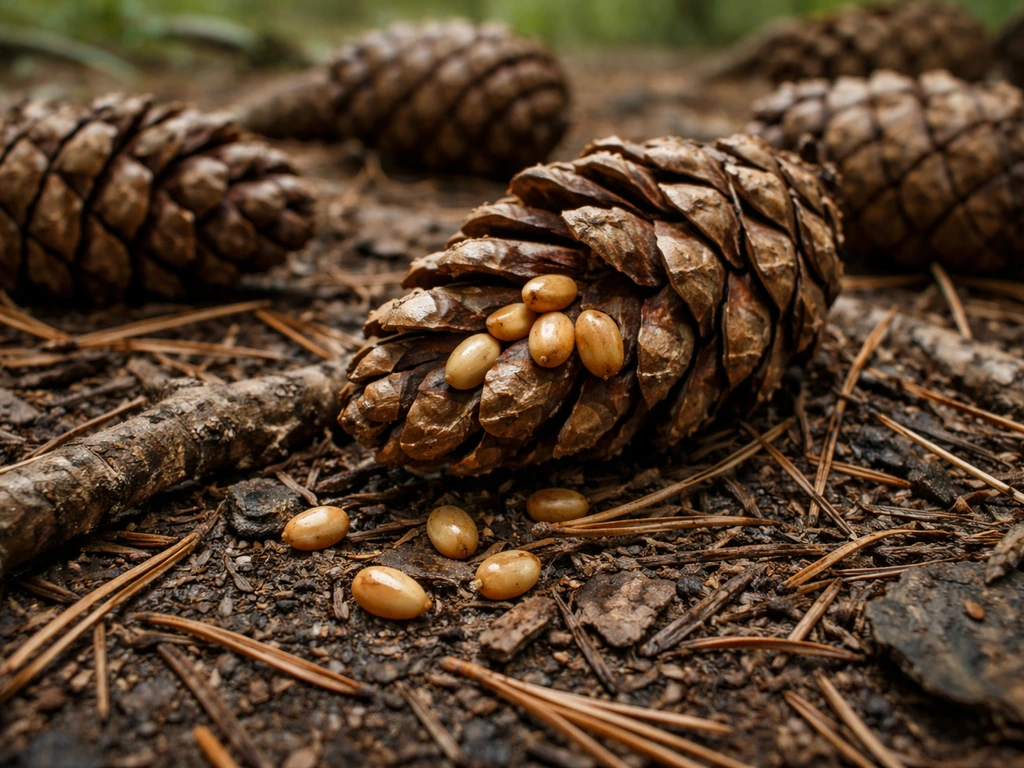
Grafted trees carry the genetic maturity of the parent variety from day one. Seedlings don't; they need to go through their own juvenile phase before they'll flower at all. For chestnuts in particular, the difference is dramatic. For species like pine nuts, the biology of nut development adds another layer of complexity entirely, since it takes two full growing seasons for pine cones to mature after pollination.
Knowing the timing behind pine cones helps you understand pine nuts how they grow over those long seasonal phases pine cones to mature after pollination.
Pollination requirements
Several of the most popular nut crops are not self-fertile, which means a single tree simply will not produce nuts no matter how old or healthy it is. Hazelnuts need two to three compatible varieties. Almonds need a second compatible variety, and the flowering windows have to overlap. Pecans are wind-pollinated with a fascinating complication: each tree produces pollen and has receptive female flowers, but they don't overlap within the same tree.
University of Georgia Extension [groups pecan cultivars into Type I (pollen first) and Type II (receptive first) flowering groups](https://extension. uga. edu/publications/detail. html?
number=C898), and you need both types in your planting for reliable cross-pollination. UGA also notes that pecan pollen shed lasts only about five to six days and female receptivity only about four days, so weather that disrupts timing can easily ruin a whole season. Pistachios require separate male trees entirely. Understanding the pollination biology of whatever you're planting isn't optional; it's the difference between waiting ten years for nuts and waiting ten years for nothing.
Site conditions and early management
Even a perfectly grafted tree from the right variety will underperform if the site is wrong. Soil quality, drainage, sunlight, and weed competition all affect how quickly a tree passes through its juvenile establishment phase. University of Georgia Extension notes that planting seeds directly in place is a poor strategy for pecans specifically because of weed competition and mortality, not just slow timing.
Oregon State's hazelnut guidance recommends three to four inches of sawdust or compost mulch around young trees to suppress weeds during establishment. Wisconsin Extension emphasizes soil testing before planting hazelnuts rather than applying blanket fertilizer, because excess nutrients push vegetative growth at the expense of nut production. For pecans, UGA recommends ten to fifteen gallons of water per week (rainfall or irrigation) during the first two to three years to ensure the tree actually establishes properly.
Region and climate: zones, chill hours, and where each nut actually grows
Climate fit is non-negotiable. A tree planted outside its workable zone or without adequate winter chill hours may survive for years without ever producing a meaningful crop. Here's a quick geographic rundown for the major species.
- Black walnut: Zones 4–9. Broadly adaptable across most of temperate North America, but slow and needs space.
- American hazelnut: Zones 4–9. Tough, cold-hardy shrub that works in a wide range of conditions; European varieties have narrower zone tolerance but higher yields.
- Chinese chestnut: Zones 4–8. Best fit for the eastern United States; relatively adaptable and more blight-resistant than American chestnut.
- Almond: Zones 5–9 broadly, but practically best in zones 7–9 with warm dry summers and mild winters. Pacific Coast and inland valleys of California are ideal; elsewhere frost at bloom is a constant risk.
- Pecan: Zones 6–9 for most cultivars, with the Southeast U.S. being the traditional heartland. Northern-adapted varieties push into zone 6 but with reduced reliability.
- Pistachio: Zones 7–11 with hot dry summers and cold (but not brutal) winters. California's Central Valley is the dominant U.S. production region. Insufficient chill hours will prevent flowering regardless of age.
Chill hours, the number of hours between roughly 32 and 45 degrees Fahrenheit during winter dormancy, matter enormously for pistachios and almonds in particular. A pistachio tree that doesn't meet its minimum chill threshold simply won't bloom that year. The same principle applies in milder climates for almonds: choose low-chill varieties if you're in a warm-winter region, or you'll get erratic, unreliable flowering. When you're researching a cultivar, always check its chill hour requirement alongside its hardiness zone.
How to shorten the wait
You can't make a walnut fruit in three years, but you can absolutely lose years of potential production through poor decisions at planting time. Here's where to focus your energy.
- Start with grafted trees, not seeds. This is the highest-leverage decision you can make. For chestnuts especially, the difference between grafted and seedling timing is dramatic. For pecans, walnuts, and hazelnuts, grafted stock saves you two to three years at minimum.
- Choose a precocious, climate-matched cultivar. For pecans, modern cultivars beat older ones by years. For almonds and pistachios, matching the cultivar's chill hour requirement to your local climate is the difference between flowering and not flowering at all.
- Plan your pollination from day one. Buy two or more compatible varieties together when you buy your trees. Don't plan to add pollinators later. For pecans, make sure you have both Type I and Type II cultivars. For hazelnuts, use at least two to three compatible varieties.
- Train the tree structure in the first three seasons. Oregon State's walnut guidance recommends selecting and developing the main framework branches during the first three growing seasons. A well-structured tree reaches productive maturity faster than one that's left to grow wild and then pruned reactively.
- Control weeds aggressively in years one through three. Weed competition is one of the most underrated causes of slow establishment. A three- to four-inch mulch ring (not piled against the trunk) makes a measurable difference.
- Water consistently in the establishment phase. For pecans, ten to fifteen gallons per week during the first two to three years is the target. Other nut trees have similar needs during establishment, even drought-tolerant species.
- Soil test before fertilizing. Excess nitrogen pushes leafy growth instead of flowering in hazelnuts and almonds. Test first, fertilize to address actual deficiencies, not to "feed" the tree.
Common blockers while you're waiting
If your tree is past the expected bearing age and still not producing, or producing poorly, here are the most common culprits.
Pollination failure
A tree that flowers but doesn't set nuts almost always has a pollination problem. Either there's no compatible pollinator nearby, or the flowering windows don't overlap. For pecans, a weather event during the narrow four-to-six-day pollination window can wipe out an entire season. For hazelnuts, self-incompatibility means a solo plant will almost never produce.
Insufficient chill hours
Pistachios and almonds planted in climates with mild winters may never reliably bloom. This isn't a soil or water problem; it's a fundamental climate mismatch. If your winters have been warmer than average in recent years and your tree isn't flowering, check whether your actual chill hour accumulation still meets the variety's minimum.
Over-fertilization
Too much nitrogen is a genuine and underappreciated problem. University of Massachusetts Cooperative Extension identifies excessive fertilization as one reason hazelnut kernels fail to fill properly after five or more years of growth. USU makes the same point about almonds. When a tree gets heavy nitrogen doses, it invests energy in leaves and shoots rather than reproductive structures.
Shade and competition
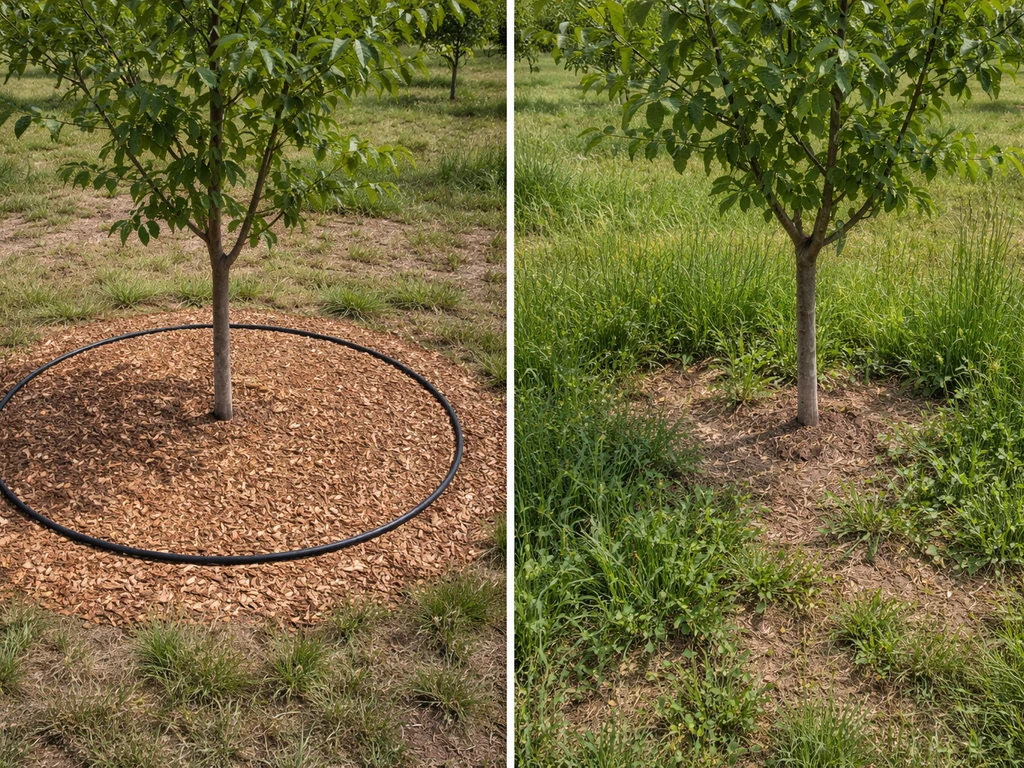
Trees that are shaded, crowded, or competing heavily with grass and weeds for the first few years often take significantly longer to reach bearing. This is especially true for hazelnuts, which University of Massachusetts identifies as a common cause of delayed or poor kernel fill.
Pests and diseases
Walnuts face walnut husk fly and Geosmithia cankers (thousand cankers disease), which can cut off nutrient flow and significantly reduce production. Pecans have their own serious pest list: pecan nut casebearer and pecan scab are identified by Missouri Extension as economically significant. Pecans also exhibit alternate bearing, where a heavy crop year depletes the tree's reserves and leads to a light year the following season. Managing pests and diseases consistently throughout the tree's life isn't just about the current crop; it directly affects what the tree is capable of producing three to five years from now.
Estimate your own timeline and what to do this season
Here's how to build a realistic expectation for your specific situation. Answer these four questions, and the timeline largely answers itself.
- What's your hardiness zone and average winter chill hours? This determines which species are even viable for you. Pistachio in zone 5 isn't a timeline question; it's a species mismatch. Almond in a warm-winter climate needs a low-chill cultivar or it won't flower reliably.
- Are you starting from seed, a seedling, or a grafted tree? Grafted stock saves two to three years at every benchmark. If you're starting from seed, add that time to every number in the table above.
- Do you have compatible pollinators? For hazelnuts, almonds, pecans, and pistachios, a single-variety planting will underperform or fail entirely. If you're planting this season, buy pollinators at the same time.
- What cultivar are you planting, and what's its precocity rating? For pecans especially, a modern precocious cultivar starts five to six years out. An older variety might keep you waiting eight to ten years for the same production level.
For this season specifically: if you're planting now, focus entirely on establishment. Water deeply and consistently (aim for that ten to fifteen gallon weekly target for larger trees like pecans). Lay mulch three to four inches deep from six inches away from the trunk out to the drip line. Don't fertilize heavily in year one; let the tree focus on roots.
In year two, start selecting and training main scaffold branches. In year three, do a soil test and fertilize based on what you actually find. By year four, you should be seeing at least token production on hazelnuts and chestnuts. For walnuts and pecans, keep your expectations honest: you're in the accumulation phase, not the harvest phase, and that's completely normal.
The realistic mindset for nut trees is that you're making a multi-year investment rather than planting an annual crop. The growers who end up frustrated are almost always the ones who started with the wrong species for their climate, skipped pollination planning, or planted seeds when grafted trees were available. Get those three things right, and you're mostly on track. The waiting is just part of the deal.
FAQ
Does the timeline mean first nuts, or a full harvest I can count on?
Start by separating “first nuts” from “reliable production.” If your goal is a harvest you can plan around, use the later part of the range for your species, and treat the earlier part as a bonus. Also assume that weather and pollination can delay the timeline by a full season even when the tree is mature enough.
Can a nut tree be old enough to flower but still not produce nuts?
No. In many nut crops, flowering can begin while the tree still cannot set quality nuts. For a more accurate forecast, ask whether you have compatible pollination and whether the cultivar meets chilling requirements, since both can stop nut set even if the tree is old enough.
Why would my nut tree still not produce nuts after the expected number of years?
Yes, and the most common reason is poor pollination planning. Nuts that are self-incompatible (like hazelnuts), need a second compatible cultivar (like almonds), or require distinct male and female trees (like pistachios) will stall in production until you correct the planting design.
What planting method actually speeds up how long it takes to grow nuts?
If you are aiming to shorten the wait, choose grafted or nursery-grown cultivars rather than seedlings. Grafted trees generally carry genetic maturity earlier, so you typically gain about a couple years at both the “first nuts” and “commercial production” stages compared with seedling trees.
How can weather affect how long it takes to get nuts, even if the tree is established?
It can happen, especially when the tree is mature but conditions interrupt flowering and pollination timing. For pecans, the pollen shed and female receptivity windows are short, so late frosts or heat swings during that window can wipe out a season even if the tree is otherwise healthy.
What should I check if my nuts trees survive but won’t bloom?
For species with chilling requirements (notably pistachios and many almond varieties), a warm winter can delay flowering. The practical step is to confirm the cultivar’s minimum chill hour requirement and compare it to your historical local winter patterns, not just your average high temperatures.
Will more fertilizer reduce the time until my tree bears nuts?
Usually, don’t push fertilizer to “make it fruit faster.” Excess nitrogen often increases leaf growth and reduces flowering and kernel fill, particularly in hazelnuts and almonds. A better approach is soil testing, then fertilizing lightly and based on deficiencies.
Can poor site conditions change how long it takes to grow nuts?
Plant spacing, ground competition, and shade can extend the establishment stage, effectively pushing bearing later than the expected timeline. In practice, keep weeds under control around young trees, avoid tight crowding, and ensure enough sunlight to support early structure development.
How does watering or drought during the first few years change the nut-bearing timeline?
Yes. The nutrient needs and watering targets differ by species and age, but under-watering during establishment is a frequent cause of slow progress. For example, young pecans often need consistent weekly water to establish roots, so long dry spells can delay the shift from establishment to bearing.
Can I fix a pollination problem after planting, or do I just have to wait?
If you discover the tree is the wrong sex or not the right pollination group, you may need a redesign rather than “waiting harder.” For dioecious crops like pistachio, adding the missing opposite-sex tree is essential, and for pecans you need cultivars with complementary flowering types.
If I’m past the expected age and still getting nothing, what is the fastest diagnostic order?
It depends on species. Some nuts are “single-season delayed” by pollination timing, but others can take longer because the tree is still in juvenile growth. If you are already past typical first-nut age and flowering occurs, prioritize pollination overlap, chill fulfillment, and nutrient balance before assuming the tree is stuck.