Pine nuts grow inside the cones of specific pine species, and only a fraction of the world's roughly 120 pine species produce seeds large enough to be worth eating. The trees are slow, the cones take years to mature, and getting a reliable harvest requires matching the right species to your climate. If you are trying to understand the full picture, from seed development to harvest timeline to whether you can actually grow these trees yourself, here is what you need to know.
Pine Nuts How They Grow: Where They Thrive and How to Cultivate
Marcus Hendricks
25 Apr 2026
What pine nuts actually are (and which species matter)
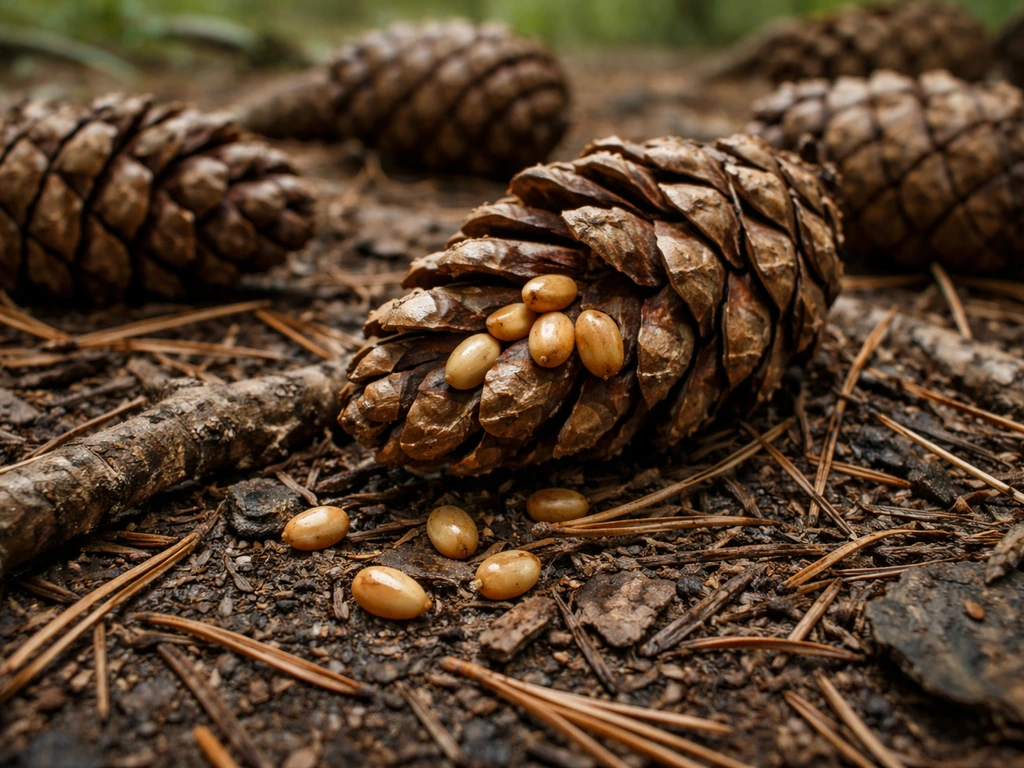
Pine nuts are gymnosperm seeds, not true nuts in the botanical sense. They develop inside pine cones without a surrounding fruit or ovary wall, which is what separates gymnosperms from flowering plants. The FAO recognizes only a subset of pine species as genuine sources of edible pine nuts, and even within that group, many species produce seeds that are technically edible but far too small to harvest meaningfully. When you buy pine nuts at a grocery store, they almost certainly came from one of four main species: Pinus pinea (Italian stone pine, the dominant commercial species in Europe and the Mediterranean), Pinus edulis (Colorado pinyon, the primary commercial species in North America), Pinus koraiensis (Korean pine, the main source for Asian markets), or Pinus sibirica (Siberian pine, widely harvested in Russia and often sold as "cedar nuts"). There are a handful of other regionally harvested species, including Pinus gerardiana in Afghanistan and Pakistan and Pinus cembroides in Mexico, but those four cover the vast majority of what reaches the market.
Knowing which species you are dealing with matters enormously, because each one has a different native climate, a different cone maturation timeline, and different soil tolerances. Planting the wrong species for your region is one of the most common mistakes people make when they try to grow pine nut trees.
Where pine nut trees grow in the wild
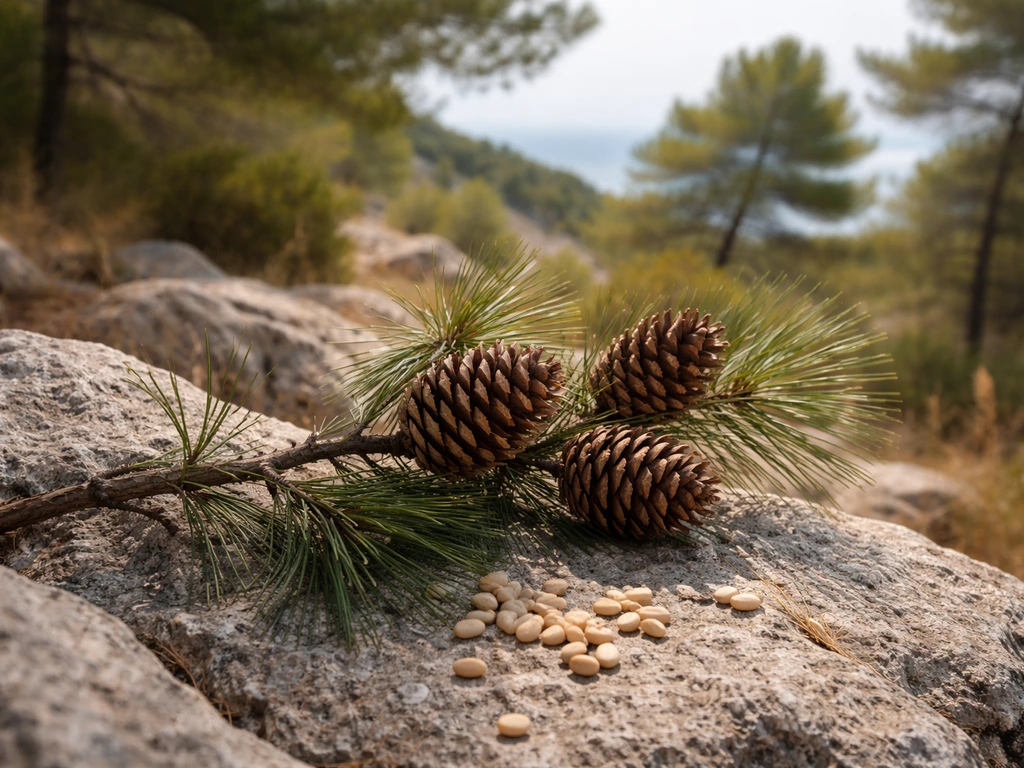
The major edible pine nut species are spread across several distinct regions of the Northern Hemisphere, and their native ranges tell you a lot about what conditions they need.
| Species | Native Range | Primary Market |
|---|---|---|
| Pinus pinea (Italian stone pine) | Mediterranean basin: southern Europe, Turkey, North Africa | Europe, Middle East |
| Pinus edulis (Colorado pinyon) | Southwestern USA: Colorado, Utah, Arizona, New Mexico, Nevada | North America |
| Pinus koraiensis (Korean pine) | Northeast China, Korea, Japan, Russian Far East | East Asia |
| Pinus sibirica (Siberian pine) | Siberia extending south into Mongolia and Kazakhstan | Russia, Central Asia |
| Pinus gerardiana (chilghoza pine) | Afghanistan, Pakistan, northwestern India | South/Central Asia |
| Pinus cembroides (Mexican pinyon) | Mexico, southern Texas, southern Arizona | Mexico, southwestern USA |
Pinus sibirica is worth a special mention because it grows across an enormous swath of Siberia and extends south into Mongolia, which makes it one of the cold-hardiest edible pine nut species on the planet. In Russia, the harvest is enormous and the seeds are commonly marketed as "cedar nuts," even though the tree is a pine, not a cedar. Korean pine (Pinus koraiensis) occupies a similarly cold zone in the Russian Far East and northeast China, where birds, particularly the spotted nutcracker, play a key role in seed dispersal. If you are in a cold northern region, those two species are worth paying attention to.
Climate and soil: what these trees actually need
The honest answer is that pine nut trees are adapted to climates that many gardeners would describe as harsh: dry summers, cold winters, rocky or sandy soils, and long periods of sun. They generally do not thrive in humid, low-elevation, or waterlogged environments. Here is how the main species break down by climate tolerance.
| Species | USDA Hardiness Zones | Rainfall Tolerance | Soil Preference | Elevation |
|---|---|---|---|---|
| Pinus pinea | Zones 7–11 | Low to moderate; drought tolerant once established | Sandy, well-drained, slightly acidic to neutral | Low to mid elevation; coastal and inland Mediterranean |
| Pinus edulis | Zones 4–8 | Very low; semi-arid; 12–20 inches/year | Rocky, sandy, or gravelly; excellent drainage essential | 5,000–8,000 ft in its native range |
| Pinus koraiensis | Zones 3–7 | Moderate; tolerates continental humidity | Deep, well-drained loam to clay-loam; tolerates some acidity | Low to mid elevation in mountainous terrain |
| Pinus sibirica | Zones 1–6 | Low to moderate; continental climate | Acidic, well-drained; tolerates poor soils and permafrost margins | Low to subalpine in Siberia |
| Pinus gerardiana | Zones 6–9 | Very low; arid mountain climate | Rocky, alkaline, well-drained | 6,000–11,000 ft |
| Pinus cembroides | Zones 6–9 | Very low; semi-arid | Rocky, limestone-derived soils | 4,500–8,000 ft |
Drainage is non-negotiable across all species. Pine nut trees evolved in soils that shed water quickly, and standing moisture around roots will kill them faster than almost anything else. If your site has heavy clay or a high water table, you will need to either amend extensively or choose a different location entirely. Full sun is equally important: these trees will grow in partial shade, but cone production drops sharply without six or more hours of direct sun per day.
How pine nuts actually form: cones, pollination, and seed development
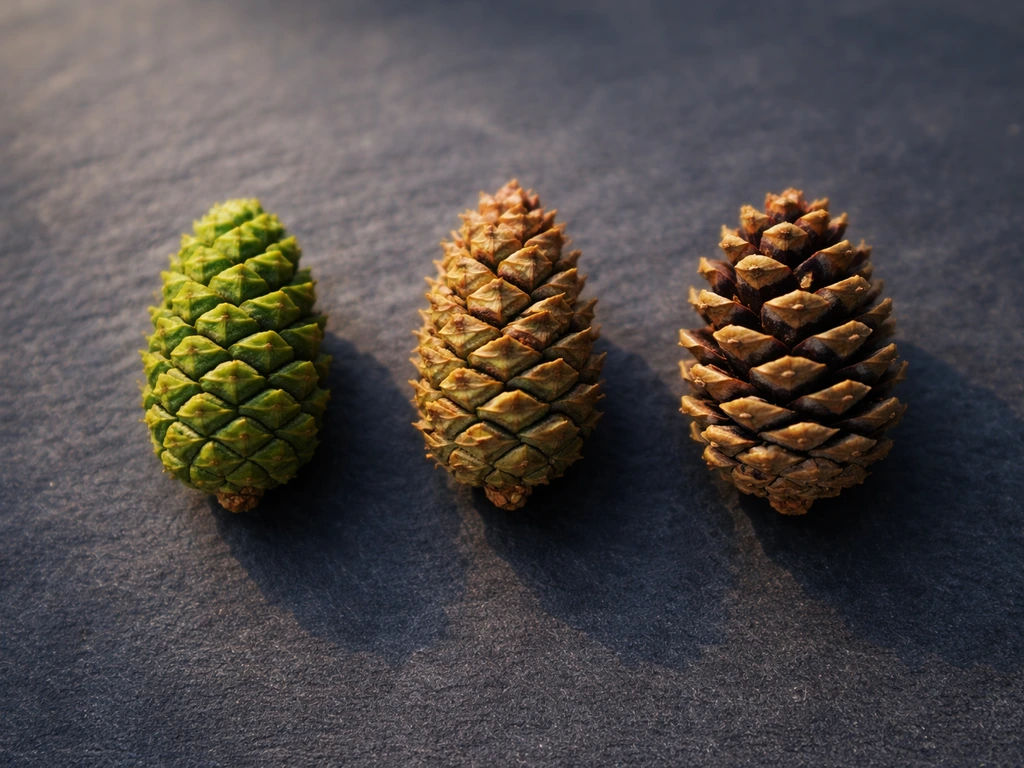
This is where things get genuinely fascinating, and where most people underestimate how long the process takes. Pine trees produce separate male and female cones on the same tree. The male cones are small, soft, and temporary, appearing in clusters in spring. They release pollen, die, and fall off. The female cones are what eventually become the hard, woody structures you recognize as pine cones, and they persist on the tree for years.
In Pinus edulis (Colorado pinyon), the male and female cones both emerge from buds that formed the previous year. Pollination is typically complete by the end of June, and after that the cone and its developing seeds grow rapidly through late spring and summer. USDA Forest Service FEIS notes that in Pinus edulis, male and female cones emerge in May or June from buds formed the previous year, then cones and seed reach full size in July and mature by September of the second year Pinus edulis cone and seed development timetable. The seeds reach maturity in early September, and the cone opens shortly after to release them. But here is the catch: those seeds you are harvesting in September were set in motion by a pollination event almost a full year earlier. The tree was already committed to that cone long before the seeds became visible.
Korean pine (Pinus koraiensis) takes even longer. From the moment of pollination to full seed maturity is roughly 18 months. The cones ripen to a grey-brown color in early autumn and seeds are dispersed primarily by birds, especially the spotted nutcracker, which caches them in the ground for winter food and inadvertently plants many of them. This bird-dependent dispersal is part of why Korean pine forests regenerate the way they do. In commercial harvesting operations, collectors beat the cones from trees before the birds get them.
Italian stone pine (Pinus pinea) takes the longest of all: three full years from pollination to cone maturity. The first year sees the female cone form and receive pollen. The second year sees the cone grow substantially. Only in the third year does the cone ripen and the seeds reach full size and viability. This is one reason pine nuts are expensive: you are paying for three years of a tree's metabolic investment in a single cone crop.
How pine nut trees grow over time
If you want to set realistic expectations, here is the hard truth: pine nut trees are among the slowest nut producers you can grow. The growth stages look roughly like this for most edible species.
- Years 1 to 5: Establishment phase. The tree focuses on root development and putting on height. Growth is slow, often only 6 to 12 inches per year for pinyon pines. No cone production.
- Years 5 to 15: Juvenile growth phase. The tree gains structure and canopy. Some species may produce their first cones toward the end of this period, but yields are minimal and unreliable.
- Years 15 to 25: First meaningful cone crops. Pinus edulis typically begins producing cones somewhere between 10 and 20 years, but the first productive harvests are usually not until the tree is at least 15 to 25 years old. Pinus pinea is similar.
- Years 25 and beyond: Peak production. Mature trees produce cones reliably, though yields fluctuate year to year based on weather during pollination and cone development. Mast years (heavy cone crops) alternate with lean years across most species.
- Century-scale longevity: These trees live for hundreds of years. A well-placed pine nut tree is genuinely a multigenerational planting.
Pinus koraiensis and Pinus sibirica follow a broadly similar pattern, though their cold-climate adaptations mean they also grow slowly. Expect at least 15 to 20 years before any meaningful seed production from either. This kind of timeline is similar to what you encounter with other long-lived nut trees, and if you have read about how long it takes to grow nuts in general, pine nut trees sit firmly at the patient end of the spectrum.
Growing pine nut trees yourself: site, propagation, and care
Choosing your site
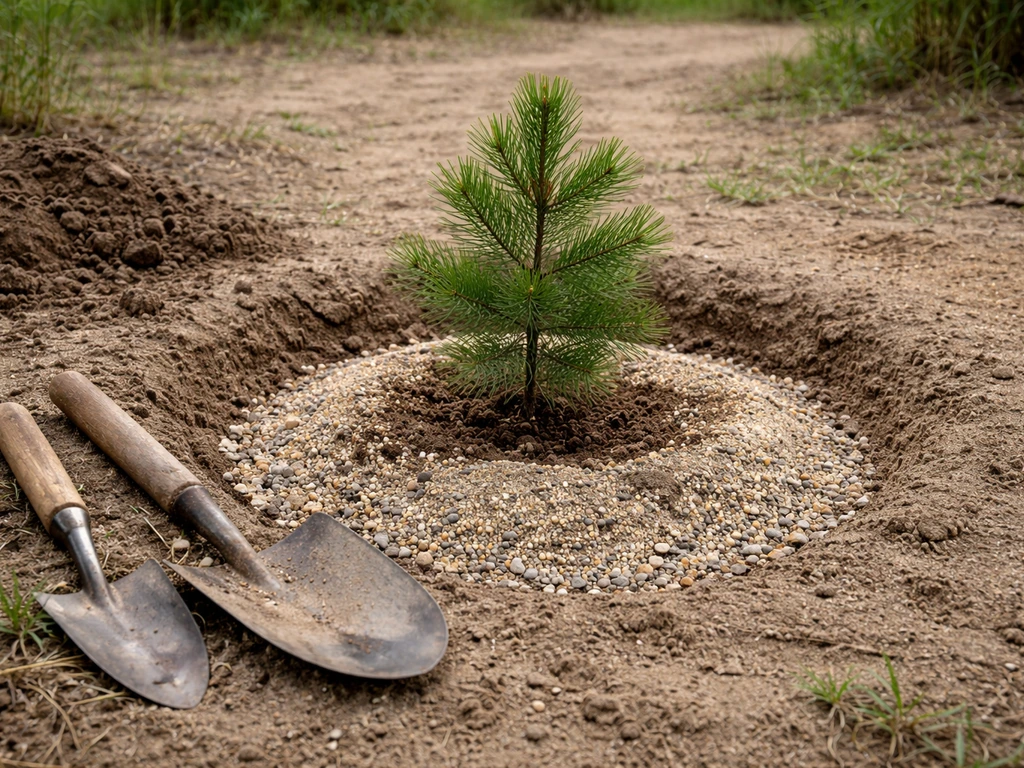
Site selection is the single most important decision you will make. Pine nut trees are almost impossible to transplant once established, so you need to get the location right before you plant. Look for a south- or southwest-facing slope if possible, which maximizes sun exposure and promotes faster soil drying after rain. Avoid low spots, north-facing slopes, and any area that holds water after rain. If your native soil is heavy clay, build a raised planting mound of gritty, sandy soil at least 18 to 24 inches deep before planting.
Propagation: seeds vs. nursery stock
You can grow pine nut trees from seed or from nursery-grown seedlings. If you are wondering about a different nut-tree propagation method, can you grow beech trees from beech nuts is a useful comparison point to check alongside how pine nuts are started from seed. Seeds from Pinus edulis, Pinus pinea, and Pinus koraiensis are available from specialty seed suppliers. For germination, most species benefit from a cold stratification period of 30 to 60 days in a moist medium in the refrigerator before sowing. Germination rates vary, but 50 to 70 percent is achievable with fresh seed under good conditions. Start seeds in deep containers (at least 6 to 8 inches) since pines develop a taproot early and resent root disturbance. Transplant to their permanent location when the seedling is still small, ideally in its first or second year.
If you can find nursery-grown stock from a reputable supplier, that saves a year or two of starting from scratch. Just confirm the provenance: a Pinus edulis seedling grown from seed collected in New Mexico will be better adapted to dry southwestern conditions than one grown from California stock, and the same regional logic applies to Korean pine and Siberian pine.
Ongoing care
Water young trees regularly for the first two to three years while roots establish, then taper off. Once established, most pine nut species are surprisingly drought tolerant and actually prefer dry conditions during summer. Overwatering mature trees is a common mistake that leads to root rot and fungal disease. Fertilizing is rarely needed if you have decent native soil; overfertilizing with nitrogen promotes fast, weak growth and can suppress cone production. Leave the trees alone as much as possible. Pruning should be minimal, limited to removing dead or crossing branches. These are not fruit trees that respond well to heavy intervention.
Species matching by region
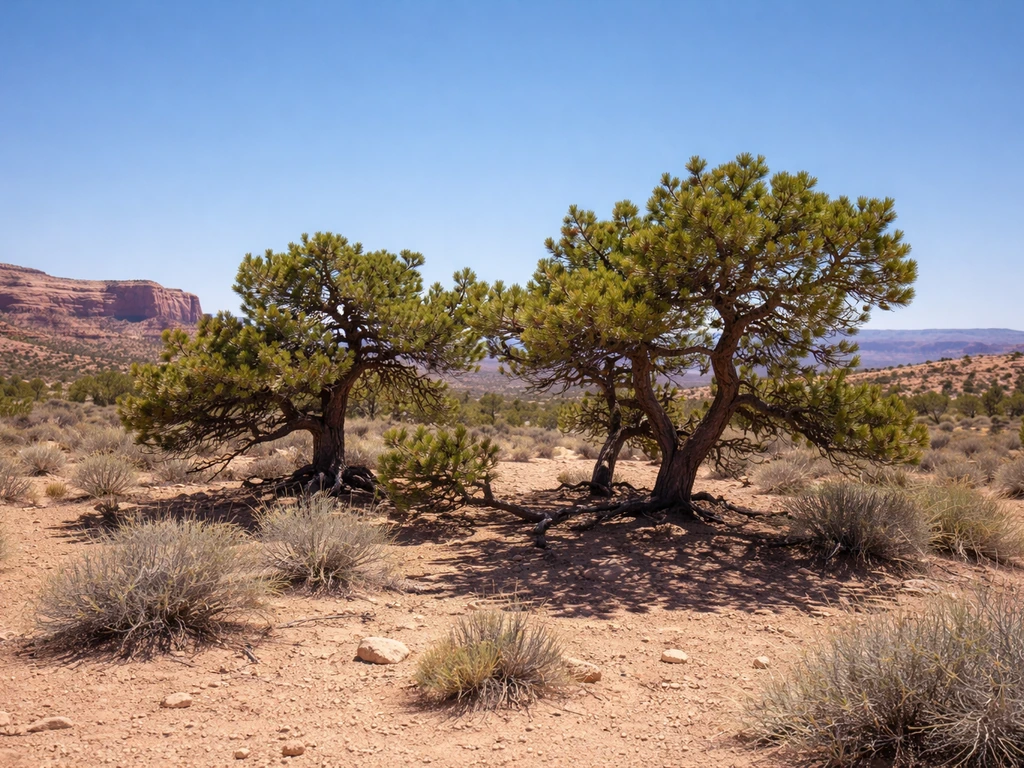
Here is a quick regional guide to help you choose the right species for where you live.
- Southwestern USA (Utah, Colorado, New Mexico, Arizona, Nevada): Pinus edulis is the obvious choice. It is native here, perfectly adapted to the elevation and rainfall patterns, and the most reliably productive species for this region. Pinus cembroides works in the southern parts of this zone.
- Pacific Coast (California, Oregon): Pinus pinea performs well in coastal California, particularly in USDA zones 8 to 10 with well-drained sandy soil. It will struggle in the rainy Pacific Northwest.
- Eastern USA and Midwest: This is challenging territory for pine nut production. Humidity and poorly drained soils work against most edible species. Pinus koraiensis is worth considering in zones 4 to 6 in areas with decent drainage, but manage expectations.
- Northern USA and Canada: Pinus sibirica and Pinus koraiensis are your best bets in zones 1 to 5. Both tolerate severe cold and perform well in continental climates with cold winters and moderate summers.
- Mediterranean Europe and similar climates (California, parts of Australia, South Africa): Pinus pinea is the clear choice. It has been cultivated in the Mediterranean for thousands of years and knows exactly what to do in those conditions.
- Northeast China, Korea, northern Japan: Pinus koraiensis is native here and will outperform any other species you try.
Realistic next steps: finding the right species and planning for harvest
Before you order anything, do two things. First, identify your USDA hardiness zone (or equivalent in your country) and honestly assess your soil drainage and annual rainfall. Those two factors alone will eliminate most of the wrong species options for you. Second, research whether any of the appropriate species are considered invasive or regulated in your region, particularly if you live in an area where non-native pines can spread.
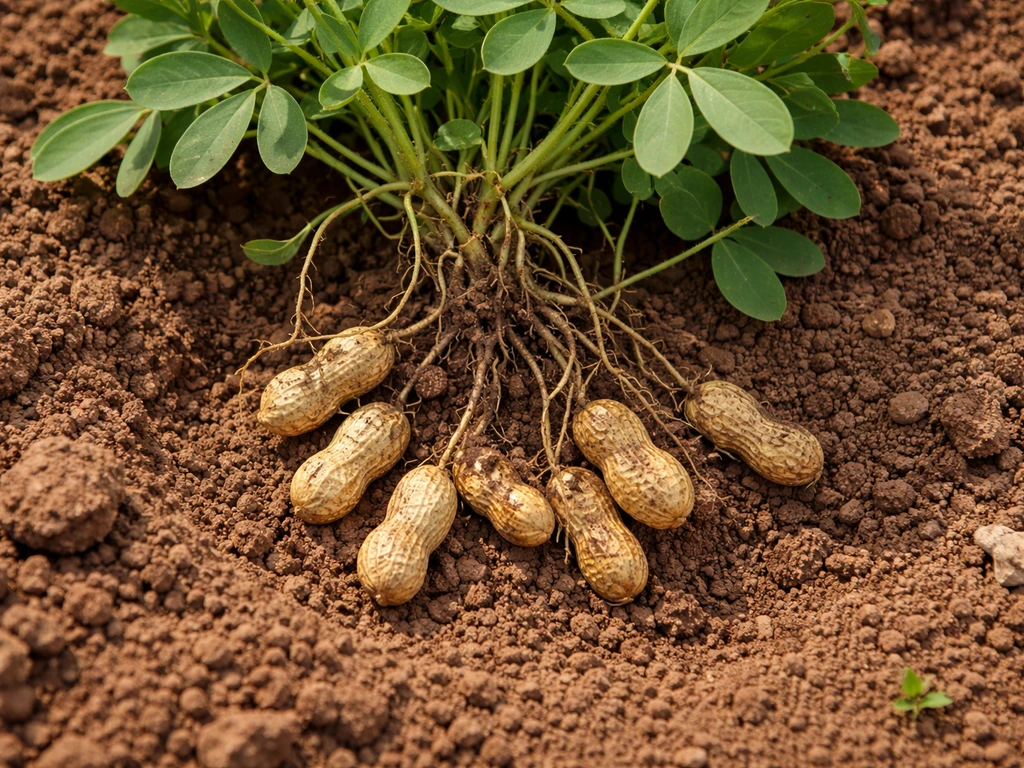
If you are in the southwestern USA, the path is relatively clear: Pinus edulis is a native tree, and you can find seed or seedlings from regional nurseries. If you are wondering about monkey nuts, those are groundnuts (peanuts), and their growth process is very different from pine nuts. If you are outside the core native ranges, you will need to do more research and accept that your results may be slower and more variable. No matter which species you choose, plan for a minimum of 15 to 20 years before meaningful cone production. This is not a project for someone expecting a harvest in five years.
When it comes to harvesting, timing matters. Cones should be collected just before they open naturally, typically late summer to early autumn depending on species. Spread them in the sun or apply gentle heat to encourage the scales to open and release the seeds. Then shell the seeds by hand or with a light crushing method and store them refrigerated or frozen, since pine nuts are high in unsaturated fat and go rancid quickly at room temperature.
One final point worth making: pine nut yields from home-grown trees will rarely approach commercial levels. Commercial harvests often come from wild or semi-wild forests managed over decades. What you are growing at home is more likely to produce a modest personal harvest with occasional bumper years, which is still genuinely worthwhile if you understand what you are signing up for. The trees are beautiful, long-lived, and ecologically valuable regardless of yield. If you approach this as a multi-decade investment rather than a crop plan, you will be in the right mindset.
FAQ
Will one pine nut tree be enough to produce pine nuts, or do I need multiple trees?
Yes, in many yards you can get occasional cones, but true cone production depends on having at least one compatible pine present for successful pollination and adequate maturity time. If your tree is isolated and never reaches reproductive maturity, you may wait years with only vegetative growth. When you buy nursery stock, ask the seller about provenance and whether they supply trees known to produce cones in your climate, and plan for a long wait (often 15 to 20 years) before you judge success.
How long do pine nuts last, and how should I store them after I shell them?
Freshness matters. Pine nuts can lose flavor and develop rancidity quickly after harvest, so refrigeration or freezing right after shelling makes a major difference. If you notice a strong paint-like or bitter odor, the nuts are likely oxidized and should be discarded, even if they look fine.
What fertilizer should I use to boost pine cone production, and what should I avoid?
Too much nitrogen is the common problem. Excess fertilizer, especially lawn-style feeds, encourages soft, fast growth and can reduce cone development. If you fertilize at all, do it sparingly and only based on a soil test (or use a low-nitrogen, slow-release approach). In many good-draining sites, you can skip fertilizing entirely for years.
I followed the stratification steps, but my pine seeds still won’t sprout. What are the usual causes?
Cold stratification helps germination, but don’t overdo it. Most species benefit from 30 to 60 days, use moist (not soggy) media, and keep the temperature reliably refrigerated. Also, plant deep because pines develop a taproot early, and shallow containers or root disturbance can reduce survival.
If I have cones forming but no pine nuts, what might be going wrong?
Male cone timing and female cone readiness do not always line up perfectly for every single tree, especially when trees are stressed or young. In practice, the best way to reduce disappointment is to grow a second tree of the same species nearby (within reasonable distance for pollination) or use nursery stock sourced from the same region. Also, avoid heavy pruning, because pines generally need time to establish enough wood for future reproduction.
Can I grow pine nut trees in my area if my summers are humid or my soil stays wet after rain?
Yes, but it depends on climate and species. If you are in a humid or waterlogged area, even a healthy tree can fail because root rot can start quietly. The more reliable path is to build the drainage solution into the design (raised mound, gritty soil mix, and a location that dries quickly) before planting, rather than trying to fix it later once the roots are established.
How do I grow pine nut trees if I have limited space, can I keep them in containers?
Container growing is possible for young seedlings, but long-term success is tough because pines need stable drainage and the taproot wants depth. Use deep containers only temporarily, and plan an early move to the permanent site while the tree is still small. If a seedling becomes root-bound or repeatedly disturbed, it may stall or die after transplanting.
What’s the best way to tell if my site has enough drainage for pine nut trees?
Watch for the drainage signal, not just soil texture. A site can feel sandy yet still stay wet due to compaction or a high local water table. Do a simple soak test after rain, if water lingers or the ground stays cool and wet for extended periods, choose a raised mound or a different slope.
When should I expect the first meaningful harvest from a newly planted tree?
For most edible pine nut species, you should not expect meaningful seed production on a short schedule. Realistic timelines are typically at least 15 to 20 years for cold-adapted species, and longer reproductive cycles for each cone crop based on species. If you’re trying to plan around a specific harvest year, start counting from establishment plus reproductive maturity, not from when you plant the cone-shaping seedling.
What conditions are most likely to cause cones to drop before seeds mature?
Because cone maturation spans months to years depending on species, insect and weather stress can matter even when it seems unrelated. Keep the tree healthy but avoid unnecessary spraying, and focus on preventing waterlogging and maintaining full sun. If you see premature cone drop, it is often tied to stress and inadequate conditions rather than a simple pest issue.
Why do my pine nut yields seem far lower than what I see from commercial farms?
Home yields are usually modest because commercial production relies on managed forests and long-term harvesting systems. To set expectations, plan for occasional bumper years rather than steady annual output, and treat the trees as long-lived landscape plants that can sometimes produce a personal harvest.
How can I be sure the pine seeds I buy will produce edible, harvestable nuts?
Not all pine seeds are equal in size and practicality for eating. Even within edible species, some seed lots are small and not worth harvesting at home. When sourcing seed or seedlings, confirm the species and ideally the expected seed size or market type, and remember that germination and survival rates can vary a lot with freshness and regional adaptation.