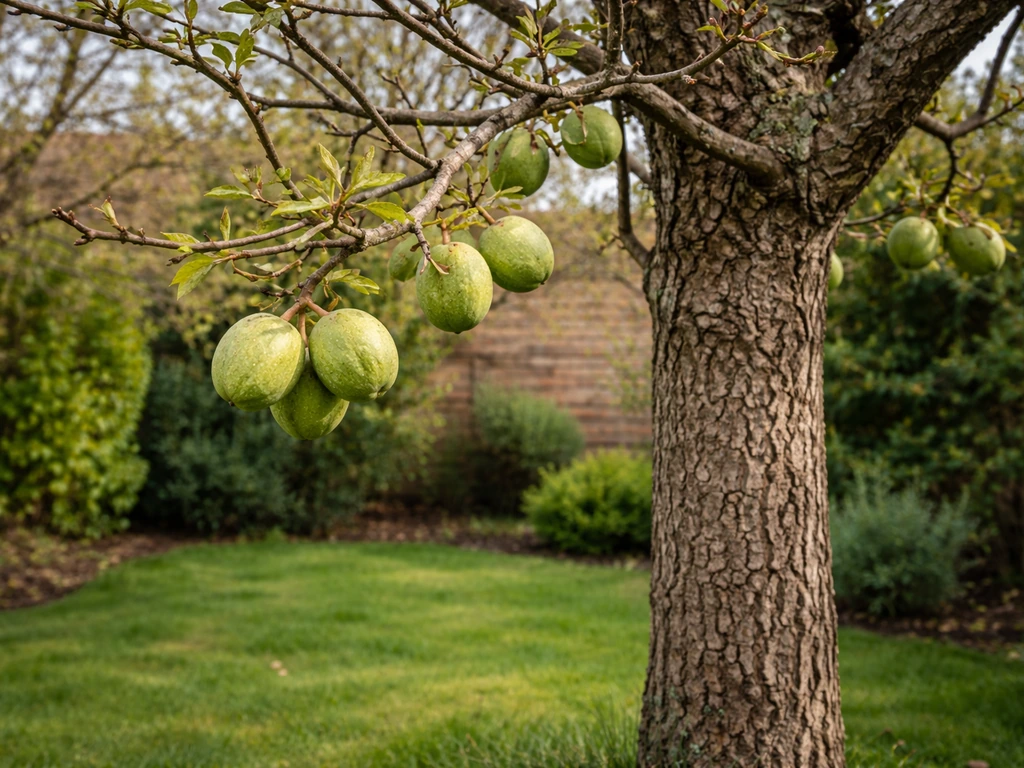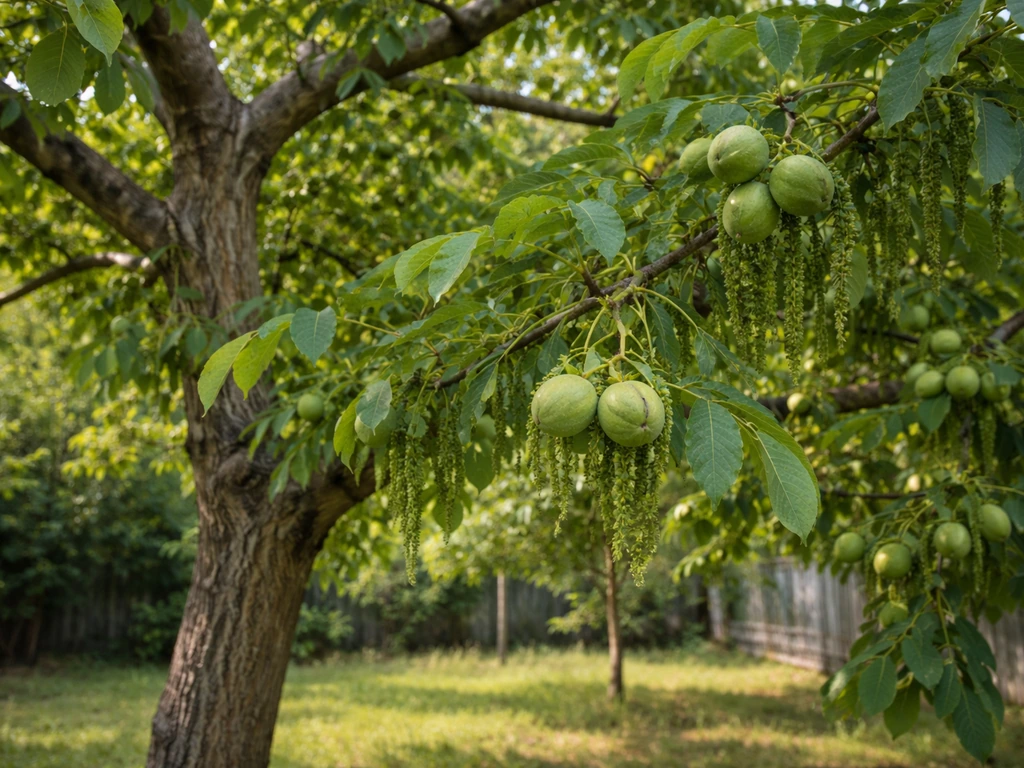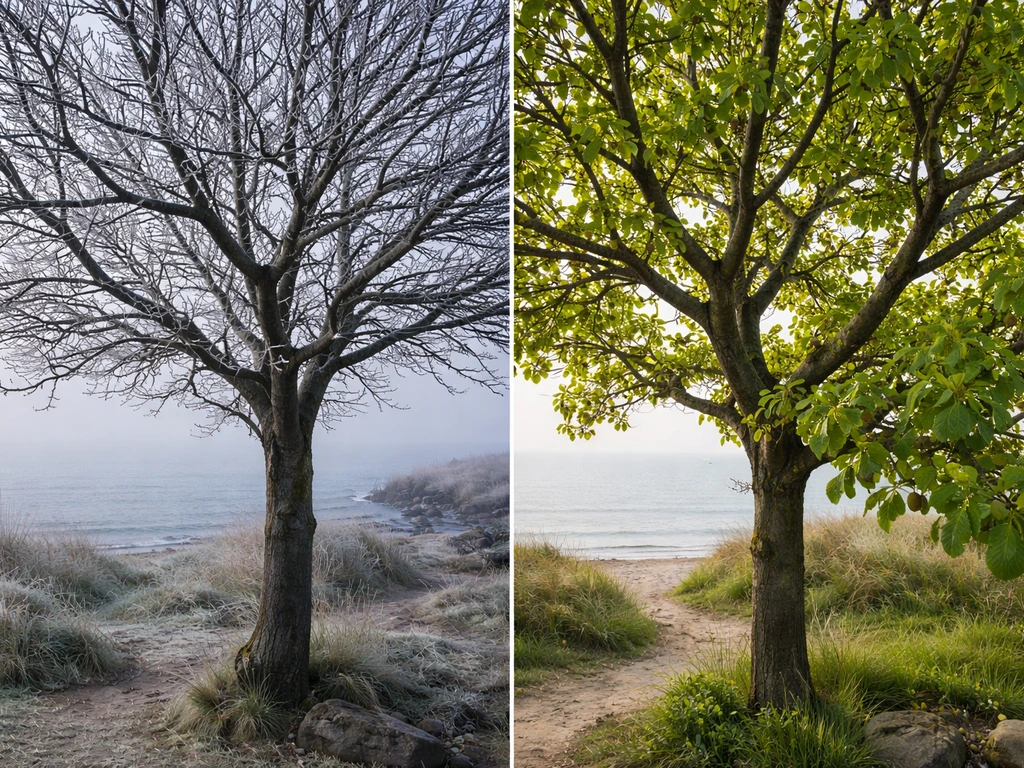
The best nut trees to grow in the UK are hazel (Corylus avellana), walnut (Juglans regia), and sweet chestnut (Castanea sativa). In zone 4, focus on the most cold-tolerant options like hazel, and treat walnuts and sweet chestnuts as more marginal without extra protection. If you are wondering what nut trees grow in western Washington, start by choosing hardy varieties and plant them with good sun and drainage hazel (Corylus avellana).
Best Nut Trees to Grow in the UK: UK-Ready Options
Marcus Hendricks
29 Apr 2026
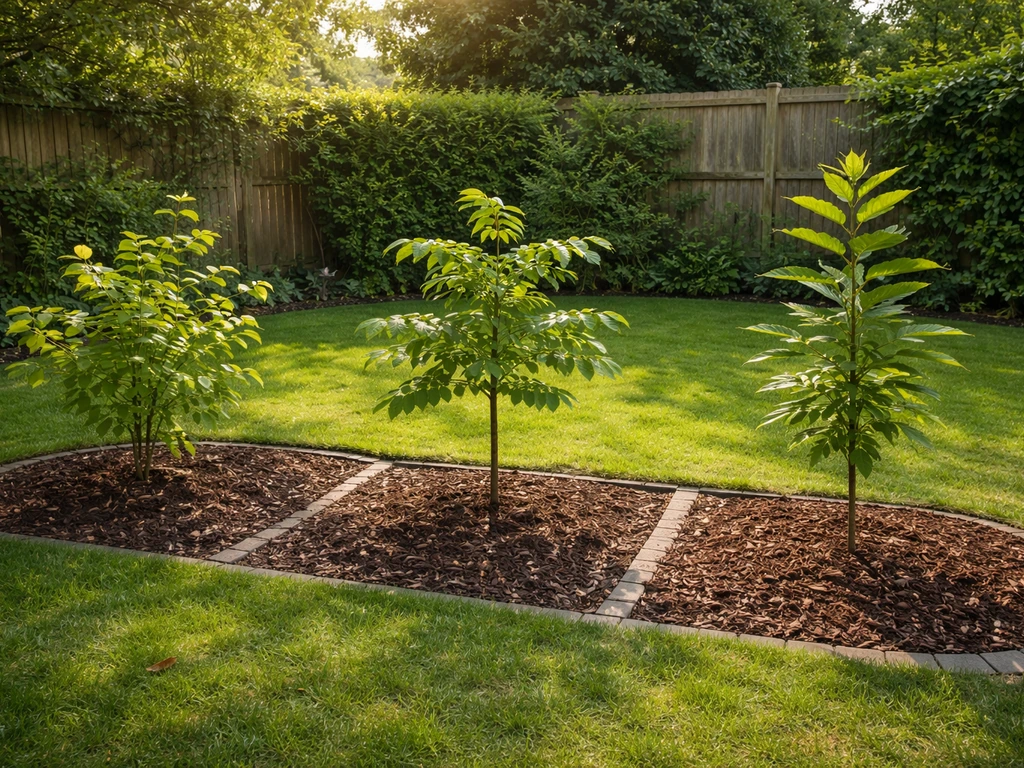
All three are genuinely suited to UK conditions, produce reliable crops when sited correctly, and are available from UK nurseries right now. Hazel is the easiest and most forgiving, walnut rewards patience with a serious crop, and sweet chestnut is a heavyweight that does best in southern England. If you only have space for one tree and want nuts within a few years, start with hazel.
Quick shortlist of the best nut trees for UK gardens
| Tree | Best cultivar(s) | Nuts in (years) | Space needed | Best region |
|---|---|---|---|---|
| Hazel / Cobnut | Corylus avellana 'Cosford', 'Kentish Cob' | 3–5 | 5 x 5 m per tree | All UK |
| Walnut | Juglans regia 'Broadview' | 3+ (grafted) | 10+ m spread | England, esp. south/midlands |
| Sweet chestnut | Marigoule, Marron de Lyon | 2–4 | 8–10 m apart | Southern England |
These three are the only nut trees worth putting serious money and space into for most UK growers. Some catalogues also list almond and heartnut, but neither delivers consistent crops in most of the UK without a heated glasshouse or an exceptionally sheltered microclimate. Focus on the big three and you will not be disappointed.
What nuts you can expect to grow in the UK
Hazelnuts and cobnuts
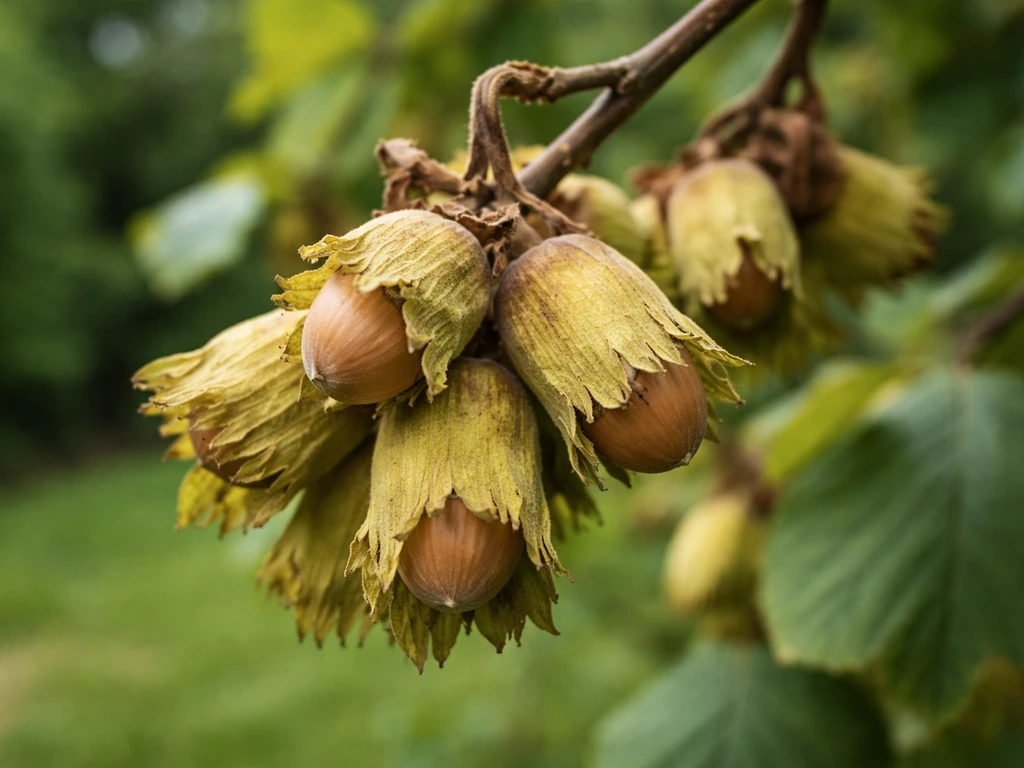
Hazel is the UK's native nut tree and the most realistic choice for the widest range of gardens. The wild species (Corylus avellana) produces small hazelnuts, but selected cultivars sold as cobnuts or filberts produce larger, better-flavoured nuts. Kentish Cob (technically a filbert) is the classic UK orchard variety. Corylus avellana 'Cosford' is another reliable choice with thin shells and good flavour. A well-grown cobnut tree in a reasonably sunny spot can produce several kilograms of nuts per year once established, and you will not wait long: cropping usually begins within three to five years.
Walnuts
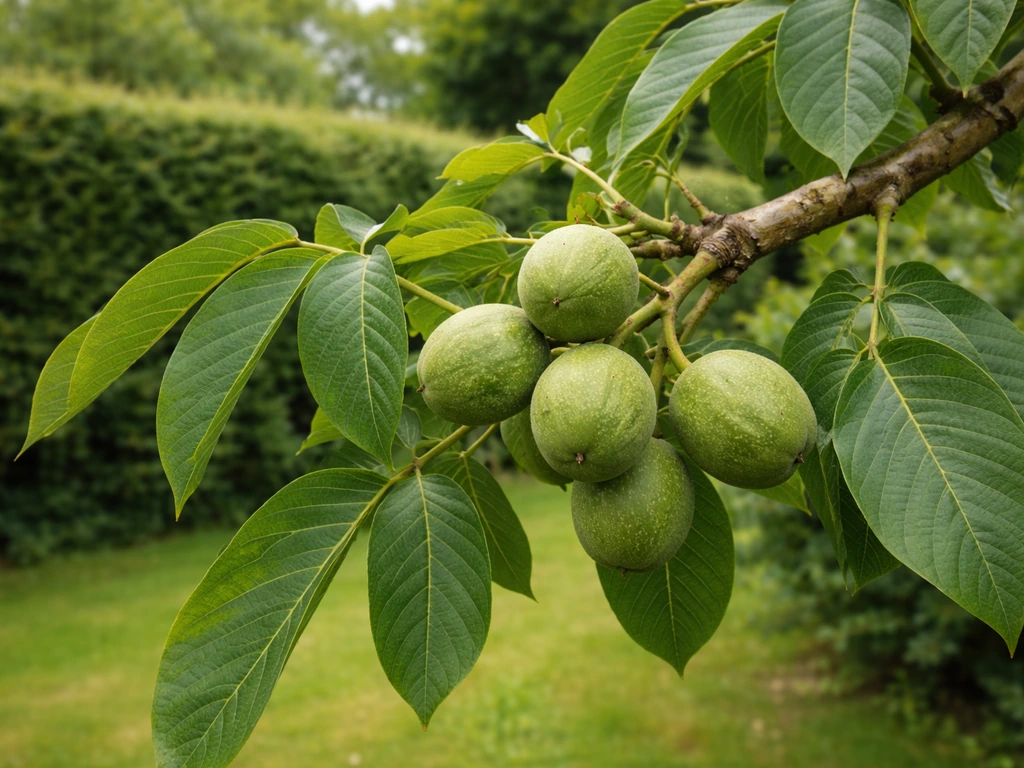
The English walnut (Juglans regia) is perfectly hardy across most of the UK and produces genuinely good crops in larger gardens. The key is choosing a grafted cultivar rather than a seedling tree. Grafted trees of 'Broadview' are widely available, disease resistant, and the RHS notes they can produce a heavy crop of good-quality medium-sized nuts from around three years after planting. Seedling walnuts can take 15 years or more to fruit and are a gamble on quality. Always buy named grafted trees. Walnuts grow large, so be realistic about the space commitment.
Sweet chestnuts
Castanea sativa is an impressive tree that produces genuine sweet chestnuts: the ones you roast. It is fully hardy across the UK (rated H6 by the RHS, meaning it can handle down to around minus 20°C), but nut production is a different matter. For a worthwhile crop of well-filled nuts, you really need the long warm summers of southern England. In the north and Scotland, you will grow the tree successfully but the nuts often fail to ripen fully. Selected varieties like Marigoule and Marron de Lyon are faster into production than the straight species, with nuts possible within two to four years from planting.
Choosing the right tree for your location in the UK
All three trees are hardy enough to survive a UK winter almost anywhere in England, Wales, and most of Scotland. The real question is not whether the tree will live but whether it will produce nuts reliably, and that depends heavily on summer warmth and frost timing in spring. Western Washington has a different climate to the UK, so check which nut trees are likely to fruit reliably there before planting what nut trees grow in western washington.
Hazel is the most forgiving across all regions. Its catkins appear in winter and early spring, which means a late frost can damage the female flowers, but hazel crops reliably even in northern England and Scotland. If you are in a frost pocket, plant hazel on a gentle slope where cold air drains away from the flowers.
Walnut is hardy across the UK but the new growth in spring is vulnerable to late frosts, which can destroy the year's crop at a stroke. Southern and central England give the most consistent results. If you are in the north or at altitude, look for a sheltered south-facing spot and accept that some years will be lean.
Sweet chestnut is most honest about its regional limits. The Forestry Commission is clear that it does best in warm, sunny localities in southern England and needs a deep, fertile, acidic soil. If you are in the Midlands or further north, the tree will grow well but you are unlikely to get consistently filled nuts. This is not a tree to plant in Scotland or northern England if good crops are your goal.
If you are trying to match a nut tree to a marginal climate, hazel is a closer parallel to what works in places like Zone 4 or Zone 5 in North America: cold-hardy, productive, and forgiving. Walnut sits in a zone 5 to 6 equivalent. Sweet chestnut needs conditions closer to zone 6 or warmer for reliable cropping.
Site, soil, and planting requirements
Sun and shelter
All three trees want as much sun as possible for good nut production. Hazel will tolerate partial shade and still crop, but yield drops noticeably compared to an open, sunny position. Walnuts and sweet chestnuts both want full sun, ideally with shelter from strong winds. Hazel in particular benefits from a sheltered site: the RHS notes that strong winds are a genuine problem for hazel, partly because they desiccate the catkins during pollination.
Soil
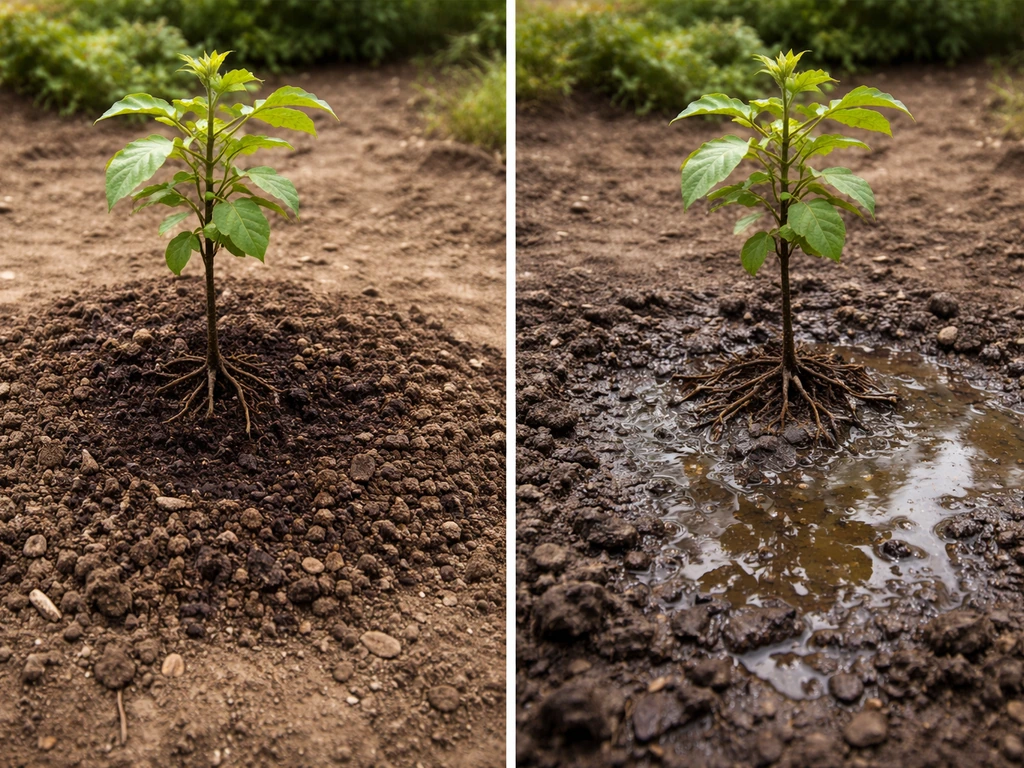
Drainage is the non-negotiable factor for all three. Walnuts absolutely cannot sit in waterlogged soil, which rots the roots and stunts growth quickly. They prefer well-drained to moist-but-well-drained conditions. Hazel is adaptable but does best in fertile, well-drained soil that leans slightly acid to neutral. Sweet chestnut is the most specific: it needs a deep, fertile, acid soil and is comparatively drought tolerant once established, but poor drainage will set it back significantly. If your garden has heavy clay, improve drainage before planting or build a slightly raised bed.
When and how to plant
The best time to plant all three is between November and March when the trees are dormant. The RHS advises planting walnuts in late autumn to winter, and bare-root hazel is best planted between November and March (the BBC Gardeners' World advice is that autumn planting gives the roots the most time to settle before spring growth). For sweet chestnut, bare-root and containerised stock both establish well provided you sort out weed competition early: Forest Research highlights weed control as one of the key factors in successful establishment. Keep weeds clear for at least a metre around each young tree for the first three years.
When planting walnuts, handle the roots carefully and avoid breaking the tap root. The RHS recommends buying young trees under about 3 m tall because they establish more reliably than large specimens and are less likely to suffer tap root damage during transplanting.
Pollination, timing, and spacing
Hazel: you need more than one
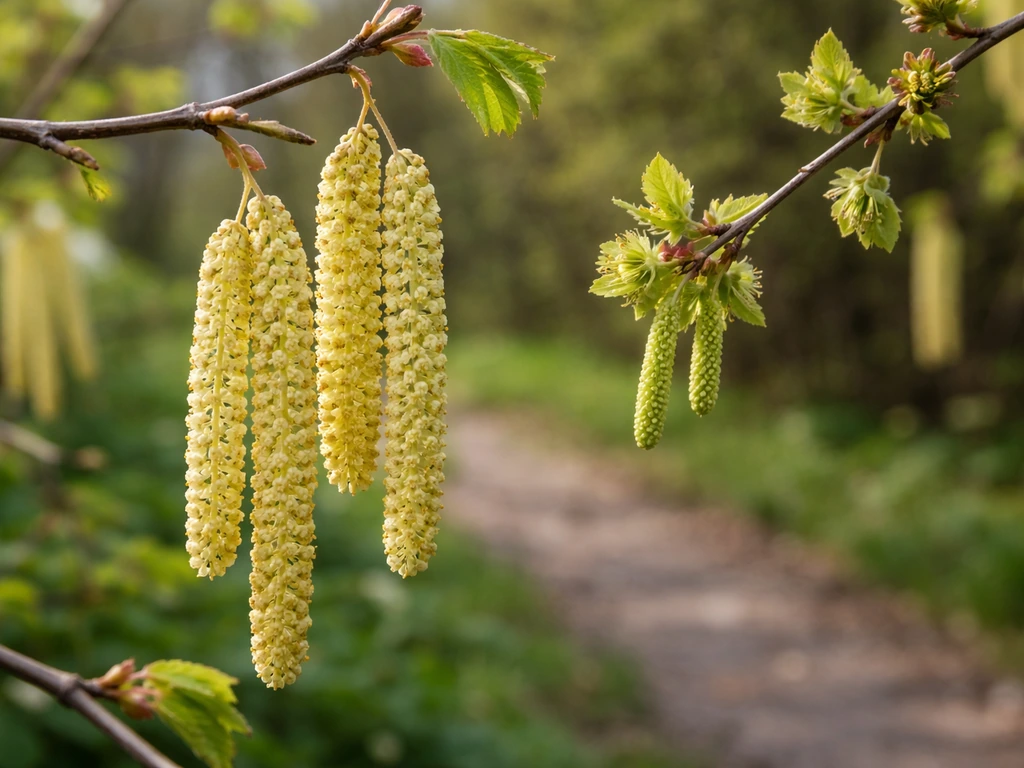
Hazel is self-incompatible, meaning a single tree of one variety will produce poor or no nuts on its own. You need at least two different compatible varieties for cross-pollination. This is not just a gardening rule of thumb: the biology here is that hazel varieties often have inter-incompatibility between specific pairs, so variety selection matters.
The simplest approach is to plant two or three different cobnut cultivars together: Kentish Cob, Cosford, and a third like 'Tonda di Giffoni' (widely grown in the UK now) work well together. Hazel is wind-pollinated, with male catkins releasing pollen in late January to March. Female flowers are tiny red tufts on the same shoots.
The female flowers depend heavily on light received by one-year-old shoots the previous growing season, which is why pruning and light management genuinely affect crop size.
Walnut: mostly self-fertile but timing matters
Walnuts are generally self-fruitful, so a single tree can produce nuts. However, walnuts are dichogamous: male and female flowers on the same tree do not open at exactly the same time. In some years the overlap is poor, which reduces the crop. Planting two trees, ideally of different cultivars, significantly improves pollination and nut set. This is documented clearly in pollination research: dichogamy means fruit abortion can be high in years when the timing mismatch is pronounced.
Sweet chestnut: plant in groups
Sweet chestnut produces better crops with cross-pollination, so planting two or more trees of different varieties is strongly recommended for good nut set. It is wind-pollinated and flowers in midsummer, which is later than the other two. If you only have space for one, you may still get some nuts, but yields are typically much lower.
Spacing: do not crowd them
Spacing is one of the areas where gardeners most often go wrong with nut trees. Natural England's guidance for cobnut orchards specifies blank" rel="noopener noreferrer">a 5 x 5 metre spacing per tree. For sweet chestnut intended for nut production, Forest Research gives a guideline of blank" rel="noopener noreferrer">around 8 to 10 metres between trees. Walnuts need at least 10 metres of space as they are large trees at maturity. Getting this wrong is not just a space issue: crowded nut trees produce less fruit because light penetration into the canopy drops, and hazel in particular needs light on its one-year-old shoots to trigger good female flower induction the following season.
Care and maintenance in the first few years
Watering and mulching
All three trees need consistent watering for the first one to two growing seasons while roots establish. After that, walnuts and hazel manage reasonably on UK rainfall, while sweet chestnut is genuinely drought tolerant once established. A mulch of wood chip or bark about 5 to 10 cm deep and 1 metre in diameter around the base of each tree helps retain moisture, suppress weeds, and protect feeder roots. Keep the mulch away from direct contact with the trunk.
Pruning hazel correctly
Hazel pruning is one of the most misunderstood aspects of cobnut growing. The RHS is explicit that heavy pruning at the wrong time reduces nut production, because you are removing the one-year-old wood that carries the female flowers. The approach for nut-producing hazel is light, targeted pruning in late winter (after catkins have shed pollen but before leaf burst): remove crossing branches, dead wood, and any very vigorous vertical shoots from the centre that shade out productive laterals. Do not cut the tree hard back as you would for ornamental hazel grown as a coppice. The goal is an open, goblet-shaped canopy where light reaches every shoot.
Walnut and sweet chestnut training
Walnuts need minimal pruning once established. In the first two to three years, focus on forming a clear central leader and removing any competing leaders or badly crossing branches. Prune in late summer (August is often recommended) to reduce the risk of bleeding sap from cuts, which can weaken the tree. Sweet chestnut similarly needs light formative pruning in the early years: establish a good branch framework and then largely leave it alone. Both trees essentially want to grow as standard trees and do not appreciate heavy intervention.
Frost protection
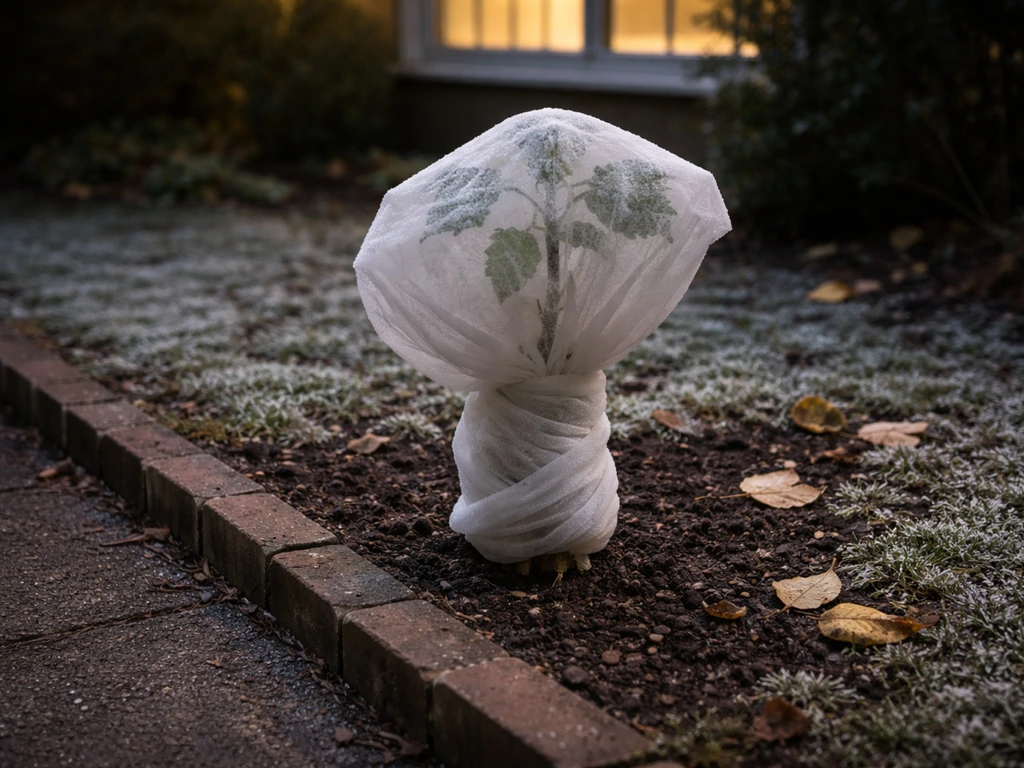
Young sweet chestnut seedlings benefit from frost protection in their first winter: a fleece wrap or a temporary shelter on hard frost nights makes a real difference during establishment. Forest Research specifically highlights frost protection as a key establishment factor. Walnut new growth in spring is frost-tender, so if a late frost is forecast after the leaves have emerged, a temporary cover over smaller trees is worth the effort. Hazel is the most frost-tough of the three and generally does not need special protection once planted.
Harvesting, storage, and troubleshooting poor yields
When to harvest
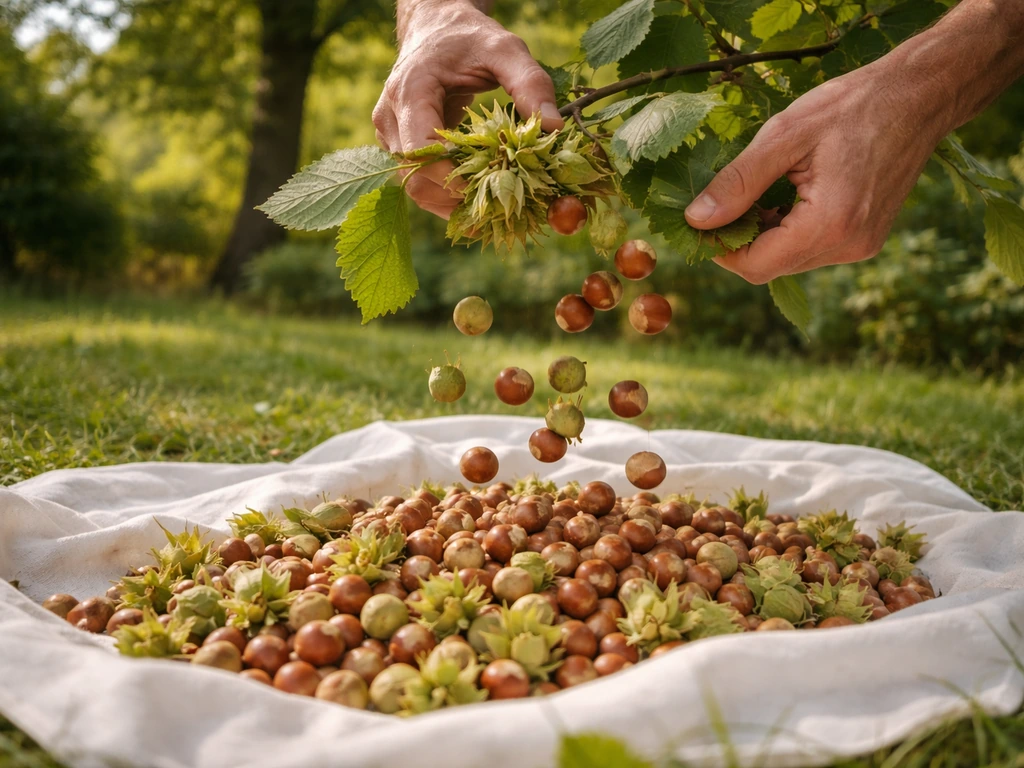
Hazelnuts are ready to pick in late August to October when the husks begin to yellow and the nuts drop naturally. You can shake or tap branches over a sheet. Do not wait until they all fall, as squirrels will get there first. Walnuts are harvested in September to October when the outer green husk begins to soften and split. The RHS warns against waiting until the husks have blackened, as this can taint the flavour of the kernels inside. Pick them slightly before full husk breakdown and remove the husk promptly. Sweet chestnuts are ready in October to November when the spiny cases split open and the nuts fall. Collect daily to beat squirrels and other wildlife.
Storing the harvest
- Hazelnuts: dry in a single layer in a warm, airy place for a few days, then store in a cool, dry location in mesh bags or boxes. They keep for several months.
- Walnuts: remove husks immediately, rinse, and dry thoroughly before storing in a cool, dark, ventilated place. Dried walnuts keep for several months; fresh (wet) walnuts should be eaten within days.
- Sweet chestnuts: best eaten fresh or cooked soon after harvest. For longer storage, keep in a cool, moist environment (they dry out quickly) or freeze after blanching.
Troubleshooting poor yields
The most common reasons for disappointing nut crops in the UK are late spring frosts hitting the flowers, poor pollination from lack of a compatible partner variety, not enough sun, and incorrect pruning of hazel. If your hazel is not producing well, check first whether it has a compatible pollination partner nearby. If your walnut produces flowers but the nut set is poor, dichogamy (the timing mismatch between male and female flowers) is the likely culprit, and adding a second tree of a different cultivar usually helps. If sweet chestnut nuts are small or hollow, the summer was probably not warm enough, the soil is too shallow or poorly drained, or the trees are competing with weeds.
Sweet chestnut blight (Cryphonectria parasitica) is a serious fungal disease that has been confirmed in parts of England and Wales. If you notice orange-brown cankers on the bark with cracked, sunken tissue and dying shoots above the canker, report it to the relevant plant health authority (APHA in England) rather than just pruning it out, as it is a regulated disease. When buying sweet chestnut trees, source from reputable UK nurseries with plant health assurances.
Realistic timeline from planting to first crop
| Tree | First nuts (grafted/named variety) | Good regular crop |
|---|---|---|
| Hazel / Cobnut | 3–5 years | 5–7 years |
| Walnut ('Broadview') | 3–5 years | 7–10 years |
| Sweet chestnut (Marigoule / Marron de Lyon) | 2–4 years | 6–10 years |
These are honest figures for named, grafted cultivars planted in reasonable conditions. Seedling trees take considerably longer and are unpredictable in quality. If you want nuts as quickly as possible, prioritise named grafted stock from a reputable UK specialist nursery, plant in full sun with good drainage, sort the pollination partners, and keep weeds off the root zone. Do all of that and you are set up for a genuinely productive nut tree, not just a decorative one.
FAQ
Can I grow nut trees in containers in the UK, at least for the first few years?
Yes, but only as a temporary measure. Hazel and walnuts will eventually need in-ground space because of root volume and anchorage, and chestnuts struggle more once root space is restricted. Use the largest possible container, ensure free-draining compost, and water consistently during dry spells, then plan a ground planting within about 2 to 4 years (earlier for walnuts).
How do I know whether my hazel has the right pollination partners, if I only have room for two trees?
Pick named cobnut or filbert cultivars known to be compatible with each other, not just “two hazels.” Because inter-incompatibility can occur between specific pairs, it helps to buy both trees from the same UK nursery that can confirm compatibility. Also keep them close enough for effective wind pollination, typically within a few metres rather than across a large garden.
What if I already have one walnut tree, will adding a second cultivar guarantee better crops?
It often improves consistency, but it does not make walnuts as dependent on pairing as hazel. Because walnut flowering timing can mismatch in some years, adding a second tree of a different cultivar increases the odds of overlap. If adding a second tree is not possible, focus on site quality (full sun, good drainage, frost-sheltered position) and accept that some years will still be lean.
Do late frosts in spring always ruin the harvest for these trees?
Not always, but they can strongly reduce nut set, especially for walnuts because new growth is frost-sensitive. Hazel is more resilient than walnut, but a late frost can still damage hazel female flowers if they have already started developing. A practical option is frost protection for young trees (covers only on forecast nights) and choosing a slightly sloped or air-draining spot rather than a flat, cold pocket.
My garden has heavy clay, which of the three is most forgiving and what should I do before planting?
Hazel is the most forgiving on structure, but you still need well-drained conditions for best results. For clay, improve drainage before planting by adding organic matter carefully and consider building a raised bed, especially for walnuts and sweet chestnut. Avoid planting into low areas where water stands, and use a mulch ring that does not touch the trunk to protect feeder roots.
How much pruning is too much for hazel, walnuts, and sweet chestnut?
For hazel, heavy pruning is a common mistake because it removes the one-year shoots that carry next season’s female flowers. For walnuts and sweet chestnut, the trees generally prefer light formative training early on, then minimal intervention. If you want a quick rule: aim to correct structure and remove crossing or dead wood, avoid hard back cutting, and use late winter to late summer timing as appropriate for each species.
What spacing should I use if I’m planting for harvest, not just for shade or ornament?
Use wider spacing than you might think because light inside the canopy drives yield. In practice, cobnut hazel typically needs orchard-style spacing (often several metres each way), sweet chestnut is much wider, and walnuts need large gaps because mature trees become broad. If you cannot meet these distances, consider fewer trees with better site preparation rather than crowded planting.
Are there any early signs that my trees are failing due to drainage rather than frost or pollination?
Yes. Poor drainage problems often show as weak growth, persistent leaf yellowing, dieback of shoots despite normal spring, and a general stalling of establishment after planting. With walnuts in particular, root stress can look subtle at first, then suddenly worse in summer. If you see these symptoms, reassess the planting depth and check whether water sits in the root zone after rain.
How long will it really take to get nuts from planted trees?
Hazel usually begins producing within about 3 to 5 years once established, assuming you have compatible pollination and good light. Walnuts often take around 3 years or more for meaningful cropping from named grafted cultivars, but seedling trees can take far longer. Sweet chestnut may produce within 2 to 4 years for faster varieties, but fully reliable nut filling depends heavily on warm summers.
What should I do about weeds around newly planted nut trees?
Weed competition is a bigger threat to establishment than most people expect, especially for sweet chestnut. Keep weeds cleared right around each young tree, roughly a metre-wide zone if possible, for at least the first couple of years, and use mulch to reduce competition. Avoid burying mulch against the trunk to prevent rot and keep the soil surface aerated.
Is it safe to harvest hazelnuts by leaving them on the tree longer for bigger kernels?
Better not to wait for all nuts to drop naturally. Once husks start to yellow, squirrels and wildlife begin harvesting, and fully overextended waiting can lead to losses. Instead, pick or shake regularly during the ripening window so you collect before widespread loss.
What should I look for to catch sweet chestnut blight early?
Watch for orange-brown cankers with cracked, sunken tissue and dieback above the affected area. Because the disease is regulated in some UK regions, do not rely solely on pruning, especially if you suspect canker development. If symptoms match, report to the relevant authority rather than trying to manage it like an ordinary pruning issue.