For most beginners in temperate North America and the UK, the hazelnut (Corylus avellana or the American hybrid Corylus americana x avellana) is the easiest nut tree to grow. It's compact, tolerates a wide range of soils, produces nuts in 3 to 5 years, and handles cold down to USDA Zone 4. If you're in a warmer, drier climate closer to the Mediterranean or the subtropical South, an almond or a pecan will feel more 'at home' and ultimately be less work. The honest answer is that 'easiest' always depends on where you live, so this guide will help you match the right species to your specific yard.
What Is the Easiest Nut Tree to Grow? Best Beginner Options
Marcus Hendricks
12 May 2026
The Easiest Nut Trees and Why They Made the List
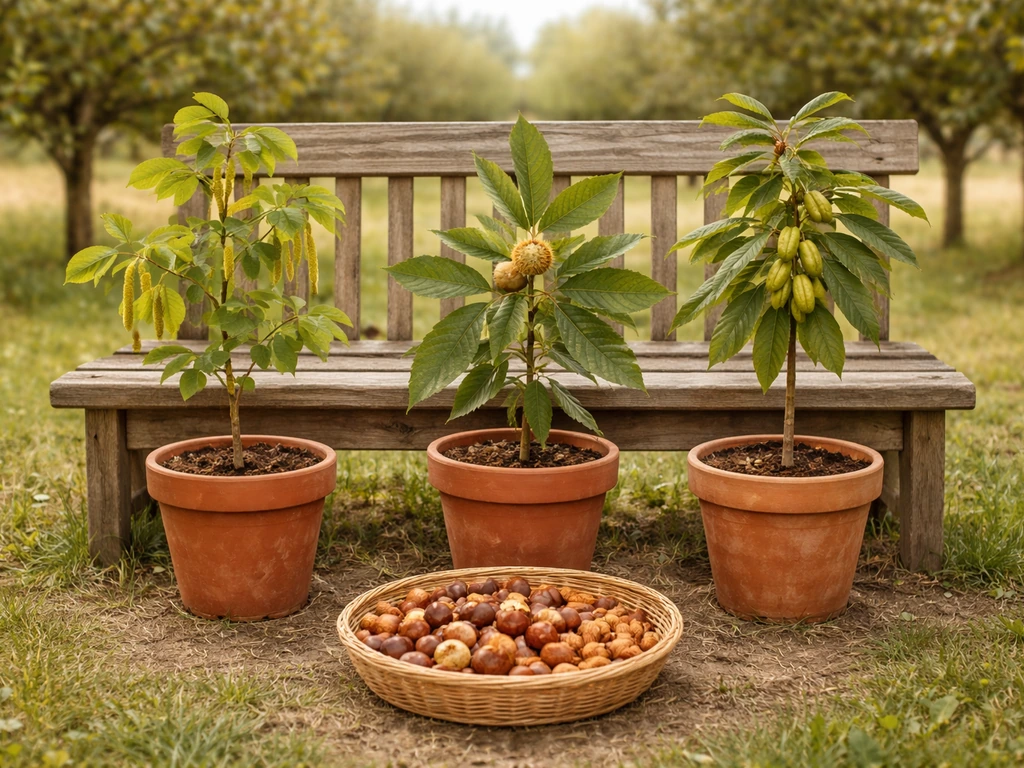
When growers talk about 'easy,' they usually mean two different things without realizing it: easy to keep alive in the first few years, and easy to actually get nuts from consistently. A tree can survive in your zone and still frustrate you for a decade with no real harvest. The species below score well on both fronts for specific climates.
| Nut Tree | Best Climate Fit | Hardiness Zone | Years to First Nuts | Needs a Pollinator? | Relative Ease |
|---|---|---|---|---|---|
| Hazelnut (hybrid) | Temperate, Pacific Northwest, UK, Midwest | Zones 4–9 | 3–5 years | Yes, a compatible variety | Very high |
| American chestnut hybrid | Eastern US, temperate regions | Zones 4–8 | 3–5 years | Yes, another seedling or variety | High |
| Almond | Mediterranean, California, dry Southwest | Zones 7–9 | 3–4 years | Usually yes (variety dependent) | High in dry climates |
| Pecan | Southern US, warm temperate | Zones 6–9 | 5–10 years | Yes, two varieties recommended | Moderate |
| Walnut (black or English) | Wide range, temperate | Zones 4–9 | 4–7 years | Usually self-fertile | Moderate |
| Macadamia | Subtropical, Hawaii, coastal California | Zones 9–11 | 5–7 years | Self-fertile but benefits from a partner | High in right climate |
Hazelnuts win for most beginners because the biology works in your favor: they're shrubby, so they don't take up the footprint of a walnut or pecan, they start cropping young, and named hybrid varieties (like 'Jefferson,' 'Yamhill,' or 'Wepster' from OSU's breeding program) have been selected specifically for disease resistance and productivity. OSU’s hazelnut breeding program developed EFB-resistant cultivars, including 'Jefferson,' 'Theta,' 'Dorris,' 'Yamhill,' 'McDonald,' and 'Wepster,' with the Gasaway gene for resistance ‘Jefferson,’ ‘Yamhill,’ or ‘Wepster’. The one catch, which we'll cover in depth later, is that you need at least two compatible varieties. Plant a single hazelnut and you will get flowers every spring and zero nuts every fall.
Chestnut hybrids (Castanea mollissima x dentata, or pure Chinese chestnut) are the second-easiest choice for temperate growers. They're fast, productive, and the nuts are genuinely delicious. Almonds move to the top of the list the moment you're in a dry-summer Mediterranean climate: they need low humidity at bloom time, and in a wet, cloudy spring they struggle with brown rot and poor fruit set regardless of how well you care for them.
Match 'Easy' to Your Climate and Zone First
The single biggest mistake beginners make is picking a nut tree based on what sounds appealing rather than what fits their climate. A pecan planted in Zone 5 Michigan isn't going to kill itself, but it won't reliably ripen nuts in a short growing season either. That's not 'easy' in any meaningful sense. Before you buy anything, figure out your USDA hardiness zone (or RHS hardiness zone if you're in the UK) and honestly assess your summer heat.
Temperate Climates (Zones 4–7, Including UK and Pacific Northwest)
Hazelnuts and chestnut hybrids are your go-to options. The Pacific Northwest and UK are arguably the best hazelnut climates outside of Turkey, and OSU's hazelnut breeding program has produced varieties specifically tuned for these conditions. In Zone 5 and Zone 4 gardens, American hazelnut (Corylus americana) or hybrid crosses handle the cold better than the European filbert, though the nuts are slightly smaller. If you're gardening in these zones and want to go deeper on species selection, the considerations for Zone 5 and Zone 4 growers are worth exploring specifically.
Mediterranean and Dry Summer Climates (Zones 7–9, Low Humidity)
Almonds thrive here. They need roughly 300 to 400 chill hours (depending on the variety), a dry spring to avoid blossom blight, and well-drained alkaline to neutral soil. In California's Central Valley or southern Spain, an almond is genuinely low-maintenance once established. Pistachios also belong in this category but take longer to crop reliably (typically 7 to 10 years) and need extremely hot, dry summers, so they're not for everyone.
Warm Temperate and Southern US (Zones 7–9, Humid Summers)
Pecans are the traditional answer here, and for good reason: in Georgia, Texas, or the Carolinas they're practically a weed tree in terms of survivability. The downside is the long wait for meaningful production and the need for two varieties. Chinese chestnuts also do surprisingly well in the humid South. Avoid almonds in humid climates: the fungal pressure at bloom time makes them much harder to manage.
Subtropical Zones (Zones 9–11)
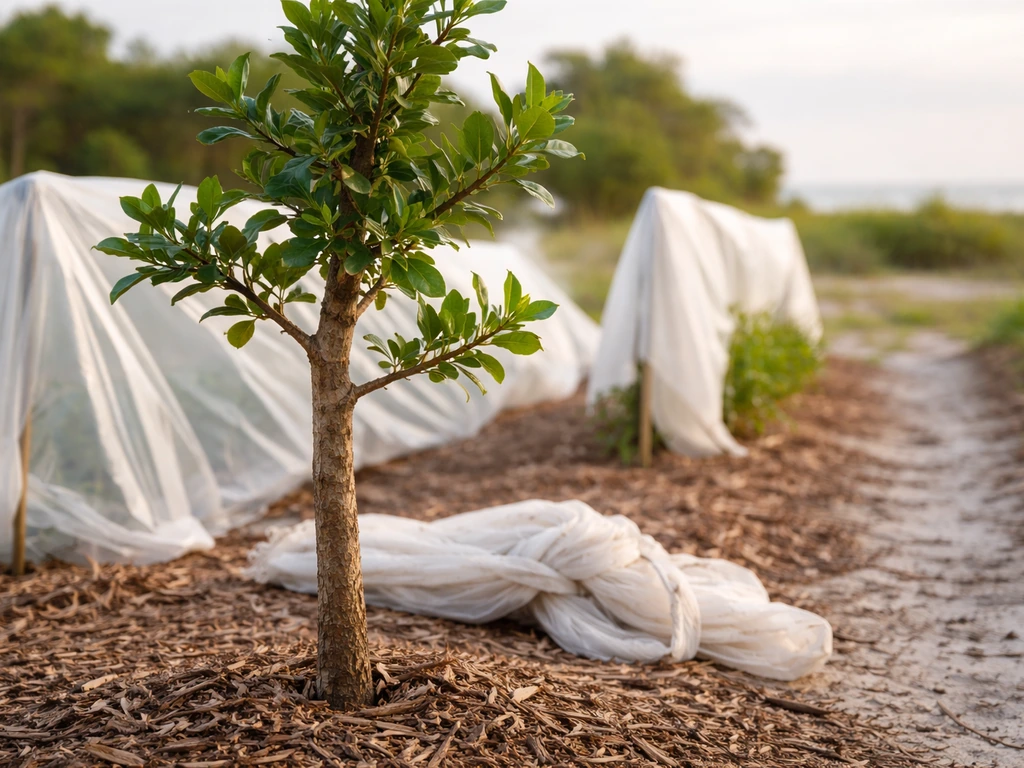
Macadamias are the standout here, especially in Hawaii and coastal Southern California. They're frost-tender but otherwise resilient, self-fertile enough to produce solo (though a companion tree improves yields), and the harvest is straightforward once you understand that ripe nuts drop naturally. The trouble is they need 5 to 7 years to start producing, so 'easy' takes patience.
Wet, Rainy Climates (Western Washington, UK, Parts of New England)
Hazelnuts again lead the pack. Eastern filbert blight (EFB), a fungal disease that devastates European hazelnut in wet climates, used to be a serious barrier in western Washington and the UK, but disease-resistant varieties have changed this significantly. If you're growing in western Washington or similarly wet regions, variety selection is non-negotiable: plant a resistant variety or you'll spend years fighting cankers. Growers in Maine and similar cold, wet northern climates have a narrower list, with American hazelnuts and some chestnut hybrids being the most reliable options.
What to Check in Your Yard Before You Plant
Even the right species for your zone will fail if the specific spot in your yard is wrong. These are the four things worth actually checking, not just assuming.
Sunlight
All productive nut trees need full sun: at minimum 6 hours of direct sun per day, with 8 hours being better. Hazelnuts will survive in partial shade but produce far fewer nuts. Chestnuts, walnuts, and pecans really need full sun to develop a full canopy and ripen nuts reliably. If your yard has dappled sun or a shading structure on the south or west side, map out where the sun actually hits in midsummer before you plant.
Soil pH and Texture
Most nut trees prefer slightly acidic to neutral soil: roughly pH 6.0 to 7.0. Pecans and almonds tolerate higher pH (up to 7.5 or so). Black walnuts are surprisingly tolerant of poorer soils. Chestnuts are more particular: they dislike alkaline soil and compacted clay. A basic soil pH test from a garden center costs a few dollars and saves you years of guessing. If your soil is heavy clay, drainage becomes the bigger issue.
Drainage
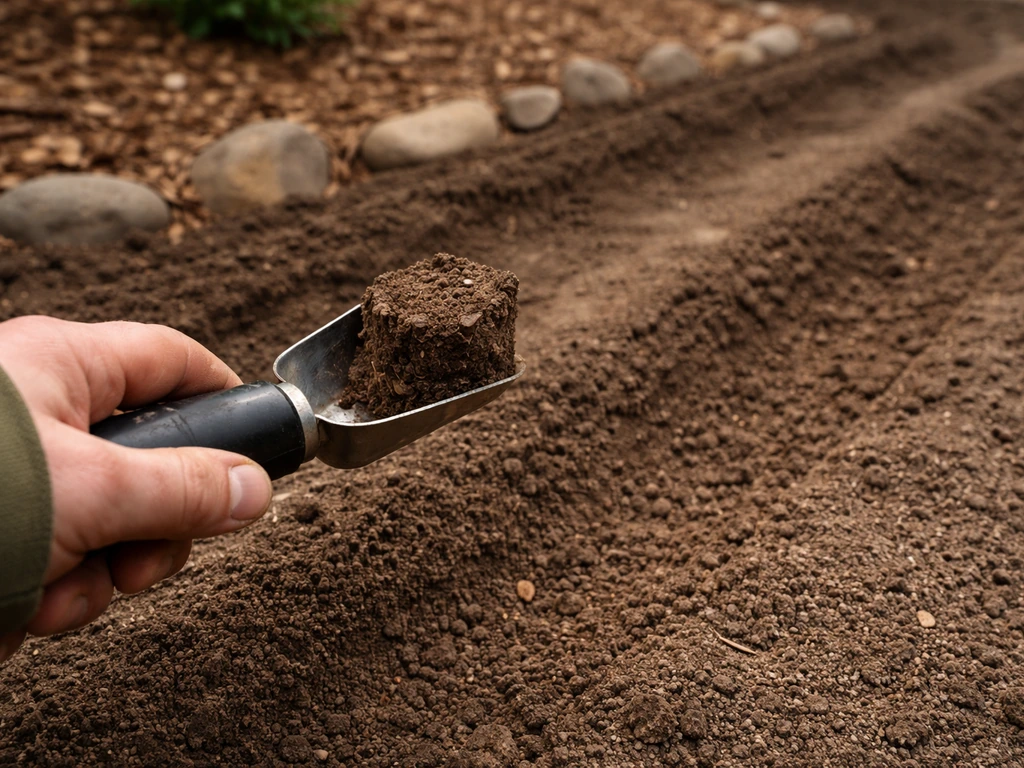
This is the most underestimated factor. Almost every nut tree will develop root rot in poorly drained soil, but chestnuts and almonds are especially intolerant of wet feet. The simple test: dig a hole about 12 inches deep, fill it with water, and check it an hour later. If there's still standing water, you have a drainage problem. You can work around this with raised beds or mounded planting spots, but it's better to know upfront. Hazelnuts and pecans handle moderately poor drainage better than most other nut species.
Frost Pockets
Cold air sinks, and low spots in your yard can be 3 to 5 degrees Fahrenheit colder than the surrounding ground on still, clear nights. This matters enormously for trees that bloom early, like hazelnuts and almonds. If you've ever noticed frost damage in one corner of your yard while the rest looked fine, that's a frost pocket. Plant your nut trees on a gentle slope or elevated spot if possible, so cold air drains away from the flowers rather than pooling around them.
Planting and Getting Through the First Few Years
The establishment phase (roughly years one through three) is actually when most beginner nut tree plantings fail, not due to disease or pests, but simply from neglect during drought or from planting too deep. Get these basics right and the tree will largely take care of itself afterward.
- Plant in early spring or fall. Fall planting gives roots time to establish before the heat of summer, but spring works fine if you're consistent with watering in year one.
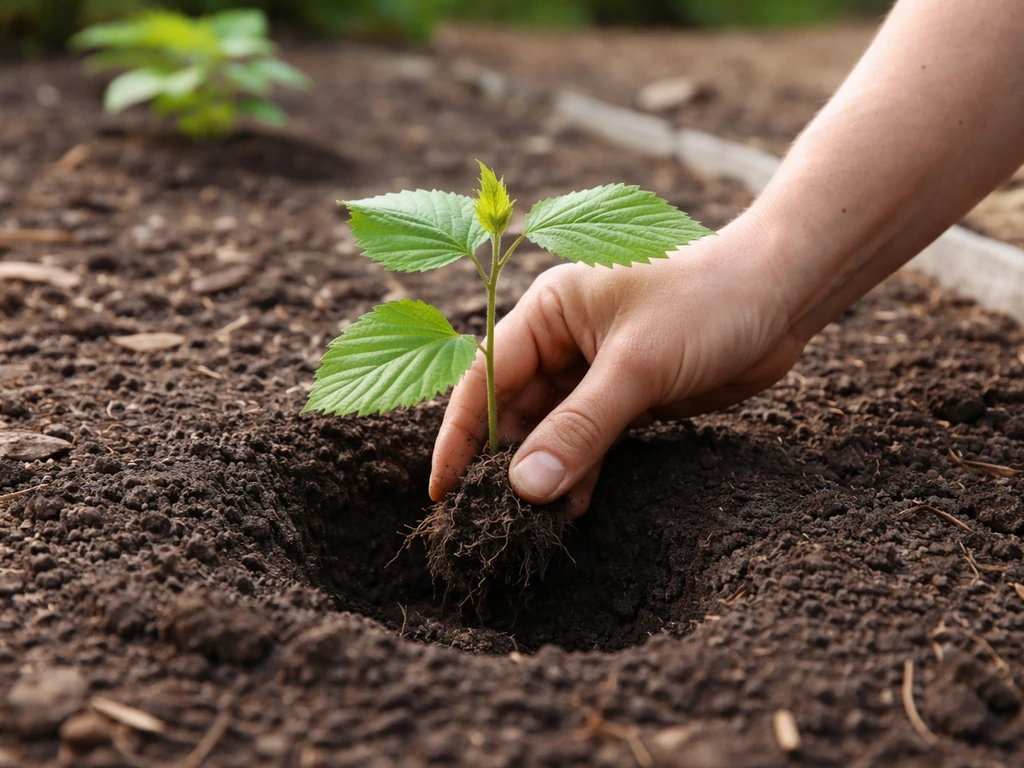
- Plant at the right depth: the root flare (where the trunk widens at the base) should be at or just above the soil surface. Planting too deep is one of the most common killing mistakes.
- Dig a wide, shallow hole rather than a narrow deep one. The goal is loose soil for lateral root spread, not a deep bucket.
- Water deeply and slowly once or twice a week for the first season. One inch of water per week is a reasonable target if rain isn't providing it. After year two, most nut trees in temperate climates are largely self-sufficient.
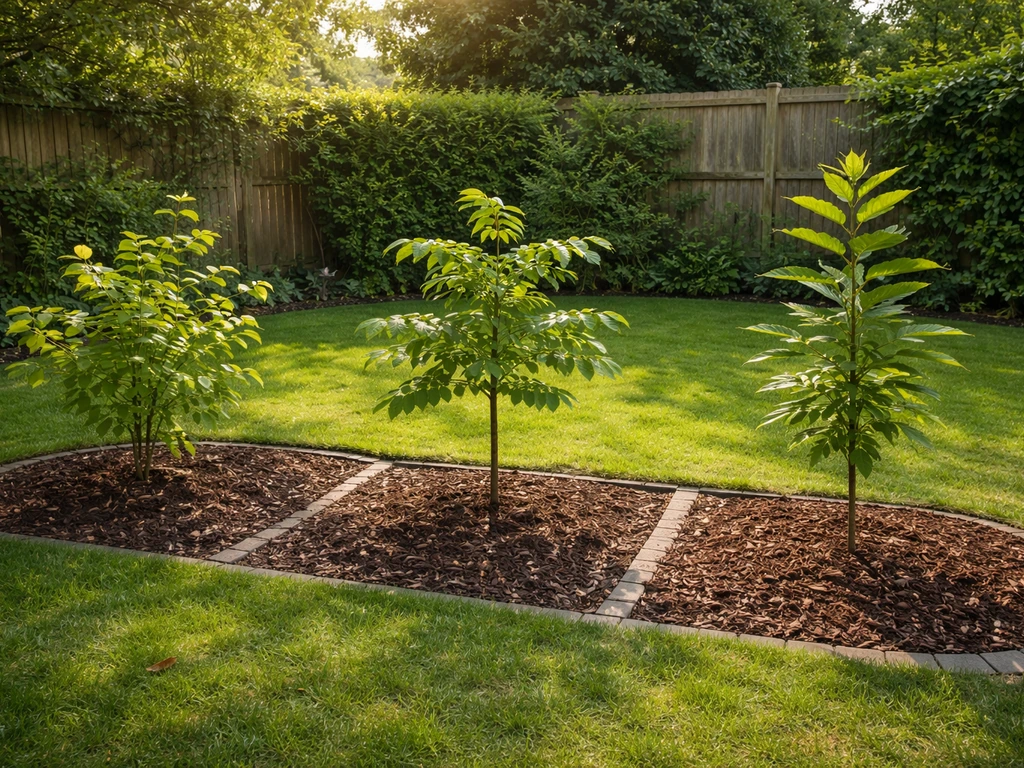
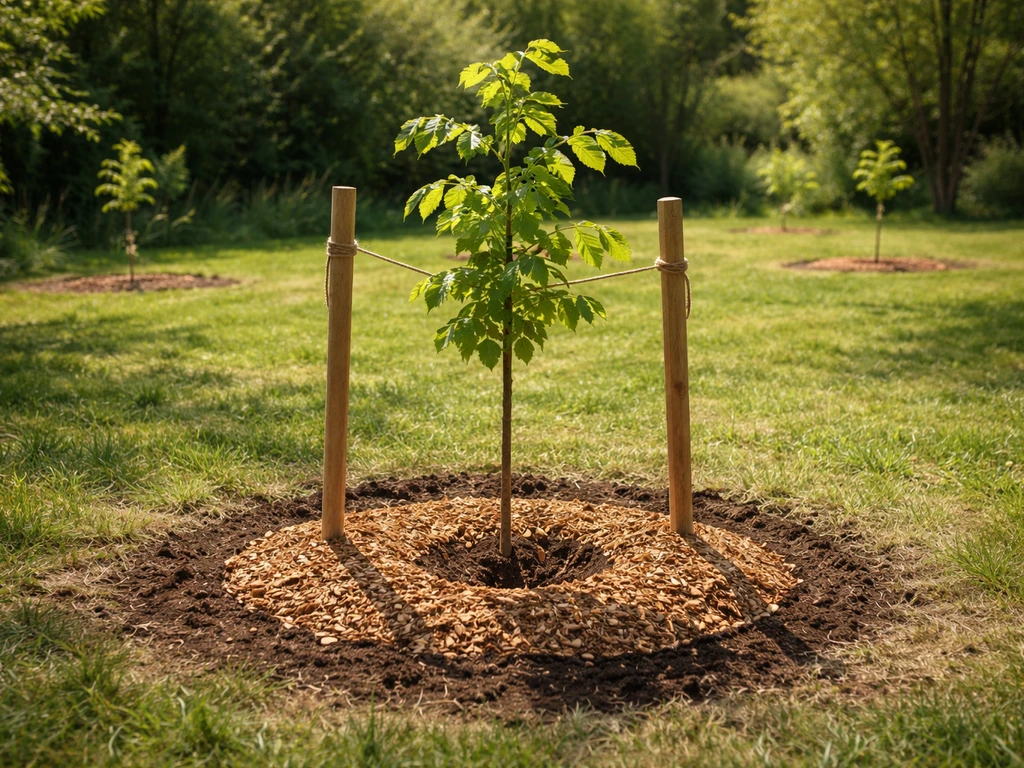
- Mulch a 3- to 4-foot circle around the base, keeping mulch away from the trunk itself. This conserves moisture, suppresses competition, and moderates soil temperature.
- Stake only if your site is very windy, and remove stakes after one year. Unstaked trees develop stronger trunk and root systems.
- Skip heavy fertilization in year one. A light application of balanced fertilizer in early spring of year two is plenty. Over-fertilizing young trees pushes leafy growth at the expense of root establishment.
Container-grown trees transplant more easily than bare-root stock but can get root-bound: check for circling roots before planting and tease or score them so they don't continue circling after transplanting. Bare-root hazelnuts and chestnuts are often cheaper and transplant well if planted quickly and kept from drying out.
Pollination: The Part That Trips Up Most Beginners
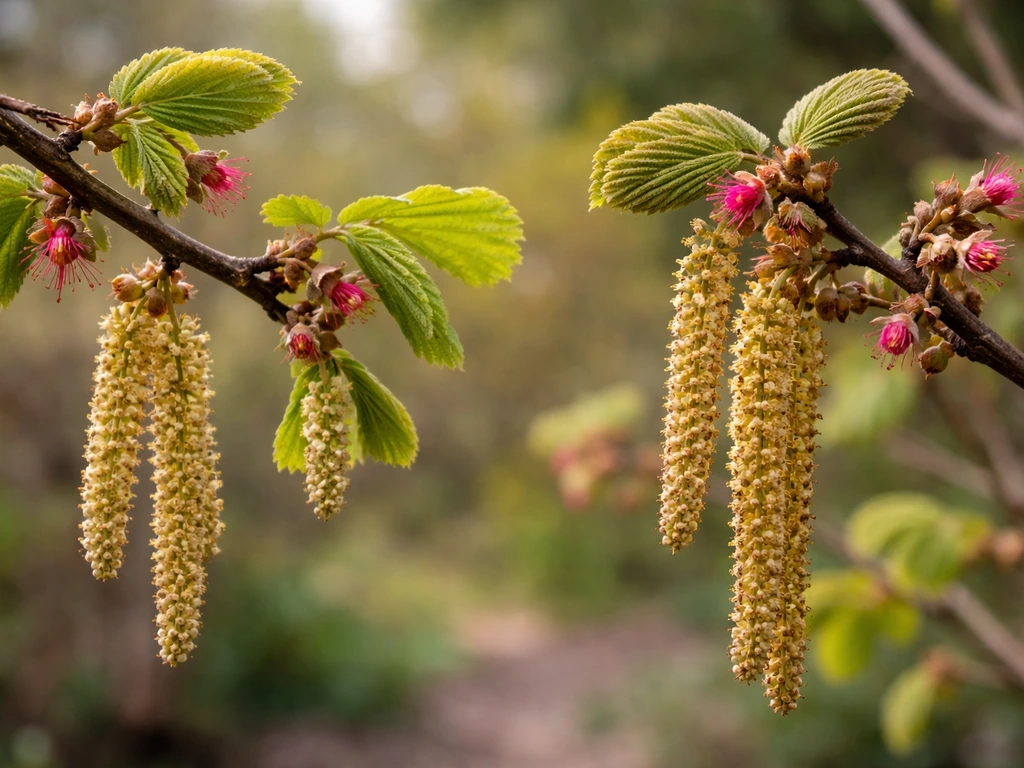
Pollination is the single most common reason a healthy-looking nut tree produces nothing. Different species have very different requirements, and it's worth understanding the biology rather than just following a rule of thumb.
Hazelnuts Require a Compatible Partner, Not Just Any Second Tree
Hazelnuts are self-incompatible, meaning a tree cannot fertilize itself with its own pollen, and more importantly, some varieties are genetically incompatible with each other and won't cross-pollinate effectively even when planted side by side. When planting hazelnuts, you need at least two varieties that are known to be compatible pollinizers for each other. OSU Extension recommends planting pollinizer varieties every third tree in every third row in a standard 20x20-foot spacing orchard. More practically for a home grower: plant at least one pollinizer for every two to three main-variety trees, and keep pollinizers within 50 feet of the trees they need to pollinate, since nut set drops noticeably beyond that distance. Common compatible pairings include 'Jefferson' with 'Eta' or 'Wepster,' but always verify compatibility before buying. OSU Extension notes that the pollen shed of 'Yamhill' overlaps the receptivity of the earliest female flowers of 'Jefferson' in most years.
Chestnuts and Pecans Also Need Company
Chinese chestnuts are technically capable of self-pollination but produce far better crops with a second, unrelated seedling or variety nearby. Plant at least two trees for any meaningful harvest. Pecans require two varieties with different pollen shed timings (called Type I and Type II) for good cross-pollination. A single pecan tree of one type will produce some nuts but significantly underperforms without a compatible partner.
Almonds, Walnuts, and Macadamias
Most almond varieties are self-incompatible and need a pollinizer, though newer self-fertile varieties like 'All-in-One' or 'Tuono' have changed the game for home growers who only want one tree. English walnuts are largely self-fertile, though cross-pollination improves yields. Black walnuts are self-fertile but will produce better with another tree nearby. Macadamias are self-fertile and can produce reasonable crops as a single tree, making them genuinely solo-friendly.
How Much Maintenance Is Actually Required
Once established, many nut trees are genuinely low-maintenance compared to fruit trees, but 'low maintenance' doesn't mean zero work. Here's an honest picture of what you're signing up for.
Pruning
Hazelnuts sucker heavily from the base and need annual removal of suckers if you want to keep them as a tree rather than a thicket. This is a 20-minute annual task, not a major burden, but skip it for a few years and you have a very different plant than you intended. Chestnuts need minimal pruning: remove dead or crossing branches in late dormancy and leave the rest. Pecans and walnuts are largely self-shaping and need pruning mainly in the first few years to establish structure.
Pests and Diseases
The most important pest/disease combinations by species are worth knowing upfront:
- Hazelnuts: Eastern filbert blight (EFB) in wet climates is the main threat. Plant resistant varieties and the problem largely goes away. Aphids are common but rarely damaging.
- Chestnuts: Chestnut blight (Cryphonectria parasitica) is devastating to pure American chestnut but Chinese chestnut and hybrids are largely resistant. Weevils attack the nuts in storage: harvest promptly and refrigerate or freeze.
- Almonds: Brown rot blossom blight in wet spring weather is the main disease concern. Hull rot in late summer is secondary. Both are manageable with good site selection (dry climate, good airflow).
- Pecans: Pecan scab is the major disease in humid climates. Choose scab-resistant varieties in the South. Pecan weevil is also a significant pest in some regions.
- Walnuts: Walnut blight (Xanthomonas arboricola) affects both leaves and nuts. Walnut husk fly is a pest in some regions. Codling moth attacks nuts directly. Generally lower overall disease pressure than almonds.
- Macadamias: Relatively pest- and disease-free in the US. Nut borer and macadamia felted coccid are the main insects to watch for in Hawaii.
When to Expect Nuts and What Harvest Looks Like
Hazelnuts typically begin producing in years 3 to 5, with meaningful crops by year 5 to 7. Chestnuts are similar: small crops from year 3 or 4, solid production by year 6 to 8. Almonds and walnuts usually take 4 to 7 years. Pecans are the outliers: grafted trees may begin in 5 to 6 years, but seedling pecans routinely take 10 to 15 years for consistent production. This is why pecans rank lower for impatient beginners despite being excellent long-term trees.
Harvest mechanics vary. Hazelnuts drop from the husk when ripe and can simply be raked up from the ground. Chestnuts drop in their spiny husks and need to be handled with gloves. Walnuts and butternuts need the outer husk removed before drying. Almonds are harvested by shaking the tree and collecting from the ground or a tarp. All nut crops need to be dried after harvest before long-term storage: spread them in a single layer in a dry, airy spot for 2 to 4 weeks.
Your Decision Checklist and Next Steps by Region
Before you buy a tree, work through these questions. They'll narrow your choice down to one or two realistic options rather than a wishlist.
- What is your USDA hardiness zone (or RHS hardiness zone if in the UK)? Look it up based on your zip or postal code rather than guessing from memory.
- How many chill hours do you get in an average winter? Most of the US gets 400 to 1,200 hours; coastal and subtropical areas often get fewer than 300. This matters most for almonds and hazelnuts.
- Is your summer humid or dry? Humid summers push you toward hazelnuts, chestnuts, or pecans. Dry summers make almonds and pistachios viable.
- Do you have full sun (8+ hours) in the planting spot?
- Does water drain from that spot within an hour after heavy rain?
- Do you have space for two trees, or are you limited to one? If one tree only, look at self-fertile almond varieties, macadamia (in Zone 9+), or English walnut.
- How patient are you? If you want nuts within 5 years, hazelnut and chestnut are your best bets. If you're planning for 10+ years, pecan and walnut become more attractive.
Regional Starting Recommendations
| Region / Climate | Best Beginner Choice | Key Variety Note |
|---|---|---|
| Pacific Northwest (wet, mild) | Hazelnut (EFB-resistant hybrid) | Choose OSU-bred varieties: Jefferson, Yamhill, Wepster |
| UK and Western Europe | Hazelnut / European filbert | Use EFB-resistant or locally bred varieties in wetter areas |
| Midwest / Northeast US (Zones 4–6) | Hazelnut (American hybrid) or Chinese chestnut | American or hybrid hazel for cold hardiness in Zone 4–5 |
| Eastern US, Mid-Atlantic (Zones 6–7) | Chinese chestnut or hybrid hazelnut | Chestnut blight-resistant Chinese chestnut varieties |
| Southeast US, Gulf Coast (Zones 7–9, humid) | Pecan (scab-resistant variety) | Type I + Type II pairing for good nut set |
| California, dry Southwest (Zones 7–9, dry) | Almond or English walnut | Self-fertile almond variety if planting solo |
| Hawaii, subtropical coast (Zones 9–11) | Macadamia | HAES varieties suited to your elevation and rainfall |
| Maine, cold northern states (Zones 3–5) | American hazelnut or cold-hardy chestnut hybrid | Prioritize cold hardiness over yield |
If you're in Zone 5 or Zone 4, the species options narrow considerably and variety selection becomes critical: the wrong variety of hazelnut or chestnut in a cold northern garden is a wasted few years. Similarly, growers in western Washington or the UK face a wet-climate lens that puts disease resistance ahead of nearly every other consideration. Maine growers and others in cold, short-season climates have the narrowest list of all, but American hazelnut and the hardiest chestnut crosses are genuinely productive there.
The practical next step is this: once you've identified your zone and climate type, search for a regional cooperative extension office or agricultural university trial data for your area. OSU Extension for the Pacific Northwest, Penn State Extension for the Mid-Atlantic and Northeast, and the Arbor Day Foundation's tree recommendations are all free, practical, and far more specific than anything a general guide can be. Buy from a reputable nursery that can tell you what rootstock and variety you're actually getting, not just 'hazelnut' or 'chestnut,' because variety specifics matter more than they might seem when you're standing in the aisle of a garden center.
FAQ
What’s the easiest nut tree to grow if I have limited space and want a small footprint?
If you can’t spare a lot of width, hazelnuts usually win because many are shrubby and you can keep them compact by removing suckers to form a tree-like shape. In contrast, pecans and walnuts typically need more canopy space to ripen reliably, so you may end up pruning for years without getting full-size production.
Can I plant just one hazelnut and still get nuts?
You’ll likely get flowers but not a meaningful harvest. Hazelnuts are self-incompatible, and some varieties are also genetically incompatible even when they are close by. To get nuts, plant at least two compatible varieties, and keep pollinizers within about 50 feet of the main trees to avoid weak nut set.
What’s the easiest nut tree to grow if my soil stays wet after rain?
Choose hazelnuts or pecans if you have moderately poor drainage, and avoid planting almonds or chestnut hybrids in spots that can hold water. Chestnuts and almonds are especially vulnerable to root rot from “wet feet.” Use the simple soak check (fill a test hole with water and look for standing water after an hour), then consider a raised bed or mounded planting only after you confirm the drainage issue.
I’m in a cold corner of my yard, but my overall property is in the right USDA zone. What nut tree will still be easiest?
Hazelnuts and almonds are more sensitive to frost pockets because they bloom early, so a cold low spot can make even the “correct” species frustrating. The easiest option is usually still hazelnut, but place it on a gentle slope or higher ground so cold air drains away from blossoms.
How long do I have to wait before the easiest nut tree actually produces?
Even “easy” trees aren’t instant. Hazelnuts generally start in about 3 to 5 years, with more reliable crops around year 5 to 7. If you’re looking for faster, chestnut hybrids often behave similarly, while pecans commonly take much longer if you start from seed.
Is an almond truly low-maintenance, or is it only easy in the right climate?
It’s low maintenance only once climate matches its bloom-time needs. Almonds need a dry, less humid spring to avoid blossom blight and poor fruit set, and they generally do better in well-drained alkaline to neutral soil. In a humid, cloudy spring, you should expect more trouble regardless of how attentive you are.
What’s the easiest nut tree for humid regions where fungal pressure is high?
Hazelnuts (with resistant varieties) and Chinese chestnut or chestnut hybrids are often the best starting points for humid, disease-prone areas. Almonds and some European hazelnut types can become harder because fungal issues ramp up in wet conditions. If you’re in a very wet region, resistance-focused variety choice becomes the determining factor.
Do I need to prune the easiest nut tree much?
Usually not much, but hazelnuts are an exception because they sucker from the base. If you want a tree form rather than a thicket, you’ll need annual sucker removal. Chestnuts typically need only light pruning (dead or crossing branches), while pecans and walnuts are mostly self-structured after the first few years.
What’s the easiest nut tree to grow from a seed, cutting, or store-bought nut?
For easiest results, buy named varieties from a reputable nursery rather than starting from unknown seed. Seedling pecans are a major example, because they can take 10 to 15 years for consistent production. For most beginners, nursery transplants help you get predictable variety traits and a more realistic harvest timeline.
How do I choose between hazelnut, chestnut hybrid, and pecan as the “easiest” for my situation?
Use a quick decision rule: if you need cold tolerance and short-to-medium wait time, hazelnut or hardy chestnut hybrids are usually simplest. If you’re in a hot, long-season area, pecans can be easiest to keep alive, but they are slower to deliver consistent nuts and require two varieties with different pollen timing.
What harvest and post-harvest steps trip beginners up with the easiest nut trees?
The drying stage is commonly missed. After harvest, spread nuts in a single layer in a dry, airy spot for about 2 to 4 weeks before long-term storage. Also, each crop has different handling: chestnuts are in spiny husks that are easiest with gloves, and hazelnuts often just rake up from the ground after husk drop.
Where should I get the most reliable “easiest tree” advice for my exact area?
Beyond general guides, the most useful step is checking local trial or recommendation data from your region’s extension or land-grant university. They can also clarify which specific varieties perform best in your humidity and disease risk, and what planting spacing or pollination approach they recommend for home plantings.