Several nut tree species can grow and produce in Idaho, but which ones work depends heavily on where in the state you are. Hazelnuts and chestnuts are the most reliably productive across Idaho's varied zones. Black walnuts handle the cold better than English walnuts and can succeed in southern and central Idaho. Almonds are possible in the Snake River Plain's milder pockets. Pecans and pistachios are generally too marginal to bother with in most of the state. That's the honest short version. Below is the full breakdown by species, region, and what it actually takes to get nuts.
What Nut Trees Grow in Idaho: Best Options by Region
Marcus Hendricks
28 Apr 2026
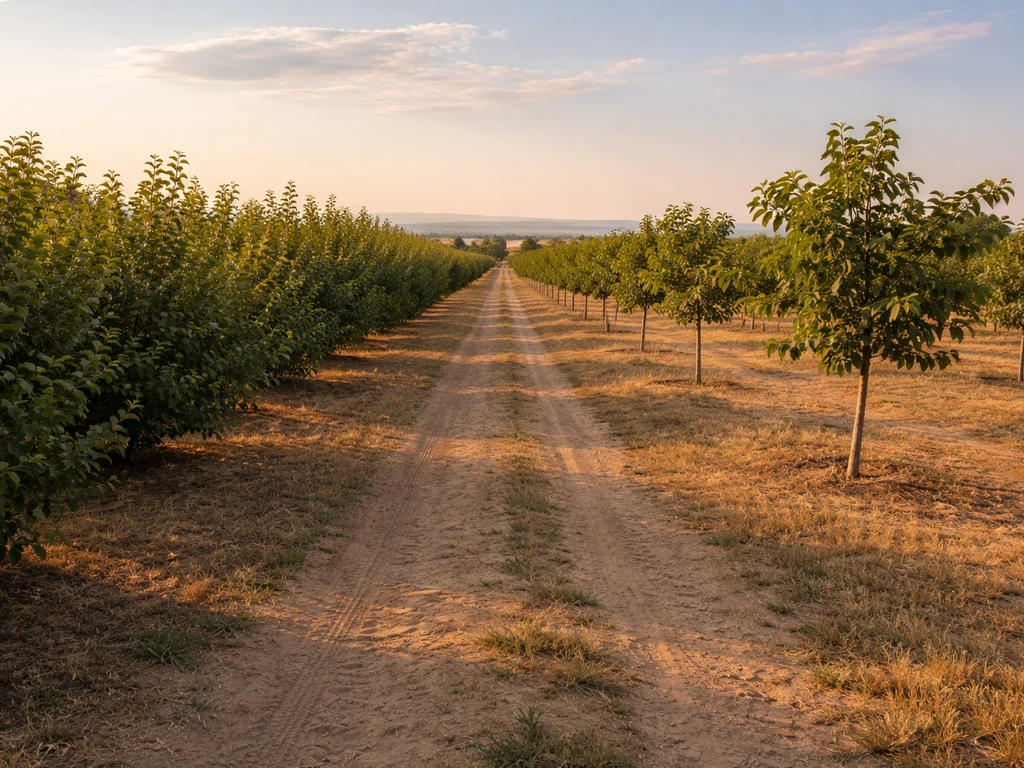
Idaho climate reality check for nut trees
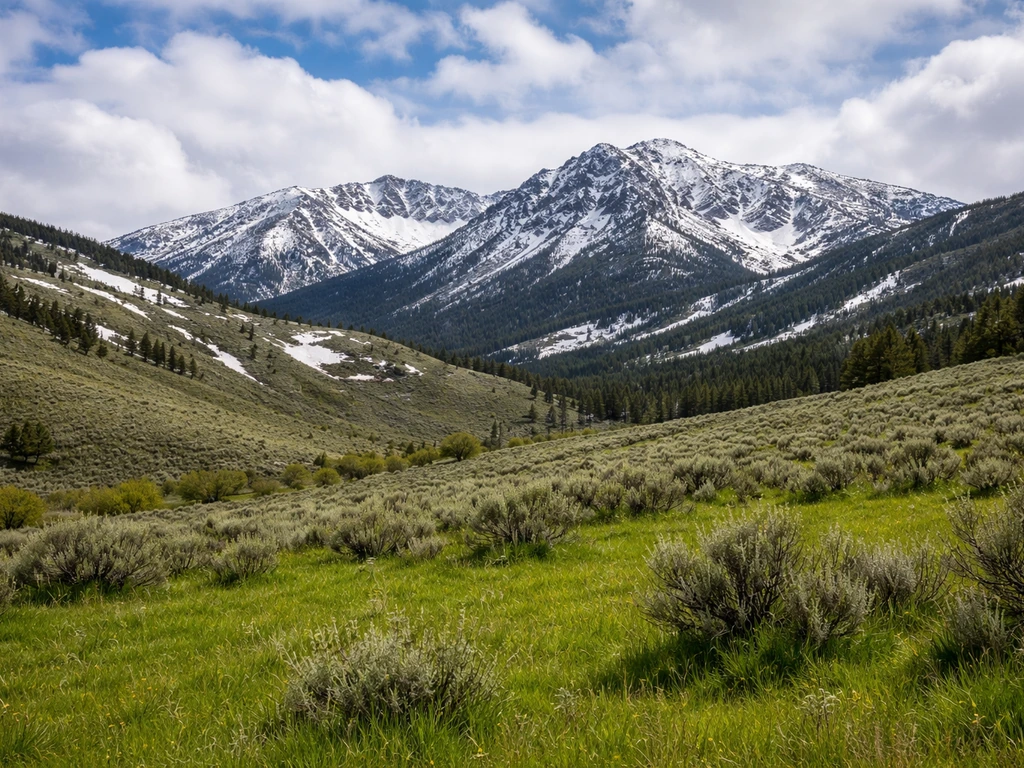
Idaho is not a single climate. The state spans USDA hardiness zones roughly 3b through 7a, with the coldest zones in the high-elevation central and eastern mountains and the mildest conditions in the Snake River Plain (Boise, Twin Falls, Burley areas) and parts of the northern panhandle near Coeur d'Alene. The panhandle often surprises people: it catches Pacific moisture and can sit in zones 5b to 6b, which makes it more forgiving than many assume for tree fruits and nuts.
The bigger challenge for nut trees in Idaho is not always the raw cold minimum but the timing of frosts. Late spring frosts are common across the state. University of Idaho Extension frost-date data shows that locations like Coeur d'Alene and areas in Kootenai and Shoshone counties can see freezing temperatures well into May in some years. That matters enormously for nut trees like almonds and chestnuts that flower early in spring. A tree that survives winter can still lose its entire nut crop to a single late frost that kills the blossoms. Pocatello and eastern Idaho locations face similar issues, with last frost dates that can stretch into late May at higher elevations.
The other factor is growing season length. Nut trees generally need 140 to 180+ frost-free days depending on species. Much of Idaho's interior sits on the shorter end of that range. Choosing early-maturing varieties is not optional here, it's mandatory if you want nuts to actually ripen before October frosts hit.
Nut tree species that can work in Idaho (by nut type)
Hazelnuts (filberts)
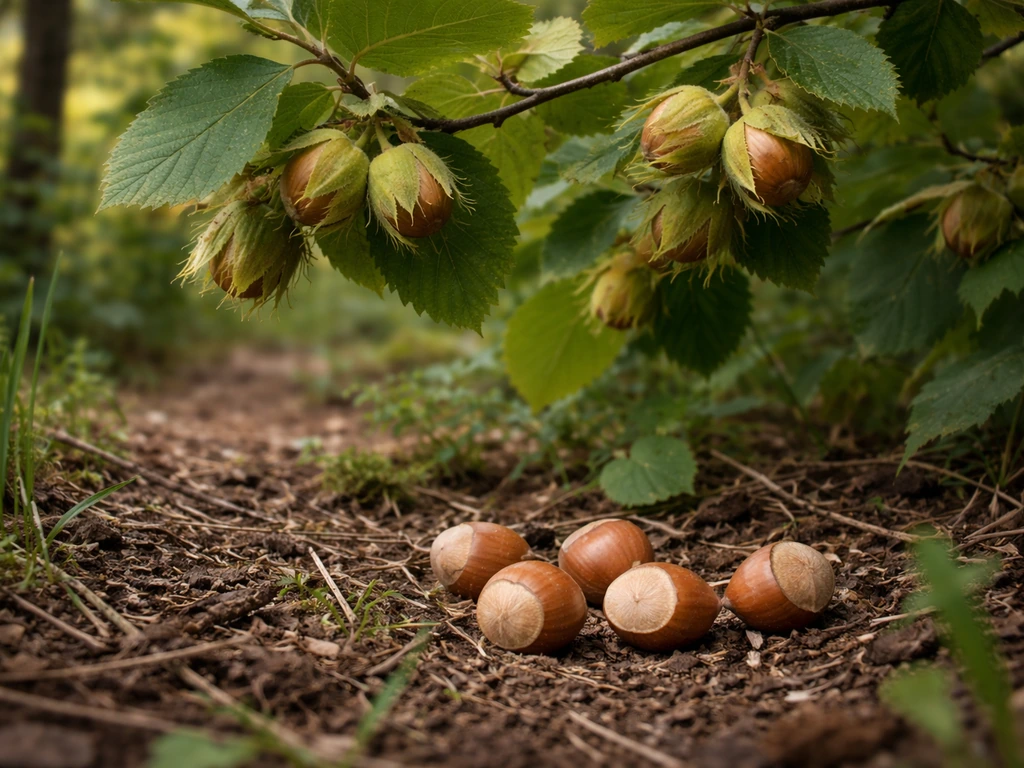
Hazelnuts are the most broadly adaptable nut tree for Idaho and the easiest starting point for most growers. The American hazelnut (Corylus americana) is cold-hardy to zone 4 and sometimes zone 3, making it viable across most of the state including the colder central and eastern regions. European hazelnuts (Corylus avellana) produce larger, better-quality nuts but are less cold-hardy (zone 5 minimum for most cultivars) and more disease-susceptible. The panhandle and Snake River Plain are both reasonable for European hazels with careful variety selection. Hybrid hazelnuts, crosses between American and European species developed partly by the Arbor Day Foundation and university breeding programs, offer a good middle ground: zone 4 hardiness with improved nut size. Hazelnuts also pollinate through catkins in late winter, before most late spring frosts can cause damage, which is a real practical advantage in Idaho.
Chestnuts
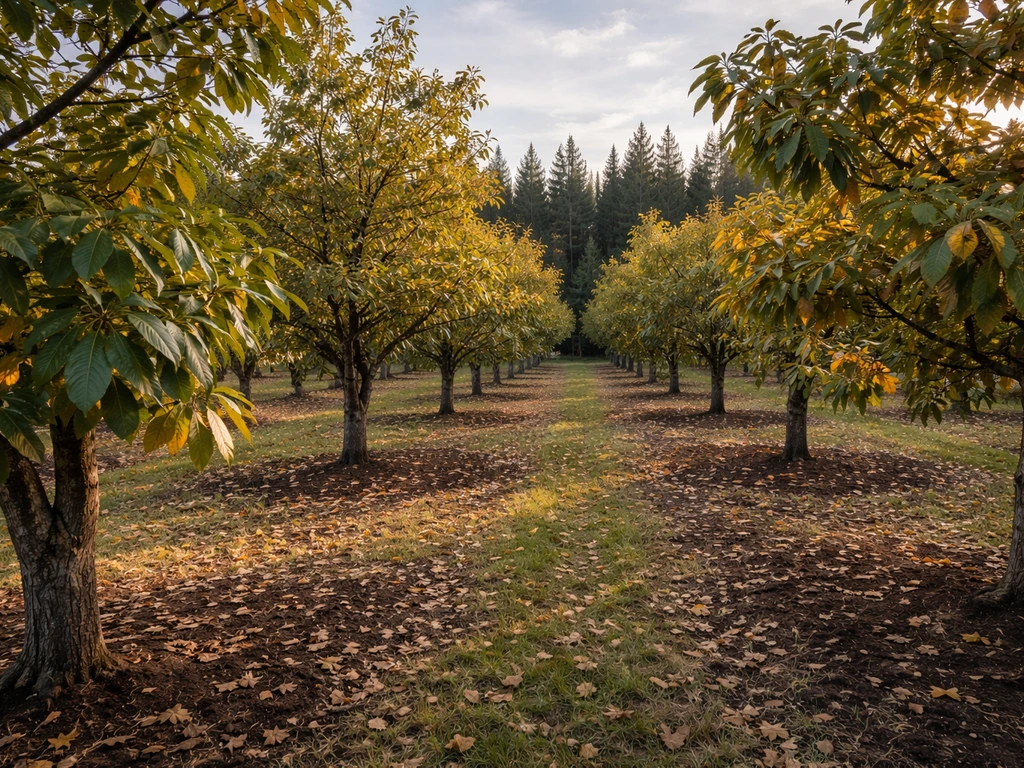
Chestnuts are one of the better fits for Idaho among the larger nut trees. Chinese chestnuts (Castanea mollissima) are cold-hardy to zone 4 to 5 and are the most reliable species for the state. They typically flower later than almonds, which reduces late-frost risk somewhat, though southern Idaho growers should still watch for May frosts during bloom. Expect 10 to 15 feet of spread at maturity and a tree that starts producing meaningful crops in 3 to 5 years if you start with a grafted tree. American chestnuts and their blight-resistant hybrid lines (like those from the American Chestnut Foundation) are worth exploring for the panhandle and central Idaho. Japanese chestnuts are also an option but tend to produce lower-quality nuts than Chinese varieties.
English (Persian) walnuts
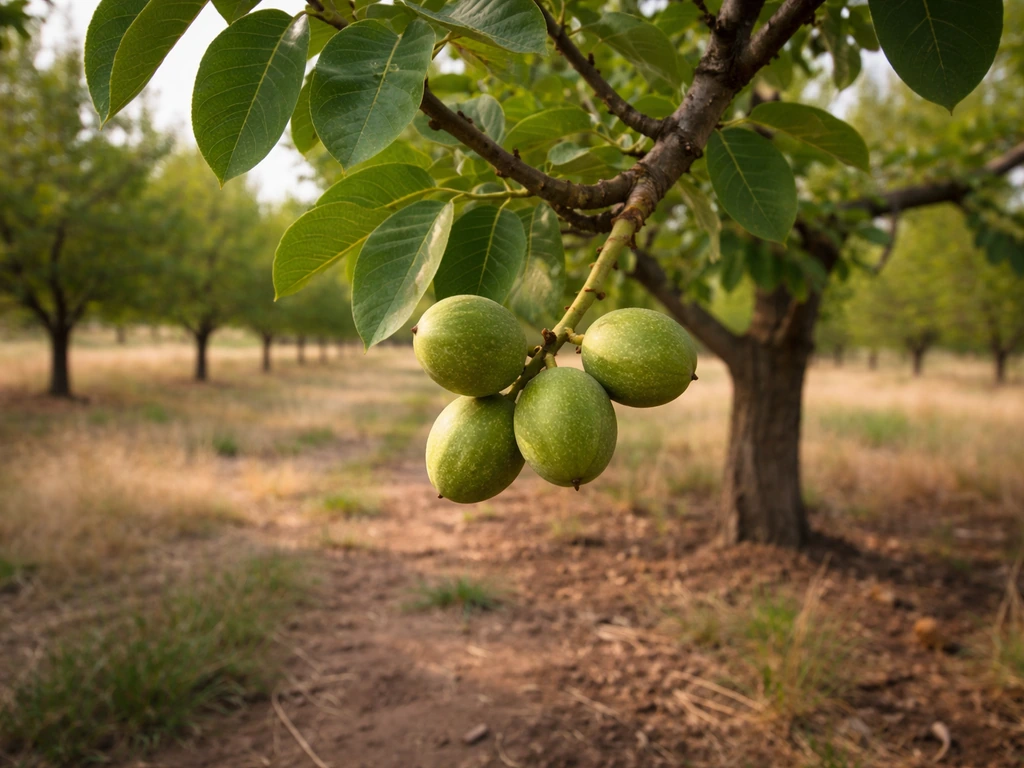
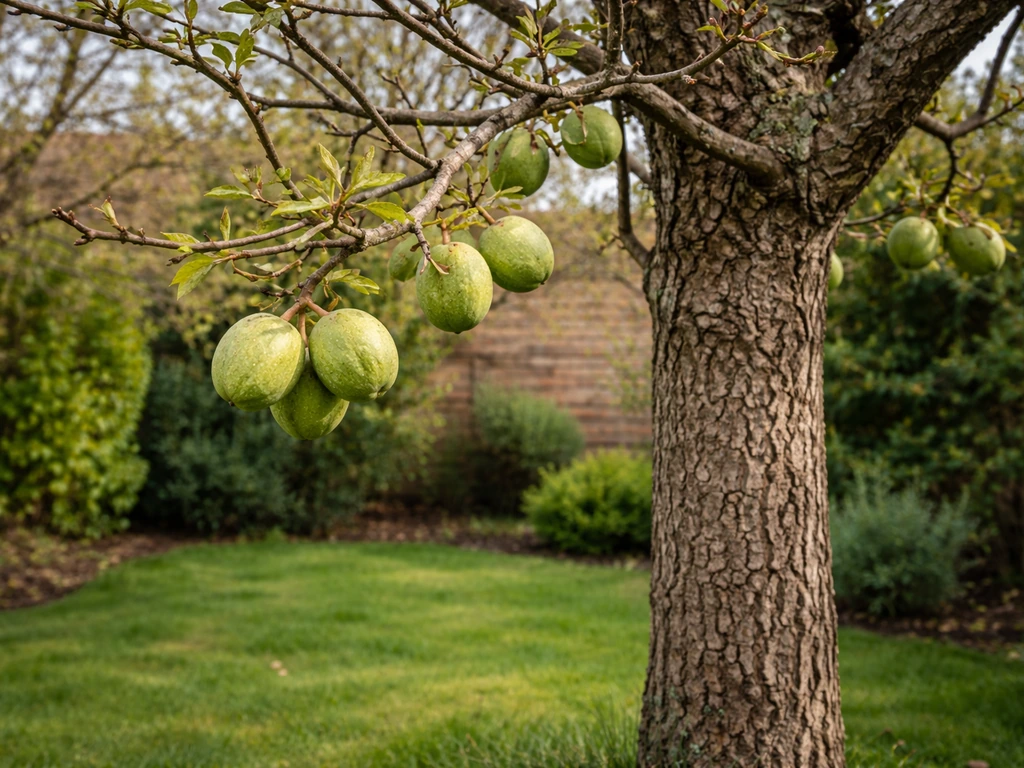
English walnuts are the most widely desired but also the trickiest in Idaho. Standard English walnut cultivars are zone 5 minimum and bloom early in spring, making them highly vulnerable to late frosts. In the Snake River Plain, particularly around Boise and the Treasure Valley, English walnuts can and do produce, but you need a frost-protected microclimate and a late-leafing variety. Carpathian walnuts are a hardy strain of English walnut developed for colder climates and push hardiness down to zone 4 in some cases. These are the right starting point for Idaho rather than standard California-type cultivars. Expect 10 to 15 years from a seedling to significant production; grafted trees cut that to 5 to 7 years.
Black walnuts
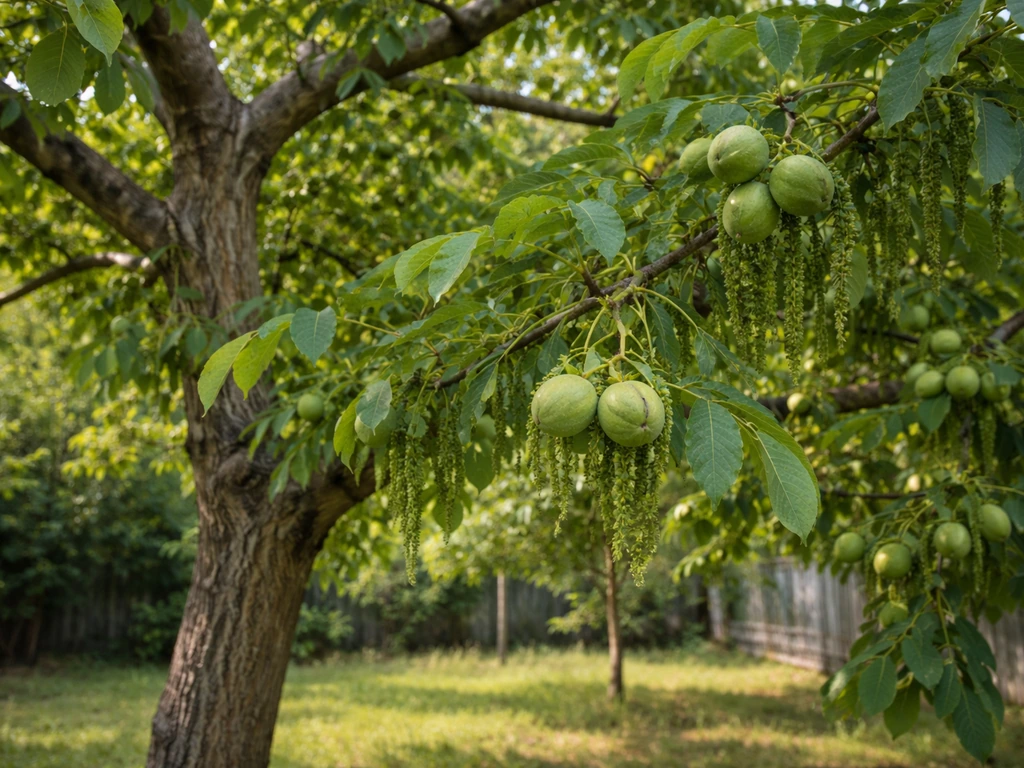
Black walnuts (Juglans nigra) are significantly more cold-tolerant than English walnuts, handling zone 4 conditions reliably. They will grow across most of Idaho's lower-elevation areas. The catch is that black walnuts have a strong juglone allelopathy effect, meaning they inhibit the growth of many nearby plants, which makes siting important. The nuts themselves have a strong, distinct flavor that some people love and others don't. Processing black walnut hulls is also genuinely messy work. If you want nuts for cooking and can handle the flavor profile and site limitations, black walnuts are one of the more dependable choices for central and southern Idaho.
Almonds
Almonds are possible in Idaho but require a specific combination of conditions that limits them to the warmest parts of the state. The Snake River Plain around Boise and the Treasure Valley sits in zone 6a to 6b in favorable spots and has the driest, sunniest climate in Idaho, which almonds prefer. The big problem is that almonds bloom very early, often in late February or March, and Idaho's spring frost patterns make total blossom loss a real risk most years. Hall's Hardy almond and other cold-hardy varieties push zone 5 tolerance and bloom slightly later, making them the only realistic options. Even then, a protected south-facing slope or wall microclimate is essentially required for reliable crops. Treating almonds as a high-effort, high-risk project in Idaho is the right mindset.
Pecans
Pecans are marginally possible only in the very warmest corners of southwestern Idaho (Boise area, zone 6a+), and even there it's a stretch. Northern pecans, bred for shorter seasons, need 150 to 180 frost-free days and warm summer temperatures to ripen nuts. Idaho's season length and summer heat are borderline at best. If you want to experiment, short-season northern varieties like Kanza or Shepherd are the ones to try. But honestly, if someone in Idaho wants pecans, the effort-to-reward ratio is poor compared to chestnuts or hazelnuts.
Pistachios
Pistachios are not a practical nut tree for Idaho. They need long, hot, dry summers (think California's Central Valley), and they need to experience a certain amount of winter chill without getting too cold. Idaho's combination of cold winters, shorter summers, and limited summer heat in most areas works against them. Even in the Treasure Valley, pistachio cultivation would be an experimental undertaking with very uncertain results. Skip pistachios for now and focus on the species that have a real track record in the region.
Hickories
Shagbark hickory (Carya ovata) is cold-hardy to zone 4 and can technically survive in Idaho. The limitation is the very long time to production (often 10 to 15+ years from a seedling) and slow growth. Shellbark hickory is also zone 4 hardy. Neither species is widely grown in Idaho, and commercial nursery availability for quality grafted hickory trees is limited in the region. If you're planting for the long term and want something beyond the mainstream, a hickory in southern Idaho is worth considering, but go in with realistic expectations about the timeline.
Quick species comparison for Idaho
| Species | Min. Zone | Best Idaho Region | Frost Risk | Years to First Crop | Overall Viability |
|---|---|---|---|---|---|
| Hazelnut (hybrid/American) | Zone 4 | Statewide (lower elevations) | Low (winter bloom) | 3-5 years | Excellent |
| Chinese chestnut | Zone 4-5 | Panhandle, Snake River Plain | Moderate | 3-5 years (grafted) | Very Good |
| Black walnut | Zone 4 | Central and southern Idaho | Low-moderate | 5-8 years | Good |
| Carpathian/English walnut | Zone 4-5 | Treasure Valley, panhandle | High (early bloom) | 5-7 years (grafted) | Moderate |
| Almond (Hardy varieties) | Zone 5 | Treasure Valley only | Very High | 4-6 years | Difficult |
| Northern pecan | Zone 5-6 | SW Idaho only, marginal | Moderate | 8-12 years | Poor-Marginal |
| Shagbark hickory | Zone 4 | Southern Idaho | Low | 10-15+ years | Possible (slow) |
| Pistachio | Zone 7+ | Not recommended | N/A | N/A | Not Practical |
Hardiness, frost damage, and productivity: what to watch for
There's an important distinction between a tree surviving winter and a tree actually producing nuts. Many nut trees that are technically zone-appropriate for Idaho will survive just fine but still fail to produce nuts regularly because of spring frost damage to flowers or late-season frost damage to developing nuts. This is the single most common frustration Idaho nut growers face.
English walnuts and almonds are the most vulnerable because they bloom earliest. A late frost at 28°F for even a few hours can kill open flowers entirely. Chestnuts and hazelnuts are more forgiving because hazelnuts complete pollination through wind-distributed pollen while most of the tree is still dormant, and chestnuts bloom later in early summer when frost risk is much lower. Black walnuts and hickories leaf out relatively late in spring, which also reduces frost damage risk to emerging growth.
Winter bark damage (sunscald) is another Idaho-specific concern. Sunny winter days followed by hard night frosts can cause the bark on south-facing sides of trunks to crack, particularly on young trees. Wrapping trunks with tree wrap or painting them with white interior latex diluted 50/50 with water helps prevent this in the first few years after planting.
For productivity specifically: grafted trees almost always outperform seedlings both in time to first crop and in nut quality. A grafted Carpathian walnut can produce in 5 to 7 years; a seedling walnut might take 12 to 15. The same applies to chestnuts. If you're serious about actually harvesting nuts in a reasonable timeframe, pay the premium for grafted trees from a reputable nursery.
Site requirements and planting basics (sun, soil, spacing, timing)
Sun and exposure
All nut trees need full sun, meaning at least 6 to 8 hours of direct sunlight daily. For almonds and walnuts specifically, a south or southeast-facing slope helps maximize heat accumulation and can provide frost protection by keeping cold air moving rather than settling. North-facing slopes stay cold longer in spring and accumulate less heat through the growing season, which hurts nut development and ripening.
Soil and drainage
Drainage is non-negotiable. Nut trees, especially walnuts and chestnuts, do not tolerate standing water or consistently wet roots. They will develop crown rot and root rot quickly in poorly drained soil. Idaho's heavier clay soils in parts of the Snake River Plain need amending or raised bed preparation for young trees. Sandy loam soils, common in parts of the panhandle and central Idaho, are actually well-suited to most nut trees. Chestnuts prefer slightly acidic soil (pH 5. Michigan State University Extension notes that chestnut orchards can be established only on well-drained soils with pH varying from 5.5 to 6.5 blank" rel="noopener noreferrer">pH 5.5 to 6.5. 5 to 6.5) and will perform poorly in the alkaline soils common in irrigated parts of southern Idaho without soil amendment. Hazelnuts are more pH-tolerant but still prefer well-drained conditions.
Spacing
- Hazelnuts: 10 to 15 feet apart (they can be kept as large shrubs or small trees with pruning)
- Chinese chestnuts: 30 to 40 feet apart at maturity; allow at least 20 feet between trees for an orchard planting
- English/Carpathian walnuts: 40 to 50 feet between mature trees; allow for their eventual large canopy
- Black walnuts: 50 to 60 feet apart, and keep away from vegetable gardens and sensitive plants due to juglone
- Almonds: 20 to 25 feet apart; they stay smaller than walnuts
- Hickories: 40 to 60 feet; these become large trees over time
Planting timing
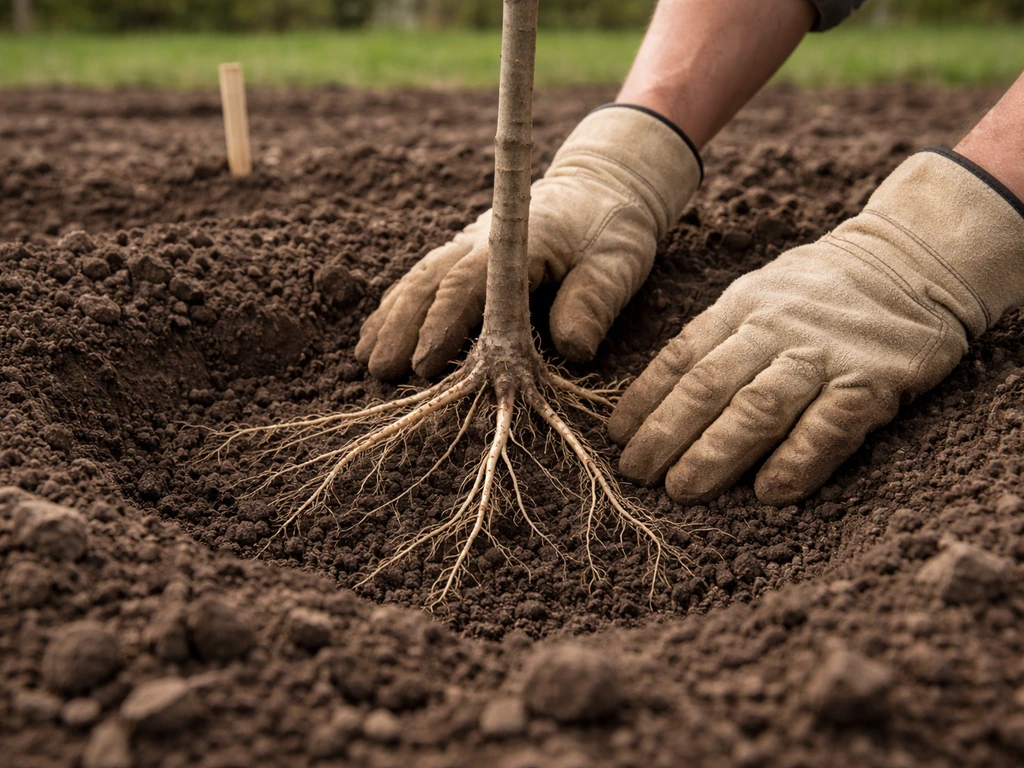
Bare-root trees should be planted in early spring, as soon as the soil can be worked and before buds break. In southern Idaho that window often opens in late March to early April. In the panhandle and higher elevations, it may be mid-April or later. Container-grown trees can be planted through spring and into early summer, but they'll need consistent irrigation to establish. Fall planting works for some nut trees in the milder zones of Idaho, but spring planting is generally safer in Idaho's cold-winter climate because trees have a full growing season to root before winter stress.
Pollination and variety selection for reliable nuts
Most nut trees require cross-pollination for good nut set, and getting this right is one of the places Idaho growers most often stumble. Planting a single tree of most species will typically result in poor or no nut production.
Hazelnuts are wind-pollinated and need two different varieties for cross-pollination. Since the male catkins and female flowers on the same plant often don't mature at the same time (a condition called dichogamy), even having two plants of the same variety may not be enough. Plant two to three different hazelnut varieties to cover your bases. Chestnuts also need cross-pollination from a different variety or seedling, and most experts recommend planting at least two Chinese chestnut trees. Walnuts and almonds also benefit strongly from cross-pollination, even though some English walnut varieties are partially self-fertile. For almonds in Idaho, where bloom timing is already risky, having two compatible varieties that bloom together is important.
For variety selection in Idaho specifically: with English/Carpathian walnuts, look for late-leafing varieties to reduce spring frost damage. Broadview and Coulter are commonly recommended Carpathian types. For chestnuts, Colossal and Dunstan hybrids are frequently available and have performed well in colder climates. For hazelnuts, look at hybrid varieties from the University of Nebraska or Arbor Day Foundation lines marketed for zone 4 conditions. For almonds, Hall's Hardy is the most frequently cited cold-tolerant option, though it is not the highest-quality nut.
Common diseases, pests, and winter protection strategies
Diseases to know
Eastern filbert blight (Anisogramma anomala) is the most serious disease concern for hazelnut growers in the Pacific Northwest and northern Idaho. European hazelnuts are highly susceptible; American hazelnuts are largely resistant. Hybrid varieties vary in susceptibility. If you're in the wetter panhandle region, choose resistant varieties and monitor for blight cankers. Walnut blight (bacterial blight caused by Xanthomonas juglandis) affects walnuts during wet spring weather and can damage young nuts and leaves. Good air circulation and avoiding overhead irrigation reduce the risk. Chestnut blight still exists in North America, which is why Chinese chestnuts and blight-resistant hybrids are the recommended planting choice over American chestnuts unless you're working with a specifically resistant cultivar.
Pests
Codling moth is a significant pest for walnuts in Idaho, the same pest that affects apple orchards. It tunnels into developing nuts, rendering them inedible. Management involves pheromone traps for monitoring and timely spray applications if thresholds are exceeded. Filbert worm (Cydia latiferreana) targets hazelnuts and chestnuts similarly. Squirrels and deer are consistent, frustrating pests for nut growers everywhere in Idaho, and physical protection of young trees (trunk guards, fencing for deer) is worth installing from day one rather than after damage occurs.
Winter protection
Young nut trees in their first two to three winters need more protection than established trees. Trunk wrapping prevents sunscald from the freeze-thaw cycles that are common on Idaho's sunny winter days. Mulching the root zone with 4 to 6 inches of wood chip mulch keeps soil temperatures more stable and reduces frost penetration around roots. For almonds and marginally hardy trees in colder parts of Idaho, some growers use burlap wind barriers or frost cloth over smaller trees during extreme cold snaps. Once a tree is established (generally 3 to 5 years in the ground with a solid root system), it becomes much more resilient to Idaho winters on its own.
How to choose the best nut trees for your specific Idaho location
The most useful thing you can do before buying any tree is nail down your specific location's hardiness zone and frost dates. Don't just go by the statewide zone map. Idaho's terrain creates significant microclimate variation within short distances. If you are instead asking for Illinois, you will want to compare your local hardiness zone and frost dates to the species that fit those conditions what nut trees grow in Illinois. If you want a similar recommendation for your area, see what nut trees grow in Ohio. Missouri nut tree choices depend on your local hardiness zone, but several cold-tolerant species can be viable what nut trees grow in missouri. A valley floor in the panhandle can be a full zone colder than a hillside a half mile away because cold air drains downhill and pools. The Utah State University Extension publishes a county-by-county USDA hardiness zone table for Idaho that's worth checking. The University of Idaho Extension publishes frost-date probability data for specific locations that gives you more precision than a generalized state average.
Once you know your zone and frost dates, use the species comparison earlier in this article to narrow your list. Then evaluate your specific site for drainage, sun exposure, prevailing wind direction, and proximity to structures or pavement that might create warmer microclimates. South-facing walls and paved surfaces absorb heat and can push a marginal microclimate one zone warmer effectively.
If you're in the panhandle (zones 5b to 6b), hazelnuts and chestnuts are your strongest bets. Carpathian walnuts are worth trying with attention to late-leafing varieties and frost protection. If you're in the Treasure Valley and Snake River Plain (zones 6a to 6b), you have the most options: chestnuts, hazelnuts, Carpathian walnuts, black walnuts, and possibly almonds in a protected spot. If you're in central or eastern Idaho at higher elevations (zones 4 to 5a), stick with American hazelnuts, hybrid hazelnuts, black walnuts, and Chinese chestnuts. Everything else is marginal to impossible at those elevations. Idaho's nut-growing situation has similarities to neighboring Oregon (particularly eastern Oregon's colder interior) and to colder Midwest states; growers in Wisconsin, Michigan, or Indiana often face comparable chestnut and hazelnut decisions, so that shared body of experience is useful to draw from. Indiana growers can face similar chestnut and hazelnut tradeoffs, especially when frost timing limits how reliably nuts ripen. Wisconsin growers often face similar questions about which nut trees can handle their local winter cold and growing-season length nut trees in Wisconsin. In eastern Oregon, the cooler interior areas can be more similar to Idaho, which affects which nut varieties will actually ripen.
A simple planning checklist before you plant
- Confirm your exact USDA hardiness zone using county-level data, not just a general state map
- Look up last spring frost and first fall frost dates for your specific location or nearest weather station
- Evaluate your planting site: full sun (6-8 hours minimum), well-drained soil, away from frost pockets
- Choose two or more compatible varieties of your selected species for cross-pollination
- Source grafted trees rather than seedlings if you want nuts in under 10 years
- Prepare the planting hole with organic matter if soil drainage or pH needs improvement
- Plan trunk protection (wrap and mulch) for the first two to three winters
- Install deer and rodent protection at planting, not after damage occurs
- Set realistic timeline expectations: hazelnuts and chestnuts in 3-5 years, walnuts in 5-10 years
- Monitor for eastern filbert blight (hazelnuts), codling moth (walnuts), and filbert worm (chestnuts and hazelnuts) annually once the tree is producing
There's no single perfect nut tree for Idaho as a whole because the state's climate range is too wide. But if you force a single recommendation for most Idaho gardeners, hazelnuts get you there fastest with the least frost risk and the most flexibility on site conditions. Chinese chestnuts are the best choice if you want a larger, longer-lived orchard tree with excellent nut quality. Start with one of those two, match the variety to your zone, plant two or more for pollination, and you'll be ahead of most first-time nut growers in the state. For people in Ontario, the best nut-tree picks depend on local winter severity and frost dates, but several species can work well in the right zones.
FAQ
What are the safest nut trees to plant anywhere in Idaho (lowest risk of zero nuts)?
For most of Idaho, the most reliable answers to what nut trees grow in Idaho are hazelnuts and Chinese (not American) chestnuts. If you tell me your city or nearest town and whether you’re on a valley floor, hillside, or near a lake, I can narrow it further because frost timing and cold-air pooling often matter more than the statewide USDA zone.
How do I choose a nut tree that won’t lose its nuts to late-spring frosts?
If you’re in a frost-prone spot, prioritize late-blooming types or ones that pollinate before the risky late-spring cold snaps. In Idaho, hazelnuts usually avoid much of the blossom-loss problem because their pollination happens in late winter while chestnuts flower later in the season.
If a cultivar is “cold-hardy,” will it automatically produce nuts in Idaho?
Yes, some nurseries offer cold-hardy varieties, but variety alone does not guarantee success in Idaho if the tree still blooms too early for your location. For walnuts and almonds especially, look for late-leafing or later-blooming cultivars and plan for frost risk at bloom, not just winter survival.
Why do people plant nut trees in Idaho and still get few or no nuts?
Most nut trees need a second compatible tree for good yields, except hazelnuts which specifically need different varieties because of pollen timing differences. If you plant only one tree, you may get growth with little or no nut set even if the tree survives winter.
Should I buy grafted or seedling nut trees for Idaho?
Grafted trees are usually your fastest route, because they shorten the time to first meaningful crop. Seedlings often take much longer to begin producing, and with some species the nut quality and consistency can vary more.
What site changes help the most if I want to grow nuts in a tougher Idaho yard?
Often, the limiting factor is orchard placement rather than the tree species. Choose a site with full sun, excellent drainage, and avoid frost pockets, then consider microclimates like a south or southeast slope and heat-retaining walls for marginal crops like almonds.
How do I know if my soil is too wet for nut trees in Idaho?
Walnuts, chestnuts, and many young trees suffer when the root zone stays wet. If you have clay or frequent standing water after irrigation, raised beds or amending for drainage can be the difference between healthy establishment and rot.
How should I use frost dates when deciding between hazelnuts, chestnuts, and walnuts?
Check two things before planting: your last spring frost timing and your frost-free days needed for that species. Hazelnuts and Chinese chestnuts tend to fit Idaho’s pattern better than early-blooming almonds or standard English walnuts, which are more vulnerable if your bloom overlaps freezes.
How accurate is USDA zone mapping for nut trees in my specific Idaho location?
You generally should not rely on a statewide USDA zone number by itself. Idaho’s terrain creates microclimates, for example a valley floor can be significantly colder than a nearby hillside, and that can shift which nut trees actually ripen.
What determines whether the nuts will ripen in time in Idaho, not just survive winter?
For harvest certainty, pay attention to ripening time relative to your first fall frost. Early-maturing varieties are important in Idaho, and even a tree that flowers successfully may still miss nut maturity if the season is too short where you live.
What winter protection is worth doing for young nut trees in Idaho?
Yes. In the first few years, trunk wrapping or trunk paint helps prevent sunscald from winter freeze-thaw cycles. Mulching the root zone also stabilizes temperatures and reduces frost penetration around young roots.
What are the most common diseases or pests that cause “no usable nuts” in Idaho?
Nuts can fail due to disease or pests even when the tree is otherwise thriving. In Idaho, walnut blight risk rises in wet springs, walnuts can be hit by codling moth, and hazelnuts and chestnuts can face filbert worm, so plan monitoring early.
Why do pecans and pistachios usually struggle in Idaho, even if my winters are mild?
Some crops need stricter heat and dryness than Idaho usually provides. Pecans and pistachios are typically too marginal for most Idaho locations, while almonds are only realistic in the warmest Snake River Plain microclimates with risk-management for early bloom.
How many trees do I need, and how do I arrange them for pollination in Idaho?
Start with at least two plantings for cross-pollination (species dependent), then measure the distance and arrangement so flowering overlap actually happens. With hazelnuts, planting multiple different varieties is especially important because pollen and female flower timing may not align perfectly.