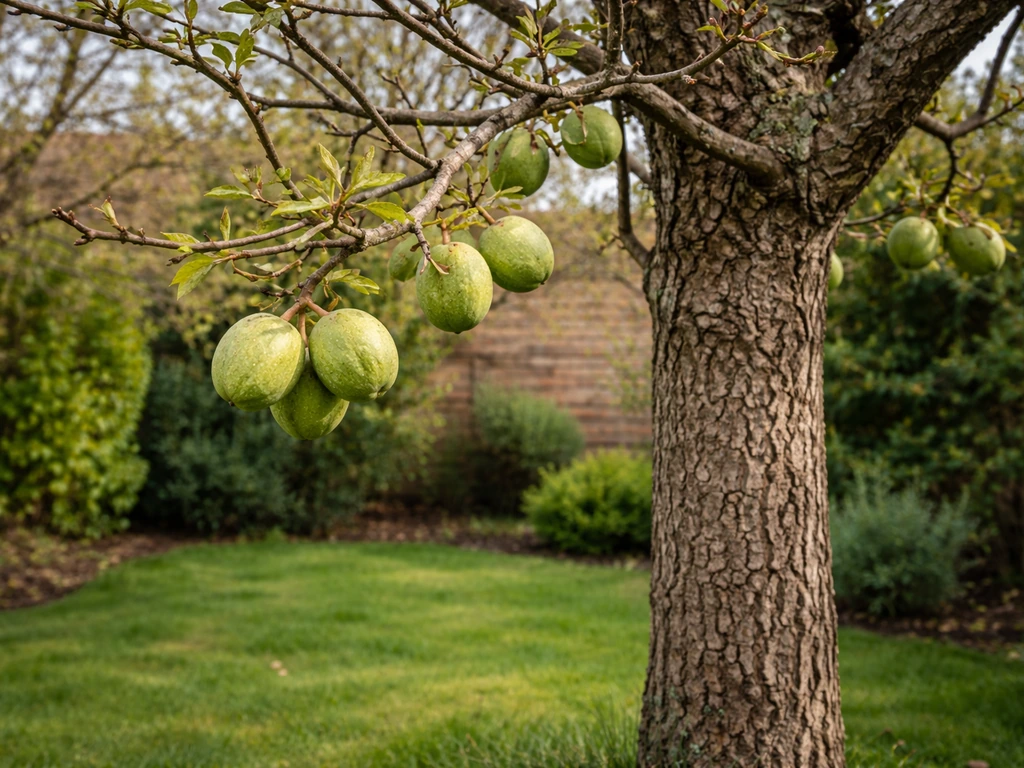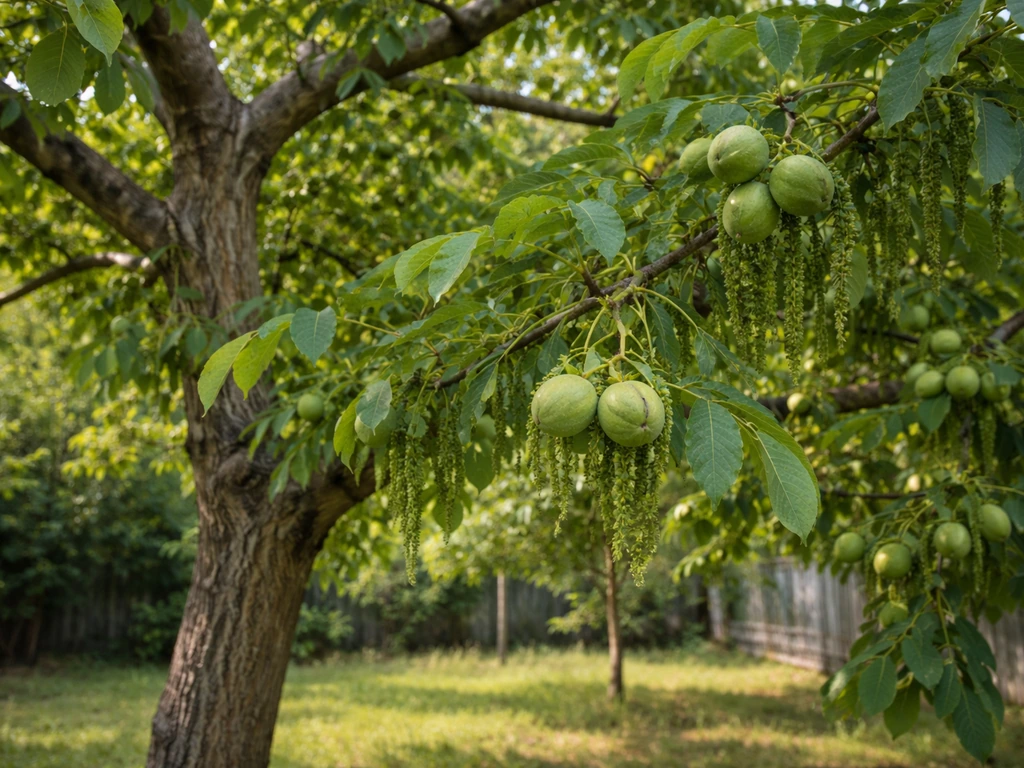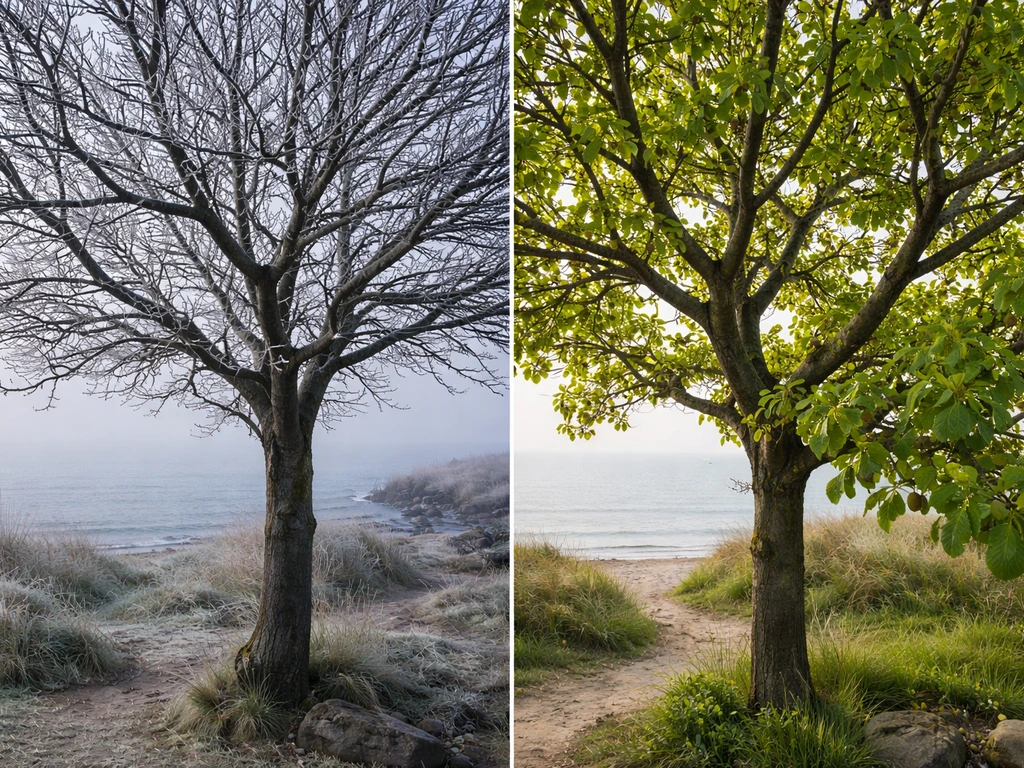
Michigan supports a solid range of nut trees, but which ones actually produce nuts depends heavily on where in the state you are. Black walnut, American hazelnut, and butternut are native and grow across much of Michigan without much fuss. Chestnuts (with the right cultivar), heartnut, and hybrid hazelnuts are reliable producers in the Lower Peninsula. English walnut and some hickories can work in the warmer southern zones. If you're in the Upper Peninsula or the cold inland north, your list gets shorter fast, and cultivar selection becomes everything.
What Nut Trees Grow in Michigan: Best Picks and How to Grow
Marcus Hendricks
25 Apr 2026
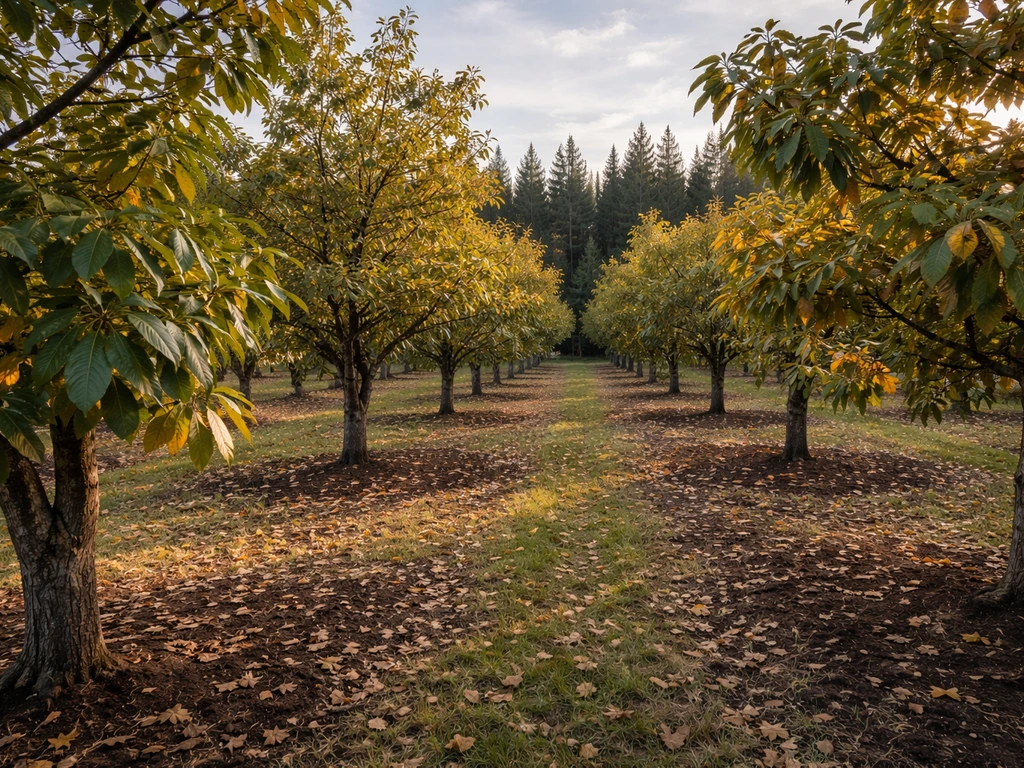
Michigan's climate and what it means for nut trees
Michigan spans USDA Plant Hardiness Zones 4a through 6b based on the 2023 updated map, which uses 30-year averages of the coldest annual winter temperatures. Zone 4a covers much of the Upper Peninsula and the coldest inland northern Lower Peninsula spots. Zone 6b reaches into the southwestern Lower Peninsula near Lake Michigan, where the lake's moderating effect pushes winters milder and extends the growing season. The southern Lower Peninsula is mostly zones 5b and 6a.
That range matters because nut trees are long-lived investments. A tree that barely survives winter won't produce reliably, and one killed back to the roots every few years won't nut at all. Frost timing is the other big variable. Michigan State University Extension publishes separate gardening calendars for the Upper Peninsula and Lower Peninsula because last spring frost dates vary so dramatically across the state. A late frost in May can wipe out newly opened catkins on walnuts or chestnuts just as they're ready to be pollinated, meaning zero nut crop for that year even on a perfectly healthy tree.
Chilling hours also come into play, though this matters more for keeping warm-climate nut crops out of Michigan than for the natives. Pecans, for example, need roughly 300 to 500 chilling hours and a long frost-free growing season to mature nuts, which Michigan's short summers simply don't provide reliably enough for commercial or even consistent backyard production.
The nut trees that actually grow in Michigan
Here's the realistic rundown, broken into the species that genuinely work versus those that are a stretch.
Reliably hardy across most of Michigan
- Black walnut (Juglans nigra): Native to Michigan, cold-hardy through zone 4, produces well across the Lower Peninsula and in sheltered UP sites. Nuts are strongly flavored and highly productive.
- Butternut (Juglans cinerea): Also native, slightly hardier than black walnut and a good option for northern growers. Disease pressure from butternut canker is a real concern.
- American hazelnut (Corylus americana): A shrubby native that produces smaller nuts but is nearly bulletproof in Michigan winters. Works in zones 4 through 6.
- Hybrid hazelnuts (Corylus americana x avellana): Bred specifically for cold hardiness and larger nut size. Many cultivars are rated to zone 4 and show significantly better nut yield than straight American hazelnut.
Good options for the Lower Peninsula
- Chestnut (Castanea spp. and hybrids): MSU Extension has an active chestnut cultivar evaluation program. Chinese-American hybrids and some Chinese chestnut cultivars survive Michigan winters well with the right selection. European and American pure species are less reliable.
- Heartnut (Juglans ailantifolia var. cordiformis): A Japanese walnut relative that is cold-hardy to zone 5, productive, and easier to crack than black walnut. Good choice for the southern LP.
- Shagbark hickory (Carya ovata): Native to the Lower Peninsula, slow to produce (often 10 or more years) but excellent nuts. Very cold-hardy.
- English/Persian walnut (Juglans regia): Possible in zones 5b and 6 with cold-hardy cultivars like 'Broadview' or 'Carpathian' types. The southern LP lake shore areas are the best bet.
Marginal or not recommended for Michigan
- Pecan (Carya illinoinensis): Needs a longer season and more heat than Michigan reliably provides. Not recommended.
- European hazelnut / filbert (Corylus avellana, straight species): Eastern filbert blight disease pressure in the Midwest makes unresistant varieties a poor investment.
- Almond (Prunus dulcis): Too cold in most of Michigan; not worth planting.
Hardiness and cultivar details: what works and what usually fails
Hardiness zone is the starting point, not the whole story. Two trees listed as 'zone 5' can perform completely differently depending on whether they were grown from seed sourced in Tennessee or from a Michigan-bred cultivar. For chestnuts especially, MSU Extension's cultivar evaluation work specifically warns against planting cultivars that have not demonstrated winter survival in Michigan conditions. That's not a minor caveat. A chestnut that dies back every winter will never hit meaningful production.
Hazelnuts are a similar story. Straight European hazelnut varieties have large, marketable nuts, but Eastern filbert blight (caused by the fungus Anisogramma anomala) is a serious fungal disease widespread in the upper Midwest. American hazelnut tolerates it with limited dieback, while European varieties can be devastated. That's why most serious Michigan hazelnut growers work with hybrid cultivars that combine American hazelnut cold-hardiness and some blight resistance with improved nut size from the European side.
For English walnut in the southern LP, look for 'Carpathian' types or cultivars specifically selected from northern latitudes. Generic English walnut seedlings from a nursery with no provenance information are a gamble. Heartnut is often underrated here and worth considering if you want a walnut-family tree that's more reliable than English walnut in zone 5.
| Species | Hardiness Zone (Michigan fit) | Key cultivar or type note | Main risk in Michigan |
|---|---|---|---|
| Black walnut | 4a–6b (all of MI) | Seedling trees fine; grafted for specific traits | Thousand cankers disease (watch for it) |
| American hazelnut | 4a–6b (all of MI) | Native seedlings or named cultivars | Small nut size; low yield vs hybrids |
| Hybrid hazelnut | 4a–6b (most of MI) | Use EFB-resistant zone 4/5 cultivars | Eastern filbert blight in susceptible types |
| Chestnut (hybrid) | 5a–6b (LP focus) | Use MSU-evaluated Michigan-hardy cultivars | Winter kill in unadapted cultivars |
| Heartnut | 5a–6b (LP) | Japanese walnut relative; named cultivars | Late frost hitting catkins |
| Shagbark hickory | 4b–6b (LP native) | Seedling or named varieties | Slow to bear (10+ years) |
| English walnut | 5b–6b (southern LP) | Carpathian/northern-origin cultivars only | Winter dieback in cold snaps |
| Butternut | 4a–6b (all of MI) | Seedling or disease-resistant selections | Butternut canker disease |
Site and soil: getting the basics right before you plant
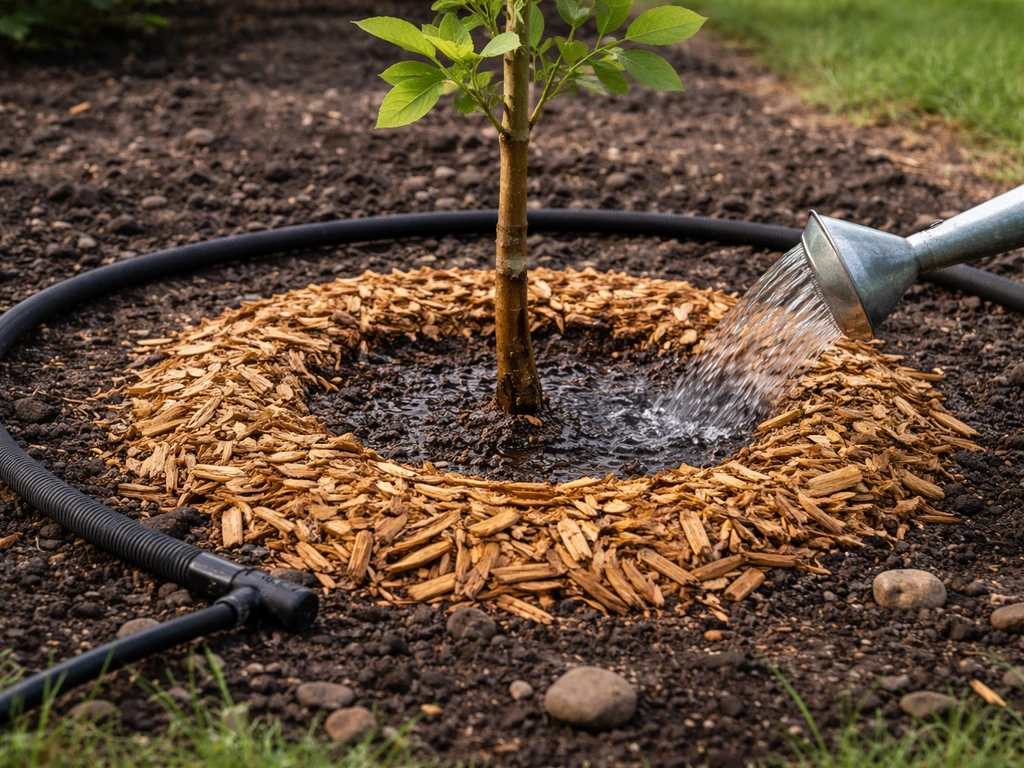
Sun and drainage
Almost every nut tree on this list wants full sun, meaning at least 6 to 8 hours of direct sun daily. You can get away with light partial shade for hazelnuts, which tolerate partial shade reasonably well, but walnuts, chestnuts, and hickories planted in shade will grow slowly, resist disease poorly, and produce next to nothing. Drainage is equally non-negotiable. Walnuts and chestnuts are particularly intolerant of wet feet. Well-drained, medium-moisture soils are the target. A site where water ponds after rain is going to cause root rot problems over time.
Soil pH varies by species but most Michigan nut trees prefer a slightly acidic to near-neutral range. Hazelnuts are flexible, tolerating pH 5.0 to 8.0 according to MSU Extension guidance on Corylus. Chestnuts prefer somewhat acidic soil, typically around pH 5.5 to 6.5. Black walnut is adaptable but does best in deep, fertile, well-drained loam soils, which are common across much of the southern Lower Peninsula.
Spacing and pollination
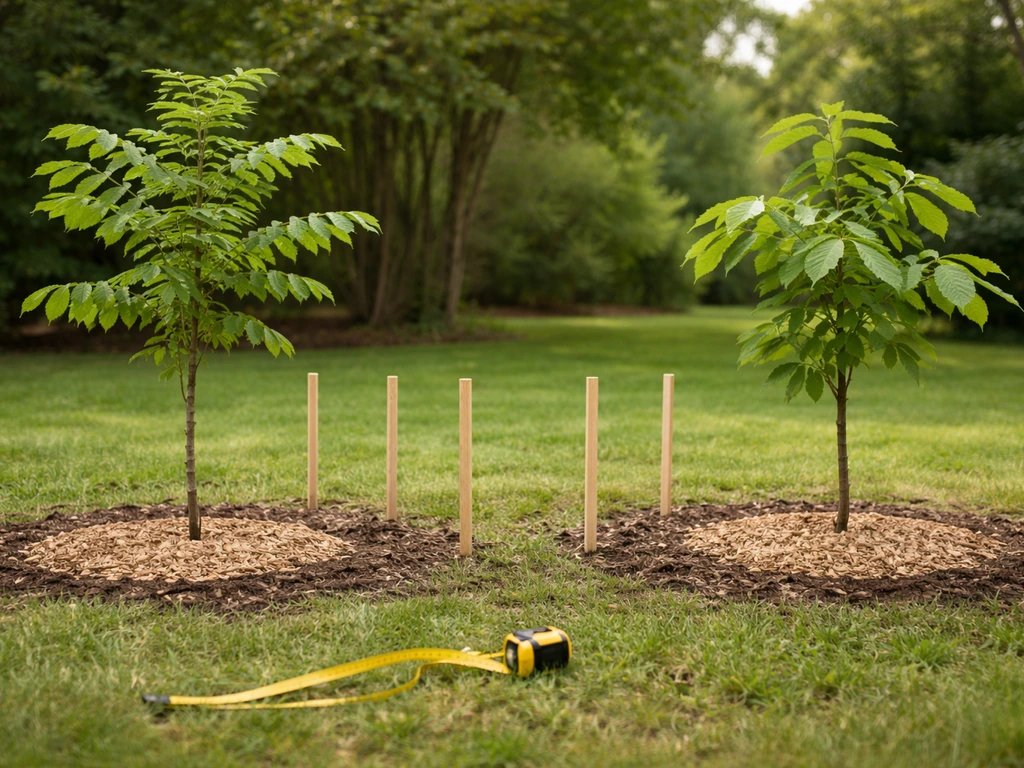
Most nut trees need more room than people expect. Black walnut and shagbark hickory should be spaced 40 to 60 feet apart at maturity. Chestnuts typically need 30 to 40 feet. Hazelnuts are shrubs, so you can fit them at 10 to 15 feet, but they spread. Crowding trees increases humidity, promotes disease, and cuts light to lower branches.
Pollination is a common reason for poor nut crops that growers overlook. Black walnut is self-fertile to a degree but produces better with another tree nearby. Chestnuts require cross-pollination from a different cultivar. MSU Extension’s cultivar notes for Michigan chestnuts also emphasize that some cultivars are pollen sterile, so pairing with a compatible pollen source is needed for reliable nut set blank" rel="noopener noreferrer">chestnuts require cross-pollination from a different cultivar. Hazelnuts are wind-pollinated and self-incompatible, so you genuinely need at least two compatible varieties. One useful planning guideline for hazelnut plantings is to use pollinizer varieties spaced every third tree in every third row, which provides good pollen coverage without devoting too much space to lower-yielding pollinizers. If you're planting just a few hazelnuts in a backyard, plant at least two different compatible cultivars within 50 feet of each other.
Care and realistic timelines to first nuts
Watering and establishment
The first two to three years are the most critical. Newly planted nut trees need consistent moisture while their root systems establish, especially during dry Michigan summers. One to two inches of water per week during the growing season is a good target. After establishment, most native species (black walnut, hickory, hazelnut) become quite drought-tolerant. Chestnuts and English walnuts are less forgiving of dry periods even at maturity.
Fertilizing
Don't over-fertilize young nut trees. Heavy nitrogen pushes fast, soft vegetative growth that is more susceptible to winter damage. A light application of balanced fertilizer in early spring is appropriate for young trees. Once established, most nut trees in reasonable Michigan soils need minimal fertilization unless a soil test shows a specific deficiency. Get a soil test from MSU Extension before planting if you can.
Pruning
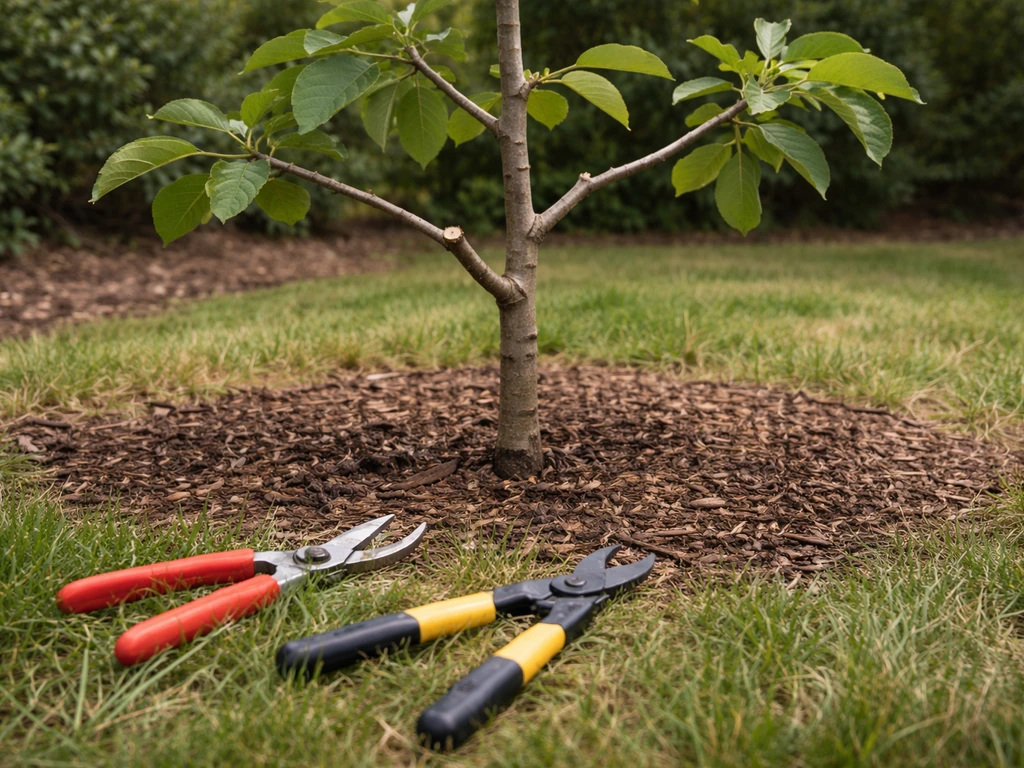
Nut trees generally need less pruning than fruit trees. The goal is a clear central leader for the first few years, removal of crossing or dead branches, and keeping enough airflow through the canopy to reduce disease pressure. Prune in late winter or early spring before bud break. Avoid heavy pruning in fall, which can stimulate new growth that gets killed by early frosts.
Years to first nuts
Patience is mandatory with nut trees. Grafted or named-variety trees typically produce sooner than seedlings. Hazelnuts are the fastest, often producing some nuts within 3 to 4 years of planting. Chestnuts on grafted trees may produce in 3 to 5 years. Black walnut from seedling often takes 8 to 12 years for meaningful production. Shagbark hickory is the slowest of the group, routinely taking 10 or more years and sometimes much longer before bearing a real crop. Heartnut on grafted stock often starts in 5 to 7 years.
Common problems Michigan growers run into
Late spring frosts
This is one of the most frustrating Michigan-specific issues. Nut trees open their flowers in spring, and a hard frost at the wrong moment can wipe out the entire year's pollination window. This is especially common with black walnut and heartnut, which push flowers early. Inland Michigan sites with low-lying frost pockets are the worst locations. Elevated or lake-moderated sites buffer against this. There's no practical fix once it happens, so site selection before planting is your best prevention.
Pests and disease
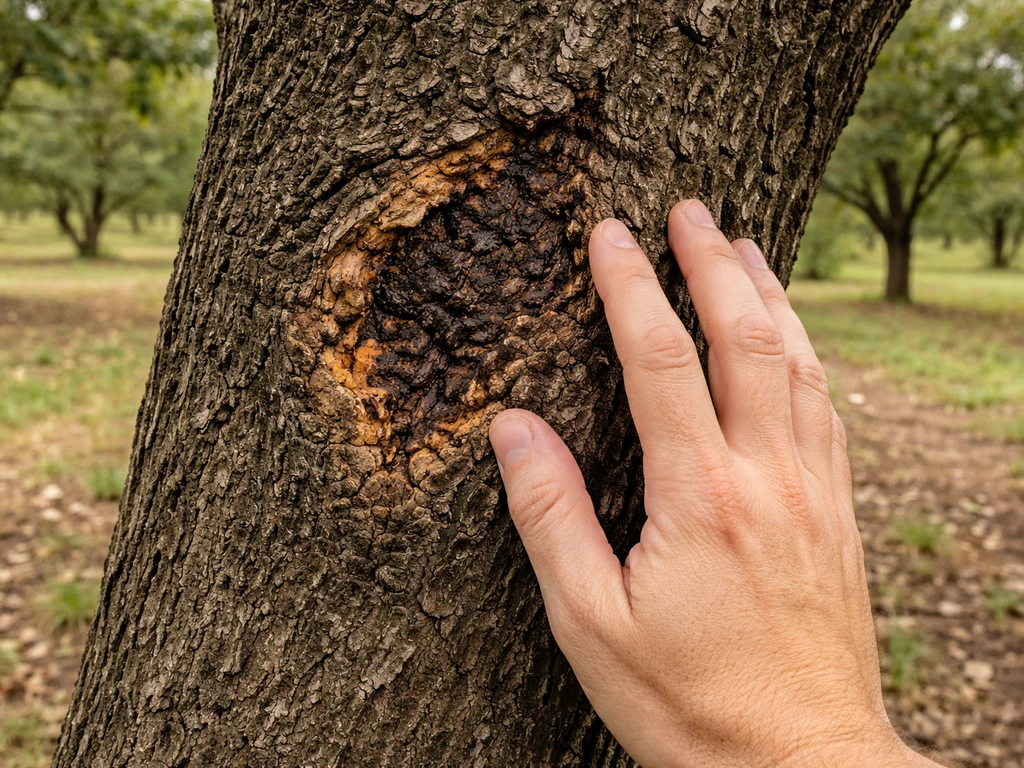
- Thousand cankers disease: A walnut disease complex involving a bark beetle and fungus. MSU Extension has flagged it as a concern for black walnut in Michigan. Monitor for cankers and unusual branch dieback.
- Butternut canker: A fungal disease (Ophiognomonia clavigignenti-juglandacearum) that has devastated wild butternut populations. Prioritize disease-resistant selections if planting butternut.
- Eastern filbert blight: The biggest disease threat for hazelnuts. Use resistant cultivars or American hazelnut rather than susceptible European types.
- Walnut husk fly: Larvae damage walnut husks and can make extraction messy. Manageable but worth knowing about.
- Squirrels and deer: Not a disease, but a genuine production problem. Squirrels can harvest a significant portion of a hazelnut or walnut crop before you get to it. Plan accordingly.
Poor nut production
Beyond late frosts, the most common reason nut trees don't produce is inadequate cross-pollination. A lone hazelnut or chestnut will often produce little to nothing. Shade is the second common culprit. Trees that were planted in reasonable light and then got shaded out by surrounding forest as neighboring trees grew will decline in productivity. Periodically reassess whether your nut trees are still getting the sun they need.
Choosing for your specific Michigan location
Upper Peninsula
In the UP, you're mostly working with zone 4, and that means sticking to the hardiest options. American hazelnut and zone 4-rated hybrid hazelnut cultivars are your most reliable producers. Butternut can work in sheltered sites. Black walnut is native to Michigan but is less common in the UP and is pushing its natural northern limits there. Chestnuts and English walnut are generally not reliable in the UP without very favorable microclimates. MSU Extension publishes a specific Upper Peninsula gardening calendar, and checking local extension resources there is well worth the time before committing to a planting.
Lower Peninsula
The LP opens up more options. Northern LP (zones 4b to 5a): stick with hazelnuts, black walnut, butternut, and hickory. Central LP (zones 5a to 5b): add heartnut and chestnuts with MSU-evaluated cold-hardy cultivars. Southern LP and the Lake Michigan shore corridor (zones 5b to 6b): the full list is in play, including English walnut with Carpathian-type cultivars and broader chestnut options. The lake effect zones along the western LP are particularly favorable because they moderate both winter lows and spring frost timing, which is a real advantage for nut production.
Michigan's situation is broadly comparable to neighboring states. To find the best matches for your location, you can also look up what nut trees grow in Missouri and compare your conditions to what Missouri growers recommend. Wisconsin growers face similar zone 4 to 5 challenges in the north, while Indiana and Ohio (which are generally warmer) open up a few more options like northern-tier pecans and wider chestnut variety choices. If you are specifically asking what nut trees grow in Ohio, those same hardiness and moisture factors will decide which species are worth planting Indiana and Ohio. If you're also curious about Indiana, check what nut trees grow in Indiana and match species to that state's hardiness and moisture conditions. Illinois has similar Great Lakes and continental influences, so matching nut species to Illinois hardiness zones and moisture conditions is the key to picking the right trees what nut trees grow in Illinois. If you’re also comparing to Idaho, use the same approach of matching nut species to Idaho’s hardiness and moisture conditions what nut trees grow in Idaho. If you want to compare options beyond Michigan, see what nut trees grow in Ontario and how its climate shapes the best choices nut trees grow in Indiana. If you're near the Michigan-Indiana or Michigan-Ohio border in the southern LP, resources from those states' extension programs may also be useful since the climate is very similar. If you're wondering what nuts grow in Oregon, the limiting factors are similar, but you'll need to match species to Oregon's specific hardiness zone and moisture conditions.
Your next steps
- Find your exact USDA zone using the 2023 map at the USDA Plant Hardiness Zone Map website. Enter your zip code for a precise zone, not just a regional estimate.
- Contact MSU Extension for your county. They can advise on locally tested cultivars, soil testing, and any regional disease or pest pressures specific to your area.
- Prioritize grafted or named cultivars over seedling trees, especially for chestnuts and English walnut. Seedling trees are genetically variable and may not have the winter hardiness you need.
- Plan for cross-pollination from day one. Decide which two or more compatible cultivars you're planting before you buy anything.
- Assess your site honestly: full sun, drainage, frost pocket risk, and proximity to existing large trees (especially other walnuts, whose juglone root toxicity can affect nearby plants).
- Set realistic expectations for timeline. If you want nuts within five years, hazelnuts or grafted chestnuts are your path. If you're planting hickory or black walnut seedlings, you're planting for the long game.
FAQ
What is the best approach to pick nut cultivars for the coldest parts of Michigan (especially the UP)?
If you are choosing nut trees for the Upper Peninsula or cold inland north, prioritize trees that have already shown winter survival in Michigan, not just “zone rated” labels. Look for Michigan-bred or Michigan-vetted cultivars, and avoid generic nursery seedlings with unknown provenance, because spring growth timing and winter dieback can differ a lot even within the same zone.
Can I grow nut trees from seed in Michigan and actually get nuts, or should I buy grafted trees?
Yes, but plan for a long wait and realistic yield. Seedling black walnut can take many years to become productive, and early harvest on underdeveloped trees will be small. If you need nuts sooner, grafted or named varieties of species like chestnut or heartnut typically start bearing earlier than seed-grown trees.
Are English walnut and hickory realistic nut producers anywhere in Michigan, or are they usually a gamble?
Don’t assume all “walnuts” behave the same. English walnuts and hickories generally have higher temperature demands and lower tolerance for Michigan’s cold snaps than native options like black walnut. Even in southern Lower Peninsula zones, choose cultivars selected for northern winter survival rather than relying on species averages.
How can I protect nut crops from late spring frosts in Michigan?
To reduce late frost damage, avoid low spots where cold air pools, and favor gentle slopes or locations that stay warmer and drain better. If you cannot change the site, selecting varieties with later spring flowering (where available) can help, since the core problem is flower timing rather than overall tree health.
What are the top reasons nut trees don’t produce even when they look healthy?
If your nuts fail despite good growth, check pollination and sun first. Hazelnuts often need at least two compatible wind-pollinated varieties, chestnuts require cross-pollination, and walnuts may do better with another nearby tree. Also verify that surrounding plants have not shaded the canopy over time.
How much spacing do nut trees really need in a yard in Michigan?
Spacing isn’t just about growth size, it affects disease and flowering. Crowding increases humidity and reduces airflow, which is especially harmful for hazelnut and walnut-family trees. Use mature spacing targets (not planting spacing) and reassess after a few years as trees expand and canopies merge.
Can I grow nut trees in Michigan if my yard has heavy clay or wet areas?
Yes, but only if you manage expectations and match the soil and moisture. Most nut trees want consistent moisture while establishing, then better drainage and drought tolerance later. Avoid planting in spots where water ponds after heavy rain, since walnuts and chestnuts are particularly prone to long-term root issues in wet conditions.
Should I fertilize nut trees in Michigan every year to boost nut production?
If you have to fertilize, keep it light and based on a soil test. Too much nitrogen pushes soft growth that is more likely to winter-kill. For many established Michigan nut trees in reasonable soils, minimal fertilization is enough unless the soil test shows a specific nutrient deficiency.
How should I water nut trees during Michigan’s summers, especially in the first few years?
Plan for a consistent watering schedule during establishment, especially in summer. A practical rule is steady moisture rather than occasional soaking, and then taper off once roots are established. Chestnuts and English walnuts usually suffer more from dry periods than natives like black walnut once mature.
When and how should I prune nut trees in Michigan to prevent disease and winter damage?
Pruning can be simple, but timing matters. Aim to prune before bud break to avoid stimulating regrowth right before fall frosts, and avoid heavy fall pruning. Focus on a strong central leader early, remove dead or crossing branches, and maintain airflow rather than “shaping” aggressively.
What should I know about hazelnut disease risk in Michigan before I plant?
If you are planting hazelnuts for consistent production, prioritize disease-aware planting decisions. Eastern filbert blight can rapidly damage straight European hazelnut types, while American and hybrid cultivars are typically the safer route. If you are shopping, ask the seller what blight resistance traits or hybrid parentage the cultivar has.
What are common planting mistakes that cause nut trees to fail in Michigan?
Container or very small trees often struggle if they are rootbound, planted too deep, or placed in a site that stays cold and wet. For best success, choose healthy nursery stock, plant at the correct depth (based on the graft line if applicable), and ensure the planting hole and surrounding soil do not create a drainage trap.