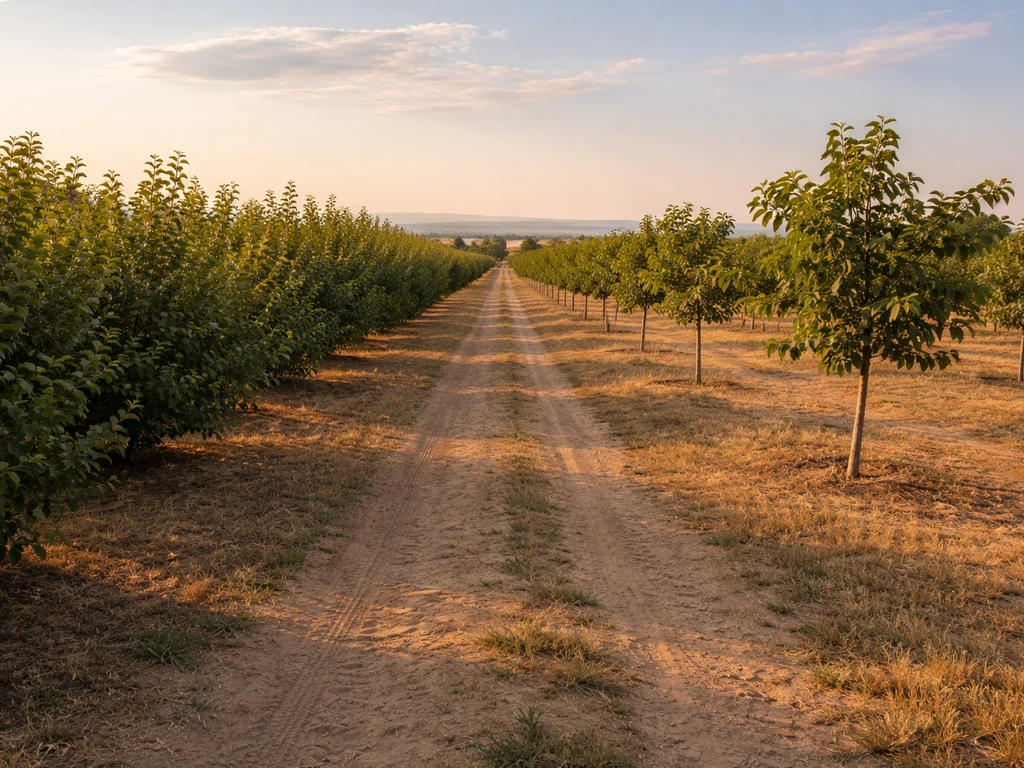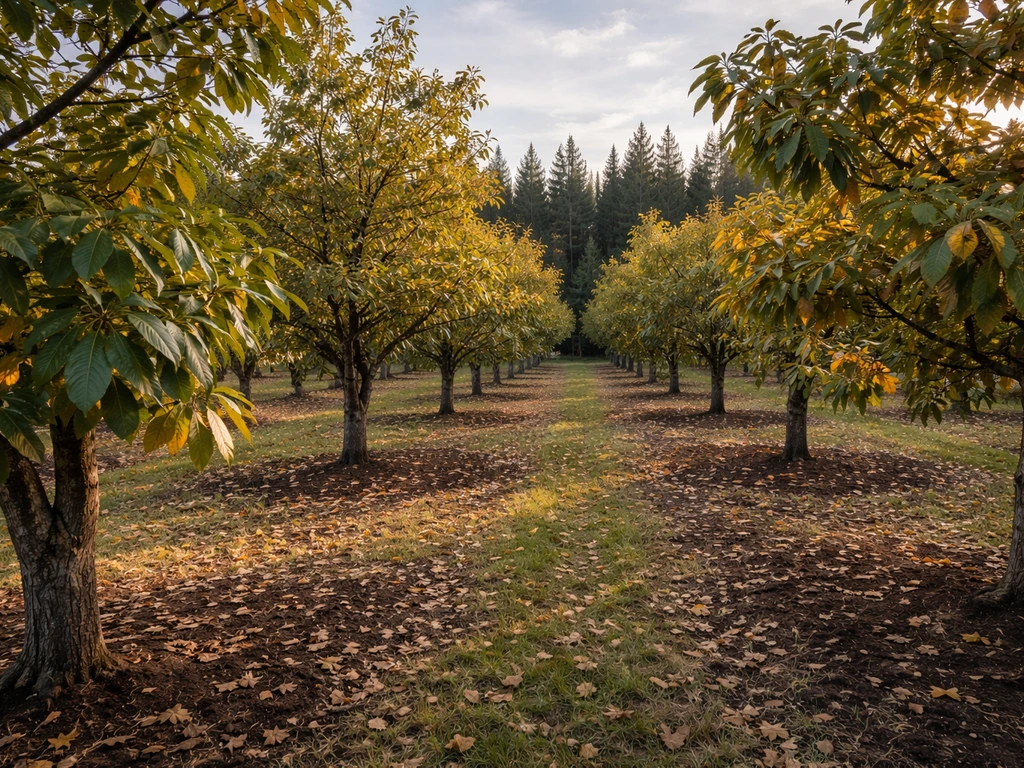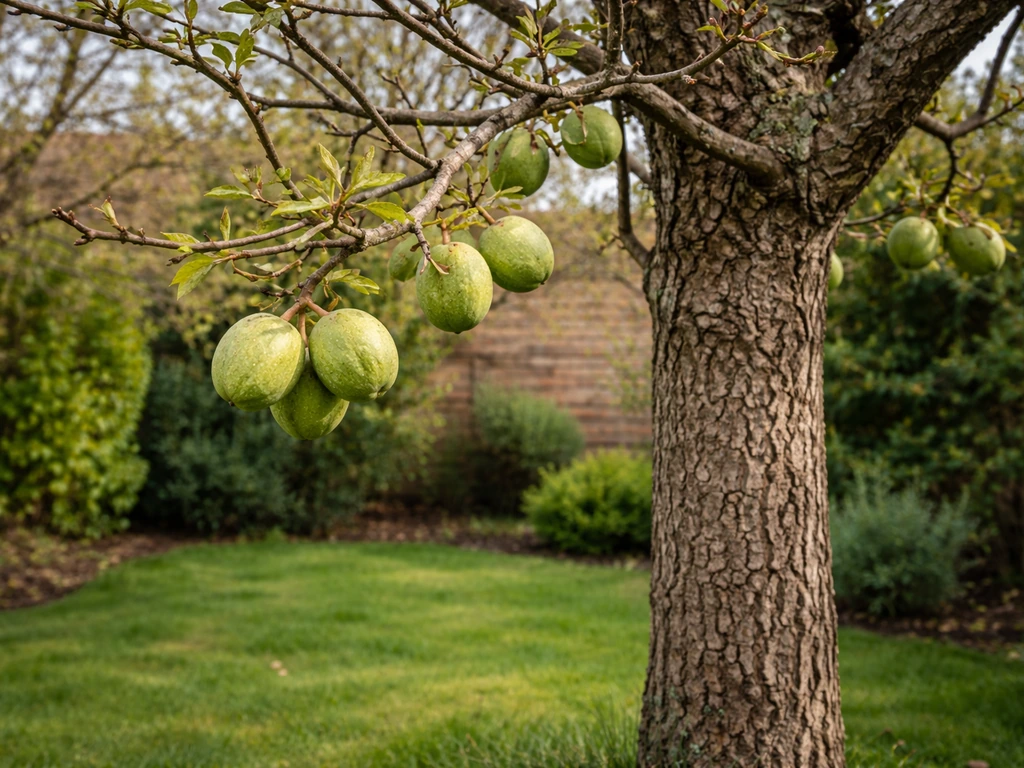
Oregon grows hazelnuts better than almost anywhere else in North America, and the Willamette Valley is genuinely one of the best places on earth for them. Beyond hazelnuts, you can grow walnuts (both English and black), chestnuts, and almonds in Oregon depending on where exactly you live. A few other species like heartnuts and buartnuts are worth knowing about for inland and valley sites. What you can't do is treat the whole state the same way: the coast, the Willamette Valley, and eastern Oregon are three very different growing environments, and the nut tree that thrives in Corvallis will struggle or fail in Bend or Astoria. If you’re wondering what nut trees grow in Michigan, the best picks depend on your hardiness zone and how much spring frost risk you have.
What Nuts Grow in Oregon: Best Tree Options and Tips
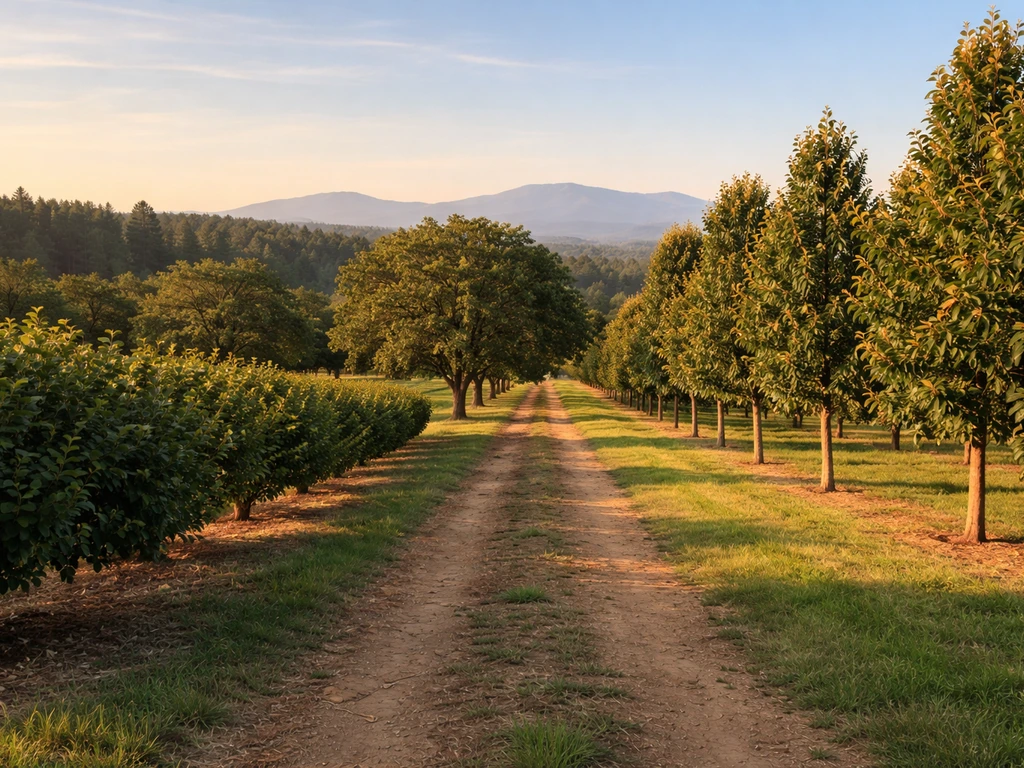
The nuts Oregon can actually grow
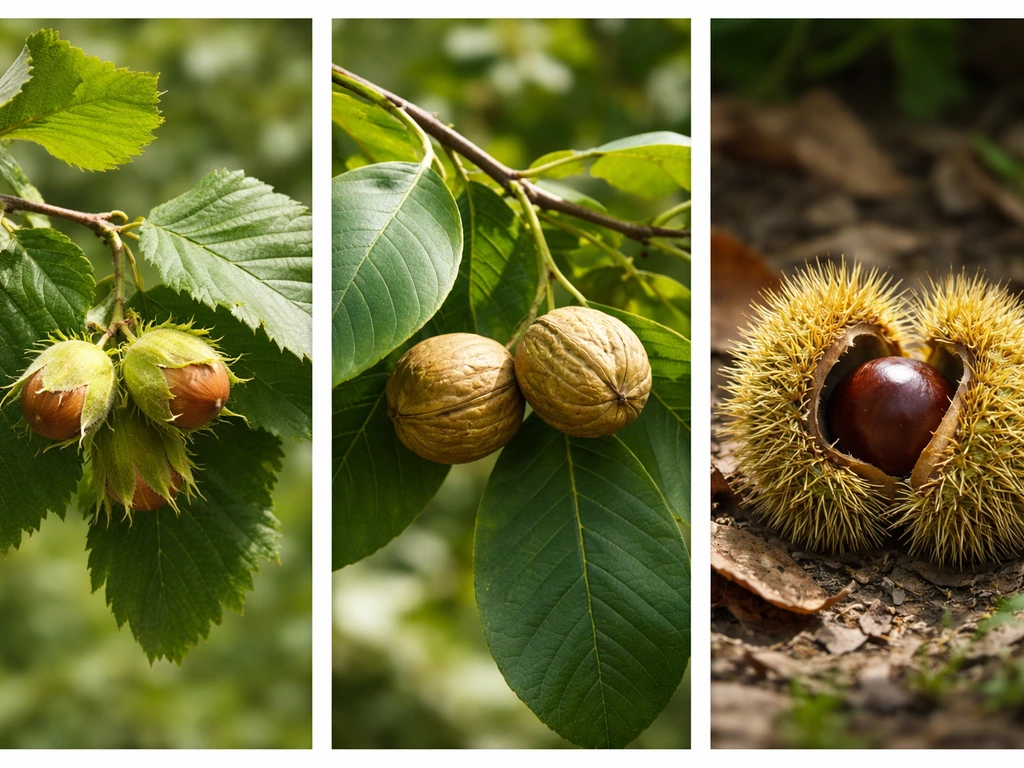
Here's the practical lineup of edible nut crops suited to some part of Oregon, ranked roughly by how well the state's climate suits them:
- Hazelnuts (Corylus avellana and hybrids): Oregon's dominant commercial nut crop; the Willamette Valley produces roughly 99% of the US hazelnut supply
- English walnut (Juglans regia): grows well in the Willamette Valley and warmer interior valleys; needs heat to ripen
- Black walnut (Juglans nigra): more cold-hardy than English walnut; native to much of North America; viable in valley and some eastern Oregon sites with adequate water
- Chestnut (Castanea species and hybrids): surprisingly well-suited to western Oregon's mild, moist climate; Chinese-American and European-American hybrids are the most practical choices
- Almond (Prunus dulcis): possible in the warmer, drier parts of the Willamette Valley and Rogue Valley; spring frost is the main risk
- Heartnut (Juglans ailantifolia var. cordiformis) and buartnut (heartnut x butternut hybrid): cold-hardier walnut relatives; a niche but rewarding option for valley and transitional zone sites
- Pinyon pine (Pinus species): technically possible in high-desert eastern Oregon; very slow and more of a long-term landscape planting than a practical food crop
Oregon also has a native hazelnut, Corylus cornuta (beaked hazelnut), that produces small edible nuts. It's not a commercial or high-yield crop, but it grows naturally across western Oregon and can be used as a pollinizer or in a wildlife planting. For serious nut production, you'll want cultivated varieties.
Oregon's growing conditions and why they matter so much
Oregon spans USDA hardiness zones 4b through 9b, which is an enormous range. The coast runs zone 8b to 9b with very mild winters and cool summers. The Willamette Valley sits mostly in zones 7b to 8b with warm summers and wet winters. The Cascades push into zones 5 and 6. Eastern Oregon ranges from zone 4b in the mountains and high desert to zone 6b in lower-elevation valley floors like the Snake River Plain near Ontario. In Ontario, you’ll want to focus on cold-hardy options, since eastern Oregon conditions are similar along the Snake River corridor what nut trees grow in ontario.
Two factors beyond raw zone ratings matter enormously for nut trees in Oregon: chilling hours and spring frost risk. Chilling hours are the number of hours between 32°F and 45°F (0°C to 7°C) that a tree accumulates during dormancy. Most nut trees need a minimum number of these hours to break dormancy properly and set nuts. The Willamette Valley typically accumulates 800 to 1,200 chilling hours per season, which suits most temperate nut crops well. The coast gets fewer and less reliable chill hours. Eastern Oregon gets plenty of chill hours but then hits the other problem: late spring frosts that can wipe out blossoms and young nutlets.
Hazelnuts are actually pollinated during winter (January to February in Oregon), so their pollen release and catkin development happen well before the last frost. That's part of why they're so reliable here. Other nut trees bloom later, making them more vulnerable to spring freezes, especially in frost-pocket sites on valley floors or at the base of hillsides where cold air pools.
Site selection is one of the most underrated decisions you'll make. A south-facing slope on well-drained soil in the Willamette Valley is a different world from a flat, low-lying field with poor air drainage. For almonds and chestnuts especially, getting off the valley floor and onto a slope with good cold-air drainage can mean the difference between a reliable crop and a frost-killed failure most years.
Coastal Oregon, Willamette Valley, and eastern Oregon: what grows where
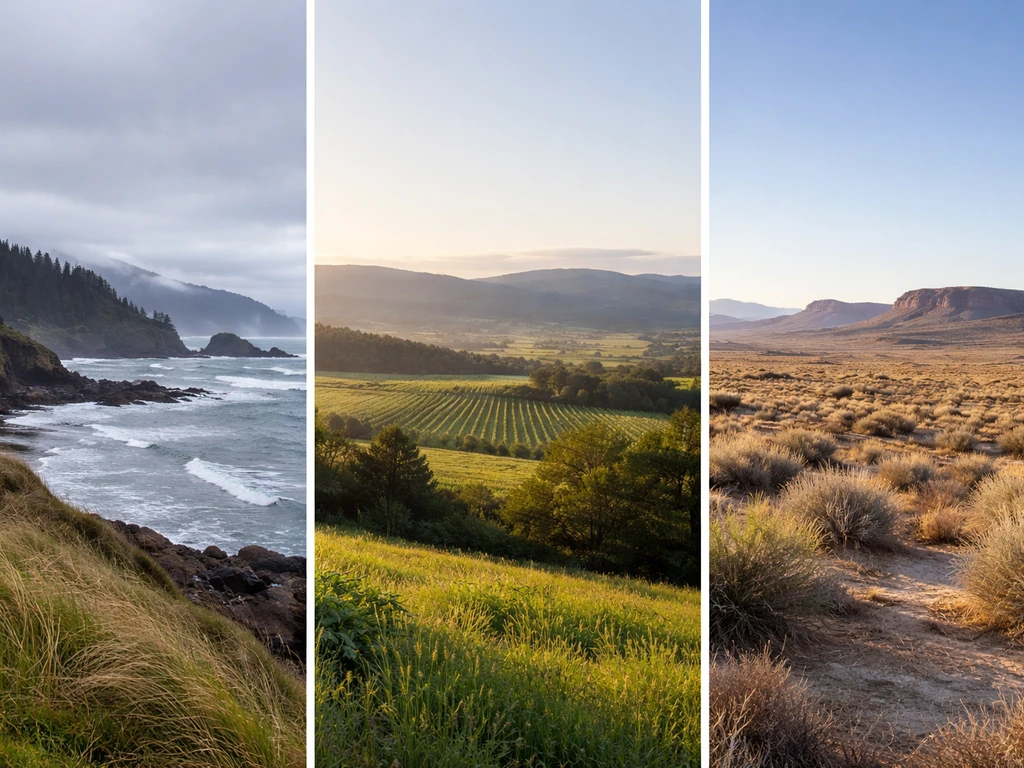
The coast (zones 8b–9b)
The Oregon coast is mild but not particularly well-suited to most nut crops. Cool summer temperatures limit heat accumulation, which means English walnuts and almonds rarely ripen properly. Chilling hours are often marginal and inconsistent from year to year. The best options here are hazelnuts, which tolerate coastal conditions reasonably well (though disease pressure from eastern filbert blight is a concern at all western Oregon sites), and chestnuts, which actually prefer cool, moist summers and do better near the coast than most people expect. Avoid English walnuts and almonds unless you're in a sheltered, south-facing microclimate significantly warmer than the surrounding area.
The Willamette Valley (zones 7b–8b)
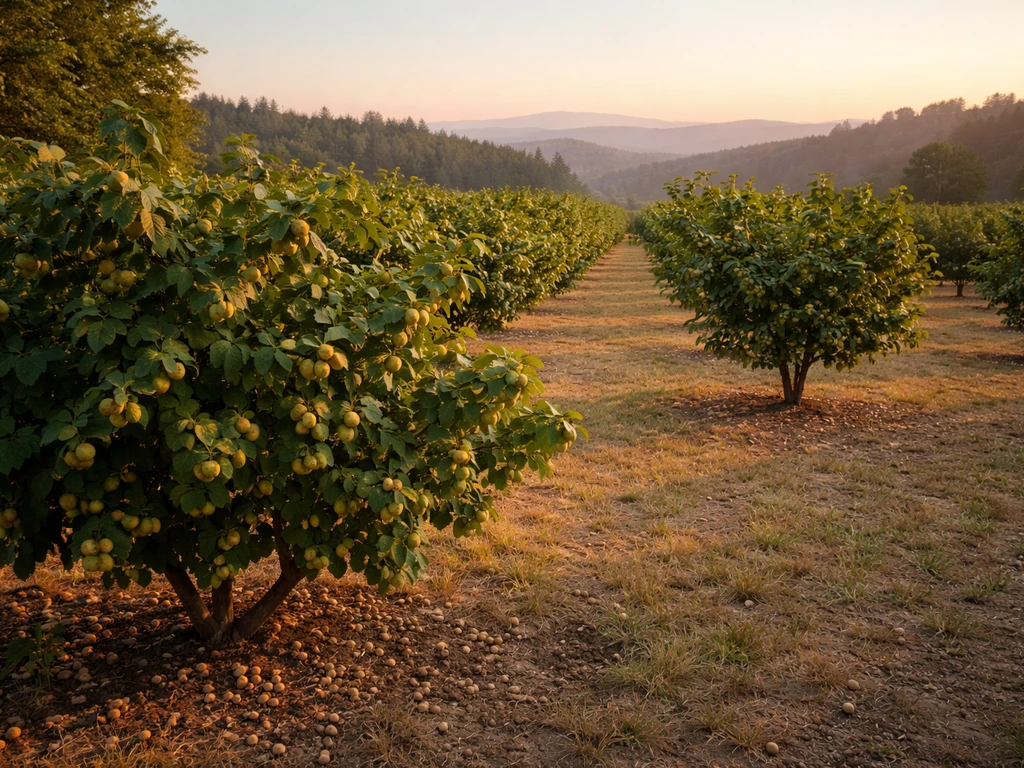
This is Oregon's nut-growing sweet spot. Hazelnuts are the obvious star, but English walnuts thrive here too, particularly in the southern Willamette Valley where summer heat is more reliable. Chestnuts do very well throughout the valley. Almonds are worth trying in the drier, warmer southern sections (think Eugene and south), but you'll need a well-drained site with good frost protection for the early spring bloom. Heartnuts and black walnuts grow reliably here; they're less fussy about site than English walnut and handle the wet winters without issue.
Eastern Oregon (zones 4b–6b)
Eastern Oregon is genuinely challenging for most nut trees. In Missouri, you can also grow several hardy nut trees, but species and success depend on your location and winter cold what nut trees grow in missouri. Black walnuts are the most practical option for the lower-elevation sites in zones 5b and 6b, particularly in the irrigated agricultural areas near the Snake River and in the Grande Ronde Valley. If you're wondering what nut trees grow in Wisconsin, black walnut is one of the hardier options to research for colder regions black walnuts. Heartnuts and buartnuts handle zone 5 cold better than English walnuts. Chestnuts with high cold-hardiness (Chinese-American hybrids like 'Colossal' crossed with hardy Chinese parents) can work in the milder parts of eastern Oregon. Hazelnuts can technically survive zone 5 cold, but eastern filbert blight pressure is lower there, and American hazelnut or native beaked hazelnut hybrids may be more practical than European cultivars. Almonds are a poor bet in most of eastern Oregon: even where winters are survivable, spring frost risk to blossoms is very high.
| Nut Tree | Best Oregon Region | USDA Zones | Main Risk |
|---|---|---|---|
| Hazelnut | Willamette Valley, coast | 6–9 | Eastern filbert blight |
| English walnut | Southern Willamette Valley, Rogue Valley | 7–9 | Late frost, insufficient heat on coast |
| Black walnut | Valley, eastern OR low elevations | 5–8 | Juglone toxicity near other plants |
| Chestnut | Willamette Valley, coast, mild eastern OR | 5–8 | Chestnut blight (use resistant cultivars) |
| Almond | Southern Willamette Valley, Rogue Valley | 7–9 | Spring frost on blossoms |
| Heartnut / buartnut | Willamette Valley, transitional zones | 5–7 | Less commercially tested in OR |
| Pinyon pine | High-desert eastern OR | 4–6 | Very slow, drought conditions required |
Planting and care basics for each nut type
Hazelnuts
Hazelnuts want deep, well-drained soil with a pH between 5.5 and 6.5. They'll tolerate heavier soils better than most nut trees, but standing water in winter causes root rot fast. Space commercial-style plantings at 12 to 15 feet between trees in rows 18 to 20 feet apart. For a backyard setting, two to three trees planted 15 feet apart works well. The critical point is pollination: hazelnuts are wind-pollinated and self-incompatible, meaning a single-variety planting will produce little to no nuts. You need at least two compatible varieties. Oregon State University's hazelnut breeding program recommends pairing varieties that have overlapping pollen shed and pistillate flower receptivity. Good pollinizer pairs for disease-resistant modern cultivars include 'Jefferson' with 'Eta' or 'Theta', or planting a mix of OSU-released cultivars together.
Eastern filbert blight (EFB) is the defining disease challenge for Oregon hazelnut growers. If you want nuts for an Illinois backyard, focus on species that can handle your USDA hardiness zone and your winter and spring frost patterns. It's caused by the fungus Anisogramma anomala and has devastated susceptible plantings across western Oregon. The older standard variety, 'Barcelona', is highly susceptible. OSU's breeding program has released a range of resistant cultivars carrying either quantitative resistance (including 'Lewis', 'Clark', 'Gem', and 'Sacajawea') or a dominant resistance gene derived from the blank" rel="noopener noreferrer">'Gasaway' parent (including 'Jefferson', 'Yamhill', 'Dorris', 'Wepster', 'McDonald', 'PollyO', and 'Santiam'). Plant these modern resistant varieties. Using susceptible older cultivars without a robust fungicide program is asking for trouble within a few years.
English walnut
English walnuts need deep, well-drained loam with a pH of 6.0 to 7.0 and good fertility. They're sensitive to waterlogged soil and won't tolerate clay hardpan. Space trees 25 to 35 feet apart; they get large. Most English walnut varieties require a second variety for good pollination (they're monoecious but often dichogamous, meaning pollen shed and nut flower receptivity don't overlap on the same tree). The Franquette variety is a popular choice in Oregon because it leafs out later in spring, reducing frost damage risk, and it ripens well in the Willamette Valley's heat. Chandler is widely grown commercially but needs more heat than Franquette and does best in the southern valley.
Black walnut
Black walnuts are more forgiving about site than English walnuts but still want deep, well-drained soil. They're notably allelopathic, meaning their roots release juglone, a chemical that is toxic to many other plants including tomatoes, apples, and rhododendrons. Plan your planting site around this: don't put a black walnut near a vegetable garden or within 50 to 80 feet of sensitive landscape plants. Trees are largely self-fertile but will produce better nut crops with a second tree nearby. Named cultivars like 'Emma K', 'Sparrow', and 'Sparks 127' offer better crack-out and nut quality than seedling trees.
Chestnut
Chestnuts are the least fussy of Oregon's viable nut crops in terms of soil (they tolerate acidic, somewhat poor soils better than walnuts), but they absolutely require cross-pollination from a second genetically different tree. Plant at least two trees from different seedling or cultivar lines. Space them 30 to 40 feet apart. They prefer well-drained, slightly acidic soil (pH 5.5 to 6.5) and won't tolerate waterlogged conditions. Chinese-American hybrid cultivars like 'Colossal' (developed in Oregon), 'Skookum', and 'Willamette' are widely recommended for the Pacific Northwest. Avoid pure European chestnuts (Castanea sativa) without blight resistance; chestnut blight (Cryphonectria parasitica) is present in Oregon and will kill susceptible trees.
Almond
Almonds need the same free-draining, near-neutral soil as English walnuts, plus an open, well-ventilated site to help reduce fungal disease issues in Oregon's wet spring weather. They bloom very early (February to March), which puts blossoms squarely in the frost risk window for most Oregon sites. You need two varieties for cross-pollination. 'All-in-One' is a partially self-fertile variety sometimes tried in Oregon as a single-tree planting, but production is still better with a pollinizer. Space trees 15 to 20 feet apart. Focus on sites with the best possible frost drainage, like a gentle slope above a valley floor.
How long until you get nuts, and what kind of yields to expect
Be honest with yourself about timelines before planting. None of these trees produce meaningfully in their first few years, and some take nearly a decade to hit their stride.
| Nut Tree | First Significant Crop | Full Production | Typical Home Yield at Maturity |
|---|---|---|---|
| Hazelnut | 3–5 years | 8–12 years | 10–25 lbs per tree (in-shell) |
| English walnut | 4–7 years | 10–15 years | 50–150 lbs per tree |
| Black walnut | 5–8 years | 10–15 years | 30–100 lbs per tree (in-hull) |
| Chestnut | 3–5 years | 8–10 years | 25–50 lbs per tree |
| Almond | 3–5 years | 7–10 years | 15–40 lbs per tree (in-shell) |
| Heartnut | 4–6 years | 10–12 years | 30–80 lbs per tree |
Hazelnut harvest in Oregon typically falls in late September through October. OSU's work with 'Jefferson' and other modern cultivars documents a husk-drying and nut-drop window in Oregon's fall season, and most commercial growers use mechanical sweepers to gather nuts from the orchard floor after they've fallen naturally. At home, you can spread a tarp and collect them by hand. Keep the orchard floor mowed short and free of deep grass before harvest so nuts don't get lost; this is a detail that sounds minor but genuinely affects how much of your crop you actually recover.
Common problems Oregon growers run into
Eastern filbert blight
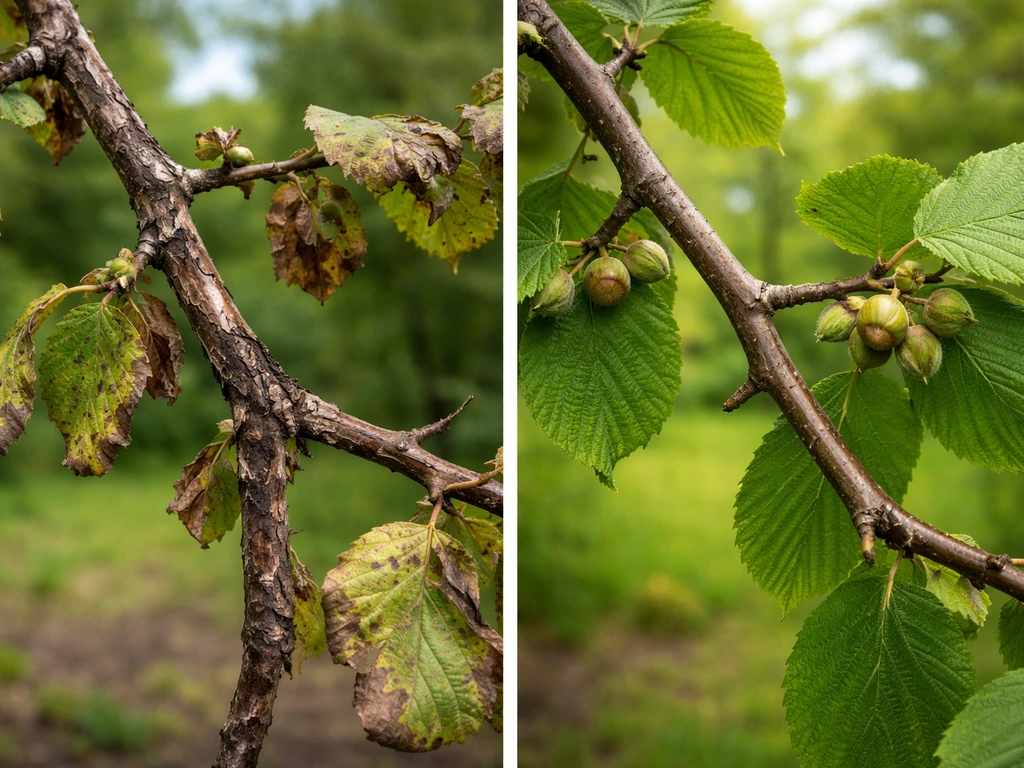
This is the number-one threat to hazelnut growers in western Oregon. EFB is a fungal disease caused by Anisogramma anomala that forms cankers on branches and kills them back over several years, eventually girdling and killing the whole tree if left unchecked. Susceptible cultivars like 'Barcelona' can be devastated within 5 to 10 years of infection in a wet western Oregon environment. The practical solution is simple: plant only EFB-resistant cultivars from OSU's program. If you're inheriting an older planting of susceptible varieties, a fungicide program using copper or lime-sulfur sprays applied at catkin elongation can slow the disease, but it won't cure it. Removal and replanting with resistant cultivars is the only long-term fix.
Spring frost damage
Almonds, English walnuts, and chestnuts all bloom after hazelnuts, putting their blossoms at risk from late frosts. A single frost event at 28°F (-2°C) during bloom can eliminate most of a year's crop. This is more of a problem in frost-pocket sites on valley floors and in eastern Oregon than on well-drained slopes with good air drainage. If you're planting almonds or early-blooming walnuts in a known frost-pocket location, you're taking on real annual risk. Late-leafing varieties like 'Franquette' walnut help by delaying their vulnerable period.
Walnut blight and other fungal diseases
English walnuts in western Oregon face walnut blight (Xanthomonas arboricola pv. juglandis), a bacterial disease that blackens and destroys developing nuts during Oregon's wet spring weather. Copper-based sprays at bud break through early nut development help manage it. Almonds suffer from similar disease pressure in wet sites: hull rot, shot hole, and brown rot can all cause problems if spring weather is particularly wet. Good site selection (air flow and drainage) and resistant varieties reduce, but don't eliminate, these issues.
Wildlife
Squirrels, Steller's jays, and acorn woodpeckers are enthusiastic harvesters of hazelnuts and walnuts in Oregon. If you're growing a small backyard planting, wildlife can take a substantial portion of your crop before you even know it's ripe. For hazelnuts, harvesting promptly as nuts begin to drop (rather than waiting for all of them to fall) reduces losses. Deer will browse young nut tree saplings heavily, particularly chestnuts and hazelnuts; tree guards or fencing are worth the investment in your first three to five years while the trees establish.
Juglone toxicity from black walnut
This isn't a problem with the walnut tree itself, but it's a real planning issue. Black walnut roots can extend well beyond the canopy drip line and the juglone they release will injure or kill sensitive plants nearby. Keep black walnuts away from vegetable gardens, fruit trees, and many common ornamentals. Tolerant companions include corn, beans, grasses, and most brassicas, but this is a planting-design consideration worth sorting out before you put the tree in the ground.
How to pick the right cultivar and plan your next steps
Start by confirming your USDA hardiness zone and your realistic chilling hour range. In Ohio, you can typically grow hardy nut trees like black walnuts and some types of chestnuts depending on your USDA zone and site drainage. The USDA Plant Hardiness Zone Map has a zip-code lookup tool, but local cooperative extension offices often have more granular data, especially for frost-pocket risk. Oregon State University Extension is an excellent starting point for anyone in Oregon; their hazelnut program publications are some of the most practical grower resources available anywhere.
If you're in the Willamette Valley and want the most reliable nut crop with the least risk, start with hazelnuts. Pick two or more of the OSU-released EFB-resistant cultivars: 'Jefferson', 'Yamhill', 'Dorris', and 'Wepster' are widely available from Pacific Northwest nurseries and represent the current standard for disease resistance and nut quality. Plant them in spring or fall into well-prepared, well-drained soil, keep them weeded for the first few years, and you'll have a real crop within four to five years.
If you want to add a walnut, 'Franquette' English walnut is the most reliably productive choice for most of the Willamette Valley. It's late-leafing enough to dodge most spring frost events and ripens well in Oregon's summer heat. For the northern valley or any cooler, higher-elevation site, a heartnut or black walnut will be more forgiving than English walnut.
Chestnuts are underused in Oregon and genuinely worth considering if you have the space. 'Colossal' is the most widely planted variety in the Pacific Northwest and has proven itself reliable. It needs a pollinizer, so plant it alongside a seedling chestnut or a second named variety like 'Skookum'.
For eastern Oregon, the calculus changes. Cold-hardiness moves to the top of your priority list, spring frost risk is your biggest production threat, and irrigation availability determines what's even possible. Black walnut and cold-hardy chestnut hybrids are the most practical starting points for most eastern Oregon sites. Anyone growing nut trees in Idaho, which shares similar high-desert and transitional-zone challenges along the Snake River corridor, faces very similar decisions, and the same logic about cold-hardy walnut and chestnut selection applies across that whole inland region.
Whatever you plant, think seriously about your site before you buy. Walk it in winter to look for frost settling, note where drainage is slow, and consider the mature size of the trees (a walnut at 50 feet tall is a real landscape commitment). Nut trees are long-lived investments: match them carefully to where you actually live in Oregon, choose disease-resistant cultivars appropriate to your region, plan for pollination from the start, and the payoff over the following decades is very real. If you’re asking what nut trees grow in Indiana, the key is matching species to your USDA zone and protecting blossoms from spring frost.
FAQ
How many years until nut trees actually start producing in Oregon?
Most nut trees in Oregon will not produce a meaningful crop for the first few years. For planning, assume hazelnuts start to feel productive around year 4 to 5, while walnuts and chestnuts often take longer (commonly closer to 6 to 10 years depending on variety and site).
Can I plant just one nut tree in Oregon and still get a real harvest?
Yes, but only if you solve pollination and disease pressure. Hazel-producing plantings almost always need at least two compatible cultivars, and single-tree “self” options for other nuts still underperform because Oregon’s bloom timing makes crop losses common. If wildlife is a concern, scale plantings with harvest loss in mind.
What’s the best harvest strategy to reduce wildlife losses in Oregon?
Squirrels and birds are easiest to manage by acting at the first sign of drop. For hazelnuts, start collecting as the earliest nuts fall, not after a full “all-at-once” drop, and keep grass short so nuts are recoverable from the ground.
What should I do if my yard has frost pockets, and I still want to grow almonds or walnuts?
For frost-prone locations, plant on a slope with cold-air drainage, avoid low spots and valley bottoms, and do not rely on “extra insulation” at the tree base. Even with protection, English walnuts and almonds bloom late enough to get hit by spring freezes in frost pockets.
Which nut trees tolerate wet winters better, and which ones should I avoid if my soil stays soggy?
If you have poor winter drainage, prioritize hazelnuts or black walnuts, and avoid English walnuts and almonds because they are sensitive to standing water and clay hardpan. Before planting, fix drainage with grading or raised beds, because root rot risk builds over multiple winters.
I already have hazelnuts, but I think they are susceptible. Should I spray or replant in Oregon?
In western Oregon, the biggest hazelnut planning mistake is planting susceptible cultivars, especially older European-type varieties. If you already have a susceptible planting, the realistic approach is to reduce spread with a fungicide routine only as a holding strategy, then plan replanting with EFB-resistant cultivars.
What’s the most reliable “starter plan” for a first orchard in the Willamette Valley?
If your goal is reliable production in the Willamette Valley, focus on EFB-resistant hazelnuts first, like OSU-released cultivars, and pair them for overlapping pollen shed. For walnuts, choose late-leafing types such as Franquette to reduce frost damage timing.
What’s the most common reason English walnuts fail to set nuts in Oregon?
For English walnuts in Oregon, a common failure is mismatched cultivars that do not synchronize pollen shed with female receptivity. Plan on a second variety and verify it for Oregon conditions, then place trees far enough apart for airflow to reduce wet-spring disease.
How far from a black walnut should I plant vegetables or sensitive ornamentals in Oregon?
Black walnut juglone can affect nearby plantings for years, and roots can extend beyond the canopy. A practical rule is to keep sensitive crops (like tomatoes, many fruit trees, and rhododendrons) well away from the black walnut site, not just at the drip line.
Why can my nut trees survive Oregon winters but still produce little or nothing?
Even when trees survive, winter chilling and spring timing can break your crop. Hazelnuts typically handle Oregon timing better because their pollination happens early, while almonds and other nuts bloom later and get exposed to a single freezing event that can wipe out most nuts.
Can I grow any nut tree on the Oregon coast, or is it mostly hazelnuts and chestnuts?
Yes, but conditions must match the tree, not just the zone. On the coast, heat is limited so English walnuts and almonds often will not ripen properly, while chestnuts can do better than people expect. If you try walnuts or almonds near the coast, pick a warmer, sheltered microclimate.
Should I trust USDA zone numbers alone when choosing nut trees for my Oregon property?
Use local data if you can, because Oregon microclimates can shift frost-pocket risk even when USDA zones look similar. Walk the site during winter, look for where cold air settles, and consider extension guidance for your specific county rather than relying only on the zone map.