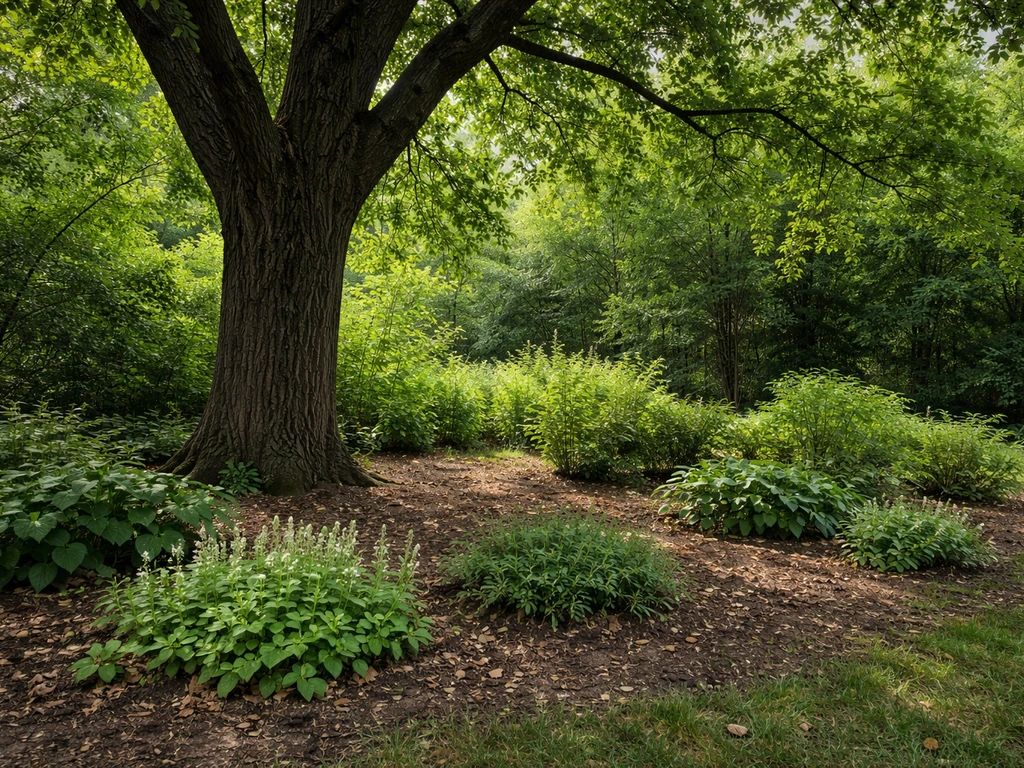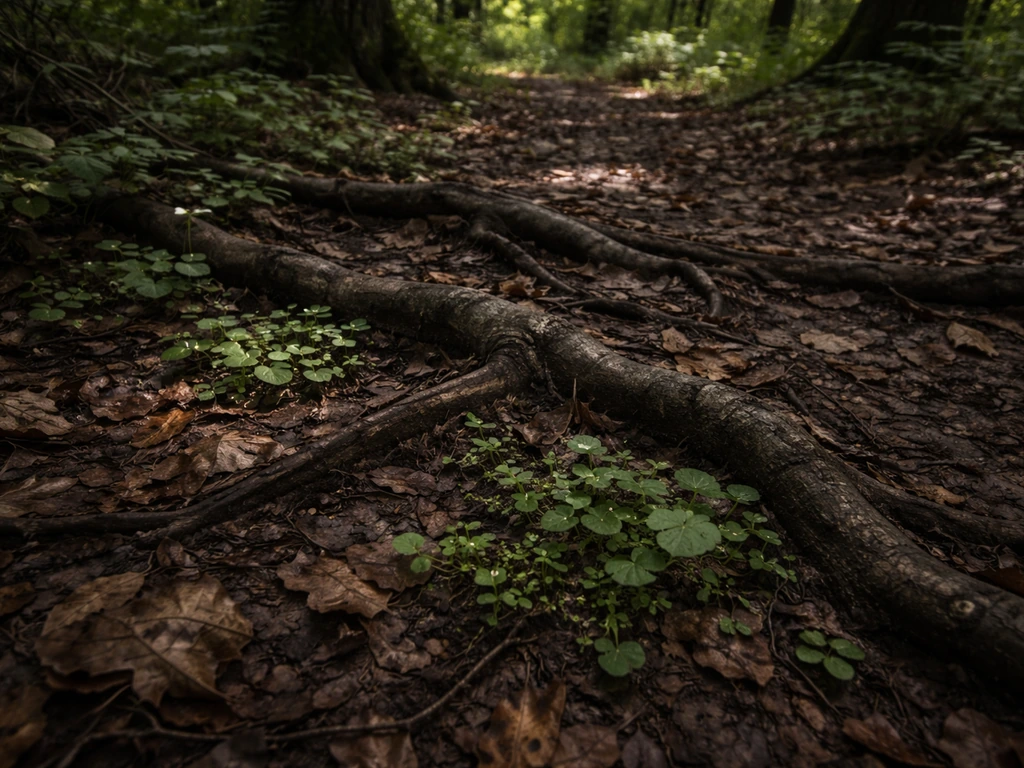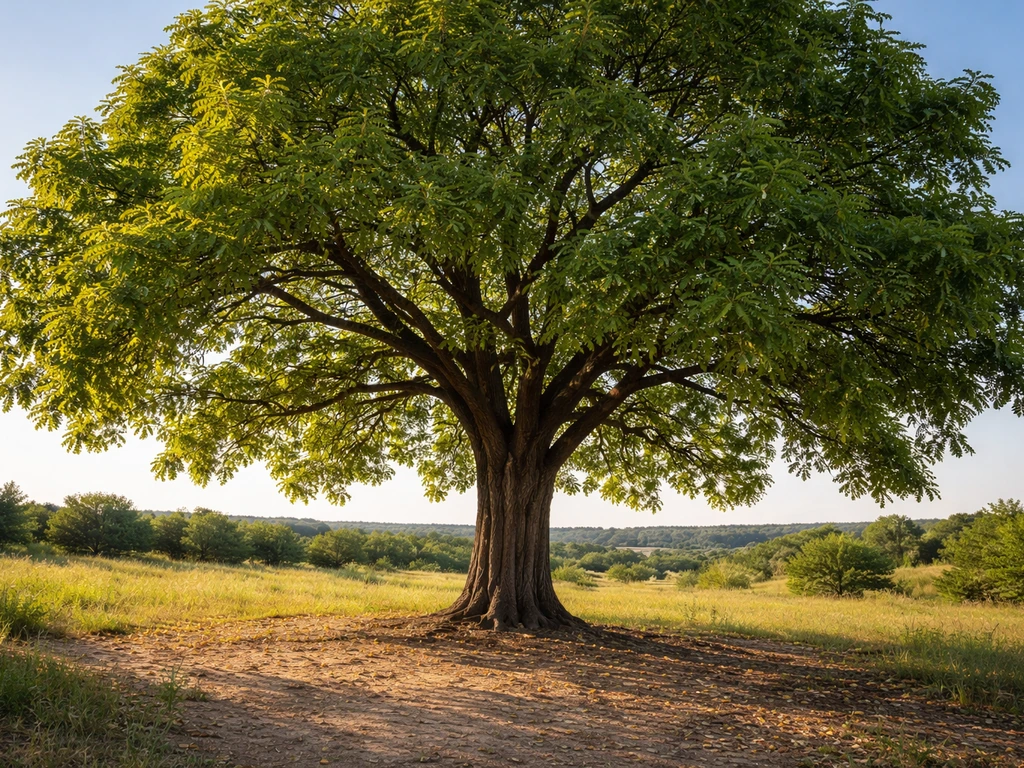
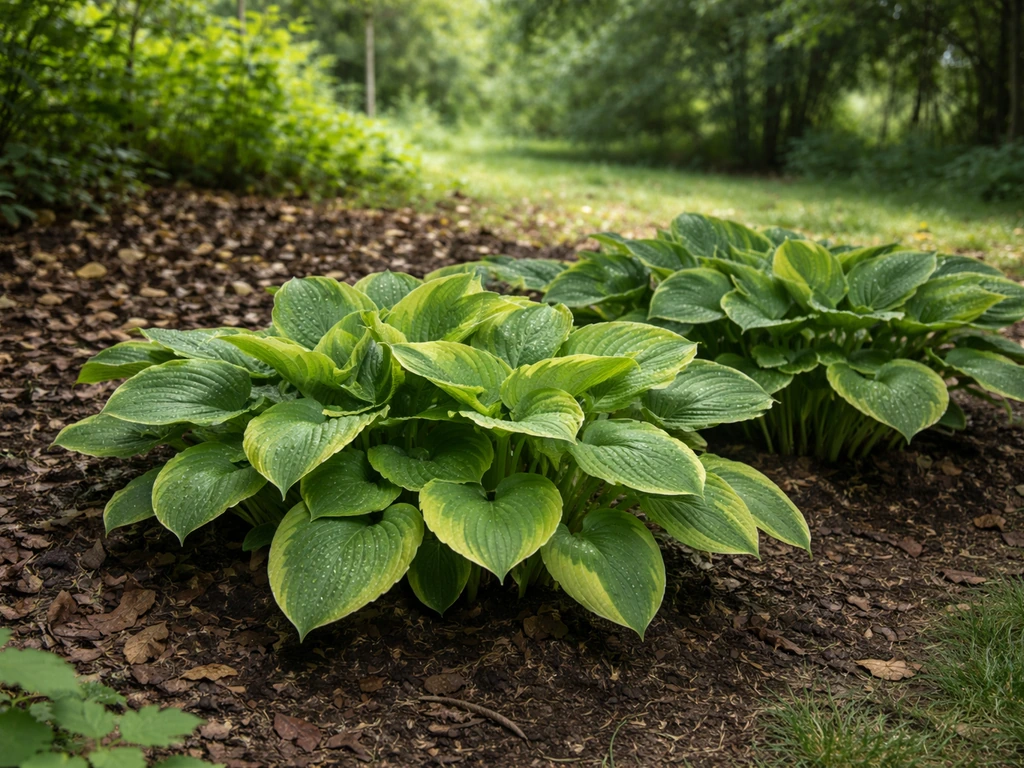
Hostas can survive under black walnut trees, but it depends heavily on where exactly they're planted relative to the tree. Purdue Extension lists 'hosta (many)' among juglone-tolerant plants, and Wisconsin Extension echoes that. But tolerant doesn't mean immune, and the fine print matters: hostas planted directly over the walnut's root zone, especially in wet or poorly drained soil, frequently struggle or die. Plant them at the outer edge of the canopy or beyond the dripline, in well-drained soil amended with compost, and your odds improve significantly. Plant them right up against the trunk in compacted clay and expect failure.
Will Hostas Grow Under Black Walnut Trees? What to Do
Marcus Hendricks
26 Apr 2026
What juglone actually does to plants
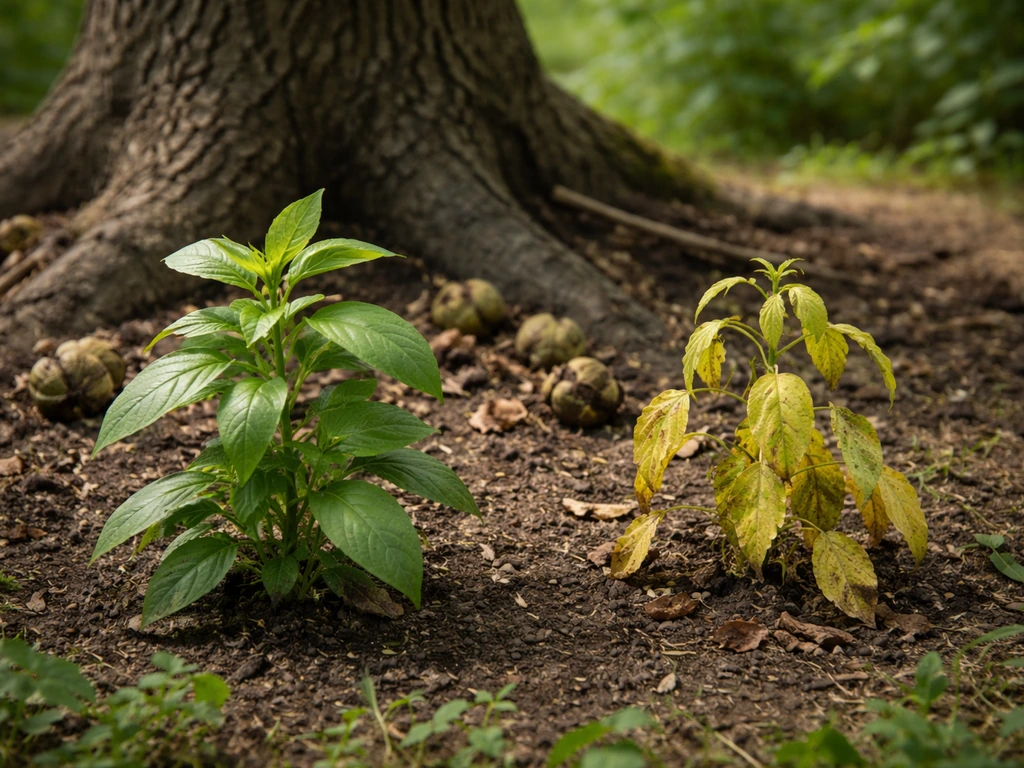
Black walnut (Juglans nigra) produces an allelochemical called juglone, and it's present throughout the tree: in the roots, leaves, nut hulls, bark, and vegetative buds. Inside living walnut tissue, juglone mostly exists in a precursor form called hydrojuglone, which is relatively harmless on its own. The problem happens when walnut tissue decomposes, or when roots die and break down in the soil. That's when hydrojuglone gets exposed to air and oxidizes into active juglone, the form that's toxic to sensitive plants.
Juglone works by interfering with plant respiration and enzyme activity in susceptible species. Penn State Extension notes that sensitive plants are most at risk when they're in direct contact with walnut roots or in areas where decaying walnut debris accumulates. The toxin doesn't necessarily flood the entire soil profile; it's most concentrated in the rhizosphere, the zone right around the roots. That's why proximity matters so much, and why some plants thirty feet away show no symptoms while others five feet away collapse within days of transplanting.
Juglone doesn't persist forever in soil, but it's not fleeting either. Research cited in recent soil ecology reviews puts its half-life somewhere between roughly 2 and 14 days depending on soil pH, organic matter, and microbial activity. Soils with good drainage, active microbiology, and plenty of organic matter break juglone down faster. Wet, compacted, low-oxygen soils let it linger and accumulate. This is one of the most important biology facts for gardeners to understand: the same walnut tree can be far more damaging in clay soil than in a loose, organically rich woodland soil.
Can hostas actually survive under black walnut?
Yes, with realistic conditions. Multiple university extension programs, including Purdue, Wisconsin, and UMN, include hostas in their juglone-tolerant plant lists. The University of Wisconsin Plant Disease Diagnostics Clinic (PDDC) fact sheet notes that blank" rel="noopener noreferrer">some hosta varieties are among the juglone-tolerant plants. That's meaningful, because those lists are based on observed performance in real landscapes. The important qualifier is that 'tolerant' in this context means they have a reasonable chance under manageable conditions, not that they're completely unaffected. Penn State Extension’s “Plant Tolerance to Juglone” list includes hosta (Hosta spp.) as tolerant. Some hosta varieties may do better than others, which is part of why Purdue's listing says 'hosta (many)' rather than 'all hostas.'
In practical terms: if you've already got hostas growing under a black walnut and they're doing fine, they'll probably keep doing fine. If you're thinking about planting new hostas and the area is shaded, reasonably well-drained, and not right on top of a mass of walnut feeder roots, it's worth trying. If you want to set expectations, black walnut trees often create a juglone zone that can limit what will thrive underneath will spruce trees grow near black walnut trees. If you want other options, consider what plants grow under black walnut trees besides hostas for similar shady conditions. If the area is wet, compacted, and directly under the canopy of a mature tree, your risk of losing them is real.
Where hostas fail vs. where they can work
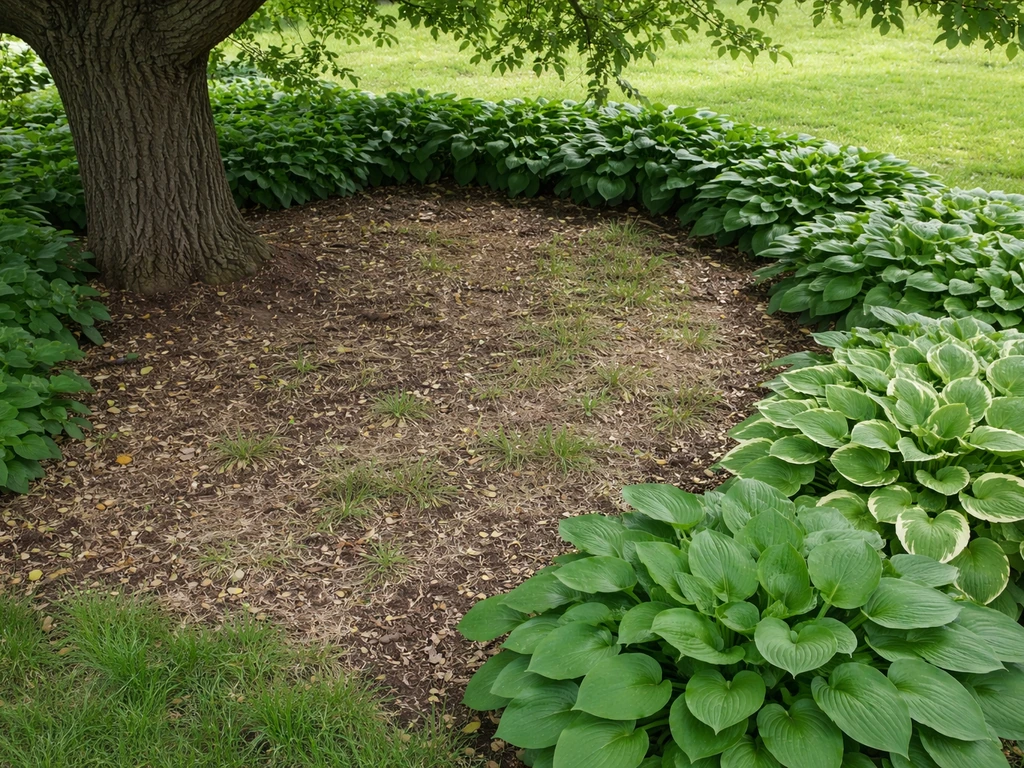
Wisconsin Extension estimates the toxic zone of a mature black walnut extends roughly 50 to 80 feet from the trunk, with the greatest concentration of juglone within the dripline. If you’re wondering where black walnut trees grow, they’re most common in the eastern and central parts of North America, especially in well-drained areas. That's a substantial footprint for a large tree. Understanding where within that zone you're planting makes all the difference.
High-risk spots
- Directly under or immediately inside the dripline of a mature tree, where feeder roots are densest
- Areas with poor drainage or compacted soil, where juglone accumulates instead of breaking down
- Spots where walnut leaves, nut hulls, or bark are allowed to decompose into the soil
- Beds mulched with black walnut wood chips or bark (Wisconsin Extension specifically warns against this)
- Locations where walnut roots have been recently disturbed or cut, releasing fresh juglone
Lower-risk spots where hostas have a better shot
- At or beyond the dripline edge, where root density and juglone concentration drop
- Well-drained, loamy, or organically rich soils where microbial breakdown of juglone is faster
- Areas with some air movement and light, which support soil biology
- Raised beds with clean, uncontaminated soil placed over root barriers (more on this below)
- Positions where walnut debris is consistently cleaned up and not incorporated into the soil
Microclimate plays a role too. A hosta on the north or east side of a walnut canopy, getting morning light and afternoon shade, in a spot where rain doesn't pool, is in a fundamentally different situation than one in a waterlogged west-facing bed. The same tree, different outcomes. It's not magic; it's just soil aeration, drainage, and root density working together.
Setting up the site to reduce walnut's impact
If you're committed to hostas in the walnut zone, here's how to reduce the risk as much as practically possible.
Improve soil drainage and organic matter
UNH Extension advises that adding organic matter and improving drainage directly boosts microbial activity, which in turn breaks down juglone faster. Incorporate compost generously, and if the area drains poorly, address that first before planting anything. A well-aerated soil with active microbial life is your best natural defense against juglone accumulation.
Use raised beds with a root barrier
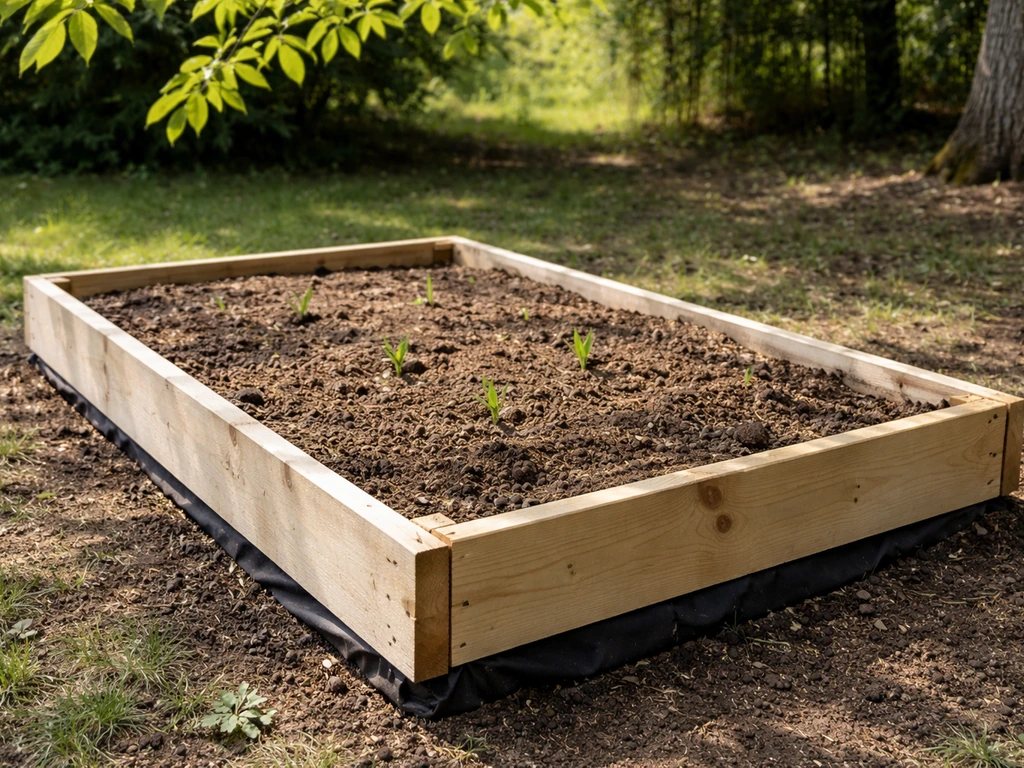
A raised bed filled with clean, uncontaminated soil and compost can give hostas a genuinely fresh start. The critical step is lining the bottom of the bed with a physical root barrier, either heavy landscape fabric or quarter-inch hardware cloth, to prevent walnut roots from growing up into the clean soil over time. This approach won't eliminate juglone risk forever (roots find a way eventually), but it buys significant time and keeps initial conditions clean. Fill the bed at least 12 inches deep with quality, compost-rich soil.
Keep walnut debris out of the planting area
This one is tedious but genuinely important. Fallen leaves, nut hulls, and twigs from a black walnut introduce fresh juglone into the soil as they decompose. Clean them up regularly and dispose of them away from garden beds. Do not use black walnut leaves or wood chips as mulch anywhere near plants you care about. Use a different mulch source entirely.
Watch spacing and distance
If you have any flexibility in placement, push hostas toward the outer edge of the canopy or just beyond it. Even moving a planting five to ten feet further from the trunk can meaningfully reduce root contact and juglone exposure. Remember that walnut roots often extend beyond the dripline, so outside the canopy isn't automatically safe, but it's better.
Shade perennials that handle juglone better
If you've tried hostas and lost them, or if the site conditions (wet, heavy clay, dense root zone) make success unlikely, there are other shade-tolerant perennials that extension programs list as genuinely tolerant of juglone. These are worth knowing because they often work in exactly the difficult spots where hostas fail.
| Plant | Light | Soil preference | Notes |
|---|---|---|---|
| Lungwort (Pulmonaria spp.) | Part to full shade | Evenly moist, humus-rich | UMN Extension lists as juglone-tolerant; early spring bloomer |
| Wild ginger (Asarum canadense) | Full to part shade | Moist, well-drained woodland soil | Native groundcover; spreads slowly; very tolerant |
| Solomon's seal (Polygonatum spp.) | Part to full shade | Average to moist, well-drained | Graceful arching stems; listed as tolerant by multiple sources |
| Bleeding heart (Lamprocapnos / Dicentra) | Part shade | Moist, well-drained, humus-rich | Commonly listed as tolerant; goes dormant in summer heat |
| Astilbe (Astilbe spp.) | Part shade | Consistently moist | Good texture contrast; tolerant in moist but not waterlogged soil |
| Jack-in-the-pulpit (Arisaema triphyllum) | Part to full shade | Moist woodland soil | Native; thrives in the same woodland conditions as walnut |
| Ferns (many species) | Part to full shade | Variable; most prefer moist, well-drained | Many fern species listed as tolerant; good texture companion to hosta |
Ferns deserve a particular mention here because many species are reliably tolerant of juglone and handle dense shade well, which is exactly the challenge under a mature black walnut canopy. Other plants that grow near black walnut trees, whether shrubs, groundcovers, or perennials, are covered more broadly in related guides if you want to expand beyond the shade perennial category. If you want a wider list, see what can grow near black walnut trees for more options suited to the juglone zone.
Step-by-step plan and troubleshooting checklist
Here's how to actually approach this, either to give hostas their best chance or to diagnose what's going wrong if you've already planted them.
Before you plant
- Measure your distance from the trunk. If you're inside the dripline of a mature black walnut, you're in the high-risk zone. Aim for the dripline edge or beyond if at all possible.
- Evaluate drainage. Dig a hole 12 inches deep and fill it with water. If it doesn't drain within a few hours, fix the drainage before planting anything. Poor drainage is where juglone toxicity does its worst damage.
- Amend the soil with compost. Work in several inches of good compost to boost microbial activity and soil structure. This actively helps break down juglone faster.
- Consider a raised bed. If conditions are marginal, build a raised bed at least 10 to 12 inches deep, line the bottom with hardware cloth or heavy landscape fabric, and fill with clean purchased soil and compost.
- Plan a debris removal routine. Before the first leaves fall, commit to clearing walnut leaves and hulls away from your planting area throughout the season. This isn't optional if you want the best odds.
After planting: troubleshooting checklist
- Wilting within days of transplanting, with moist soil: strong indicator of juglone sensitivity or root contact. Dig the plant, inspect roots for walnut root proximity, and relocate if possible.
- Yellowing or browning leaf margins with twisted or distorted new growth: classic juglone toxicity symptoms per Wisconsin Extension. Rule out drought and herbicide drift first, then consider juglone if the plant is within the walnut root zone.
- Stunted growth with otherwise normal appearance: could be juglone, could be slug feeding, could be crown rot (Fusarium). Check the crown and petioles for brown-black decay (disease) or silvery slime trails (slugs) before blaming juglone.
- Plants doing fine for one or two seasons then suddenly declining: walnut roots may have grown into the planting area. Inspect the root barrier if you used one, or probe for large walnut roots near your plants.
- Leaf browning/wilting after rain rather than drought: classic pattern when juglone accumulates in waterlogged soil. Drainage improvement is the fix.
- Symptoms on hostas far outside the dripline: consider other causes before juglone. At 60-plus feet from the trunk, juglone toxicity is unlikely to be the primary issue.
- Nothing's working and you're losing plants repeatedly: switch to the genuinely tolerant alternatives listed above. Some sites, particularly dense root zones in wet clay, are not practical for hostas regardless of mitigation.
One last thing worth knowing: if you've removed a black walnut tree and want to plant hostas where it stood, don't expect immediate improvement. Penn State Extension notes that juglone can persist in soil for years after a tree is removed, particularly in areas with low microbial activity. Give it at least two to three growing seasons with active soil improvement (heavy compost additions, good drainage) before expecting reliable success with sensitive or borderline-tolerant plants.
FAQ
How close to a black walnut trunk can I plant hostas and still have a decent chance?
Treat the canopy edge as a minimum starting point, not a guarantee. Many failures happen because walnut feeder roots and the most active juglone area extend outward, especially in dense, wet soils. If you have flexibility, aim for the outer canopy edge or farther, and verify the planting spot stays dry enough that water does not pool after rain.
If my hostas look okay for a year, does that mean they are safe long term?
Not always. Juglone effects are often most noticeable after transplant stress or when conditions become wetter or more compacted. Watch for slow decline, yellowing, and weak crowns over multiple seasons, and reassess soil drainage and cleanup of fallen walnut debris even if the first growing season seems fine.
Does mulching with black walnut leaves or wood chips hurt hostas even if they are juglone-tolerant?
Yes. Even though hostas can tolerate juglone under manageable conditions, black walnut leaves and chips keep feeding the system with new walnut compounds as they decompose. Use a non-walnut mulch source near hostas, and keep nut hulls and leaf litter cleared from the planting area.
Will raised beds eliminate juglone problems under black walnut trees?
They greatly reduce risk, but they do not fully eliminate it. Walnut roots can eventually work their way into most barriers unless the barrier is continuous and properly installed. Use a physical barrier at the bed bottom (and keep it intact), fill the bed with quality amended soil, and still maintain drainage and organic matter to speed microbial breakdown.
What soil conditions make hostas fail faster under black walnuts?
Wet, oxygen-poor, compacted soil and areas where walnut debris accumulates. Poor drainage slows microbial activity, so juglone can linger longer. If you consistently have soggy spots or heavy clay that stays saturated, address drainage first before adding hostas.
Do all hosta varieties perform the same under black walnut?
No. The “hosta (many)” label means most varieties have a reasonable chance, but it is not uniform. Choose varieties known to be tougher in your region, and if one cultivar struggles in your exact spot, switching varieties can be more effective than repeated replanting without changing drainage or root-zone conditions.
If I want to transplant hostas into a walnut yard, what’s the best way to reduce transplant shock and juglone exposure at the same time?
Prepare the soil before planting, not after. Improve drainage and add compost to build active biology, then keep walnut roots from directly invading the root zone. When possible, plant in a spot that receives morning light, stays well-drained, and is not right against dense feeder roots.
Can I plant hostas under a black walnut if the tree is gone?
Often not immediately. Juglone can persist after removal, particularly in areas with low microbial activity. Plan on two to three growing seasons with aggressive soil improvement, including heavy compost additions and better aeration, before expecting consistent performance from borderline-tolerant plants.
If walnut roots are the main issue, how do I know whether my hostas are failing due to juglone rather than something else?
Look for patterns tied to the walnut root zone. Symptoms that worsen in the lowest or wettest parts of the bed, decline after rain-heavy periods, or track closer proximity to the trunk or known root density are more consistent with juglone. Also confirm you are not leaving walnut debris as mulch, since that can mimic or amplify juglone stress.