Black walnut trees are not the easiest neighbors in a garden. They produce a compound called juglone that suppresses or outright kills a long list of common plants, and figuring out what will actually thrive nearby can feel like guesswork. The good news is that quite a few trees, shrubs, and groundcovers tolerate juglone well, and with the right placement and a bit of soil care, you can build a productive, attractive planting around a black walnut without constant failures.
What Can Grow Near Black Walnut Trees: Practical Guide
Marcus Hendricks
16 Apr 2026
Why black walnut makes life hard for nearby plants
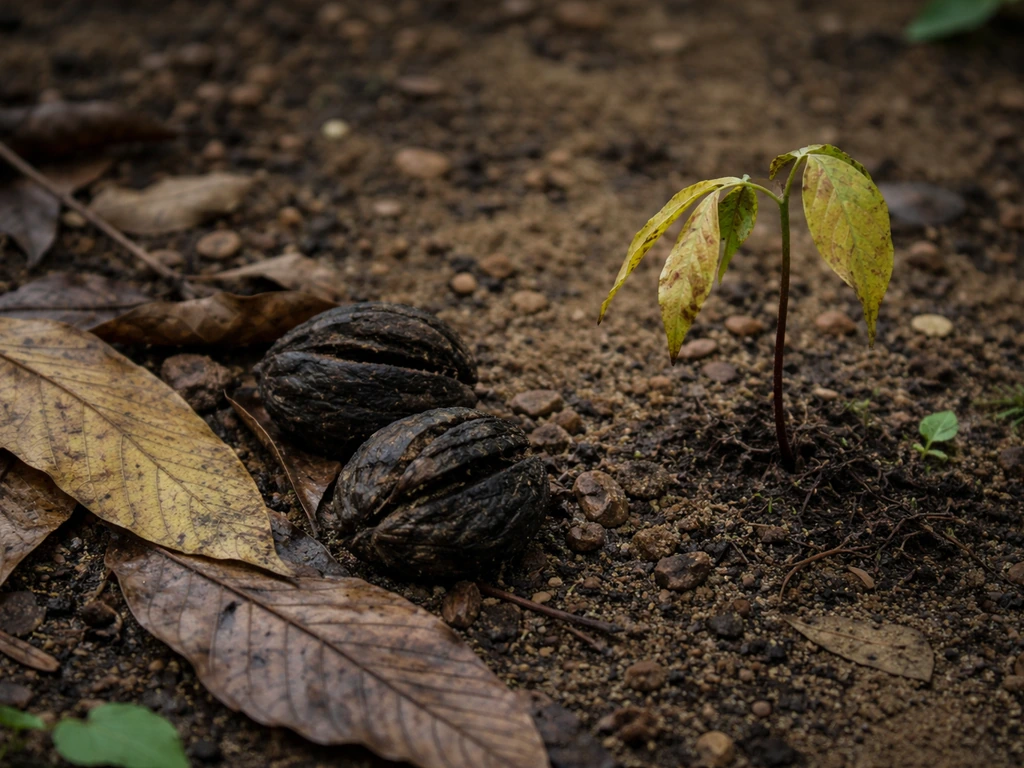
The problem has a name: allelopathy. Black walnut (Juglans nigra) produces a chemical called juglone (5-hydroxy-1,4-naphthoquinone) in virtually every part of the tree, with the highest concentrations in the buds, nut hulls, and roots. When roots decay, leaves drop, or hulls rot on the ground, juglone enters the soil and can remain there long after the source material is gone. Purdue Extension research confirms that juglone acts as a respiration inhibitor, essentially cutting off a sensitive plant's ability to generate energy for metabolic activity. A plant that can't respire properly wilts, yellows, and eventually dies, even when the soil has plenty of moisture.
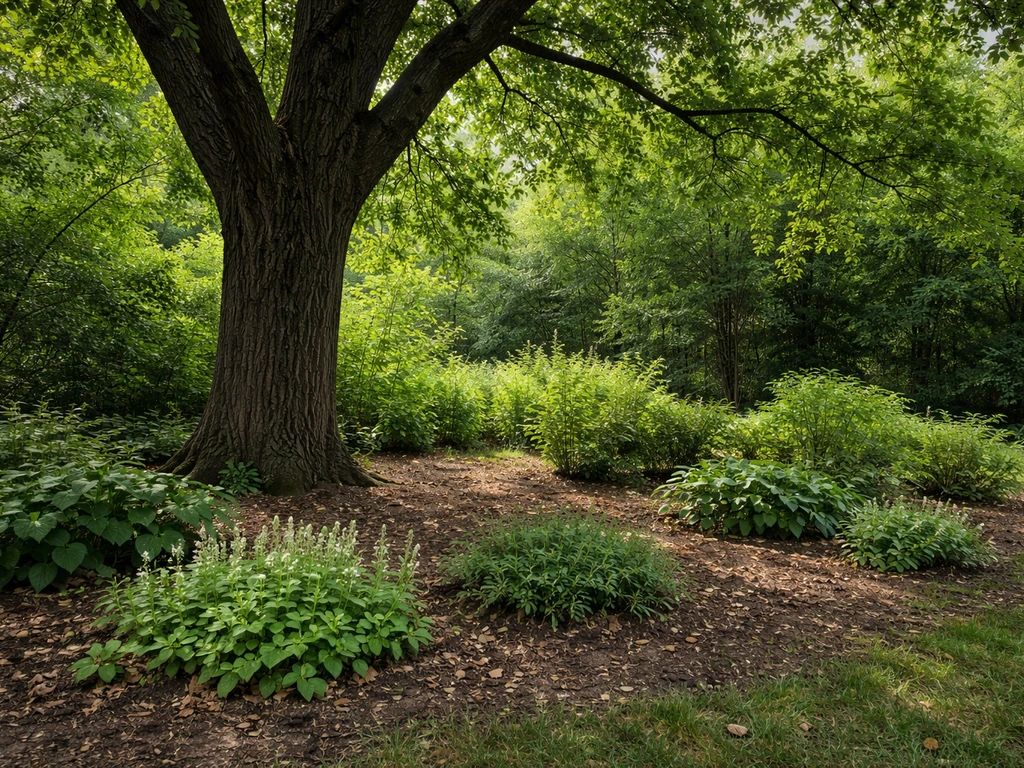
One important piece of biology to hold onto: juglone is only poorly soluble in water, which means it does not travel far from where it's produced. The zone of greatest risk is directly under the canopy, where root density is highest and fallen leaves, twigs, and hulls accumulate year after year. Outside that canopy drip line, concentrations drop significantly. Soil type and drainage matter too. In wet, poorly aerated soils with limited microbial activity, juglone builds up faster and breaks down more slowly. In well-drained soils with good organic matter and active microbial communities, the same tree may cause far less damage to surrounding plants.
One more thing worth knowing before you start planting: if you've recently removed a black walnut, the problem doesn't disappear immediately. Decaying roots can continue releasing juglone for several years, so even a stump-ground site isn't immediately safe for sensitive species.
The best companion trees to plant near black walnut
Several valuable landscape and fruit trees handle juglone without much trouble. If you're designing a mixed planting or small food forest, these are the species worth building around.
Fruit and productive trees
Cherry (Prunus species) is one of the more reliably tolerant fruit trees near black walnut, which is useful because so many common fruit trees are not. Apple, pear, and blueberry all appear on Purdue Extension's sensitive plant list and are real risks even outside the canopy zone. Black raspberry is also listed as tolerant, making it a practical soft-fruit option where apples and pears would struggle. Pawpaw and persimmon round out the list of productive trees that coexist well with black walnut, which makes sense ecologically since pawpaw is a common understory species in the same native woodland habitats where black walnuts grow naturally.
Shade and landscape trees
For larger companion trees, oak and most maples are solid choices. Redbud works well as a smaller ornamental tree in this context, and catalpa handles juglone without issue. If you're wondering whether spruce trees can grow near black walnut, the answer leans toward caution since conifers vary in their tolerance and site drainage plays a big role. Arborvitae and red cedar, however, are both listed as tolerant by Purdue Extension, making them workable options for windbreaks or screening near black walnut.
Best shrubs and understory plants
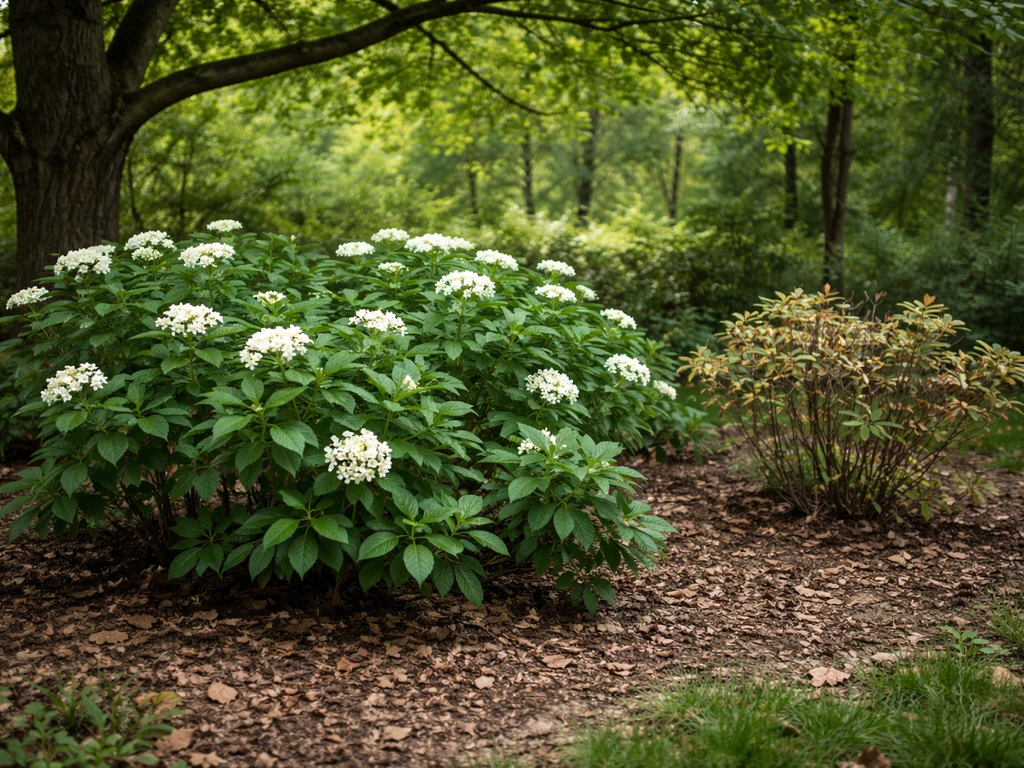
This is where a lot of gardeners run into trouble, because many classic landscape shrubs are genuinely sensitive to juglone. Azalea, rhododendron, hydrangea, lilac, and mountain laurel are all on the sensitive list and should be kept well away from any black walnut's root zone. If you've lost shrubs in these genera near a black walnut, juglone is the most likely culprit.
What actually works? Viburnum (most species) is a standout choice: it's a versatile native-friendly shrub that handles juglone and provides good wildlife value. Redbud also functions well at the large shrub or small tree scale. For plants that grow under black walnut trees, the understory layer is genuinely manageable if you pick the right species and keep up with removing dropped leaf litter and hulls so juglone doesn't accumulate at the soil surface.
Groundcovers, grasses, and what will grow directly under the canopy
Most grasses are listed as tolerant by Purdue Extension, which is practical news if you just want to maintain a lawn or meadow under or around a black walnut. Turf grasses generally hold up fine, though you'll still want to rake up hull debris in fall to limit juglone accumulation at the surface.
For shade-tolerant groundcovers, ferns are one of the best options available. Purdue Extension explicitly lists ferns as tolerant of juglone, and ferns growing under black walnut trees are a common sight in native woodland settings precisely because of this compatibility. They also handle the low-light conditions under a mature walnut canopy well, which is a double advantage.
Hosta is another excellent choice for the understory and groundcover layer. Purdue Extension lists "hosta (many)" as tolerant, and experts like Jerry Henkin of the NY Nut Growers Association confirm hostas are fine near black walnuts. If you've been wondering specifically whether hostas will grow under black walnut trees, the answer is yes, provided you're managing leaf litter and the site has reasonable drainage.
Other tolerant herbaceous options worth planting include many native wildflowers and herbs that are naturally adapted to woodland edge conditions. The key is to verify juglone tolerance before planting anything you've invested real time or money in growing.
A quick-reference comparison of plant categories
| Plant / Category | Juglone Tolerance | Notes |
|---|---|---|
| Cherry (Prunus spp.) | Tolerant | Best fruit tree option near black walnut |
| Black raspberry | Tolerant | Good soft-fruit alternative to blueberry |
| Pawpaw | Tolerant | Native understory tree; natural co-habitant |
| Persimmon | Tolerant | Productive and compatible |
| Apple / Pear | Sensitive | Keep well outside the drip line |
| Blueberry | Sensitive | High risk; avoid planting near black walnut |
| Oak / Maple (most) | Tolerant | Solid landscape tree companions |
| Redbud | Tolerant | Good ornamental small tree or large shrub |
| Arborvitae / Red cedar | Tolerant | Useful for screening or windbreaks |
| Viburnum (most) | Tolerant | Versatile shrub; good wildlife value |
| Azalea / Rhododendron | Sensitive | High risk; commonly lost near black walnut |
| Lilac / Hydrangea | Sensitive | Avoid planting within root zone |
| Hostas (many) | Tolerant | Excellent groundcover under canopy |
| Ferns | Tolerant | Natural understory companion; highly reliable |
| Most grasses | Tolerant | Lawn and meadow use under canopy is fine |
How to actually improve your odds: spacing, drainage, and site management
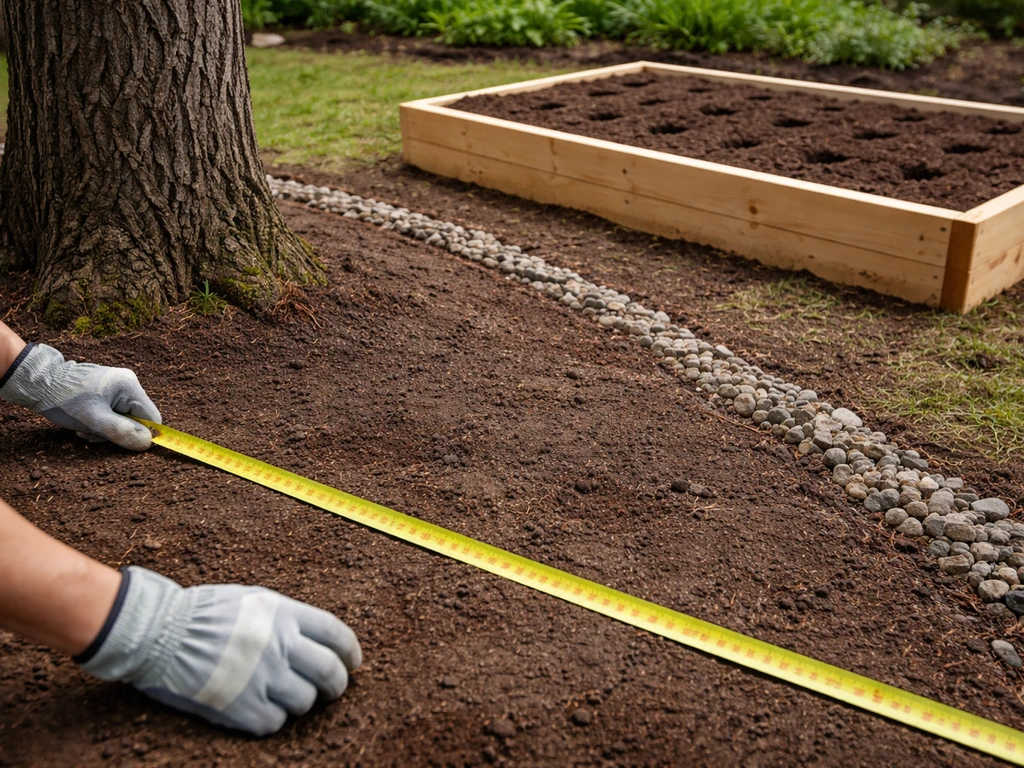
Even tolerant plants perform better when you reduce juglone load in the soil. Penn State Extension also emphasizes taking a practical approach by limiting debris and other material in contact with roots to help reduce juglone buildup and damage blank" rel="noopener noreferrer">reduce juglone load by managing debris and root contact. To combat juglone in raised beds, Ask Extension, supported by extension partners, advises using a root barrier at the bottom to help prevent new root infiltration into the raised bed blank" rel="noopener noreferrer">reduce juglone load in the soil. Here are the practical steps that make the most difference.
- Plant outside the drip line whenever you can. Since juglone concentrations are highest in the root zone under the canopy, placing new plants beyond the drip line (or even further) dramatically reduces their exposure. This is the single most effective strategy.
- Improve soil drainage with organic matter. Juglone builds up most in wet, compacted, poorly aerated soil. Adding compost and organic matter improves drainage and boosts microbial activity, which helps break down juglone faster.
- Use raised beds with a root barrier lining if you need to plant closer in. Penn State Extension and Purdue Extension both recommend lined raised beds as a way to limit direct root contact between black walnut roots and your garden plants. The barrier slows juglone infiltration significantly.
- Remove fallen leaves, hulls, and twigs promptly in autumn. These are the primary surface sources of juglone accumulation. Do not compost this material for use near sensitive plants; even composted black walnut debris can release small amounts of juglone.
- Never use black walnut wood chips or bark as mulch near sensitive plants. This is a common mistake. Standard composting does not fully eliminate juglone activity from walnut materials.
- Consider where you are geographically. Soil composition, regional drainage patterns, and climate all affect how much juglone stress plants experience. In the upper Midwest or Northeast where soils stay wetter, drainage improvement is especially important.
Understanding where black walnut trees naturally grow can also help you think through site conditions. Black walnut thrives in deep, well-drained bottomland soils across a wide swath of the eastern and central United States, and in those same settings, the native plant communities around it have co-evolved to handle juglone. That's a useful clue: if a plant is native to the same woodland habitat, it's more likely to be tolerant.
What to avoid, and how to troubleshoot when plants struggle
The most commonly lost plants near black walnut are apple, pear, blueberry, blackberry, azalea, rhododendron, lilac, hydrangea, and mountain laurel. If you have any of these planted within or near the drip line and they're declining, juglone is a strong suspect. Tomatoes and some vegetable crops are also sensitive, which is why vegetable gardens near black walnut trees frequently fail.
Symptoms and likely causes
- Yellowing leaves with wilting despite moist soil: classic juglone toxicity symptom; the plant cannot respire properly even though water is available
- Sudden collapse of a newly planted shrub or perennial: likely direct root contact with black walnut roots, especially if the plant is on the sensitive list
- Slow decline over one to two seasons: can indicate gradual juglone accumulation, especially in poorly drained or compacted soil
- Dieback after a wet spring or summer: wet soil reduces microbial breakdown of juglone and increases toxin buildup, making symptoms worse in high-rainfall years
- Failure to establish after transplant: sensitive species often fail to root in properly because juglone is already present at the planting site even without obvious symptoms in existing vegetation
What to do next
- Identify whether the affected plant is on the sensitive list. If it is, the most practical fix is to move it outside the root zone entirely rather than trying to treat the soil.
- Check drainage at the planting site. If the area stays wet, improving drainage with organic matter or raised beds will help any future plantings regardless of juglone tolerance.
- Remove and do not compost any walnut debris around struggling plants. Reducing ongoing juglone inputs gives marginally tolerant plants a better chance.
- If you've recently removed a black walnut, wait at least a few years before planting sensitive species on that site. Decaying roots continue releasing juglone during decomposition.
- Replace lost plants with species from the tolerant list. This is the most reliable long-term solution for any spot within the root zone of a mature black walnut.
Working around a black walnut doesn't require giving up on a productive or attractive landscape. It requires honesty about which plants belong where, some attention to soil health and debris cleanup, and a willingness to swap out species that were never going to make it. Get those pieces right and a black walnut can coexist with a genuinely varied and rewarding planting.
FAQ
How far from a black walnut do I need to plant for the lowest juglone risk?
If you want a reliable “safe zone” for testing, start outside the canopy drip line and plant small starter plants (not mature, root-bound specimens). The risk is highest where fallen leaves, twigs, and nut hulls collect, and many failures happen even a few feet inside the drip line during the first couple seasons.
The black walnut was cut down, can I replant sensitive plants right away?
Don’t assume that removing a fallen trunk or mowing the lawn fixes the problem. Juglone can keep coming from decaying roots and from leaf and hull breakdown, so newly planted seedlings may fail for multiple years even if the tree is gone.
Will composting and adding mulch make it easier to grow plants near black walnut?
Yes, but it can help or hurt depending on what you compost. Avoid composting black walnut leaves, hulls, or roots in a way that spreads partially decomposed material around your beds. If you use purchased or well-finished compost, choose products that do not include walnut hulls/leaves, and keep compost piled away from the root zone.
Why do tolerant plants still sometimes die near walnuts?
A common mistake is planting shade lovers too deep in the root competition zone. Even tolerant plants like ferns and hostas can struggle if they are placed where the walnut has dense, active roots and the soil stays dry or packed. Aim for well-drained soil and keep the planting area mulched lightly, not smothered. If the area is chronically wet, juglone tends to persist longer.
What are the fastest ways to improve success for plants that have been failing?
If you want to revive a bed that has been struggling, focus on reducing the juglone source at the surface. Rake up leaves and hulls in fall, and consider replacing the top few inches of soil with fresh, well-draining soil in the immediate planting spot for sensitive trial plants.
Can I keep sensitive shrubs like azalea or rhododendron near a black walnut by using containers?
Most classic evergreen hedges and broadleaf ornamentals listed as sensitive will keep declining unless you move them or replace them with tolerant species. A more practical compromise is to keep sensitive shrubs in containers placed well away from the drip line, then relocate if you see stress.
What’s a practical understory planting plan under a black walnut?
Yes, but manage expectations by using tolerant species and a “wildlife-first” layout. Viburnum works well as a shrub layer, and you can add understory ferns or hostas for texture. Plan to maintain a clean understory by removing leaf litter regularly, otherwise juglone can build up even where plants are tolerant.
Under black walnut canopy, what conditions help hosta or ferns thrive long-term?
Hosta and many ferns do well when the site has reasonable drainage and you keep debris down. In heavy shade, they can grow slowly but stay alive, however poor aeration and persistent wet soil can worsen juglone persistence, so improve drainage if you can.
Can spruce trees grow near black walnut, and how should I test whether they’ll tolerate the site?
Spruces and other conifers vary a lot by species and site drainage, so the safest approach is caution and small trials. If you try one, plant farther from the drip line, confirm it is drought-tolerant only because of moisture balance (not because the soil is swampy), and monitor for yellowing and dieback over at least a full growing season.
Will a turf lawn be affected, and what maintenance should I do during walnut leaf drop?
Lawn care matters, because juglone risk concentrates at the surface where hulls and leaves accumulate. Most grasses tolerate juglone, but you still need fall cleanup, and consider overseeding thin spots rather than re-sodding immediately over heavy leaf debris.
What food crops are most likely to fail near black walnut, and what’s a better alternative?
For food crops, avoid planting common sensitive fruits and vegetables directly in the root zone, especially tomatoes and typical apples/pears/blueberries. A better strategy is to create separate planting “islands” farther from the drip line, or choose tolerant trees like pawpaw, persimmon, and black raspberry where you want production.
How can I tell whether juglone is the cause versus drought stress or disease?
Watch for stress patterns that line up with leaf-litter buildup and root-zone proximity: yellowing, wilting despite adequate moisture, and decline that returns each year in the same spot. If symptoms improve after thorough leaf and hull raking, that’s a strong sign juglone is involved rather than a one-time disease issue.