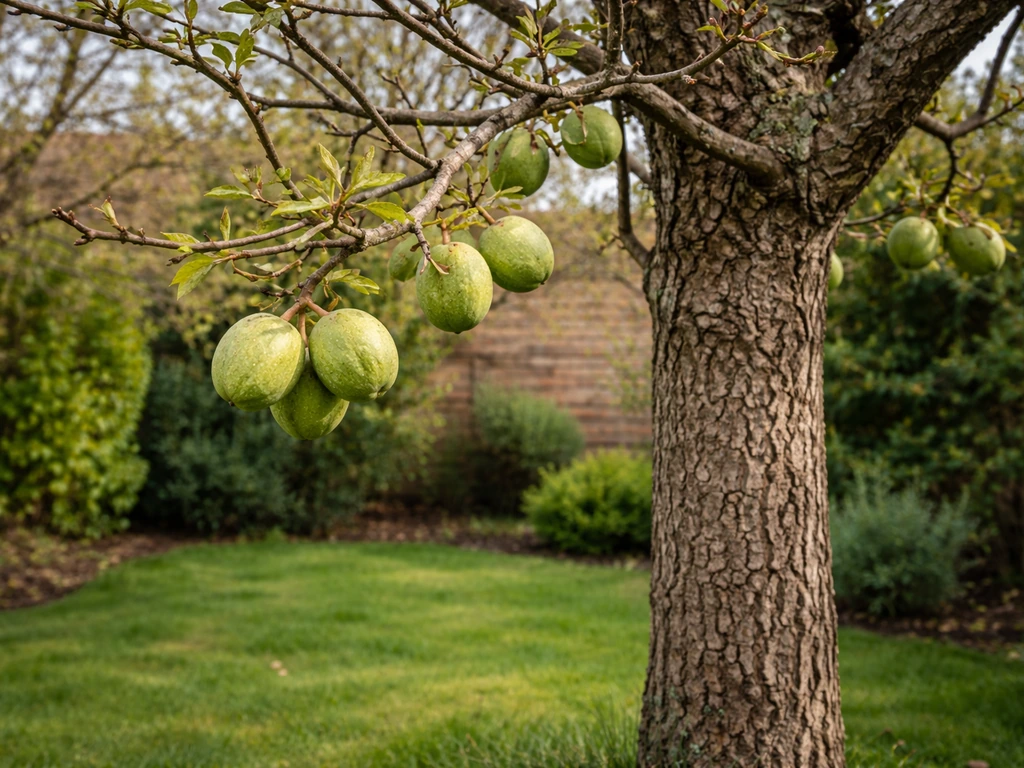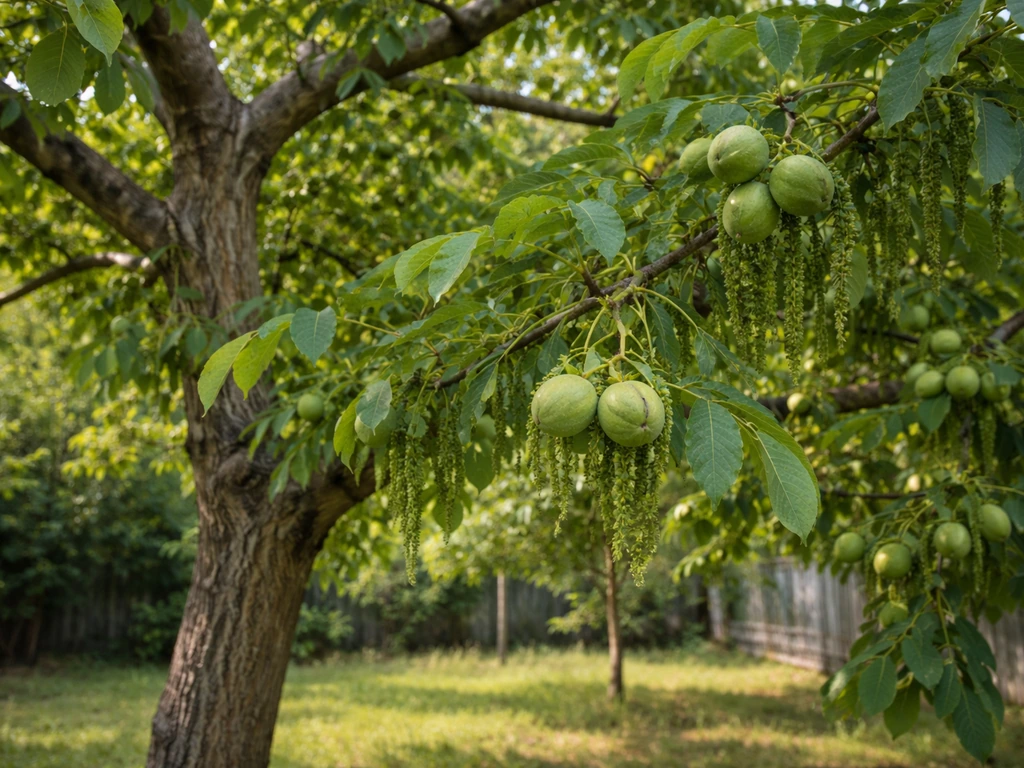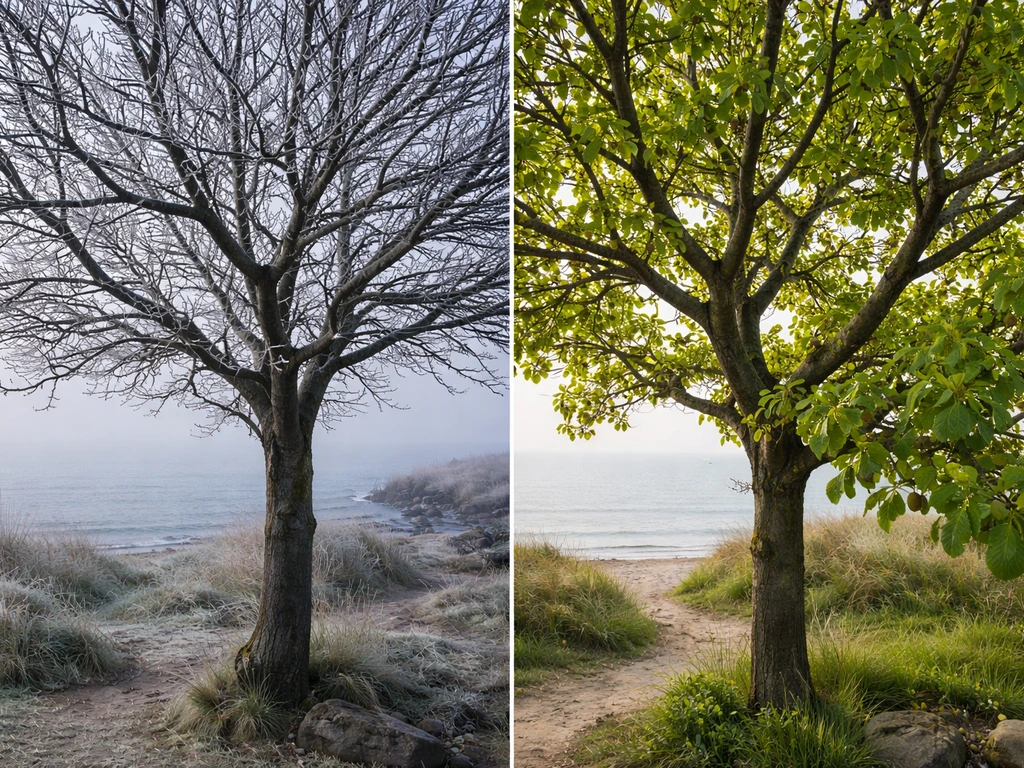
Black walnut (Juglans nigra) grows naturally across a broad sweep of the eastern and central United States, from southern New England and the Great Lakes south to northwestern Florida and central Texas. If you're trying to figure out whether it will grow in your yard, the short answer is: it probably can, as long as you're in USDA Zones 4 through 9, you have deep well-drained soil, and you're not in a perpetually wet or bone-dry location. The longer answer involves a handful of site conditions that really do determine whether your tree thrives or just survives.
Where Does Black Walnut Trees Grow Best in North America
Marcus Hendricks
7 Apr 2026
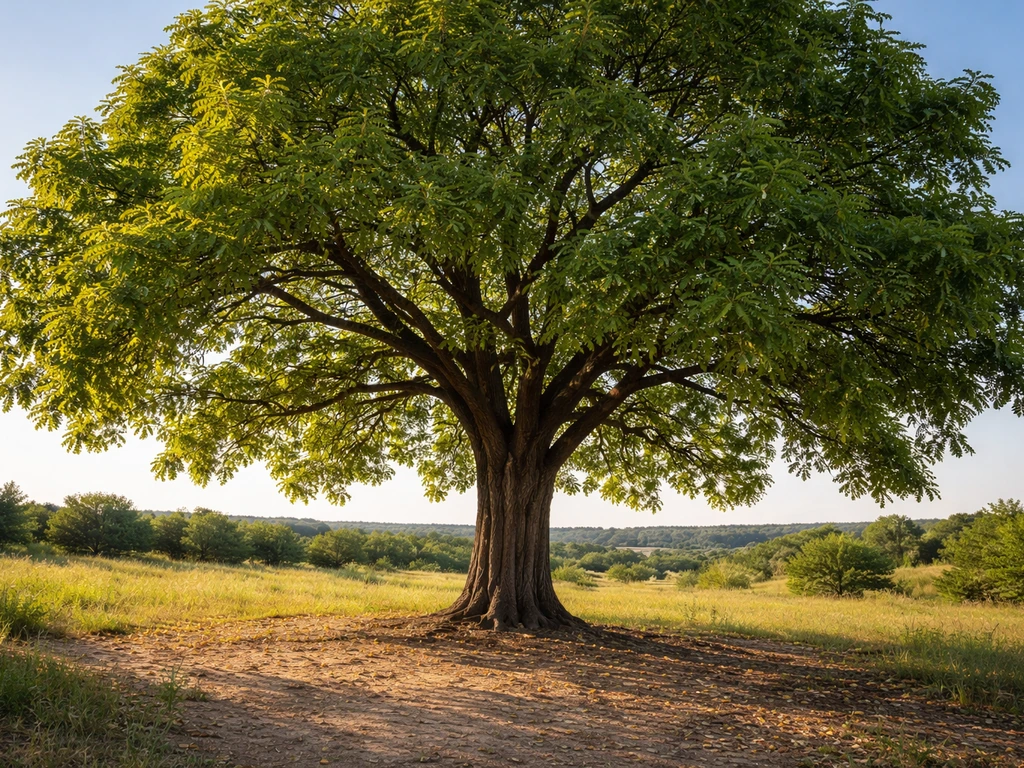
Where black walnut grows naturally in North America
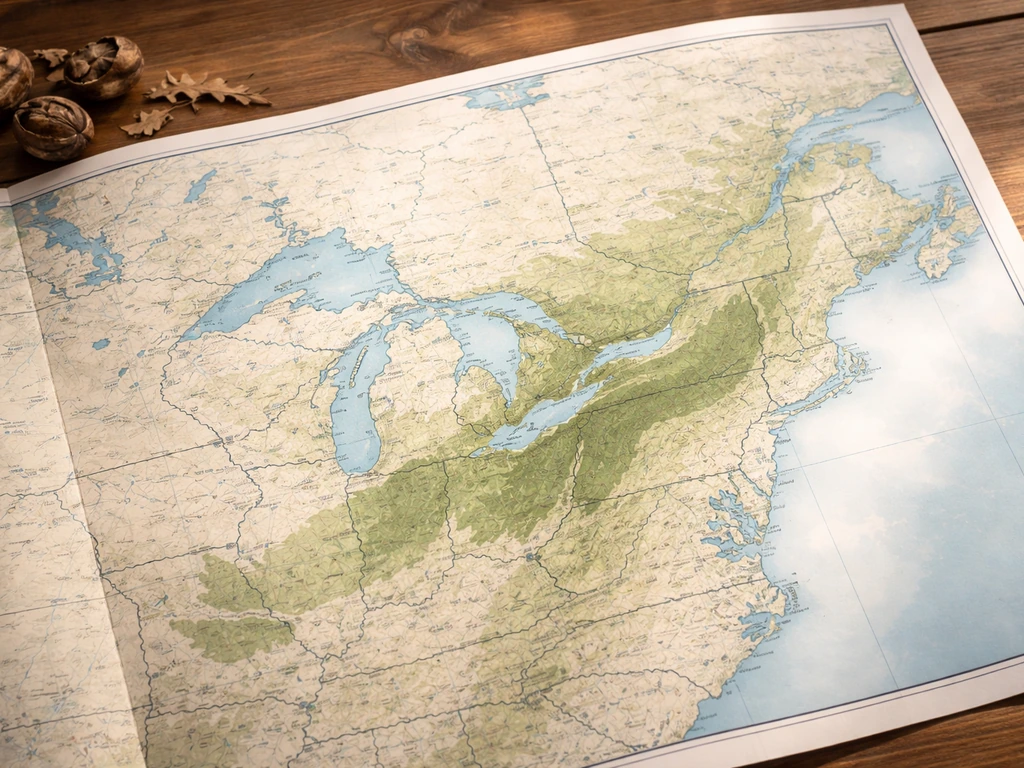
The native range is large but not unlimited. According to the USDA Forest Service, it spans from western Vermont and Massachusetts west through New York to southern Ontario, central Michigan, southern Minnesota, eastern South Dakota, and northeastern Nebraska. Moving south, the range sweeps down to western Oklahoma and central Texas. On the eastern side, it reaches northwestern Florida and Georgia, though it largely skips the Mississippi River Valley and Delta lowlands.
That's a meaningful detail: black walnut doesn't just grow everywhere in the East. It avoids persistently wet lowland zones, particularly the alluvial floodplains of the lower Mississippi. You'll also find isolated naturalized populations in parts of Vermont, western Massachusetts, and northwestern Connecticut, though these are near the edge of what the species can reliably handle in terms of cold and growing-season length.
In Canada, the range just barely touches southern Ontario. That's roughly the northern ceiling. Push further north and you're running into winter temperatures and shortened growing seasons that start to work against the tree, even if individual winters might be survivable.
Climate requirements: zones, temperature, rainfall, and growing season
The Morton Arboretum puts the hardiness window at USDA Zones 4 through 9, which is a pretty wide range. Within the native range, the USDA Forest Service documents mean annual temperatures spanning from about 7°C (45°F) in the northern reaches to 19°C (67°F) in the south. Annual precipitation ranges from under 640 mm (25 inches) in northern Nebraska to over 1,780 mm (70 inches) in the Appalachians of Tennessee and North Carolina. The growing season runs from about 140 days in the north to 280 days in western Florida.
If you want to know the sweet spot, the Forest Service puts the optimum climate at an average annual temperature around 13°C (55°F), a frost-free season of at least 170 days, and at least 890 mm (35 inches) of annual rainfall. Agriculture Victoria, working with cultivated black walnut outside its native range, targets 1,000 mm or more of annual rainfall. That's the benchmark I'd use if you're evaluating a marginal site: 35 inches of rain is the floor, and 40 inches is where you start feeling comfortable.
Cold tolerance is worth addressing directly. Temperatures as low as -43°C (-45°F) have occurred within the native range, but the Forest Service notes that few genetic races can actually survive that extreme. This is a practical warning for Zone 4 growers: the species can survive Zone 4 winters in general, but a severe cold snap can still kill trees, especially young ones or those sourced from southern seed stock. If you're at the northern edge, look for locally sourced trees or those grown from northern-provenance seed.
What the soil needs to look like
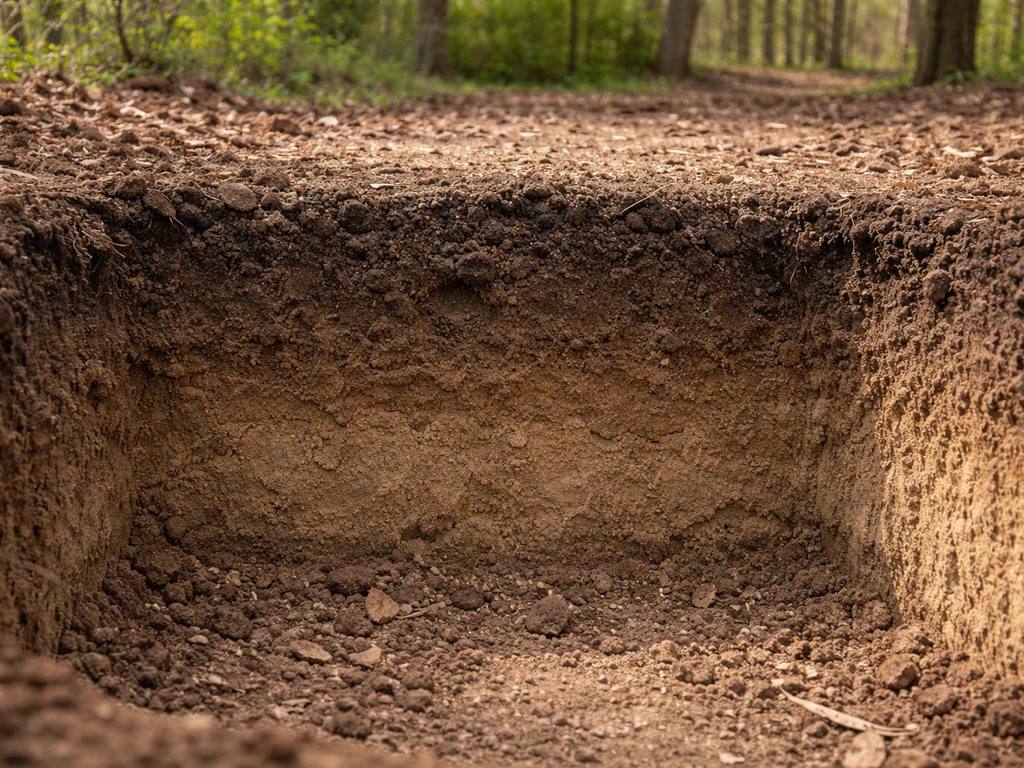
Black walnut is specific about soil in ways that matter a lot in practice. It develops best on deep, well-drained soils that are moist, fertile, and close to neutral in pH. Ideal textures are sandy loam, loam, or silt loam, though it also does well on silty clay loam. What it doesn't tolerate is poor internal drainage, heavy clay layers that block root penetration, or compacted subsoils with gravel near the surface.
The data here is pretty concrete. The Forest Service found that trees on well-drained soils with at least 76 cm (30 inches) to soil mottling were measurably larger than trees on imperfectly drained soils. Trees on deep soils with more than 102 cm (40 inches) to gravel or restrictive layers had greater height and trunk diameter than those in shallower conditions. Depth to any restrictive layer genuinely matters, not just as a technicality but because black walnut's root system needs to go deep to access moisture and nutrients during dry stretches.
Purdue Extension is even more direct: soils should be at least 36 inches deep, well-drained, and have good moisture-holding capacity. Target a pH of 6.5 to 7.2. If your soil tests below 7.0, add lime before planting. Fertile loams and sandy loams with high organic matter hit the sweet spot. Flooding is the other hard limit: if water covers the tops of young trees for more than two days during the growing season, the trees usually die. Keep that in mind if you're eyeing a low spot in the yard.
Sunlight, spacing, and the right site conditions
Black walnut is shade intolerant. That's not negotiable. In forest settings, it has to be dominant or codominant to survive. In a yard setting, this means you want a location with full, unobstructed sun. Purdue Extension states flatly that it requires full sunlight and cannot stand much competition. Planting it in partial shade or near large trees that will eventually shade it out is a recipe for a slow, struggling tree.
Aspect matters too. In its native range, black walnut reaches its greatest size along streams and on the lower portions of north- or east-facing slopes. These positions capture more moisture and moderate temperature extremes. If you have a choice of slope position in a drier part of the range, a lower north- or east-facing slope is worth prioritizing over a south-facing ridge.
For spacing, Purdue recommends managing for roughly 50 to 75 trees per acre on good sites when growing for timber, which works out to about 25 to 30 feet between trees. For a backyard setting where you're growing one or a few trees, give each tree at least 30 feet of clearance from structures and other large trees. That's both a competition issue and a practical consideration given the allelopathic root zone the tree produces.
Juglone, the chemical black walnut produces in its roots, hulls, and leaves, is toxic to a surprisingly wide range of plants. Wisconsin Horticulture (University of Wisconsin, Madison Extension) explains that because black walnut produces juglone, toxicity symptoms can appear rapidly, even within a few days after sensitive species are transplanted into the root zone blank" rel="noopener noreferrer">symptoms may appear rapidly even within a few days. Tomatoes are especially susceptible, as are apples, paper birch, red pine, white pine, and Scotch pine. Penn State Extension recommends keeping sensitive plants at least 50 to 60 feet from a mature black walnut to move them outside the root zone. If you're planning a garden near the tree, it's worth reading up on what plants grow under black walnut trees before you put anything in the ground, because the list of things that won't survive there is longer than most people expect.
Growing black walnut outside the native range
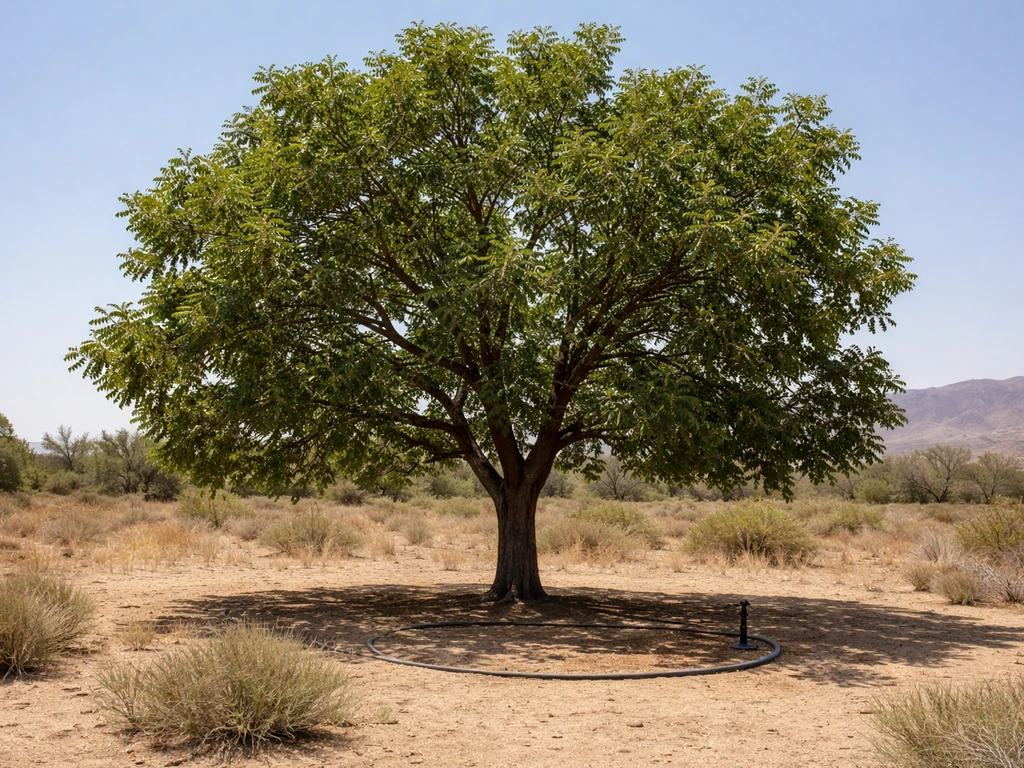
The hardiness range of Zones 4 through 9 means black walnut can theoretically be grown well outside its native footprint, including parts of the Pacific Northwest, the Mountain West at lower elevations, and even some transitional areas in the southern Plains. The catch is always the same: you need enough rainfall, the right soil depth and drainage, and a long enough frost-free season.
In drier climates west of the 100th meridian, rainfall is often the binding constraint. If you're below 35 inches of annual precipitation, you'll need irrigation to compensate, and you need to be honest with yourself about whether that's sustainable. Drip irrigation on deep loamy soils can work, but it won't fix a heavy clay or shallow hardpan situation. The tree's ability to draw moisture from deeper layers during dry periods is one of its key drought-coping mechanisms, and it only works when those deep layers exist and are accessible.
The Pacific Northwest is interesting. Rainfall is often adequate in western Oregon and Washington, but summers are drier than the species evolved with. Some growers have had success there, but the results are inconsistent. In the upper Midwest and northern Plains, the growing season length becomes the limit before winter cold does. A 140-day frost-free season is about the minimum for reasonable growth, and if you're below that, the tree will survive but not thrive.
One companion planting issue that often surprises growers outside the native range: even if the tree does well, the juglone zone can complicate your entire landscape plan. If you're wondering whether specific plants like hostas will grow under black walnut trees or whether ferns will grow under black walnut trees, those are worth researching before you commit to a planting location, since the answers affect how you design the space around the tree for years to come.
Comparing site types: where black walnut will and won't do well
| Site Type | Expected Performance | Main Limiting Factor |
|---|---|---|
| Deep loam, well-drained, Zone 5–7, 35+ in rainfall | Excellent | None significant |
| Sandy loam, good drainage, Zone 5–8, 35+ in rainfall | Good to excellent | May need attention during drought |
| Silty clay loam, well-drained, Zone 5–7 | Good | Monitor for compaction over time |
| Heavy clay with slow drainage, any zone | Poor | Root suffocation, waterlogging |
| Shallow soil over gravel (<30 in depth), any zone | Poor to fair | Restricted root depth limits growth |
| Low-lying area prone to seasonal flooding | Poor (lethal if flooded >2 days in growing season) | Flooding kills young trees |
| Sandy, droughty ridge or dry slope | Slow, stunted | Moisture stress |
| Zone 4 northern edge, short growing season | Marginal, cold-snap risk | Winter kill on young trees, short season |
| Zone 9, adequate rainfall/irrigation | Good if drainage is right | Heat tolerance is adequate; drainage is the concern |
The recommendation is straightforward: prioritize deep loamy soils with good drainage over any other variable. Zone and rainfall are important, but a perfect Zone 6 location on shallow clay will underperform a slightly less ideal Zone 5 location on deep, well-drained loam every time.
Picking the right spot in your yard: a practical checklist
Before you plant, work through these site evaluation steps. They're not bureaucratic box-checking; each one connects to a real failure mode I've described above.
- Confirm your USDA hardiness zone is between 4 and 9. If you're in Zone 4, source trees from northern seed stock to reduce cold-kill risk.
- Check your average annual rainfall. If you're below 35 inches, plan for supplemental irrigation and honestly assess whether your soil depth can support deep-root moisture buffering.
- Dig a test hole at least 36 inches deep in your proposed planting spot. If you hit heavy clay, gravel, or mottled soil before 30 inches, pick a different location or plan to improve drainage.
- Test your soil pH. Target 6.5 to 7.2. If you're below that, apply lime before planting and retest.
- Evaluate sunlight. The spot needs full sun all day. Partial shade from a building or neighboring trees will stunt the tree over time.
- Check for drainage by filling your test hole with water and watching how fast it drains. If water sits for more than a few hours, drainage is inadequate.
- Look at the low-lying areas in your yard. If your candidate site floods seasonally, move the tree to higher ground. Water over the tops of young trees for more than two days during the growing season is usually fatal.
- Measure the distance to your vegetable garden, orchard, and sensitive ornamentals. Keep sensitive plants at least 50 to 60 feet from where the mature tree's root zone will reach.
- Consider slope and aspect. If you're in a drier part of the range, favor a lower slope position with north or east exposure over a dry south-facing ridge.
- Think about what you want to grow nearby. Understanding what can grow near black walnut trees will help you plan your broader landscape before the tree is in the ground, not after it's too late to rearrange things.
A note on trees you plant nearby
If you're thinking about planting other trees in the same area, some species handle the juglone zone much better than others. For example, if you're wondering whether spruce trees will grow near black walnut trees, it's a question worth settling before you invest in both. Some conifers and hardwoods coexist fine; others show toxicity symptoms and decline over time.
What to do next
If your site checks out on zone, rainfall, soil depth, drainage, and sunlight, you're in good shape. The tree is not fussy beyond those core requirements. Get a soil test done now so you have time to lime if needed before planting. Choose a tree sourced from a provenance close to your location, especially if you're in the northern part of the range. And plan your surrounding landscape before the tree goes in, because redesigning around a juglone zone after the fact is frustrating and expensive. Black walnut is a genuinely rewarding tree, but it rewards people who do their site homework upfront.
FAQ
If I’m in USDA Zone 6, will black walnut definitely grow in my yard?
Not always. The tree can survive in many USDA Zone 4 to 9 locations, but it fails or stays stunted when the site has poor internal drainage, shallow depth to gravel/hardpan, or recurring flooding during the growing season. If your yard has a low spot or seasonal wetness, prioritize raised planting or choose a different location rather than relying on zone alone.
Can irrigation make black walnut work in a drier climate (below 35 inches of annual rainfall)?
For marginal rainfall areas, the key is whether you can reliably keep the soil moist during the first several years. Deep loamy soils with drip irrigation can help, but irrigation cannot compensate for shallow soils or restrictive layers, because mature walnut depends on reaching deeper moisture. Before planting, dig a test hole and confirm you have enough depth beyond any hard layer.
What should I look for when buying black walnut trees for the northern part of the range?
Choose seedlings from local or northern seed sources if you’re near the cold edge of the range. Young trees are especially vulnerable during extreme cold snaps, and seed stock from farther south can have lower survival during rare events even if it technically fits the zone.
Can I plant black walnut in a yard where it gets full sun now but may be shaded later?
Yes, but it can be a long wait. Because black walnut is shade intolerant, it needs full, unobstructed sun to grow well. If you plant near existing trees, assume the walnut will be shaded within a few years and plan a clear site now, not just a sunny spot today.
If the tree is healthy, will juglone still kill nearby plants?
Allelopathy is usually the bigger day-to-day landscaping issue than juglone “odor” or leaf fall. Root zones and leaking hulls can affect sensitive plants, so even if above-ground growth looks fine, nearby tomatoes and apples can decline. Maintain spacing based on the mature root zone, and keep high-sensitivity crops away.
Which common garden crops are most likely to fail near a black walnut tree?
Yes, but it’s easy to get wrong because many common garden plants are sensitive. Avoid planting tomatoes, apples, and several pines close to a mature black walnut, and assume ornamentals can vary in tolerance. When in doubt, place sensitive plants farther away or choose more tolerant species and observe for a full growing season.
Why do black walnut trees sometimes struggle in the Pacific Northwest or Mountain West even when rainfall seems adequate?
Black walnut can sometimes establish where winters are mild but summers are dry, yet results are inconsistent when heat stress and low moisture combine. The best screening step is checking your frost-free days and then evaluating soil depth and moisture-holding capacity, since drought tolerance depends on roots reaching deep layers.
Do soil tests (pH and nutrients) guarantee black walnut will thrive?
A soil test helps with pH and fertility, but it does not replace physical checks for depth and drainage. If you have a compacted layer, shallow gravel, or mottling within the top few feet, growth will lag even at the “right” pH. Combine laboratory testing with a shovel-and-probe inspection before you commit.
How much space do I need around a black walnut if I’m only planting one tree?
Spacing depends on your goal. For timber-style spacing, the article’s yard-spacing logic still applies because competition and access to sunlight matter. If you have buildings and other trees nearby, planning for at least about 30 feet of clearance reduces both shade pressure and juglone-root competition.
What’s the practical best way to plan a garden around a young black walnut so I don’t have to redo everything later?
Start by keeping sensitive plants out of the root zone radius, then design around it. Use more tolerant species for beds and groundcovers, and consider relocating annual vegetables that are juglone sensitive rather than trying to “treat” the soil. After the walnut is established, changing the landscape plan can be costly, so it’s smarter to map plant placements before planting the tree.