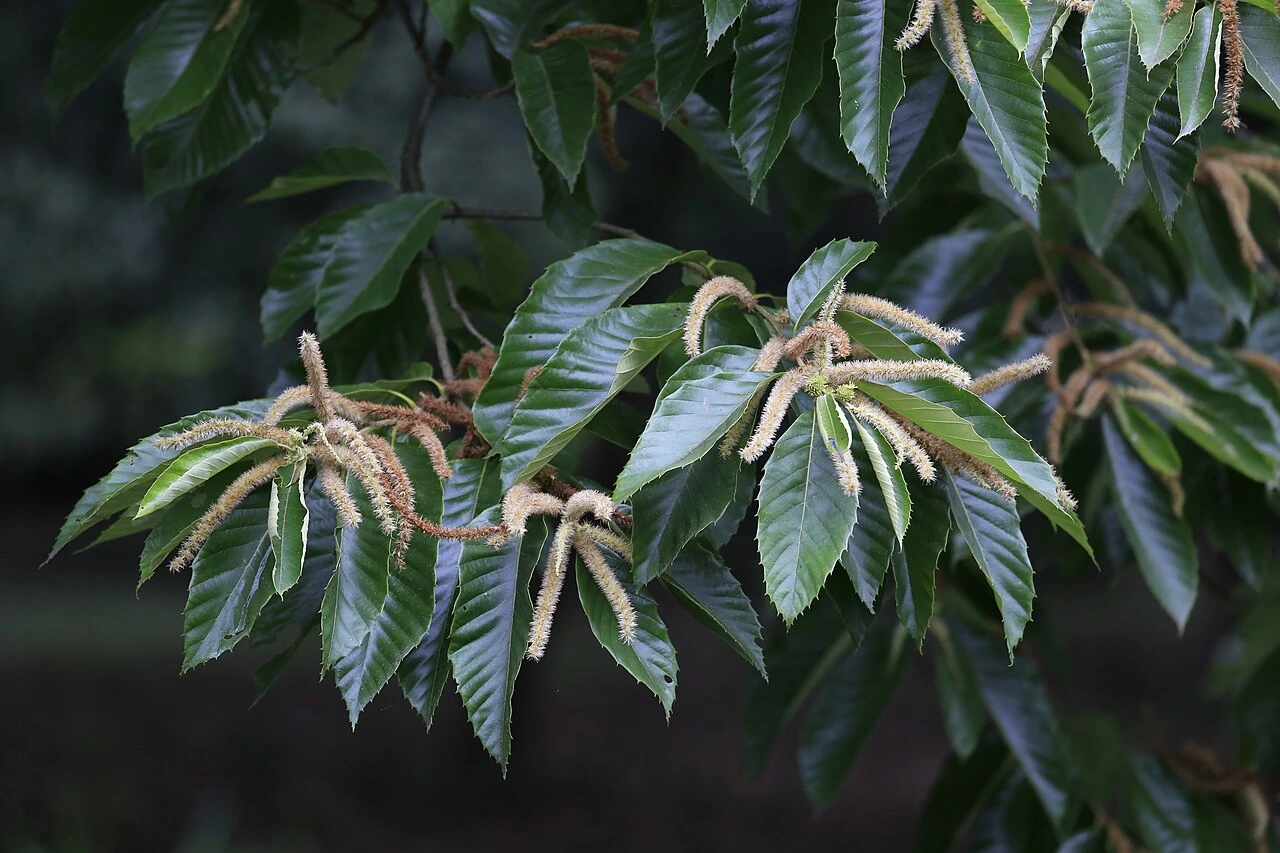
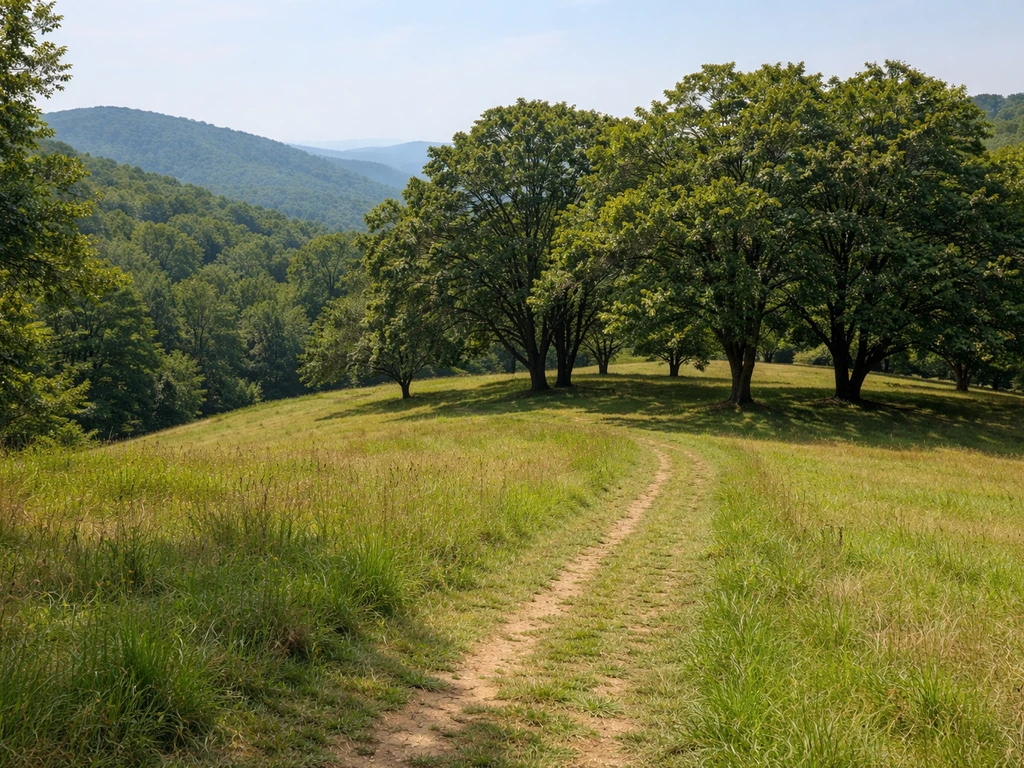
Yes, chestnut trees grow in Georgia, but the story depends entirely on which species you're talking about. Chinese chestnut (Castanea mollissima) is your most practical and productive choice anywhere in the state. American chestnut (Castanea dentata) once covered north Georgia's mountains and upper Piedmont as a dominant forest tree, but chestnut blight wiped that out over a century ago and any American chestnut you plant today faces the same threat. If you want chestnuts in your Georgia yard or orchard, Chinese chestnut or a blight-resistant hybrid is where you should put your energy.
Do Chestnut Trees Grow in Georgia? Types and Growing Tips
Marcus Hendricks
18 May 2026
Georgia and the native chestnut range
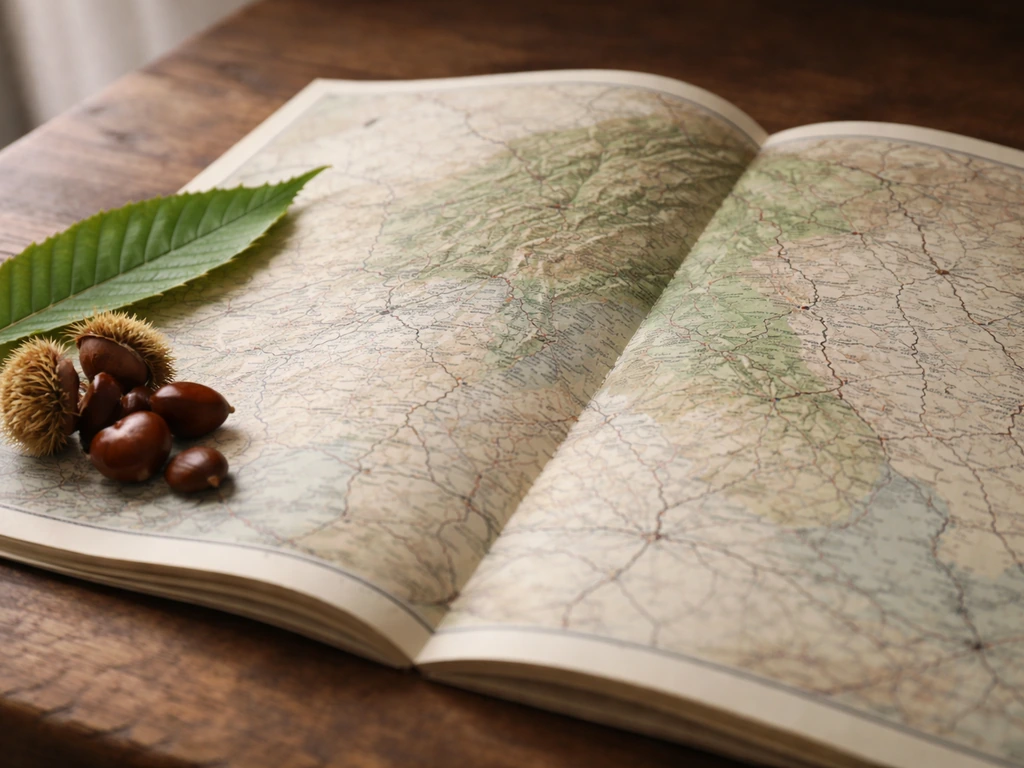
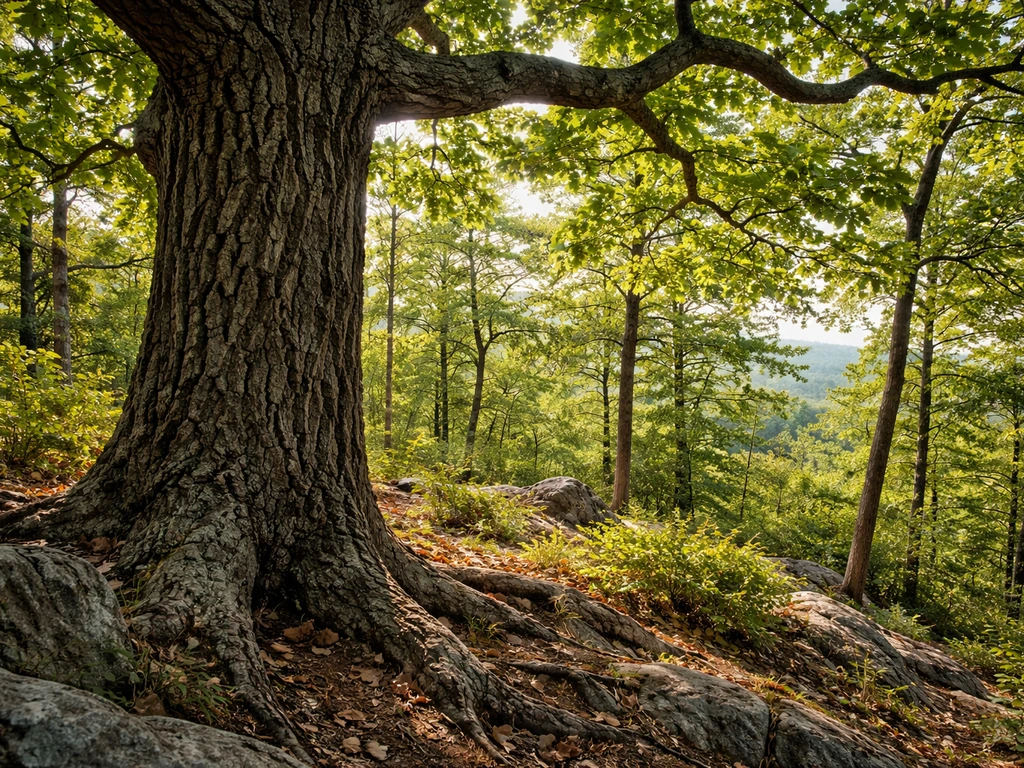
American chestnut's original native range did include Georgia, specifically the north Georgia mountains and the upper Piedmont. Before 1900, it was one of the most prevalent trees across eastern U.S. forests. Then chestnut blight arrived. The fungus Cryphonectria parasitica swept through American chestnut populations with devastating speed, and today the species is considered almost extinct in the wild. In Georgia, any American chestnut that sprouts from old root systems rarely makes it past 30 feet before blight kills it back, and most never produce a single nut before that happens. The roots themselves can persist and keep sending up new sprouts, but the above-ground tree almost never reaches maturity.
Chinese chestnut, by contrast, was introduced from Asia and brought blight resistance with it. It's now the chestnut species UGA Cooperative Extension explicitly identifies as present in Georgia and viable for cultivation. Japanese, Korean, European, and chinkapin (Castanea pumila, the native dwarf chestnut) are also occasionally seen in the state, but Chinese chestnut and its hybrids dominate both backyard plantings and any serious orchard efforts.
American chestnut vs. Chinese chestnut vs. hybrids: which one should you plant?
Let's be honest about what each option actually means for a Georgia grower today.
| Type | Blight Resistance | Nut Production in GA | Best Use Case |
|---|---|---|---|
| American chestnut (Castanea dentata) | None (susceptible) | Extremely unlikely; blight kills trees before bearing age | Conservation/restoration projects only |
| Chinese chestnut (Castanea mollissima) | High (naturally resistant) | Good; starts in 3 to 5 years | Home orchards, backyard production |
| American x Chinese hybrid (TACF improved) | Intermediate (improving with each backcross) | Variable; depends on generation and blight load | Breeding programs, conservation plantings, adventurous growers |
| Allegheny chinkapin (Castanea pumila) | Low (also affected by blight) | Small nuts; limited production | Native habitat plantings; not for commercial nut yield |
The American Chestnut Foundation (TACF) does offer improved hybrid seeds with intermediate blight resistance, and planting them supports ongoing restoration efforts. But if you want nuts on the table within a reasonable timeframe, Chinese chestnut is the clear answer. It was bred and selected for nut production, it tolerates the range of Georgia's climates, and it doesn't require the leap of faith that pure American chestnut planting demands.
Where in Georgia chestnuts grow best
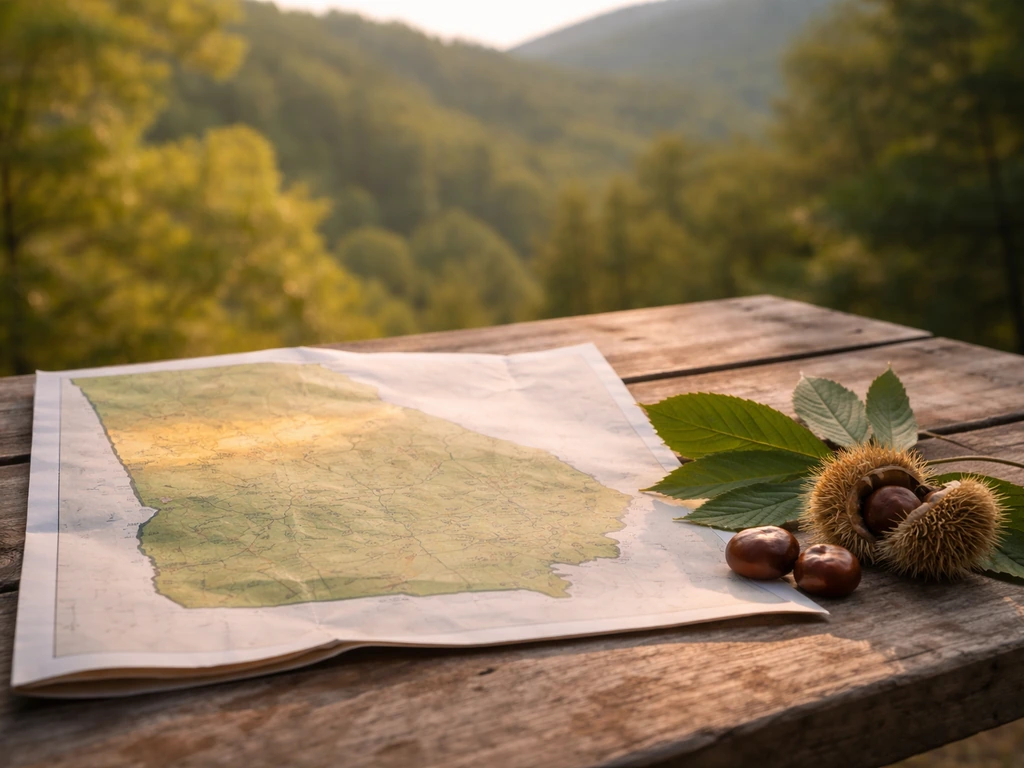
Georgia spans USDA hardiness zones 7a through 9b. The north Georgia mountains and foothills sit in zones 7a to 7b, the Piedmont runs through zones 7b to 8a, and the Coastal Plain and coastal fringe push into zones 8b to 9b. Chinese chestnut performs well in zones 5 through 8, which means it's a great fit for the mountains, foothills, and Piedmont. Once you get into the warmer Coastal Plain and especially near the coast, things get more complicated.
Chestnuts need a period of winter chilling hours to break dormancy and set flower buds, and the mild winters in southern Georgia's zone 9 areas reduce that chill accumulation enough to hurt nut production. This is a similar concern to what comes up when you look at growing chestnuts in Florida, where zone 9 and 10 conditions make them genuinely difficult.
The same issue shows up in Florida, where warm winters often reduce chilling hours and can limit or complicate nut production growing chestnuts in Florida.
The sweet spot for Georgia chestnut growing is the northern third of the state: the Blue Ridge, Ridge and Valley, and upper Piedmont. If you're in metro Atlanta or surrounding Piedmont counties, you're in a workable zone. South Georgia growers aren't completely out of options, but they should select Chinese chestnut cultivars with lower chill requirements and expect more variable yields. If you're wondering will chestnut trees grow in texas, the closest guidance is to look at how warm climates change chilling needs, since southern Georgia already struggles with lower winter chill.
Site requirements: sun, soil, and drainage
Chestnuts are not forgiving about their basic site needs. Get these right before you plant anything.
Sun
Full sun is non-negotiable. TACF is explicit about this: chestnuts need full sun for vigorous growth and flower production. That means at least 6 to 8 hours of direct sun daily. Shade reduces growth rate, limits flowering, and cuts nut yield significantly. Don't try to squeeze a chestnut into a partially shaded corner of your property and expect much from it.
Soil pH
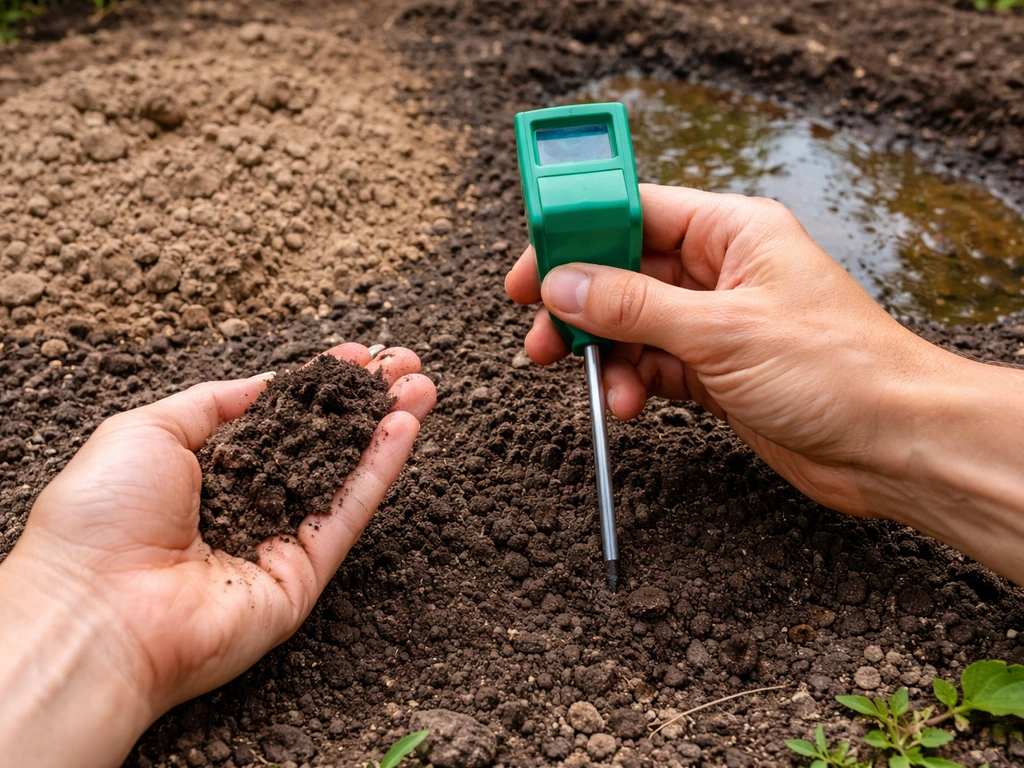
Chestnuts demand acidic soil. The target range is pH 4. 5 to 6. 5.
Soil pH above 7. 0 causes leaf chlorosis and stunted growth, and the tree will struggle even if everything else is right. MSU Extension also warns that soil pH above 7. 0 can cause leaf chlorosis and stunted growth, making chestnuts struggle even when other conditions are correct [soil pH above 7.
0 causes leaf chlorosis and stunted growth](https://www. canr. msu. edu/chestnuts/establishing_orchards/orchard-design-establishment).
Georgia's native soils, particularly the red clay soils of the Piedmont, tend to be naturally acidic, which actually works in your favor. Before planting, run a soil test through your local UGA Extension office. If your pH is in range, great. If not, sulfur amendments can bring it down, but this takes time, so test and adjust before you plant.
Drainage
Chestnuts are extremely sensitive to waterlogged roots. Do not plant in low spots, seasonal wet areas, or anywhere with a high water table. Well-drained, deep soil is the target. A gentle slope is ideal because it promotes drainage and air circulation, which also reduces disease pressure. Georgia's heavy clay soils in some Piedmont areas can hold water, so if you're working with those, consider raised beds or planting on a slope where natural drainage is better. Deep soil matters too: shallow soils restrict root development and reduce the tree's long-term stability and drought resilience.
How long until you get nuts, and what to expect
Chinese chestnut trees grown from seed typically start producing nuts in 3 to 5 years. Some sources put it at 4 to 5 years for seed-grown trees, and that's realistic for Georgia conditions with proper site and care. Grafted cultivars can bear sooner, sometimes in 2 to 3 years. Either way, chestnuts are not a crop you plant this spring and harvest this fall.
The other critical factor is pollination. Chestnuts are self-incompatible, meaning a single tree will not reliably set a good nut crop on its own. You need at least two trees for cross-pollination. This is a firm practical requirement, not a suggestion. If you have space for only one tree, talk to a neighbor about planting one on their property nearby. For a backyard orchard, two to three trees is the minimum, and planting different cultivars improves cross-pollination and nut set. Chestnuts are wind-pollinated and bloom in early summer in Georgia, so the trees need to be within reasonable distance of each other (within a few hundred feet is ideal).
Realistic yield expectations: a mature Chinese chestnut in good conditions can produce tens of pounds of nuts per season once fully established. Don't expect maximum yields for the first several years; trees build up gradually. The nuts drop in their burrs in fall, typically September through October in Georgia, and they need to be collected quickly before wildlife gets them.
Planting and care basics for Georgia
Starting from seed or seedlings
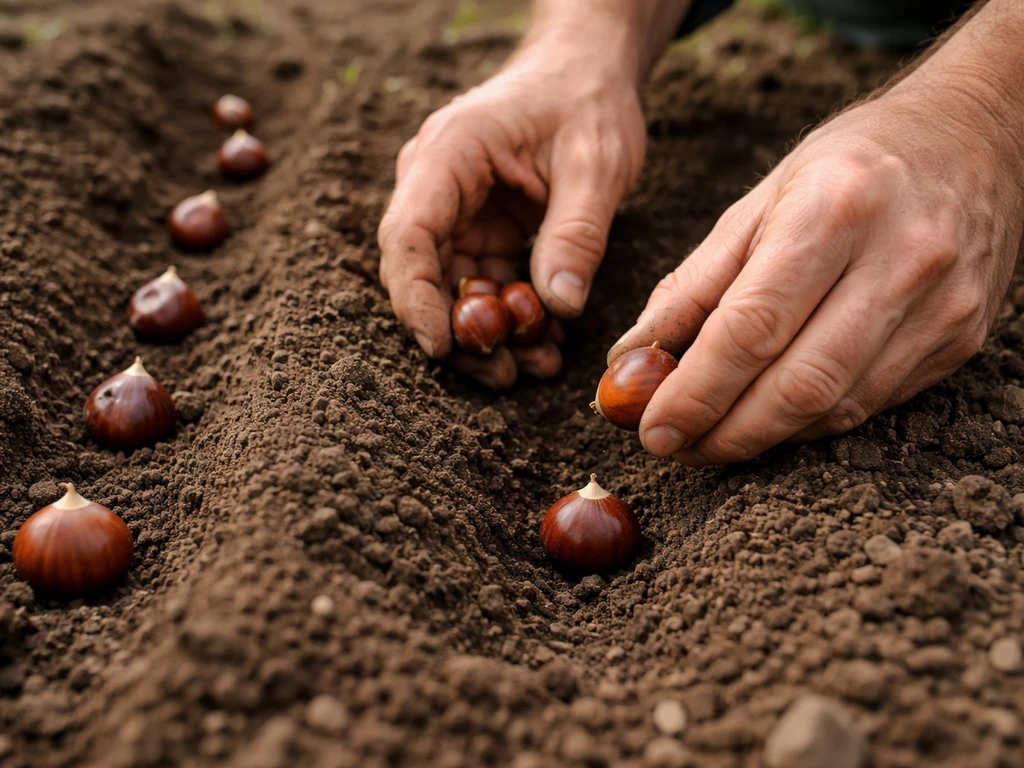
You can start Chinese chestnut from seed (fresh nuts planted in fall) or purchase nursery seedlings. If planting nuts directly, don't bury them deeper than about one inch. Shallow planting is important: going too deep delays or prevents germination. Seedlings from a reputable nursery give you a head start and often have more reliable cultivar characteristics for nut production. Either way, protect seeds and young seedlings from wildlife from day one.
Spacing
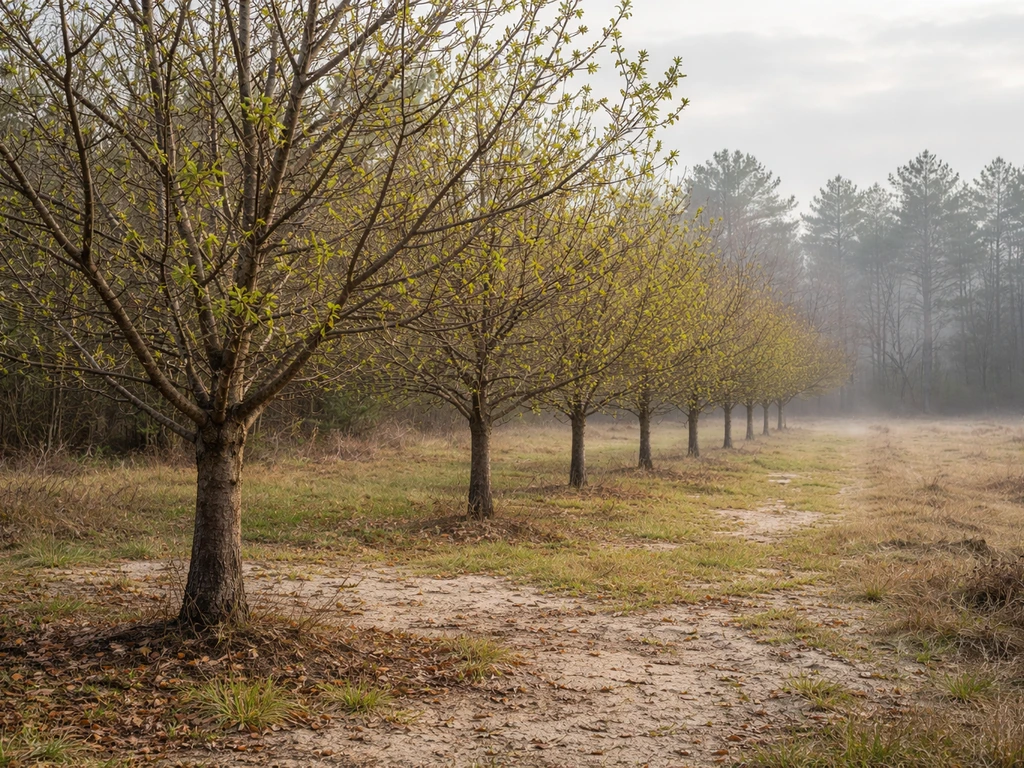
Chinese chestnut trees need room. For a home orchard setting, 20 to 30 feet between trees is a reasonable starting point. If you want to maximize production and canopy access for harvesting, give them even more space. Tight spacing creates competition for light and increases humidity around the canopy, which worsens fungal disease pressure.
Mulching and establishment
Mulch around the base of each tree with wood chips or shredded bark, keeping mulch a few inches away from the trunk to prevent moisture buildup and rot. A 3 to 4 inch layer out to the drip line suppresses weeds, retains moisture during Georgia's summer dry spells, and moderates soil temperature. Weed competition during the first two to three years is one of the biggest reasons young chestnut trees fail to establish quickly, so stay on top of it.
Fertilizing
Follow your soil test results. An acid-loving fertilizer blend is appropriate in most Georgia soils. Avoid over-fertilizing with nitrogen, especially in the first year, as it can push excessive vegetative growth at the expense of root establishment. Once trees are a few years old and beginning to flower, a balanced approach based on actual soil needs will serve you better than a rigid annual schedule.
Tree guards and protection
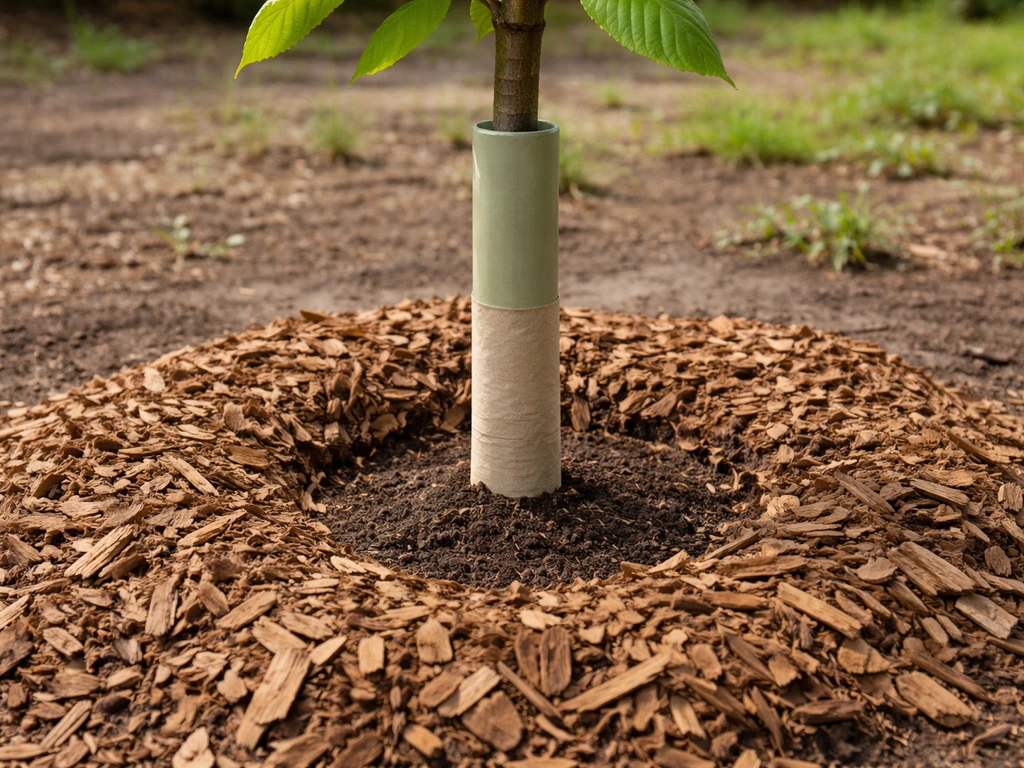
Young chestnut trees need physical protection from sunscald (especially on the south and southwest sides of the trunk) and from animal damage. Tree tube shelters or trunk wrap are worth using in the first couple of years. They also help with deer browse, which is a real problem across much of Georgia's rural and suburban landscape.
Threats and challenges you need to plan around
Chestnut blight
Chestnut blight (Cryphonectria parasitica) is the defining threat for anyone planting American chestnut in Georgia. It's still out there in the environment, and any pure American chestnut you plant will almost certainly encounter it. Chinese chestnut carries natural resistance and can survive blight infections without dying back to the root, which is exactly why it replaced American chestnut as the go-to species for nut production. If you're planting TACF hybrid material, understand that earlier-generation hybrids still have meaningful susceptibility. Blight risk is a real ongoing concern, not a historical footnote.
Asian chestnut gall wasp
This is a newer threat that Georgia growers need to know about. The Asian chestnut gall wasp (Dryocosmus kuriphilus) has been confirmed in Georgia. It attacks chestnut trees by laying eggs in buds, causing gall formations that reduce shoot growth and can cut nut production significantly in heavy infestations. Chinese chestnut has some tolerance but is not immune. Management options include removing galls before adults emerge in spring and using biological control agents where available. Keep an eye on your trees each spring for abnormal bud swellings.
Wildlife pressure
Georgia has healthy populations of deer, squirrels, and wild turkeys, and all of them love chestnuts. Deer will browse young seedlings and shoots aggressively. Squirrels and turkeys will beat you to the nuts at harvest if you're not watching. For seedlings, individual tree tube shelters or fencing is the most reliable protection. For mature tree nut harvest, collecting nuts promptly after they drop is the best strategy. Leaving fallen nuts on the ground for more than a day or two in a wildlife-dense area means losing them.
Other pests and disease
Beyond blight and gall wasp, chestnuts in Georgia can face root rot in poorly drained soils, leaf diseases in humid seasons, and occasional insect pressure. Most of these are manageable with proper site selection and good cultural practices. The single best thing you can do for long-term tree health is plant in a well-drained, full-sun site with the right soil pH from the start. Fixing a bad site after the tree is in the ground is much harder than choosing the right spot upfront.
Your next steps if you want to grow chestnuts in Georgia
- Get a soil test: Contact your county UGA Extension office for a soil test kit. You need to know your pH and basic nutrient levels before selecting a site or planting anything.
- Choose your species: For reliable nut production, go with Chinese chestnut or a named Chinese chestnut cultivar suited to your zone. If you're in zones 7 to 8 (north Georgia through the Piedmont), you have the widest selection. For south Georgia, ask specifically about lower-chill-hour cultivars.
- Pick the right site: Full sun, well-drained soil, pH between 4.5 and 6.5. Walk your property and identify where these conditions exist before committing to a spot.
- Plan for at least two trees: Cross-pollination is essential for nut production. Identify where both trees will go and confirm both sites meet your sun and drainage requirements.
- Source quality plant material: Look for reputable regional nurseries that sell Chinese chestnut cultivars appropriate for the Southeast. If you're interested in restoration planting, contact TACF directly about their improved hybrid seed programs.
- Protect from day one: Have tree tubes or fencing ready before you plant. Deer and other wildlife don't wait, and neither does competition from weeds.
- Watch for gall wasp: Inspect buds each spring for gall formation and remove affected material early if you see it.
Georgia is genuinely good chestnut country, at least in the northern and central parts of the state. The climate, the soil acidity, and the growing season all line up well for Chinese chestnut. In Wisconsin, Chinese chestnut is also the most practical species to start with if you want the best chance of successful growth. It's not a low-maintenance crop and the threats are real, but growers who do their site homework and plant the right species have a solid shot at a productive harvest within five years. That's a realistic, achievable timeline for anyone willing to put in the early groundwork.
FAQ
If I live in southern Georgia (zone 9 area), can I still grow chestnuts successfully?
You may be able to, but plan for lower and more variable nut production because winter chilling is often insufficient. Choose Chinese chestnut cultivars that are advertised as lower-chill types, and expect you may need to experiment with a site that gets extra cold exposure (slight slope, good air drainage) rather than relying on a blanket recommendation for the whole South Georgia region.
Do I need two chestnut trees in Georgia even if I buy a grafted variety?
Yes. Chestnuts are self-incompatible, so a single tree, grafted or seed-grown, typically will not reliably produce nuts. If space is limited, place two compatible cultivars within a few hundred feet and ensure they bloom at overlapping times in early summer.
Can I plant just one American chestnut and hope for the best because it has blight resistance?
Not safely. Even if you obtain improved hybrid material, earlier-generation hybrids still have meaningful susceptibility to blight, and risk is high enough that you should treat the outcome as uncertain. In practice, if your goal is nuts rather than restoration or conservation planting, Chinese chestnut or proven blight-resistant hybrids are the better fit.
How close do the two chestnut trees need to be for pollination?
Keep them within a few hundred feet if possible, since chestnuts rely on wind pollination and bloom in early summer. Larger distances can still allow some cross-pollination, but nut set becomes less consistent, especially if weather is calm during bloom.
What should I do if my soil test shows pH is too high for chestnuts?
Wait and correct it before planting. If pH is above the acceptable range, you can lower it with sulfur amendments, but the process takes time, so start the adjustment early and retest after the recommended interval. Planting anyway in alkaline soil often leads to chronic leaf issues and stunted growth.
Will chestnuts tolerate heavy clay soil if I amend it?
Amendments help, but the biggest determinant is drainage. If water sits after rain or the planting area stays wet in winter, your risk of root rot rises, and amendments often cannot fully solve a high water table. Consider a raised bed or a downslope site where water moves away from the root zone.
How deep should I plant chestnut seed nuts in Georgia to get good germination?
Plant fresh nuts shallowly, about one inch deep or less. Deeper planting commonly delays or prevents emergence, especially in heavier Georgia soils that can stay cool and damp. If you plant in fall, keep seed and the germination zone protected from rodents.
How soon can I realistically expect my first harvest in Georgia?
Seed-grown Chinese chestnuts commonly begin nutting in about 3 to 5 years with good site conditions, while grafted cultivars can sometimes bear sooner (around 2 to 3 years). Even then, expect modest yields at first, then gradual increases as the tree matures and builds flowering capacity.
Do I need to collect chestnuts right away, or can I leave them to cure on the ground?
Collect promptly after they drop. In wildlife-heavy areas around Georgia, squirrels and turkeys can remove nuts quickly, and delayed collection also increases spoilage. A practical approach is to check daily during the September to October drop window.
How much space should I plan between chestnut trees in a backyard orchard?
Plan at least 20 to 30 feet between trees for workable canopy access and airflow. Closer spacing can create dense, humid canopies that increase fungal pressure and make harvesting harder, especially as trees fully develop.
What are the most common reasons young chestnut trees fail in Georgia?
Most failures trace back to four issues: too little sun, pH outside the acidic range, wet or poorly drained planting locations, and weed competition during the first couple of years. If you address those early (sun, drainage, soil test, and weed control), survival rates improve significantly.
Does mulch help chestnuts, and how close should it be to the trunk?
Mulch helps with weeds, moisture buffering, and soil temperature, but keep it a few inches away from the trunk to reduce moisture buildup and rot risk. A 3 to 4 inch layer out toward the drip line is usually the sweet spot for young trees.
What should I watch for in spring to detect Asian chestnut gall wasp?
Look for abnormal bud swellings and gall formations on shoots during the spring period. If you see galls, remove them before adults emerge when feasible, and consider biological control options where available. Monitoring in spring matters because damage begins with bud development.