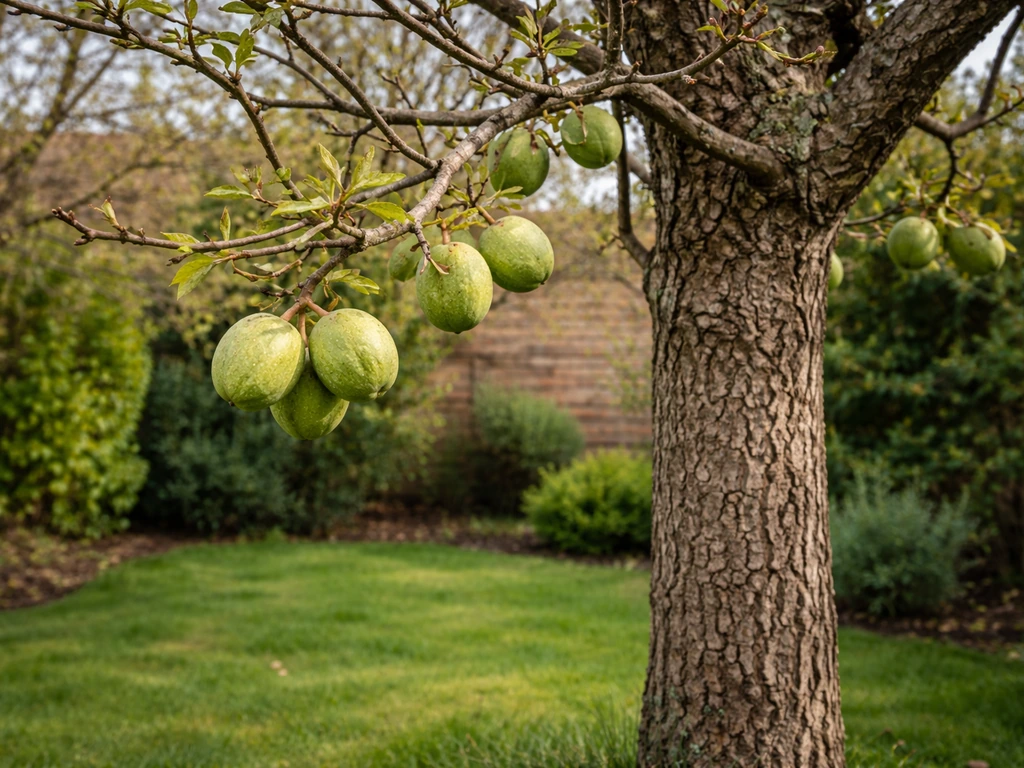
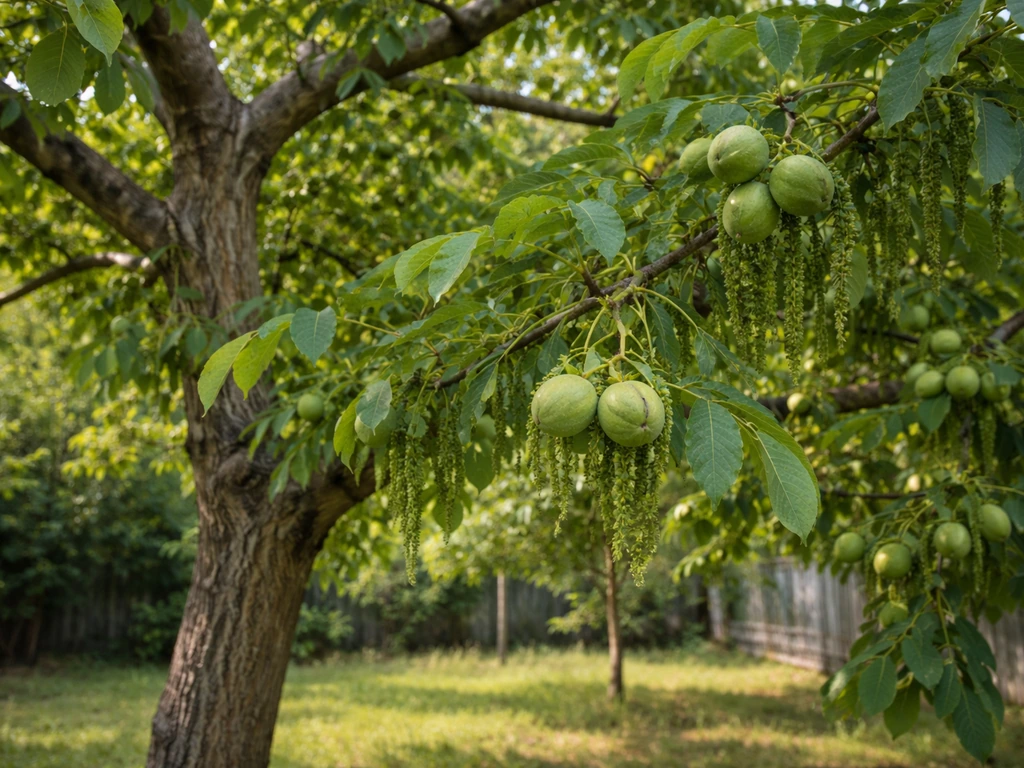
Can chestnut trees actually grow in Florida?
Yes, chestnut trees can grow in Florida, but the honest answer is: not everywhere in the state, and not without some careful planning. North Florida, from Orlando northward through the Panhandle, is the realistic target zone. UF/IFAS has documented chestnut plantings in that region growing for more than 40 years, and the agency explicitly notes that chestnuts can do well throughout the same Florida areas already used for pecan production. Once you move south of Orlando, the combination of insufficient winter chill and year-round subtropical heat starts working against you in a serious way.
The short version: if you're in Tallahassee, Gainesville, Pensacola, or anywhere in the Panhandle, you have a genuine shot at growing chestnuts and potentially harvesting a crop. If you're in Tampa, Orlando (on the southern edge), or anywhere further south, the odds drop sharply, and no amount of site prep fully compensates for inadequate winter chill.
Which chestnut species and cultivars are realistic for Florida
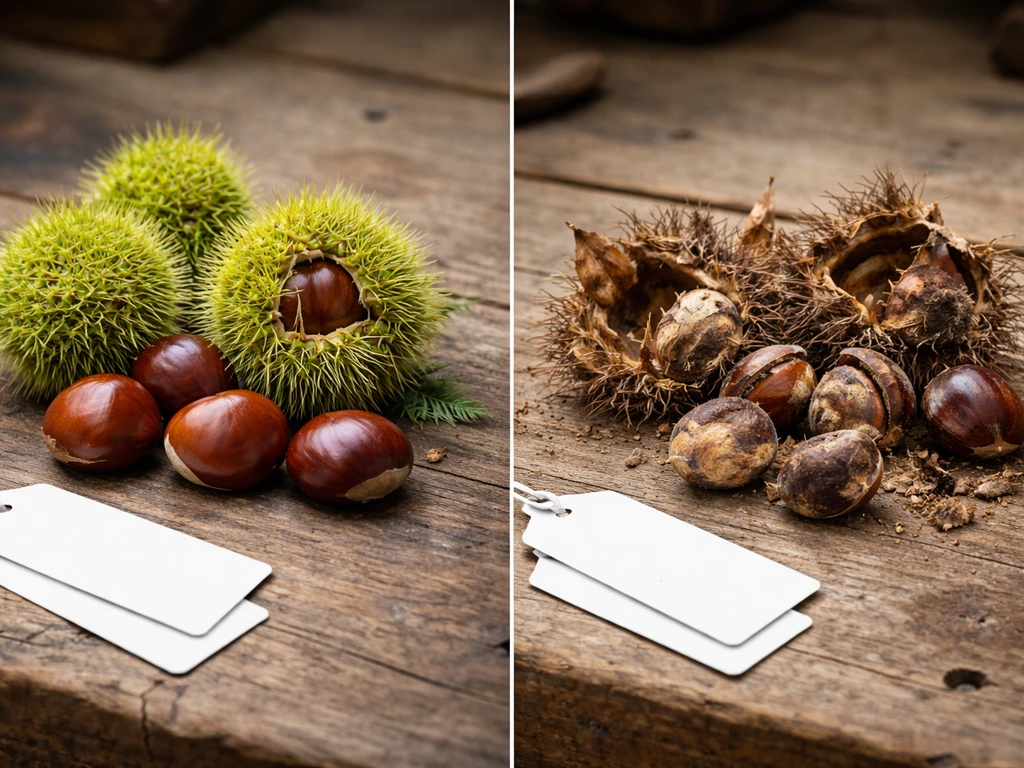
This is where most Florida growers go wrong: they pick the wrong species. American chestnut (Castanea dentata) looks appealing because it's native to the eastern US, but it carries a high susceptibility to chestnut blight, and its chill hour requirements (roughly 500 to 1,000 hours) are too high for most of Florida. European chestnut (Castanea sativa) has similar blight vulnerability and doesn't love Florida's humidity. Chinese chestnut (Castanea mollissima) is the most practical starting point for Florida because it has better heat tolerance, reasonable blight resistance, and lower chill hour needs in the 400 to 700 hour range.
Hybrid cultivars are worth serious attention too. The 'Colossal' chestnut, a Castanea sativa x crenata cross, is often discussed for warm-climate regions and lists chill hour requirements around 300 to 500 hours, which is the most Florida-friendly range you'll find for a commercially productive chestnut. However, Colossal is pollen sterile, meaning it cannot fertilize itself or serve as a pollen source for others, so you must plant it alongside compatible pollinizers like Precoce Migoule, Okei, Nevada, or Silverleaf. Colossal does best in warm-summer climates, which suits North Florida well, and it typically drops nuts in September to October depending on location.
One important rule that applies to every species choice in Florida: only plant blight-resistant varieties. Chestnut blight caused by Cryphonectria parasitica can devastate susceptible trees, but UF/IFAS notes the threat is largely eliminated when you stick with blight-resistant selections. This rules out pure American and European chestnuts for practical purposes and points you firmly toward Chinese chestnut and tested hybrids.
| Species / Cultivar | Chill Hours Needed | Blight Resistance | Florida Suitability |
|---|
| American chestnut | 500–1,000 hrs | Low (susceptible) | Poor — blight risk and high chill requirement |
| European chestnut | 400–700 hrs | Low (susceptible) | Poor — humidity intolerance and blight risk |
| Chinese chestnut | 400–700 hrs | Good | Fair to Good — best suited to North Florida |
| Colossal (hybrid) | 300–500 hrs | Good | Good — lowest chill requirement, productive in warm climates |
Florida's climate, chill hours, and what your site actually needs
Chill hours are the make-or-break factor for chestnuts in Florida. Chill hours measure the cumulative time a tree spends in cold temperatures (typically below 45°F) during winter dormancy. Without enough of them, a chestnut tree won't break dormancy properly, won't flower reliably, and won't produce nuts. North Florida's Panhandle typically accumulates 400 to 600 chill hours in an average winter, which puts Chinese chestnut and Colossal hybrids comfortably in range. The area around Gainesville and Ocala is right on the edge, and south of Orlando you're looking at 200 hours or fewer on most years, which is simply not enough.
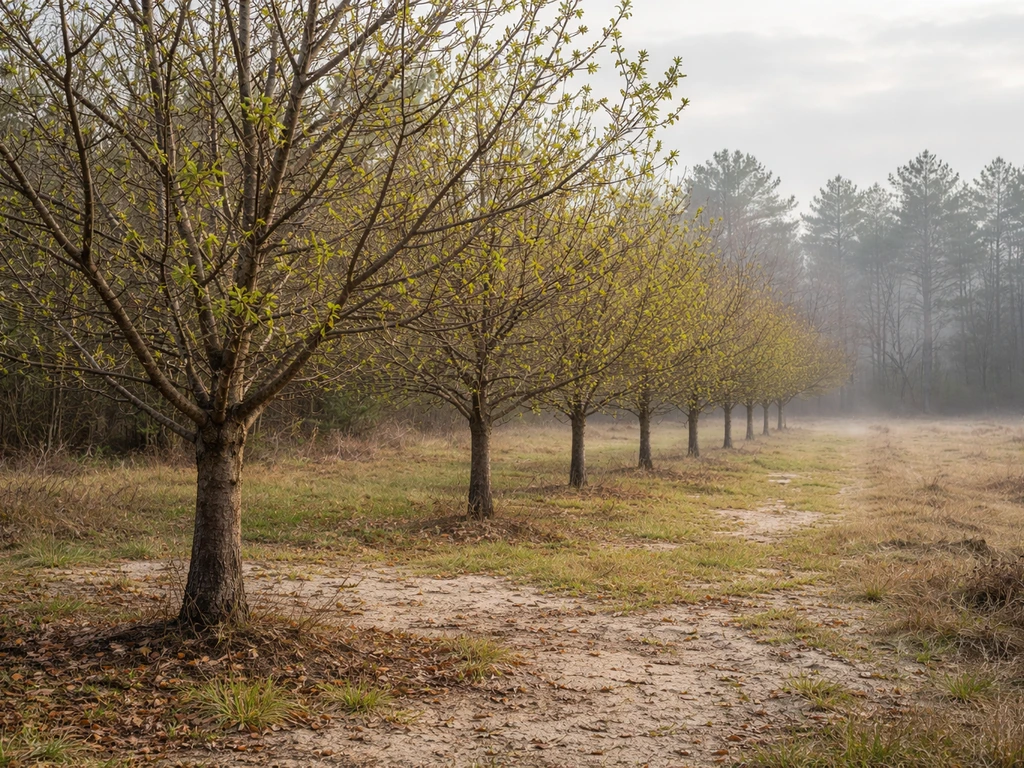
Beyond chill hours, UF/IFAS is clear about what Florida chestnut sites need. The ideal is a warm and relatively long growing season paired with a mild winter, which North Florida delivers. What you want to avoid are low-lying frost pockets: late spring frosts can damage new growing shoots and set back nut production for that year. Position your trees on slightly elevated ground or slopes where cold air drains away rather than settles.
Soil requirements are non-negotiable. Chestnuts need well-drained upland sandy loam with a pH between 5.0 and 6.5. Florida's native sandy soils can actually be an asset here if they're elevated enough to stay dry, but the trees absolutely cannot tolerate standing water or periodic flooding. Ink disease (Phytophthora) on chestnuts is driven by a Phytophthora organism and is worse where soil conditions favor the pathogen, making well-drained sites especially important ink disease (Phytophthora) is associated with soil conditions that favor the pathogen. Wet feet invite ink disease, which I'll cover in the pest section. If you're in doubt about whether a spot drains well enough, dig a hole about 12 inches deep after a heavy rain and check whether water is still sitting there 24 hours later. If it is, find a different spot.
Planting and getting your trees established
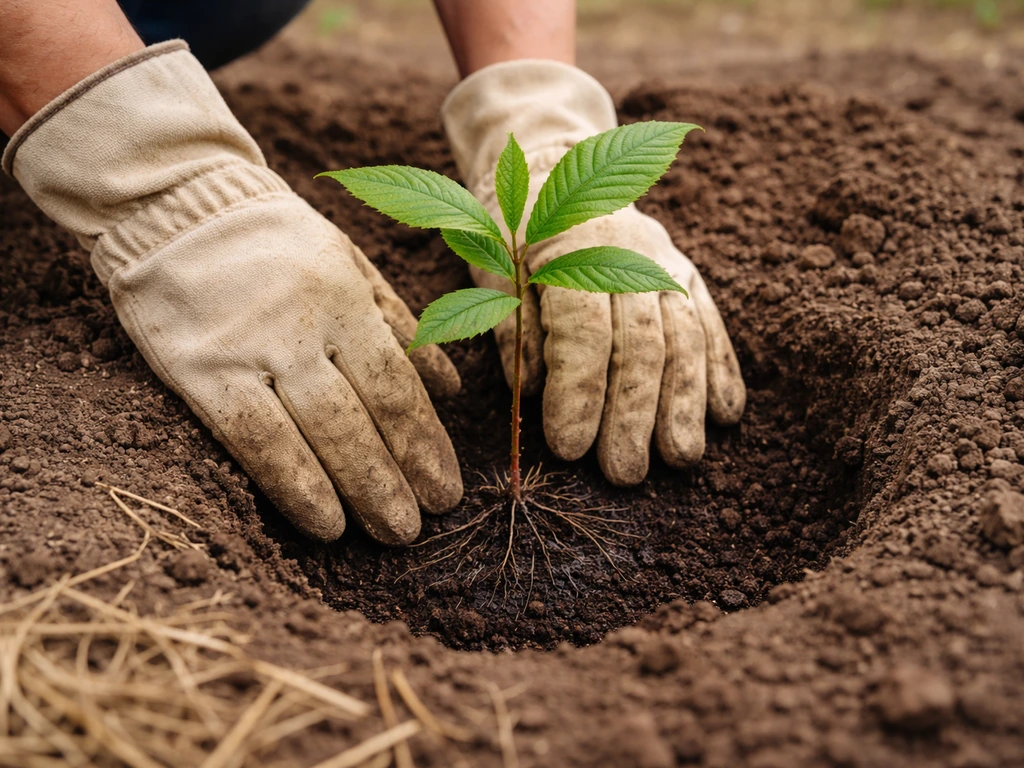
Timing matters. In North Florida, late winter to early spring planting works well, getting the trees in before heat stress arrives but after the worst cold is past. If you're planting bare-root trees, keep the roots moist right up until planting, either in water or wrapped in damp material. Dry roots are one of the most common establishment killers, and it happens faster than most people expect in Florida's dry-season air.
Site prep should start well before planting day. Test your soil pH and amend if needed to land in the 5.5 to 6.5 range. If you're on a slope, that's a bonus. Grade or mound planting areas slightly if drainage is borderline. Clear competing vegetation in a 4 to 6 foot radius around each planting spot so young trees aren't fighting for moisture and nutrients from the start.
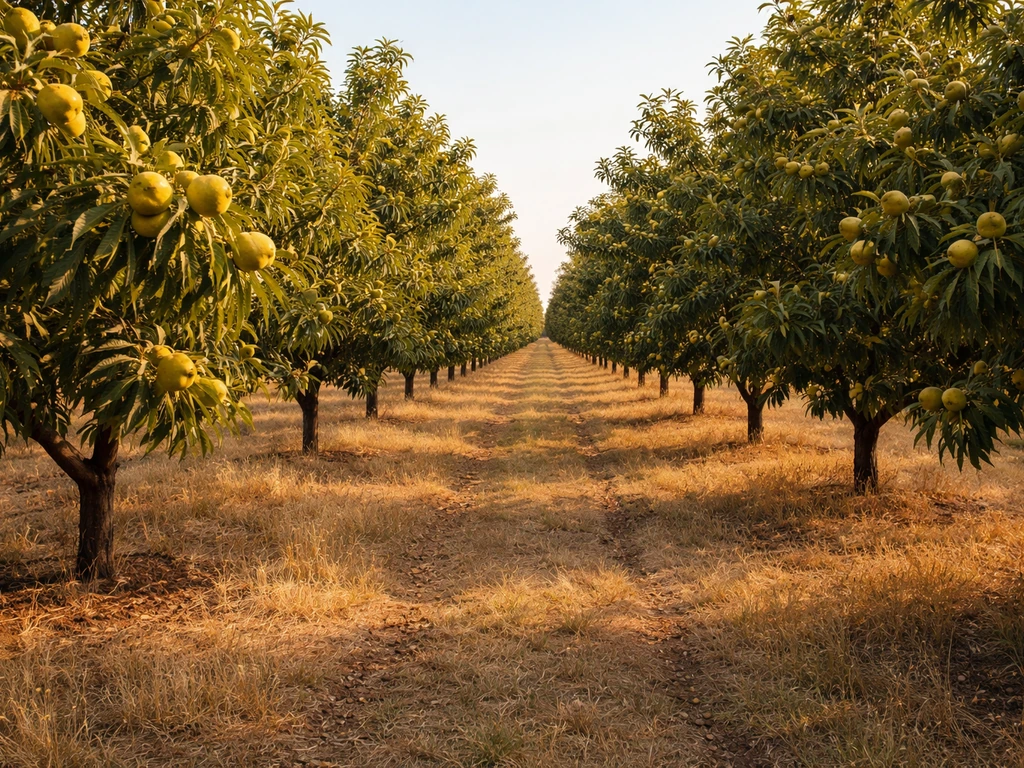
Spacing and pollination planning go together. Chestnuts are self-sterile, meaning every tree needs a cross-pollinator nearby to set nuts. Incomplete pollination produces burrs with only one or two filled nuts instead of the full three, so this isn't a detail you can skip. UF/IFAS recommends planting at a ratio of at least 8 cultivar trees to every 1 pollinizer. If you're planting Colossal, you need a separate pollen-producing variety within reasonable proximity because Colossal contributes no viable pollen itself. Space standard orchard trees about 30 to 40 feet apart to give them room at maturity.
Set realistic timeline expectations from the start. Grafted trees will typically begin bearing in 2 to 4 years. Seedlings take longer, usually 5 to 7 years before meaningful nut production. Chestnuts also need 2 to 3 years just to become well established, and UF/IFAS recommends removing burrs during the first three years to direct the tree's energy into root and canopy development rather than nut production. That's a hard thing to do when you're eager for a harvest, but it pays off later.
Irrigation is not optional in Florida, especially during establishment. UF/IFAS recommends drip irrigation as the most effective delivery method. Drip keeps soil moisture consistent without wetting the bark or crown area, which matters for disease prevention. Even after the trees are established, irrigation during dry spells directly affects nut size and yield.
Care, pests, diseases, and realistic nut production
The three threats you need to know
Florida chestnut growers face three main threats, and knowing them upfront helps you design your orchard to manage them from day one.
- Chestnut blight (Cryphonectria parasitica): Kills susceptible trees by girdling the cambium. The fix is simple but firm: only plant blight-resistant varieties. American and European chestnuts have no place in a Florida orchard for this reason. Chinese chestnut and tested hybrids are your path forward.
- Ink disease (Phytophthora root rot): A fungal pathogen that thrives in wet soil. UF/IFAS is explicit that wet conditions promote infection, so this disease is directly linked to poor drainage. Keep your orchard floor well drained, avoid overhead irrigation that puddles around roots, and address any drainage issues before they become a fungal problem.
- Oriental chestnut gall wasp (Dryocosmus kuriphilus): This is the most frustrating pest on the list because, as of now, biological and chemical controls are largely ineffective. The wasp forms galls on new shoots that physically prevent nut production. If you're sourcing trees or scion wood, do not move chestnut material from areas known to be infested.
The gall wasp situation is worth dwelling on for a moment. In Forest Research's pest guidance on the oriental chestnut gall wasp, it identifies Torymus sinensis as a parasitoid used for biological control blank" rel="noopener noreferrer">Torymus sinensis as a parasitoid used against the oriental chestnut gall wasp. It was introduced in Georgia in the 1970s and has been spreading steadily. If you're curious about how this has played out in a neighboring state with similar challenges, the chestnut growing experience in Georgia provides useful context since the pest pressure and climate parallels are close to Florida's northern counties.
Nut production: what to expect in Florida
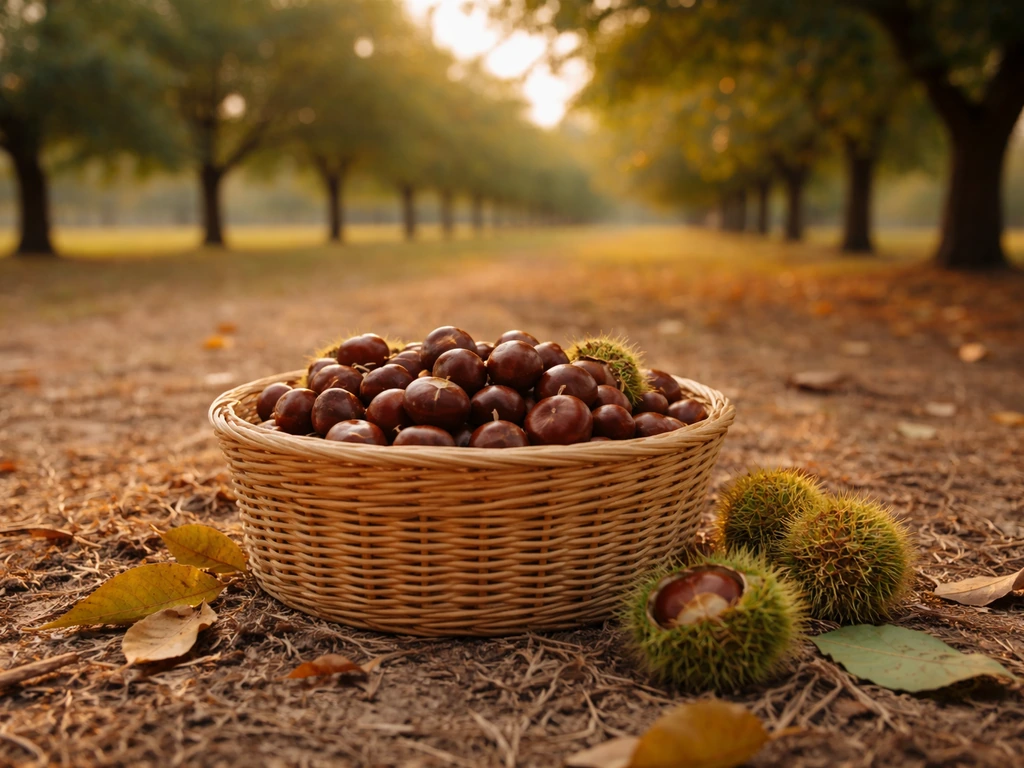
Florida's chestnut flowering timeline actually works in the grower's favor in one way: flowers emerge after the leaves have fully expanded, which in Florida means early to mid May. A Reddit thread in r/americanchestnut also reflects that breeders and growers discuss chestnut hybrids in terms of blight resistance and real-world performance tradeoffs What to do with this. That's late enough to avoid most late-spring frost events that can damage flowers and shoots. When everything goes right with pollination, each burr contains three well-filled nuts. When cross-pollination is incomplete, you get burrs with one or two shriveled nuts and one or two empty husks. This is why getting your pollinizer setup right before planting day is so important.
Nut harvest in North Florida typically comes in September or October depending on the cultivar. Chestnuts drop from the burr when ripe and should be collected promptly because they dry out and lose quality quickly on the ground in Florida's heat. Refrigerate them within a day or two of harvest if you're not using them immediately.
Overall yields in a well-managed North Florida orchard are realistic but require patience. You won't get meaningful production for several years, especially from seedlings. Once trees are fully established and properly pollinated, Chinese chestnut and hybrid trees can be productive, but don't expect yields comparable to what a well-watered orchard in cooler climates produces in a peak year.
The single most useful thing you can do before buying any trees is look up your local chill hour history. Ty Ty Nursery notes that blank" rel="noopener noreferrer">chill-hour requirements and cross-pollination needs are key practical factors for deciding when and what to plant. Your county's UF/IFAS extension office is the best starting point; they often have local chill hour data and can tell you whether your specific area has consistently hit the 400 to 500 hour range that Chinese chestnut and Colossal hybrids need. If you're near the Texas-Florida climate gradient, the approach used for growing chestnuts in Texas is similar: identifying chill-hour-friendly microclimates is the same exercise whether you're in Pensacola or East Texas.
Your USDA hardiness zone tells you winter cold minimums, but for chestnuts it's the chill hour accumulation that predicts success more accurately. North Florida sits mostly in zones 8a to 9a. Zone 8 locations in the Panhandle are your best bet. Zone 9 and warmer gets marginal quickly.
It's also worth understanding how other nut-producing trees behave on your property. Chestnuts share some site requirements with oaks, and if you've wondered about related species, knowing where chestnut oak trees grow naturally gives you a useful frame of reference for the type of terrain and soil profile that supports members of the Fagaceae family in the southeastern US.
For growers further north who are comparing notes on chill-hour-limited environments, it's interesting to contrast Florida's constraints with the opposite end of the spectrum: chestnut growing in Wisconsin faces the challenge of too much cold rather than too little, which highlights just how narrow the practical chestnut belt is across the US.
Practical next steps before you plant
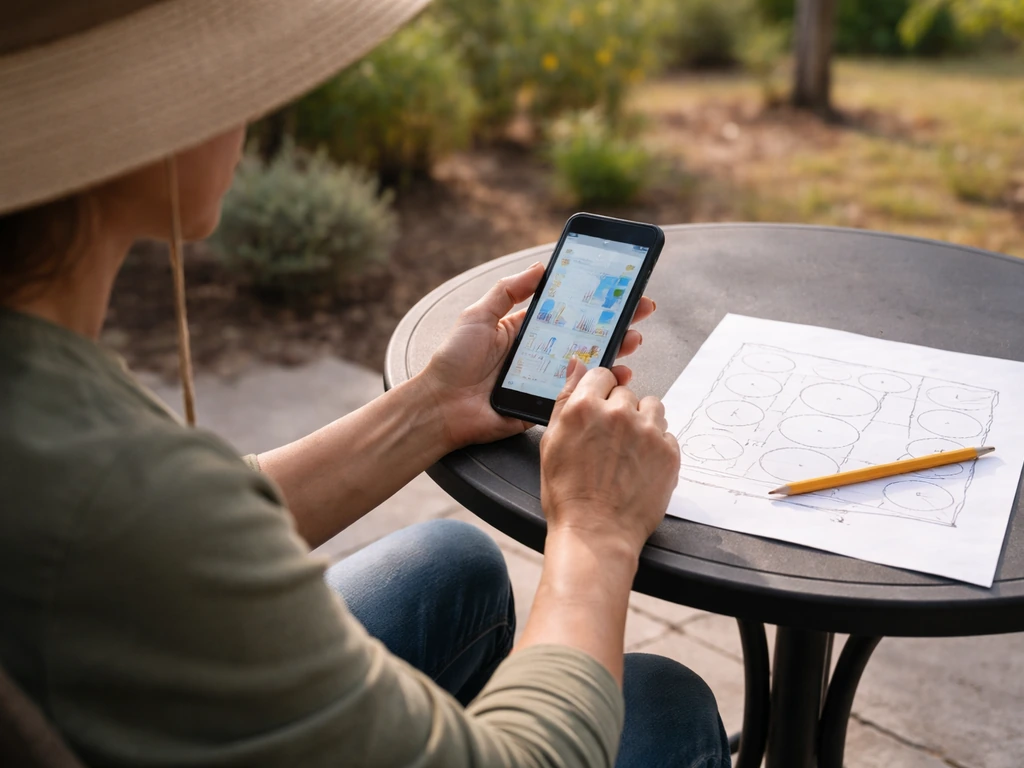
- Check your chill hour history: Contact your county's UF/IFAS extension office or look up local weather station data to confirm your site averages 400+ chill hours in a typical winter.
- Test your soil: Get a soil pH and drainage assessment. You need pH 5.0 to 6.5 and soil that does not hold standing water after rain. Amend before planting, not after.
- Choose blight-resistant cultivars only: For North Florida, Chinese chestnut varieties or low-chill hybrids like Colossal are your options. Do not plant American or European chestnuts.
- Plan your pollination setup before buying trees: Decide which main cultivar you want, then identify compatible pollinizers. Buy all of them at the same time so they go in together.
- Set up drip irrigation before or at planting: Do not leave irrigation as an afterthought. Trees planted in Florida summers without consistent water will struggle or die.
- Remove burrs for the first three years: Resist the urge to let early burrs develop. Redirecting that energy into root and canopy establishment pays off in long-term yield.
- Source trees carefully: Avoid moving chestnut plant material from areas with confirmed gall wasp infestations. Ask your nursery directly about the source region.
Florida is not the easiest place to grow chestnuts, and anyone who tells you otherwise is glossing over real constraints. But North Florida growers with the right site, the right species, and the patience to let trees establish properly have been doing it successfully for decades. That track record is real. The key is matching your specific conditions to the requirements honestly, not optimistically.