Yes, chestnut trees can grow and produce nuts in Wisconsin, but the species and cultivar you choose matters more here than almost anywhere else. Wisconsin's winters are cold enough to knock out European chestnuts and poorly selected hybrids, while its blight pressure and variable spring frosts add layers of risk that most other states don't have to manage as carefully. Pick the right tree for your specific location, prep the site correctly, and you have a realistic shot at a productive chestnut. Pick the wrong one, and you're nursing a struggling tree that may never set a meaningful crop.
Will Chestnut Trees Grow in Wisconsin? Species and Tips
Marcus Hendricks
4 May 2026
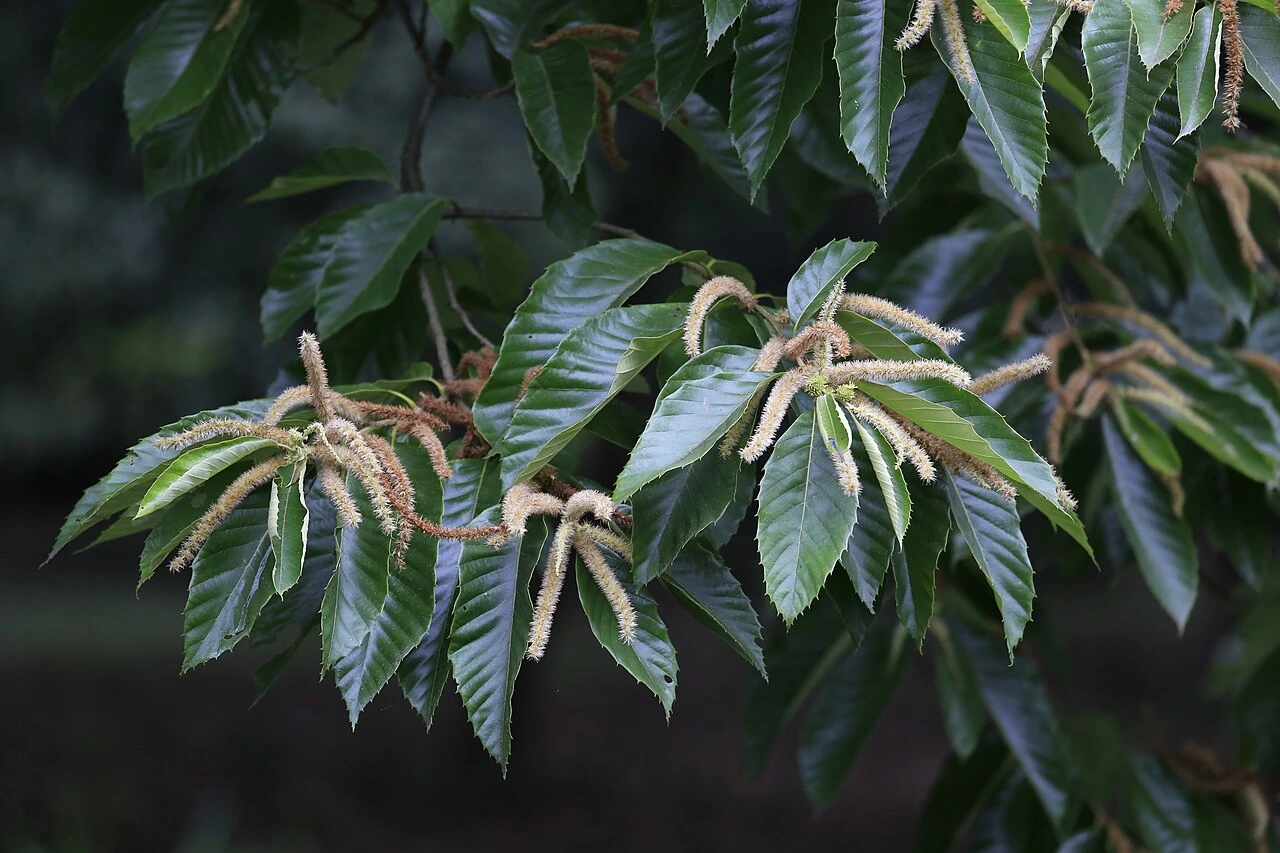
Which Chestnut Types Actually Work in Wisconsin
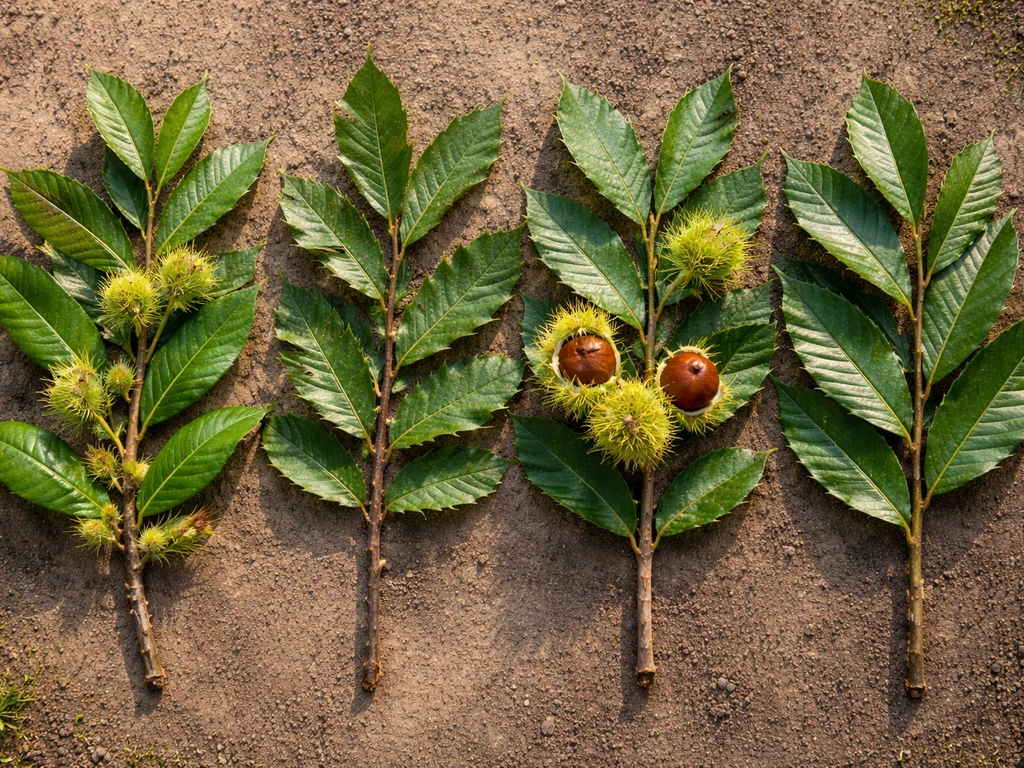
There are four main options worth considering, and they are not equal for Wisconsin conditions. Understanding what each brings (and what it lacks) saves you years of frustration.
Chinese Chestnut (Castanea mollissima)
Chinese chestnut is the backbone of most Wisconsin chestnut plantings for good reason. Research published in HortScience reports it can withstand temperatures down to -30°C when fully dormant, which puts it well within range for even Wisconsin's coldest zones. It also carries natural resistance to chestnut blight, the fungal disease that wiped out American chestnut and still circulates in the region. Chinese chestnut tends to be a wide-spreading, medium-sized tree, typically reaching 40 to 60 feet, so give it room. Named cultivars like Qing, Mossbarger, and Gideon are better bets than unnamed seedlings because you know what you're getting in terms of nut size, timing, and cold performance.
American Chestnut (Castanea dentata) and Improved Hybrids
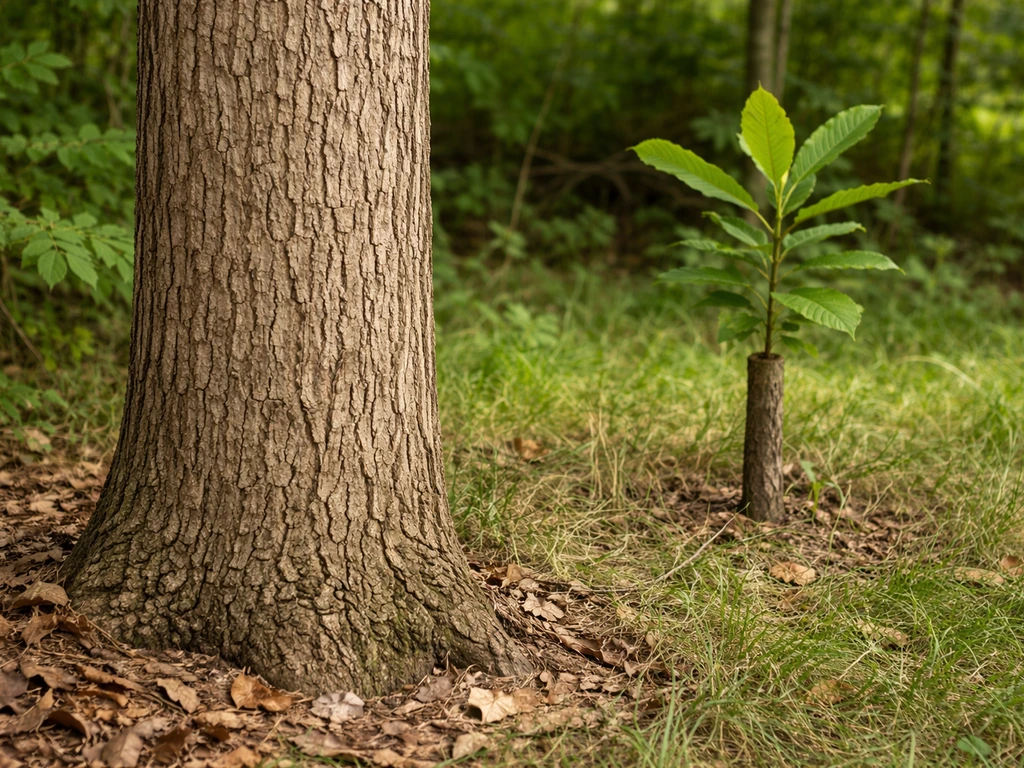
Wild-type American chestnut is native to the eastern US and cold-hardy enough for Wisconsin, but it is not blight-resistant. The American Chestnut Foundation is clear that improved American chestnuts currently available have intermediate blight resistance, not full immunity. That means a wild-type tree or an early-generation improved tree may grow well for several years, then lose its aboveground portion to blight. The root system often survives and resprouts, but those sprouts typically get reinfected and killed back again within 5 to 10 years. For a long-term productive orchard, this is not a reliable plan. Third-generation and later TACF backcross material is more promising, but availability is still limited. If you want to support restoration efforts, planting improved American chestnuts is worthwhile, just do it with realistic expectations about blight management, not as a plug-and-forget nut tree.
Hybrid Cultivars (American x Chinese or European x Japanese)
Hybrids are where a lot of Wisconsin growers end up, and some work very well. The cultivar Precoce Migoule, for example, is cold-hardy to -28°C (-20°F) and begins bearing in as little as 3 to 5 years, which is faster than many pure species. Chinese x American hybrids from breeding programs in the upper Midwest tend to combine cold tolerance, some blight resistance, and decent nut quality. The key is sourcing named cultivars with documented cold-hardiness ratings rather than generic "hybrid chestnut" seedlings, which could be anything. Always verify the parentage and hardiness data before buying.
European Chestnut (Castanea sativa)
European chestnut produces large, flavorful nuts and is common in southern Europe and parts of the Pacific Northwest, but it is not reliably hardy for most of Wisconsin. It lacks the cold tolerance of Chinese chestnut and has no meaningful blight resistance. Unless you are in a very sheltered microclimate in the far southwestern corner of the state, skip it.
Wisconsin's Climate: Zones, Frost Risk, and Where Microclimates Make a Real Difference
Wisconsin spans USDA hardiness zones 3b in the north to 6a in the far south and in sheltered urban pockets around Milwaukee and Madison. The USDA map is based on average annual extreme minimum winter temperature, which gives you a useful baseline, but Wisconsin Extension points out it doesn't capture how often extreme lows happen, how long they last, or when they hit. A warm spell in late February followed by a hard freeze in early April can damage cambium and roots in trees that technically live in a "zone-appropriate" site. That spring volatility is one of Wisconsin's sneakier threats to chestnut.
Northern Wisconsin (zones 3b to 4b) is marginal for most chestnut work. Chinese chestnut can handle the cold when fully dormant, but the shorter growing season and higher probability of late spring frosts hitting young leaf tissue make establishment harder and nut production less reliable. Central Wisconsin (zones 4b to 5b) is more workable, especially on elevated sites with good air drainage. Southern Wisconsin (zones 5b to 6a) is the sweet spot: longer season, milder average winters, and the most forgiving conditions for getting a new planting established and into production.
Microclimates matter enormously. A low-lying field where cold air pools on clear nights is a frost pocket, and those pockets can experience temperatures 5 to 10°F colder than a nearby hillside. Wisconsin Extension notes that even when a site's zone looks acceptable on paper, low-land frost pockets can push cold-air pooling damage well beyond what the zone number suggests. Conversely, a south-facing slope with a tree line or building to the north can shelter trees and effectively bump you a half-zone warmer.
Site and Soil: Getting the Basics Right Before You Plant
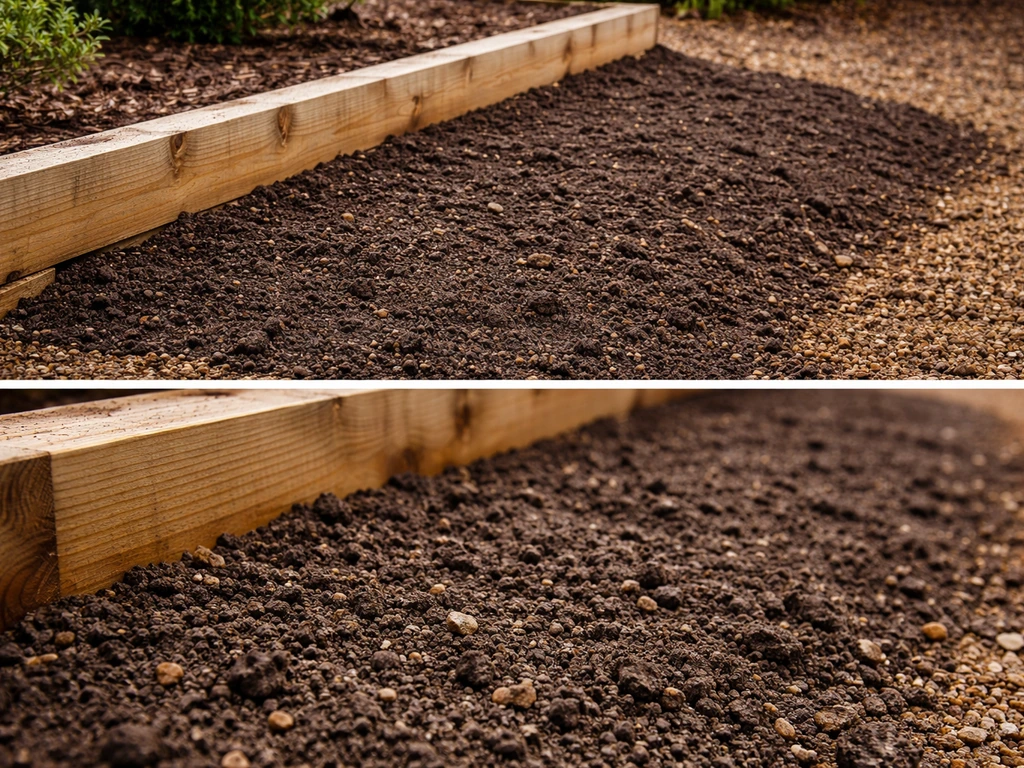
Chestnuts are not forgiving about waterlogged soil. MSU Extension is explicit that chestnut orchards can only be established on well-drained soils, and that poor drainage is one of the fastest ways to kill a planting. In Wisconsin, this means avoiding low-lying clay-heavy spots that stay wet through spring snowmelt. A gentle slope or raised area with loamy or sandy loam soil is ideal.
Soil pH is the other non-negotiable. MSU Extension gives an optimum range of 5.5 to 6.5. Below pH 4.5 causes shoot and leaf burn; above pH 7.0 triggers chlorosis and stunted growth. Wisconsin soils vary considerably: much of the southern and central part of the state has naturally acidic soils in the right range, while some areas near limestone bedrock trend more alkaline. Test your soil before planting, not after. If you need to adjust, sulfur applications lower pH slowly over one to two seasons, so start early.
Full sun is required, not optional. TACF states that chestnuts need full sun for fast growth and flower production. That means at least 8 hours of direct sunlight per day. Shading from buildings, woodlots, or adjacent trees slows everything down and reduces nut production significantly. Oregon State Extension also recommends choosing sites with good air drainage as a frost mitigation strategy, which aligns with the elevated, open-aspect sites that also happen to get the best light.
| Factor | Requirement | Wisconsin Consideration |
|---|---|---|
| Soil drainage | Well-drained; no standing water | Avoid low clay fields and frost pockets |
| Soil pH | 5.5 to 6.5 | Test first; adjust with sulfur if needed |
| Sunlight | Full sun, 8+ hours daily | South or southeast-facing slopes preferred |
| Air drainage | Elevated site; avoids cold-air pooling | Hillsides better than flat ground or valleys |
| Wind exposure | Moderate shelter from prevailing northwest winds | Tree lines or buildings to the north/west help |
Planting, Care, and What to Expect in Years 1 Through 3
Plant in spring after the last frost risk has passed, typically mid-May in southern Wisconsin and closer to late May in the central and northern parts of the state. Bare-root or container-grown trees both work; bare-root is fine if roots are kept moist and planted promptly. Space trees at least 30 to 40 feet apart for a permanent orchard planting, or 20 feet if you plan to thin later.
- Year 1: Focus entirely on establishment. Water deeply once a week during dry spells (especially the first two months), mulch 3 to 4 inches deep around the base to retain moisture and regulate soil temperature, and keep grass and weeds out of a 3-foot circle around each tree. Do not fertilize heavily the first season; a light application of balanced fertilizer in late spring is enough. Stake young trees in exposed sites to prevent wind rock.
- Year 2: Resume mulching, continue weed suppression, and begin light pruning to establish a central leader and remove crossing or downward-growing branches. If the soil pH test showed it was off, this is the year to apply corrections and retest in fall. Watch for any canker lesions on the bark, which could indicate early blight.
- Year 3: Trees should be showing 12 to 24 inches of new growth per season by now if establishment went well. Some Chinese chestnuts and fast-bearing hybrids may begin flowering. Do not expect a meaningful nut crop yet, but you can start to see whether the tree is vigorous and on track. Continue pruning for structure and remove any dead or cankered wood promptly.
Winter protection for young trees in their first two seasons can make a real difference in northern and central Wisconsin. Wrapping the trunk with tree guards or burlap protects against sunscald and rodent damage, both of which are common Wisconsin problems that are easy to prevent and painful to deal with after the fact.
Nut Production Reality Check: Pollination, Yields, and Timing
You will not get nuts from a single chestnut tree. Chestnuts are not self-fertile in any practical sense. Cross-pollination between two different varieties is required for nut set. UC ANR's chestnut fact sheet explains that chestnut pollen is wind-transferred and often shed before peak female receptivity, which makes it even more important to have multiple varieties flowering at overlapping times. TACF references a "12-day window" for effective pollination timing. Plant at least two different named cultivars, ideally three, within about 100 feet of each other for reliable pollination.
Realistic time to first meaningful crop is 4 to 8 years from planting, depending on species and cultivar. Fast-bearing hybrids like Precoce Migoule can start at 3 to 5 years. Pure Chinese chestnut from seedling may take 6 to 8 years. UC ANR gives a general "generation time" of 4 to 8 years for chestnut, which lines up with what experienced growers in the upper Midwest report. Once a tree comes into production in Wisconsin's growing season, nuts typically ripen and drop from late August through October, with most falling in September.
Yields from a mature Chinese chestnut or productive hybrid in a good year can reach 20 to 50 pounds per tree, sometimes more from large well-established trees. But in Wisconsin, late spring frosts during flowering (June is the primary flowering period for most chestnuts) can reduce or eliminate that year's crop entirely. This is not a reason to avoid planting, but it is a reason to choose elevated sites with good air drainage and to manage expectations in early years.
Disease and Stress: What Can Stop a Wisconsin Chestnut Planting
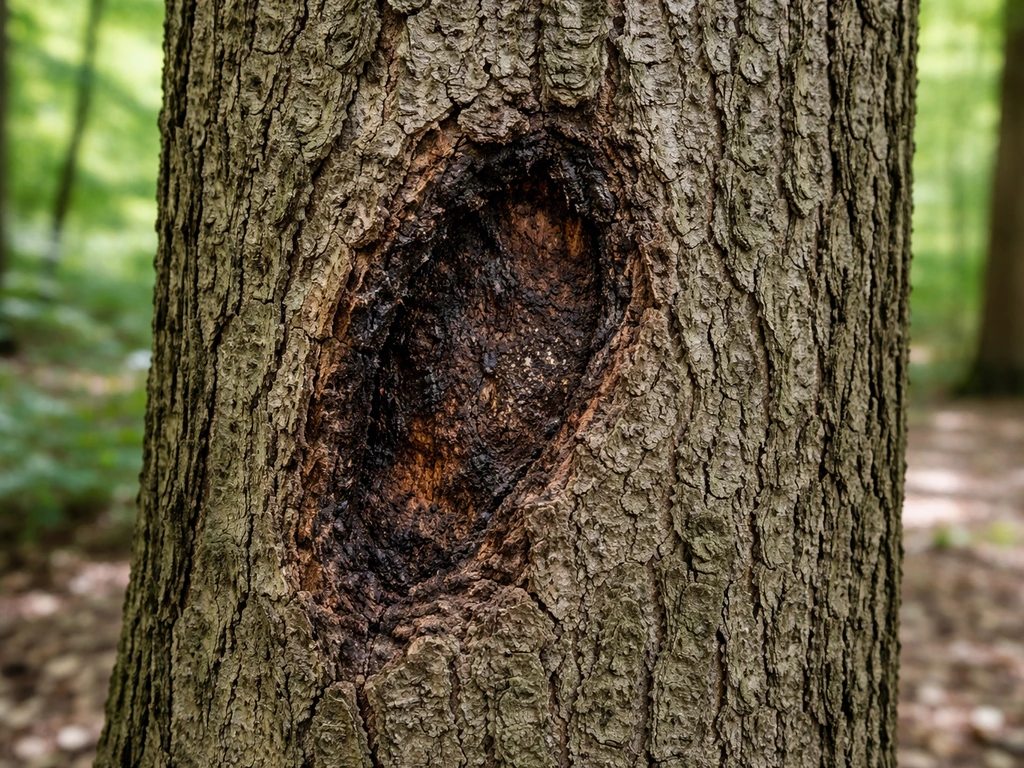
Chestnut blight (Cryphonectria parasitica) is present in Wisconsin and across the upper Midwest. The fungus enters through bark wounds and cracks, forms sunken cankers that girdle the stem, and can kill the aboveground portion of a susceptible tree in a single growing season. It spreads fast, roughly 24 miles per year in documented cases. This is the primary reason wild-type American chestnut is not a reliable Wisconsin orchard tree. Chinese chestnut and most well-bred hybrids have strong tolerance, not immunity, but tolerance is enough to keep a tree healthy and productive in most situations. The practical rule: if you're planting for nuts, choose a cultivar with documented blight resistance ratings, not just cold-hardiness ratings.
Beyond blight, Wisconsin growers face a few other stress factors worth knowing about. Phytophthora root rot is a serious risk on poorly drained sites and is the main reason drainage requirements are so strict. Root rot can look like winter cold injury at first, with dieback and poor vigor, but it doesn't get better with the weather. Deer browse is a significant problem for young trees in much of Wisconsin; tree tubes or fencing are not optional in deer-pressure areas, they're essential for the first three to four years. Japanese beetle pressure has been increasing in southern Wisconsin and can cause heavy leaf damage in mid-summer, weakening trees before they have a chance to harden off for winter.
Spring frost injury to newly emerged leaves is the stress event Wisconsin growers talk about most. US Forest Service provenance research found that chestnut trees from warmer source regions break bud earlier and suffer more spring frost damage than trees from colder origins, a reminder that matching the seed or cultivar source to your local climate phenology matters. Buy from upper Midwest nurseries when possible, because trees grown from northern stock are better timed for northern springs.
Your Practical Next Steps Right Now
If you're ready to move forward, here's what to do in the next few weeks and months:
- Confirm your hardiness zone and map your microclimate. Look at your property for elevated areas with south or southeast exposure, good sun, and natural wind shelter to the north or west. Avoid any low spots that collect cold air or stay wet in spring.
- Get a soil test. Contact your county UW Extension office for a soil test kit. Test for pH and basic nutrient levels. If pH is above 6.5 or below 5.5, plan your amendment strategy before you order trees.
- Choose at least two compatible named cultivars with documented cold-hardiness to zone 4 or lower and documented blight tolerance. For Wisconsin, strong candidates include Chinese chestnut cultivars like Qing or Gideon, Precoce Migoule (for faster bearing), or Midwest-bred hybrids from reputable upper Midwest nurseries. Avoid unnamed seedlings and any cultivar without a clear hardiness record.
- Source trees from nurseries that specialize in nut trees and, ideally, grow stock in the upper Midwest. Trees grown in cold-climate conditions establish better than those shipped from southern nurseries.
- Plan your spacing and order early. Spring planting after last frost is the goal. In southern Wisconsin, that's mid-May; central Wisconsin, late May. Trees sell out from good nurseries early, so ordering in winter for spring delivery is smart.
- Install deer protection at planting time. Tree tubes or wire cages go in the same day you plant. Do not wait until you see browse damage.
Wisconsin is genuinely viable chestnut country, especially in the southern half of the state, and even in central Wisconsin with the right site and cultivar choices. If you are wondering where chestnut oak trees grow, look for similar climate conditions and well-drained sites to support long-term growth Wisconsin is genuinely viable chestnut country. It's not effortless, and it's not fast, but a well-sited Chinese chestnut or blight-tolerant hybrid planted today can be producing meaningful crops within a decade. If you're comparing notes with growers in warmer states, conditions in Wisconsin are more demanding than, say, Georgia or Texas, but the cold winters also mean fewer pest and disease pressures beyond blight, and chestnut trees planted here can live and produce for many decades once established. If you're asking whether do chestnut trees grow in Georgia, the bigger story is matching the right species and cultivar to Georgia's heat and local winter minimums Georgia or Texas. If you're asking will chestnut trees grow in Texas, your biggest hurdles will be summer heat, drought stress, and matching a truly heat-tolerant cultivar to your local conditions. If you are in Florida, you’ll need to think differently about heat, winter chill, and frost patterns than growers in Georgia or Texas. The work you do in years one through three sets the trajectory for everything after.
FAQ
What part of Wisconsin is most reliable for chestnuts that will actually produce nuts?
Southern Wisconsin (roughly USDA 5b to 6a) is usually the most forgiving because it combines a longer growing season with fewer late-season cold events. Central areas can work, but prioritize elevated sites with fast air drainage, because frost pockets can erase an otherwise well-matched cultivar’s crop.
Can I grow chestnuts in northern Wisconsin if I choose Chinese chestnut?
It’s possible, but “possible” depends on establishment and frost timing. In zones 3b to 4b, you should assume higher risk of late spring freezes hitting new leaf tissue and causing setbacks, so plan for extra winter protection, and expect slower progress to first meaningful harvest.
Is chestnut blight the same problem as “winter kill,” and how do I tell which one I’m seeing?
Blight typically shows up as sunken cankers that girdle bark, and it can kill aboveground growth in a single growing season. Winter injury usually looks more like broad dieback without a clear canker pattern, and it often improves in subsequent seasons if the roots survived. If you see cankers or repeated shoot dieback after leaf-out, treat it as blight until proven otherwise.
Will planting a single chestnut tree ever lead to nuts if I don’t have another variety nearby?
Not reliably. Chestnuts need cross-pollination between different varieties, and you’ll get far better results by planting at least two named cultivars with overlapping flowering times. If you cannot plant multiple trees, you may need to locate a compatible pollinator nearby, not just any random seedling.
How close do my chestnut cultivars need to be for good pollination?
Keep different named cultivars within about 100 feet for best odds of overlapping wind-pollinated timing. More distance can still work in open sites, but your “no nuts” risk rises if cultivars flower at slightly different times due to local microclimate or bud-break differences.
What’s the biggest soil mistake Wisconsin gardeners make for chestnuts?
Poor drainage. Chestnuts are vulnerable to root rot, especially in spring when snowmelt leaves clay or low spots saturated. If the area stays wet more than briefly, switch sites or amend with a plan that improves drainage, because adding fertilizer won’t fix oxygen-starved roots.
Do I need to adjust soil pH before planting, or can I rely on natural conditions?
Test first, then decide. If pH is below about 4.5, you can get leaf and shoot burn, and if it’s above about 7.0 you can get chlorosis and stunting. Sulfur-based lowering takes time (often one to two seasons), so you should start early rather than trying to “fix it” after planting.
When should I plant chestnuts in Wisconsin to reduce frost damage?
Plant after last frost risk passes, which is commonly mid-May in the south and closer to late May in central and northern areas. Planting too early increases the odds that new growth emerges before temperatures stabilize, creating avoidable stress during bud-break.
How much spacing should I use if I want a long-term orchard rather than a few specimen trees?
For permanent plantings, use roughly 30 to 40 feet apart so mature canopy and airflow don’t crowd each other. If you’re trying a higher-density layout to manage training early, you can start closer (around 20 feet) and thin later, but plan for the thinning decision early to avoid permanent crowding.
Do I need deer protection even if my trees are in cages at planting?
Yes, in many Wisconsin areas tree tubes or fencing are essential for the first three to four years. Deer browsing often targets tender shoots before trees establish enough structure, and even partial browsing can delay pollination and nut set by set-backs that take multiple seasons to recover from.
Are Japanese beetles a serious threat to chestnuts in Wisconsin, and what should I do?
They can be. In southern Wisconsin especially, heavy mid-summer leaf damage can weaken trees before they harden off for winter. Focus on early monitoring and leaf-loss thresholds, and don’t ignore a “mostly defoliated” season because it can reduce next year’s flowering readiness.
How do I choose between bare-root and container chestnuts for Wisconsin?
Both can work, but bare-root needs careful handling, roots kept moist, and prompt planting. Container trees reduce transplant shock risk in some cases, but you should check root health and avoid circling roots, since root problems can worsen drainage-related stress later.
What’s a realistic first harvest timeline, and when should I change my expectations?
Expect nuts in roughly 4 to 8 years, with faster-bearing cultivars starting around 3 to 5 years. If you’re past the expected window and you have healthy growth, the issue is often pollination overlap, frost damage during flowering, or a drainage or pH problem. Recheck site factors before assuming the cultivar “won’t work.”
If my first crop fails due to late spring frost, should I remove the trees or wait?
Usually wait. Late spring frosts during flowering can wipe out a year’s nuts even on good trees, but that doesn’t mean the orchard is doomed. Improving elevation/air drainage, confirming cultivar bud-break timing, and planting multiple pollination-compatible cultivars can reduce repeated failures over time.