Some plants genuinely thrive under a walnut tree, but the list is shorter than most gardeners hope. Native groundcovers like wild ginger, Virginia creeper, and ostrich fern handle it well. Ornamental grasses, hostas, and daylilies also tend to do fine. For vegetables, beans, beets, corn, carrots, onions, squash, and melons are your most reliable bets. The plants that fail, and they fail hard, include tomatoes, peppers, potatoes, blueberries, rhododendrons, azaleas, and peonies. The reason comes down to one word: juglone.
What Will Grow Under a Walnut Tree: Tolerant Plants
Marcus Hendricks
3 May 2026
Why so little grows under walnut trees (juglone, explained)
Walnut trees, especially black walnut (Juglans nigra), produce a chemical called juglone. It's an allelopathic compound, meaning the tree releases it specifically in ways that suppress competing plants. This isn't incidental. It's essentially the tree running chemical warfare on its understory.
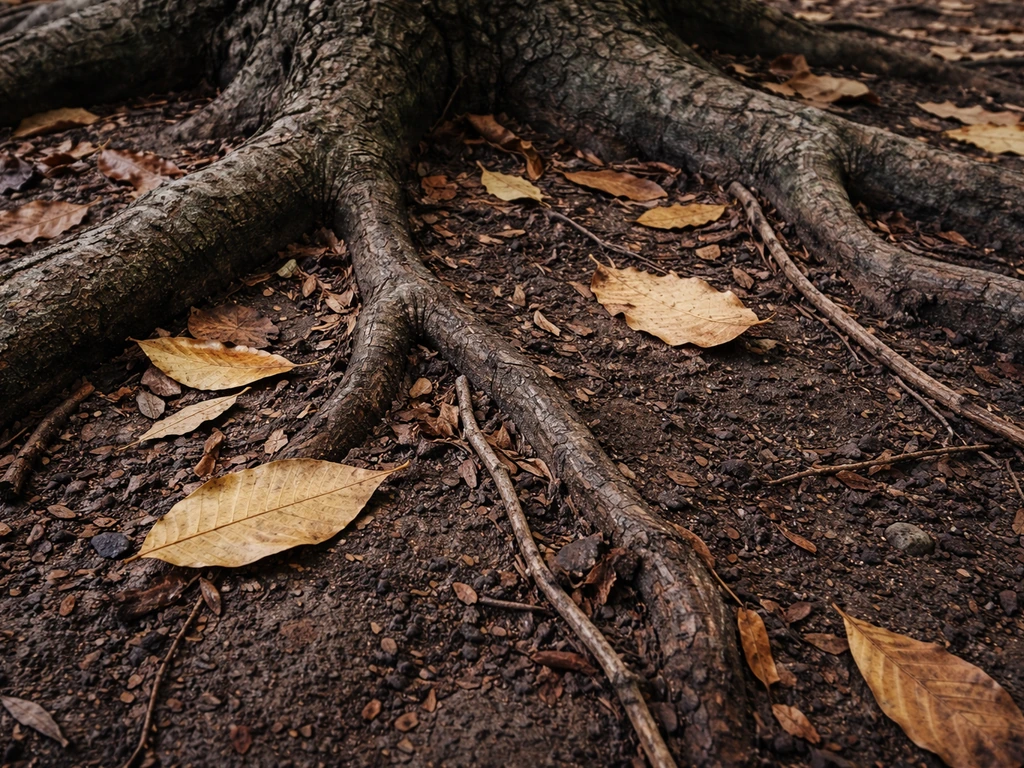
Juglone shows up in almost every part of the tree: the roots, buds, nut hulls, leaves, and bark. The roots are the biggest delivery system since they spread through the soil constantly, but fallen leaves and decomposing nut hulls also leach juglone into the ground over time. Roots are the main ongoing problem; leaf litter and hull debris are a seasonal addition on top of that.
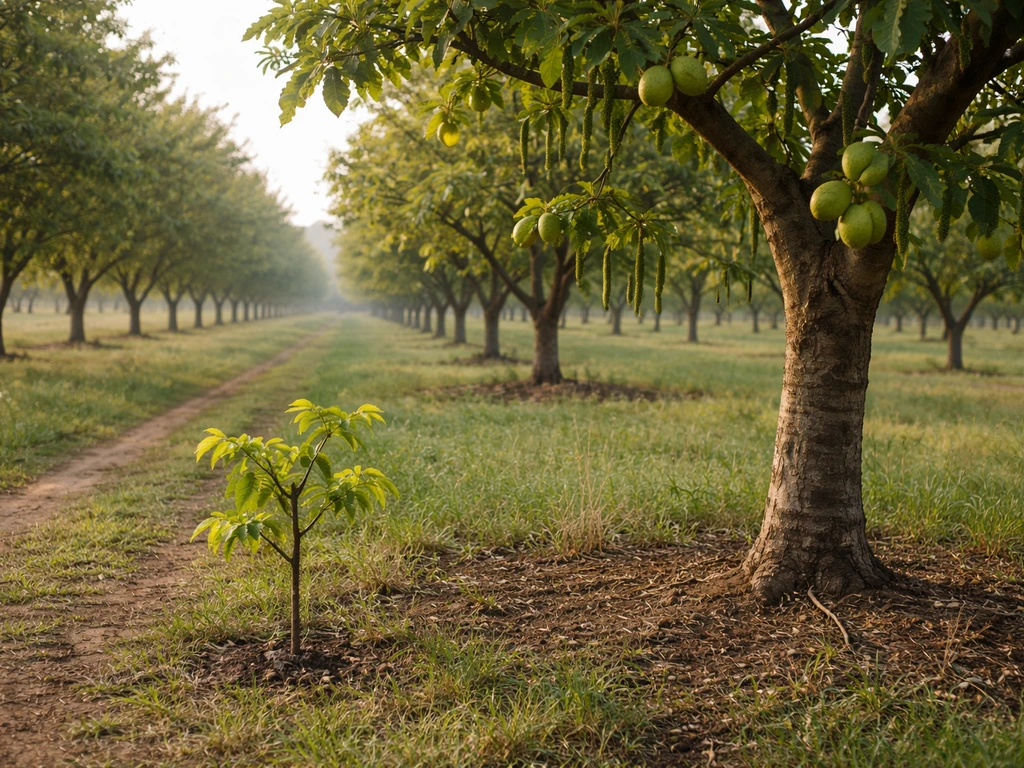
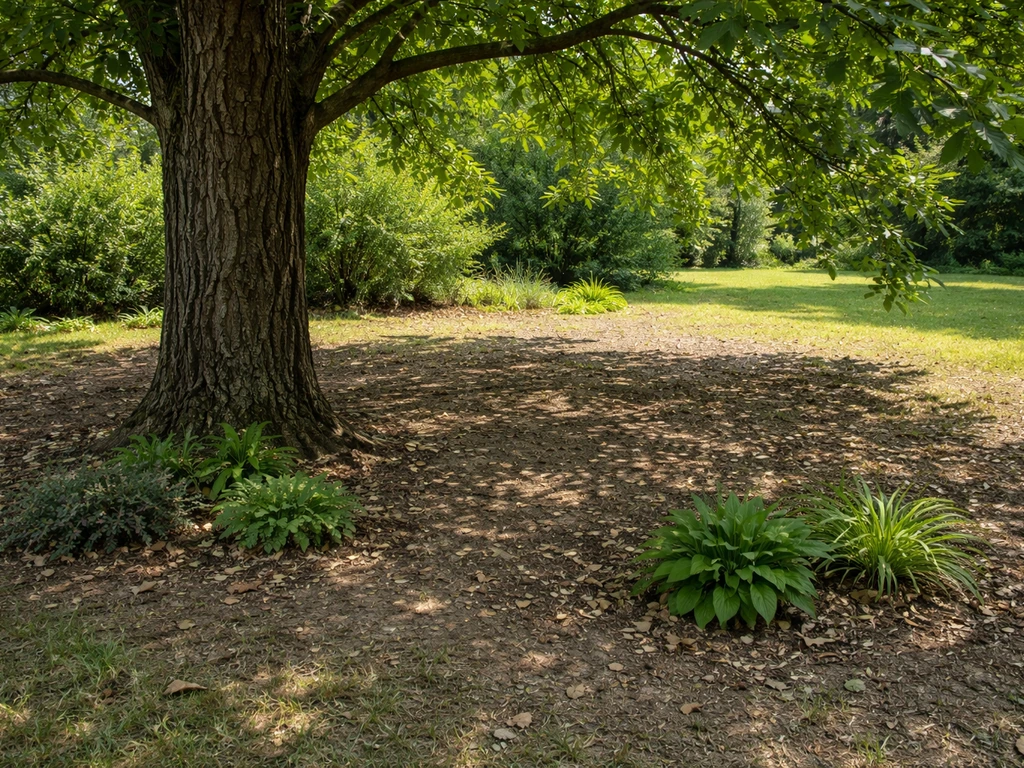
The zone of concern extends roughly to the tree's dripline, and often a bit beyond, because walnut roots regularly push past where the canopy ends. So even plants you've placed carefully at the edge of the shade zone can be sitting right in active root territory.
Juglone is most dangerous in poorly aerated, wet soils with low organic matter. In those conditions, the toxin accumulates faster and breaks down slower. Well-drained soil with good microbial activity degrades juglone more effectively, which is one reason gardeners in loose, loamy soils sometimes get away with plants that others can't. Juglone levels also shift with the seasons, which explains why a plant might look fine one year and crash the next during a hot, dry summer.
One more thing worth knowing: if you've recently removed a black walnut, juglone doesn't vanish immediately. Research shows soil toxicity persists for at least two months post-removal, and if the old roots are still decaying underground, the juglone release can continue for several years. Planting sensitive species too soon after removal is a common mistake.
Plants that actually grow under walnut trees
There's a solid list of juglone-tolerant plants confirmed through university extension research and grower observation. I'd split them into a few categories to make practical sense of it.
Perennials and groundcovers
- Hostas: among the most reliable performers in walnut shade
- Daylilies (Hemerocallis): tough, spreading, and largely unaffected by juglone
- Wild ginger (Asarum canadense): excellent native groundcover for shaded walnut understory
- Garden phlox (Phlox paniculata): confirmed tolerant in university extension trials
- Jack-in-the-pulpit (Arisaema triphyllum): a native woodland plant well-suited to walnut conditions
- Virginia creeper: handles both the shade and the chemistry well
- Ostrich fern and other native ferns: naturally adapted to the same woodland environments where walnuts grow
- Ornamental grasses: most species tolerate juglone without issue
- Bee balm (Monarda): generally performs well under or near walnuts
- Bleeding heart (Dicentra): a reliable shade-tolerant perennial in juglone zones
Vegetables with a real chance
Vegetables under or near a walnut are more complicated because you're adding shade stress on top of juglone. That said, several crops are confirmed tolerant. Lima beans and snap beans, beets, corn, onions, garlic, leeks, parsnips, carrots, cauliflower, parsley, Jerusalem artichoke, melons, and squash all appear on MSU Extension's juglone-tolerant vegetable list. These give you a working palette for a kitchen garden placed near a walnut, as long as you manage light carefully (more on that below).
Trees and shrubs that tolerate juglone
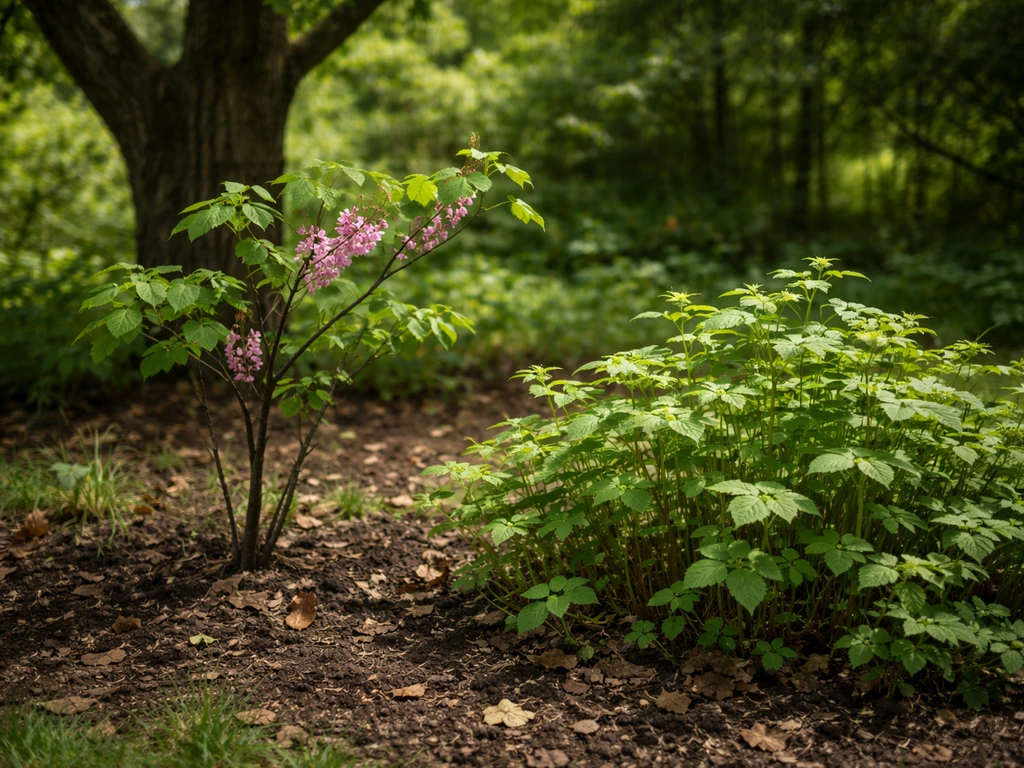
- Eastern redbud (Cercis canadensis): commonly planted near walnuts with success
- Black raspberry and red raspberry: generally more tolerant than most soft fruits
- Forsythia: tough and usually unaffected
- Pawpaw (Asimina triloba): naturally grows alongside black walnut in its native range
- Autumn olive and elderberry: both perform reasonably well in walnut proximity
Plants that typically fail under walnut trees
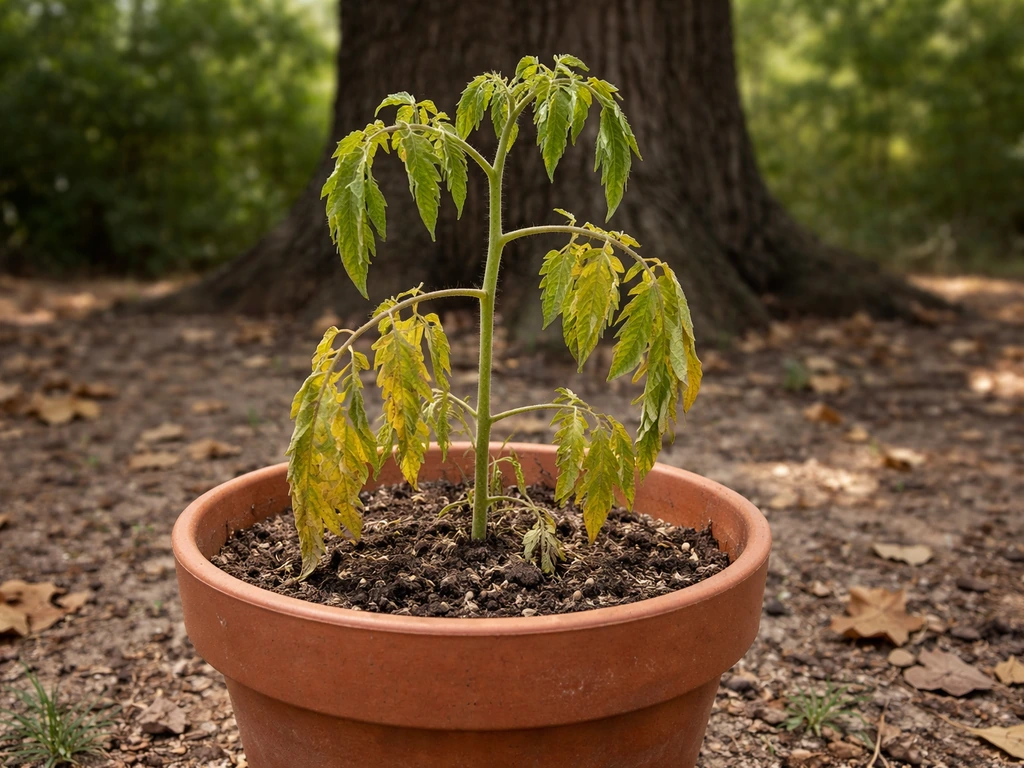
The sensitive list is worth memorizing because people lose a lot of plants by ignoring it. Classic juglone symptoms are yellowing leaves, wilting (especially during hot, dry spells), and then progressive decline toward death. If you see a healthy-looking plant suddenly droop and yellow during a heat wave near a walnut, juglone toxicity is the first thing to suspect.
| Plant | Type | Sensitivity Level |
|---|---|---|
| Tomato | Vegetable | Very high — often fatal |
| Pepper | Vegetable | Very high — often fatal |
| Potato | Vegetable | Very high — often fatal |
| Eggplant | Vegetable | Very high — often fatal |
| Blueberry | Fruit shrub | High — rarely survives |
| Rhododendron | Ornamental shrub | High — rarely survives |
| Azalea | Ornamental shrub | High — rarely survives |
| Mountain laurel | Ornamental shrub | High |
| Peony | Perennial flower | High — commonly declines |
| Chrysanthemum | Perennial flower | High |
| Lily-of-the-valley | Groundcover | Sensitive |
| Apple | Fruit tree | Moderately sensitive |
The solanaceous crops (tomatoes, peppers, potatoes, eggplant) are the most reliably affected. If there's one rule to keep, it's this: never plant a tomato near a black walnut. The failure rate is high enough that it's not worth testing. The ornamental shrubs like rhododendrons and azaleas are nearly as problematic. People plant them under walnut canopies hoping the woodland conditions will suit them, but the juglone typically wins.
How to choose and place plants under a walnut
Even with tolerant species, placement decisions matter a lot. There are three things to think through before you put anything in the ground near a walnut tree.
Light: the walnut canopy is dense
Black walnut leafs out later than many trees and drops its leaves earlier in fall, giving you a longer window of full sun in spring and fall. But during peak summer, the canopy is thick. Most vegetables need at least six hours of direct sun and will struggle in the shade even setting aside juglone. Stick to shade-tolerant ornamentals (hostas, ferns, wild ginger) directly beneath the canopy, and push sun-demanding vegetable crops toward the outer edges where the canopy thins.
Spacing from the trunk and dripline
The juglone concentration is highest close to the trunk and in the dense root zone directly beneath the canopy. Anything you plant within that zone faces the most chemical pressure. Placing plants at or just beyond the dripline reduces juglone exposure somewhat, but walnut roots genuinely extend well past the dripline in established trees, so there's no completely safe perimeter unless you use a physical barrier.
Root competition is a real second problem
Beyond juglone, walnut roots are aggressive competitors for water and nutrients. Plants placed directly in the root zone will compete with a mature tree for moisture, especially during dry summers. Even tolerant species can underperform simply because they're losing that competition. Raised beds with barriers (discussed below) solve both the juglone problem and the root competition problem at once.
Soil and care steps that improve survival under walnuts
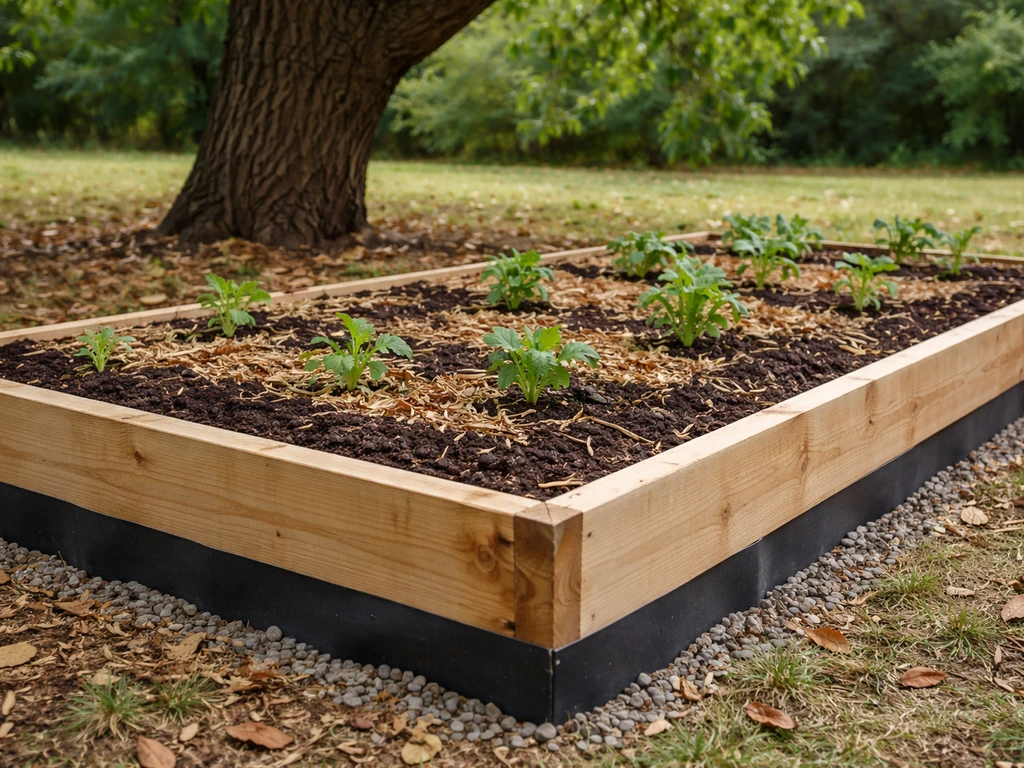
Use raised beds with root barriers for vegetables
If you want to grow vegetables near a walnut, a raised bed with a physical root barrier at the bottom is the most reliable strategy.
MSU Extension advises establishing vegetable gardens near black walnut trees with raised beds and barriers to prevent walnut roots from growing into the bed, and it provides a juglone-tolerant vegetable list such as lima and snap beans, beets, corn, onions, garlic, leeks, parsnips, carrots, cauliflower, parsley, Jerusalem artichoke, melons, and squash raised bed with a physical root barrier at the bottom is the most reliable strategy.
Line the base with heavy landscape fabric or quarter-inch hardware cloth to stop walnut roots from growing up into the bed, then fill with fresh topsoil. This keeps the juglone-producing roots physically separated from your vegetable root zone. Even with barriers, stick to tolerant vegetable varieties and avoid the solanaceous crops entirely.
Improve soil aeration and organic matter
Juglone is most damaging in compacted, wet, poorly aerated soils. Improving drainage and working organic matter into the soil creates conditions where microbial activity can break down juglone faster. Compost additions are genuinely useful here, not just for standard fertility reasons, but because they directly support the biological activity that degrades the toxin.
Mulch carefully, and not with walnut material
Mulching under walnuts is a good idea for moisture retention and soil health, but the mulch must not come from the walnut tree itself. Walnut leaves, nut hulls, bark, and wood chips all contain juglone and will deliver more toxin directly into the root zone of whatever you're growing. Use non-walnut mulch sources: wood chips from other tree species, straw, or shredded leaves from non-juglone-producing trees. Keep mulch pulled a few inches back from plant stems to avoid rot.
Clean up walnut debris consistently
Fallen walnut leaves and decomposing nut hulls leach juglone into the soil around them. Raking and removing this debris regularly, especially in fall, reduces the seasonal juglone load. Don't compost walnut leaves or hulls in a pile you're going to use on sensitive garden areas. If you compost them at all, keep that pile dedicated to walnut-tolerant areas or ornamental zones.
When plants are struggling: troubleshooting and deciding what to do next
If plants you've placed near a walnut are declining, the symptoms to look for are yellowing leaves followed by wilting, usually becoming most obvious during hot, dry weather. This mirrors heat or drought stress, which is why a lot of gardeners initially blame the weather rather than juglone. The distinction matters: if the plant is in the walnut's root zone and these symptoms appear during summer heat, juglone is the more likely culprit.
First, confirm the cause
Before pulling a plant, rule out other causes: overwatering, underwatering, nutrient deficiency, or disease. If the plant is outside the walnut's dripline, juglone is less likely. If it's directly under the canopy or within the root zone and showing classic wilting and yellowing that doesn't respond to watering, juglone toxicity is the reasonable diagnosis.
Try relocating before replacing
If you have a marginally tolerant plant showing early stress signs, move it before it declines further. Relocating to a spot completely outside the walnut's root zone, typically well beyond the dripline, usually resolves the problem. Don't replant the same sensitive species in the same spot and expect different results.
Switch to definitively tolerant species
If you're repeatedly losing plants under a walnut, stop experimenting with borderline species and go straight to the confirmed-tolerant list. Hostas, ferns, daylilies, and wild ginger are not glamorous choices, but they actually live. That's worth more than a visually ambitious planting that fails every two years.
Use raised beds or containers as a long-term fix
For vegetable growing specifically, if you want to grow near a walnut at all, a properly constructed raised bed with a root barrier is the practical long-term solution. And that includes whether you can you grow a walnut tree in a pot without causing juglone problems for nearby plants grow near a walnut. This matters especially for kitchen gardeners who want flexibility in what they grow season to season. Without a barrier, you're constrained to the tolerant vegetable list and will see unpredictable results.
After removing a walnut tree
If you've removed a black walnut and want to reclaim the area, wait at least a full growing season before planting sensitive species, and even then, be cautious with highly sensitive plants like tomatoes and peppers. Decaying roots can release juglone for years. Starting with tolerant species first and watching their performance over one or two seasons gives you a practical read on whether the juglone level has dropped enough for broader planting. Removing as much of the root mass as possible during tree removal speeds up the clearance process.
Understanding what grows under a walnut tree is really about understanding what juglone does and working around it systematically. For a fuller picture of how walnut grow and how their biology affects nearby plants, start with the basics of their growth cycle. The gardeners who succeed near walnuts aren't fighting the tree; they're selecting species that coexist with it and using barriers where they need more flexibility.
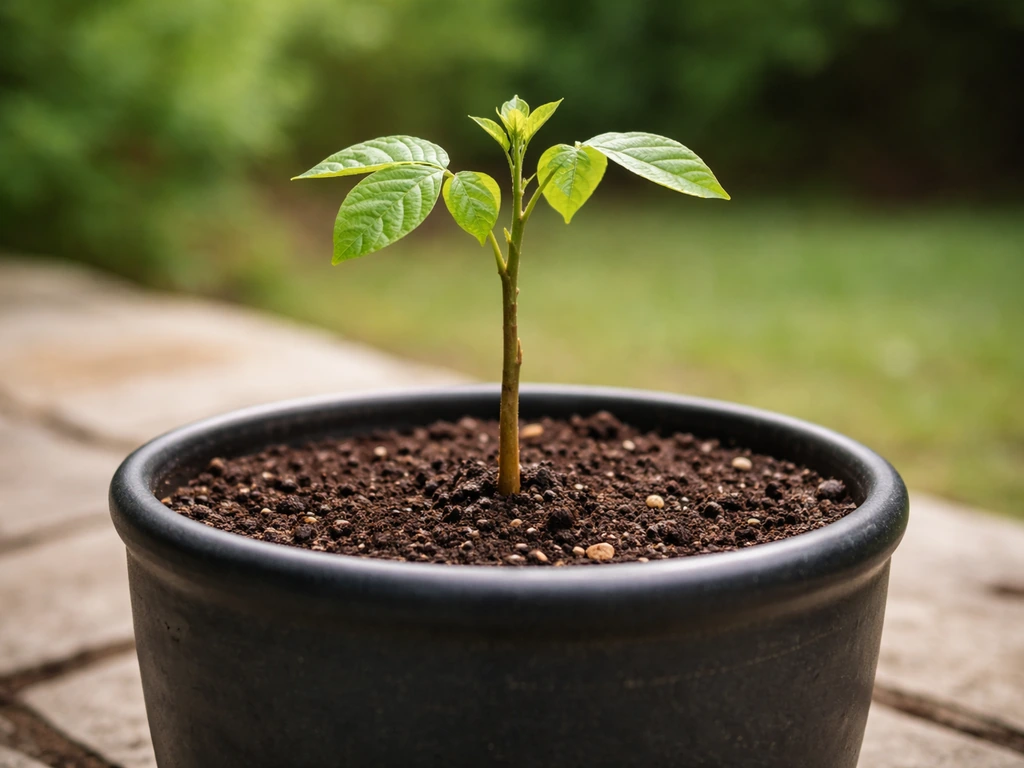
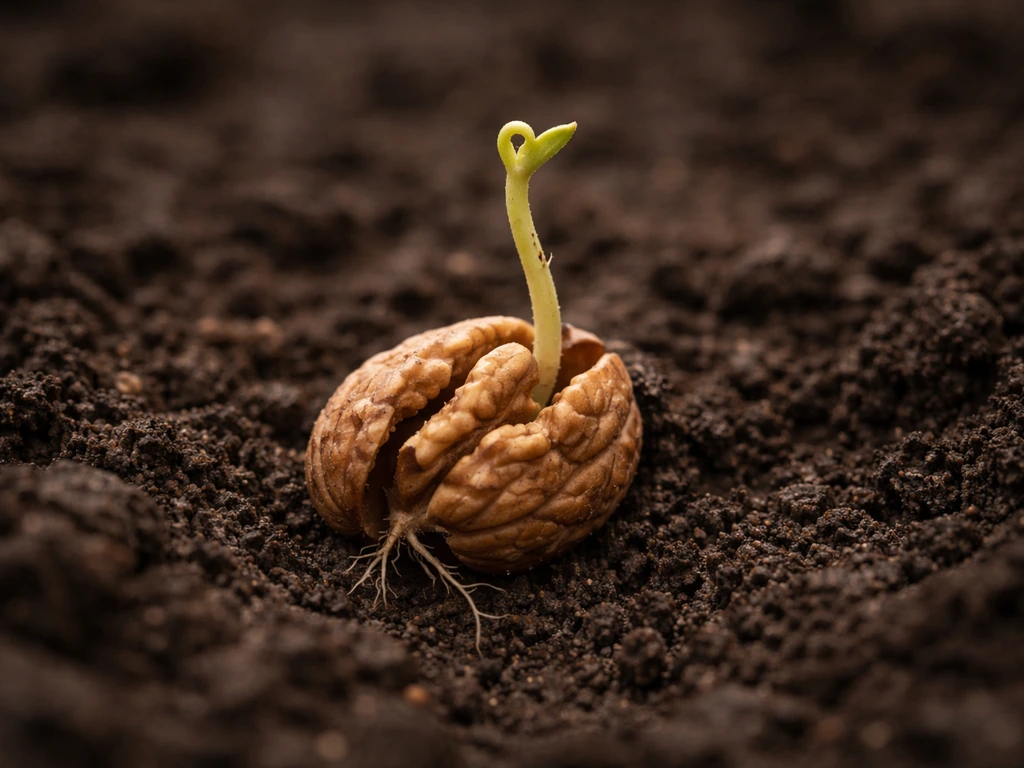
If you're curious about the bigger picture of how walnuts grow and develop, that biology connects directly to why the root system and its chemical output are so significant in the garden context. You can also grow a walnut tree directly by planting the walnut (after stratification) in soil where it can germinate.
FAQ
Can I grow plants under a walnut tree if the walnut is in a pot?
Yes, if the pot is truly separated from the ground. Juglone is delivered mainly through roots in soil, so a walnut tree kept in a container usually creates a much smaller problem than a ground-planted tree. The risk increases if roots or water runoff repeatedly wet surrounding soil, or if you sink the pot into the ground.
Are there soil tests that reliably tell me if juglone is safe to plant?
You generally should not rely on “juglone testing” as your main plan. Even if a test suggests lower levels, walnut roots can keep releasing juglone over time, and the levels can fluctuate by season. The more dependable approach is placement (outer edges), tolerant species, and, for vegetables, a bottom root barrier.
If my plant wilts, does that mean it needs more water, or is it always juglone?
Water management matters, but it does not fully fix juglone injury. If a plant is yellowing and wilting in hot weather and extra watering does not restore it, juglone stress is more likely than simple drought. Still, keep soil evenly moist in a root-safe setup, because walnut roots are also fierce water competitors.
Is it safe to use fallen walnut leaves or walnut wood chips as mulch under the tree?
Avoid mulching with any walnut-derived material because it keeps feeding the toxin directly into the root zone as it breaks down. If you need mulch under the canopy, use non-walnut wood chips, straw, or shredded leaves from trees that do not produce juglone, and keep mulch a few inches away from stems.
Will adding compost or fertilizer alone make it safe to grow vegetables near a walnut?
For vegetables, the best practice is a barrier that physically blocks roots from entering the bed, not just a soil amendment layer. Barriers also prevent root competition, which is often the hidden second reason “tolerant” crops underperform. If you do amend, focus on drainage and active compost to support microbial breakdown.
What should I do if a plant is only doing okay in spring but declines in summer under a walnut?
If your tolerant plants start declining mid-summer, consider both juglone timing and moisture competition. Check whether they are inside the canopy dripline or in the deeper root zone, then move them if possible or switch to a raised-bed barrier approach. For marginal plants, relocating before decline becomes severe gives the best recovery odds.
How far from the trunk do I need to plant so juglone is less of a problem?
Do not assume “not under the canopy” means “safe.” Walnut roots can extend past the dripline, so the root zone can overlap areas that look sunnier. If you want a real decision boundary, use a root barrier and place beds so their root zone is well-separated from the tree’s likely root spread.
After removing a black walnut, when can I plant tomatoes or other sensitive crops?
When a walnut is removed, juglone risk can persist because old roots continue decaying. Waiting a full growing season is a start, but highly sensitive plants (especially tomatoes, peppers, potatoes, and similar) are still risky until the root mass is largely gone. Removing as much root material as possible speeds the clearance.
Does foot traffic or mowing under the tree affect juglone risk?
Compacting the soil under walnuts makes the situation worse because juglone breaks down more slowly in poorly aerated conditions. Avoid walking, tilling, or heavy foot traffic in the understory, and if you improve soil, do it gently, with good drainage and organic matter.
What’s the smartest way to redesign my garden if I keep losing plants under the walnut?
Yes, you can still grow something, but expect a narrower palette and more shade-management challenges. Focus on naturally shade-tolerant, juglone-tolerant plants for in-ground beds, and for vegetables use raised beds with a barrier. If you keep trying borderline species, failures will likely repeat even when one year looks better than another.