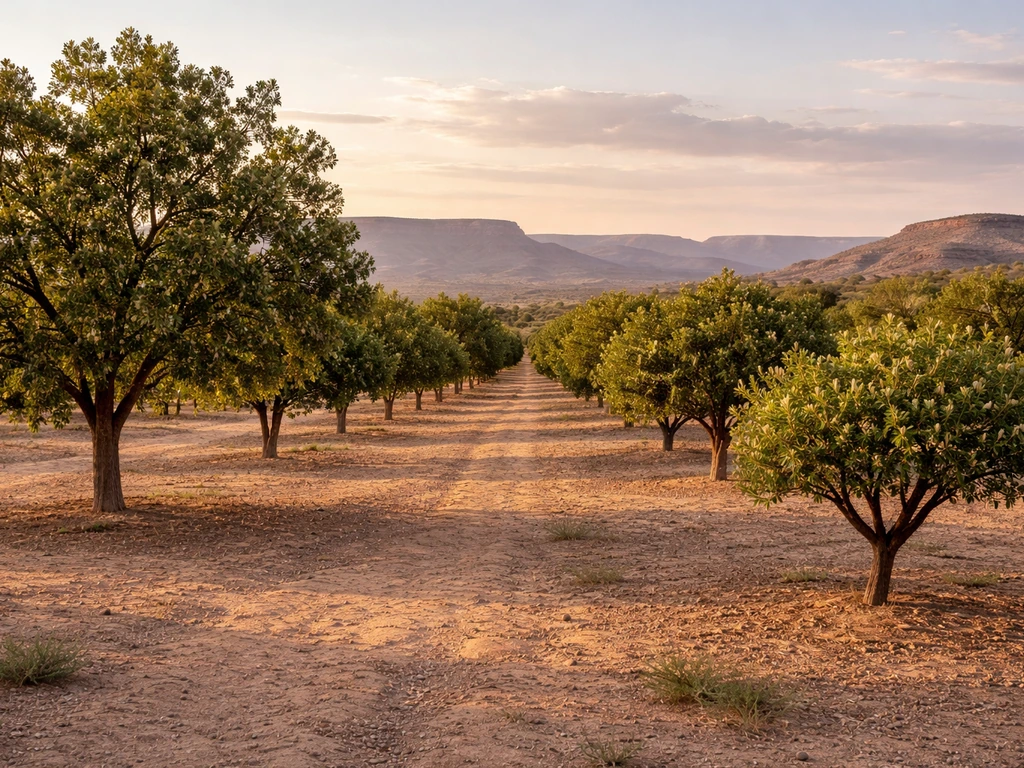
Three nut trees grow reliably in New Mexico when you match them to the right region: pecans in the warm, low-elevation south, pistachios in hot and dry southern valleys, and almonds in lower-elevation sites where you can dodge late spring frosts. NMSU Extension Guide H-310 notes that pecan remains an extremely popular backyard tree in low-elevation areas in the southern half of New Mexico.
What Nut Trees Grow in New Mexico: Species and Requirements
Marcus Hendricks
21 May 2026
In Southern California, the best nut trees are the ones matched to your local heat and frost pattern, with irrigation access also playing a major role best nut trees to grow in southern california. Beyond those three, walnuts, chestnuts, and a few native species are genuinely possible in specific microclimates, but they require more careful site selection.
The state's range of elevations, from 3,000-foot desert basins to 7,000-foot mountain foothills, means there is no single answer for all of New Mexico. Where you are matters as much as what you plant. California has a wide range of climates, so the best nuts there depend on your elevation, chill hours, and frost risk just as they do in New Mexico what nuts grow in california.
The reliable shortlist: nut trees that actually work in New Mexico
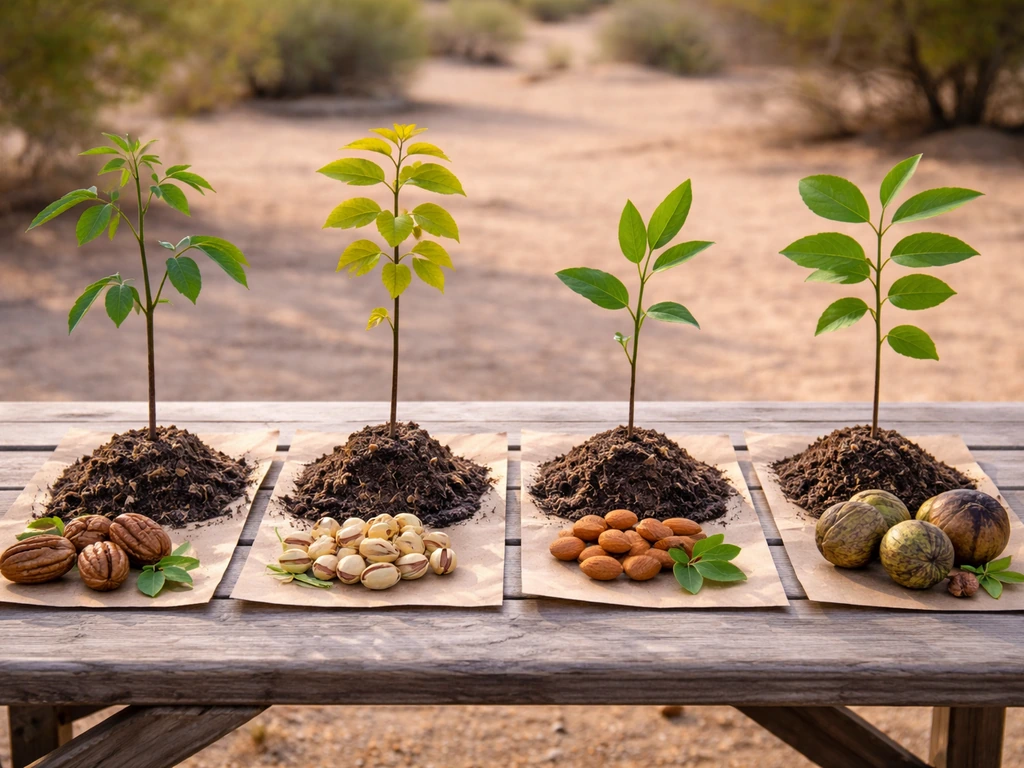
If you want the most practical starting point, here are the species ranked roughly from most to least reliable across New Mexico growing conditions:
- Pecan (Carya illinoinensis): The most established nut crop in the state and an extremely popular backyard tree in low-elevation areas in the southern half. Commercially viable and proven over many decades.
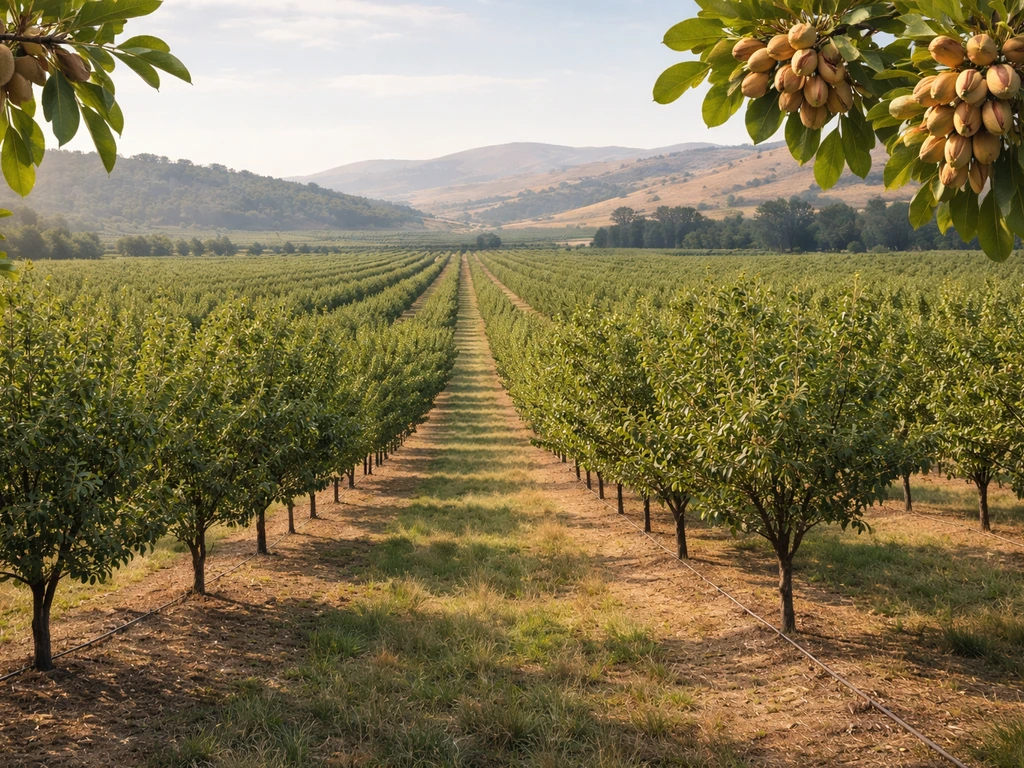
- Pistachio (Pistacia vera): Well adapted to southern New Mexico's hot, dry summers and alkaline soils. More salt-tolerant than most nut trees. Viable for the same low-elevation zone as commercial pecans.
- Almond (Prunus dulcis): Possible at lower elevations in the south, but tricky because of very early bloom timing. Reliable production depends heavily on cultivar choice.
- English walnut (Juglans regia): Best suited for mid-elevation sites (roughly 5,000–6,500 ft) in northern and central New Mexico where summers are cooler. Needs careful frost-pocket avoidance.
- Black walnut (Juglans nigra): Native to some riparian zones in New Mexico and reasonably tough, but produces small, hard-shelled nuts; more of a landscape tree than a reliable nut producer.
- Heartnut and buartnut hybrids: Explored by hobbyists at mid-elevations; not commercially grown but worth experimenting with on sheltered sites.
- Chestnut (Castanea species and hybrids): Possible at mid-to-higher elevations with adequate summer moisture; challenging in the drier parts of the state but worth trying in northern New Mexico.
Everything below pecans and pistachios on that list involves meaningful trade-offs or real uncertainty. That does not mean you should not try them, but go in with accurate expectations.
Matching nut trees to New Mexico's regions
New Mexico is not one climate. The difference between Las Cruces at about 3,900 feet and Taos at about 6,900 feet is the difference between two completely different nut-growing universes. Here is how the main nut species map onto the state's three broad zones.
Low desert and southern valleys (below about 4,500 ft)
This is pecan and pistachio country. Counties like Doña Ana, Luna, Otero, Eddy, Chaves, and Lea have the 200-plus frost-free days that mature pecans need, the heat accumulation that fills pistachio kernels, and the alkaline, well-drained soils both species tolerate well. Commercial pecan production is essentially limited to these lower elevations in the southern counties, and pistachio orchards also concentrate here. NMSU Extension is explicit that pistachio trees should not be planted above 4,500 feet because cooler summer temperatures reduce kernel development. Almonds are also worth trying in this zone, though frost risk at bloom is still a real factor even in the south.
Middle elevations (roughly 4,500–6,500 ft)
This zone covers much of the Rio Grande corridor from Albuquerque northward, the East Mountain communities, and many of the smaller valleys in central New Mexico. Pecans and pistachios become unreliable here because growing seasons shorten and summer heat totals drop. English walnuts are a better fit if you can find a site with cold air drainage so late frosts do not hit the flowers. Almonds at this elevation need very late-blooming cultivars to have any reasonable chance. Backyard hobbyists in Albuquerque have had moderate success with both walnuts and almonds on south-facing, wind-sheltered walls, but expect inconsistent crops.
Higher elevations and mountain foothills (above about 6,500 ft)
Above 6,500 feet, the growing season is simply too short for most nut trees to ripen a crop. Pecans and pistachios are out entirely. Black walnuts persist in some riparian canyons because they are native to the region and extremely cold-hardy, but expecting a reliable harvest is optimistic. Chestnuts, particularly Chinese chestnut hybrids selected for cold hardiness, are probably the best bet at high elevation, provided you can supply enough summer water.
Pinon pine (Pinus edulis) is a native species that produces edible pine nuts and grows naturally at 5,000–7,500 feet across New Mexico. It is not a nut tree in the traditional sense, but if you live at elevation and want an edible nut-producing tree with zero irrigation needs, pinon is worth knowing about.
Cold hardiness, chill hours, and bloom timing: why this matters so much in New Mexico
New Mexico's weather has a particular quirk that catches a lot of growers off guard: late spring freezes. You can have warm days in February and March that push trees into bloom, followed by a killing frost in April. This is the single biggest reason almonds fail so often in New Mexico, and it is why bloom timing is not just an academic detail.
Almonds are among the first nut species to flower in spring, which is exactly the wrong characteristic for a state with unpredictable late frosts. Early-blooming cultivars like 'Nonpareil' and 'Mission' (also sold as 'Texas') are lovely trees but will give you infrequent crops in New Mexico. Later-blooming cultivars such as 'Reliable', 'Oracle', 'All-in-One', 'Bounty', and 'Titan' give flowers a better shot at avoiding the last frost. Even then, a crop is not guaranteed every year.
Pistachios have a different chill hour demand than you might expect for a desert species. They need blank" rel="noopener noreferrer">approximately 1,000 accumulated hours at 45°F or below to break dormancy and begin normal spring growth. Southern New Mexico typically accumulates enough chill hours in a normal winter to satisfy this requirement, but it is worth knowing the number because warmer-than-average winters can cause erratic leafout and poor nut set. Pistachios are hardy to 0-10°F when fully dormant but can be injured by late spring freezes, which matters in southern New Mexico where a March warm spell followed by a late frost is not unusual.
Pecans do not have a particularly high chill requirement, but they need the opposite end of the thermal calendar: a long, hot growing season. A 200-plus day frost-free window is the practical threshold for fully maturing a pecan crop, and that rules out most sites above 4,500 feet. Selecting precocious (early-bearing) cultivars with earlier maturity dates helps push the boundary slightly but does not change the fundamental heat requirement.
Soil, sunlight, and irrigation: what each species actually needs
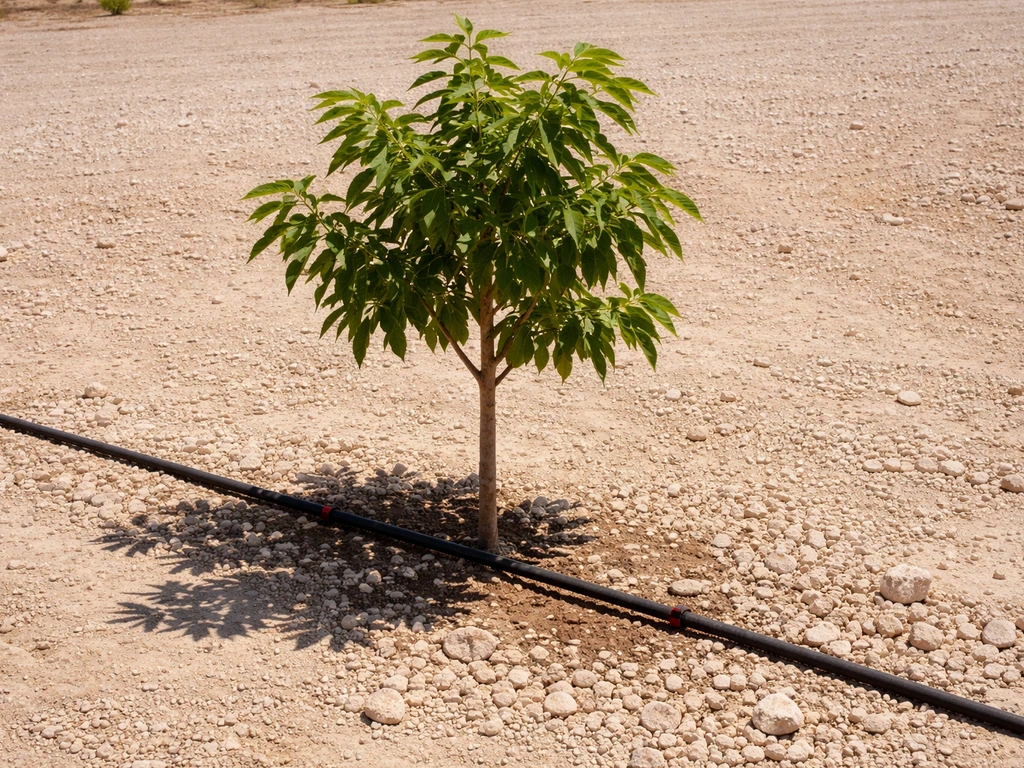
New Mexico soils present a specific set of challenges for nut trees: shallow caliche layers, alkaline pH, occasional salinity problems, and variable drainage. Knowing how each species handles these issues saves you from planting into a site that will fail before the tree ever bears.
| Species | Soil preference | Drainage sensitivity | Salt/alkaline tolerance | Irrigation need | Sun requirement |
|---|---|---|---|---|---|
| Pecan | Deep loamy sand, sandy loam, silt loam; 10+ ft to water table | High — waterlogging kills roots; caliche horizon is a serious problem | Sensitive to salts; requires leaching if salinity builds | Moderate to high; consistent moisture, especially during nut fill | Full sun |
| Pistachio | Well-drained loam to sandy loam; no hardpan within 7 ft | High — does not tolerate wet feet or ponding | More tolerant of salts and alkalinity than other nut trees | Regular irrigation needed despite drought tolerance; about 2 acre-feet/year for mature orchard | Full sun |
| Almond | Well-drained loam; tolerates slightly alkaline soils | Moderate — dislikes standing water but not as demanding as pistachio | Moderate tolerance | Moderate; drought-tolerant once established but needs water during nut development | Full sun |
| English walnut | Deep, well-drained loam; prefers slightly acidic to neutral pH | Moderate — dislikes heavy clay or caliche | Low tolerance for salinity or high sodium | Moderate; appreciates summer irrigation in dry years | Full sun to partial afternoon shade at high elevations |
| Chestnut | Well-drained, slightly acidic soil; does not like alkaline caliche | Moderate | Low — struggles in alkaline NM soils without soil amendment | Moderate to high in dry summers | Full sun |
The caliche issue deserves extra attention for pecan growers. Caliche is a cemented calcium carbonate layer that can sit anywhere from a few inches to several feet below the surface in New Mexico soils. Pecan taproots need to go deep, and they cannot penetrate a solid caliche layer. Before planting a pecan, dig down at least three feet and look for that white, cement-like layer. If you hit it at 18 inches, that site will not work for pecan without serious, expensive remediation. For pistachios, NMSU Extension specifies that hardpan should not be closer than seven feet from the surface.
Drainage testing is worth doing before you commit. Dig a hole 32 inches deep and 8 inches in diameter, fill it with about seven gallons of water, and check it 48 hours later. If water is still standing at the bottom, that site has drainage problems that will cause root rot and stress in pecans and pistachios regardless of how well you manage everything else.
One soil disease worth knowing: cotton root rot (Phymatotrichopsis omnivora) is a soil-borne fungus common in the Southwest that rapidly kills pistachio trees. There is no effective way to prevent or cure it once it is in the soil. If a site has a history of cotton root rot, do not plant pistachios there.
Planting and setup: spacing, pollination, and cultivar choices
Pecans
Grafted cultivars are strongly preferred over seedlings for pecan because named varieties have known performance characteristics. Pecan cultivars are grouped as Type I (protandrous: pollen shed before pollen receptivity) and Type II (protogynous: pollen receptive before pollen shed). Planting at least one variety of each type is essential for good crop set, because self-pollination within a single variety is inefficient.
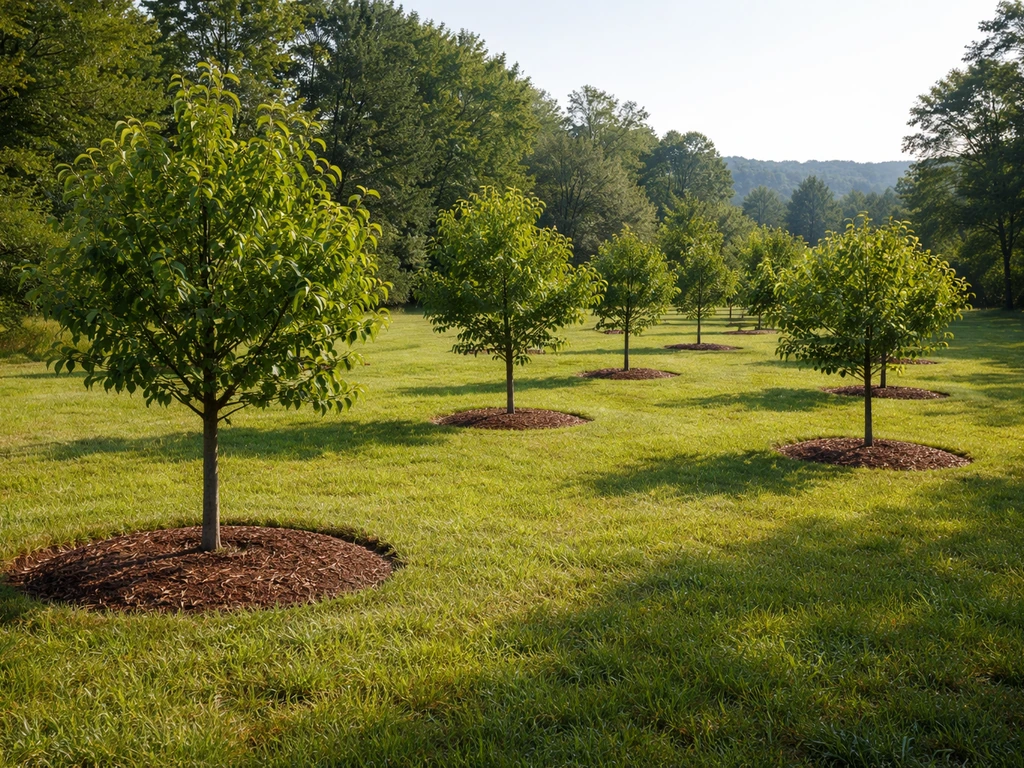
For home orchards, a spacing of 35 to 40 feet between trees is typical, though commercial plantings often start closer and thin later. Precocity, alternate-bearing tendency, freeze injury susceptibility, and salinity tolerance are all traits to evaluate when selecting cultivars. For southern New Mexico, 'Western', 'Wichita', and 'Ideal' are among the recommended commercial varieties, though newer releases with better disease resistance are worth researching through NMSU Extension.
Pistachios
Pistachio is dioecious, meaning male and female flowers are on separate trees. You must plant both to get nuts. The standard orchard ratio is one male tree for every 8 to 10 female trees, with the male positioned where wind carries pollen across the females. NMSU Extension recommends placing a pollinator in the middle of a nine-tree block, with additional pollinators in upwind border rows. For a small backyard with limited space, there is a practical workaround: graft male branches into the canopy of a female tree. This is commonly done and works well. Pistachio spacing in orchards runs about 20 by 20 feet, though trees eventually fill that space at maturity.
Almonds
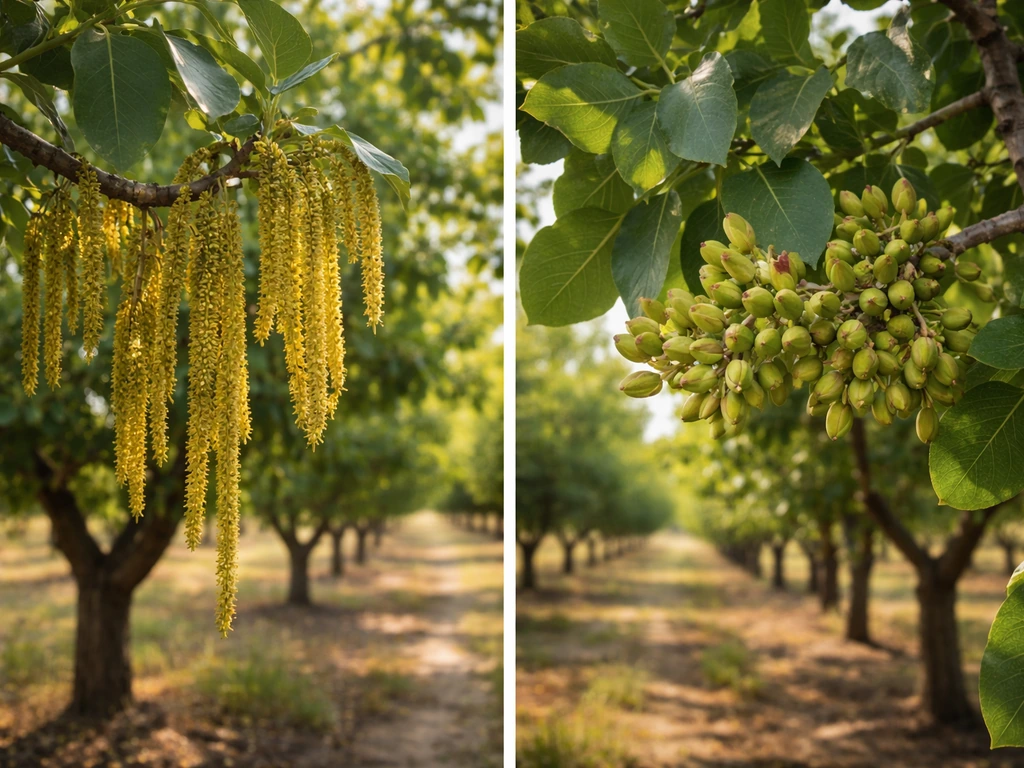
Most almond varieties are not self-fertile and need a compatible pollinizer tree plus honeybees to set a crop. 'All-in-One' is a partial exception as a semi-self-fertile variety, which is one reason it appears on the later-blooming recommended list for New Mexico. Even with 'All-in-One', having a second compatible variety nearby improves yield. Space almond trees about 15 to 20 feet apart. Grafted trees on a compatible rootstock are far preferable to seedlings.
English walnut and chestnut
English walnuts need a compatible pollinizer in many cases, though some cultivars are more self-fertile than others. Space them 25 to 35 feet apart. For chestnuts, plant at least two different varieties for cross-pollination, spaced about 20 to 30 feet apart. Chinese chestnut hybrids selected for cold hardiness and some alkaline tolerance give you the best odds in New Mexico. Avoid sites where soil pH is above 7.5 without planning to amend aggressively, since chestnuts prefer slightly acidic soils.
How long until you see nuts, and what the early years look like
This is where honesty matters. Nut trees are a long game, and the timeline varies considerably by species and whether you plant grafted trees or seedlings.
| Species | Grafted tree first nuts | Seedling first nuts | Full production |
|---|---|---|---|
| Pecan | 4–6 years (precocious varieties) | 8–12 years | 15–20+ years |
| Pistachio | 5–7 years | Not recommended | 10–15 years |
| Almond | 3–5 years | 5–7 years | 6–10 years |
| English walnut | 4–7 years (grafted) | 8–15 years | 10–15 years |
| Chestnut | 3–5 years (grafted) | 5–8 years | 8–12 years |
In the first two to three years, your job is not to grow nuts. It is to grow a root system. Keep the tree watered consistently, protect it from late frost if possible (especially for almonds and pistachios), and resist the temptation to over-fertilize with nitrogen, which pushes leafy growth at the expense of root establishment. Pecans in particular need deep root development before they can handle the summer heat and drought stress that New Mexico regularly delivers.
Pistachio trees are also known for alternate bearing, meaning they tend to produce heavily one year and lightly the next. This is normal and not a sign of failure. Pecan trees can also show alternate bearing patterns, especially when stressed. Good irrigation management during nut fill is one of the best levers you have to moderate the swings.
Where things go wrong: common failures and how to fix them
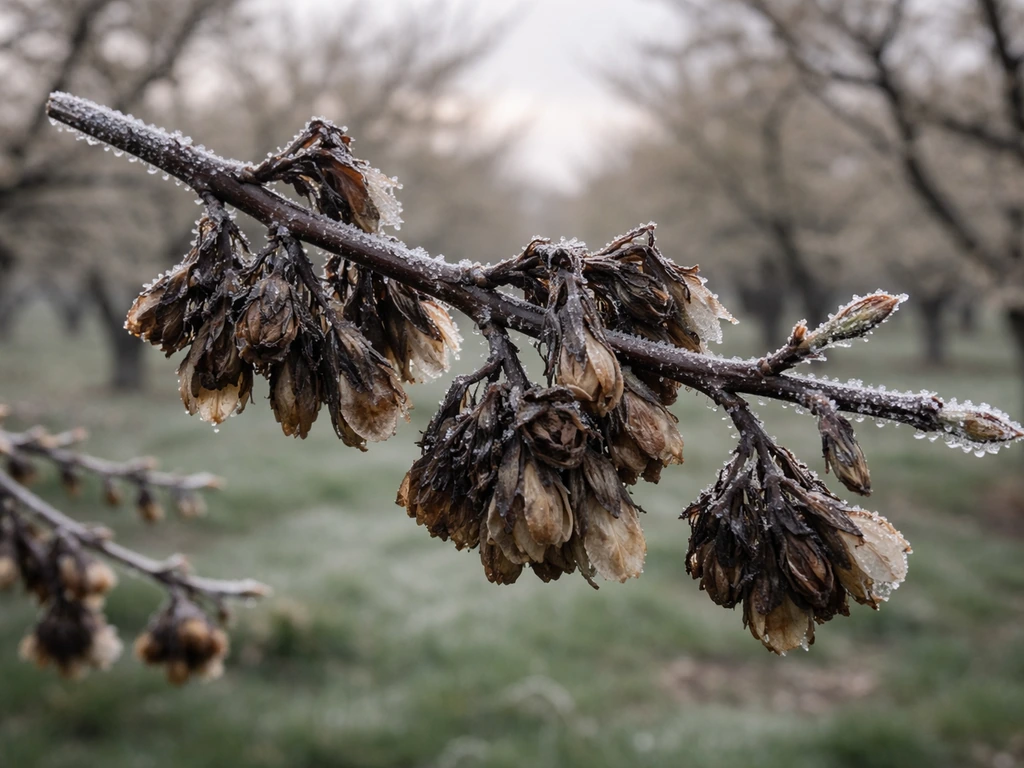
Late spring frost killing the flowers
This is the most common reason almonds fail in New Mexico, and it hits pistachios occasionally too. The fix is not complicated but it does require planning: choose late-blooming cultivars, avoid low spots and frost pockets where cold air pools, and if you are in a marginal location, consider overhead irrigation as frost protection (the ice that forms actually insulates the flowers). Do not plant almonds or pistachios in a site that already has a reputation for late frost damage.
Drought stress during nut fill
Pecan and pistachio both look surprisingly drought-tolerant because they are big, established trees that survive dry spells. But water stress during the kernel-fill period (roughly midsummer through early fall for pecans, similar timing for pistachios) directly reduces kernel quality and weight. Pistachios in particular need regular irrigation despite their desert reputation; a mature pistachio orchard in New Mexico uses roughly two acre-feet of water per year. For home growers, that translates to consistent deep watering through the growing season, not occasional surface wetting.
Poor drainage and salt buildup
Pecan is sensitive to soil salts, and when salt levels build in irrigated New Mexico soils (which happens, especially with lower-quality irrigation water), tree health declines noticeably. The management approach is applying a leaching fraction: irrigating with enough extra water to push salts below the root zone rather than letting them concentrate. High sodium in irrigation water also degrades soil structure and reduces internal drainage, compounding the problem. Address salinity before planting if you know it is an issue on your site.
Caliche blocking root development
Already covered under soils, but worth repeating as a failure mode: pecans and pistachios planted over a shallow caliche layer will never develop the root depth they need. Trees may survive for years but will be chronically stressed and underproductive. Test before you plant.
Wrong species or cultivar for the elevation
This is a silent failure mode. A pecan planted at 5,500 feet in central New Mexico may grow well as a shade tree and even set some nuts, but it will rarely mature a full crop before frost kills the developing nuts in fall. Growers sometimes attribute this to disease or poor care when the real answer is that the tree is simply in the wrong thermal environment. If you are above 4,500 feet, do not count on reliable pecan or pistachio production regardless of how well you manage the tree.
Buying trees, planning varieties, and your next steps
Start with NMSU Extension resources. Their guides on pecan cultivars for New Mexico (Guide H-659), pistachio growing (Circular 532), and general orchard fruits and nuts (Guide H-310) are free, specific to New Mexico conditions, and regularly updated. They name specific cultivars by name with performance notes. Use them before you buy anything.
Buy grafted trees whenever possible. For pecans and pistachios especially, seedling trees have unpredictable performance and much longer times to bearing. Grafted named cultivars give you known pollination type, maturity timing, and yield characteristics. For almonds, grafted trees on a compatible rootstock are the standard for the same reasons.
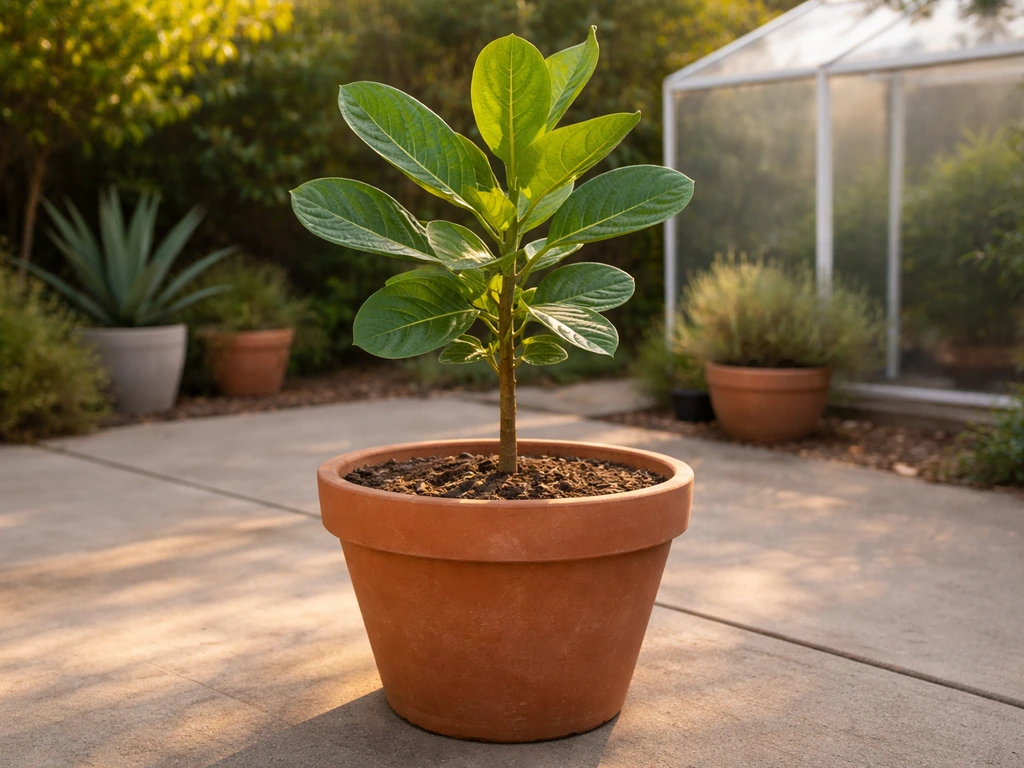
If you are in a marginal or higher-elevation location and still want to try nut trees, consider starting one or two trees in large containers before committing to an in-ground planting. This is most relevant for almonds and pistachios at the upper end of their viable range, where you can bring them under cover during late frost events or observe their performance before digging permanent holes.
New Mexico shares some of these nut-growing challenges with neighboring states. New Mexico shares some of these nut-growing challenges with neighboring states, so it is also worth checking do cashews grow in california if you are comparing options across climates. In South Carolina, the best nut-tree choices also depend heavily on local frost risk, heat accumulation, and how wet your planting site stays during the growing season what nut trees grow in south carolina.
To find what nut trees grow in Virginia, match the species to that region's winter cold, summer heat, and local soil and drainage conditions. In Utah, the most reliable options are usually almonds, pistachios, and hardy walnuts, but what you can grow depends heavily on your elevation and late-spring frost risk.
If you are comparing this to conditions in the Carolinas, you can also look at which nut trees grow in North Carolina and how climate and frost risk affect your choices what nut trees grow in north carolina. The situation for nut trees in Arizona, for instance, has strong parallels in the low-desert and alkaline-soil categories, while the challenges in Utah map more closely to New Mexico's mid-to-high elevation limitations around cold hardiness and short growing seasons.
Simple first-steps checklist before you plant
- Determine your elevation and average frost-free days (NMSU Extension county offices can provide this).
- Do a drainage test: dig 32 inches deep, fill with seven gallons of water, check in 48 hours for standing water.
- Check for caliche: dig down three feet and look for a white cement-like layer.
- Ask your county extension office or a soil lab about salinity and sodium levels if you are irrigating with well water.
- Check site history for cotton root rot if you are planting pistachios.
- Confirm you are below 4,500 feet before investing in pecans or pistachios.
- Choose grafted trees with known cultivar names; avoid unlabeled seedlings.
- Plan for at least two compatible varieties for pollination (pecans: one Type I, one Type II; pistachios: one male plus females; almonds: two compatible varieties unless using 'All-in-One').
- Set realistic timelines: expect 4–7 years to first nuts from grafted trees, full production a decade or more out.
- Design your irrigation system before planting, not after.
FAQ
Can I grow pecans, pistachios, or almonds if my yard is on the same elevation but has different frost exposure?
Yes, but you should treat frost exposure as the deciding factor even when elevation looks right. Cold air pools in low spots and along north-facing or shaded areas, so the same species can fail in one corner of the neighborhood and work in another. Use a simple test by comparing how long frost stays on the ground in spring at different spots, and prioritize a site with good cold-air drainage.
What does “late frost” risk mean in practice for almonds and pistachios?
It means the flowers are present when temperatures drop in April or even May, after warm spells trigger early growth. For almonds, cultivar bloom timing matters, but the microclimate matters too, so avoid any spot with a known history of spring freeze damage or where sprinklers cannot safely run during a freeze. For pistachios, late freezes can injure developing growth even when the winter chill requirement is met.
If I have enough chill hours for pistachios, will they automatically set nuts?
Not automatically. Chill hours support dormancy release, but warm winters can still cause uneven leafout and weaker flowering, especially if spring temperatures swing. Also confirm your irrigation reliability, because kernel development depends on steady moisture during the nut-fill window, not just on winter dormancy.
Is there a quick way to tell whether I’m dealing with caliche or just poor soil depth?
Yes. Dig a test hole to at least three feet (more if you are in an area where trees naturally root deeper) and look for a cement-like calcium carbonate layer. If you can only penetrate a hard, white layer with extreme difficulty at shallow depth, pecan will struggle because its taproot cannot bypass caliche. For pistachios, the goal is also to avoid hardpan being too close to the surface (a common rule of thumb is keeping it at least several feet down).
How can I tell if drainage is good enough without doing the full water-test procedure?
The full soak-and-wait test is best, but you can screen quickly by observing how the soil behaves after a heavy rain or irrigation. If the area stays wet for a day or more, or if you see surface sealing or standing water, it is a red flag for root-rot risk. For pecans and pistachios, drainage problems can harm trees even when you irrigate correctly.
What’s the practical difference between planting from seedlings versus buying grafted trees?
Grafted trees provide more predictable pollination timing and bearing behavior, which matters a lot in New Mexico’s frost and heat timing constraints. Seedlings can grow well but often take much longer to fruit and can be inconsistent in bloom timing relative to your local late-frost pattern. If you want nuts within a reasonable timeframe, grafted named cultivars are usually the safer decision.
For pecans, do I really need both Type I and Type II trees?
In most home orchard situations, yes, because pollen timing differences mean a single cultivar does not reliably pollinate itself. Planting at least one of each type improves the odds of good nut set. If space is limited, choose a pairing plan first, then select cultivars that also fit your frost sensitivity and maturity window.
Can I self-pollinate pistachios with just one tree?
No. Pistachios require separate male and female trees because flowers are on different plants. If you cannot fit two trees, a workaround is grafting male branches into the canopy of a female tree, but it still requires planning so the grafted male can shed pollen at the right time.
Do honeybees always solve almond pollination issues in New Mexico?
They help, but bees are not a guarantee. Many almond varieties are not self-fertile, so you still need a compatible pollinizer tree and a time overlap between blooms. Also, weather during bloom matters, if it is too cold, too windy, or rainy, bee activity drops and yields can still be low.
If I plant at the right elevation, why might my nuts still fail to mature?
Because the season may end before kernels fully develop, which is especially likely above the reliable heat zone boundaries. A tree can look healthy and even produce some nuts, then still fail to mature a full crop if fall frosts arrive early. This is why the “over 4,500 feet” guidance for reliable pecan and pistachio production is so strict in practice.
Are pinon pine “pine nuts” a realistic alternative if I don’t want irrigation?
They can be, but expectations should be adjusted. Pinon pine produces edible pine nuts in the right habitat, and it is adapted to grow with minimal irrigation once established. However, it is not a fast, uniform orchard-style production crop, and nut quality and yield depend on local conditions and stand health.
What’s the best way to protect young trees from late spring freezes if I do not have overhead irrigation?
Your options depend on your setup. If you cannot run overhead irrigation for frost protection, choose the safest microclimate first (cold-air drainage, sheltered but not trapped air). For marginal locations, using large containers so you can cover or move the tree during freeze events can reduce losses, but it still requires careful timing and hardening off before returning the tree outdoors.