California grows more nut varieties than almost any other state in the country, and that's not an accident. The state spans USDA hardiness zones 5 through 11, meaning somewhere in California you can find the right conditions for nearly every temperate nut tree that exists. Almonds, walnuts, pistachios, pecans, chestnuts, hazelnuts, macadamias, and even some more obscure species all have a place here, depending on where you are. The catch is that "where you are" matters enormously.
What Nuts Grow in California Best by Region and Climate
Marcus Hendricks
20 Apr 2026
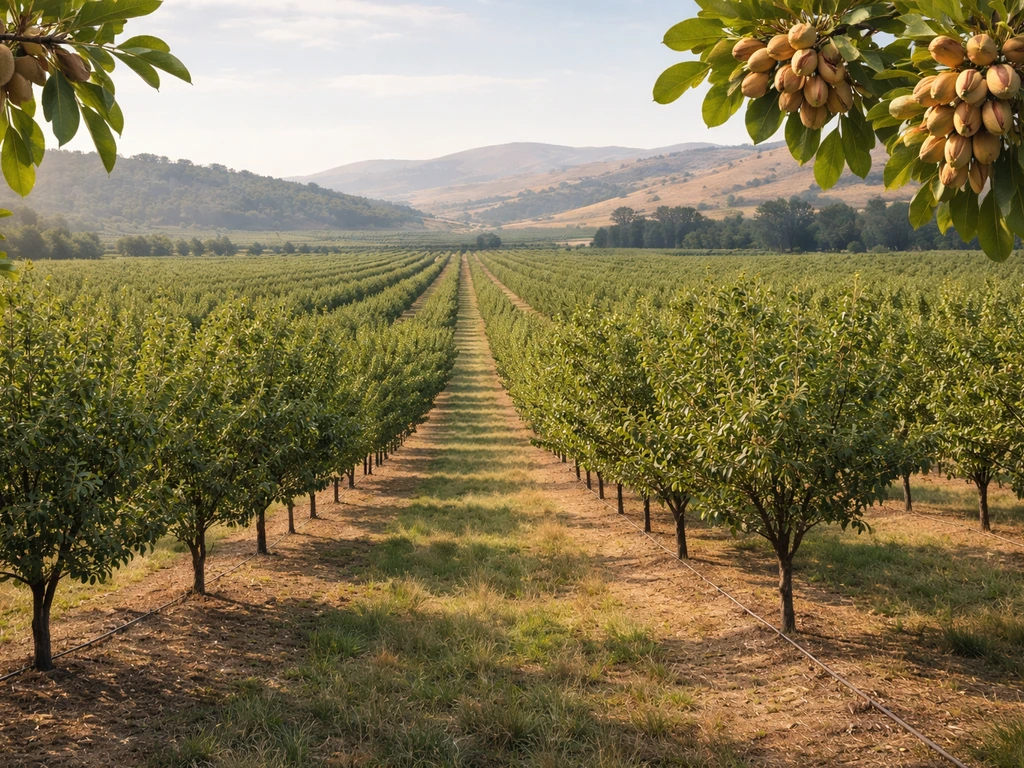
A tree that thrives in Fresno will struggle in San Francisco, and a variety that loves the foothills above Sacramento won't survive a Coachella Valley summer. So the real answer to what nuts grow in California isn't a single list, it's a regional breakdown.
Quick look: which nuts grow where in California
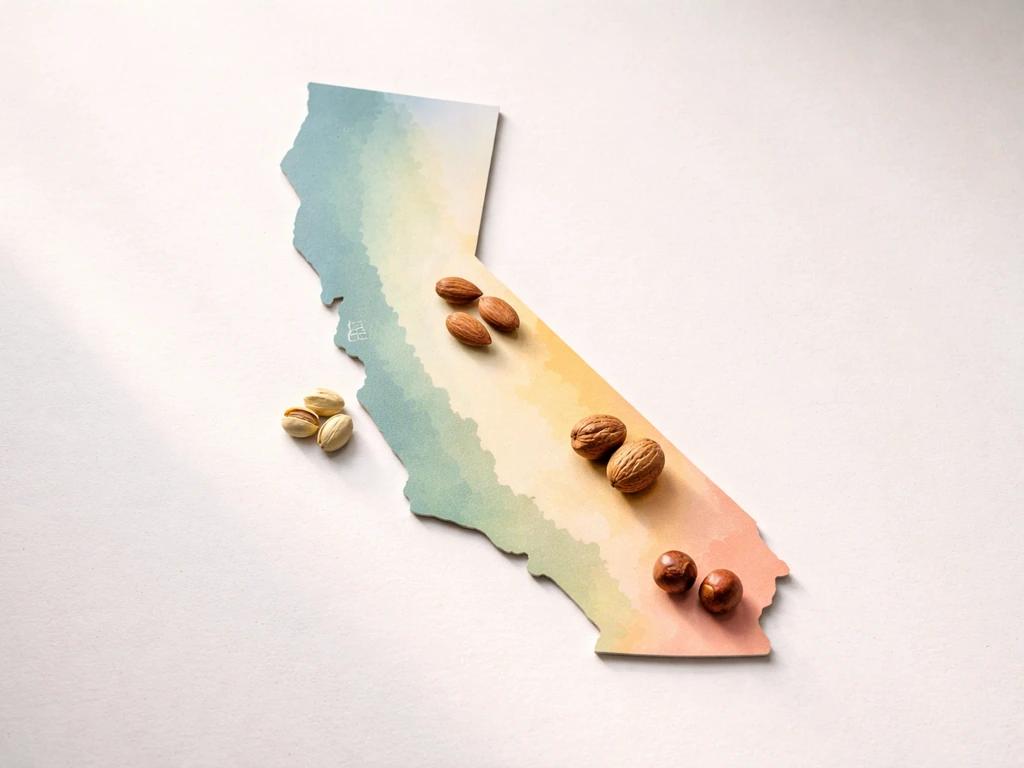
Before diving into regions, it's worth clearing up a small but useful distinction. In botanical terms, a true nut is a dry, hard fruit that doesn't split open at maturity, think chestnuts, hazelnuts, and acorns. Almonds, walnuts, and pistachios don't fit that strict definition botanically (almonds are technically drupes), but in everyday gardening and culinary usage, they're all called nuts. This article uses the broader culinary definition, because that's what's actually useful when you're choosing what to plant.
| Nut | Best California Region(s) | Chilling Hours Needed | Heat Tolerance | Backyard-Friendly? |
|---|---|---|---|---|
| Almond | Central Valley, inland valleys | 200–400 hrs (low-chill cultivars) | Excellent | Yes, with pollinator |
| English Walnut | Central Valley, foothills, inland valleys | 700–1,000 hrs | Good | Yes (self-fertile varieties exist) |
| Pistachio | Central Valley, deserts, hot inland | 1,000 hrs | Excellent | Needs male + female tree |
| Pecan | Central Valley, inland valleys, warmer foothills | 500–1,000 hrs (varies by cultivar) | Good–Excellent | Needs space; 2 trees for pollination |
| Chestnut | Foothills, coastal ranges, mountain edges | 500–1,000+ hrs | Moderate | Yes; plant 2+ for pollination |
| Hazelnut/Filbert | Coastal, northern California, cooler inland | 800–1,200 hrs | Low–Moderate | Yes; plant 2 cultivars |
| Macadamia | Southern coastal, frost-free zones | Near zero | Moderate (dislikes extreme heat) | Yes in frost-free areas |
| Peanut | Central Valley, warm inland | None (annual crop) | High | Yes as a garden crop |
| Black Walnut (native) | Statewide (various species) | Moderate | Good | Yes; allelopathic — space carefully |
Best nuts for coastal California
Coastal California, think the Bay Area, the Central Coast, and the Southern California coastline, comes with mild winters, fog, and relatively cool summers. That combination is wonderful for living near the beach but genuinely limiting for nut trees that need heat to ripen their crop or cold to break dormancy. You need to be strategic here.
Hazelnuts and filberts
Hazelnuts are the standout performers on the coast. They tolerate the fog and moderate summers, and the cooler winters along the Northern California coast actually provide the 800 to 1,200 chilling hours many varieties need. The challenge is Eastern Filbert Blight, a fungal disease that devastates European hazelnut cultivars. If you're planting on the coast, look specifically for blight-resistant varieties like 'Jefferson,' 'Theta,' or 'Wepster,' which were bred by Oregon State University. You'll need at least two different cultivars for cross-pollination since hazelnuts are not self-fertile. Expect nuts in 3 to 5 years from a grafted tree.
Macadamia
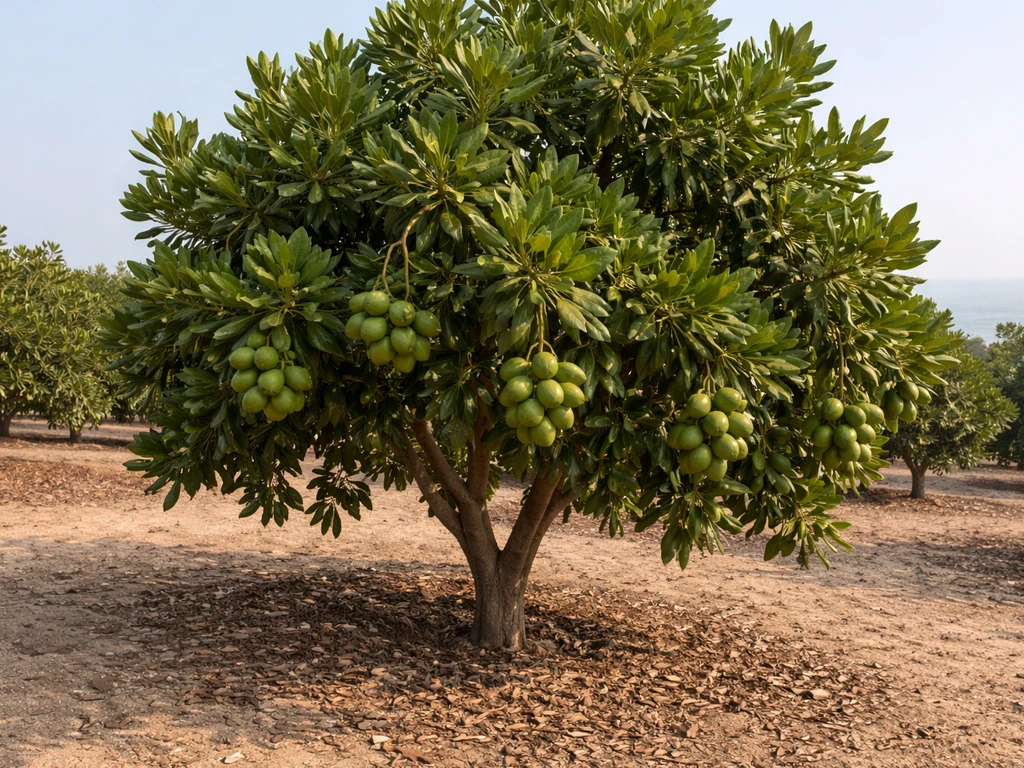
In frost-free coastal Southern California (think San Diego, parts of Los Angeles, and the warmer pockets of the Central Coast), macadamia trees genuinely thrive. They need no chilling hours and prefer the mild, frost-free winters the Southern California coast provides. Macadamias don't handle prolonged freezes, anything below about 26°F damages or kills them, but they also dislike the blast-furnace heat of the inland deserts. The coast is their sweet spot. Give them well-drained, slightly acidic soil, consistent moisture, and patience: most grafted macadamia trees won't begin serious production until year 5 or 7, and they'll take 10 or more years to hit full yield.
Low-chill almonds
Standard almond varieties need too much winter heat accumulation and specific cold to thrive on the foggy coast, but low-chill cultivars like 'All-In-One' (which is also partially self-fertile) can work in warmer coastal microclimates, particularly in Southern California coastal areas that get enough summer warmth. The Monterey coast is generally too cool and foggy for reliable almond production; Southern California coastal zones are more promising.
Best nuts for the Central Valley and inland valleys
The Central Valley is California's nut-growing engine, and for good reason. Hot summers, cold (but not brutal) winters, deep alluvial soils, and access to irrigation make it one of the best temperate nut-growing regions in the world. California produces about 80% of the world's almond supply, almost entirely from the Central Valley. If you're in Fresno, Modesto, Bakersfield, or the Sacramento Valley, you have the widest selection of any region in the state.
Almonds
Almonds are the defining nut of the Central Valley. They need 200 to 400 chilling hours (hours below 45°F), which the valley provides reliably, and they need warm, dry weather during bloom (February to March) and harvest (August to October). The biggest practical challenge for backyard growers is pollination: most commercial almond varieties require a second compatible variety for cross-pollination and bees to move the pollen. 'Nonpareil' is the standard, but it needs a pollinizer like 'Carmel,' 'Mission,' or 'Monterey.' If space is tight, 'All-In-One' is partially self-fertile and worth considering. Plant almonds in well-drained soil, they're very susceptible to root rot in waterlogged ground, and expect your first real crop around year 3 to 4 from a grafted tree.
English (Persian) walnut
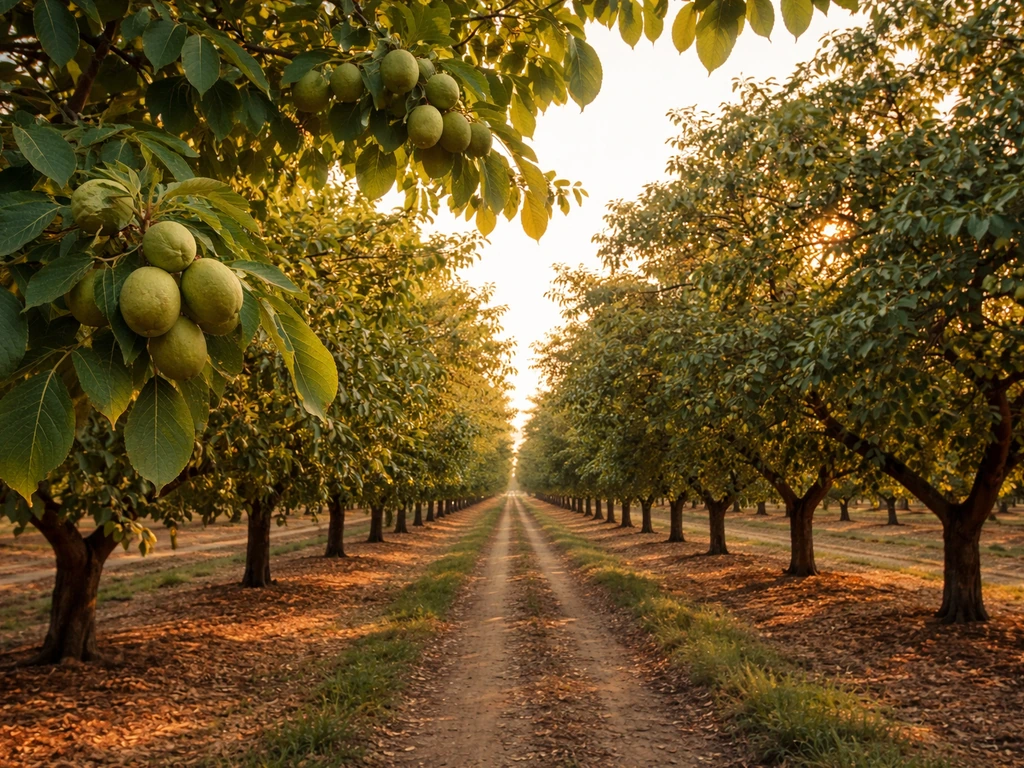
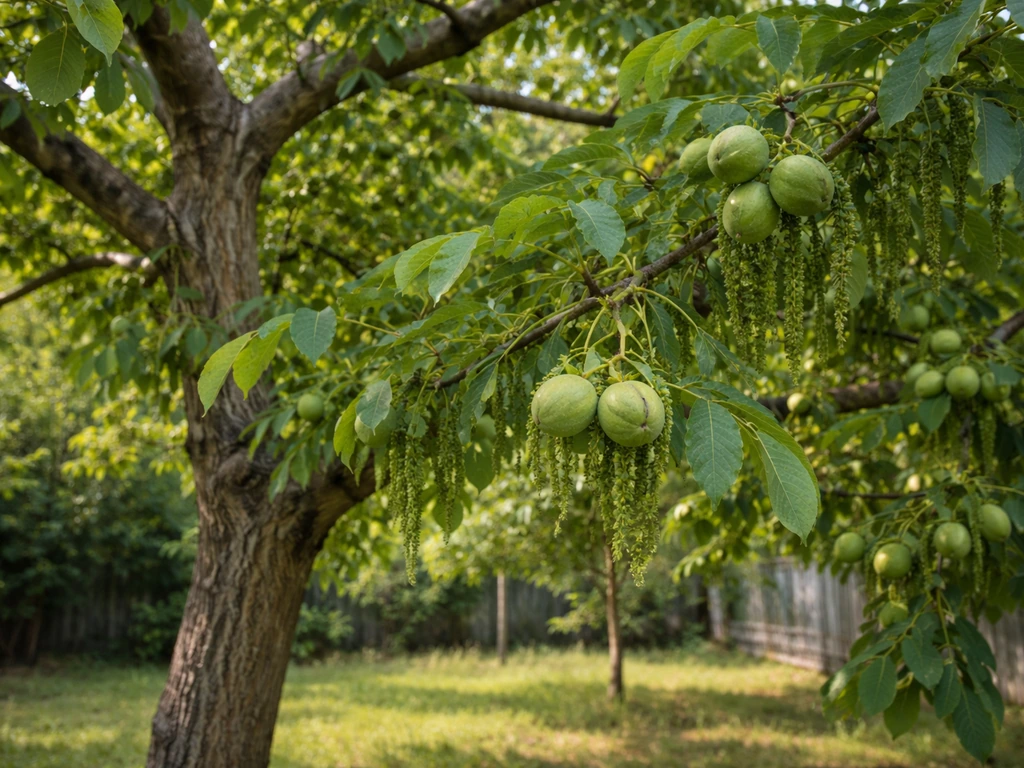
English walnuts (Juglans regia) are another Central Valley staple. California grows the vast majority of the US commercial walnut crop, centered around the Sacramento Valley. They need roughly 700 to 1,000 chilling hours and perform best where summers are warm and long. Standard commercial varieties like 'Chandler' and 'Howard' are excellent choices for the valley; 'Franquette' handles cooler conditions and is a solid pick for the northern end.
Most grafted walnuts begin bearing in years 4 to 6 and can live and produce for decades. One thing backyard growers often miss: walnuts are allelopathic, they produce juglone, a compound toxic to many plants, so be thoughtful about what you plant within 50 to 60 feet of the drip line. UW Extension (Wisconsin Horticulture) explains that black walnut produces [juglone](https://hort. extension.
wisc. edu/articles/black-walnut-toxicity), which inhibits the growth of some plants beneath or near the tree, and juglone is found in all parts, especially buds, nut hulls, and roots.
Pistachios
Pistachios are a natural fit for the hotter parts of the Central Valley, especially the San Joaquin Valley south of Fresno. They actually need significant chilling, around 1,000 hours, combined with long, dry, hot summers for the nuts to fill and ripen properly. They're also highly drought-tolerant once established, which matters in California's water-constrained reality. The critical thing to know: pistachios are dioecious, meaning you need a separate male tree and one or more female trees.
The standard approach is one male (like 'Peters') for every 8 to 10 female trees (like 'Kerman'). Pistachios are slow starters, expect a real crop around year 7 to 10, and they alternate-bear heavily, producing a big crop one year and a lighter one the next.
Pecans
Pecans can and do grow in the Central Valley, though they're less common than almonds or walnuts. They need a long, hot growing season, 200+ frost-free days, and consistent water, which the valley can provide with irrigation. Choose cultivars that match local chilling hours; 'Wichita' and 'Western' are often recommended for California's Central Valley conditions. Pecans are large trees (they can reach 70 feet at maturity) so space is a real consideration for backyard growers. Like hazelnuts, they benefit from two different cultivars for cross-pollination, though some cultivars have overlapping bloom times that allow a degree of self-pollination.
Nuts for the foothills and colder pockets
The Sierra Nevada foothills (roughly 1,000 to 4,000 feet elevation), the coastal ranges at higher elevations, and the colder inland valleys of Northern California open up options that don't work at lower elevations, particularly for trees that need serious winter chill. At the same time, frost risk, shorter growing seasons, and heavier rainfall change the calculus.
Chestnuts
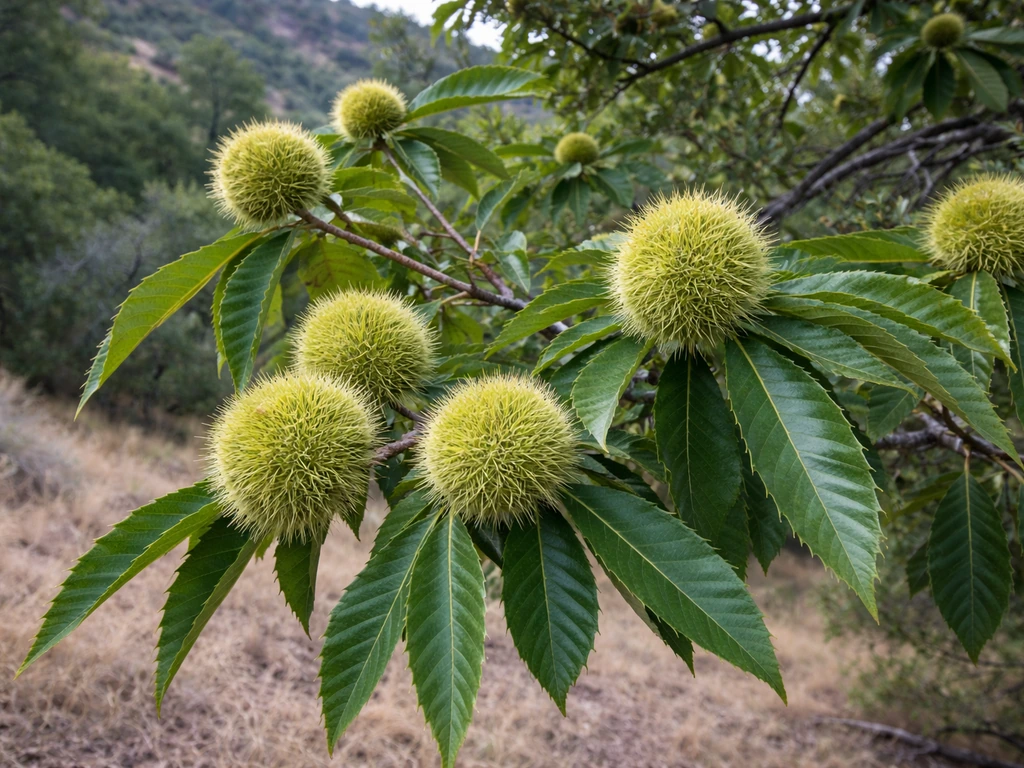
Chestnuts are genuinely well-suited to the California foothills and are underused by home growers. They want well-drained, slightly acidic soil, 500 to 1,000+ chilling hours, and protection from late spring frosts that can damage flowers. The foothills of El Dorado, Placer, and Nevada counties are excellent territory. Choose Chinese chestnut (Castanea mollissima) or hybrid varieties rather than American chestnut (which is devastated by chestnut blight) or European chestnut (Castanea sativa, which is also blight-susceptible). Chinese chestnuts are blight-resistant and reliably productive. You'll need at least two trees for cross-pollination; they don't reliably self-pollinate. Grafted trees can begin producing in 3 to 5 years.
Walnuts at elevation
English walnuts grow well into the foothills up to about 3,000 feet, especially in the northern Sierra foothills. At higher elevations, late frosts become a real hazard because walnut flowers emerge early and can be damaged by a hard frost in March or April. 'Franquette' is more frost-tolerant and blooms later, making it a smarter choice at the upper end of the foothill zone. California black walnut (Juglans californica and Juglans hindsii) is native to the state and grows naturally in foothill and valley conditions, it's often used as rootstock for English walnuts.
Hazelnuts in cooler inland areas
Hazelnuts that struggle in the warm Central Valley do well in the cooler foothill zones and Northern California's inland valleys. At 1,500 to 3,000 feet, they can accumulate the chilling hours they need without the waterlogging risks of coastal fog zones. Again, Eastern Filbert Blight is the primary disease concern, choose resistant varieties.
Nuts for desert and low-rainfall regions
Southern California's inland deserts, the Coachella Valley, the Antelope Valley, the high desert around Victorville and Palmdale, and the Imperial Valley, present extreme heat, low humidity, and minimal rainfall. Most nut trees won't survive here without significant irrigation and careful variety selection, but a handful perform surprisingly well.
Pistachios in the desert
Pistachios are actually well-adapted to hot, arid conditions and are grown commercially in desert-edge areas of the southern San Joaquin Valley. In true low desert zones like the Coachella Valley, the challenge flips: winters may not provide enough chilling hours (you need around 1,000), so check local weather data carefully before planting. The high desert (Antelope Valley, around 2,500 feet) often gets adequate chill and enough summer heat for pistachios to work.
Almonds in hot inland areas
Low-desert zones often don't provide enough chilling hours for standard almond varieties, but some low-chill cultivars can work if you have reliable irrigation. Water is the limiting factor in desert cultivation, not heat, almonds actually tolerate intense heat well once established, but they need consistent moisture during nut development in summer.
Peanuts as a desert-season annual
Peanuts (technically a legume, not a nut, but universally treated as one culinarily) grow as an annual warm-season crop and perform well in the warm soils of the southern Central Valley and some desert-adjacent areas. They need a long frost-free season of at least 120 days, sandy or loamy well-drained soil, and consistent irrigation. They're a legitimate backyard crop in the right California locations, though not a tree crop.
How to pick the right nut for your exact spot
The single most useful thing you can do before planting any nut tree is figure out your chilling hours. Chilling hours (the number of hours between roughly 32°F and 45°F during winter) drive dormancy and bloom timing for most temperate nut trees. Too few chilling hours and the tree blooms erratically or not at all. Too many (not a common California problem, but relevant at elevation) can cause early bloom into late frosts. UC Cooperative Extension keeps local chill hour data by county, it's worth looking up your specific area rather than guessing by region.
Beyond chilling hours, here's what to evaluate for your specific site:
- USDA hardiness zone and last/first frost dates: These determine what survives winter and how long your growing season is. Zones 8–10 cover most of coastal and Central Valley California; foothills range from zones 6–8; desert areas run zones 9–11.
- Soil drainage: Most nut trees, especially almonds and walnuts, are very sensitive to waterlogged roots. If your soil is clay-heavy or sits wet in winter, raised beds or mounding may be necessary, or choose a more water-tolerant species like chestnut.
- Irrigation access: Very few nut trees in California survive on rainfall alone outside the wettest northern coastal zones. If you don't have access to reliable irrigation, your choices narrow significantly.
- Space available: Walnuts and pecans grow large (50–70 feet at maturity). Almonds, chestnuts, and hazelnuts are more manageable for typical backyard lots. Macadamias stay relatively compact.
- Pollination requirements: Nearly every nut tree covered here needs either a second compatible variety or a specific male tree nearby. Plan for this before you buy your first tree.
- Microclimate factors: A south-facing slope in the foothills is warmer and drier than a north-facing one at the same elevation. Cold air drainage into low spots can create frost pockets. A wall or structure nearby can add warmth. These microclimates shift what's possible by a full zone or more.
On variety selection: always buy grafted trees rather than seedlings grown from nuts. Grafted trees produce fruit true to the parent variety, bear in a predictable timeframe, and are often grafted onto rootstocks selected for local soil conditions (like Paradox hybrid rootstock for walnuts, or Marianna for certain stone fruits used in almond production). Seedling-grown trees can take twice as long to bear and produce unpredictable results.
Planting and care basics
Most nut trees in California are planted as bare-root or containerized stock in late winter (January to March). Bare-root planting while the tree is still dormant gives it the best chance to establish before summer heat arrives. Dig your hole wide and shallow rather than deep and narrow, roots spread outward, not downward, and make sure the graft union sits 2 to 4 inches above the soil line.
Irrigation in the first two to three years is critical regardless of species. Even drought-tolerant trees like pistachios need consistent water during establishment. Once established, irrigation needs vary: almonds need careful scheduling tied to hull-split timing in late summer; walnuts need consistent deep watering through summer; pistachios are more tolerant of dry periods between irrigations. Drip irrigation is almost always preferable to overhead watering for nut trees, as wet foliage promotes fungal disease.
Fertilization should be modest in years one and two, focus on root establishment, not top growth. Starting in year three, nitrogen is the key nutrient for most nut trees; a soil test can tell you whether you need to address pH or specific micronutrients. Walnut and almond orchards in the Central Valley often benefit from zinc supplementation, which is commonly deficient in California soils.
Bearing timelines vary considerably by species:
| Nut Tree | First Crop (Grafted Tree) | Full Production |
|---|---|---|
| Almond | 3–4 years | 6–8 years |
| English Walnut | 4–6 years | 8–12 years |
| Pistachio | 7–10 years | 15–20 years |
| Pecan | 5–7 years | 10–15 years |
| Chestnut | 3–5 years | 7–10 years |
| Hazelnut | 3–5 years | 6–8 years |
| Macadamia | 5–7 years | 10–15 years |
Harvest timing is driven by the tree, not the calendar, though timing is fairly consistent by location. Almonds are harvested in August and September when the hull splits. Walnuts follow in September and October when the hull blackens and loosens. Chestnuts fall to the ground in October and November, they're harvested from the ground, not the tree. Hazelnuts are ready when they drop naturally from the husks, usually in September. Macadamias drop over a long season from January to June in Southern California.
Common mistakes and honest expectations
The biggest mistake backyard growers make is planting a single tree and wondering why it doesn't produce. If you are still figuring out what to grow, you can also compare cashews to other nut options and decide whether do cashews grow in california is even realistic for your spot. Almonds need a cross-pollinating variety and active bee activity during bloom. Pistachios need a male tree. Chestnuts and hazelnuts need two different cultivars nearby. Even species that are listed as "self-fertile" often produce significantly better yields with a second tree present. If you only have room for one tree, choose 'All-In-One' almond or a self-fertile English walnut variety, but go in knowing your yields will be lower.
The second most common mistake is ignoring drainage. Root rot from Phytophthora (water mold) kills more almond and walnut trees in California backyards than any other cause. If your soil is heavy clay or holds water after rain, either amend aggressively before planting, build raised mounds, or switch to a more tolerant species like chestnut.
Pest and disease management is a real part of nut growing, not an afterthought. Navel orangeworm is the number one insect pest for almonds, walnuts, and pistachios in California; it overwinters in mummified nuts left on the tree or ground, so sanitation (removing all nuts after harvest) is the most important control. Walnut husk fly damages walnut quality. Almonds are susceptible to shot hole fungus and hull rot in wet conditions. Being aware of these issues ahead of time lets you make smarter site and variety choices, for example, a location with good air circulation drastically reduces fungal pressure.
Realistic yield expectations matter too. A mature backyard almond tree might produce 10 to 50 pounds of in-shell nuts per year depending on variety and management. A walnut tree at full production can yield 50 to 150 pounds. Pistachios produce much less until the tree is over a decade old. Chestnuts can surprise you on the upside: a mature Chinese chestnut tree in good conditions can produce 50 to 100 pounds annually. None of these numbers are guarantees, they reflect what's possible under decent conditions with appropriate care.
One more thing worth mentioning: if you're in a particularly challenging zone, extreme desert heat, very low desert chilling, or a frost-prone mountain microclimate, it's worth looking at what neighboring states do with their nut growing. Growers in Arizona and New Mexico face some overlapping climate challenges with Southern California's desert regions, particularly around heat tolerance and irrigation needs. Growers there often do best with low-chill, drought-tolerant varieties and a solid irrigation plan growers in Arizona and New Mexico.
If you want a quick starting point, the best nut trees to grow in southern California also come down to matching chilling hours, heat tolerance, and irrigation needs to your exact microclimate growers in Arizona and New Mexico. If you're wondering what nut trees grow in New Mexico, start by looking at low-chill options and reliable irrigation.
For example, if you’re trying to answer what nut trees grow in South Carolina, the best picks will depend on your local chilling hours and whether you have enough heat and drainage for the species you choose. The strategies that work in those climates often apply here too.
California's range of climates means there is almost certainly a productive nut tree that fits your location. For Virginia, the best choices depend on your local chilling hours and whether you can protect young trees from late spring frosts what nut trees grow in Virginia. For specific options in the Tar Heel State, you will want a list of what nut trees grow in North Carolina and which sites they suit best.
The key is matching the tree to the site rather than the other way around. Start by nailing down your chilling hours and drainage situation, then narrow your list from there. If you are targeting a similar mountain or desert microclimate in Utah, the same approach of matching chilling hours, heat tolerance, and drainage applies as you research what nut trees grow in Utah.
Plant grafted trees, plan for pollination from day one, and be honest with yourself about the timeline, most nut trees are a multi-year investment, not a quick return. But when they do come into production, they can be remarkably productive for decades.
FAQ
Can I grow “true nuts” like chestnuts and hazelnuts in the same yard as almonds or walnuts?
Often yes, but don’t treat them as identical. Chestnuts and hazelnuts can be sensitive to late frosts at bloom, while almonds and walnuts are more about chilling plus spring weather and irrigation scheduling. Also plan spacing, because walnuts release juglone that can inhibit many understory plants within roughly 50 to 60 feet of the drip line, even if you still grow another nut tree there.
If I don’t know my chilling hours, what’s the fastest way to narrow down what nuts grow in my California area?
Start with two measurements instead of guessing by region: (1) your county chill-hour estimate, and (2) your frost pattern (how often you get damaging lows in March or April). Then shortlist only varieties that match your chill range, and add a frost risk check for any species that flowers early, especially English walnuts in foothill locations.
What’s the best nut tree to choose if I only have space for one tree?
Many nuts won’t perform well from one tree even if the variety is marketed as partially self-fertile. The article’s best one-tree options are ‘All-In-One’ almond (partially self-fertile) or a self-fertile English walnut variety, but expect reduced yields versus planting a compatible second cultivar. For pistachios, you still need a male, so it generally cannot be “one tree” unless you already have another compatible pistachio nearby.
How far apart do I need to plant cross-pollination partners for nuts in California?
Cross-pollination distance matters less than bloom overlap, but spacing still affects pollen movement and disease airflow. As a practical approach, keep compatible cultivars within the effective pollination radius for the crop (often a few dozen feet for backyard orchards, not across the entire property). For hazelnuts and chestnuts, make sure you buy two specific cultivars that bloom at the same time, since “two trees” alone does not guarantee good set.
Are grafted trees always better for California nut growing, even if I buy seedlings?
For most home growers, yes. Grafted trees deliver predictable variety traits and a tighter bearing timeline. Seedlings can take significantly longer, and the resulting trees may not match the nut quality or growth habit you want, even if they look similar when young.
What irrigation mistake kills nut trees the most in California backyards?
Poor drainage combined with too much water, especially for almonds and walnuts. Even if you water “correctly” by schedule, heavy clay or persistent wetness can promote Phytophthora root rot. If your soil stays damp after rain, amend aggressively or use raised mounds before planting, and keep drip lines positioned so the trunk stays dry.
Do I need to fertilize in the first couple of years, or can I wait?
Don’t skip entirely, but keep it modest early. Years one and two are mainly for root establishment, not big top growth. Starting around year three, nitrogen becomes more important for most nut trees, and a soil test can reveal pH or micronutrient needs, such as zinc issues that are common for almond and walnut orchards in parts of the Central Valley.
How do I avoid pest problems before they start, especially with almonds and walnuts?
Use sanitation as your foundation. Navel orangeworm is closely tied to mummified nuts left behind, and that means thorough cleanup after harvest, not just a casual sweep. For walnuts, also watch for walnut husk fly issues and remove damaged fruit when practical, because quality losses start in the season before you notice them at harvest.
Why do my neighbors’ nut trees do well while mine fails, even though we’re in the same town?
Microclimate and site details usually explain it. Two yards can have different frost exposure, wind and air circulation, soil drainage, and summer heat stress, and those factors can outweigh general regional guidance. That’s why the article emphasizes matching chilling hours and drainage, and why air movement is a big deal for reducing fungal pressure.
What should I expect for the timeline, if I plant today and want to harvest in California?
Expect a multi-year ramp. A grafted almond can give a meaningful crop around year three to four, grafted walnuts around year four to six, and pistachios often around year seven to ten. Even when flowering occurs earlier, full production is usually delayed, so plan for ongoing care rather than expecting quick results.