Betel nut grows on Areca catechu, a slender tropical palm native to Southeast Asia and the Pacific. It is not a tree in the botanical sense most nut growers are used to. The palm starts from a whole fruit sown directly into the ground, germinates in about 90 days, spends the first several years just building height and leaf mass, and then begins flowering around year 4 to 6. You will not see your first real harvest until year 7 or 8 at the earliest, with full production not kicking in until the palm is 10 to 15 years old. If you are in a humid tropical climate with no frost, rich well-drained soil, and patience measured in years rather than seasons, growing betel nut is absolutely achievable.
How Does Betel Nut Grow Where It Thrives and How to Cultivate
Marcus Hendricks
6 May 2026
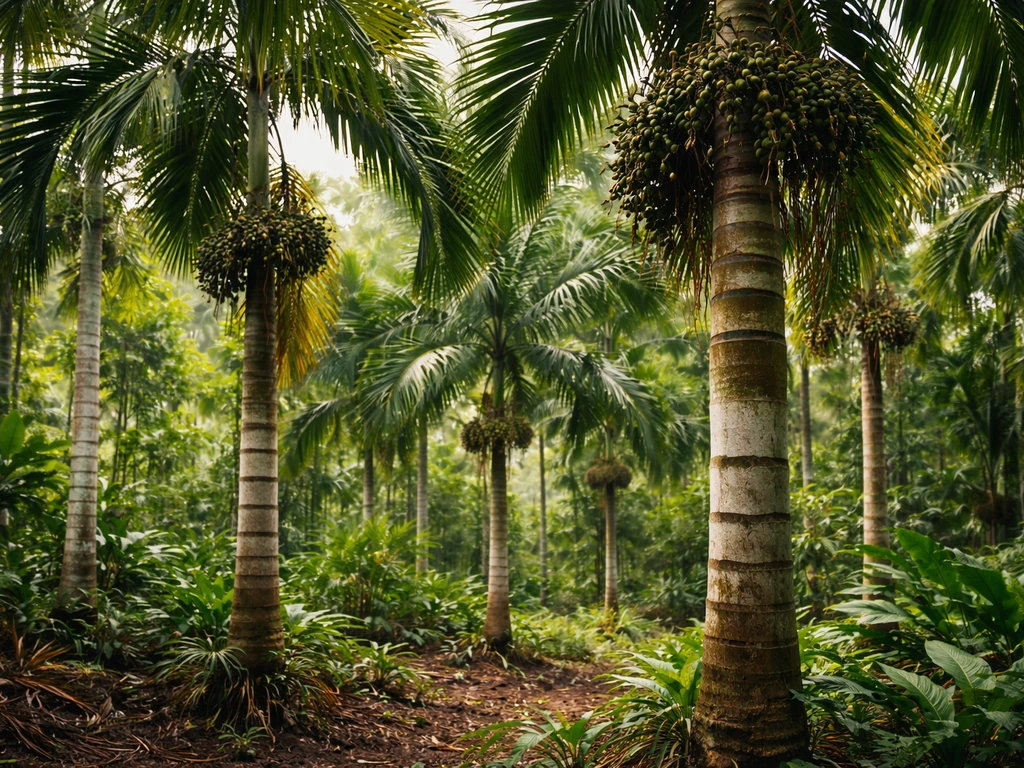
Where betel nut naturally grows
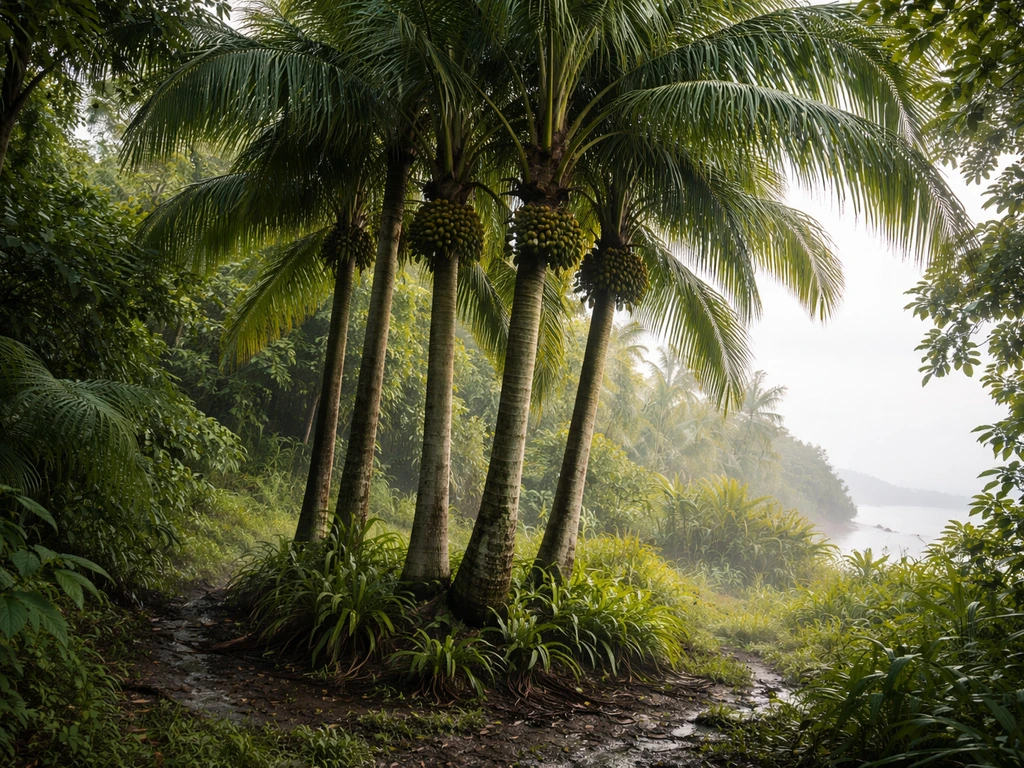
Areca catechu originated in the humid tropics of Southeast Asia, most likely the Philippines or Malaysia, and has been cultivated across a vast arc for thousands of years. Today it grows across India (especially the coastal states of Kerala, Karnataka, and Assam), Sri Lanka, Bangladesh, Myanmar, Thailand, Indonesia, the Philippines, and into the Pacific islands. You will also find it in parts of East Africa and the Caribbean where tropical conditions allow it.
The common thread across all these regions is warmth and moisture. This is a genuinely tropical species that does not compromise well. Altitude matters too: above about 900 meters, fruit quality drops noticeably and germination becomes unreliable. The sweet spot is low-lying coastal and foothill zones from sea level up to roughly 900 m, where temperatures stay within the 14 to 36 degrees Celsius range year-round and rainfall is generous and consistent.
What kind of plant it actually is
This is a palm, not a nut tree, and that distinction matters practically. Areca catechu is a monocot with a single growing point at the crown. If that growing point is damaged by frost, disease, or physical injury, the palm is finished. It will not regenerate from side shoots the way a fruit tree can. The trunk is slender, ringed with old leaf scars, and in the wild or in traditional plantations can reach up to 30 meters tall, though cultivated palms in managed stands tend to stay shorter because fruit is harvested from the ground using long poles or by climbing.
The palm grows continuously from its crown, pushing out new fronds while older ones drop from below. Flowers emerge on a branched spike called a spadix, enclosed in a protective sheath called a spathe, which bursts open below the leaf canopy. The flowers are monoecious (male and female on the same inflorescence), so a single palm can self-pollinate, though cross-pollination from neighboring palms tends to improve fruit set. The fruit itself is a drupe, roughly the size and shape of a hen's egg, with a fibrous husk surrounding the hard seed that is the actual betel nut. After pollination, fruit takes about 240 days to fully ripen, turning from green to yellow or orange-red when mature.
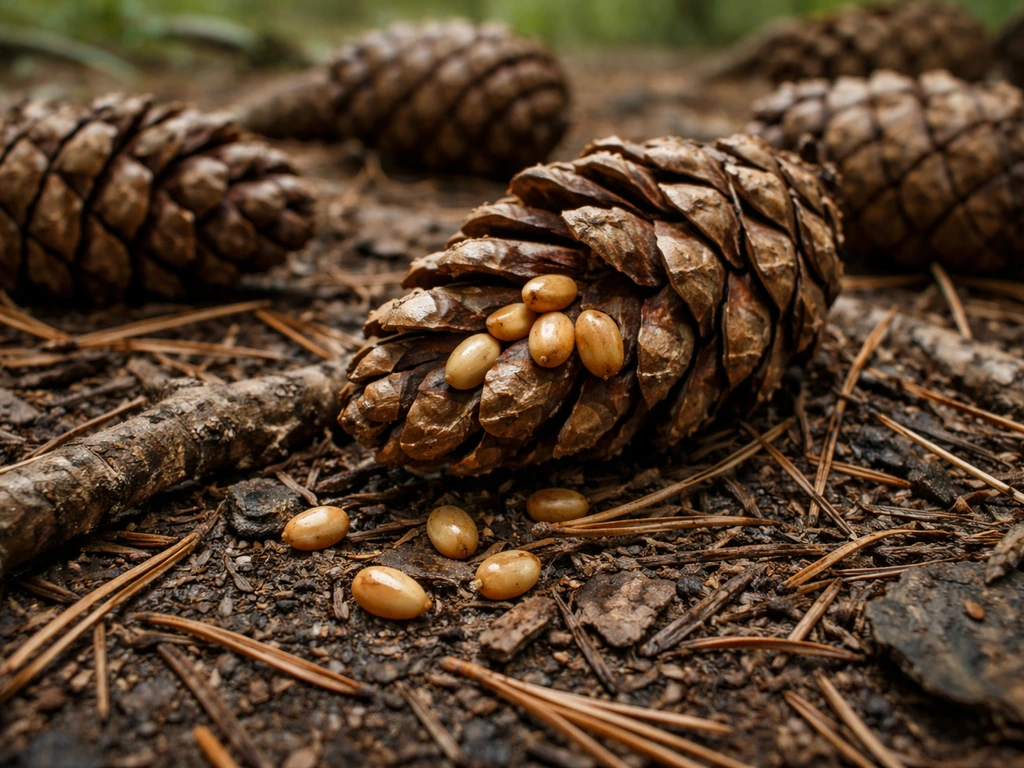
For context, the growth process here is quite different from something like pine nuts, where the nut forms inside a cone over two or more years, or from beech nuts, which come from a broad-leafed tree that regenerates from its root system. Beech trees, however, can be grown from beech nuts, but success depends heavily on proper collection, stratification, and planting conditions. If you are also curious about pine nuts, the next step is to learn how pine nuts how they grow inside pine cones over time. With a betel palm, you are committing to a single-stem, single-crown plant for a growing cycle that spans decades.
Climate and site requirements
Temperature and rainfall
Betel palm needs a mean annual temperature between roughly 14 and 36 degrees Celsius, with no frost whatsoever. Even a light frost event can severely damage or kill a young palm, and older palms are not much more tolerant. In practical terms, this means USDA hardiness zones 10b and above, or equivalent humid tropical and subtropical climates. The palm genuinely thrives in high rainfall environments, somewhere between 1,500 and 3,000 mm of annual rainfall distributed through the year. It tolerates a short dry season if groundwater is available, but prolonged drought will stunt growth and reduce fruiting. Irrigation is non-negotiable in areas with extended dry periods.
Soil and drainage
The palm performs best in deep, fertile, well-drained loam or sandy loam soils with good organic matter content. It is quite sensitive to waterlogging, which promotes the root diseases that can kill the plant (more on that below). A slightly acidic to neutral pH in the range of 6.0 to 7.5 suits it well. Heavy clay soils that pool water after rain are a problem. If your site tends to hold water, raised beds or mounded planting positions can help.
Shade needs at different life stages
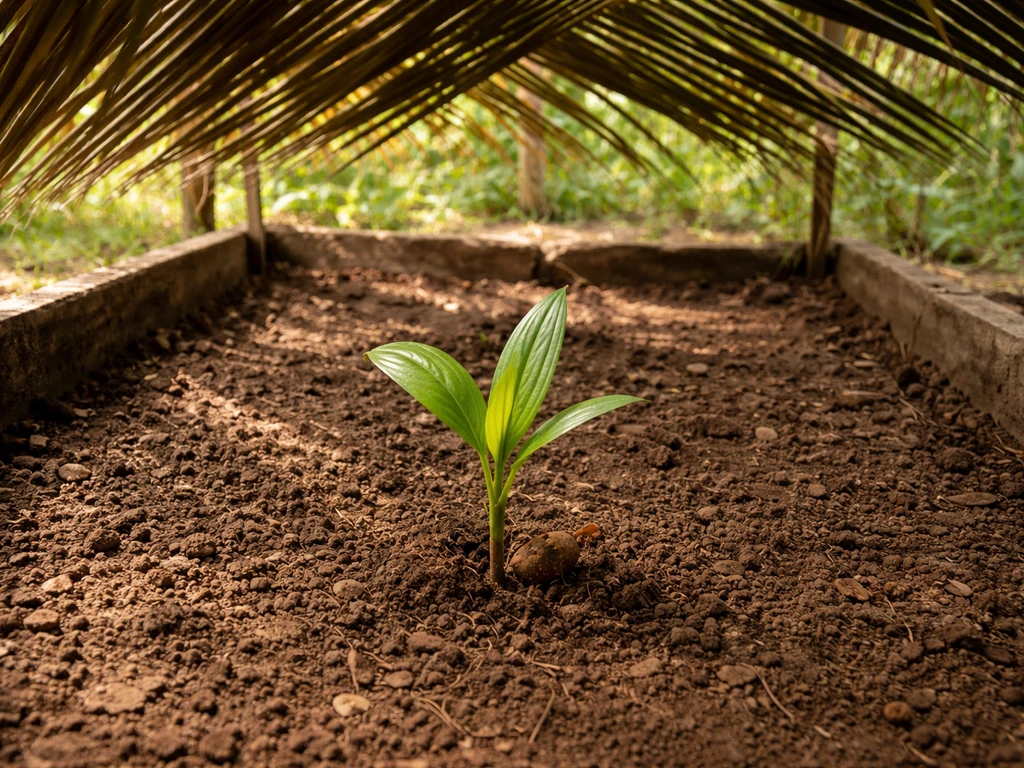
Young seedlings need protection from direct midday sun. After transplanting out, it is standard practice to shade new plants using coconut palm leaves propped overhead, or to establish a banana intercrop that provides natural overhead cover. As the palm grows taller over the first few years, it becomes progressively more sun-tolerant and eventually prefers full sun for good fruiting. So think of shade as a nursery tool rather than a permanent feature of the planting system.
How betel nut grows, step by step
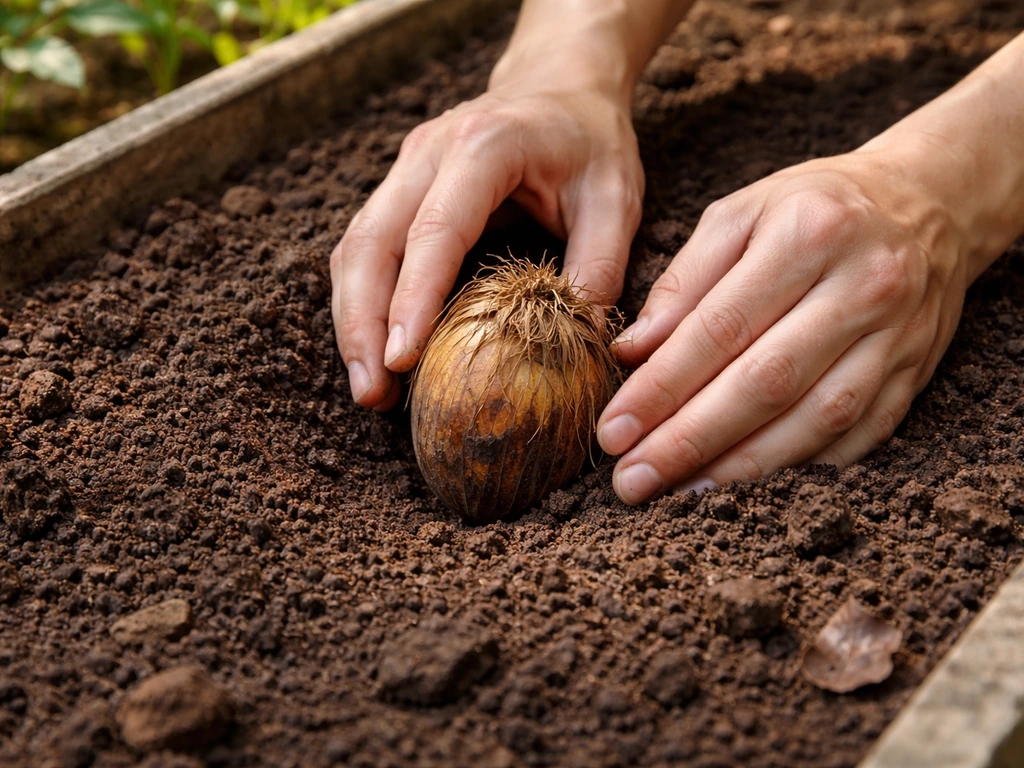
- Seed (whole fruit) is sown. A ripe, mature fruit is placed in a nursery bed, partially buried, in moist, humus-rich soil under partial shade. The whole fruit, including the fibrous husk, is typically sown intact rather than splitting the nut out first.
- Germination occurs within roughly 90 days. The shoot emerges from the base of the fruit, and the seedling sends up its first spear-like leaf while developing a root system.
- The seedling grows in the nursery for 12 to 18 months, reaching about 30 to 60 cm in height before being considered ready for transplanting. This is when shade management matters most.
- After transplanting into the field, the young palm continues building trunk height and leaf mass through its juvenile phase. No flowers appear yet. This phase can feel discouraging because the palm looks the same from one season to the next to the untrained eye, but the root system and trunk are expanding steadily.
- Flowering begins at roughly 4 to 6 years after planting. The first spadix emerges below the crown, enclosed in a spathe. Pollination follows, either by wind, insects, or both.
- Fruit development takes about 240 days (roughly 8 months) from pollination to full ripeness. The fruit cluster hangs below the crown and progresses from green to yellow-orange-red.
- First harvests typically occur at 7 to 8 years after planting. Each palm can produce 2 to 6 clusters of fruit per year. Immature fruits can be harvested at around 6 to 7 months for specific processing uses, while fully ripe fruits are left to mature to 8 months.
- Full productive bearing is reached between 10 and 15 years. A well-maintained palm can remain economically productive for 40 to 60 years, with some palms living up to a century.
How to actually grow betel nut
Starting from seed
Betel nut is almost always propagated by seed because vegetative propagation is not practical on a palm with a single trunk and no suckers. Select fully ripe fruits that are yellow to orange-red, not green. After harvest, either sow them immediately or air-dry them in semi-shade for a few days before sowing. Do not let them fully desiccate. If you need to store seeds before sowing, clean off excess husk material, air-dry to around 80 to 90 percent of fresh weight, treat with a seed protectant fungicide, and store at around 24 degrees Celsius (roughly 75 degrees Fahrenheit). Even with good storage, viability drops over time, so fresh seed is always better.
Sow whole fruits, husk and all, in a raised nursery bed filled with a mix of sandy loam and well-rotted compost. Space them about 30 cm apart and bury each fruit about halfway. Keep the bed consistently moist but not waterlogged. Germination should begin within 4 to 8 weeks and be largely complete by 90 days. Shade the nursery with 50 to 60 percent shade cloth or equivalent.
Transplanting and field spacing
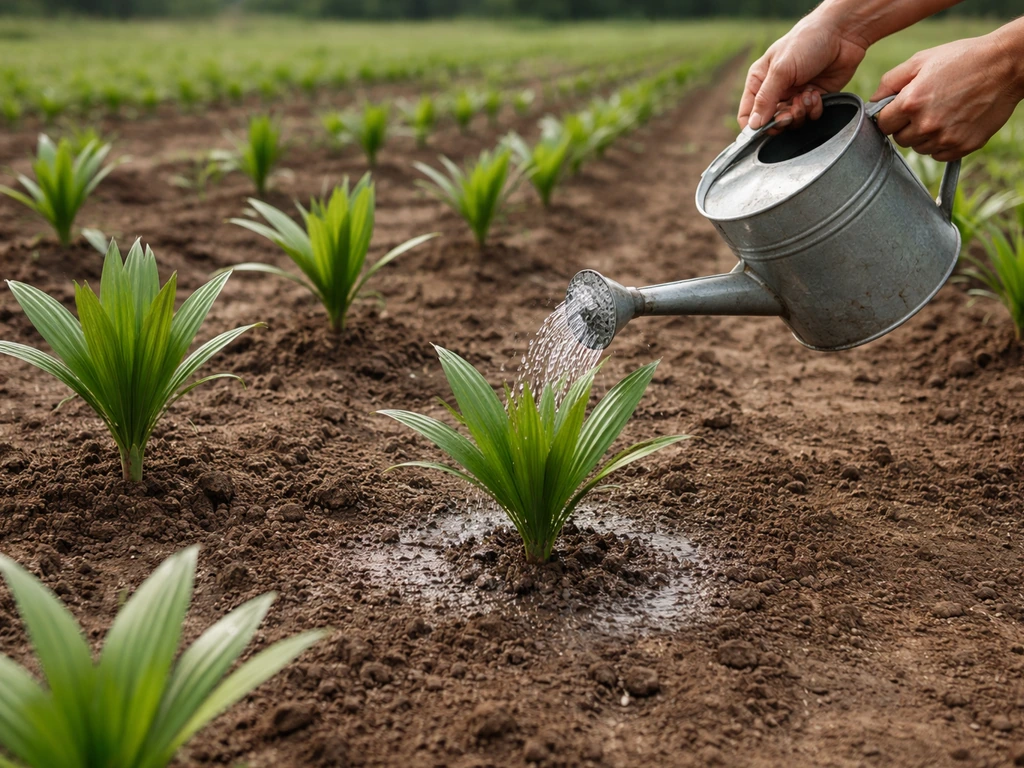
Transplant seedlings when they are 12 to 18 months old and have at least 4 to 6 leaves. Do this at the start of the rainy season if possible to reduce transplant stress. Field spacing is typically 2.7 to 3 meters between palms in a square or triangular grid. Closer spacing can work on very fertile sites but increases competition and disease risk over time. Plant into holes 60 cm deep and wide, backfilled with topsoil mixed with compost. Set the seedling at the same depth it was in the nursery. Immediately shade new transplants as described above.
Watering
Young palms need regular, consistent moisture. In areas with a dry season, drip irrigation or basin irrigation around each palm is the standard approach. Established palms need 4 to 5 liters of water per palm per day during dry periods to maintain fruit set and prevent premature nut drop. Mulching around the base with organic material helps retain soil moisture and moderates root temperature.
Fertilizing
Betel palm is a heavy feeder over its long productive life. A balanced fertilizer program typically includes nitrogen (N), phosphorus (P), and potassium (K), with potassium being especially important for fruit development. In traditional Indian cultivation, growers apply a mix of organic manure (compost, green manure, or cattle dung) along with inorganic fertilizers two to three times per year. Micronutrient deficiencies, especially magnesium and boron, show up in high-rainfall leached soils and are worth watching for. Yellowing of older fronds often signals magnesium deficiency.
Pests, diseases, and what to watch for
This is where betel palm growing gets genuinely difficult in high-rainfall environments. Yellow leaf disease in areca has been shown to be associated with phytoplasma using molecular detection methods in India Plant Disease. The combination of humidity, dense planting, and monoculture conditions creates real disease pressure.
Key diseases
| Disease | Cause | What you see | Management approach |
|---|---|---|---|
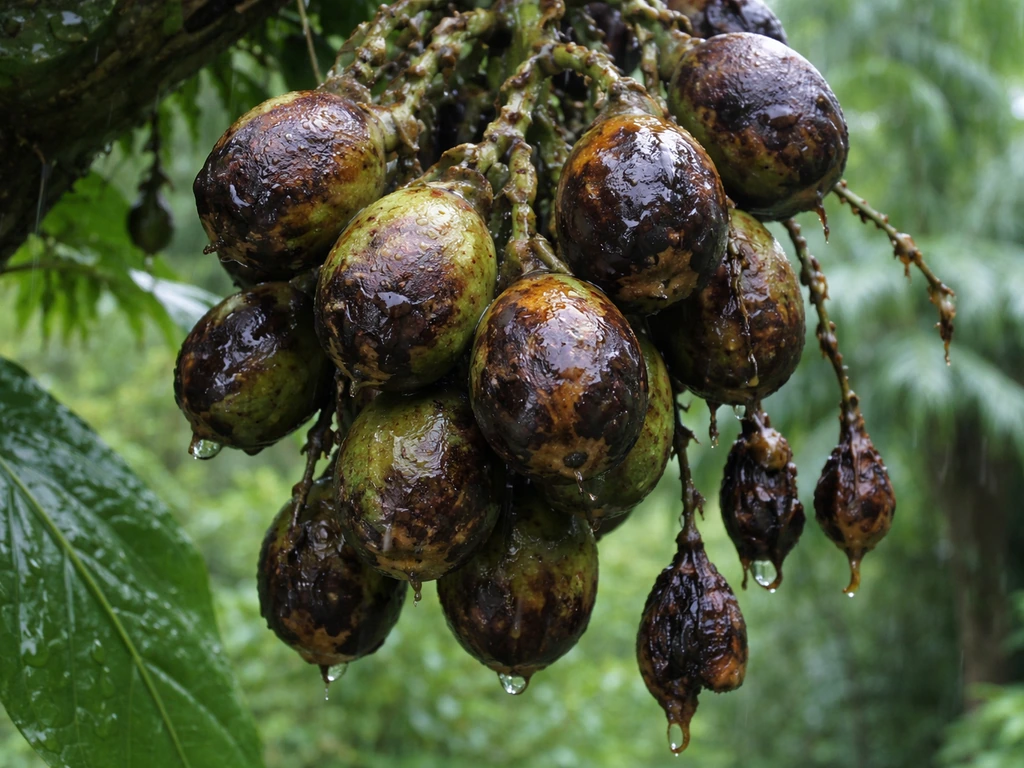
| Fruit rot | Phytophthora arecae (fungus-like) | Rotting and shedding of immature fruits, especially in wet weather | Improve drainage, reduce canopy humidity, copper-based fungicide sprays |
| Foot rot | Ganoderma spp. (soilborne fungus) | Yellowing crown, rot at stem base, palm death | Avoid waterlogging, remove infected palms, soil solarization |
| Yellow leaf disease | Suspected phytoplasma | Yellowing and wilting of leaves starting from lower crown | No cure; remove affected palms to limit spread |
| Inflorescence dieback | Fungal complex | Flower spike blackens and fails to open | Fungicide treatment at spathe emergence, reduce overhead moisture |
| Button shedding | Nutritional or water stress, sometimes disease | Newly set fruitlets drop before developing | Ensure consistent irrigation and balanced fertilizer |
Key pests
- Mites: Particularly problematic during dry periods; they feed on fronds and young fruit, causing scarring and premature drop. Miticide sprays or neem-based treatments help.
- Spindle bugs (inflorescence caterpillars): Larvae feed inside the developing spadix before it opens, destroying flowers before pollination can occur. Inspect unopened spathes and treat with an appropriate insecticide at signs of infestation.
- Root mealybugs: Feed on roots, weakening young palms especially in nursery conditions. Soil drenches with approved insecticides address established infestations.
- Scales and thrips: Feed on leaves and young fruit, most damaging in hot dry conditions. Regular monitoring and contact insecticide applications manage populations.
- White grubs (root grubs): Soil-dwelling beetle larvae that damage root systems, particularly in newly cultivated land. Soil treatment before planting and intercropping management help.
The honest reality is that in a backyard or small-scale setting, disease management is the biggest challenge. If you are in a high-rainfall tropical location where Phytophthora pressure is high, spacing palms generously, maintaining excellent drainage, and keeping organic mulch away from the stem base are your first lines of defense before you ever reach for a fungicide.
How long until harvest, and what to realistically expect
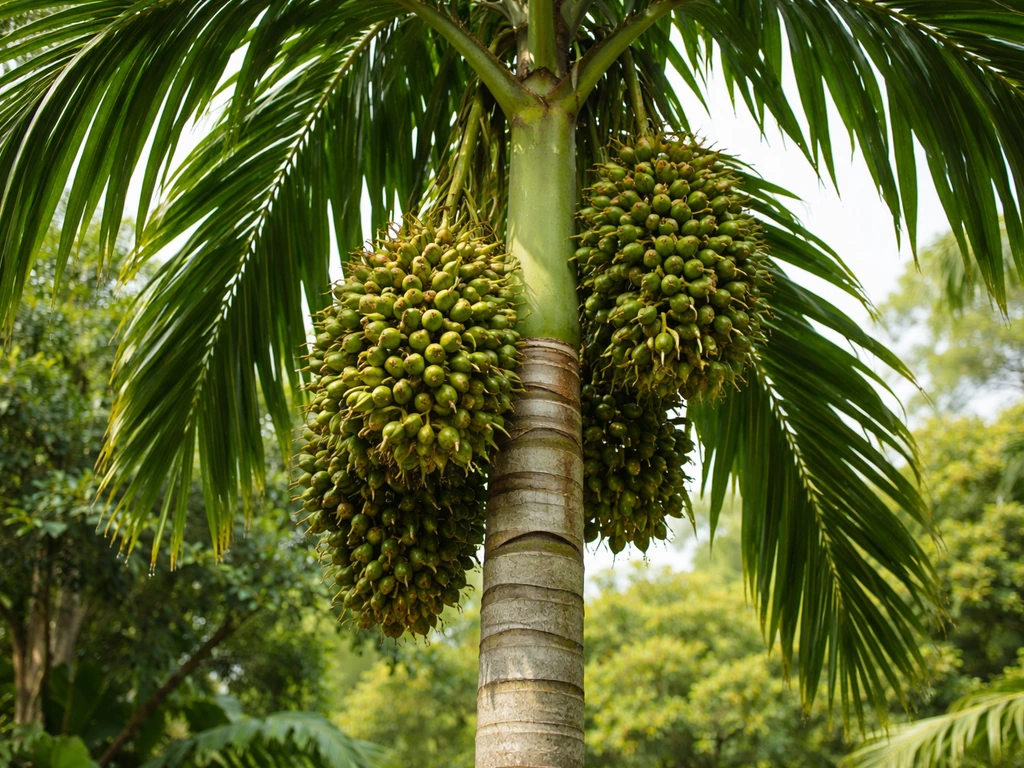
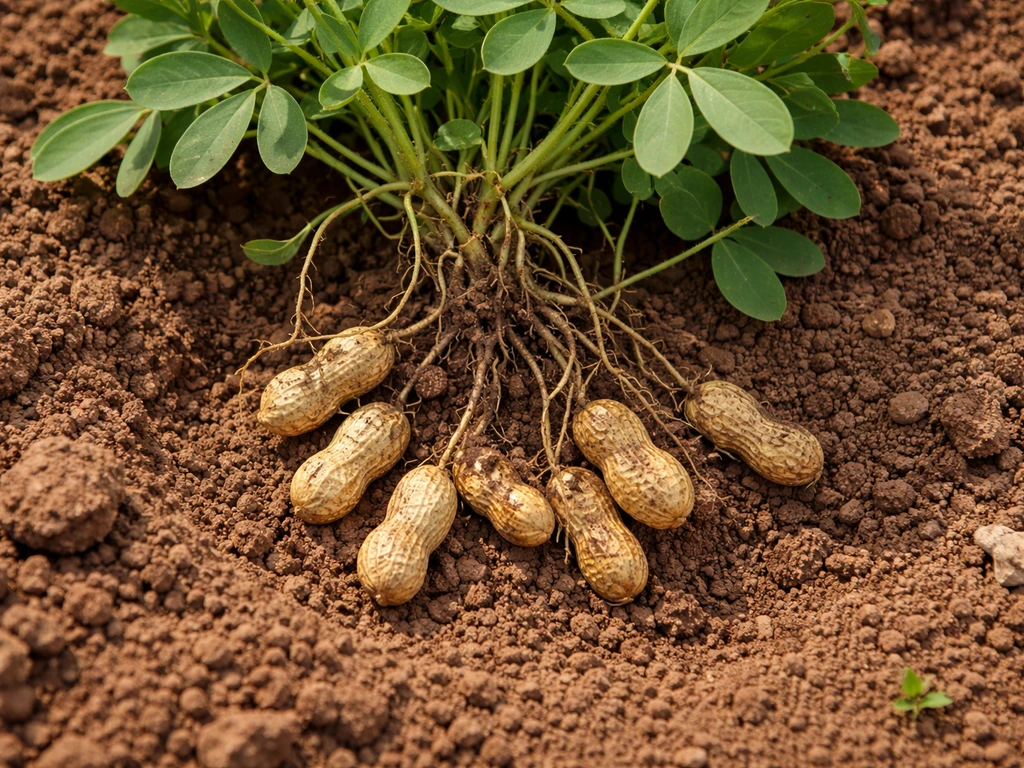
There is no way to sugarcoat the timeline here. You are looking at 7 to 8 years from planting before the first nuts appear, and another 3 to 7 years after that before yields reach their full potential. To understand monkey nuts and their timeline, it helps to know that they are grown as ground-level pods rather than from a tall palm like betel nut 7 to 8 years from planting before the first nuts appear. Full bearing typically kicks in between year 10 and year 15. Peak yields in Sri Lanka production figures run around 700 nuts per palm per year, which translates to roughly 2 to 6 fruit bunches annually depending on the palm and conditions. The average ripe-nut yield across a managed stand sits at about 2.5 kg per palm per year, though this varies considerably with soil fertility, irrigation, and management intensity.
The upside of this commitment is longevity. A productive betel palm can remain economically viable for 40 to 60 years, with individual palms known to live close to a century. So if you plant now, you are building something that your grandchildren could still be harvesting from. That long productive horizon is one reason traditional farming communities across South and Southeast Asia have maintained betel palm gardens for generations.
If you want to harvest immature nuts for processing (the product known as kalipak in some regions), you can begin harvesting individual fruits at around 6 to 7 months after pollination before full ripeness. Fully mature ripe nuts for seed or traditional chewing use need the full 8-month ripening period, roughly 240 days from pollination.
For comparison, this long juvenile period is in the same general range as other slow-bearing nut palms and trees, though betel palm's eventual productive lifespan puts it well ahead of many alternatives once it reaches maturity. If you are exploring other long-term nut-producing plants, the timelines involved in growing pine nuts or even beech nuts from seed illustrate that patience is a common theme across most nut species, though the tropical conditions needed for betel palm are far more specific than for most temperate nut trees.
FAQ
Can I grow betel nut from a green fruit or do I need fully ripe seed?
Use fully ripe fruits, yellow to orange-red. Green fruits have lower viability and often produce weak seedlings. If you only have green fruit, plan on a much lower germination rate and consider sourcing ripe fruits first rather than wasting a nursery cycle.
How sensitive is betel palm to frost, and what counts as “no frost” in practice?
Even short, light frost can damage or kill young palms, and older palms are not reliably tolerant either. If you live where temperatures sometimes dip below freezing, betel palm usually fails without heavy protection and active frost control, such as climate-controlled shelter for the nursery stage.
What’s the biggest mistake when trying to germinate betel palm seed?
Letting the seed fully desiccate. Seeds need moisture to stay viable, so sow whole fruits with husk soon after harvest, or store them only briefly under warm, controlled conditions. Also avoid letting the nursery bed dry out between watering.
Do betel palms self-pollinate, and do I still need multiple palms?
A single palm can set fruit because male and female flowers occur on the same inflorescence. However, fruit set is typically better with cross-pollination, so in small plantings you get more consistent yields when you maintain more than one palm within the area.
How do I prevent root diseases in high rainfall without making weeds and fungus worse?
Prioritize raised beds or well-drained mounding, keep mulch pulled back from the stem base, and avoid compacting soil around the roots. In backyard settings, also manage airflow by not over-clustering palms, because dense humidity accelerates disease pressure.
Is closer spacing better for yield, or does it hurt long-term production?
Closer spacing can boost early production on very fertile land, but it increases competition and disease risk as the palms mature. A practical approach is to start at the lower end of recommended spacing only if drainage and fertility are strong, otherwise stick to wider spacing to protect the crop over decades.
How often should I irrigate during the dry season, and what if rain returns suddenly?
During extended dry periods, established palms need daily moisture to maintain fruit set, drip or basin irrigation is usually more reliable than occasional flooding. When rain resumes, don’t keep irrigation running on schedule, shift to observing soil moisture and drainage, and reduce watering quickly to prevent waterlogging.
What soil pH and texture issues cause the most problems?
Extreme acidity, high alkalinity, and especially heavy clay that holds water after rain are common failure points. If water pools after storms, betel palm performance and survival often decline, raised beds and improved drainage typically matter more than small fertilizer adjustments.
Should I shade betel palms permanently, or when do they switch to full sun?
Shade is mainly for the seedling and early transplant period. As palms grow and height increases, they generally tolerate more light and eventually perform best with full sun for fruiting, so treat shading as a nursery tool rather than a permanent cover.
How do I recognize magnesium deficiency versus nitrogen or potassium problems?
Yellowing of older fronds often points to magnesium deficiency. Nitrogen issues tend to affect overall growth vigor and newer leaves, while potassium deficiency more directly relates to fruit development and poor fruit set. If you only correct with one nutrient, you may miss the real cause, so consider leaf assessment before adjusting the whole program.
When should I start fertilizing, and should I use the same mix the whole time?
Start with a steady nutrient plan once palms are established in the field, but adjust emphasis as the plant transitions toward flowering and fruiting. Potassium becomes especially important for fruit development, so if your palms are still mostly vegetative, over-emphasizing fruiting-stage feeding can lead to imbalance rather than faster maturity.
What is the harvest timing for immature kalipak fruit versus fully ripe nuts?
If you want immature fruit for processing, you can begin around 6 to 7 months after pollination. Fully mature ripe nuts for traditional use require about the full 8-month ripening period, roughly 240 days from pollination.
How long is betel palm economically productive, and can diseased palms be replaced?
Productive palms can remain economically viable for 40 to 60 years, some reach close to a century. Because disease pressure can build in monoculture, replacing every few years without spacing and drainage improvements usually won’t solve the root problem, so prevention and site conditions matter more than frequent replanting.
Is vegetative propagation possible if I want the same traits as a good producer?
In most practical systems, betel palm is propagated by seed because the palm has a single growing point and doesn’t regenerate from side shoots. If you need uniformity, the better strategy is selecting superior seed sources, keeping good field spacing, and managing nutrients and irrigation consistently rather than expecting clones.