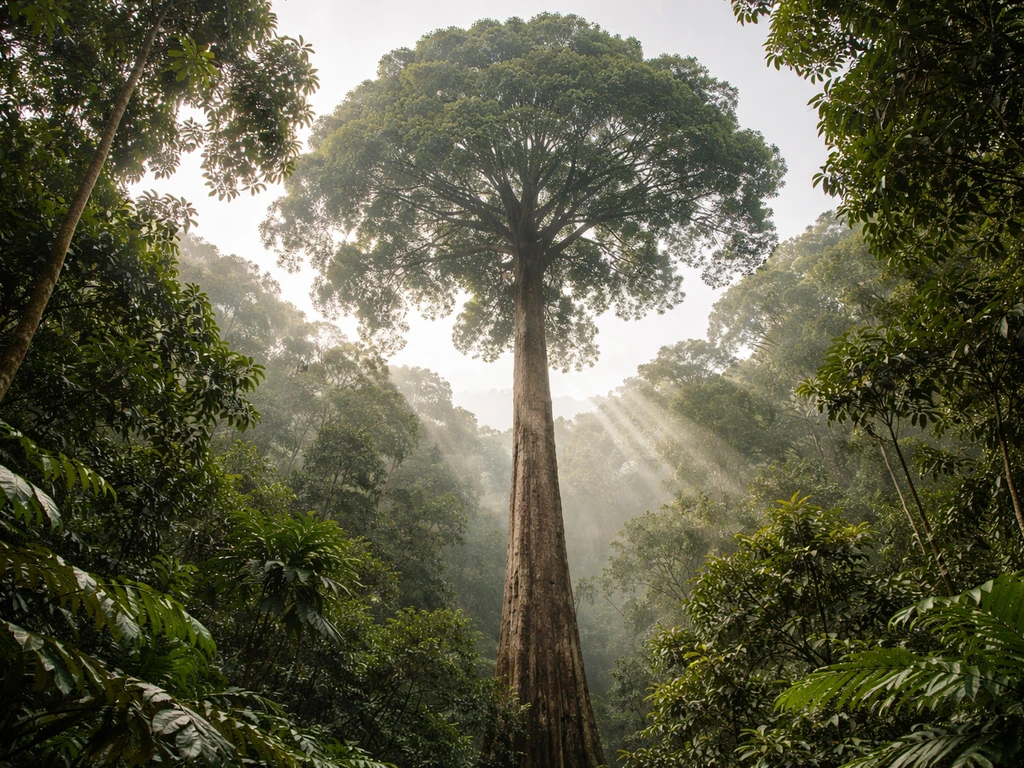
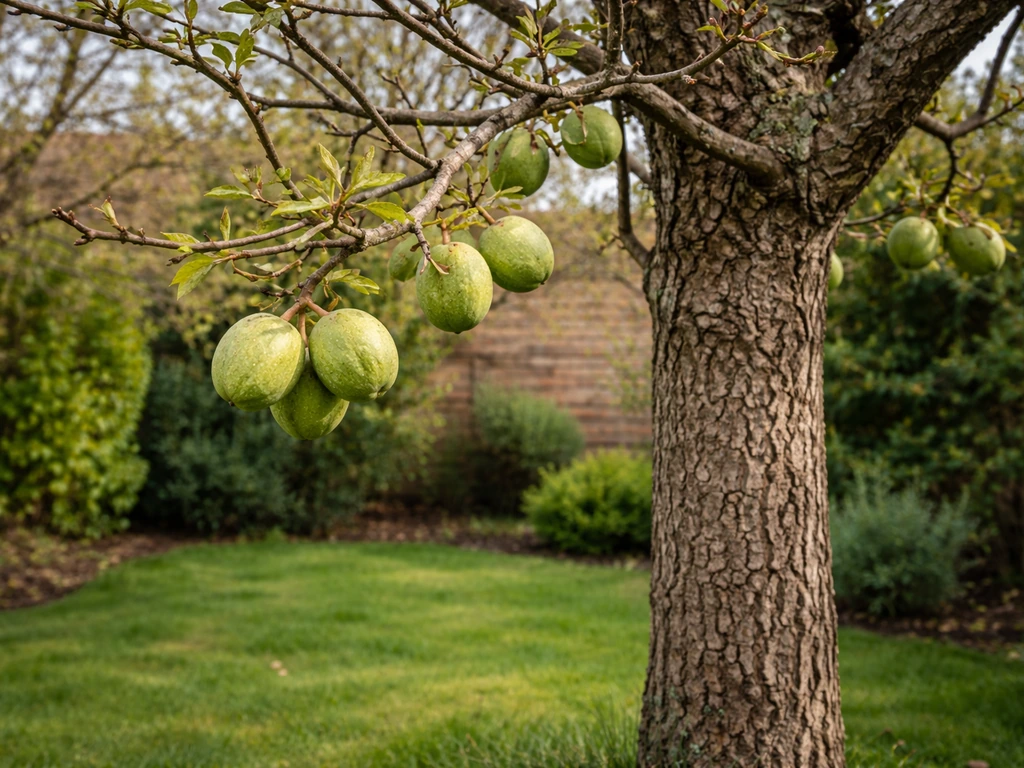
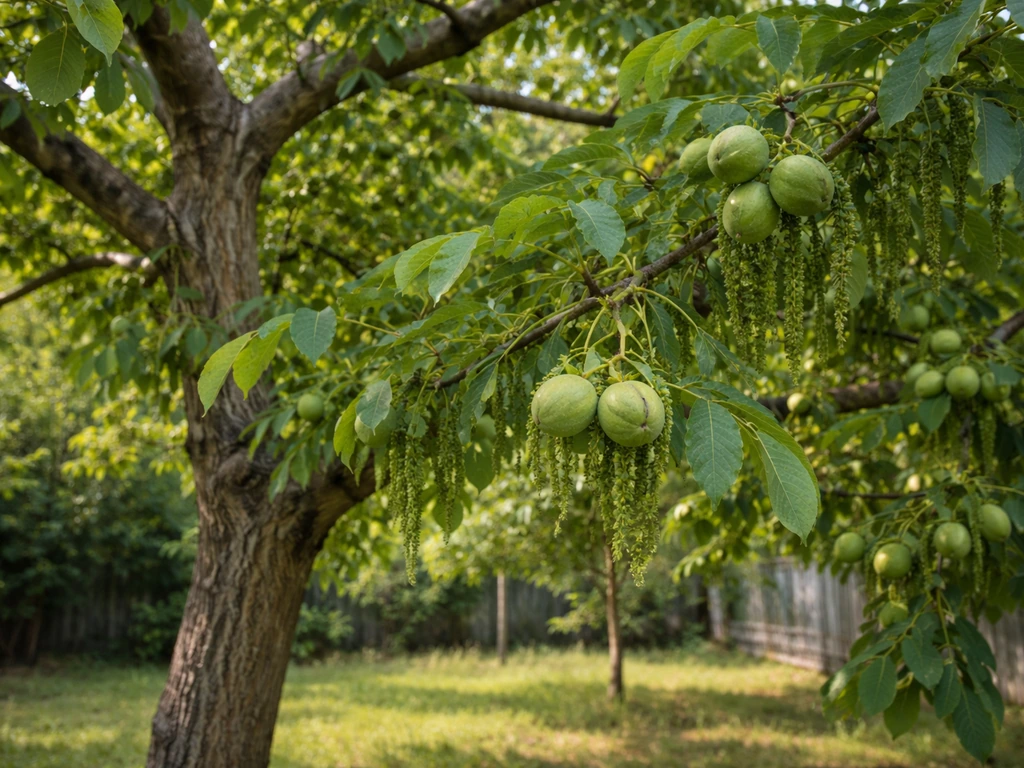
When that pod hits the ground after falling, it breaks open to reveal the seeds packed tightly inside. So when people ask whether Brazil nuts grow on a tree, the short answer is yes: the seeds form inside fruit pods that grow directly on the branches of this giant tropical tree.
Understanding the distinction between the seed, the pod, and the tree itself matters a lot if you're trying to grow one. The tree is the long-term investment, the pod is the fruit it produces, and the seed is what you actually eat. If you want a deeper look at how this compares to other nut species, the broader guide on how do tree nuts grow gives useful context for understanding this distinction across species.
Where Brazil nut trees naturally grow
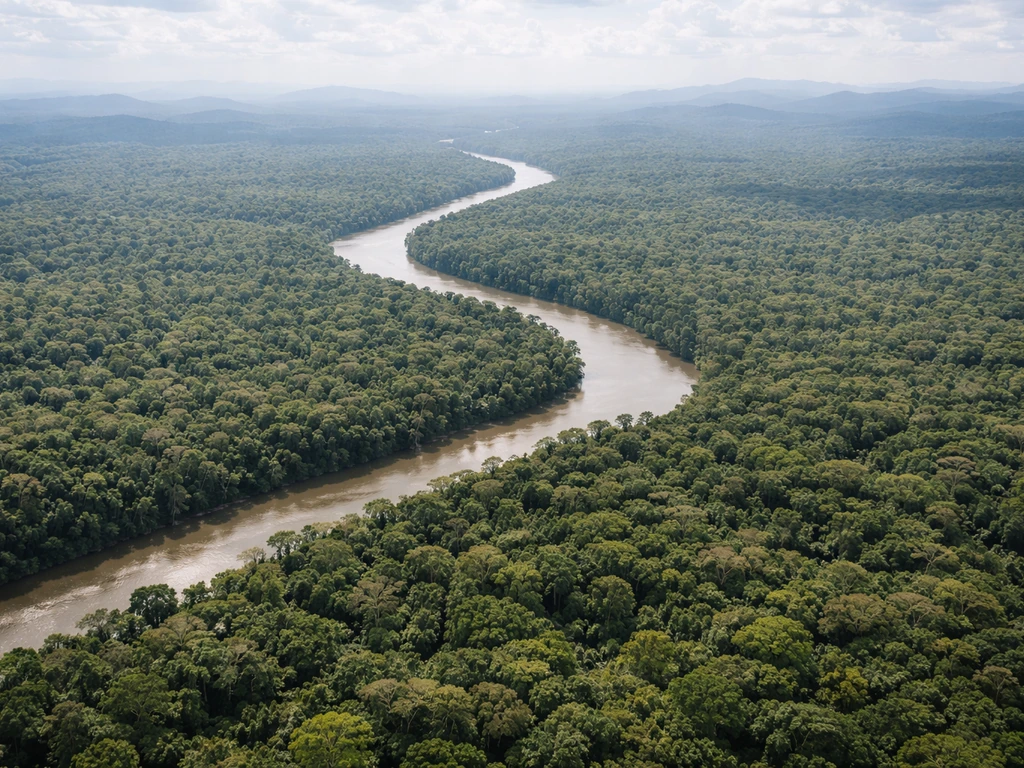
Bertholletia excelsa is native to the Amazon basin and surrounding regions. Its natural range covers Bolivia, Brazil, Colombia, Guyana, French Guiana, Peru, Suriname, Venezuela, and Trinidad and Tobago. Within that range, the tree is specifically found on non-flooded ground in lowland tropical rainforests, the type of terrain referred to as terra firme, which is elevated land that doesn't flood during the rainy season. It is not a tree of swamps, river margins, or regularly inundated forest.
Brazil is the most commonly associated country, but Bolivia is actually one of the largest exporters of wild-harvested Brazil nuts. The species is distributed across roughly 20 million hectares of Amazon forest, which gives you a sense of just how vast the natural range is. It does not grow naturally outside South America, though it has been planted in tropical botanical gardens on other continents.
Climate and habitat: what this tree actually needs
The climate requirements for Bertholletia excelsa are specific and genuinely demanding. The natural distribution falls within a band of mean annual temperatures between 24 and 27°C and mean annual rainfall between 1,400 and 2,800 mm. Relative humidity in these zones typically runs between 79 and 86 percent year-round. These aren't soft guidelines, they reflect the conditions the tree evolved in over millions of years.
On the soil side, the tree is adapted to heavy clay and low-fertility Oxisols, the kind of deeply weathered tropical soils that are common across the Amazon basin. It tolerates poor, low-nutrient soils better than many fruit trees, but it absolutely cannot tolerate waterlogging. Drainage is non-negotiable. While some populations grow on seasonally flooded alluvial soils, that's the exception rather than the rule. If you're evaluating a planting site, well-drained ground is one of the few hard requirements you can control.
The Brazil nut's reproductive process is more complicated than most people realize, and that complexity is one of the main reasons it's hard to cultivate outside its native range. The tree produces flowers that open near the end of the dry season. Those flowers have a complex hooded structure that can only be opened and pollinated by medium-to-large bees, including species from the genera Euglossa, Eulaema, and Xylocopa. The tree is also self-incompatible, meaning it needs cross-pollination between different trees to set fruit. Without the right pollinators, you get no pods.
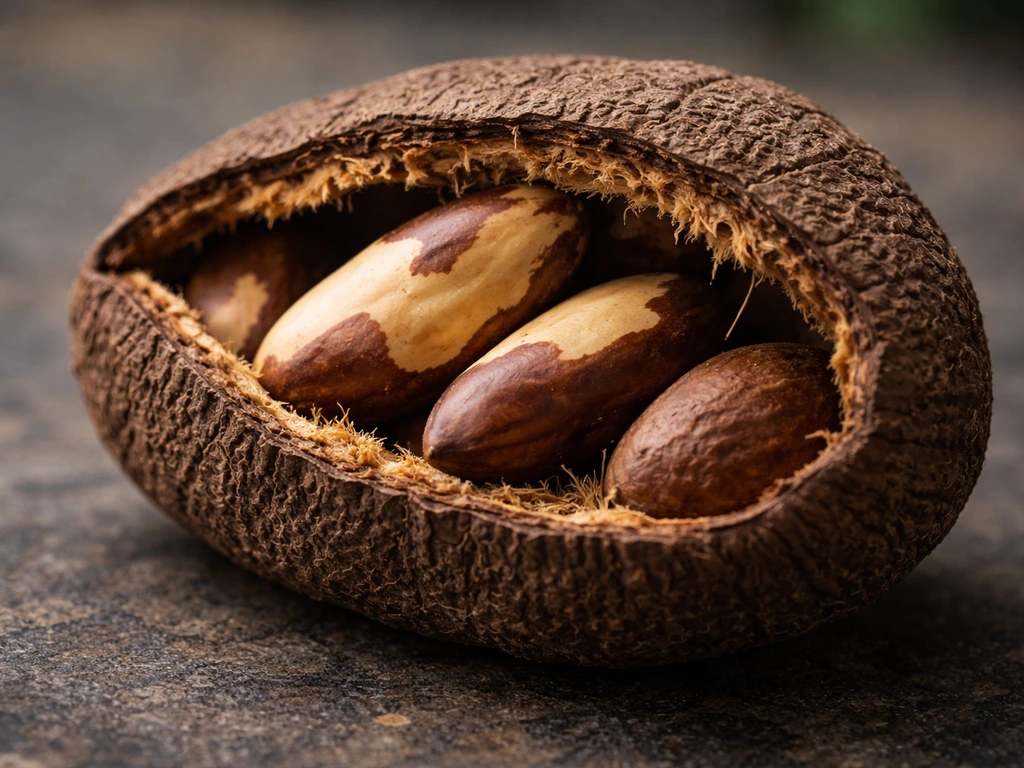
Once pollination is successful, the fruit (a large, woody pod sometimes compared to a coconut in size and weight) develops over approximately 14 to 15 months before it's mature. Each pod contains between 10 and 25 seeds, depending on the source, with the FAO citing a range of 15 to 25. The seeds are arranged inside like sections of an orange, each wrapped in a hard woody shell.
When the pod is ripe, it falls from the tree, and at that size and weight, falling from 40+ meters, it hits the ground hard. In the wild, [the agouti (a large rodent) is one of the primary animals capable of gnawing through the pod to access the seeds](https://ri. inpa. gov.
br/items/78f02815-b558-4285-a605-3f2a3e606b65), and it's also responsible for dispersing and caching seeds in the soil. Smithsonian explains that agoutis caching behavior is critically important for tropical tree seed germination success, which provides context for the Brazil nut, agouti relationship caching seeds in the soil.
Without agoutis or similar animals, natural regeneration is limited.
This is worth knowing if you're thinking about the general mechanics of seed-based nut formation. The way how nuts grow from flower to mature product varies significantly across species, but few cases are as ecologically intertwined as this one.
The timeline from flower to harvestable nut
Here's the part that surprises most people: from the moment a flower is pollinated to the moment the pod falls from the tree is 14 to 15 months. That's not the time from planting to harvest, that's just the fruit development cycle. The full timeline from planting a seedling to seeing any fruit at all is far longer.
In natural forest stands, trees start bearing fruit at around age 20 and only reach what would be considered commercial production around age 24. That's not a typo. This is a multi-decade commitment before you see your first pod. In seasonal terms, flowers open at the end of the dry season, fruits mature and fall roughly 14 to 15 months later, and in regions like Acre (in western Brazil) the pods tend to fall between December and February. So there's a well-defined harvest window, but getting to that window requires patience measured in decades, not years.
Growing Brazil nut trees outside Brazil: what's realistic
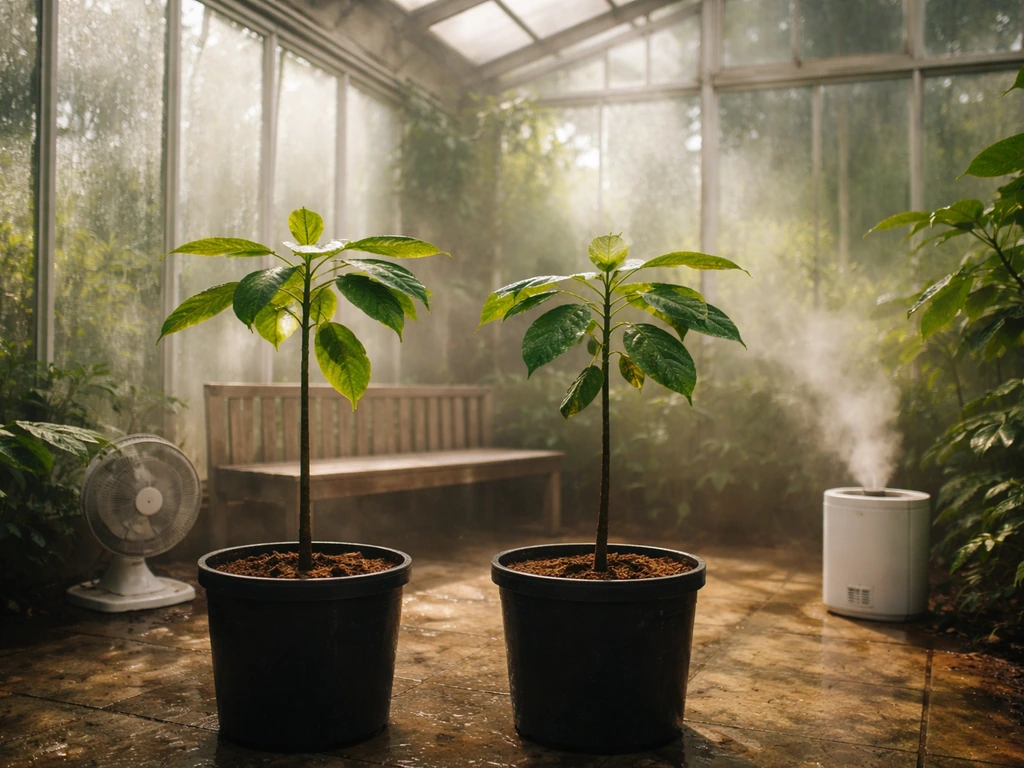
Can you grow a Brazil nut tree outside South America? Technically, yes. Will it fruit reliably and economically? That's a much harder question. Tropical botanical gardens around the world have successfully cultivated Bertholletia excelsa, and the World Flora Online notes it's widely cultivated outside its natural range. But growing a tree and getting it to produce nuts are two very different things.
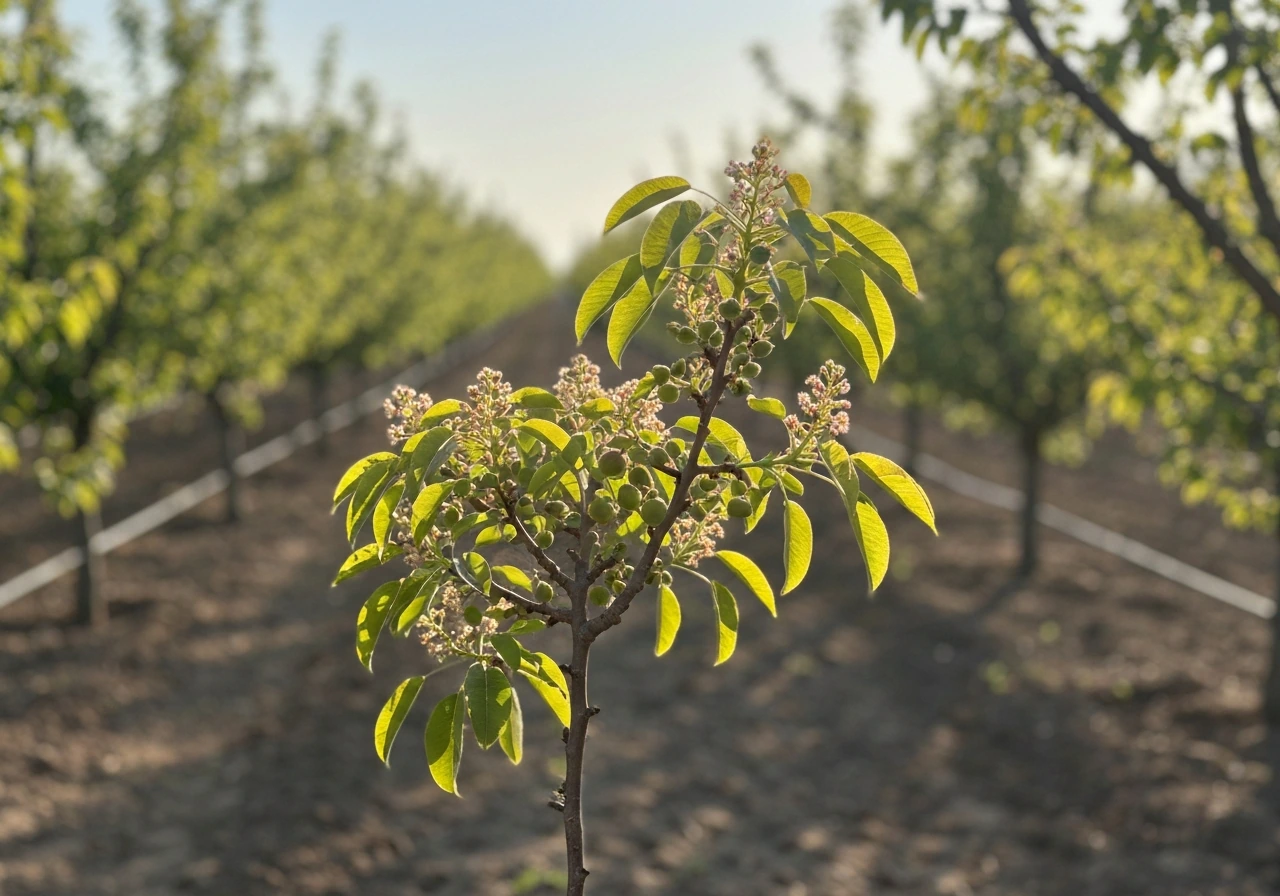
The core problem outside the native range is pollination. The specific bee species that pollinate Brazil nut flowers are native to the Amazon ecosystem. Outside that ecosystem, there's genuine uncertainty about whether local pollinators can do the job efficiently enough for any meaningful fruit production. Research has shown that it's not known whether non-native pollinators or "weedy" bees in secondary forests are effective enough for economically viable yields. Embrapa's research even found that when plantations are established within Brazil, maintaining strips of native forest between plantation blocks is essential to keep pollinator populations healthy. That gives you a sense of how tightly tied the fruiting process is to the surrounding ecosystem.
There's also the agouti problem. Natural forest regeneration depends on agoutis dispersing seeds, which means fully self-sustaining populations outside South America are unlikely without active human management of seed dispersal and planting.
For climate zone purposes, you'd need a true tropical climate: no frost, consistently high humidity, and rainfall well above 1,400 mm per year. In practical USDA hardiness zone terms, you're looking at Zone 11 and above as a baseline, though rainfall and humidity matter more than just minimum temperature. Parts of Hawaii, lowland Central America, Southeast Asia, equatorial Africa, and similar climates are the realistic candidates. If you're in a subtropical zone (Zone 10 or cooler), or in a region with long dry seasons and low humidity, the tree will struggle to thrive and almost certainly won't fruit without significant irrigation and supplemental care.
How Brazil nut trees compare to other large nut trees for cultivation
| Feature | Brazil Nut (Bertholletia excelsa) | Pecan (Carya illinoinensis) | Beech (Fagus sylvatica) |
|---|
| Climate requirement | Tropical only (24–27°C mean) | Temperate to subtropical | Temperate (cool winters needed) |
| Annual rainfall needed | 1,400–2,800 mm | 500–1,200 mm | 600–1,500 mm |
| Years to first fruit | ~20 years (natural stands) | 6–10 years (grafted) | 10–20 years |
| Soil tolerance | Heavy clay, low-fertility Oxisols; no waterlogging | Well-drained, deep loamy soils | Well-drained, slightly acidic soils |
| Pollinator dependency | Specific large Amazon bees (self-incompatible) | Wind-pollinated | Wind-pollinated |
| Cultivation feasibility outside native range | Very difficult; pollination is main barrier | Widely cultivated | Widely cultivated in temperate zones |
If you're based in a temperate climate and drawn to forest nut trees, you'll find that where beech nuts grow overlaps much more with the climates most readers are actually gardening in. Beech is a genuinely practical alternative for forest-style nut production in cooler zones.
What to check before you try to plant one
If you're seriously considering planting a Brazil nut tree, here's the honest checklist I'd run through before spending money or years on this:
- Verify your minimum temperature: The tree needs frost-free conditions year-round. Even a single frost event can severely damage or kill a young tree. If you're anywhere that drops below 5°C, this tree is not viable outdoors.
- Check your annual rainfall and dry season length: You need at least 1,400 mm annually, and ideally above 2,000 mm. A prolonged dry season without irrigation is a serious limiting factor.
- Assess your drainage: Waterlogging kills this tree. Before planting, confirm your site drains freely after heavy rain. Raised beds or ridged planting can help on marginal soils.
- Research local pollinator species: Before planting multiple trees (you need cross-pollination), find out whether large native bees in your area are capable of accessing the hooded flowers. If you're outside the Amazon, this is a genuine unknown.
- Plan for the long timeline: If you're planting from seed, accept that you're unlikely to see pods for 15 to 20 years. This is a generational investment, not a garden project.
- Consider the agroforestry approach: If you're in a tropical region and want to improve your odds, follow Embrapa's recommendation and integrate native forest strips near any planting area to support pollinator habitat.
- Have realistic yield expectations: Commercial plantation attempts have largely failed. Even in the Amazon, most Brazil nuts come from wild-harvested forests, not plantations. Treat any fruiting as a bonus, not a reliable crop.
One thing worth noting: the question of where a tree can grow always intersects with the question of what kind of plant you're dealing with. If you've ever wondered why some plants spread invasively in the wrong climate while others struggle to survive, the broader piece on when does nutsedge grow offers a sharp contrast: some plants are opportunistic across a range of conditions, while Brazil nut trees are the opposite, highly specialized, ecologically dependent, and narrowly adapted.
The bottom line on growing Brazil nuts
Brazil nut trees grow as towering canopy trees in the Amazon basin, producing large woody pods on their branches that each contain 10 to 25 seeds. The process from pollination to mature pod takes 14 to 15 months, and trees don't fruit at all until they're roughly 20 years old. The natural range covers nine countries in South America, all with hot, humid, tropical climates and well-drained forest soils. Outside that range, the biggest barrier isn't climate (though that's challenging enough), it's the absence of the specific bee species required for pollination and the ecosystem relationships the tree depends on.
If you're in a true tropical climate with consistent rainfall above 1,400 mm, good drainage, and access to native forest corridors nearby, planting one is worth the experiment, just with eyes wide open about the timeline. If you're outside the tropics, this tree belongs in a botanical garden, not your backyard orchard. For most growers, the honest takeaway is that Brazil nuts are a wild forest product with deep ecological dependencies, and replicating those conditions is genuinely hard anywhere outside the Amazon.