Nuts don't just appear on trees. They're the end result of a surprisingly complex chain of events: flowering, pollination, fertilization, and months of shell and kernel development. If you want to grow nut trees successfully, or just understand what's happening in the orchard or forest, it helps to know that chain from start to finish. This guide covers the biology of how nuts form, where different nut species grow naturally around the world, what the major growth habits look like across species, and how to actually get nut trees established in your yard or on your land.
How Does Nuts Grow: Lifecycle, Where They Grow, and How to Grow
Marcus Hendricks
4 Apr 2026
How nut trees actually produce nuts (the biology)
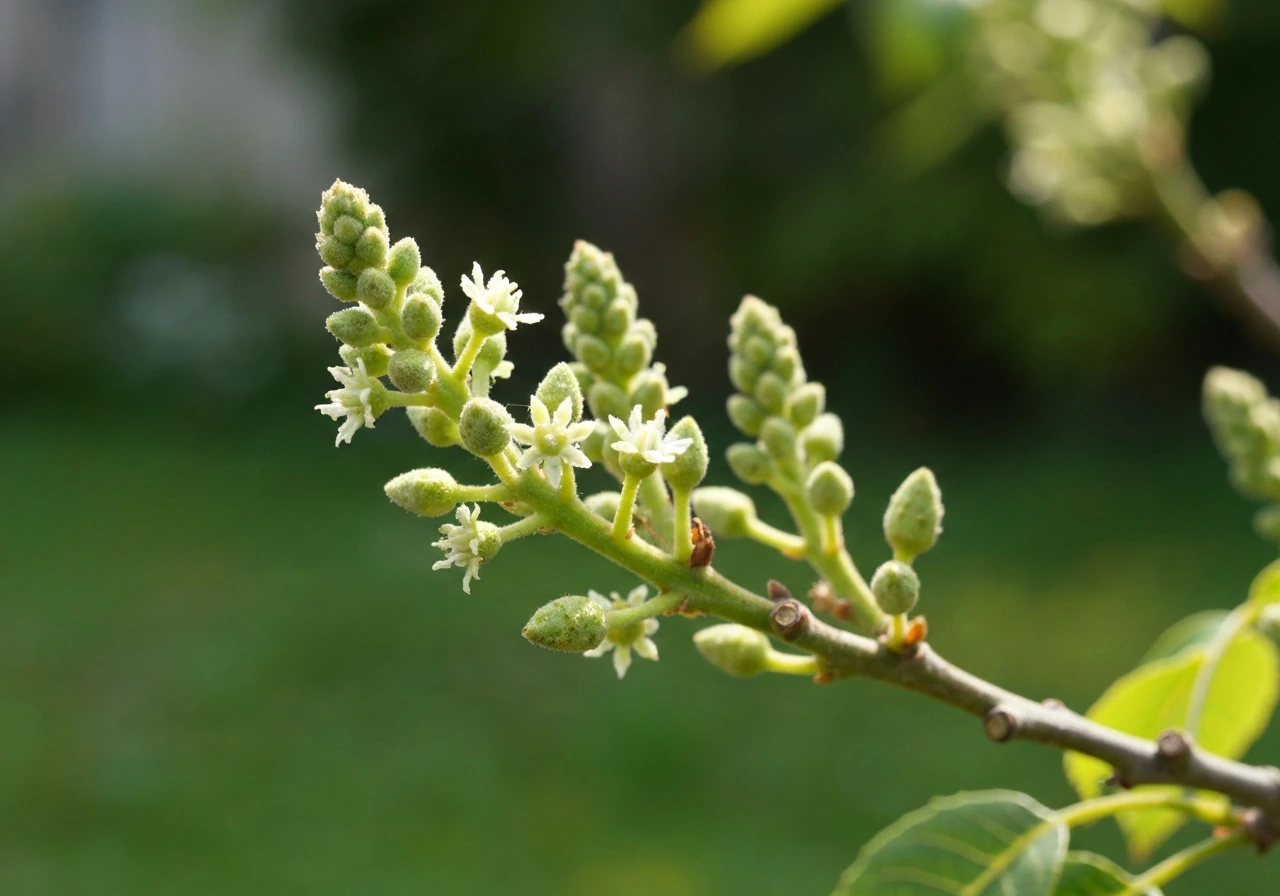
Every nut starts with a flower. Nut trees are flowering plants, and the nut itself is a seed (or seed-containing fruit) that develops after successful pollination. The details vary a lot by species, but the general sequence is the same: the tree flowers, pollen moves from a male structure to a female flower, fertilization occurs, and the ovary or surrounding tissue develops into the nut we harvest.
Take the pecan as a clear example. Pecan trees are monoecious, meaning each tree produces both male flowers (catkins, appearing in groups of 2 to 8) and female flowers (a star-shaped terminal raceme) on the same tree. Pollination is entirely wind-driven. Once a female flower is fertilized, the nut begins to develop inside a green husk. Shell hardening proceeds from May through August, roughly 90 days after pollination. The husk eventually splits open into four sections at maturity, which typically falls within the first two weeks of October, though timing shifts based on spring temperatures. One important vulnerability: if heavy rainfall coincides with the flowering window, pollen dispersal gets disrupted and female flowers may not be receptive when male catkins are releasing pollen, which tanks nut set for that season.
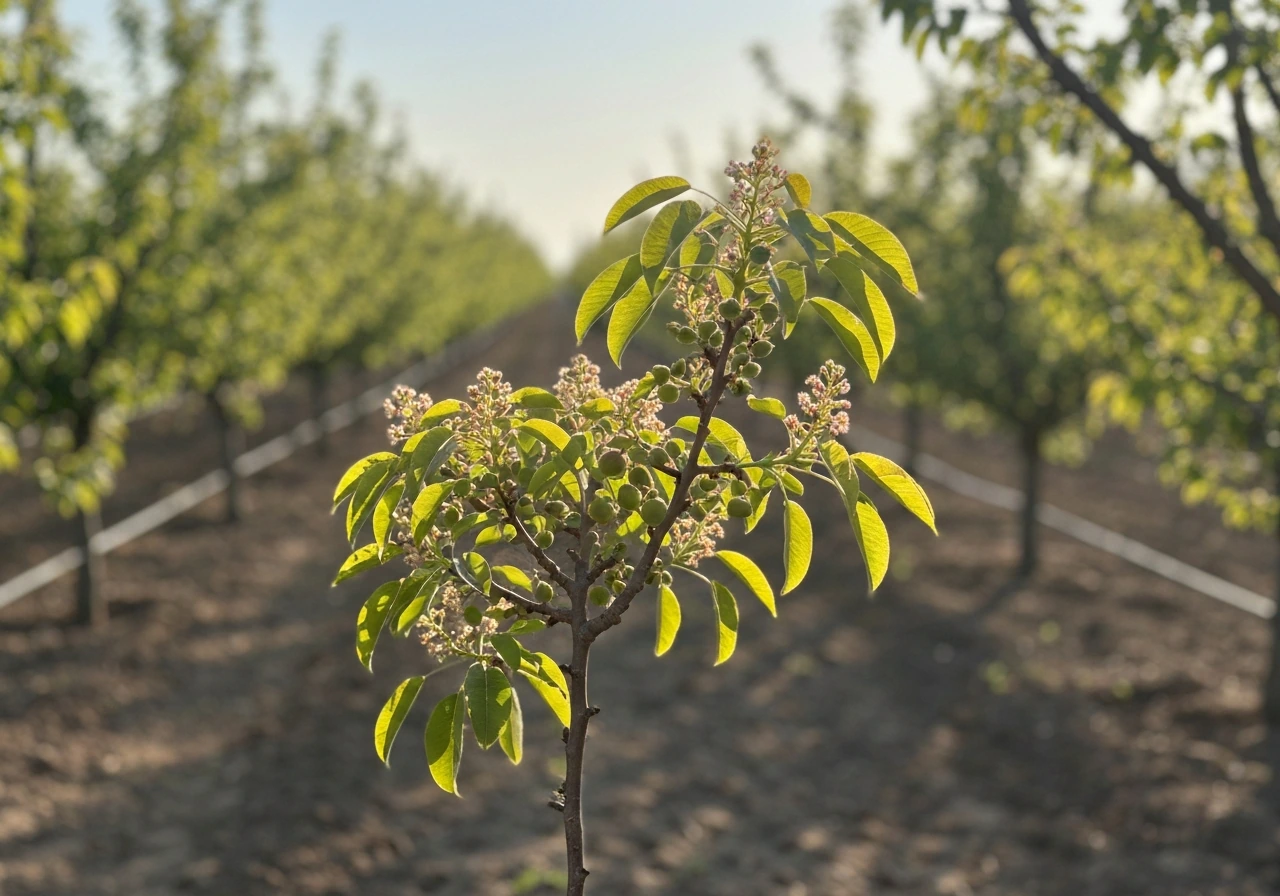
Pistachios work very differently. They're dioecious, meaning a given tree produces only male or female flowers, never both. Female flowers are receptive for only about four days, so the timing of pollen shed from male trees has to line up almost perfectly. Chilling hours are the main factor that determines when pistachio trees flower, and if a male and female tree aren't synchronized, the crop fails. Kernel growth begins in early July and continues toward harvest, with the hull and shell developing in earlier stages.
Chestnuts take yet another approach. Both American chestnut (Castanea dentata) and Chinese chestnut (Castanea mollissima) produce catkins with male and female flowers, but chestnut pollination involves insect vectors as well as wind. Hand pollination is even used in American chestnut restoration work to enable controlled nut set. The flowering structures of chestnuts are distinct enough that experienced growers can identify which flowers will become nuts early in the season.
Hazelnuts (Corylus species) are self-incompatible, which is one of the most practically important biological facts for any hazelnut grower to internalize. A single hazelnut plant, even a vigorous one, will produce almost no nuts without a compatible pollinator nearby. The genetics of compatibility are controlled by S-alleles, and timing matters too: pollen shed has to overlap with female flower receptivity. Heavily shaded hazelnut plants may not even flower, let alone fruit.
Almonds (Prunus amygdalus) are also largely self-incompatible, though some modern cultivars have improved self-fertility. The almond "nut" is technically the seed inside a drupe (a fleshy fruit), which dries and splits open at maturity rather than being eaten. If you want to understand how tree nuts grow as a category, the key pattern to internalize is this: most nut trees rely on cross-pollination, have long windows between flowering and harvest, and require multiple seasons before they produce meaningfully.
Where nuts grow naturally around the world
Different nuts are native to very different parts of the world, and their natural ranges tell you a lot about the climate conditions they need.
Pecans are native to the Southern United States and northern Mexico, with their core natural range centered in the bottomlands and river-edge forests of the Mississippi River valley, from southeastern Iowa and Illinois south through eastern Kansas and into central Texas. They're naturally adapted to moist, rich lowland soils with good drainage and high summer heat. You won't find wild pecan stands in dry uplands or cool northern climates.
European hazelnut (Corylus avellana) is native to woodlands and hedgerows across Europe and western Asia, including Greece and Turkey. Cultivated hazelnut production, however, is concentrated in specific microclimates: the Black Sea coast of Turkey, Mediterranean coastal areas of Italy and Spain, and the Willamette Valley of Oregon in the United States. What those regions share is mild, humid winters and cool summers. The Willamette Valley is especially interesting because it replicates the Turkish Black Sea climate almost exactly.
Chinese chestnut (Castanea mollissima) originates in China and has proven adaptable to a broad range of conditions in North America, particularly in the Eastern United States. American chestnut (Castanea dentata) was once dominant in the eastern Appalachians from Maine to Georgia before chestnut blight decimated it in the early 20th century. Where beech nuts grow overlaps significantly with this chestnut range, as beech and chestnut share similar hardwood forest zones across the eastern US and Europe.
Pistachios are native to Central Asia, from Iran through Afghanistan and into parts of Turkey. Commercial production is concentrated in hot, dry climates: Iran, California's San Joaquin Valley, parts of Turkey and the Mediterranean, and increasingly in Australia. They need hot summers, cold winters (to satisfy chilling requirements), and low humidity. Humidity during flowering and harvest is particularly damaging.
Walnuts (Juglans regia, the Persian or English walnut) are native to a vast belt stretching from southeastern Europe through Central Asia to China. Black walnut (Juglans nigra) is native to eastern North America. Both prefer deep, well-drained soils and temperate climates with defined seasons. Then there's the case of how Brazil nuts grow, which is one of the most ecologically distinct stories in the nut world: they come from massive tropical rainforest trees in the Amazon Basin that depend on specific orchid bees and a particular orchid species for pollination. Growing Brazil nuts outside the Amazon is essentially impossible at commercial scale.
Tree vs. shrub: how growth habits differ across nut types
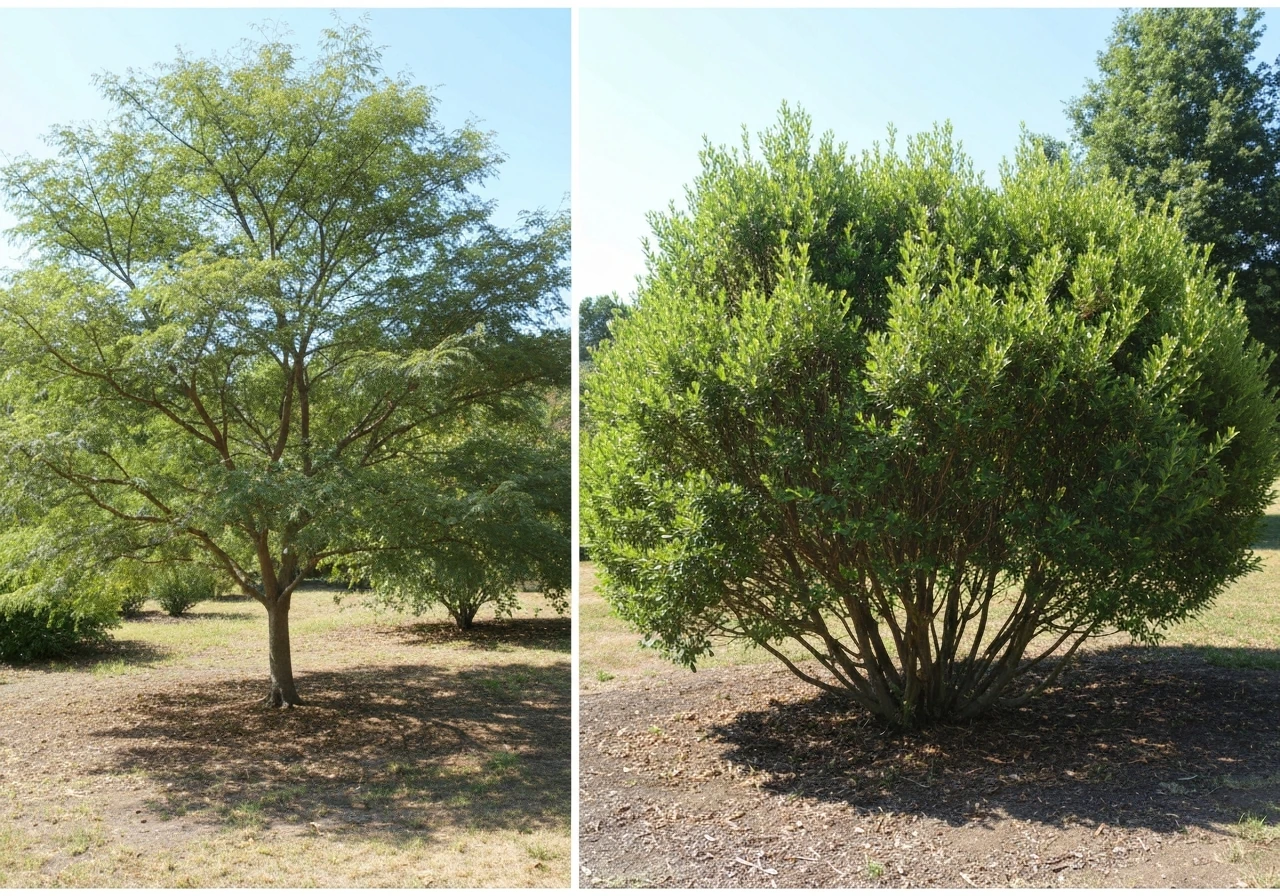
Not all "nut trees" are actually trees. Growth habit varies dramatically across nut species, and that affects everything from how long you wait for your first harvest to how you manage spacing and light.
| Nut | Growth Habit | Approx. First Bearing Age | Mature Height |
|---|---|---|---|
| Pecan | Large deciduous tree | 5–10 years (cultivars); up to 20 years (seedlings) | 70–100 ft |
| Walnut (Black) | Large deciduous tree | 4–7 years | 50–75 ft |
| Chestnut (Chinese) | Medium deciduous tree | 3–5 years | 40–60 ft |
| Hazelnut | Multi-stem shrub or small tree | 2–4 years | 10–20 ft |
| Pistachio | Small to medium tree | 5–8 years | 20–30 ft |
| Almond | Small tree | 3–5 years | 15–25 ft |
Hazelnuts are particularly practical for home growers because their shrub form keeps harvest manageable, they can begin producing a few nuts at 2 to 3 years old (though consistent yields typically start around year 4), and they take up far less space than a mature walnut or pecan. Pecans and black walnuts are serious long-game investments: a seedling pecan can take 20 years to bear meaningfully in the wild, though named cultivars are much faster. If you want nuts in a reasonable timeframe without dedicating most of your yard to a single tree, chestnuts and hazelnuts are often the smartest choices.
How to grow nut trees from seed to establishment
Growing nut trees from seed is satisfying but requires patience and some specific knowledge about seed dormancy. Most nut seeds need cold stratification to break dormancy and germinate properly.
- Collect or source fresh, mature nuts. For best germination, use seeds harvested the same fall you intend to plant or stratify. Viability drops with age and improper storage.
- Stratify seeds that need cold treatment. Almonds should be stratified at around 40°F in moist sand for about 3 months. Walnuts can be fall-planted directly in nursery beds so natural winter temperatures provide stratification in the field. Pecans have delayed germination partly because the shell mechanically restricts radicle elongation, so scarification before stratification can help.
- Plant at the right depth and time. For pecans specifically, bare-root transplants are the common method, and deep planting holes are essential because pecan taproots are long and cannot be crimped or bent without damaging establishment. Fall or early spring planting is generally preferred.
- Provide consistent moisture during establishment. The first two growing seasons are the most vulnerable. Trees that experience drought stress in year one or two can set back root development significantly.
- Be realistic about cold stratification for shrubby species. For moist stratification at low temperatures, keep seeds at the target temperature for at least 2 to 3 months. Fall planting directly in the ground can substitute for artificial stratification for many species in regions where winters are cold enough.
- Plan for pollination from the start. If you're planting hazelnuts, you need at least two compatible varieties with overlapping pollen-shed and receptivity windows. For pistachios, one male tree is needed for every 8 to 10 female trees. For most chestnuts and walnuts, plant at least two seedlings or cultivars for cross-pollination.
- Expect a multi-year wait. Hazelnut gives you the fastest return. Most tree nuts require 4 to 8 years before consistent bearing, and some (especially pecan seedlings) can take much longer.
It's also worth noting that nutsedge, despite having "nut" in the name, is a completely different organism. If you've been searching for information on weed management, when nutsedge grows and how to manage it is a separate topic from tree nut cultivation. For this article, we're focused entirely on edible nut-producing trees and shrubs.
Site selection, soil, and spacing
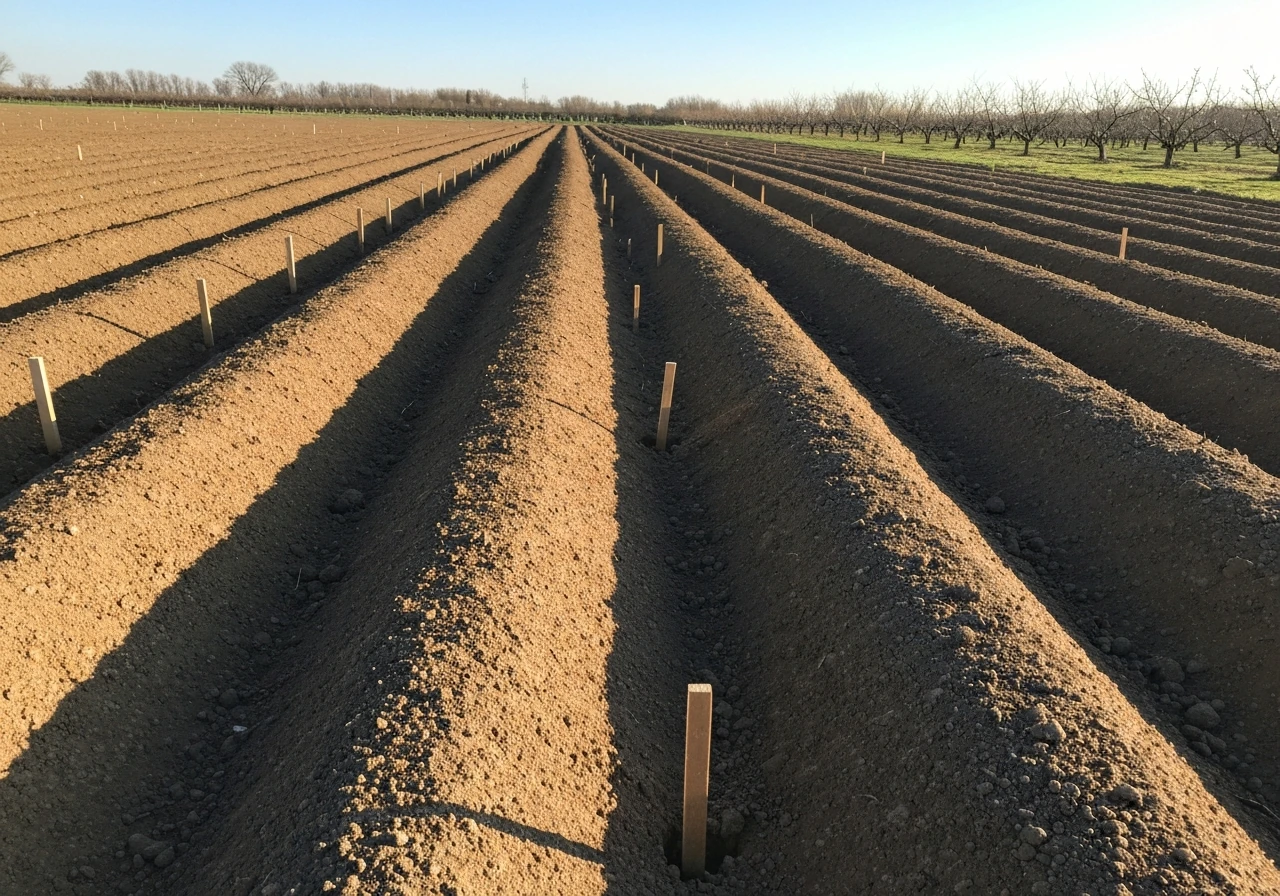
Getting site selection right is arguably more important than any other decision you'll make with nut trees. These are long-lived plants. A bad site doesn't give you a bad year; it gives you a bad decade.
Sun and drainage
All major nut trees require full sun, defined as at least 6 to 8 hours of direct sunlight daily. Even hazelnuts, which tolerate some shade in the wild, produce significantly fewer nuts in shaded conditions. Heavy shade can prevent hazelnut plants from flowering at all. Drainage is equally non-negotiable. Most nut trees are deep-rooted and cannot tolerate standing water. Pecans naturally grow in bottomland areas, but those sites drain; they're moist and fertile, not waterlogged. Plant nut trees on slopes or raised areas if your soil has poor drainage, or invest in subsurface drainage before planting.
Soil pH and texture
Chinese chestnut does best on light-textured, acidic soils with a pH around 5.5. Blueberry growers in the Eastern US often have soil that works well for chestnuts too. Pecans prefer slightly acidic to neutral pH, ideally 6.0 to 7.0, and deep loamy soils. Hazelnuts are adaptable across a moderate pH range (5.5 to 7.0) but perform best in well-drained loams. Pistachios and almonds tolerate alkaline soils better than most nut trees, which is one reason they do well in the arid western US and Mediterranean regions where pH often runs higher.
Spacing and pollination planning
Spacing varies widely by species but should always account for mature canopy spread. Pecan trees need 40 to 60 feet between trees at minimum for full-sized cultivars. Black walnuts do best at 40 to 50 feet. Chestnuts can be planted at 30 to 40 feet. Hazelnuts, as shrubs, can go as close as 10 to 15 feet in a hedgerow planting. For pistachios, spacing of 18 to 20 feet is typical in commercial orchards. Always plant at least two compatible varieties of any self-incompatible species (hazelnuts, almonds, most chestnuts) and for dioecious species (pistachio), ensure you have the right male-to-female ratio.
Matching nuts to your climate and growing zone
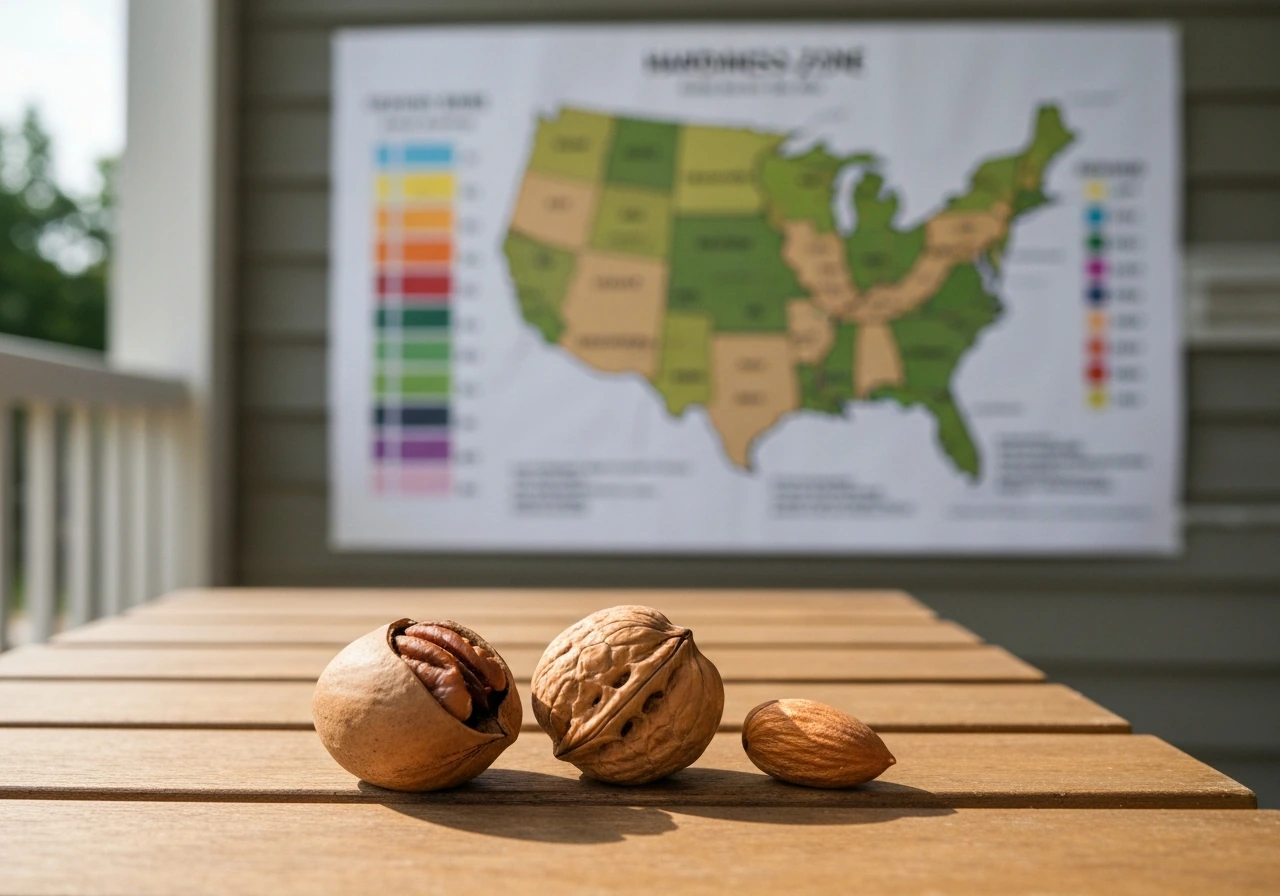
Climate matching is where most beginner nut growers make expensive mistakes. Buying a tree because you love the nut, without checking whether your climate suits it, is a reliable way to waste several years.
| Nut | USDA Hardiness Zones | Key Climate Needs | Problem Climates |
|---|---|---|---|
| Pecan | 6–9 | Hot summers (100+ day growing season), mild winters, moist bottomland-type soils | Short seasons (zones 4–5), high humidity during flowering |
| Hazelnut (European) | 4–8 | Mild, humid winters; cool summers; moderate rainfall | Hot, dry summers; extreme continental cold |
| Chinese Chestnut | 4–8 | Adaptable; prefers temperate East US conditions; tolerates cold | Waterlogged soils; poor drainage sites |
| Pistachio | 7–11 | Hot, dry summers; cold winters (chilling hours); low humidity | Humid climates; late spring frosts; cool summers |
| Almond | 7–9 | Mild winters; dry, warm springs; low humidity at bloom | Late frosts (blooms very early); humid, wet springs |
| Walnut (Black) | 4–9 | Deep, fertile soils; temperate climate with defined seasons | Compacted soils; sites with competing allelopathic plants nearby |
| Walnut (English/Persian) | 5–9 | Similar to Black Walnut but slightly less cold-hardy | Wet, poorly drained sites; early frost zones |
If you're in the Upper Midwest or Northeast (zones 4 to 5), your realistic options are hazelnuts, Chinese chestnuts, and black walnuts. All three can handle cold winters and still produce. If you're in the Southeast (zones 7 to 9), pecans are the natural fit given their native range, and Chinese chestnuts do well in the uplands. The Pacific Northwest, particularly the Willamette Valley, is excellent hazelnut country and one of the few US regions where European hazelnut cultivars really thrive. In the hot, dry Southwest (zones 8 to 11 in lower elevations), pistachios and almonds are the logical choices, provided irrigation is available and chilling hour requirements are met.
One underappreciated factor is the chilling hour requirement. Many nut trees, including pecans, pistachios, and almonds, need a certain number of hours below 45°F during winter to flower properly the following spring. If your winters don't deliver enough chilling hours, trees may bloom erratically, produce poorly, or not fruit at all. In marginal chilling zones, selecting low-chill cultivars is essential, not optional.
Which nut tree is right for you? A quick comparison
If you want the fastest path to nuts from a small space: plant hazelnuts. They're shrubby, productive by year 3 or 4, and manageable without heavy equipment. If you have a large property in the Southeast and want a tree that will outlast you and your children: plant pecans. They're slow but magnificent producers once established. If you're in a cold-winter zone and want something that bridges the gap between edibility and cold hardiness: Chinese chestnut is hard to beat. It tolerates cold, produces reliably, and the nuts are genuinely delicious. For dry western climates, pistachios and almonds are the professionals' choice, but go in knowing they require precise site selection and multi-year patience before any serious yield.
The biggest mistake people make with nut trees is treating them like annual vegetables. You're making a 20- to 50-year investment in your land. Take the time to match species to site, plan your pollination from day one, and prepare for a 3 to 8 year wait before consistent harvests. The trees that struggle are almost always the ones planted in the wrong place or without a compatible pollinator in range. Get those two things right, and most nut trees will take care of themselves for decades.
FAQ
Can I plant just one nut tree and still get nuts?
Yes, but you need to manage the practical biology differences. For self-incompatible nuts like hazelnut and many almonds, you must plant a compatible second variety close enough for pollen to reach, and make sure flowering times overlap. If you plant two “same variety” trees, you may still get little or no crop.
What should I do if my nut trees flower but don’t set nuts?
The timing mismatch issue is real for both pistachios and self-incompatible species. Even if you have male and female trees (or two compatible varieties), flowering can fail if bloom windows do not overlap due to chilling or spring weather, so confirm cultivar bloom dates for your specific region before planting.
How do I properly start nut trees from seed (stratification and germination)?
Cold stratification is usually the key, but depth and duration matter. Keep seeds moist but not waterlogged, chill them in a medium like damp sand or peat, and avoid letting them fully dry during the process. After chilling, move to a warm, bright setup, and expect that some species still take longer to germinate than others.
Is partial shade ever enough for nut trees?
Treat “full sun” as direct light, not just bright yard conditions. If you get less than about 6 to 8 hours of direct sun, yields can drop sharply and some species may not flower, which means zero nuts even if the plant looks healthy.
How can I tell if my planting spot has the drainage my nut trees need?
Yes. Many nut trees will tolerate some seasonal wetness, but they do not tolerate standing water around deep roots. If your soil holds water after rain, fix drainage or plant on raised areas, because the long-term root stress can show up as poor growth and low nut set years later.
What spacing mistakes most often lead to poor nut yields?
Plan spacing based on mature canopy, not current size. Crowded orchards reduce light and airflow, which can worsen pollination and increase disease pressure, and you can end up with trees you cannot realistically manage later. If you are unsure, start with the lower planting density only if you have proven performance for your cultivar and training system.
Does weather during flowering really affect the size of the nut crop?
Pecan, pistachio, and some other nuts are especially sensitive during the flowering and pollen-shed window. Heavy rain, high humidity, or prolonged cool spells can disrupt pollen movement or pollen viability, so if you know your site is often rainy at bloom, pick cultivars with better local overlap and consider wind exposure.
How do chilling hours change flowering and nut production?
Yes, and it shows up differently by species. In marginal chilling zones, you might see irregular bloom, delayed flowering, or poor nut set. In those situations, switching to low-chill cultivars can be the difference between a consistent orchard and repeated failures.
When is the right time to harvest nuts, and what signs should I look for?
It depends on your species, but “hanging on the tree” for too long is common. Husk split timing, shell hardening progress, and local temperature drive harvest. Pick a harvest window based on husk maturity and your typical fall weather, and avoid waiting past the point where nuts naturally start dropping.
Should I buy seedlings, grafted cultivars, or something else for the best chance of a crop?
You generally want to buy based on cultivar and rootstock suitability, not just species. Named cultivars help with predictable bearing time, and for self-incompatible or dioecious species you must source the matching compatible pollen partner. If you are near the edge of a species’ climate range, low-chill or locally proven cultivars are especially important.