Zone 4 is genuinely tough for nut trees, but it is not a dead end. Butternut (Juglans cinerea), heartnut (Juglans ailantifolia var. cordiformis), hazelnut (Corylus americana and C. avellana hybrids), and American chestnut hybrids rated to Zone 4 are your most realistic producers.
What Nut Trees Grow in Zone 4: Hardy Options and Tips
Marcus Hendricks
14 May 2026
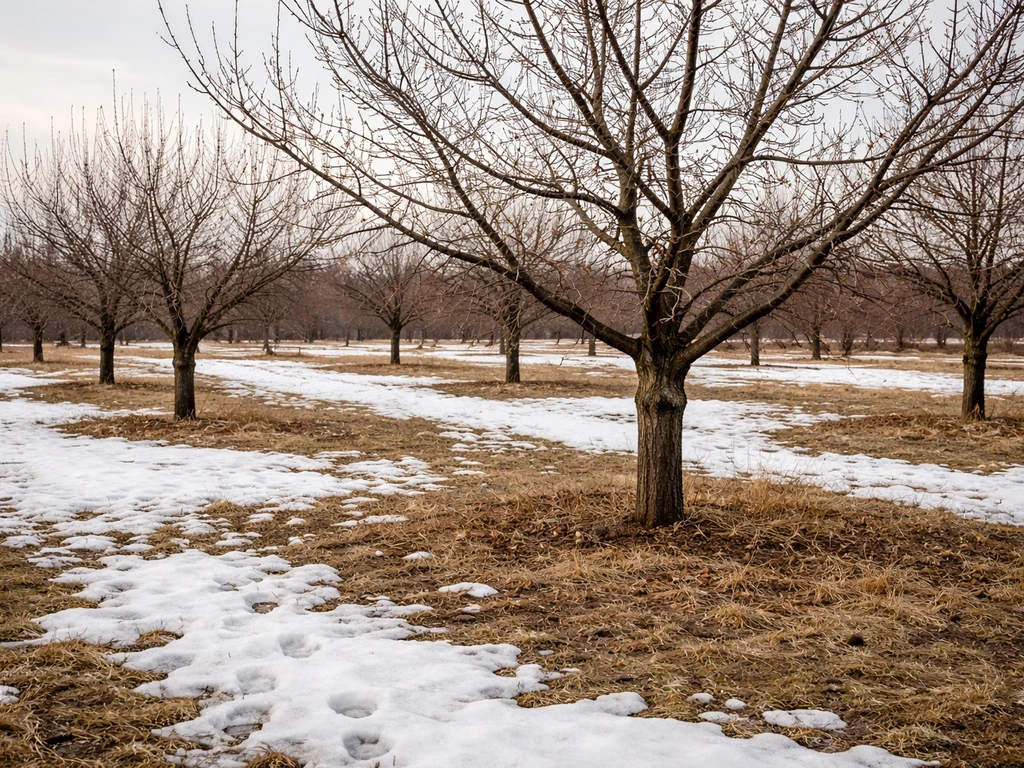
Siberian and hybrid filberts and Korean pine (Pinus koraiensis) round out the list for growers willing to think a little outside the classic nut tree box. Black walnut (Juglans nigra) is marginal in Zone 4a but workable in 4b with a sheltered site. Most true almonds, pecans, and standard English walnuts are not going to make it reliably.
Starting with the right species and cultivar for your specific subzone is the single biggest factor in whether you get nuts or just a tree that slowly dies back every winter.
What "Zone 4" actually means for nut tree survival
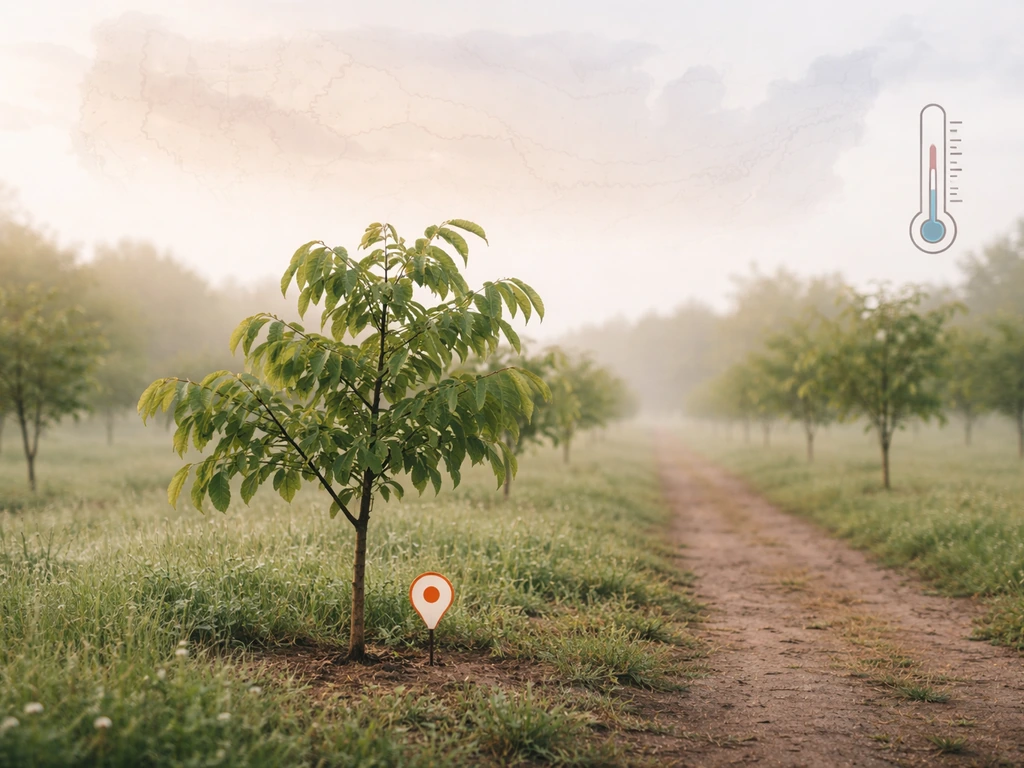
USDA hardiness zones are built on one number: the long-term average annual extreme minimum temperature at your location, mapped using high-resolution PRISM climate data. Zone 4 covers an average annual extreme minimum of -20°F to -30°F. The two subzones split that range: Zone 4a runs from -25°F to -30°F, and Zone 4b runs from -20°F to -25°F. That 5°F difference sounds small, but for woody plants it can be the line between a tree that survives and one that dies to the ground every March.
The critical thing to understand is what the zone does not tell you. It does not tell you when those extreme temperatures hit, how long they last, whether there is snow cover insulating roots, or how exposed your site is to wind. UW-Madison Extension specifically flags late-winter cold snaps after dormancy breaks as a high-injury event, even when the minimum temperature itself is not record-breaking. UW-Madison Extension notes that [late-winter cold snaps after dormancy breaks](https://hort.
extension. wisc. edu/articles/maps/) are a high-injury event, so extreme-temperature minimums alone do not capture the risk. A plant coming out of dormancy in late February can be killed by a temperature it would have shrugged off in January.
Wind chill compounds the problem for young cambium tissue. So when you are evaluating a nut tree rated to Zone 4, ask yourself: does that rating assume the tree is dormant and snow-covered, or does it account for late-season events? Good nurseries will tell you. Many zone ratings do not.
Microclimates inside Zone 4 can shift your effective growing conditions by roughly half a zone or more in either direction. A south-facing slope protected by a windbreak, with good snow accumulation, can behave more like Zone 5b. An exposed north-facing rise with no snow cover and a frost pocket at the base can be colder than Zone 4a in practice, even if the USDA map says otherwise. This is why two growers in the same county can have radically different results with the same cultivar.
The nut trees that actually work in Zone 4
Here is an honest rundown of what produces nuts reliably in Zone 4, starting with the best options and working toward the more marginal ones. If you want a practical shortlist, check the best nut trees to grow in UK climates and match the species to your local winter lows.
Hazelnut (Corylus spp.)
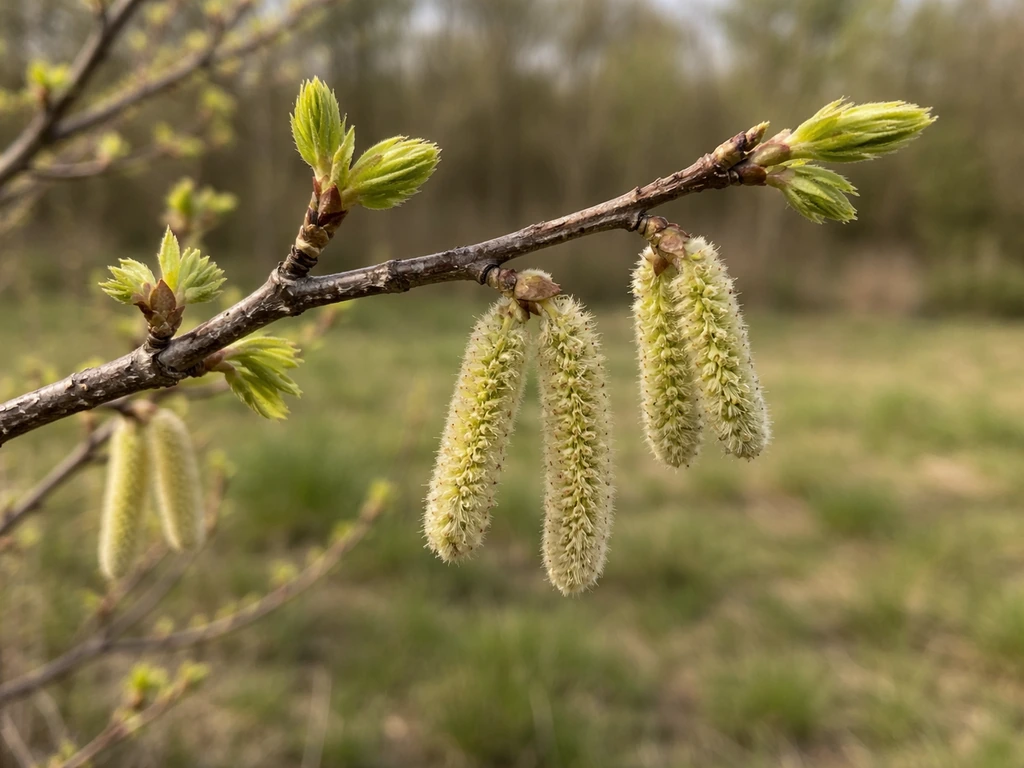
Hazelnuts are your most dependable Zone 4 nut producer, and for most home growers they should be the first tree (or large shrub) planted. American hazelnut (Corylus americana) is native across much of the eastern U. S. and is rock-solid to Zone 4 and colder.
European hazelnut (C. avellana) produces larger, better-flavored nuts but is typically only reliable to Zone 5 on its own. The real sweet spot for Zone 4 is the University of Minnesota and Arbor Day Foundation hybrid hazelnuts, which cross American and European species to get cold hardiness near Zone 3-4 with improved nut size and flavor. Cultivars like 'Jefferson' (primarily Zone 5-6, skip this one), and the hybrid selections from the Badgersett Research Farm and UMN programs are your targets.
Look specifically for cultivars explicitly rated Zone 4 from regional programs.
Butternut (Juglans cinerea)
Butternut is the cold-hardiest walnut-family nut tree and is native well into Zone 4. The nuts are oily and rich, with a flavor many people prefer over black walnut. The serious drawback right now is butternut canker (Sirococcus clavigignenti-juglandacearum), a fungal disease that has devastated native populations across the eastern range. Planting straight species is a gamble on disease. Your better option is to seek out canker-resistant selections from university breeding programs, particularly the USDA Forest Service and University of Vermont work on resistant individuals. If you can find a verified resistant seedling or grafted cultivar, butternut is an excellent Zone 4 choice. Otherwise you are planting something that may die within 10-15 years.
Heartnut (Juglans ailantifolia var. cordiformis)
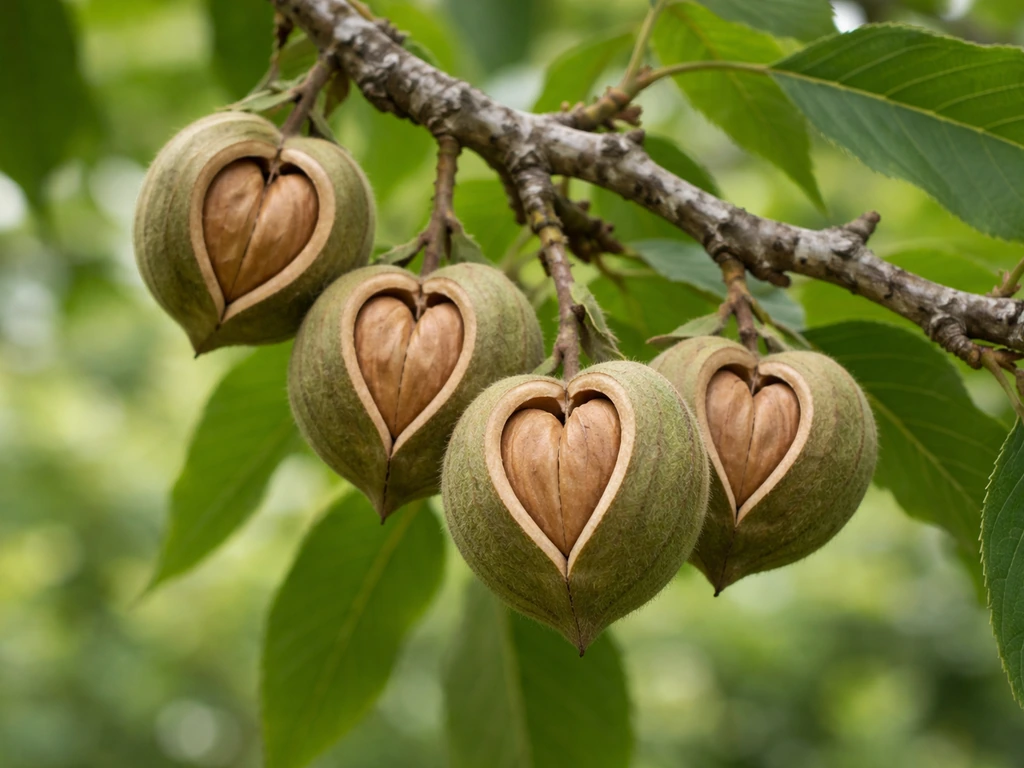
Heartnut is a Japanese walnut variant that produces heart-shaped nuts that crack out whole, which is a significant practical advantage over most walnuts. It is generally rated to Zone 4b-5 and grows vigorously in cold climates. The trees are large (40-60 feet at maturity), produce nuts in clusters of up to 20, and begin bearing in 5-10 years from grafted stock. Cold hardiness is good but not quite as bulletproof as butternut, so in Zone 4a, site selection becomes critical. Heartnut is less common in nurseries than walnut but worth tracking down for serious Zone 4 growers.
Black walnut (Juglans nigra)
Black walnut is rated to Zone 4 in many references, but this needs some unpacking. The species as a whole is rated Zone 4, but the northern-provenance seed sources are what actually survive Zone 4 winters reliably. Trees grown from seed collected in Missouri or Kansas will not perform as well as trees from Minnesota or Wisconsin seed sources. In Zone 4b with a sheltered site and northern-provenance stock, black walnut can and does produce nuts. In Zone 4a, it is marginal and often dies back to the snow line during harsh winters, which delays production for years. If you plant black walnut in Zone 4, source locally or from as far north as possible.
American chestnut hybrids
Pure American chestnut (Castanea dentata) is hardy to Zone 4, but finding disease-resistant, seed-producing specimens is still difficult given the ongoing work to restore the species after chestnut blight. Chinese chestnut (Castanea mollissima) is typically rated Zone 4b-5 and can be unreliable in Zone 4a. The most promising options for Zone 4 growers right now are the Dunstan chestnut hybrids (American x Chinese) and cultivars bred for cold hardiness from programs like the American Chestnut Foundation, though the foundation's backcross program trees are still in development for wide distribution. Look for any chestnut cultivar explicitly rated Zone 4 from a northern nursery. 'Szego' and 'Eaton' are among the names that come up for cold-hardy chestnut selections.
Korean pine (Pinus koraiensis)
Korean pine is one of the genuinely underused options for Zone 4 nut production. It is hardy to Zone 3-4, produces large, edible pine nuts (larger than Italian stone pine nuts), and is adapted to exactly the climate conditions Zone 4 growers deal with. The downside is time: Korean pine takes 15-25 years to first produce meaningful quantities of cones. It is a long-term investment, but once established it is extremely productive and long-lived. If you are planting a property you intend to keep for decades, adding Korean pine is one of the smarter cold-climate nut decisions you can make.
Cold-hardy substitutes and small-space options
Not every Zone 4 grower has room for a 60-foot walnut or the patience for Korean pine. A few smaller-scale options are worth knowing.
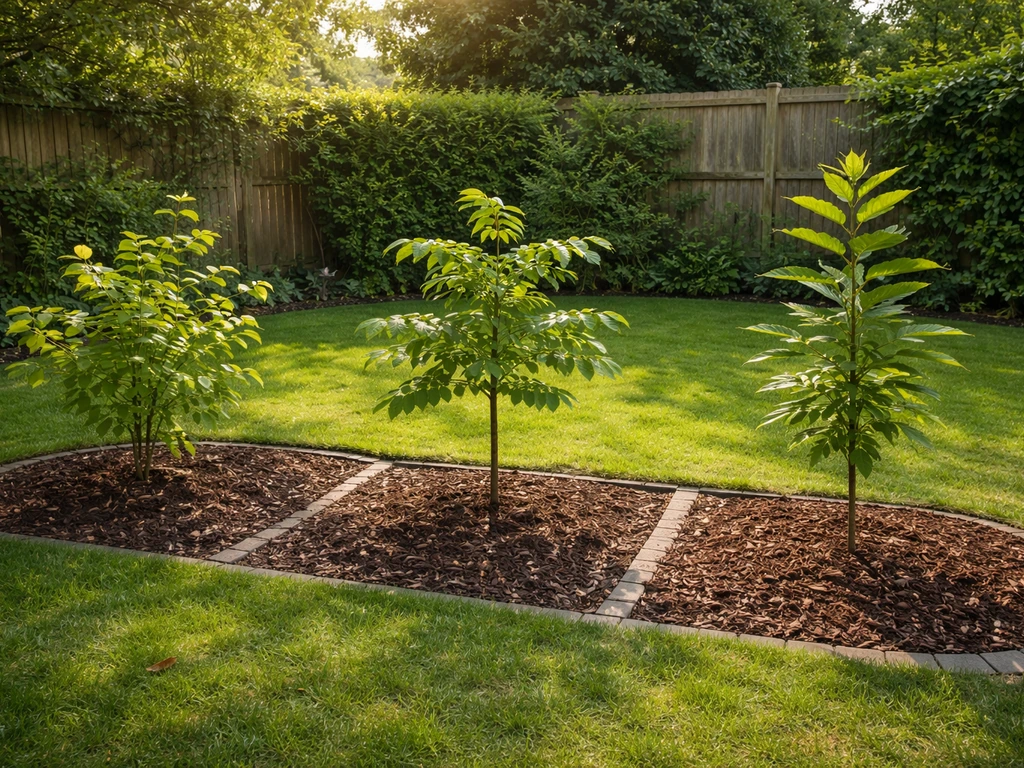
- Hybrid hazelnuts as multi-stem shrubs: These can be managed at 8-12 feet, produce in 3-5 years, and fit into almost any yard. They are genuinely the most practical Zone 4 nut option for small spaces.
- Carpathian (English) walnut on northern rootstock: Some nurseries sell cold-hardy Carpathian walnut selections, occasionally rated to Zone 4b. These are not a sure thing in Zone 4, but a well-sheltered site in 4b is worth trying with cultivars like 'Hansen' or similar northern-selected strains.
- Siberian pea shrub (Caragana arborescens): Technically produces small edible seeds (not a true nut) but is sometimes referenced as a protein-rich food source in permaculture contexts. Hardy to Zone 2. Not a substitute for actual nut production but useful in extreme cold zones.
- Beaked hazelnut (Corylus cornuta): A native species hardy to Zone 4 and colder, producing small but edible hazelnuts. Shrubby form, very cold-tolerant, good for naturalized or wildlife planting.
- Northern pecan cultivars: Some sources list pecan (Carya illinoinensis) cultivars developed for northern climates, such as 'Kanza' or 'Shepherd', rated to Zone 5 with optimistic sources suggesting Zone 4b in favorable sites. Be skeptical; this is a stretch for most Zone 4 locations and inconsistent producers in cold years.
If you are comparing Zone 4 options to what is available in Zone 5, you will notice the list expands considerably once you move one zone warmer. Zone 5 nut tree options expand even more when you target cultivars rated specifically for that zone Zone 4 options. Zone 5 opens the door to more reliable English walnut cultivars, more chestnut options, and better pecan viability. Growers right on the Zone 4/5 border may want to consult both lists and use microclimate advantage to push into Zone 5 territory.
Site requirements: sun, soil, drainage, and pollination
Sun and exposure
Every nut tree on this list needs full sun, meaning at least 6-8 hours of direct sunlight per day. In Zone 4, this is even more critical than in warmer zones because the growing season is shorter and you need every photosynthetically active day to help the tree build energy reserves for winter. Partial shade reduces vigor, delays nut production, and makes the tree more vulnerable to winter injury. Do not compromise on this.
Soil and drainage
Most Zone 4 nut trees prefer deep, well-drained loam with a soil pH in the 6.0-7.0 range. Walnuts and chestnuts are particularly sensitive to waterlogged soils; standing water around roots in spring or fall dramatically increases the risk of root rot and winter injury. Hazelnuts tolerate a slightly wider range of soil conditions but still need adequate drainage. If your site has heavy clay or a high water table, raised planting or significant soil amendment before planting is worth the effort. Chestnuts specifically prefer slightly acidic soil, around pH 5.5-6.5, and will struggle in alkaline conditions common in some Zone 4 areas with high limestone parent material.
Pollination
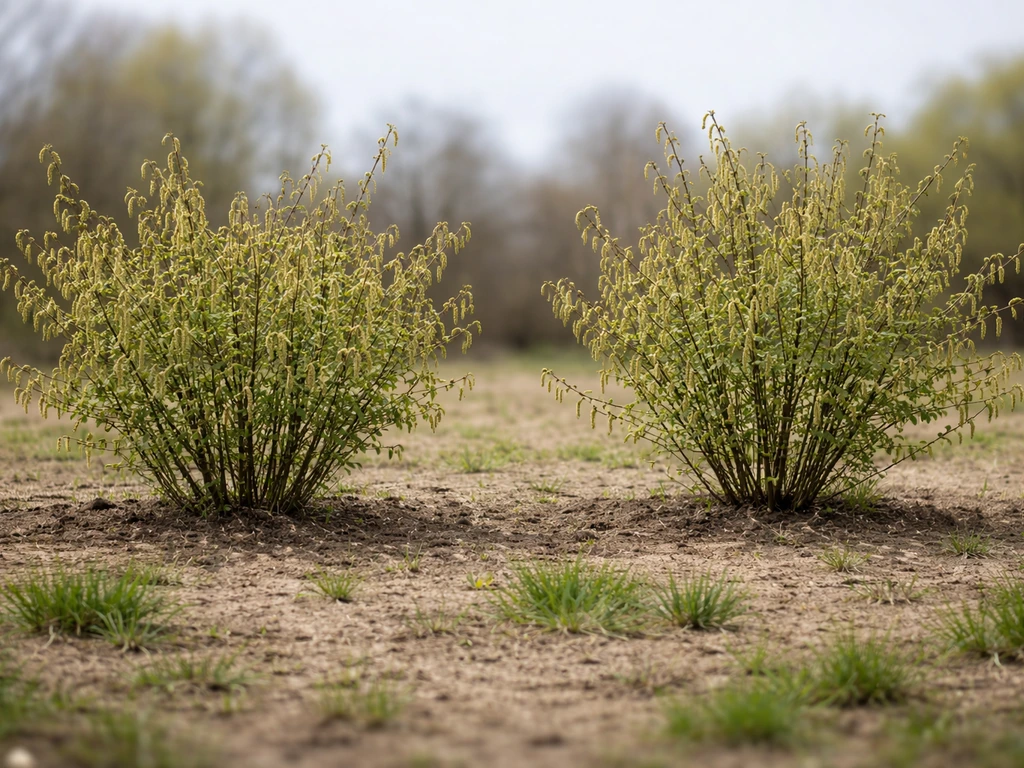
Most nut trees are wind-pollinated and require either a second tree or multiple plants for adequate cross-pollination. Hazelnuts are self-incompatible, meaning a single plant will produce very few or no nuts without a different cultivar or seedling nearby to provide pollen. Plant at least two hazelnut plants, ideally three or more from different genetic sources, within 50-100 feet of each other.
Walnuts (butternut, heartnut, black walnut) are technically monoecious, producing both male and female flowers on the same tree, but cross-pollination improves yields and you are generally better off with two or more trees. Chestnuts require cross-pollination between two different cultivars or seedlings; a single chestnut tree will not produce meaningful quantities of nuts. Korean pine also benefits from multiple trees for good cone production.
How to plant and care for Zone 4 nut trees in the first few years
- Plant in spring after frost danger has passed, or in early fall (at least 6 weeks before hard frost) so roots can establish before freeze-up. Spring planting is generally safer in Zone 4 because it gives the full growing season for root establishment.
- Choose northern-provenance or Zone-4-rated stock from regional nurseries. A tree grown from seed collected in a warmer zone is not equivalent to one selected from northern-adapted parents, even if it looks the same at the nursery.
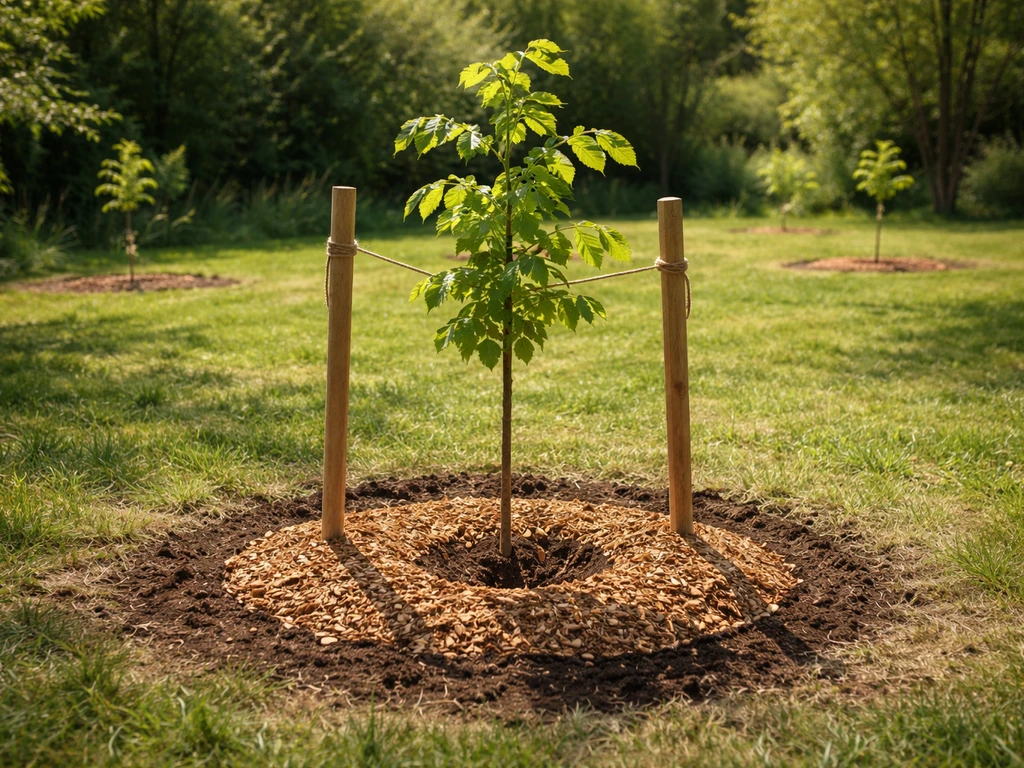
- Dig a hole 2-3 times wider than the root ball but no deeper than the root flare. Planting too deep is a common mistake that causes long-term decline. The root flare (where the trunk widens at the base) should sit at or slightly above grade.
- Water thoroughly at planting and maintain consistent moisture through the first two growing seasons. After that, most established Zone 4 nut trees are reasonably drought-tolerant, though walnut and chestnut prefer not to dry out completely during nut development.
- Mulch 3-4 inches deep with wood chips or straw in a 3-foot radius around the trunk, keeping mulch away from the trunk itself. Mulch retains moisture, moderates soil temperature, and reduces frost heaving in Zone 4 winters.
- Protect young trunks from rodent damage (mice and voles can girdle a young tree at the snow line) with a wire mesh guard extending from below grade to above the typical snow depth. In Zone 4, that can mean 18-24 inches.
- Avoid heavy nitrogen fertilization in late summer. This pushes new growth that will not harden off before frost. If you fertilize at all, do it in early spring so growth has the full season to mature.
- For the first 2-3 winters, consider wrapping young tree trunks with burlap or commercial tree wrap to reduce sun-scald (freeze-thaw cycling on the south and southwest bark), which is a specific Zone 4 problem.
When will you actually get nuts, and how much can you expect?
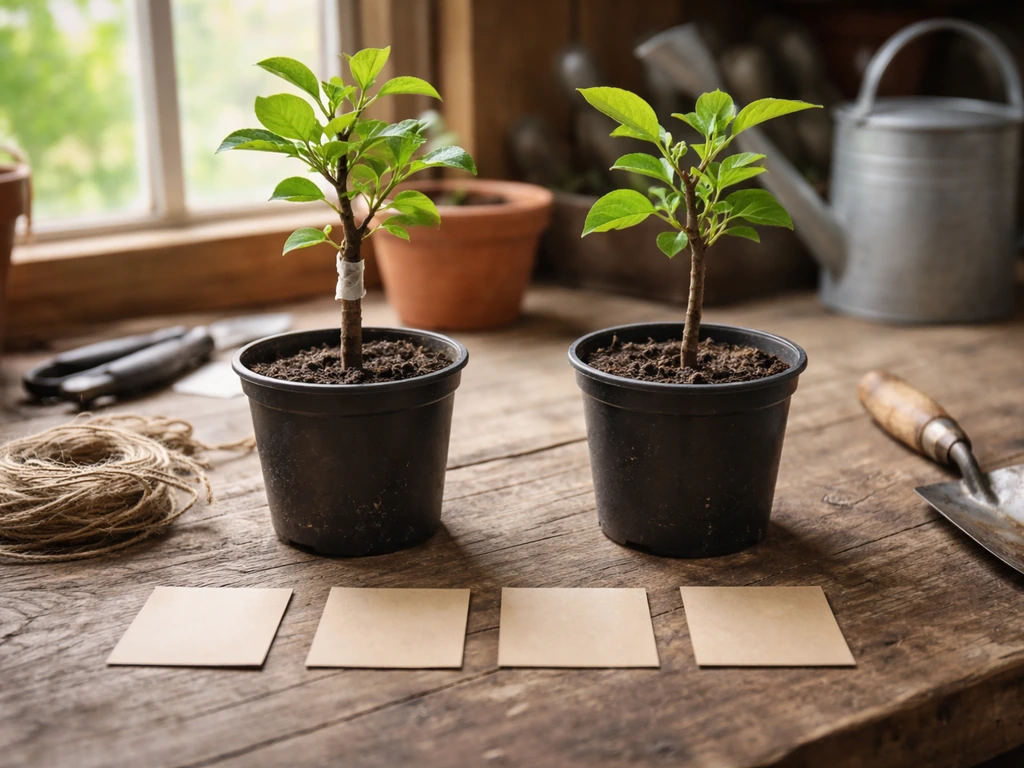
Timeline expectations vary significantly by species and whether you are planting grafted stock or seedlings. Grafted trees produce earlier because they are already on a mature rootstock. Seedling trees take longer but are often more cold-adapted.
| Species | First nuts (grafted) | First nuts (seedling) | Mature yield | Zone 4 reliability |
|---|---|---|---|---|
| Hazelnut (hybrid) | 3-5 years | 4-6 years | 10-25 lbs per plant | High |
| Butternut | 5-8 years | 8-12 years | 50-100 lbs per tree | High (if disease-resistant) |
| Heartnut | 5-8 years | 8-12 years | 100-200 lbs per tree | Moderate-High (Zone 4b) |
| Black walnut | 6-10 years | 10-15 years | 75-150 lbs per tree | Moderate (Zone 4b, northern provenance) |
| Chestnut (hybrid) | 3-6 years | 5-10 years | 25-75 lbs per tree | Moderate (cultivar-dependent) |
| Korean pine | 15-25 years | 20-30 years | 15-30 lbs of nuts per tree | High (once established) |
Cold climates affect yield in ways beyond just winter survival. A short growing season means nut development can be cut short by early fall frosts, leaving incompletely filled nuts. Chestnuts are particularly vulnerable to this because they ripen late in the season. In Zone 4, look for early-ripening chestnut cultivars specifically. Walnut and hazelnut generally ripen early enough to avoid this problem in most Zone 4 locations. Expect year-to-year variability to be higher in Zone 4 than in warmer zones: a late frost in May can knock out the year's crop by damaging emerging flowers, and an early September frost can reduce nut fill. Good years and poor years are part of Zone 4 nut growing.
The real problems you will face in Zone 4 (and how to handle them)
Winter injury and dieback
The most common Zone 4 problem is tip dieback on young trees after severe winters. This is not necessarily fatal, but repeated severe dieback delays production by years. The fix is mostly in species and cultivar selection before you plant, combined with site selection. Once you have a tree in the ground, winter injury management options are limited. You can protect young trunks, ensure the tree goes into winter well-watered (water thoroughly before the ground freezes), and apply mulch, but you cannot fully override a bad cultivar choice or a badly exposed site. If a tree dies back to the graft union repeatedly, it is not the right cultivar for your specific location.
Late-spring frosts killing flowers
Hazelnuts are particularly vulnerable to this because they flower very early (often in February or March, while snow is still on the ground). The female flowers are small and can be killed by late cold snaps even when the catkins (male flowers) survive. This is a year-to-year yield problem, not a tree survival problem, but it can mean zero hazelnut production in years with unusually late frosts. Planting hazelnuts on a slightly elevated site helps with cold air drainage, reducing the risk of frost damage compared to a low-lying frost pocket.
Disease pressure
Butternut canker is the most serious disease concern for Zone 4 nut growers. Eastern filbert blight (Anisogramma anomala) is a major problem for European hazelnut and some hybrids in the eastern U.S. and Pacific Northwest; American hazelnuts are resistant, and breeding programs are developing resistant hybrids, but if you plant a straight European hazelnut in the East, expect this disease eventually. Chestnut blight is still present but mostly affects American chestnut; Chinese chestnut and hybrids have much better resistance. Walnut anthracnose is common in wet summers and causes early leaf drop and reduced nut fill, but it is generally manageable and not fatal.
Wildlife pressure
Squirrels are the universal Zone 4 nut tree problem. They will harvest chestnuts before they are fully ripe and cache walnuts and hazelnuts aggressively. There is no fully effective deterrent at scale. For small plantings, netting trees before harvest and collecting nuts immediately as they drop helps. Deer browse young nut tree growth heavily in Zone 4, particularly in winter and early spring when other food is scarce. Tree tubes or wire cages are non-negotiable for young trees in deer-heavy areas. Mice and voles girdling trunks under snow cover is another Zone 4-specific issue, handled with the wire mesh trunk guards mentioned in the planting section.
Picking the right species and cultivar for your exact spot
Zone 4 covers a huge geographic range, from the northern Midwest and upper New England to high-elevation sites in the Mountain West. What works in central Minnesota does not necessarily work the same way in northern Maine or in an exposed Wyoming valley. If you are wondering what nut trees grow in Maine, start with Zone 4 species that can handle cold winters and uneven late-season weather. Here is how to narrow down your choices.
- Confirm your subzone first. Look up your specific location on the USDA Plant Hardiness Zone Map (the 2023 version reflects updated climate normals). Zone 4a and 4b are meaningfully different for nut tree selection. If you are Zone 4a, stick to the most cold-hardy options: native hazelnuts, butternut (disease-resistant selections), and Korean pine. Zone 4b opens the door to heartnut and increases chestnut reliability.
- Assess your microclimate honestly. A south-facing slope with a windbreak to the north, good snow accumulation, and decent drainage is your best possible Zone 4 site. An exposed hilltop or a frost pocket at the base of a slope is your worst. If your site is exposed and low, compensate by choosing species and cultivars rated one full zone colder than your label.
- Source from regional nurseries whenever possible. A hazelnut or walnut grown from northern-provenance seed, adapted to cold-climate selection pressure over generations, will outperform a tree from a general-purpose nursery growing stock from warmer sources. Look for nurseries in Minnesota, Wisconsin, the Dakotas, or northern New England for Zone 4-appropriate stock.
- Prioritize cultivars with explicit Zone 4 ratings from university or extension breeding programs, not just general hardiness zone listings. The University of Minnesota, Michigan State, the Arbor Day Foundation's Arbor Day Farm research, and regional nut-grower associations in the upper Midwest have done real cold-climate selection work.
- Start with hazelnuts regardless of what else you plant. They produce fastest, tolerate the widest range of Zone 4 conditions, fit in small spaces, and give you nuts while you are waiting for larger trees to mature. Every Zone 4 nut grower should have at least two hybrid hazelnut plants.
- If you are in an area where Zone 4 nut trees are less commonly discussed, such as high-elevation western sites rather than the upper Midwest, look specifically at what local growers and extension services report. Elevation-driven Zone 4 in Colorado or Utah has different seasonal patterns (often drier, with more intense sun) than latitude-driven Zone 4 in Minnesota, and species performance can differ.
If you are comparing your options to what growers in Zone 5 or in western Washington deal with, you will notice that Zone 4 narrows the realistic list considerably but does not eliminate serious nut production. In western Washington, you will have different nut-tree options than those limited to Zone 4, so it helps to compare by local hardiness and growing conditions. The key is matching species to site rather than forcing a marginal tree into a bad situation. Get the hazelnuts in the ground this spring, identify your best-sheltered spot for a walnut or chestnut, and source from northern nurseries. That is a realistic, productive Zone 4 nut planting, not a hopeful experiment.
FAQ
Can I grow hazelnuts in Zone 4 if I choose a hardy variety, or do I still need special planting conditions?
Yes, but only if you treat it like a frost-drainage problem, not just a cold-hardiness problem. For Zone 4 hazelnuts, plant on a slight rise or slope edge so cold air can move away from the root zone, and avoid low bowls where snow melts early (those areas warm sooner but can still freeze during late snaps).
How do I interpret cultivar hardiness labels for Zone 4a versus 4b?
Don’t rely on “it’s in Zone 4” labels alone. Ask the nursery whether the specific cultivar is rated for 4a or 4b, and whether it was selected for dormancy survival or for late-winter injury. If they cannot provide that detail, assume higher risk in 4a, especially for hazelnuts and walnuts.
If I plant only one nut tree, which Zone 4 species will still produce nuts?
Start by choosing a pollination strategy by crop type. Hazelnuts need a different compatible cultivar, typically 2 to 3 plants within 50 to 100 feet. Chestnuts also need cross-pollination between two genetic types, while most walnut types are monoecious but still benefit from multiple trees for better yields. If you plant only one, expect years with little to no nuts.
How soon can I realistically expect nuts in Zone 4, depending on the species?
Unlikely for most standard expectations. In Zone 4, American hazelnut can fruit relatively sooner, walnuts usually take longer, chestnuts often ripen late and can be held back by early frosts, and Korean pine can take decades for meaningful cone harvest. If you want nuts within a few years, prioritize hazelnuts and grafted walnut or heartnut, not Korean pine.
What soil problem in Zone 4 most often causes a nut tree to fail even if it is hardy?
Heavy, wet soils are a bigger limiter than winter lows for walnuts and chestnuts. Even if the tree survives winter, repeated spring and fall waterlogging can cause root rot and trigger winter dieback later. If your site stays soggy, use raised beds or improve drainage before planting, and do not site trees where water collects from downspouts or low spots.
If black walnut is rated to Zone 4, why do my neighbors’ trees thrive but mine die back?
For Zone 4 walnuts and chestnuts, sourcing matters as much as species. Use northern-provenance seed sources or regional nurseries that can tell you where their stock was collected or grown. Avoid seed sources from warmer states if you are in 4a, because those trees often die back repeatedly even though the catalog says “Zone 4.”
What winter-injury steps actually help in Zone 4, and when should I give up on a cultivar?
Yes, for some problems you can reduce injury but you cannot fully “fix” a wrong match. Winter injury management is most effective for young trees, focus on trunk protection, adequate watering before freeze-up, and mulch to steady soil temperatures. If dieback repeatedly reaches the graft union, replace the cultivar or change exposure rather than trying more protective gear.
Why do my hazelnuts flower but produce few or no nuts in Zone 4?
Yes, but timing matters. For early flowering crops like hazelnuts, late cold snaps after dormancy can kill female flowers, so you may see catkins but no nuts. Slightly elevated sites and good cold-air drainage can help, but you should also expect year-to-year yield swings even when the plant survives.
What’s the most practical way to protect nuts from squirrels in Zone 4?
You can, but plan for different priorities. Use netting for small plantings to stop squirrel harvest and collect nuts promptly once they drop. For bigger areas, the best practical approach is usually a combination of early harvest windows, partial exclusion (at least on the fruiting zone), and selecting trees and placements where you can monitor regularly.
Do I need to protect nut trees from deer and rodents differently in Zone 4 than elsewhere?
For deer, protection needs to be continuous during high-risk months, especially winter and early spring. Tree tubes or wire cages for young trees are the standard choice in deer-heavy areas, and you should ensure the guard prevents browsing right up to the leader. For mice and voles, trunk guards with fine mesh help where snow cover allows tunneling and girdling.
Can microclimates let me grow more Zone 5-style nut trees even if my USDA zone is 4?
If you are near the Zone 4/5 boundary, you can sometimes “upgrade” your odds by using the best microclimates in your yard. A sheltered, south-facing slope with wind protection, plus consistent drainage and good sun, can push performance toward Zone 5 conditions. But keep expectations realistic, because late-winter snaps can still erase the advantage.
How do I choose a chestnut variety in Zone 4 to reduce the chance of underfilled nuts?
For chestnuts, the biggest yield risk in Zone 4 is late-season ripening, because early fall frosts can leave nuts underfilled. Choose early-ripening cultivars rated for cold climates, and prioritize sites with the longest sun exposure and a wind-sheltered microclimate so the season extends as much as possible.