For most home gardeners in the eastern and central US, black walnut (Juglans nigra) is the most adaptable and cold-tough option, but English walnut (Juglans regia) gives you the best eating nut if your climate allows it. If you are in zones 5 through 8 with mild winters and want a proper edible crop, English walnut wins. If you are in zones 4 through 9 with variable winters, heavy soils, or you just want a reliable native tree, black walnut is your pick. Butternut (Juglans cinerea) is colder-hardy than both, but serious disease pressure makes it a risky investment right now. Your exact answer comes down to your USDA zone, your soil, and what you actually want from the tree.
Best Walnut Tree to Grow: Choose the Right Type for Your Yard
Marcus Hendricks
17 May 2026
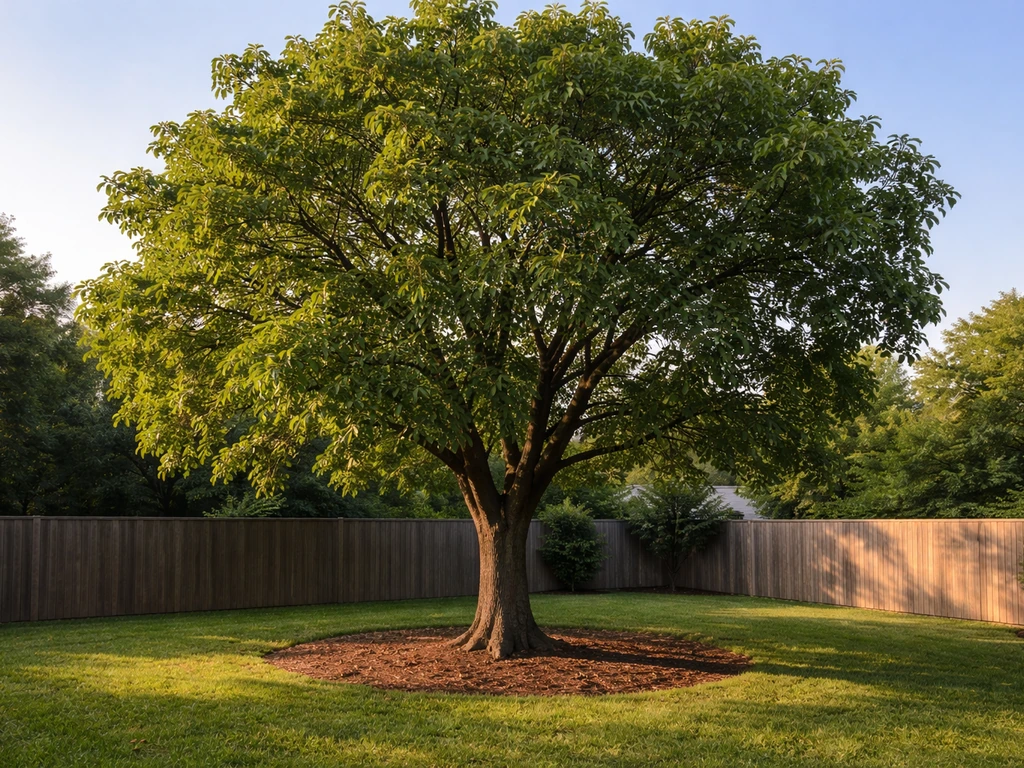
Choosing the 'best' walnut for your exact climate and goals
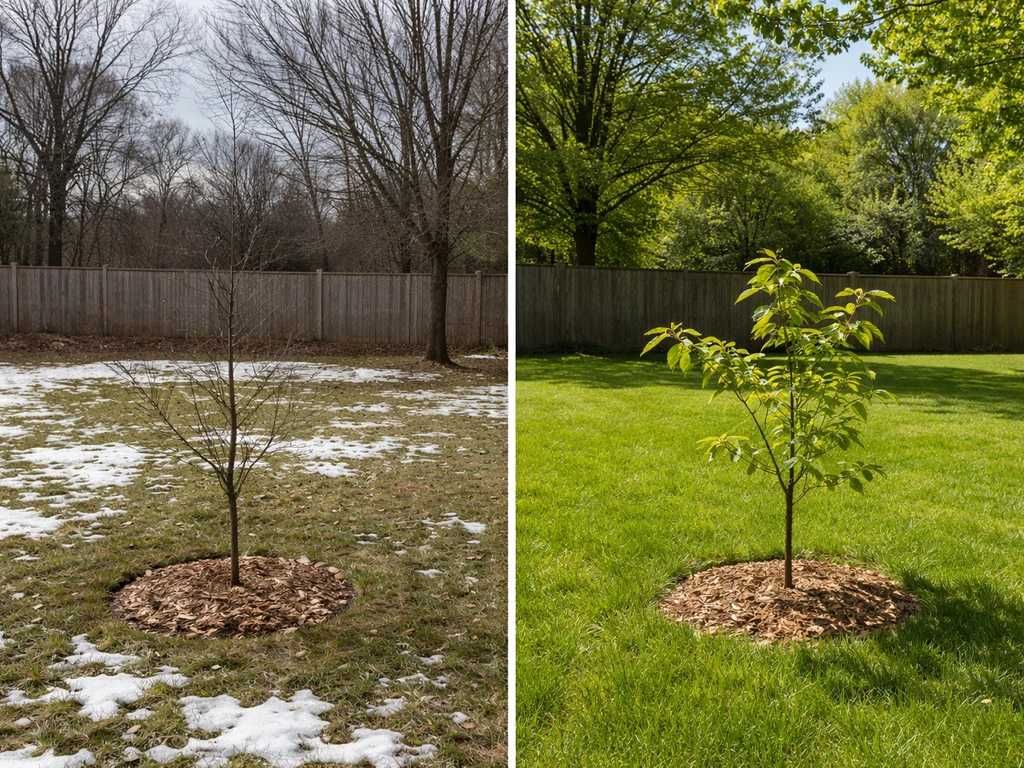
The word 'best' means different things depending on what you are working with. A grower in Minnesota has completely different constraints than someone in central California or coastal Oregon. Before you pick a species or cultivar, get honest with yourself about three things: your hardiness zone and typical winter low, what you want from the tree (edible nuts, timber, shade, or all three), and how much space you actually have. If you are trying to plan the garden underneath, it is also worth thinking about which flowers can tolerate walnut allelopathy what you actually want from the tree (edible nuts, timber, shade, or all three). Every other decision flows from there.
Chilling requirements are one of the most overlooked factors in walnut selection. Black walnut has a long chilling requirement of more than 1,400 hours below around 45°F, which means it needs a real winter to break dormancy properly. English walnut cultivars vary widely in their chilling needs, and UC Davis research has been specifically focused on characterizing those requirements across the germplasm range because it matters so much for California growers who deal with warm, erratic winters. If you are in a region with mild winters (think low-chill zones like much of the Deep South or coastal California), you need a low-chill English walnut cultivar, not just any English walnut off a nursery shelf.
Here is a simple way to think about it by scenario. If you want the best edible nut and you are in zones 6 to 8 with cold but not brutal winters, go with a grafted English walnut cultivar suited to your region. If you are in zones 4 to 5 with harsh winters and you want a tough, productive tree, black walnut is your most reliable path, even though shelling the nuts takes more effort. If you are on the northern edge in zone 3 to 4, butternut is the coldest-tolerant option, but plant it knowing the disease risk is real. If space is tight, none of the standard walnuts are small trees, and you need to plan for that from day one.
Walnut species showdown: English, black, butternut, and common hybrids
Let's go through each species honestly, including their real strengths and the problems nobody mentions on the nursery tag.
English walnut (Juglans regia)
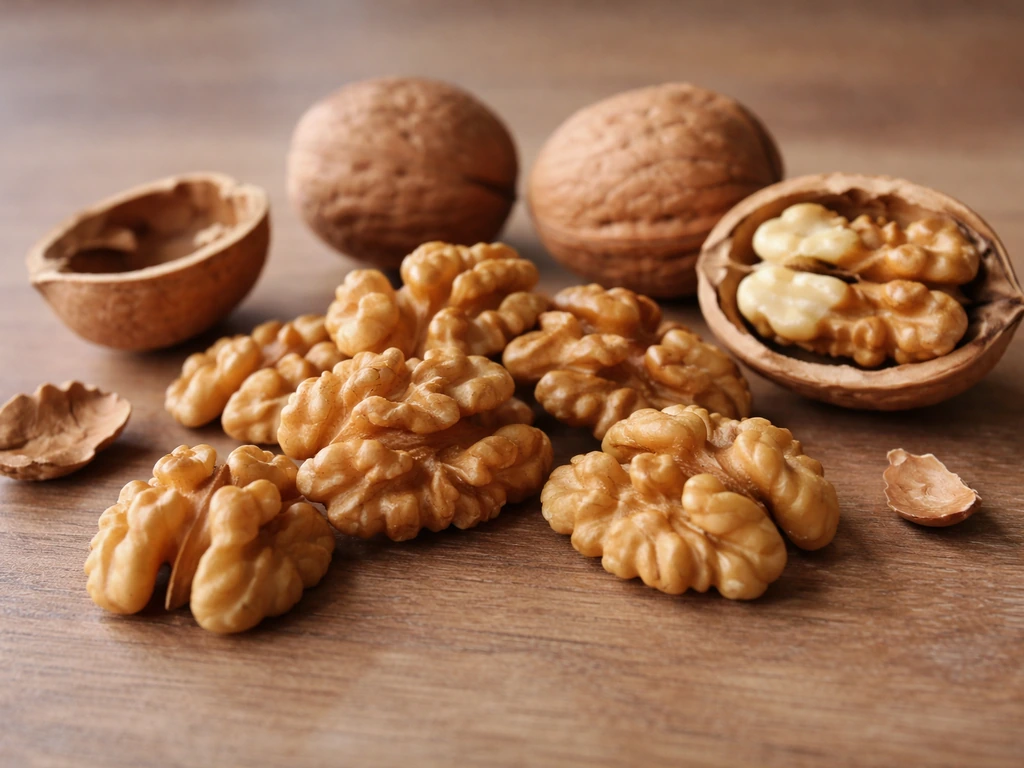
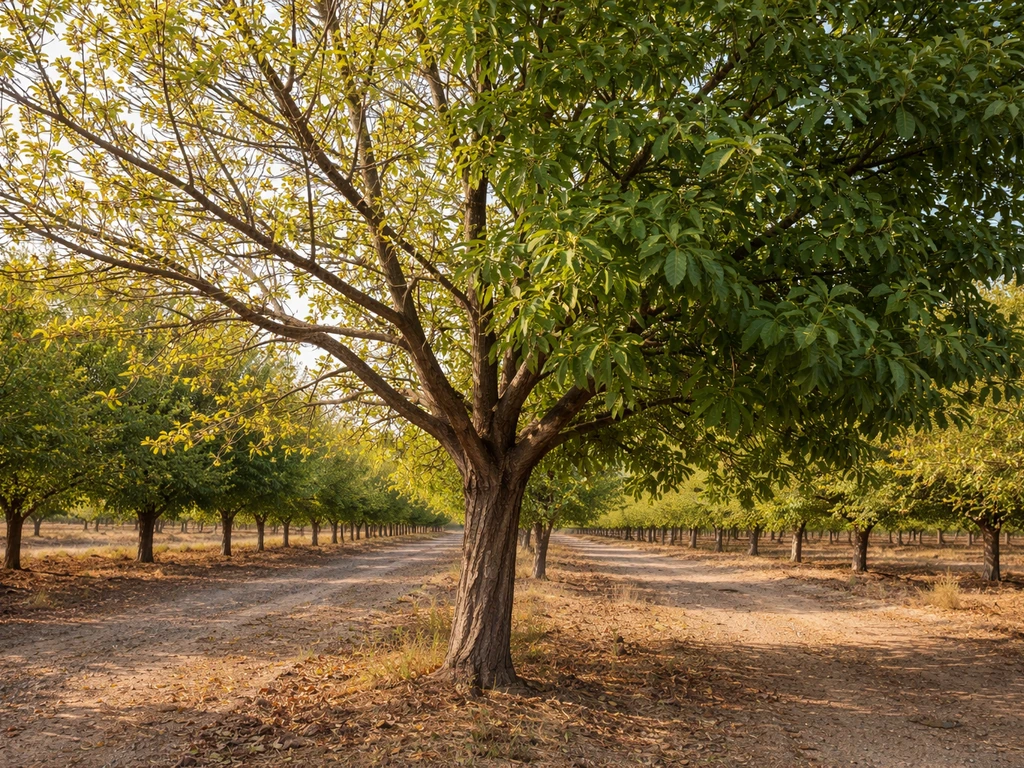
This is the walnut you find in grocery stores. The kernel is large, the shell is thin, and the flavor is mild and buttery. For pure eating quality, nothing else competes. The catch is that Juglans regia needs a more specific climate than most people assume. It is less cold-hardy than black walnut, generally suited to zones 5 through 9, and it is highly sensitive to late spring frosts that can wipe out an entire year's crop. Commercial production is concentrated in California's Sacramento and San Joaquin Valleys for a reason. In home orchards outside those ideal regions, you need to select cultivars carefully. 'Chandler,' 'Howard,' and 'Tulare' are common commercial picks in California. In the Pacific Northwest and parts of the mid-Atlantic, cultivars like 'Franquette' (which is protandrous and a reliable pollenizer) and 'Hartley' have track records. English walnut is also susceptible to walnut blight, a bacterial disease that has developed copper-resistant strains in California orchards after decades of copper spray programs.
Black walnut (Juglans nigra)
Black walnut is the native American powerhouse. It is cold-tough, grows on a wide range of sites across the eastern half of the country, and eventually becomes a massive, valuable timber tree. The nut flavor is bold and distinctive, which some people love and others find overwhelming. The shell is very thick and hard to crack, so if you want a handful of nuts for breakfast, this is more work than English walnut. The tree also produces juglone from its roots, buds, and nut hulls, which is toxic to a wide range of garden plants including tomatoes, peppers, azaleas, rhododendrons, and blueberries. That is not a minor footnote if you have a vegetable garden or ornamental beds nearby. Named cultivars like 'Emma Kay,' 'Thomas,' and 'Sparrow' were selected for thinner shells and better kernel percentages, and they are worth seeking out over seedling trees if nut production is your goal.
Butternut (Juglans cinerea)
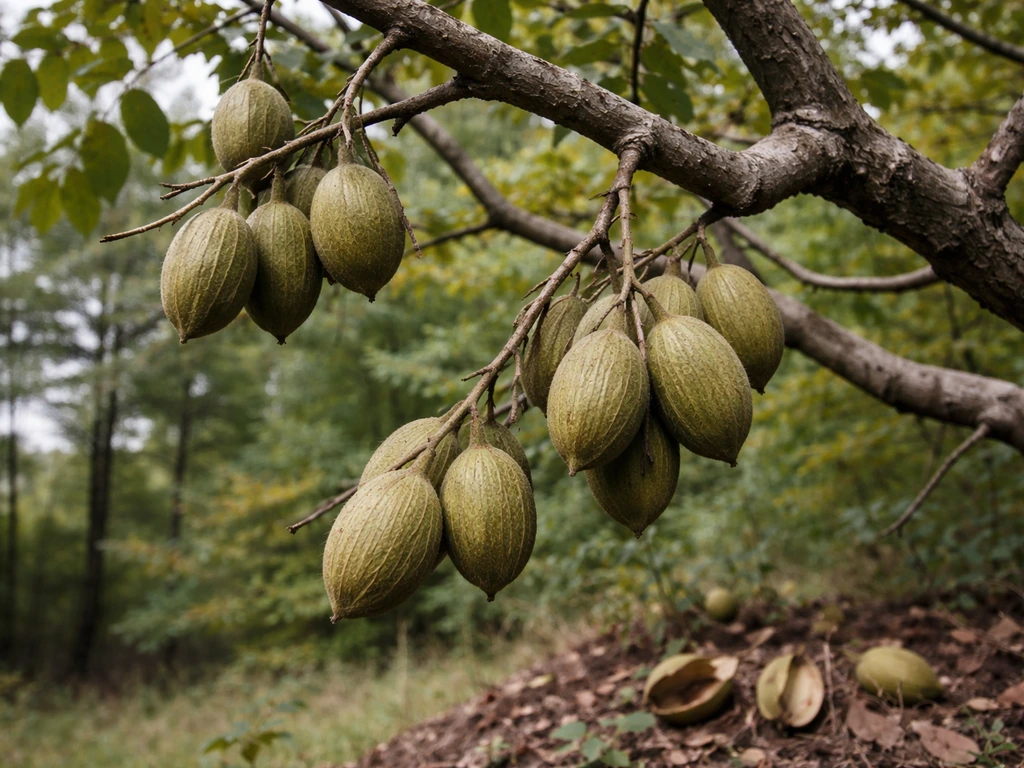
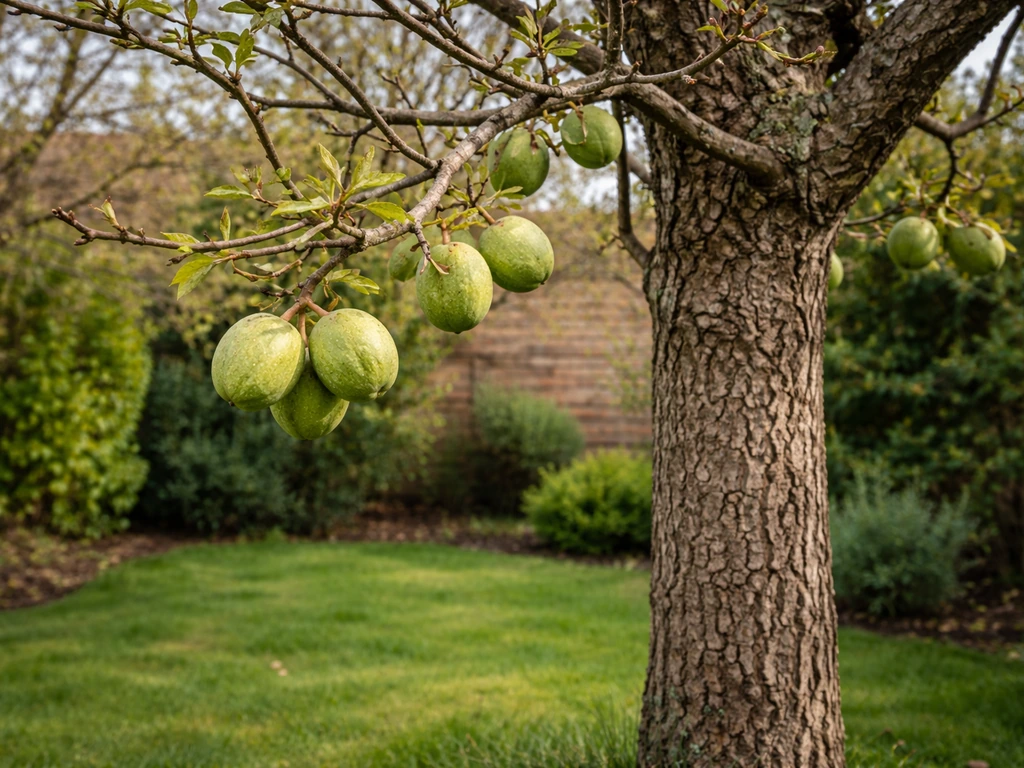
Butternut is genuinely the most cold-hardy of the three, making it interesting for zone 3 and 4 gardeners. The nut has a rich, oily flavor that many people prefer to black walnut. The serious problem is butternut canker, caused by the fungus Ophiognomonia clavigignenti-juglandacearum, which has devastated native populations across the range. This disease does not affect black walnut or English walnut. If you plant a butternut today, canker is a real threat, not a hypothetical one. Some disease-resistant selections exist, and researchers have been working on hybrids, but this is still an evolving area. Plant butternut with eyes open to that risk.
Hybrids and alternatives worth knowing
The buartnut is a butternut x heartnut (Juglans ailantifolia var. cordiformis) hybrid that combines butternut flavor with better disease resistance. Heartnut itself is a Japanese walnut relative that is quite cold-hardy and produces nuts in clusters that are much easier to crack than black walnut. The Paradox hybrid (Juglans regia x Juglans hindsii) is used extensively as a rootstock in California commercial orchards for its vigor and disease resistance, not typically grown for its own nuts. For home growers who want something unusual, the heartnut or buartnut might be worth exploring, especially in zones 5 through 7.
| Species/Type | Best Zones | Nut Quality | Cold Hardiness | Main Risk | Juglone Effect |
|---|---|---|---|---|---|
| English walnut (J. regia) | 5-9 | Excellent, thin shell, mild flavor | Moderate | Blight, late frost | Minimal |
| Black walnut (J. nigra) | 4-9 | Good, thick shell, bold flavor | High | Thousand cankers, juglone toxicity | Strong |
| Butternut (J. cinerea) | 3-7 | Very good, oily flavor | Very high | Butternut canker (serious) | Moderate |
| Heartnut (J. ailantifolia var. cordiformis) | 5-8 | Mild, easy to crack | High | Less documented | Minimal |
| Buartnut (butternut x heartnut hybrid) | 4-7 | Good, better than butternut shells | High | Variable disease resistance | Moderate |
Site requirements that make or break success
All walnut species share some non-negotiable site preferences, and getting these wrong will undermine everything else you do. Full sun is essential. Walnuts are not understory trees and will not thrive, produce, or even grow well in shade. Plan on at least 6 to 8 hours of direct sun daily.
Soil depth and drainage are probably the most critical physical factors. Black walnut demands deep, well-drained, moist, and fertile soil. Purdue Extension recommends fertile loams and sandy loams with high organic matter and a pH between 6.5 and 7.2. Shallow soils, compacted subsoil, or sites with a high water table or hardpan within 3 feet of the surface will stunt the tree and shorten its productive life. Internal drainage matters even more than surface drainage because it is the depth to gravel or the clay pan that determines how deep roots can go. Butternut also needs good drainage and is typically found on well-drained sites associated with Alfisols and Entisols in its native range.
English walnut is somewhat less forgiving of heavy or poorly drained soils than black walnut, and it is particularly sensitive to waterlogging around the crown. In commercial California orchards, Paradox rootstock helps with some soil adaptability, but home growers grafting onto their own rootstock or buying grafted trees should still prioritize a site with deep, well-drained loam.
Check your soil pH before you plant. The sweet spot for all walnut species is roughly 6.0 to 7.5. Below that range, nutrient availability drops and growth suffers. A basic soil test from your local extension service costs almost nothing and tells you whether you need to add lime before planting. Do it.
Pollination, spacing, and when to expect your first nuts
Walnuts are dichogamous, meaning the male and female flowers on the same tree do not open at the same time. This makes self-pollination unlikely in practice, even though the tree carries both flower types. For reliable nut production, you need at least two trees with overlapping but offset flowering times. In commercial English walnut orchards, pollenizer cultivars are chosen specifically for overlapping pollen shed timing with the main cultivar's female receptivity. For home growers, this means either planting two compatible cultivars or being close enough to a neighbor's tree. If you only have room for one tree, look for cultivars described as partially self-fertile, but even those produce better with a compatible companion.
On spacing, Utah State University Extension recommends 30 to 50 feet between walnut trees in the home orchard. That is not a suggestion to ignore. A mature black walnut can reach 50 to 70 feet tall and spread nearly as wide. Even 'smaller' English walnut selections get big. If you plant two trees 20 feet apart, you will be managing competition problems within a decade.
On yield expectations, a well-established home-orchard walnut tree can produce between 50 and 80 pounds of unshelled nuts per year under good conditions. That sounds great until you factor in the timeline. Black walnut can start producing some nuts in as few as 6 years from a seedling, but a substantial, reliable crop from a black walnut typically takes closer to 20 years. Grafted English walnut cultivars on good rootstock are generally faster, often bearing meaningful crops within 5 to 8 years. This is one of the strongest arguments for buying a grafted tree over starting from a nut.
Common problems in walnut growing
Thousand cankers disease
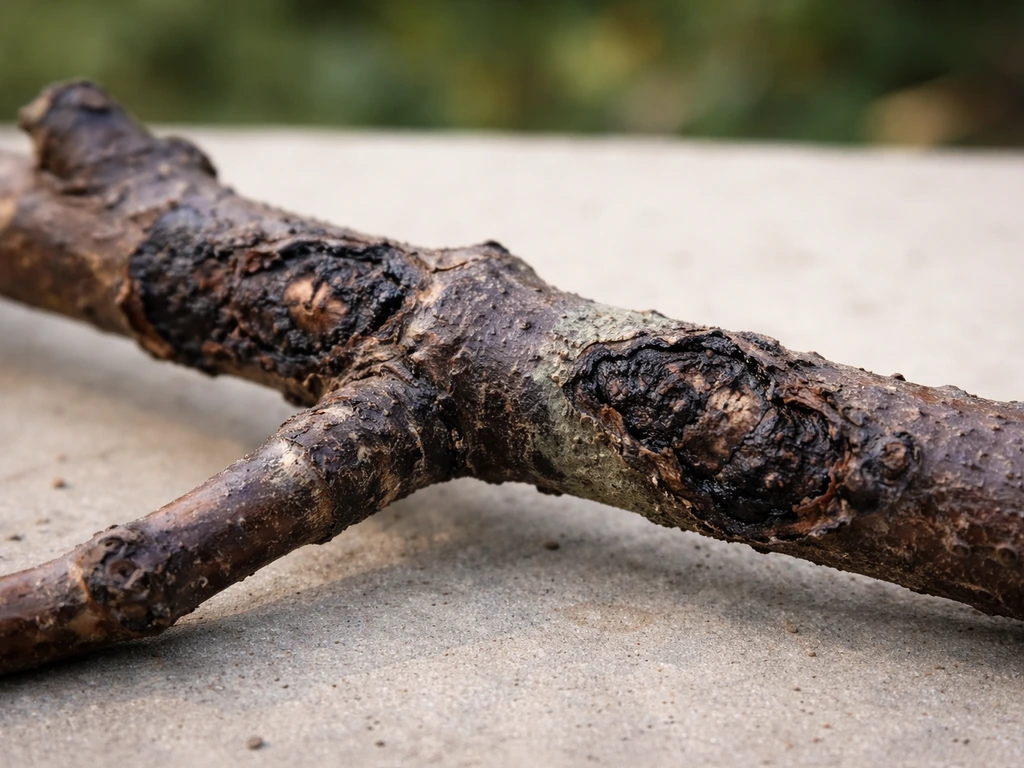
Thousand cankers disease, caused by the walnut twig beetle (Pityophthorus juglandis) vectoring the fungus Geosmithia morbida, is the disease of most concern for walnut growers right now, especially for black walnut. It is fatal once established in a tree and has been spreading into the eastern US, where black walnut is native. English walnut is not immune but is generally less susceptible than black walnut. There is no cure, so prevention through purchasing clean nursery stock and not moving walnut wood across state lines is the main strategy.
Walnut blight
Walnut blight (Xanthomonas arboricola pv. juglandis) is the primary disease of English walnut, infecting catkins, developing nuts, and shoots during wet spring weather. Copper-based bactericides have been the standard treatment, but copper-resistant strains have developed in California orchards after decades of use. Timing of applications and cultivar differences both influence infection rates. Reducing copper use has the added benefit of significantly lowering soil copper accumulation over time.
Butternut canker
If you plant butternut, butternut canker is your primary concern. This fungal disease has killed a large proportion of native butternut trees across the eastern US, and it does not affect black or English walnut. It is not a matter of if your butternut encounters it but when, unless you are planting a documented disease-resistant selection.
Juglone toxicity from black walnut
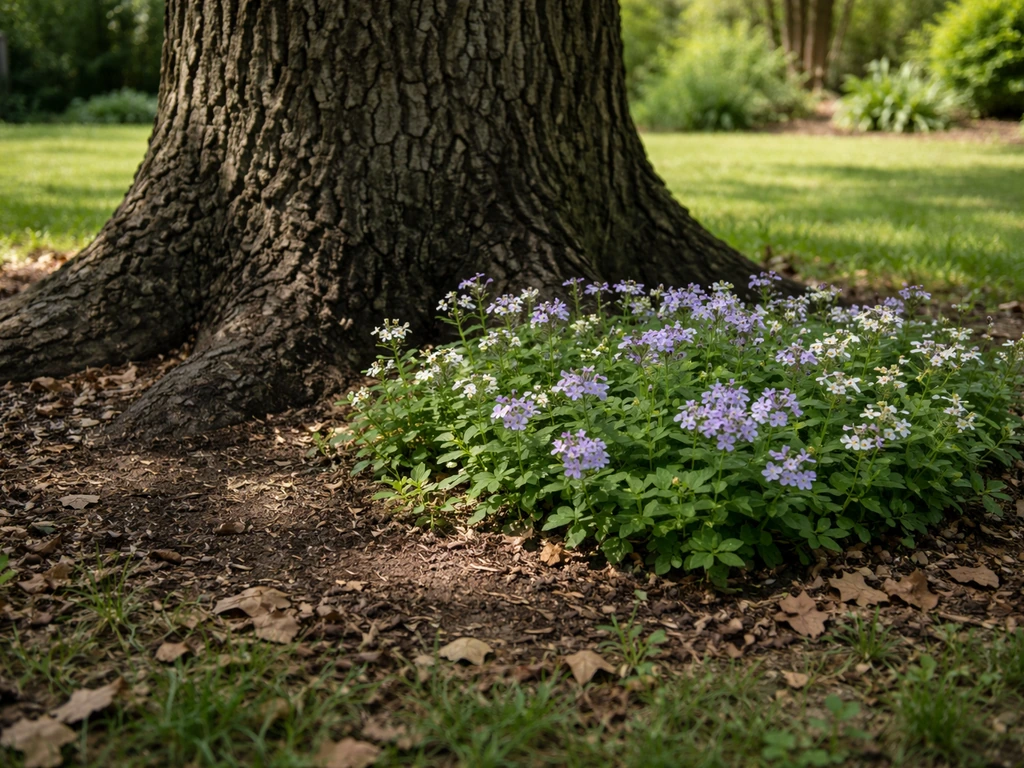
Juglone is present in all parts of black walnut: the roots, buds, nut hulls, and bark. It leaches into the soil and is highly toxic to a wide range of plants, causing yellowing, wilting, and death in sensitive species. Tomatoes, peppers, potatoes, azaleas, rhododendrons, blueberries, and peonies are among the most sensitive. The toxic zone can extend well beyond the canopy drip line because roots travel far. If you are planting black walnut near a vegetable garden or ornamental beds, this is not a minor consideration. If you are wondering what can grow near walnut trees, the safest approach is to choose plants known to tolerate or avoid juglone exposure, especially near black walnut near a vegetable garden or ornamental beds. The good news is that plenty of plants tolerate juglone, including many native grasses, ferns, and some perennials, but you need to plan your landscape accordingly. English walnut and butternut produce far less juglone and are not typically described as creating the same landscape management challenge.
Planting and early-care steps you can do today
The best time to plant walnut trees is in early spring before bud break, or in fall after the leaves drop. Bare-root seedlings and grafted whips establish well in either window. Container-grown trees can go in during the growing season if you keep water consistent, but spring and fall remain the easiest.
Grafted trees are strongly preferred over seedlings for nut production. A seedling black walnut from a random nut might produce great nuts or mediocre ones and will take much longer to bear. A grafted cultivar gives you known nut quality, known flowering behavior for pollination planning, and typically earlier bearing. The price difference is real, but so is the difference in outcome.
- Get a soil test and amend pH to the 6.5 to 7.2 range before planting if needed.
- Choose a site with full sun and deep, well-drained soil. Avoid low spots, compacted areas, or sites with a water table within 3 feet.
- Dig the planting hole wide enough to spread roots without circling, and deep enough that the graft union sits a few inches above the soil surface for grafted trees.
- Plant at least two compatible cultivars 30 to 50 feet apart to ensure pollination. Check flowering-time compatibility before buying.
- Mulch a 3- to 4-foot ring around the base to conserve moisture and suppress grass competition, keeping mulch away from the trunk.
- Water thoroughly at planting and consistently during the first growing season, especially during dry spells. Walnuts need moisture to establish deep roots.
- Protect young trunks from deer browse and mechanical damage in the first 2 to 3 years. Deer love walnut seedlings.
- Avoid planting black walnut within 50 to 60 feet of juglone-sensitive plants, and plan your landscape layout before the tree goes in the ground.
In the first few years, focus on establishment rather than production. A young walnut putting energy into roots and a strong scaffold structure will outperform a stressed or competing tree in the long run. Light formative pruning in late winter helps develop good branch structure, but heavy pruning in the first years is counterproductive. Let the tree build its canopy.
Regional decision guide and final recommendation checklist
Here is how to match your situation to the right species and approach. Think of this as a regional shortlist rather than a rigid prescription, because microclimate, soil, and your specific goals always matter more than a broad zone label.
| Region / Situation | Best Species / Cultivar Direction | Key Watch-Out |
|---|---|---|
| California Central Valley, zones 8-9 | Grafted English walnut: 'Chandler,' 'Howard,' 'Tulare' | Blight management, copper resistance |
| Pacific Northwest, zones 7-8 | English walnut: 'Franquette,' 'Hartley'; or black walnut as a secondary option | Late spring frosts, blight in wet springs |
| Eastern US, zones 6-7 | English walnut (sheltered sites) or named black walnut cultivars ('Emma Kay,' 'Thomas') | Juglone if choosing black walnut near gardens |
| Midwest and Upper South, zones 5-6 | Black walnut (named cultivars); English walnut on south-facing protected slopes | Thousand cankers disease; late frosts for English walnut |
| Northern states and Canada, zones 3-5 | Black walnut for zones 4-5; butternut or buartnut for zone 3-4 | Butternut canker if choosing butternut |
| Small yard, any zone | Consider heartnut (J. ailantifolia var. cordiformis) as a smaller-statured alternative | Still needs 30+ foot spacing; juglone less of an issue |
A few related considerations are worth flagging. Walnut trees have significant water needs, particularly when establishing and during nut fill, so your irrigation plan matters as much as your planting plan. If you are trying to estimate how much water it takes to grow a walnut, your irrigation frequency will depend heavily on your climate, soil drainage, and how many years the tree has been established water needs. The landscape around a mature black walnut also requires thought because juglone limits what you can grow underneath or nearby, though a useful range of tolerant plants exists for those spaces. And if you are wondering whether a walnut grown from a nut will actually become a productive tree, the biology is sound but the timeline and nut quality are unpredictable compared to a grafted tree. A walnut will grow into a tree, but how quickly it becomes a productive nut producer depends on growing conditions and whether you start from seed or a grafted cultivar will a walnut grow into a tree.
Your pre-planting checklist
- Confirmed your USDA hardiness zone and typical late-spring frost date
- Chosen a species matched to your zone: English walnut for zones 6-9 in suitable climates, black walnut for zones 4-9, butternut only if you understand the canker risk
- Selected named cultivars (not random seedlings) for predictable nut quality and pollination behavior
- Identified two compatible cultivars with overlapping flowering times for cross-pollination
- Verified your site has full sun, deep well-drained soil, and pH between 6.5 and 7.2
- Measured spacing: 30 to 50 feet minimum between trees
- Mapped out which plants you already have nearby and checked their juglone tolerance if planting black walnut
- Sourced grafted trees from a reputable nursery with documented cultivar identity
- Set realistic expectations: meaningful nut crops take 5 to 8 years minimum for grafted English walnut, and up to 20 years for a heavy black walnut crop
The bottom line is that there is no universally best walnut, but there is a best walnut for your specific combination of zone, soil, space, and goals. Do that matching work before you buy, plant on a good site, get a grafted cultivar, plan for pollination, and give the tree a real establishment period. Walnut trees reward patience, and the ones planted thoughtfully today will outlive you and keep producing long after.
FAQ
What is the best walnut tree to grow if I want nuts quickly and reliably?
If you want the shortest path to meaningful production, choose a grafted English walnut cultivar on appropriate rootstock for your region. Seed-grown trees can take much longer and may not match the nut quality you were hoping for, even if they eventually become productive.
Can I grow English walnut in a mild-winter area without it being a gamble?
Only if you match the cultivar’s low-chill requirement to your winter pattern. “English walnut” alone is not enough, because warm, erratic winters can prevent proper dormancy break and can also increase the risk of late frost damage to female flowers.
How many walnut trees do I need for pollination, and what if I only have room for one?
Most walnuts are dichogamous, so one tree rarely produces as well as you would expect. Plan for two trees with overlapping bloom timing (often different cultivars), or choose a cultivar described as partially self-fertile, then accept that yields will typically improve with a compatible nearby pollenizer.
Is black walnut a bad choice if I have a vegetable garden or ornamentals?
It can be, because juglone can affect sensitive plants beyond the drip line. If you want to keep beds for tomatoes, peppers, potatoes, blueberries, azaleas, rhododendrons, or peonies, treat black walnut as a major landscape constraint and plan tolerant plantings or increase separation.
How close can I plant walnuts near a driveway, fence, or house?
Use spacing as a minimum for orchards, and then add real allowance for root spread and mature canopy. A mature black walnut can become very wide, and root competition can also disrupt nearby lawns and garden beds, so plan for setbacks beyond just the recommended tree-to-tree distance.
What soil test results actually matter most before planting walnut?
Prioritize pH and, more importantly, effective depth and drainage. Walnuts fail when the subsoil is compacted or hardpan sits too shallow, even if the surface looks fine, so look at drainage after heavy rain and consider a simple site evaluation for how far roots can realistically go.
Do walnuts need a lot of water in the first years?
Yes, especially during establishment and during nut fill. Watering requirements change with drainage and climate, so use slow, deep watering schedules and avoid letting the root zone swing between very dry and waterlogged, which can stress the crown and reduce long-term vigor.
What’s the biggest mistake people make when planting walnut?
Choosing a good-looking seed or graft without verifying local compatibility, especially chilling requirement for English walnut and soil depth and drainage for all walnuts. A mismatch can look fine for a year or two, then stalls or crop failure shows up later.
Are walnut diseases different enough that I should change my species choice?
Yes. Thousand cankers disease is a serious concern for black walnut, and walnut blight is a major issue for English walnut in wet spring conditions. If butternut is the goal, be aware that butternut canker is a high-probability threat, not a minor risk.
Should I buy a container walnut or bare-root/grafted whips?
Bare-root or grafted whips are often easiest to establish if planted in spring before bud break or fall after leaf drop, because you can manage consistent moisture during establishment. Container trees can work, but you must keep watering steady and avoid letting the root ball dry out.
How do I protect my walnut from late spring frost damage?
Choose cultivars suited to your region, and avoid planting in frost pockets, like low spots that collect cold air. Because frost can damage female flowers and reduce that year’s crop, microclimate choices often matter as much as the species you pick.