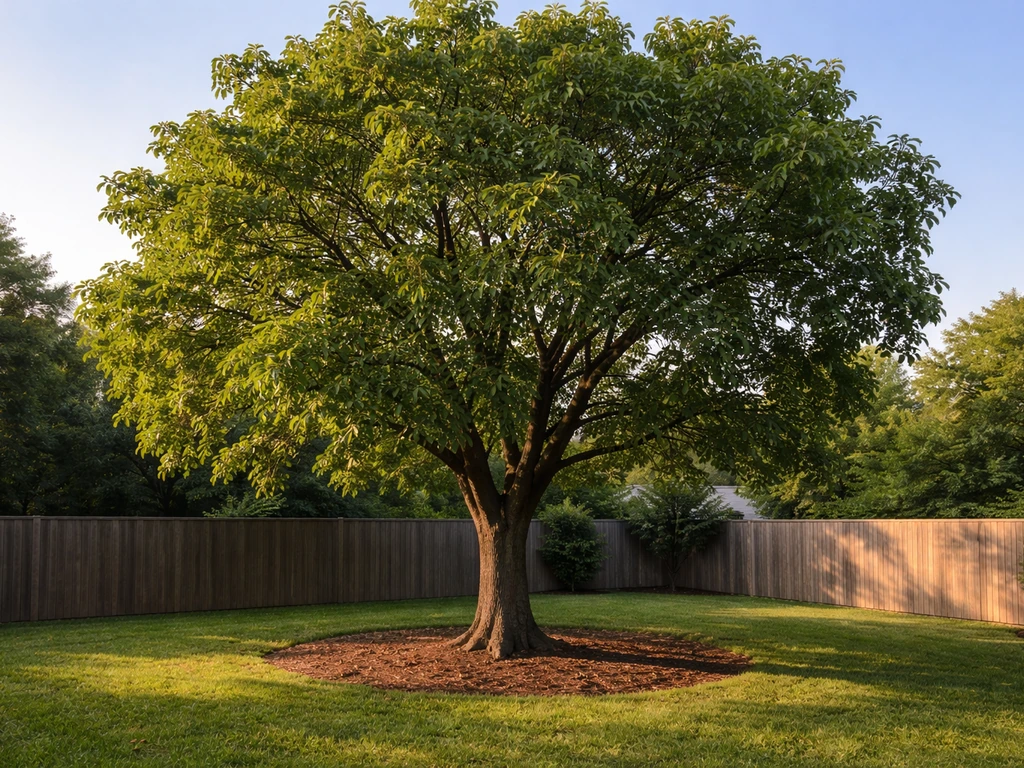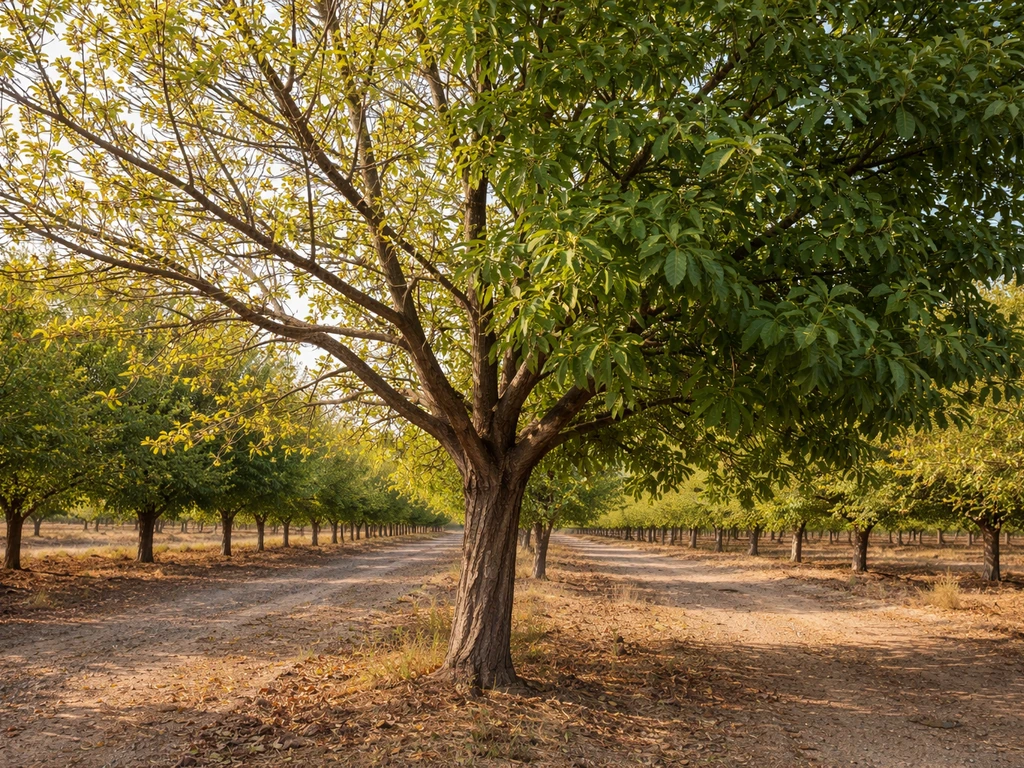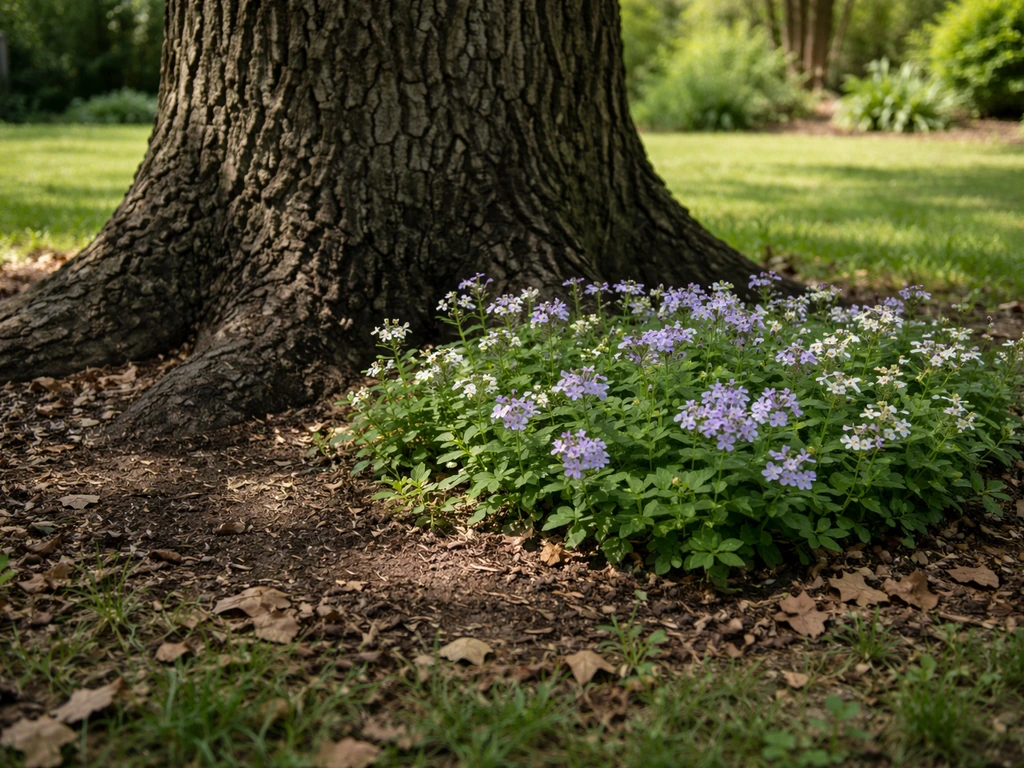
Plenty of plants can grow near walnut trees, but you need to pick the right ones and set them up correctly. The real issue is juglone, a toxic compound that black walnuts in particular release into the soil. Some plants shrug it off; others collapse within days of being transplanted into the root zone. The good news is that once you understand which plants are tolerant, where to put them, and how to manage walnut debris, you can build a genuinely productive and attractive planting around even a mature black walnut.
What Can Grow Near Walnut Trees: Best and Worst Plants
Marcus Hendricks
18 May 2026
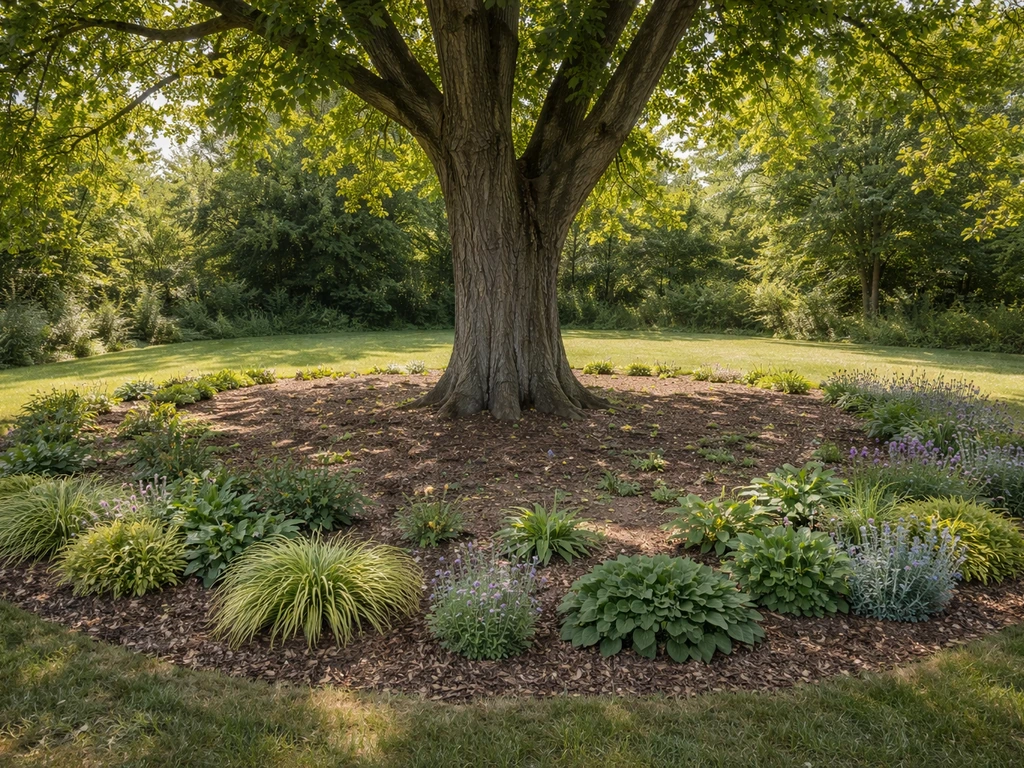
Why walnuts make it hard for nearby plants to survive
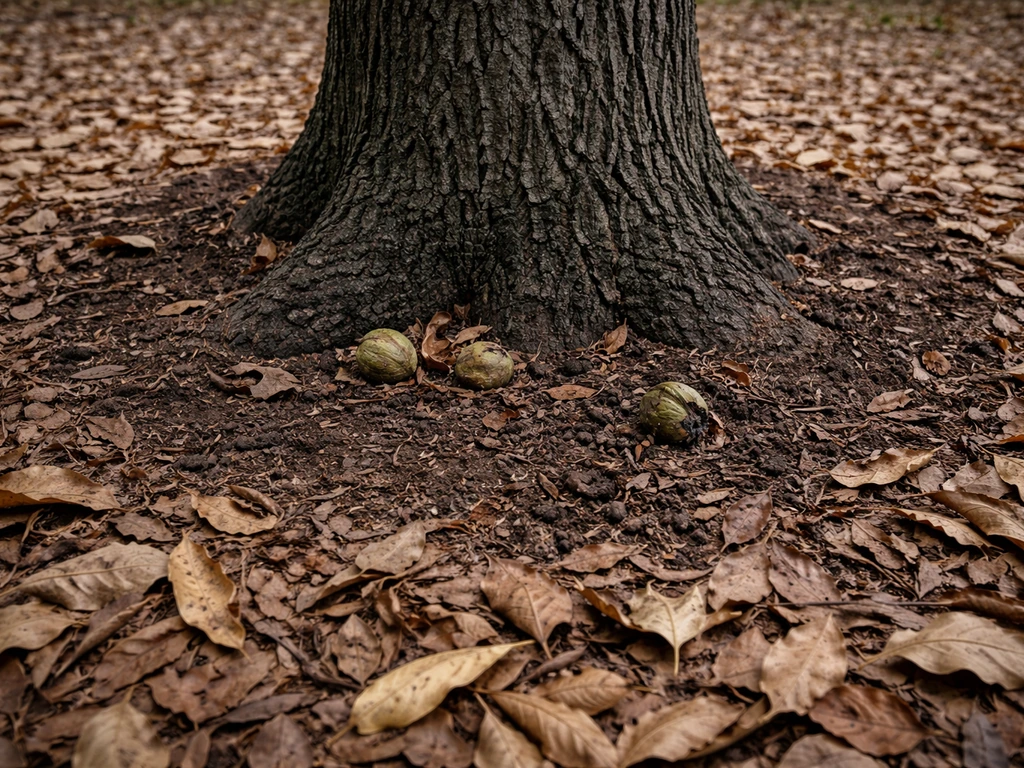
The phenomenon is called allelopathy: walnut trees produce and release chemicals that suppress the growth of competing plants. The main culprit is juglone, a phytotoxic naphthoquinone compound. It's actually present in walnut tissues in a precursor form called hydrojuglone glucoside, found in leaves, green husks, roots, and even wood chips. Washington State University Extension Publications also describes juglone as an orange compound isolated from leaf litter and walnut hulls, tying it to walnut debris where it can affect nearby plants. Once that precursor hits the soil, microbial activity and oxidation convert it into biologically active juglone, and that's when nearby plants start to struggle.
Juglone doesn't last forever in the soil, but its half-life ranges from 2 to 14 days depending on soil pH, organic matter content, and how active the microbial community is. In well-aerated soil with good organic matter and healthy microbes, juglone breaks down relatively quickly. In poorly drained, compacted, or low-organic-matter soils, it hangs around much longer and builds up to concentrations that damage or kill sensitive plants. That's a big reason why the same tomato plant might survive 30 feet from a walnut in one garden and die in another.
For a mature black walnut, toxic effects can extend roughly 50 to 80 feet from the trunk, with the worst zone being directly beneath the canopy (the dripline and inward). That's where root density is highest, where leaves and hulls fall and decompose, and where juglone accumulates most. Sensitive plants can show symptoms fast: yellowing, wilting, and stunting can appear within a few days of transplanting into that zone. And removing the tree doesn't immediately solve the problem either. Decaying roots can continue releasing juglone for several years after the tree comes down.
Black walnut vs. other walnut species
Black walnut (Juglans nigra) is the most problematic species by a wide margin. English walnut (Juglans regia) and other Juglans species also produce juglone, but generally at lower concentrations and with less documented impact on surrounding plants. If you're gardening near an English or Persian walnut, you have more flexibility, though it's still worth being cautious with the most sensitive species. Black walnut is where you really need to think carefully about placement and plant selection.
Plants that grow well near walnuts
A solid number of trees, shrubs, perennials, groundcovers, and even some vegetables tolerate juglone well enough to establish and thrive under or near walnut trees. These aren't plants that are somehow immune to juglone; they simply handle the exposure without serious damage. Tolerance levels have not always been rigorously tested for every species, so treat these lists as a strong starting point rather than a guaranteed outcome.
Trees and shrubs
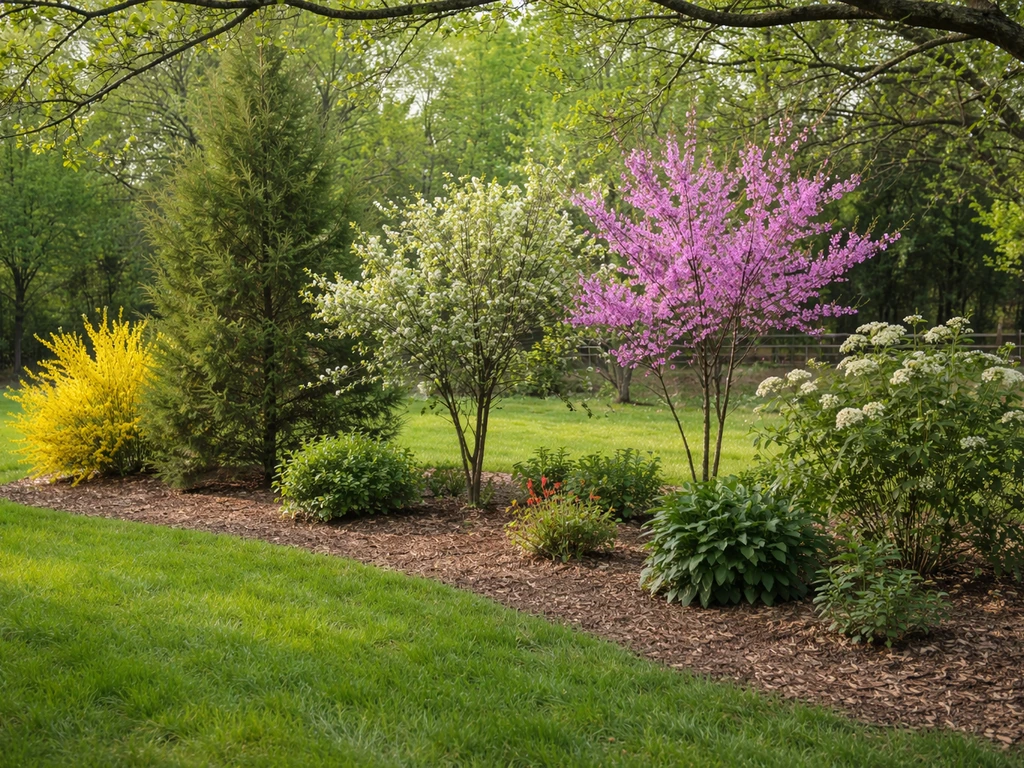
- Eastern red cedar (Juniperus virginiana)
- Black cherry (Prunus serotina)
- Redbud (Cercis canadensis)
- Elderberry (Sambucus canadensis)
- Forsythia (Forsythia spp.)
- Staghorn sumac (Rhus typhina)
- Viburnum (most species)
- Native wild roses (Rosa carolina and similar)
- Autumn olive (use with caution in regions where it's invasive)
- Hickories (Carya spp.) and other Juglans relatives
Perennials and groundcovers
- Astilbe (Astilbe spp.)
- Hostas (Hosta spp.)
- Ferns: ostrich fern, Christmas fern, and many native species
- Wild ginger (Asarum canadense)
- Solomon's seal (Polygonatum spp.)
- Trillium and other native woodland wildflowers
- Daylilies (Hemerocallis spp.)
- Bee balm (Monarda spp.)
- Bleeding heart (Lamprocapnos/Dicentra spp.)
- Jack-in-the-pulpit (Arisaema triphyllum)
- Virginia bluebells (Mertensia virginica)
- Black-eyed Susan (Rudbeckia hirta)
- Coneflower (Echinacea purpurea)
Vegetables and edibles
- Beans (snap beans and other Phaseolus varieties)
- Corn
- Squash and melons (generally tolerant)
- Beets
- Carrots
- Parsnips
- Garlic and onions
- Most brassicas: cabbage, broccoli, kale
Fruit trees tolerant to juglone include cherry and some plum varieties. Apple, pear, and most stone fruits are a mixed bag and often struggle, so test cautiously and don't plant them directly in the root zone. If you're specifically curious about what flowers can work under a walnut, that rabbit hole goes deeper than the list above and is worth its own focused look. If you’re specifically curious about what flowers will grow under a walnut tree, it’s worth looking at which types are most tolerant of juglone exposure what flowers can work under a walnut.
Plants you should absolutely avoid planting near walnuts
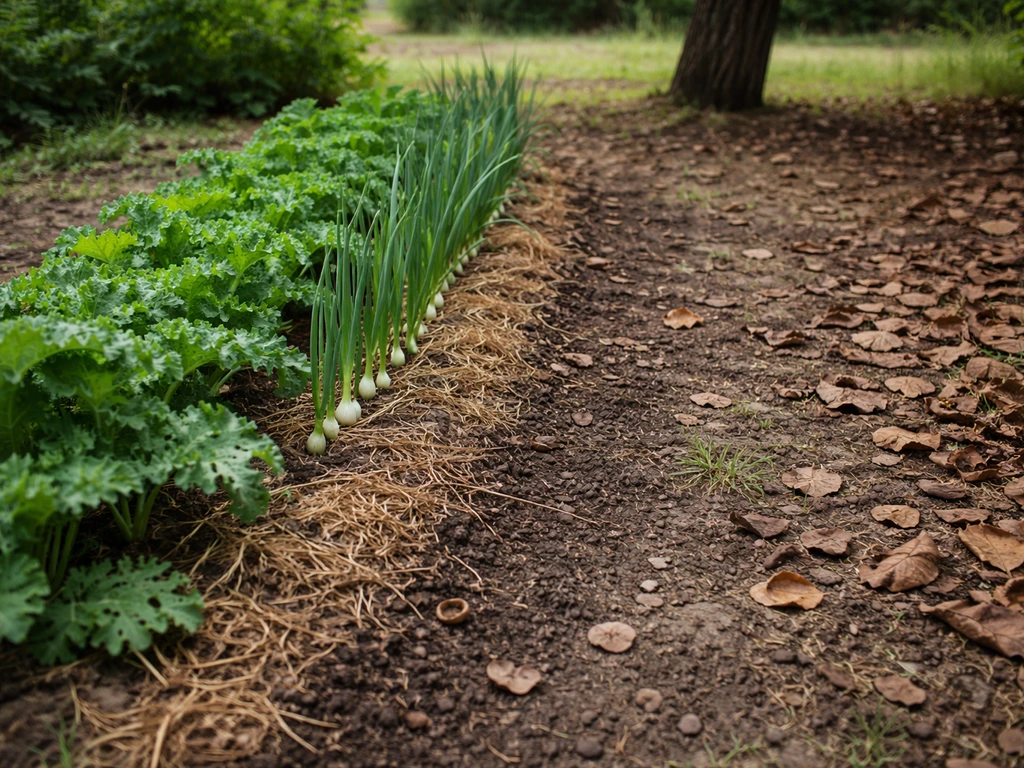
These are the plants most commonly reported to be seriously harmed or killed by juglone exposure. With some of these, damage can appear within days of planting them inside the walnut's root zone.
| Plant Category | Specific Examples | Sensitivity Level |
|---|---|---|
| Vegetables | Tomato, potato, eggplant, pepper | Very high — avoid entirely within root zone |
| Small fruits | Blueberry, blackberry, raspberry | High — keep well outside dripline |
| Ornamental shrubs | Rhododendron, azalea, lilac | Very high — rarely survive in root zone |
| Perennials | Peony, columbine, chrysanthemum | Moderate to high — often decline |
| Vines/fruit crops | Grapes, apple trees | High — avoid planting within 50–60 feet |
| Vegetables | Cabbage (some reports), peas | Moderate — situational, test cautiously |
Solanaceous crops (tomatoes, peppers, eggplant, potatoes) are consistently flagged across multiple extension programs as being among the most sensitive plants you can encounter. Rhododendrons and azaleas show up on every sensitive list without exception. Blueberries, which many people naturally want to pair with a wooded setting, are also highly susceptible. If you want to grow any of these, keep them well away from walnut trees or use the isolation strategies described below.
Matching your plant choices to your walnut type and site conditions
Not every walnut situation is the same, and the right plant choices depend on a few key variables you can actually assess in your yard today. If you are also wondering will a walnut grow into a tree, note that timing, soil conditions, and stress factors can matter even after germination.
What species of walnut do you have?
If you have a black walnut, treat the full 50 to 80-foot radius as a potential risk zone and be selective. Within the dripline, stick to proven tolerant species. If you have an English or Persian walnut, you have more flexibility, but still avoid the most sensitive plants directly beneath the canopy where leaf and hull debris accumulates.
How is your soil draining?
This is where a lot of gardeners miss the point. Juglone builds up most dangerously in poorly aerated, wet soils with limited organic matter. University of Maryland Extension explains that juglone can inhibit nearby growth, and it emphasizes the role of soil conditions in how juglone affects plant establishment Juglone builds up most dangerously in poorly aerated, wet soils with limited organic matter.. If your soil drains well and has healthy microbial activity, juglone degrades faster and you have more planting options. If you have clay-heavy or compacted soil that sits wet, your risk window is much wider. In that case, move plantings farther from the trunk and invest in drainage improvement before trying borderline-tolerant species.
How much debris lands in your planting area?
Walnut leaves, green hulls, and stems decomposing directly in your planting bed are a significant source of juglone loading. If your proposed planting area is directly under or downslope from where hulls fall and pile up in autumn, juglone pressure there is higher than in a spot that catches less debris. Before planting anything, assess how much walnut material naturally accumulates in that spot.
Distance from the trunk matters, but it's not everything
The general rule of thumb from Penn State Extension is to keep sensitive plants at least 50 to 60 feet from the trunk. But that's a minimum for sensitive species. Tolerant plants can often be established much closer, sometimes right at the base of the trunk in the case of well-documented tolerant perennials and groundcovers. Just remember that walnut roots can extend well beyond the dripline, so distance isn't a perfect guarantee.
Practical strategies to help companion plants actually succeed
Choosing the right plant is only half the job. How you set up the planting area makes a real difference in whether those plants establish successfully or slowly decline.
Keep walnut debris out of the planting bed
Remove fallen walnut leaves, hulls, and stems from your planting area regularly, especially in autumn when most debris falls. Do not compost them and return them to the bed, and do not use walnut bark, wood chips, or hulls as mulch around other plants. Even if wood chips don't seem as immediately toxic as root contact, the precursor compounds in walnut tissues oxidize to juglone in the soil. Use a different mulch source entirely: hardwood chips from non-walnut trees, straw, or shredded leaves from other species all work well.
Use lined raised beds for vegetables and sensitive plants you really want
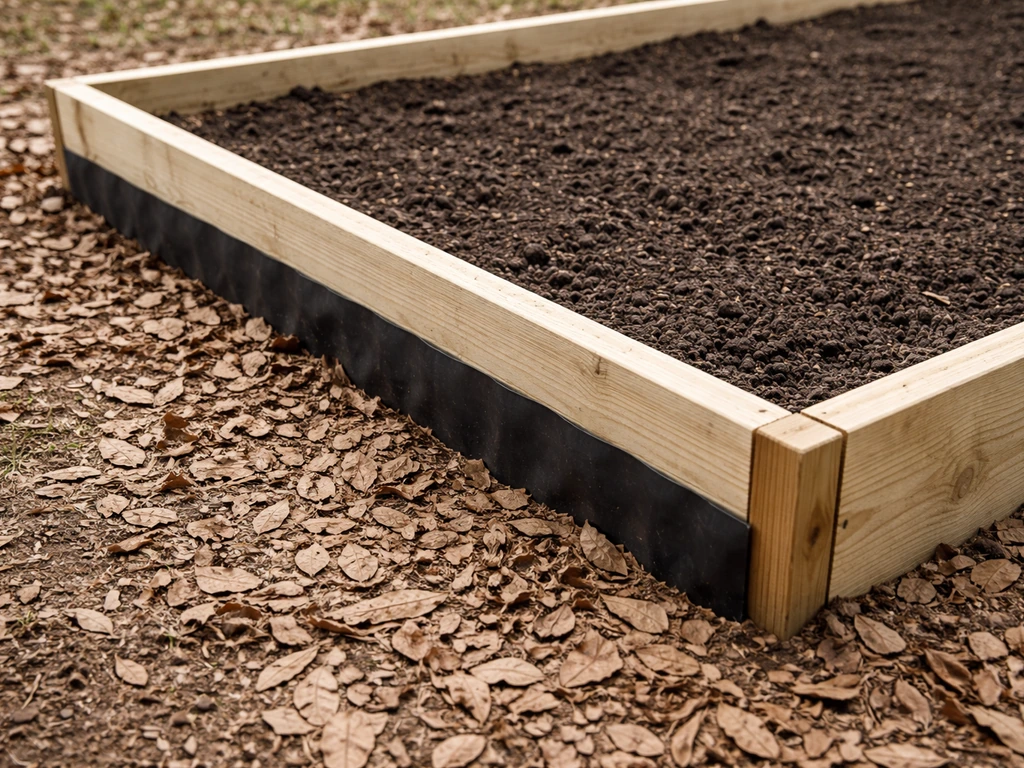
If you're determined to grow something sensitive (or semi-sensitive) within the walnut's influence zone, lined raised beds are your best mitigation tool. Use a physical root barrier liner at the bottom and sides to limit root contact, fill with clean soil and compost from outside the walnut zone, and position the bed far enough from the trunk that falling debris is manageable. This approach can largely sidestep the juglone issue because you're cutting off the two main exposure pathways: direct root contact and accumulation from decomposing debris.
Improve the soil to speed up juglone breakdown
Since juglone degrades faster in well-aerated, biologically active soil, improving your soil health directly reduces risk. Add organic matter (from non-walnut sources), improve drainage if you're dealing with clay, and avoid compacting the soil around planting areas. A living, active soil microbiome is genuinely working in your favor here.
Water carefully during establishment
Juglone stress symptoms often spike in hot, dry conditions when plants are already under water stress. Keeping newly planted companions consistently watered through their first one to two growing seasons reduces that vulnerability window. Don't overwater to the point of creating poor drainage, but don't let new plantings dry out. That combination of drought stress plus juglone exposure is what kills plants that might otherwise have been borderline tolerant.
Watch for symptoms and don't wait too long to act
If a plant is yellowing, wilting, or stunting in a pattern you can't explain by drought, disease, or pests, juglone stress is a real possibility. Dig it up and move it out of the zone rather than trying to nurse it in place. The longer a sensitive plant sits in the root zone under juglone pressure, the harder it is to save. Moving it promptly gives it a real chance to recover once it's in non-affected soil.
Your quick planning checklist
Use this to pull together everything above into a practical next step before you buy a single plant.
- Identify your walnut species: black walnut requires the most caution; English walnut is more forgiving.
- Map the root zone: mark the dripline and flag the area out to 50 to 80 feet from the trunk as your risk zone for sensitive plants.
- Assess your soil: dig a hole and check drainage; if water sits for more than an hour, improve drainage before planting.
- Audit debris patterns: walk the area in late fall and note where leaves and hulls pile up most heavily.
- Choose only tolerant species for within the dripline: hostas, ferns, redbud, elderberry, beans, corn, and squash are safe bets.
- Move sensitive plants (tomatoes, blueberries, rhododendrons, azaleas, potatoes, peppers) at least 50 to 60 feet from the trunk, or grow them in lined raised beds with fresh soil.
- Switch your mulch source: use non-walnut wood chips or straw in all planting beds near the tree.
- Remove walnut leaves and hulls from planting beds each fall; do not compost them back into the same area.
- Water new plantings consistently through the first two growing seasons, especially during dry spells.
- Reassess each spring: if a plant is struggling without a clear alternative cause, move it rather than waiting another season.
One final note worth keeping in mind: if you're considering removing a problem walnut tree to free up the garden space, plan for a multi-year transition. The decaying root system can continue releasing juglone for several years after the tree is gone. Don't rush to plant sensitive species immediately after removal; give the soil time to recover, or use lined raised beds in the interim. Understanding the full biology of walnut trees, including how much water they need and which varieties are best suited to your site, will give you a much clearer picture of what you're working with and what realistic outcomes look like.
FAQ
Can I plant in the root zone if I remove all walnut leaves and hulls every week?
You can reduce one exposure pathway, debris loading, but you cannot reliably eliminate juglone from walnut roots. Weekly cleanup helps most when the bed also has fast drainage and you avoid walnut-derived mulch, but roots and decaying wood can still keep risk present for months to years.
If my walnut is an English or Persian walnut, do I still need to worry about juglone?
Yes, but usually the risk is lower and more variable because juglone release is often reduced compared with black walnut. Still, avoid placing the most sensitive plants directly under the canopy and test the spot by trying a tolerant plant first rather than jumping straight to rhododendrons, blueberries, or solanaceous crops.
How long after removing a black walnut can I safely plant sensitive species?
Expect a multi-year transition. Decaying roots can continue releasing juglone for several years after removal, so sensitive plants should go in only after the root system is largely gone and the site has been improved (drainage, added non-walnut organic matter, and time).
Does composting walnut leaves or hulls make them safe to reuse in the garden?
Not reliably. Walnut tissues can still contribute juglone or its active precursors, and composting does not guarantee complete breakdown. The safer choice is to avoid walnut leaves, hulls, and chips entirely as compost feedstock for beds near other plants.
Are walnut wood chips or mulch safe to use anywhere on a property with walnut trees?
Avoid using them in beds where you want other plants to establish, because oxidation in soil can convert walnut precursors into active juglone. If you want mulch, use hardwood chips from non-walnut trees, straw, or shredded leaves from other species.
Will raised beds fully prevent problems from juglone?
A lined raised bed greatly reduces root contact with walnut roots and limits debris accumulation, but it does not fix poor conditions. Use clean soil from outside the walnut influence area, keep the bed far enough that hulls do not pile up against it, and maintain good drainage so the bed does not become a wet, poorly aerated zone.
Do juglone effects get worse in clay or wet areas even if I place plants far from the trunk?
They can. Juglone lingers longer in poorly drained, compacted soils, so distance helps less when drainage is poor. If your soil stays wet, prioritize drainage improvement before relying on spacing alone.
Why did my tomatoes or azaleas fail even though they were planted outside the usual distance?
Several factors can override spacing, including roots extending beyond the dripline, upslope downslope debris flow, and localized wet spots where juglone accumulates. Also, transplant stress plus hot, dry weather can amplify symptoms, so the timing of planting and watering matters.
Can I test a spot before committing to sensitive plants?
Yes. Start with a known juglone-tolerant perennial or groundcover and observe it through at least one growing season. If you see repeated yellowing, wilting, or stunting patterns that do not match drought or pests, treat that area as too risky for sensitive plants.
What watering approach reduces juglone-related decline for newly planted companions?
Keep new plantings consistently watered through the first one to two growing seasons, aiming for steady moisture without creating soggy soil. Overwatering that leads to poor drainage can increase juglone persistence, so adjust irrigation based on how fast your soil drains.
If my plant shows stress, how can I tell juglone is the cause instead of disease or pests?
Look for a pattern tied to location within the walnut influence zone (often worsening over days after planting into the root area). If symptoms appear quickly, recur in that spot, and you have ruled out drought, pests, and typical disease patterns, juglone is a strong suspect, and moving the plant promptly is usually the best fix.
Will installing a root barrier or fabric under the soil help as much as a lined raised bed?
A barrier can reduce direct root contact, but effectiveness depends on depth, continuous installation, and whether debris loading still lands in the bed. A lined raised bed is usually more predictable because it provides both physical separation and clean soil conditions.