Cucumbers are sensitive to juglone, the allelopathic compound that black walnut trees (Juglans nigra) release into the surrounding soil. Growing them directly in ground within 50 to 80 feet of a black walnut is a real gamble, and most gardeners lose that gamble. But that doesn't mean you can't grow cucumbers in a yard with black walnuts. With the right setup, specifically a raised bed with clean imported soil, a solid root barrier, and careful placement beyond the tree's root zone, cucumbers are workable. You just need to go in with eyes open about what you're dealing with.
Can Cucumbers Grow Near Black Walnut Trees? Steps to Try
Marcus Hendricks
28 May 2026
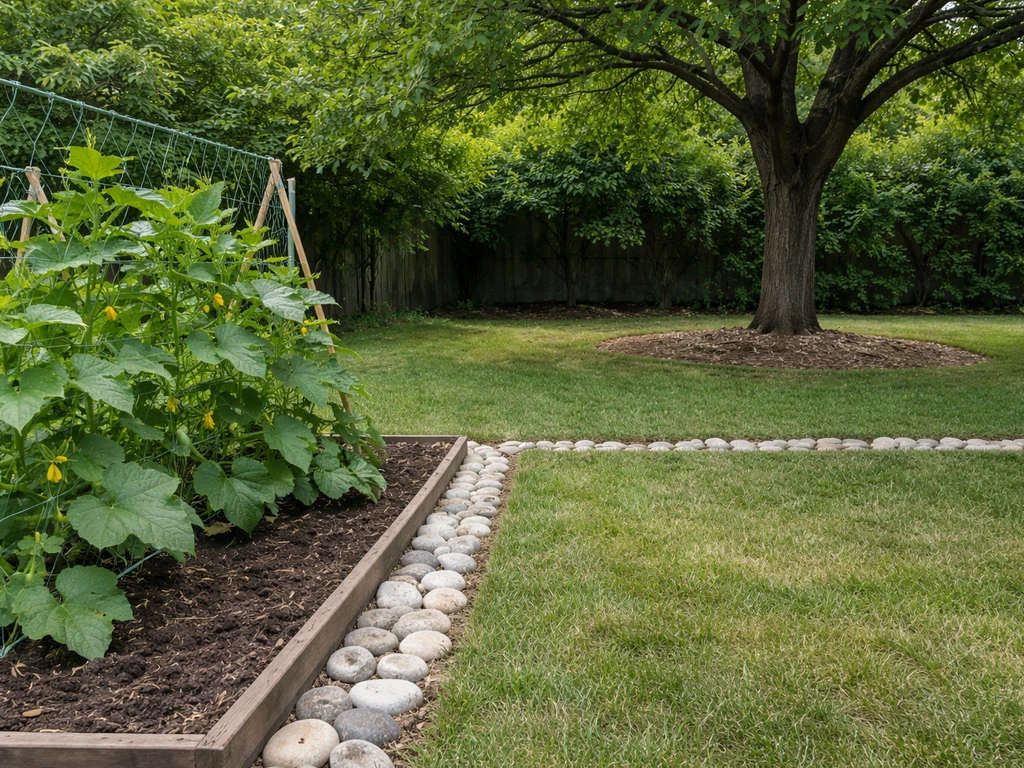
Why black walnut trees are so hard on nearby plants
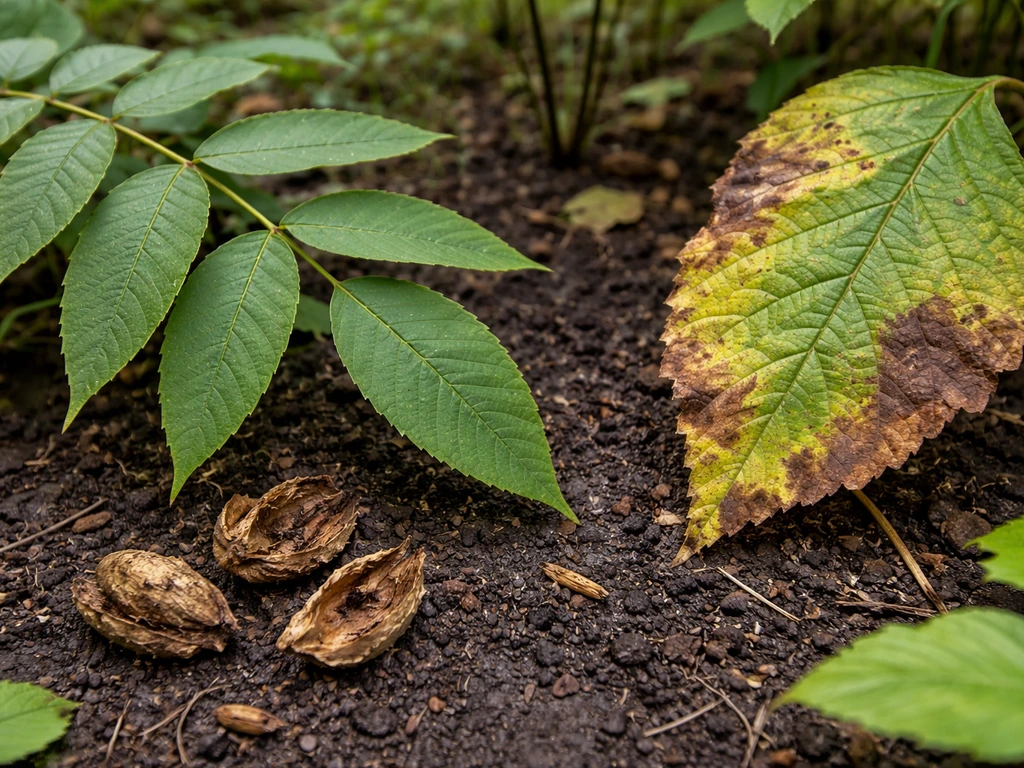
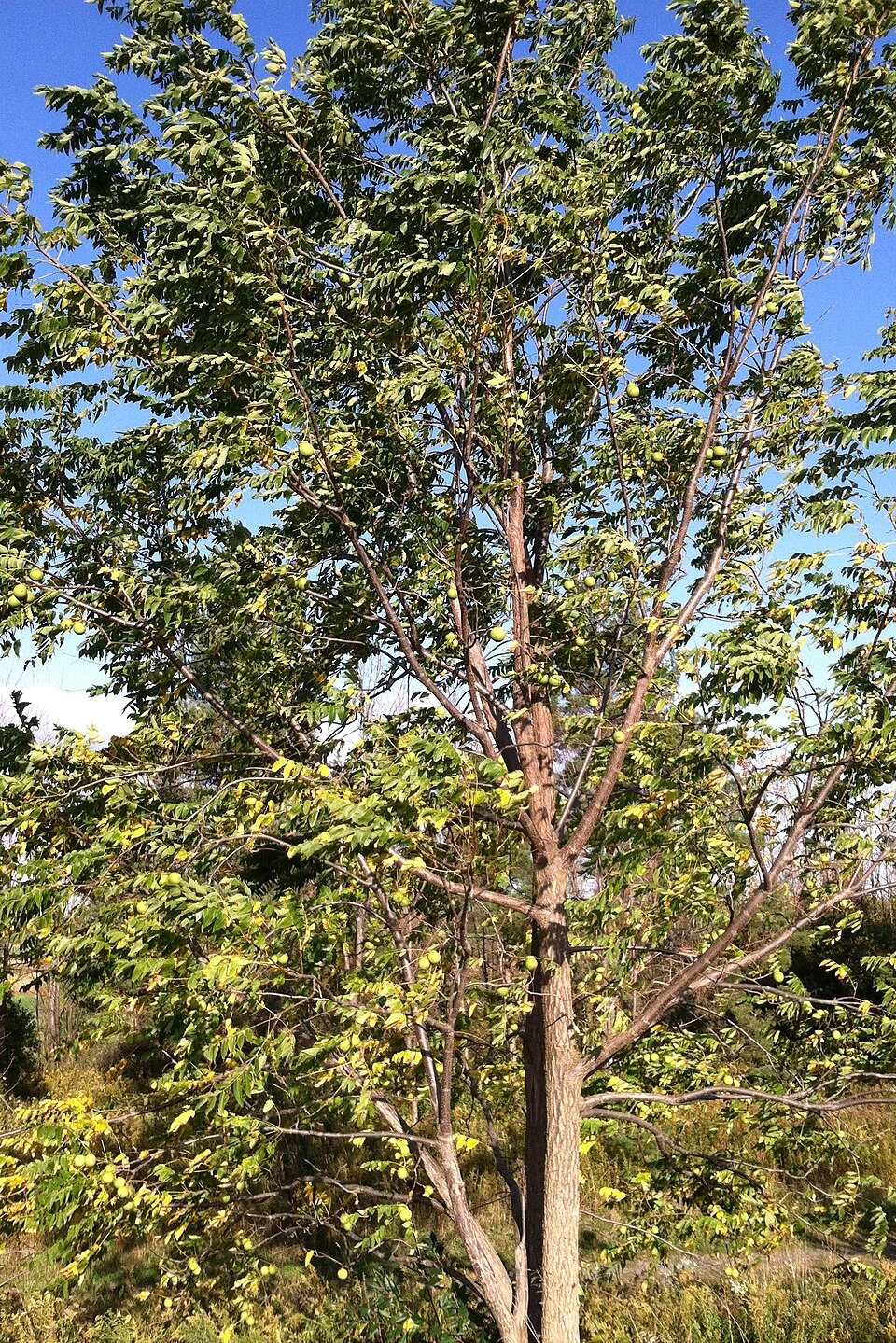
Black walnut produces a chemical called juglone (5-hydroxy-1,4-naphthalenedione), and it doesn't stay politely inside the tree. Juglone is present in virtually every part of the plant: roots, bark, leaves, nut husks, wood, and even the decomposing debris that falls every autumn. The primary delivery route to your garden soil is through the roots, which exude juglone directly into the surrounding ground. But rain also leaches juglone from fallen leaves and husks, washing it downhill or into adjacent beds. blank" rel="noopener noreferrer">Virginia Tech research describes this as a multi-pathway release system, and it's why simply raking up fallen leaves isn't enough on its own.
Once juglone enters plant tissue, it blocks cellular respiration. Penn State Extension describes this as an interference with the plant's ability to generate energy, which then cascades into disrupted water and nutrient uptake and impaired cell division. The result looks a lot like drought stress or disease: leaves yellow, wilt even when soil is moist (UNH Extension specifically flags that moist-soil wilting as a diagnostic clue), and the plant eventually dies. University of Wisconsin Extension notes the symptoms can easily be mistaken for herbicide injury or a fungal problem, which is why many gardeners spend a season chasing the wrong fix before realizing their black walnut is the culprit.
Juglone also doesn't disappear the moment the tree is removed or the season changes. Ask Extension notes toxicity can persist at least two months in soil after tree removal, and decaying roots can keep releasing juglone for several years. One review of the research puts field persistence potentially up to a year post-removal, though real-world variation is significant. Biologically active soils do degrade juglone faster through microbial action, which is one reason drainage and soil health matter so much in managing this problem.
How sensitive cucumbers actually are, and what 'near' means in your yard
Cucumbers (Cucumis sativus) are documented as sensitive to juglone. A published study specifically using snack cucumbers tested plant responses to juglone concentrations similar to those found in walnut orchard soils, measuring effects on leaves, roots, fruit quality, and yield. The results weren't subtle. This isn't a case of mixed or conflicting reports the way some species show in the research; cucumbers land solidly on the sensitive side of the ledger.
When growers talk about the 'zone' around a black walnut, the commonly cited figure is 50 to 60 feet from the trunk, roughly matching the canopy spread. New Orchards notes that the commonly cited “toxic zone” around black walnut is often estimated at roughly 50, 60 feet from the trunk, but that boundary should be treated cautiously commonly cited figure is 50 to 60 feet from the trunk.
But that understates the real hazard boundary for root-mediated problems. Black walnut roots routinely extend 50 to 80 feet from the trunk, sometimes farther in good soil conditions, and both K-State Extension and UF/IFAS research confirm that roots spread well beyond the canopy drip line. If you're curious how do black walnuts grow, their root system development and seasonal leaf drop are key parts of what makes nearby gardening so unpredictable.
The practical takeaway: if your cucumber bed is anywhere within 80 feet of the trunk, you're in a zone where root contact and juglone-laden runoff are genuine risks. Fifty feet is not a safe buffer if you're planting directly in the ground.
There's also a seasonal dimension to 'near.' Late summer and fall walnut leaf drop, nut husk decay, and winter decomposition of debris all contribute pulses of juglone into surrounding soil. Cucumbers are a summer crop, so they're actively growing during some of the highest juglone-runoff periods. A bed that seems fine early in the season can deteriorate fast once nut husks start dropping or heavy rain moves decomposing leaf material toward the planting area.
Setting up your garden to actually work: distance, barriers, and raised beds
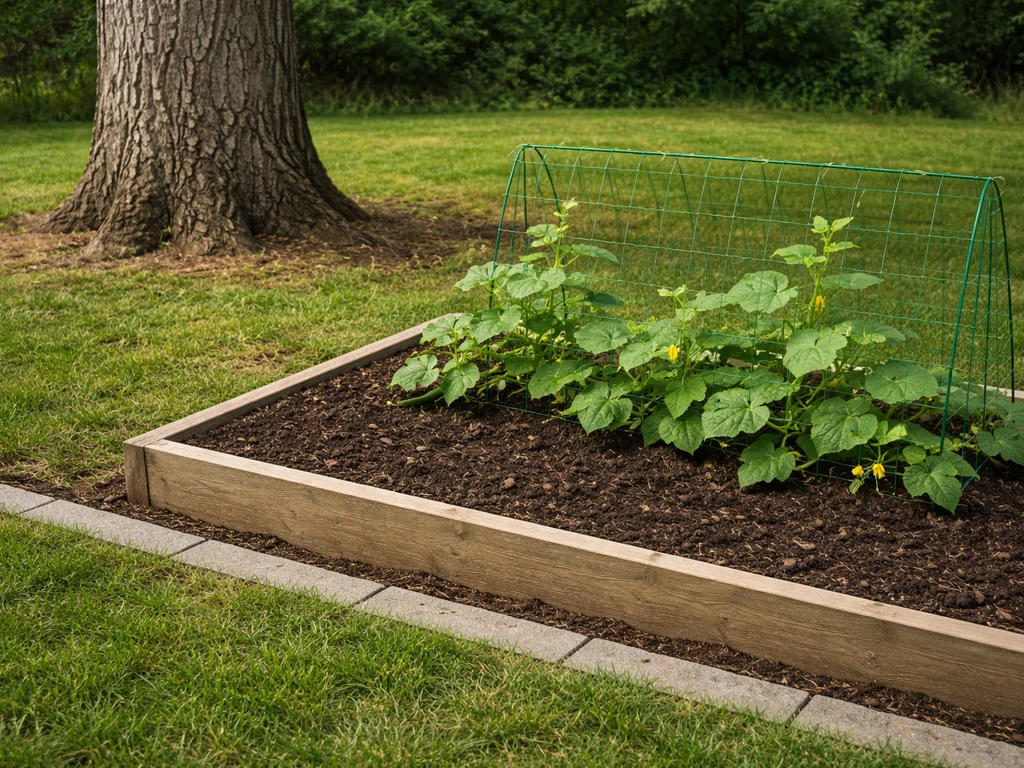
If you have room to put your cucumber bed more than 80 feet from the trunk with no runoff pathway connecting them, in-ground growing becomes more viable. But most yards with mature black walnuts don't offer that much clear space, and that's where raised beds become the practical solution most gardeners reach for.
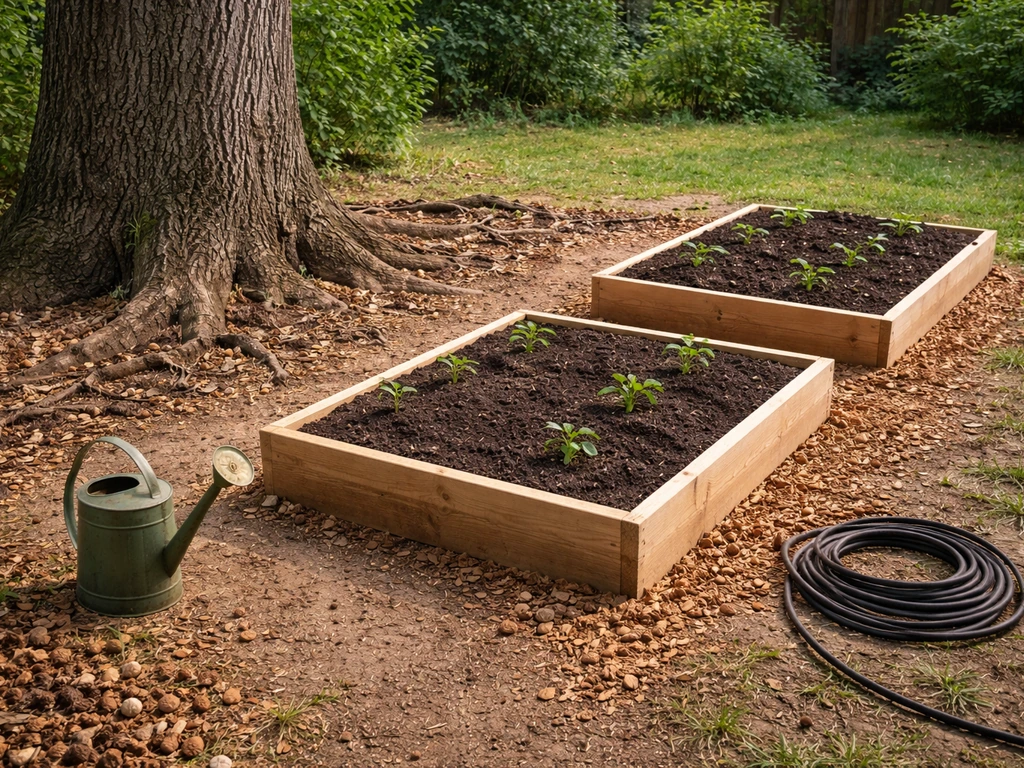
A raised bed works here because it physically separates your cucumber roots from the surrounding juglone-contaminated soil, but only if you build it right. The two non-negotiable elements are clean imported soil and a bottom barrier. Fill the bed entirely with fresh, purchased growing mix or a compost-and-topsoil blend that has never been in contact with walnut material. Don't use soil scooped from elsewhere in your yard if that yard is within the root zone. For the barrier, Ask Extension recommends heavy landscape fabric or quarter-inch hardware cloth laid across the bottom to prevent black walnut roots from infiltrating upward into the bed over time. Penn State's raised-bed construction guidance echoes the hardware cloth approach for exactly this reason.
Bed height matters too. A taller bed, around 12 inches or more, gives cucumber roots more vertical distance from any boundary and reduces the risk of roots reaching the contaminated native soil below. West Virginia University Extension notes that loose, improved soil in raised beds actively encourages root development, so a well-built tall bed helps cucumbers establish strong root systems that stay within the clean zone. Keep the bed positioned where walnut leaf debris and nut husk runoff won't pool or drain toward it. That means paying attention to your yard's slope and drainage patterns, not just measuring distance from the trunk.
Soil, timing, and the debris problem
Even gardeners who build a good raised bed sometimes undermine it through practices that reintroduce juglone. Wisconsin Extension is direct about this: do not use black walnut leaves, hulls, or wood chips as mulch anywhere near sensitive plants. This rules out using walnut leaves in your compost if that compost will ever go into a sensitive planting area. Keep a separate compost pile for walnut material entirely, or dispose of it off-site.
Timing your planting relative to walnut debris cycles helps. Cucumbers go in after soil warms in late spring, typically May in most zones, which is before the heaviest walnut leaf and husk drop of late summer and fall. That's a useful window, but it doesn't eliminate risk from prior-season debris that has already leached into the soil or from root exudates that operate year-round. If your area had a heavy walnut mast year (lots of nut production) the previous fall, be aware that extra husk decomposition over winter may have elevated juglone levels in the surrounding soil heading into spring.
Soil drainage affects juglone concentration. UNH Extension notes that juglone accumulates more readily in saturated soils, so low-lying areas that hold water near a walnut tree are higher-risk zones. Well-drained, biologically active soils degrade juglone faster through microbial breakdown, which is another argument for building a raised bed with high-quality growing mix rather than amending your existing native soil in place.
Container growing and repositioning your crop for the season
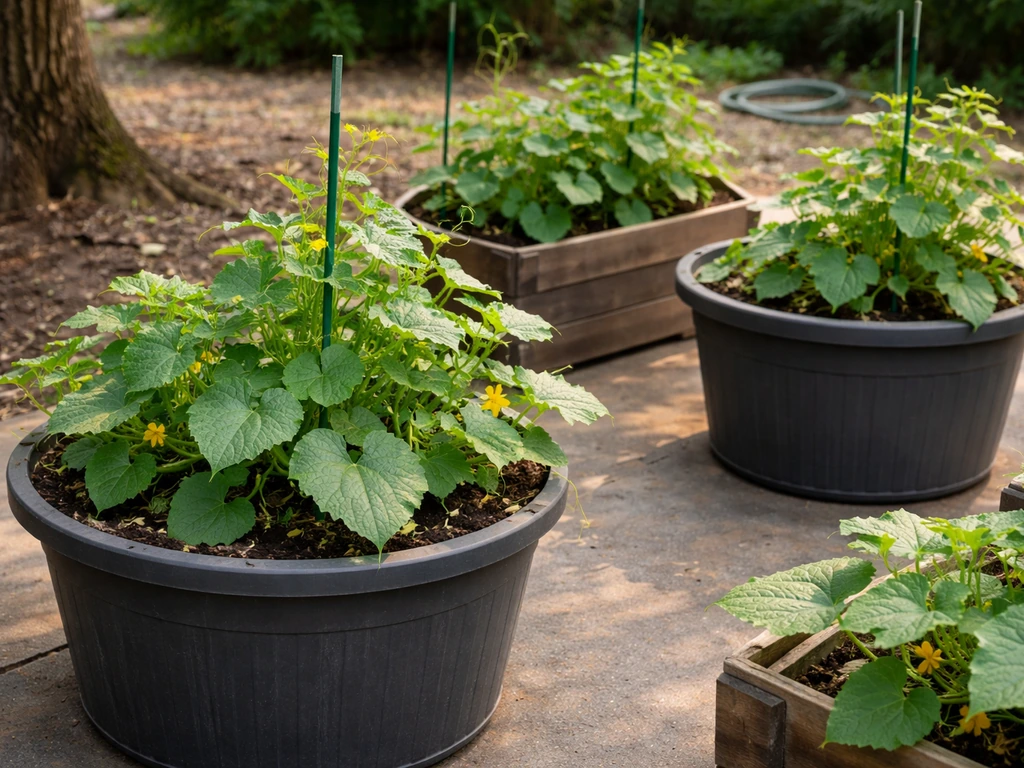
If the raised-bed approach feels like too much construction, or if your yard simply doesn't have a good location outside the root zone, containers are a legitimate solution. A large container (at least 5 gallons, and bigger is better for cucumbers) filled with fresh potting mix puts your cucumbers in a fully isolated root environment. The key rules are the same as for raised beds: use only new, clean potting mix, don't set the container directly on soil within the walnut zone if the drainage holes might allow roots to escape into contaminated ground, and keep the container positioned away from walnut leaf and husk runoff paths.
Container cucumbers need consistent moisture, roughly 1 inch of water equivalent per week as University of Minnesota Extension recommends for the crop generally, and containers dry out faster than in-ground beds, so daily checking during peak summer heat is realistic. The tradeoff for that extra attention is complete control over your soil environment, which is worth it if the alternative is watching your in-ground cucumbers wilt in mid-July from juglone stress. You can also move containers to chase better sun or get them completely clear of any debris fall zones as the season progresses.
If your juglone situation is temporary (you've recently removed a black walnut, for example), containers or an off-site raised bed give you a safe growing option while the soil recovers. Remember that juglone persistence after tree removal can run months to years depending on how much root mass remains and how biologically active your soil is. Don't rush back into planting cucumbers directly in ground in a recently cleared walnut zone.
How to size up the risk in your specific yard
Before committing to a full raised-bed build or giving up entirely, spend a few minutes actually reading your yard. Here's a quick, low-effort assessment you can do before planting:
- Measure the distance from the walnut trunk to your intended planting spot. If it's under 50 feet, plan on a raised bed with a barrier regardless. Between 50 and 80 feet, assess the other factors below. Beyond 80 feet with no downhill runoff connecting the areas, in-ground planting is a reasonable experiment.
- Check the slope and drainage. Does rainwater or meltwater flow from the walnut tree area toward your planting zone? If yes, juglone leaching is a real risk even at greater distances.
- Look at what's already growing nearby. Do you see healthy, thriving plants in that spot, or do things tend to struggle and yellow out? Juglone-tolerant plants doing well is a minor positive sign, but struggling plants suggest elevated juglone levels.
- Check for debris accumulation. Are fallen walnut leaves, husks, or twigs collecting in or near your intended bed area? Heavy debris accumulation means higher juglone input, especially after rain.
- Observe existing symptom patterns. Yellowing and wilting on neighboring plants even when soil is moist, twisted or brown leaves, and stunted growth that doesn't respond to fertilizing or watering are all flags. These symptoms can mimic disease or drought, as Wisconsin Extension warns, so context matters.
- Consider your soil type. Heavy clay that stays wet will concentrate juglone more than sandy or loamy, well-drained soil. If your planting area sits in poorly drained soil within the root zone, the risk is higher.
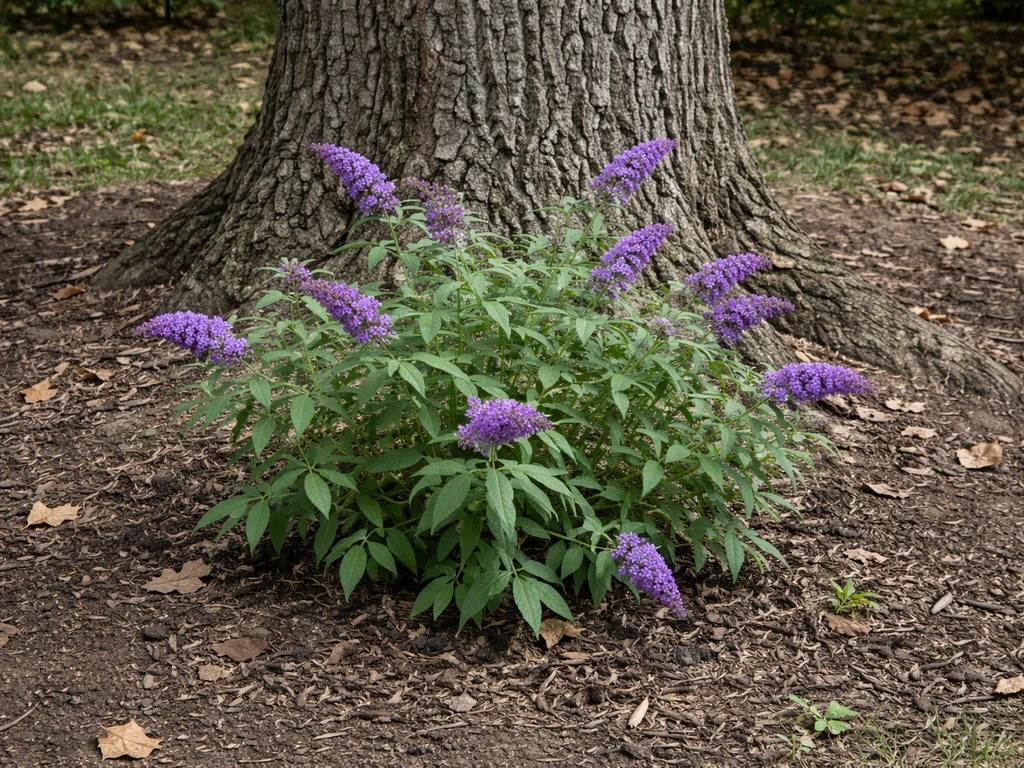
The honest answer for most gardeners with mature black walnuts in a typical suburban or semi-rural yard: you're probably within the risk zone, and a raised bed with a barrier is the practical path forward. If you're also wondering whether plants like butterfly bush can tolerate a black walnut's juglone, it's important to treat it as a sensitive situation and plan distance or barriers accordingly will butterfly bush grow under black walnut. It's not the most glamorous fix, but it works reliably. Growing cucumbers in the ground right under or near a black walnut, hoping for the best, rarely ends well once the season heats up and juglone stress kicks in.
For context across similar crops, lettuce and other leafy vegetables show their own sensitivity profiles under black walnut, and the broader question of which vegetables can realistically succeed in these conditions involves similar distance and barrier logic. If you are planning more than cucumbers, this same juglone and distance logic applies to vegetables that will grow near black walnut trees other leafy vegetables.
Lettuce can be affected by juglone from black walnut, so distance and barriers matter if you want leafy greens to thrive. That same distance and barrier logic also applies if you are wondering, will butterfly bush grow under black walnut which vegetables can realistically succeed in these conditions.
Understanding black walnut's biology, including how and where it drops its root systems and what drives heavy mast years, helps explain why the root zone is such an unpredictable and wide-reaching threat. The more you understand the tree's growth behavior, the better positioned you are to put your cucumbers somewhere they'll actually produce.
FAQ
If I plant my cucumber bed 80 feet from the black walnut trunk, is it automatically safe?
Not automatically. You also need to check whether walnut leaf debris, nut husk runoff, or downhill drainage can carry juglone into the bed. A location that is far enough by distance but down-slope from leaf drop is still high risk, especially after heavy rains.
Can I “fix” native soil by adding compost or amendments to cancel juglone?
Usually not reliably. Juglone sensitivity is strong for cucumbers, and amendments can actually encourage root growth that reaches deeper or sideways into contaminated soil. If you want a dependable result, isolate with clean imported soil plus a bottom barrier instead of trying to neutralize the existing soil.
What’s the best way to handle walnut leaves and husks near my garden if I still want to compost?
Avoid mixing any walnut leaves, nut husks, or walnut wood chips into compost that will be used on cucumber ground later. Make a separate compost pile for walnut material only, and keep it off-site from the sensitive planting area, because leaching from decomposing debris can keep juglone active.
How do I know whether my raised bed’s barrier is working over time?
Watch for boundary failures, especially where the barrier touches native soil. Seal gaps at corners, install the fabric or hardware cloth continuously, and keep mulch off the barrier edges so roots cannot find a path upward. If the bed sinks or shifts, roots may bridge into native soil.
Can cucumbers grow near black walnut if I only plant them for one season?
They might start fine and then fail once late-summer debris and warm-season runoff increase juglone exposure. Even one season can be disappointing because cucumbers are actively sensitive during active growth, and juglone can also persist from prior-year root and debris activity.
If the black walnut tree is smaller or young, should I use the same distance rule?
Risk can be lower with younger trees, but the tree can still produce juglone through roots and dropped debris. If you cannot confidently place the bed well outside the likely root zone and runoff pathways, use isolation (raised bed with clean soil and barrier, or containers) until the pattern of leaf drop and drainage is clear.
Do container cucumbers still need a barrier or root isolation from the yard soil?
The container itself isolates most risk, but not if you place it where drainage holes can connect to contaminated ground. Elevate the container on a stand or pavers and ensure runoff does not channel back into the walnut zone, so roots are not encouraged to escape.
What symptoms should make me suspect juglone rather than a watering or pest problem?
Look for wilting or yellowing even when soil is actually moist, plus symptoms that appear in the same general area year after year. If you can reproduce the issue in a bed that shares proximity to walnut roots or receives leaf debris, juglone becomes a more likely cause than drought stress or most diseases.
Is planting cucumbers after the worst walnut leaf drop a guaranteed strategy?
It helps timing but does not guarantee safety. Juglone from roots and earlier leaching can remain, and saturated low spots can concentrate it. If you choose late planting to avoid new debris, still use raised-bed isolation or containers if you are within the likely root and runoff zone.
When a black walnut is removed, how long should I wait before growing cucumbers in the ground?
Plan on at least a multi-month wait, and longer if the removal left many roots in place. Juglone can persist after removal because decaying roots continue to release compounds. Containers or an off-site raised bed are the safest bridge while the soil recovers.