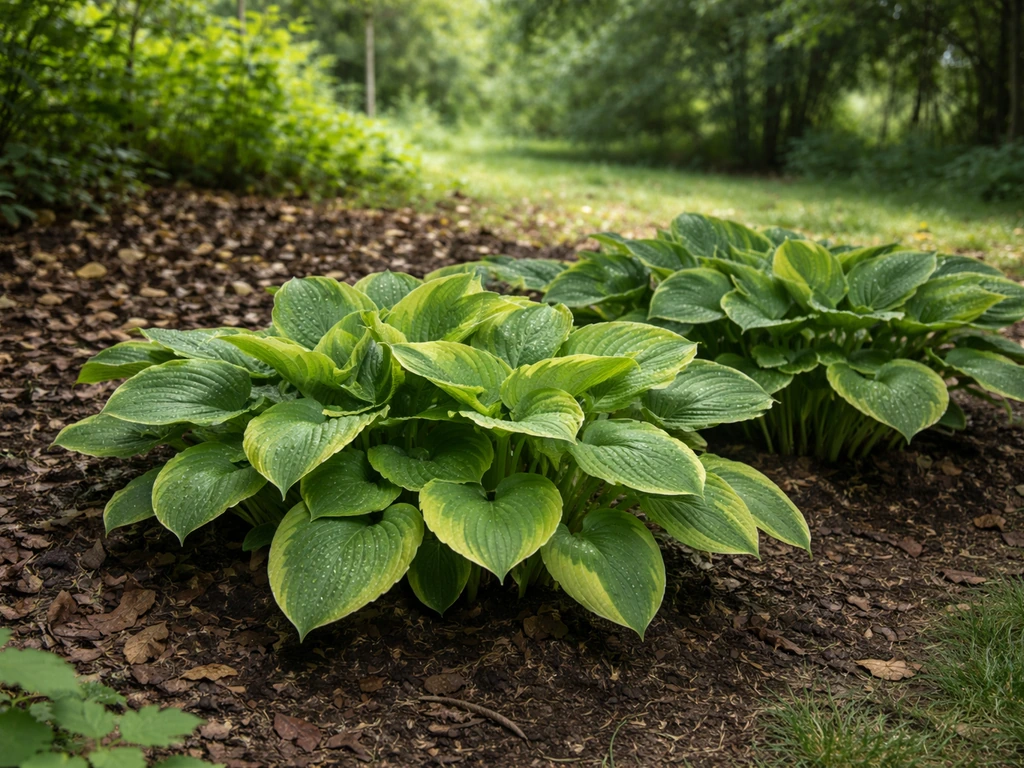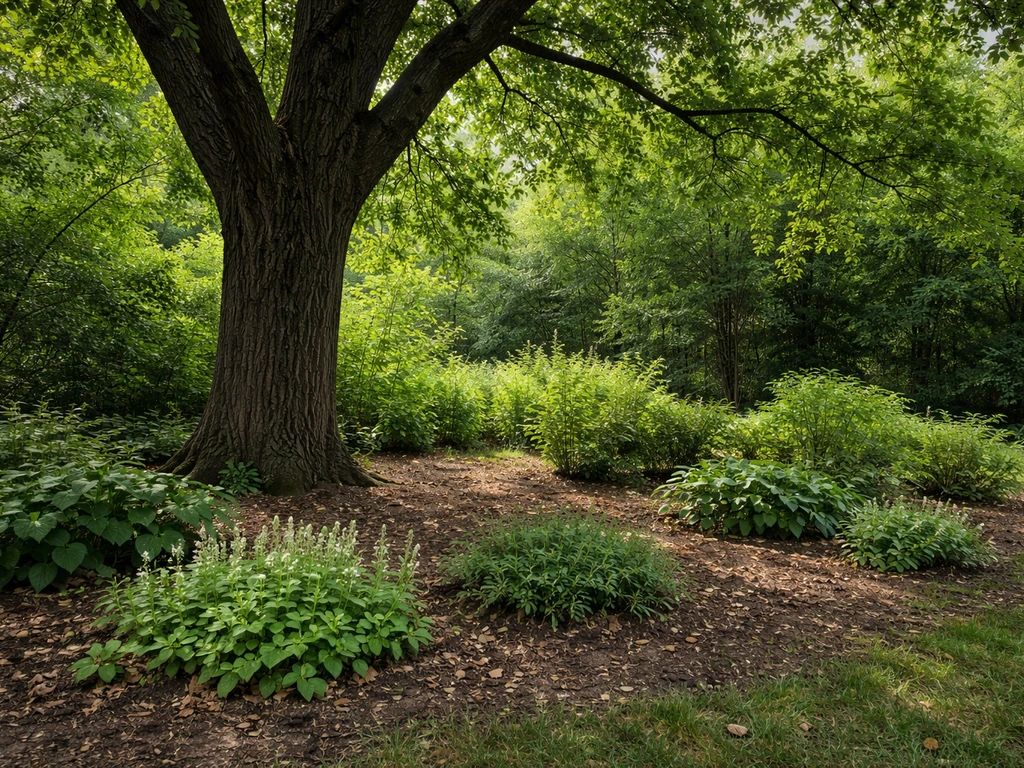
Most ferns can grow under black walnut trees, and they hold up better there than many other garden plants. That said, it is not a guarantee for every fern species in every situation. The black walnut produces a chemical called juglone that inhibits or kills a wide range of plants, but multiple university extension sources, including Purdue, UW-Madison, and University of New Hampshire, list ferns as a group that is observed to be tolerant of juglone.
Will Ferns Grow Under Black Walnut Trees? What to Do
Marcus Hendricks
1 May 2026
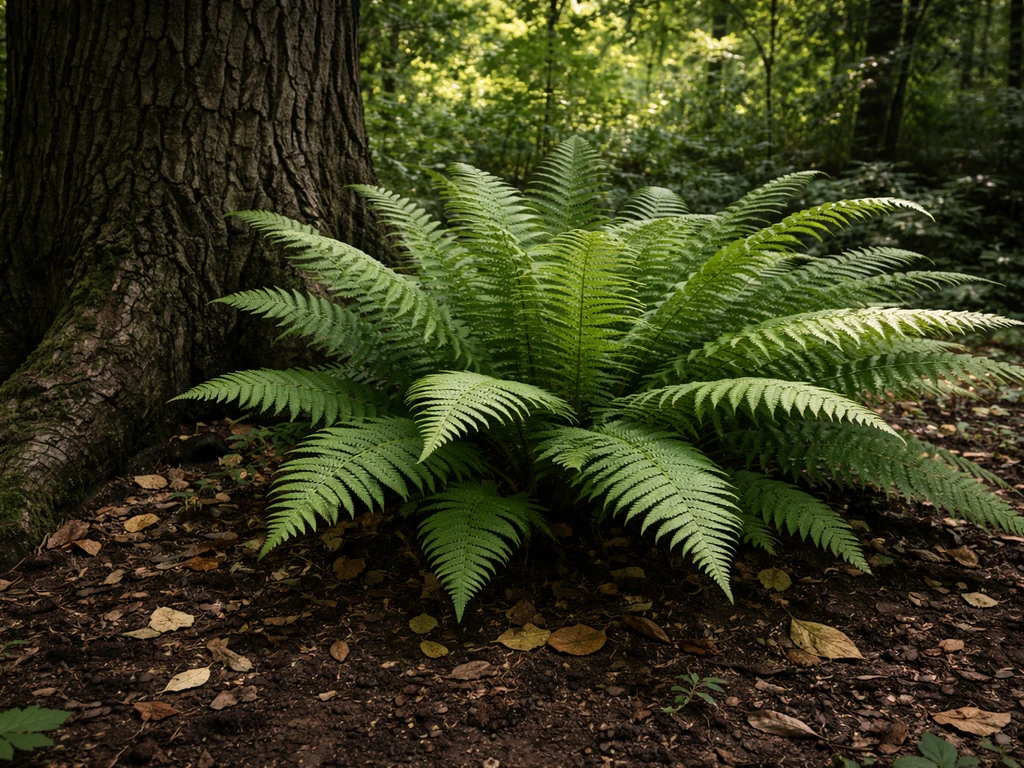
The Morton Arboretum also notes that the juglone from black walnut can inhibit some plant species even when many other plants can still grow nearby some species are inhibited by black walnut toxicity (juglone). The practical takeaway: ferns are one of your better bets under a black walnut, but you still need to choose your species carefully, set up the site correctly, and watch for early warning signs.
In general, the best results come from choosing plants with known juglone tolerance, and that is where a wider list of what plants grow under black walnut trees helps.
Why black walnut makes a tough neighborhood: juglone explained
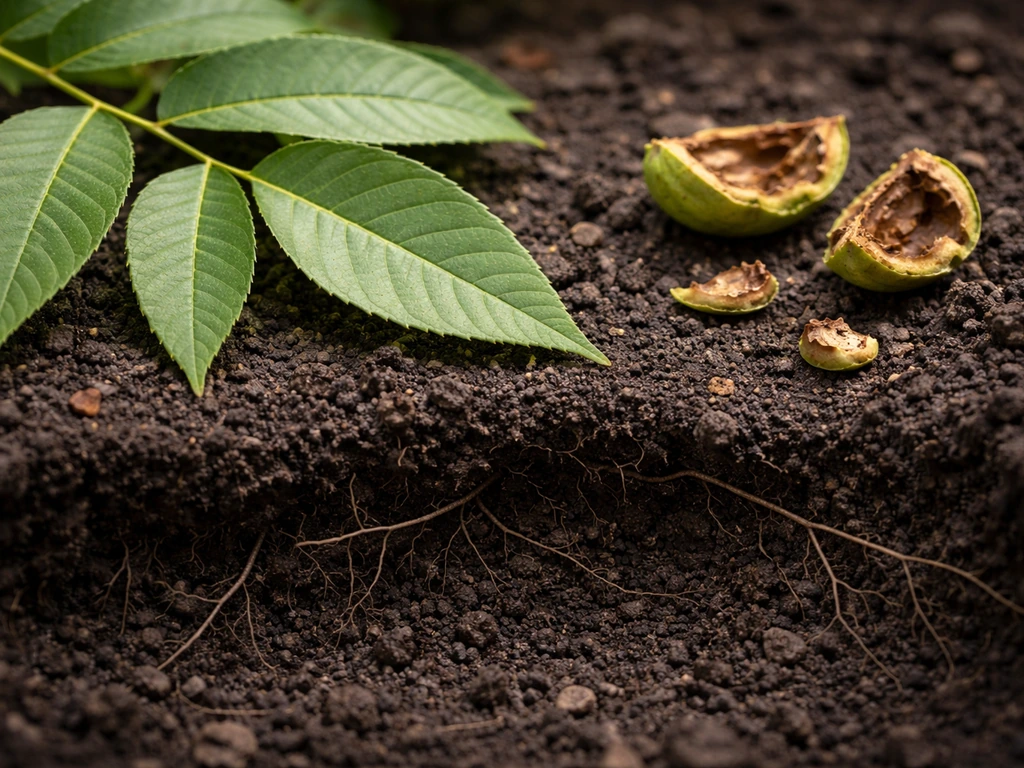
Black walnut produces a compound called juglone (5-hydroxy-1,4-naphthoquinone) that acts as a natural herbicide against competing plants. Penn State Extension educational material on walnuts and juglone explains that [juglone is produced by walnuts](https://www. extension. psu.
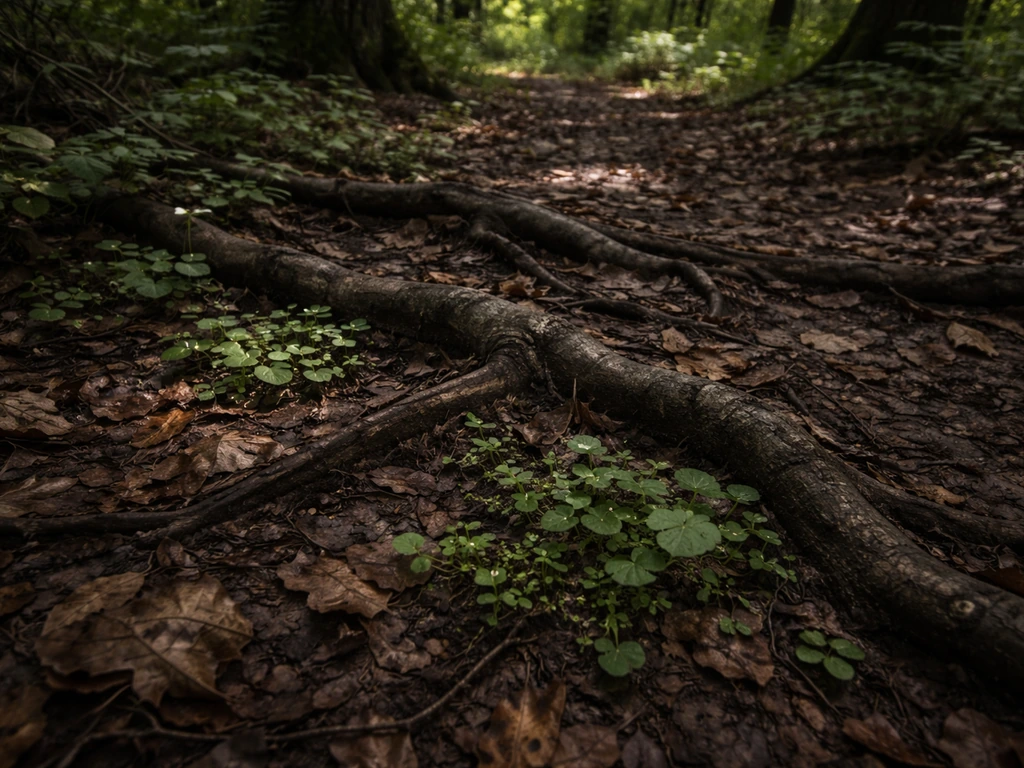
edu/downloadable/download/sample/sample_id/14453/) and occurs in multiple tree parts, including buds, leaves, stems, nut hulls, and roots. It is present in virtually every part of the tree: roots, buds, leaves, stems, and the thick green hulls surrounding the nuts. The roots are the primary delivery mechanism, releasing juglone directly into the surrounding soil as they grow, but fallen leaves, nut hulls, and decaying twigs also leach juglone as they break down.
UNH Extension specifically flags that juglone can accumulate in saturated or poorly drained soils where debris sits and breaks down slowly, which matters a lot when you are planning a planting site.
The toxic zone extends well beyond the visible canopy. UW-Madison Extension puts the affected radius at roughly 50 to 80 feet from the trunk for a mature tree, and the Morton Arboretum uses a practical working estimate of 50 to 60 feet. The greatest concentration sits within the dripline, where root density is highest, but roots do travel beyond that boundary. The precursor form of juglone (hydroxyjuglone) is largely non-toxic until it is oxidized in the soil, which means the toxicity is not uniform across the root zone. How much actually reaches the soil in harmful concentrations depends on drainage, soil biology, and how much debris is accumulating on the surface.
One thing worth knowing if you are dealing with a recently removed tree: juglone does not disappear overnight. Purdue Extension notes that toxicity can persist for some years after removal because root fragments left in the ground continue to exude juglone as they decay. Iowa State Extension, however, reports that in well-aerated, biologically active soil, juglone can break down in a matter of months rather than years. The difference comes down to soil conditions, not just time.
Do ferns actually tolerate juglone?
Yes, ferns as a group appear on juglone-tolerance lists from multiple independent extension programs. Purdue's HO-193 bulletin, widely cited as a foundational reference on this topic, lists ferns among plants observed to be tolerant of black walnut toxicity. UW-Madison's Black Walnut Toxicity resource includes ferns in its tolerant plant table as well. These are observational lists based on field reports, not controlled trials, so no source is claiming a blanket guarantee. What they are saying is that ferns consistently perform better near black walnuts than the majority of common garden plants.
The ferns most commonly reported to perform reasonably well under black walnuts are native woodland species that already evolved to handle deep shade, variable moisture, and organic-rich forest floor conditions. Think ostrich fern (Matteuccia struthiopteris), interrupted fern (Osmundastrum claytonium), cinnamon fern (Osmundastrum cinnamomeum), royal fern (Osmunda regalis), and Christmas fern (Polystichum acrostichoides). These species naturally grow in the understory of mixed hardwood forests in eastern North America, which is exactly the kind of environment a black walnut creates.
That same kind of understory setting is why many people wonder whether spruce trees will grow near black walnut trees will spruce trees grow near black walnut trees. If you are wondering where black walnut trees grow, it helps to match that regional climate and conditions to the specific fern species you choose. Sensitive fern (Onoclea sensibilis) also comes up in this context.
Exotic or tropical fern varieties grown as annuals or houseplants have no particular track record near black walnuts and are not a smart gamble.
It is also worth noting that ferns share the tolerant side of the list with a handful of other plants: wild ginger, glory-of-the-snow, and grape hyacinth are mentioned alongside them in the Purdue bulletin. If you are thinking about what else might work under your black walnut, that broader context matters. If you want a wider sense of what can grow near black walnut trees beyond ferns, it helps to look at other tolerant understory options too what else might work. The topic of which plants can coexist under and around black walnuts is worth exploring beyond just ferns, especially if you are trying to build out a full understory planting.
How to plant ferns under a black walnut
Distance from the trunk
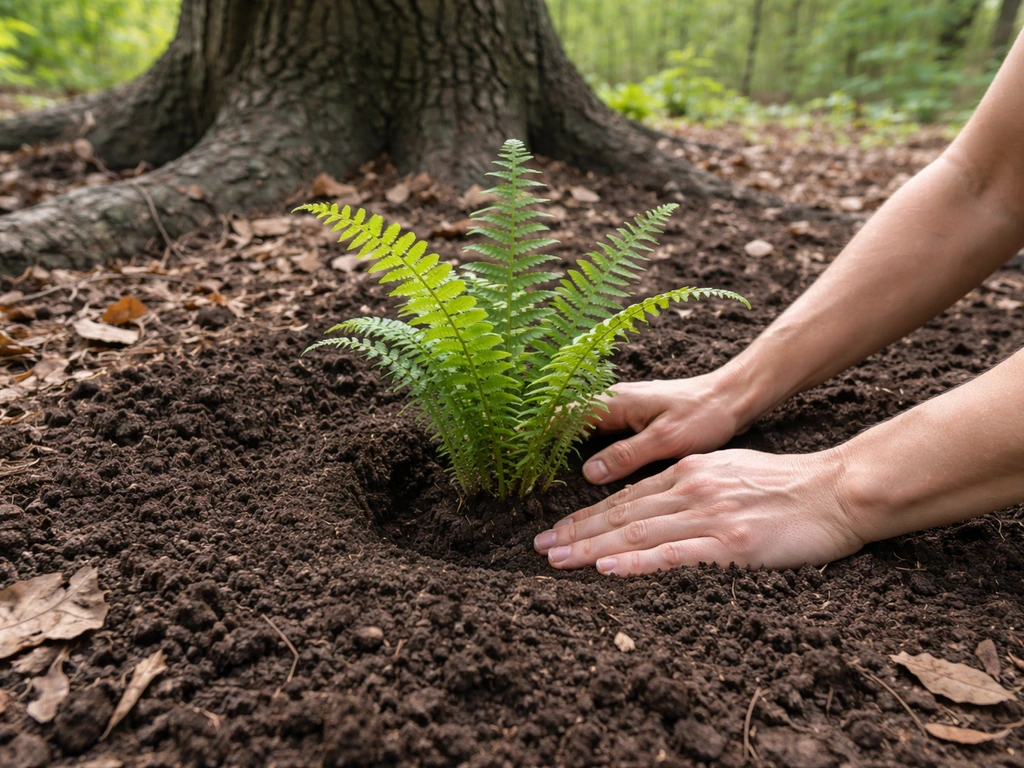
Even with tolerant species, you want to be thoughtful about placement. The highest juglone concentration is closest to the trunk, where root density is greatest. Starting your fern planting 10 to 15 feet or more from the base of the tree gives you a lower-risk zone while still being clearly within the shade canopy. Right at the trunk base is not where you want to start, particularly with ferns that have not yet established a strong root system.
Soil preparation
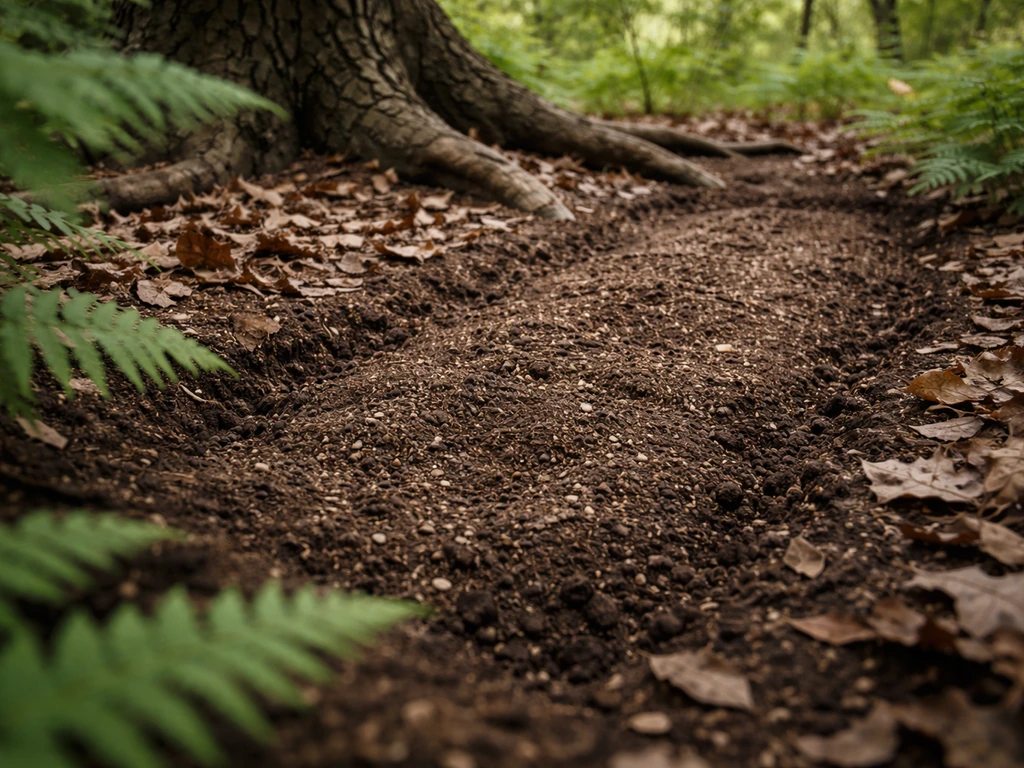
The soil under a mature black walnut is typically already acidic, well-drained (or conversely compacted), and full of competing roots. Most native woodland ferns prefer slightly acidic, humus-rich, consistently moist but not waterlogged soil. Amending with aged compost, leaf mold, or well-rotted organic matter improves moisture retention and biological activity, which helps juglone break down faster. Avoid incorporating fresh black walnut leaves, hulls, or bark chips as mulch or amendment since those materials actively carry juglone. Use leaf mold or compost from other deciduous trees instead. Penn State Extension and Purdue both flag fresh walnut debris as a juglone source you do not want mixed into planting beds.
Planting depth and technique
Plant fern crowns at the same depth they were growing in their nursery containers. Ferns, especially crown-forming species like ostrich and cinnamon fern, are sensitive to being planted too deeply. The crown should sit right at soil level. After planting, water thoroughly and apply a 2 to 3 inch layer of non-walnut mulch to retain moisture and regulate temperature. Keep that mulch layer away from the crown itself to avoid rot.
The site conditions that actually decide success
Juglone is the headline concern, but the environmental conditions under a mature black walnut present their own independent challenges, and ferns need these basics to be right regardless of juglone tolerance.
- Shade: Black walnuts cast dense shade in summer, but they leaf out relatively late in spring. This gives early-emerging woodland ferns a brief window of full light before the canopy closes, which many native species actually depend on. Deep summer shade under the canopy is well-matched to ferns like ostrich, royal, and cinnamon fern.
- Moisture: Ferns need consistent moisture, but most black walnut sites have dense, competitive root systems that pull water aggressively. Plan to supplement with irrigation during dry spells, especially in the first two growing seasons while ferns establish.
- Leaf litter management: This is the part most gardeners overlook. As black walnut leaves, hulls, and twigs fall, they decompose and release juglone into the surrounding soil. Rake up fallen hulls and leaves promptly rather than letting them mat down over your fern planting. UNH Extension specifically recommends removing this debris to reduce juglone accumulation. You do not need a sterile surface, but a heavy layer of decomposing walnut material sitting on top of your ferns all winter is not doing them any favors.
- Drainage: Juglone is more toxic in poorly drained, waterlogged soil because it accumulates rather than dispersing. If your site has any drainage issues, address them with organic matter incorporation and avoid planting in low spots where water pools after rain.
What healthy ferns look like here, and when to worry
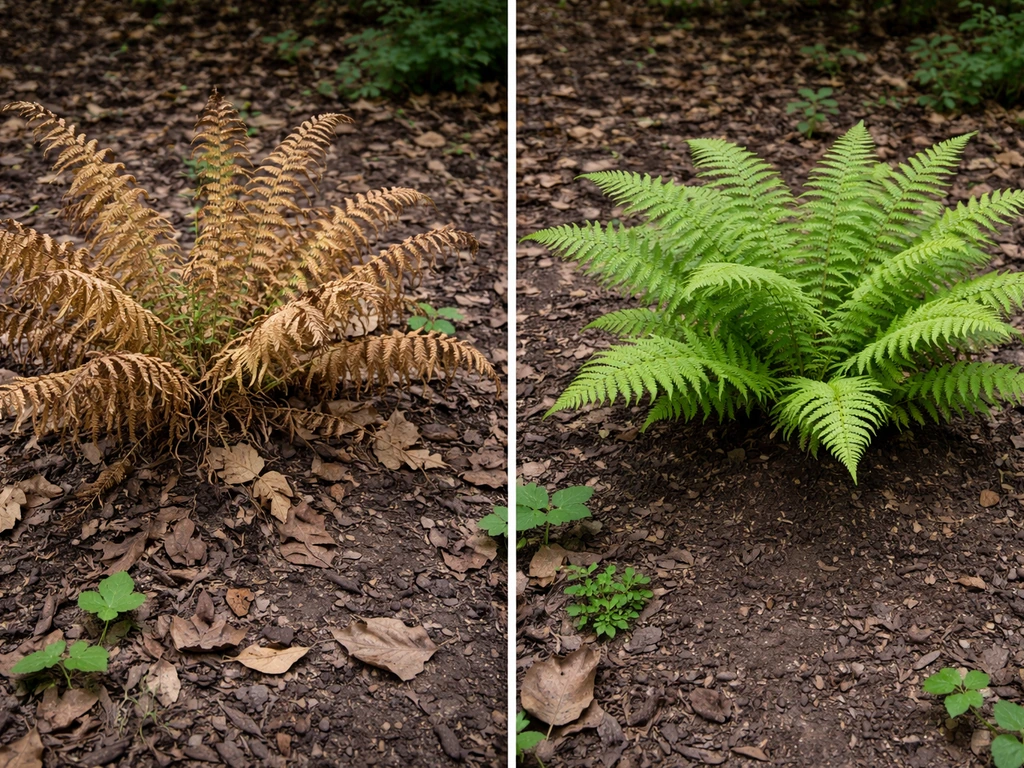
When ferns establish successfully under a black walnut, you will see new frond emergence each spring, gradual clump expansion, and fronds that hold their color through summer without turning yellow or brown prematurely. Some native ferns, like sensitive fern, naturally die back with the first hard frost, so late-season dieback is expected and not a sign of trouble.
Signs that juglone or site stress is causing problems can appear quickly. UW-Madison Extension notes that sensitive plants can show symptoms within just a few days of being transplanted into a walnut's root zone. The warning signs in ferns look like this: yellowing fronds (chlorosis), stunted or distorted new growth, wilting that does not recover after watering, and progressive dieback starting at frond tips and moving inward. Penn State Extension cautions that juglone-related wilting can look identical to drought stress or root rot, so before concluding juglone is the culprit, check the soil moisture and look for fungal issues at the crown.
Troubleshooting steps if ferns are struggling
- Check soil moisture first. Dry, compacted soil under a black walnut is common and will stress ferns independently of juglone.
- Remove any walnut leaf litter, hulls, or debris that has accumulated on or around your ferns. Rake it away and replace it with clean mulch from another source.
- Inspect the crown for rot or pest damage. Rule out non-juglone causes before deciding juglone is the problem.
- Evaluate the specific planting location. If the fern is very close to the trunk or sitting in a drainage low spot, you may need to relocate it to a better position farther out from the center of the root zone.
- If you have recently had the black walnut removed and are planting in the same area, allow additional breakdown time and improve soil aeration and drainage to speed juglone degradation.
- Consider whether your fern species is a native woodland type suited to this environment. If it is an ornamental exotic variety, replacing it with an ostrich fern or Christmas fern is a straightforward fix.
If ferns still won't cooperate: your backup options
Not every site under a black walnut will work for in-ground fern planting, and that is worth accepting early rather than fighting a losing battle. If your ferns keep declining despite good species selection and site management, here are the approaches that actually solve the problem.
Raised beds with root barriers
A raised bed lined with quarter-inch hardware cloth or heavy root barrier fabric creates a physical separation between your planting soil and the black walnut's root system. Ask Extension guidance specifically recommends this approach. The barrier slows new root infiltration and prevents the most direct juglone delivery pathway. Use clean topsoil and compost from non-walnut sources to fill the bed. This is not a permanent fix since roots will eventually find a way in, but it buys years of productive growing time and dramatically reduces juglone exposure in the critical establishment period.
Containers
Large containers placed under or near the walnut's canopy give you complete soil control. Ferns in pots never contact the walnut's root system. This is an especially useful strategy if you want to grow ferns that are not native woodland species and may have lower juglone tolerance. The tradeoff is that containers dry out faster and need more consistent watering, which is extra work under a tree that already competes for moisture.
More juglone-tolerant groundcovers instead
If you want to fill the space under the walnut without the fern fight, a handful of groundcovers have more consistent track records. Wild ginger (Asarum canadense) appears on the Purdue and UW-Madison tolerant lists and forms a dense, attractive mat. Grape hyacinth and glory-of-the-snow provide early spring color. These alternatives come up in the same extension guidance as ferns, so they are grounded in the same observational evidence. Thinking through the full range of plants that can grow under and near a black walnut opens up more practical options than sticking with just one plant type.
Comparing your fern options at a glance
| Fern Species | Juglone Tolerance | Light Preference | Moisture Needs | Native Range |
|---|---|---|---|---|
| Ostrich Fern (Matteuccia struthiopteris) | Reported tolerant | Part to full shade | Moist to wet | Eastern North America |
| Cinnamon Fern (Osmundastrum cinnamomeum) | Reported tolerant | Part to full shade | Moist to wet | Eastern North America |
| Royal Fern (Osmunda regalis) | Reported tolerant | Part shade | Moist to wet | Eastern North America |
| Christmas Fern (Polystichum acrostichoides) | Reported tolerant | Part to full shade | Average to moist | Eastern North America |
| Sensitive Fern (Onoclea sensibilis) | Reported tolerant | Part shade | Moist to wet | Eastern North America |
| Interrupted Fern (Osmundastrum claytonium) | Reported tolerant | Part shade | Average to moist | Eastern North America |
| Exotic or tropical fern varieties | Unknown, untested | Varies | Varies | Non-native |
The pattern across all the ferns with a reasonable track record is the same: native woodland species from the same geographic region as black walnut. That overlap is not a coincidence. These plants evolved together in mixed hardwood forest understories, and the ones that did not develop some tolerance to juglone simply did not persist there over time. That shared evolutionary history is your best practical guide when choosing what to plant.
FAQ
Will ferns grow under a young black walnut, or only mature trees?
Yes, but treat it as a “maybe,” not a guarantee. Juglone is strongest where fine roots are dense, and young or recently planted walnuts can still create a developing toxic zone. If the tree is newly planted, start your fern 10 to 15 feet away, mulch with non-walnut material, and monitor for chlorosis or repeated dieback in the first spring after transplanting.
If ferns tolerate juglone, can I plant them right at the trunk base?
They often do, but not if the crown stays too wet or buried. Fern crowns that sit under leaf litter from the walnut or mulch that traps moisture at the crown can rot, which looks similar to stress. Keep mulch 2 to 3 inches thick overall, but leave the crown itself exposed at soil level and use leaf mold or aged compost to buffer moisture.
Do root barriers or raised beds fully solve juglone for ferns?
You should plan on gradual rooting and risk over time. Barriers and raised beds can buy years, but roots will eventually bridge the separation, especially if the bed is shallow. If you use a barrier, expect to revisit the planting every few years, and do not rely on it if the walnut roots are likely to reach the bed within the next season.
When is the best time of year to transplant ferns under a black walnut?
Generally, ferns are better as established plants than as fresh transplants in summer heat. Many sensitive species can show problems within days after planting, so aim for early spring or early fall and water deeply the first few weeks. This gives the roots time to establish in the less concentrated zone where you planted them.
How can I tell the difference between juglone stress and drought stress under a walnut?
Not necessarily, because “dry shade” and “walnut stress” can mimic each other. Before concluding juglone is the cause, check soil moisture 2 to 4 inches down, look for crown rot or fungal growth, and confirm whether the yellowing is spreading from new growth inward or staying localized. If the soil stays moist and fronds still collapse, that is more consistent with juglone or root competition.
What if my soil under the walnut is not well-drained, will ferns still work?
You may get temporary survival, especially with tolerant native ferns, but longevity is the bigger question. Many gardeners report better persistence when the site mimics woodland understory conditions, slightly acidic humus-rich soil, consistent moisture, and enough light for that particular species. If your soil is heavy clay or repeatedly waterlogged, juglone can accumulate and performance will drop.
Can I grow a fern near a black walnut if I’m willing to amend the soil?
Yes, but only if you protect the plant from walnut debris contact and keep the crown at the right depth. If you want to test, start with a tolerant species, place it farther from the trunk (10 to 15 feet), avoid walnut hulls and fresh leaves in the bed, and use non-walnut mulch. If the fern repeatedly declines after the first full spring, don’t continue replanting in the same spot.
Do ferns need full shade under black walnut, or will some tolerate more light?
It depends on species, but for the common tolerant woodland ferns, you typically do not need full sun to do well. Many perform best with dappled shade or morning light, while avoiding deep, constant darkness that weakens frond production. Match the light level to the species you choose, then prioritize crown safety and soil quality.
Are potted ferns safer under black walnut trees than planting in the ground?
Container culture is usually the lowest-risk approach because the fern soil stays isolated from walnut roots. However, containers placed directly under the canopy can still suffer from heat and moisture swings, which causes wilting that looks like juglone problems. Use a large pot, consistent watering, and keep the crown at soil level within the container.
Is it okay to use fallen walnut leaves or nut hulls as compost or mulch under the ferns?
Fresh walnut hulls and fresh leaves should be avoided, even if you think they will “break down fast.” Those materials actively carry juglone during decomposition, which is exactly what you do not want in a planting bed. Instead, use leaf mold or aged compost from non-walnut sources and keep any mulch non-walnut.