Chestnut trees grow naturally across a surprisingly wide band of the Northern Hemisphere, from the Appalachian Mountains of eastern North America to northern China and Korea to the hills of southern Europe. For growers, the more useful question is which species will actually thrive where you live, because the answer changes significantly depending on whether you are in Ohio, Oregon, Georgia, or southern France. The short version: Chinese chestnut is the most adaptable species for North American growers, sweet chestnut dominates Europe, and American chestnut, despite its legendary status, is still fighting its way back from a devastating blight. This guide covers both the natural geography and the practical growing picture.
Chestnut Tree Where Do They Grow Naturally and Best Places
Marcus Hendricks
15 Apr 2026
The chestnut types people actually mean when they search
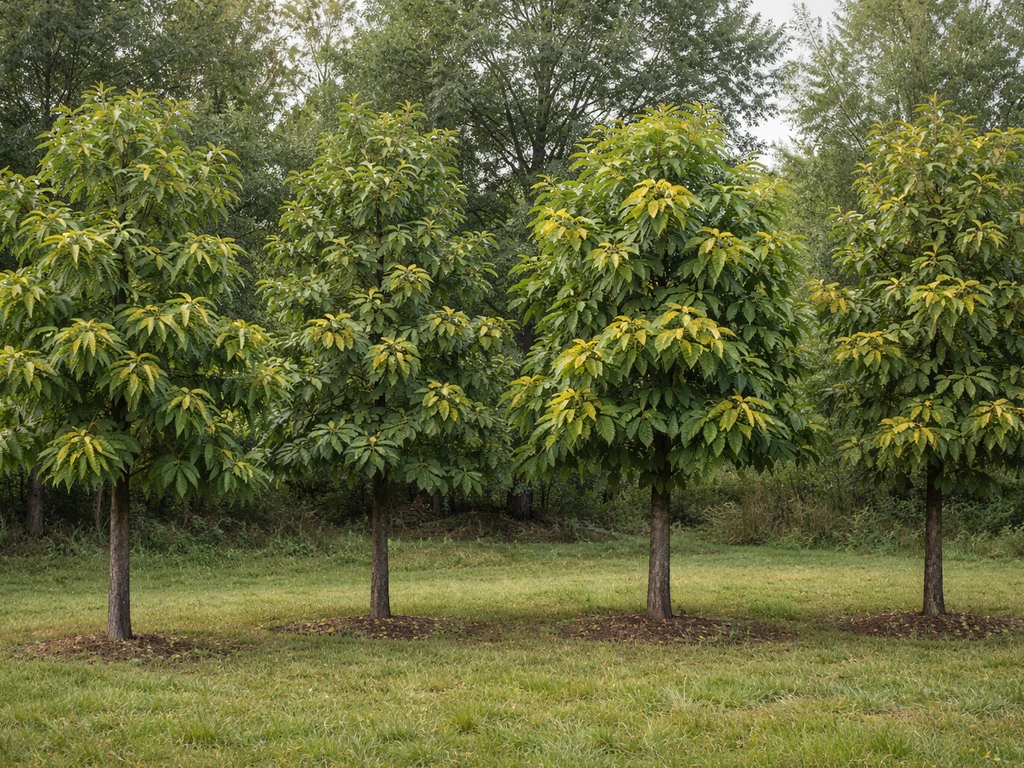
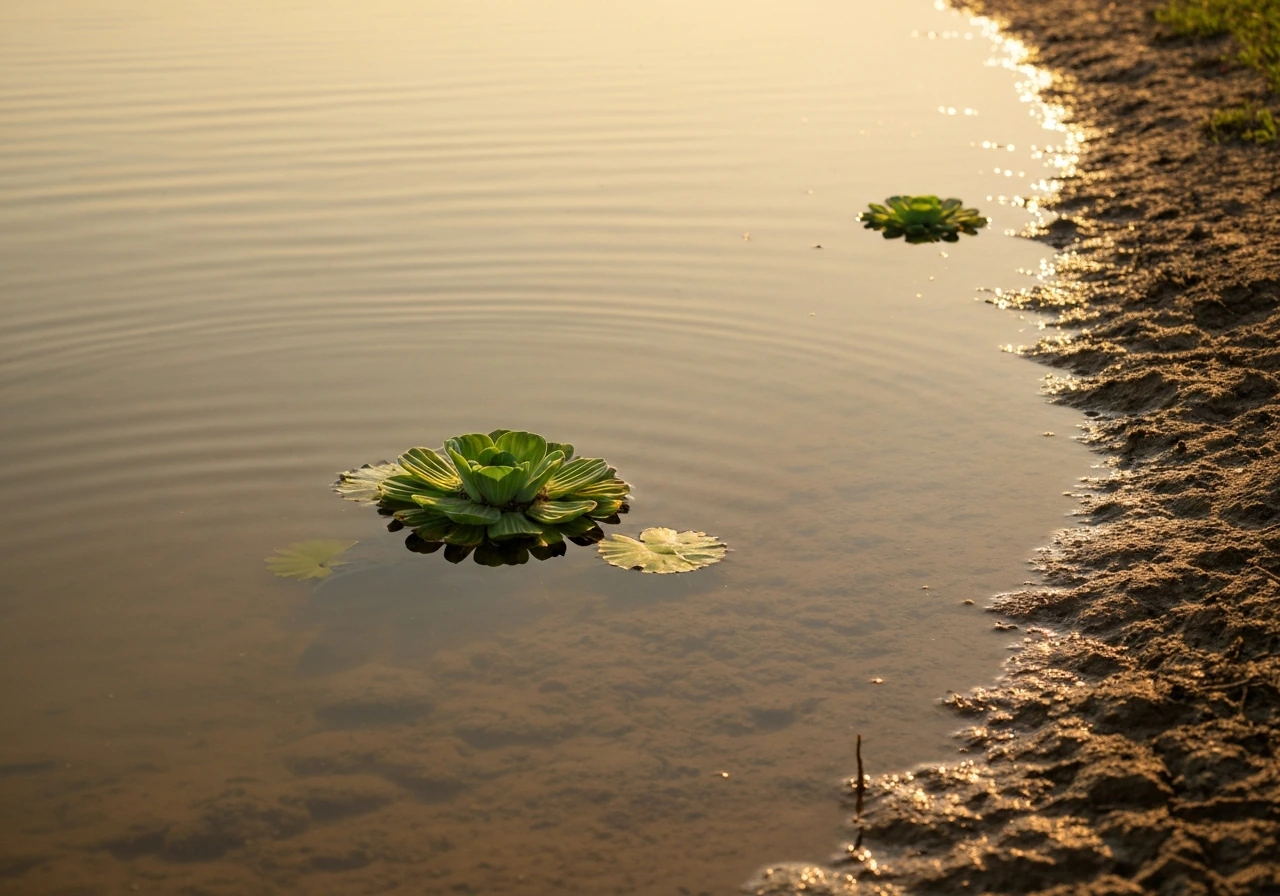
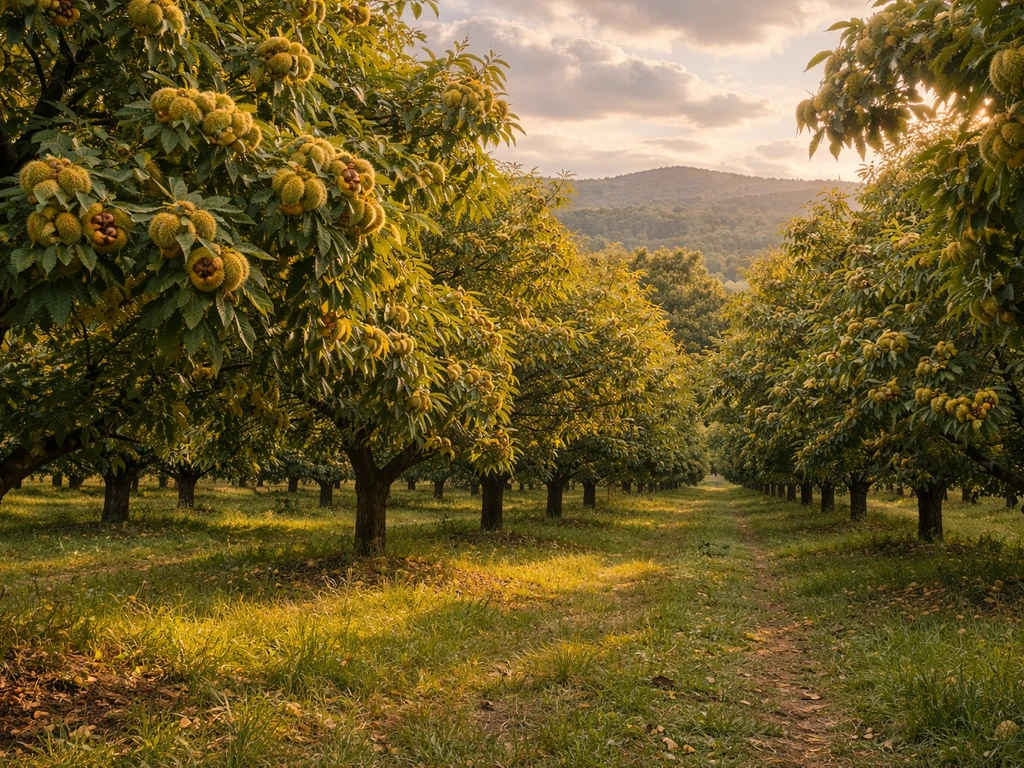
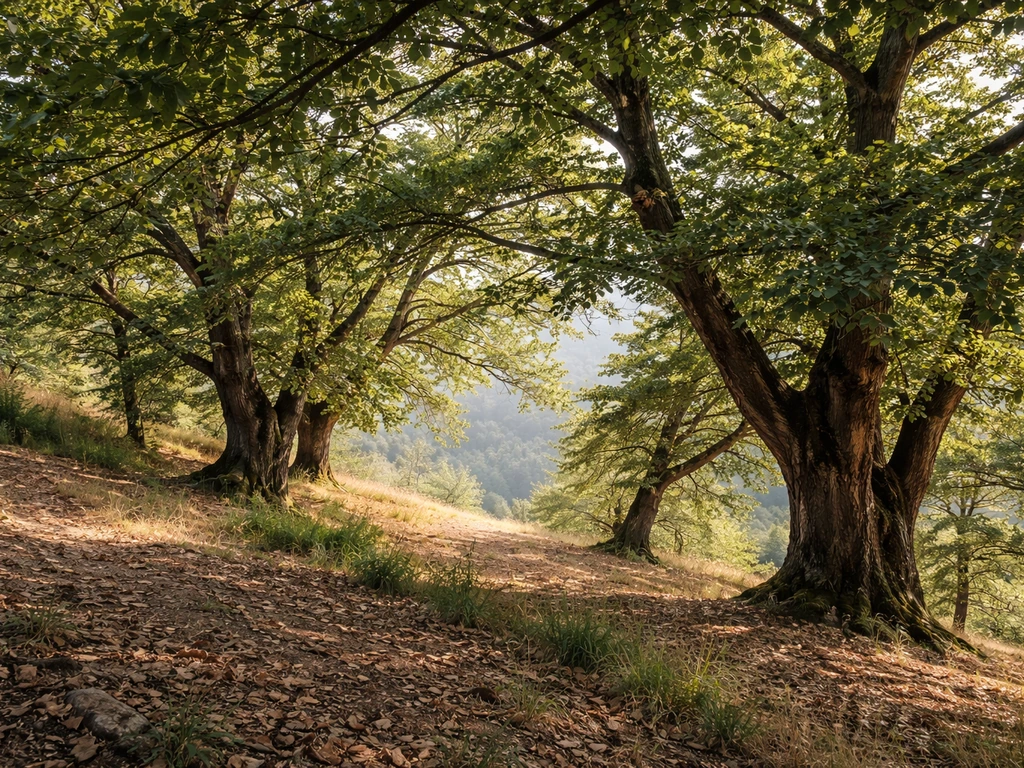
Most searches about where chestnuts grow are really asking about one of four species, and they are not interchangeable. American chestnut (Castanea dentata) is the native giant that once dominated eastern North American forests before chestnut blight wiped out roughly four billion trees. Wikipedia also notes that the blank" rel="noopener noreferrer">American chestnut was once common in Appalachian oak-chestnut forests and was devastated by chestnut blight. Chinese chestnut (Castanea mollissima) is native to northern China and Korea, arrived in North America as a blight-resistant alternative, and is now the most widely planted chestnut for nut production on the continent. Chinese chestnut (Castanea mollissima) is blank" rel="noopener noreferrer">native to northern China and Korea and is considered hardy to USDA Zone 4, according to Oregon State University’s landscape plant database. European or sweet chestnut (Castanea sativa) is the species behind roasted chestnuts sold on street corners across Europe and is worth understanding if you want to know where do sweet chestnuts grow and how their range compares to other species. Japanese chestnut (Castanea crenata) rounds out the main cultivated species and is most relevant as a parent in blight-resistant hybrids. And if someone asks you about water chestnuts, those are not related to the genus Castanea at all, which is worth knowing since questions about where does water chestnut grow lead down a completely different botanical path.
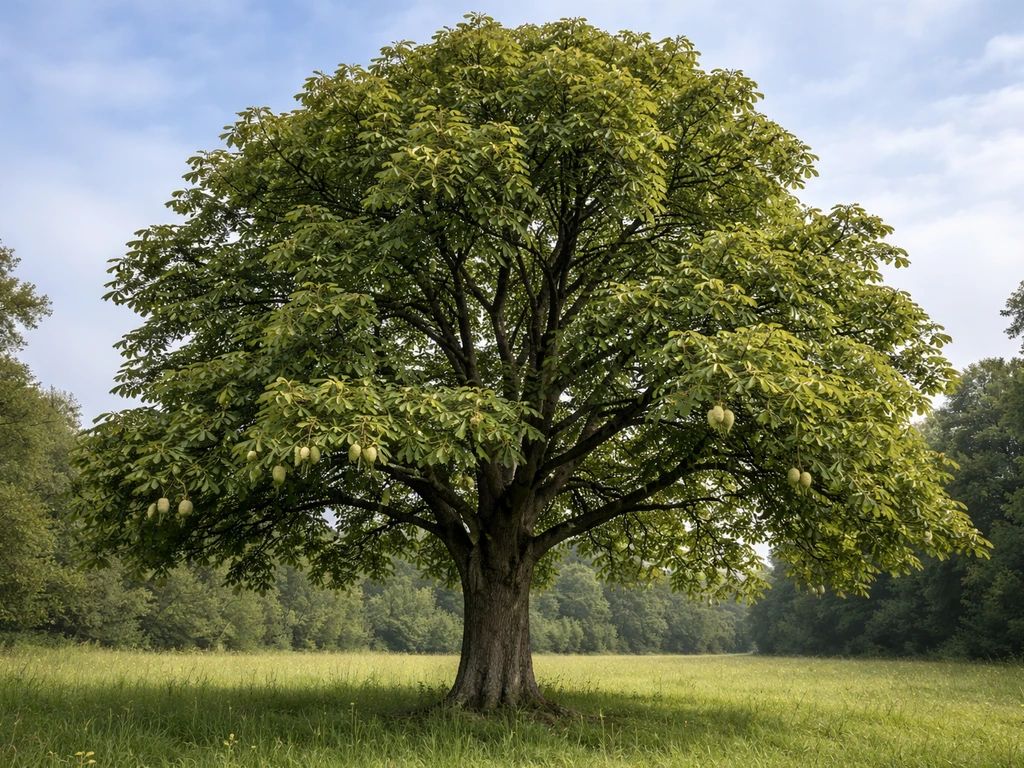
Horse chestnuts are another common source of confusion. They belong to the genus Aesculus, not Castanea, and the nuts are not edible. Questions about where do horse chestnuts grow are botanically separate from anything in this guide. Knowing which species you are actually dealing with changes every piece of advice that follows, so it is worth getting this straight before you buy a tree.
Natural range: where chestnuts grow in the wild
The American chestnut's pre-blight native range ran from Maine west to Michigan and south through the Appalachians into Mississippi, Alabama, and Georgia, with the densest stands in southern New England and the mountain ridges of the Appalachians. The range was mapped formally by Elbert Luther Little Jr. in 1977 and remains the standard reference for native distribution. Today, the American chestnut is functionally absent as a canopy tree, though the root systems persist and continue to send up sprouts. Those sprouts almost always succumb to blight before reaching maturity, but the genetic material is still in the ground across much of the original range east of the Mississippi River.
Chinese chestnut in the wild grows across northern China and Korea, which tells you something important about its cold tolerance. It evolved in a continental climate with cold winters, hot summers, and relatively low humidity compared to maritime regions. Sweet chestnut's native territory runs through central and southern Europe, including the northern Iberian Peninsula, southern France, central-northern Italy, and the southern Balkans, and extends into Asia Minor covering western and northern Turkey and the Caucasus. For a deeper look at how that European distribution breaks down by country and region, the article on where do chestnuts grow in Europe is worth reading alongside this one.
Climate requirements: cold, heat, seasons, and rainfall
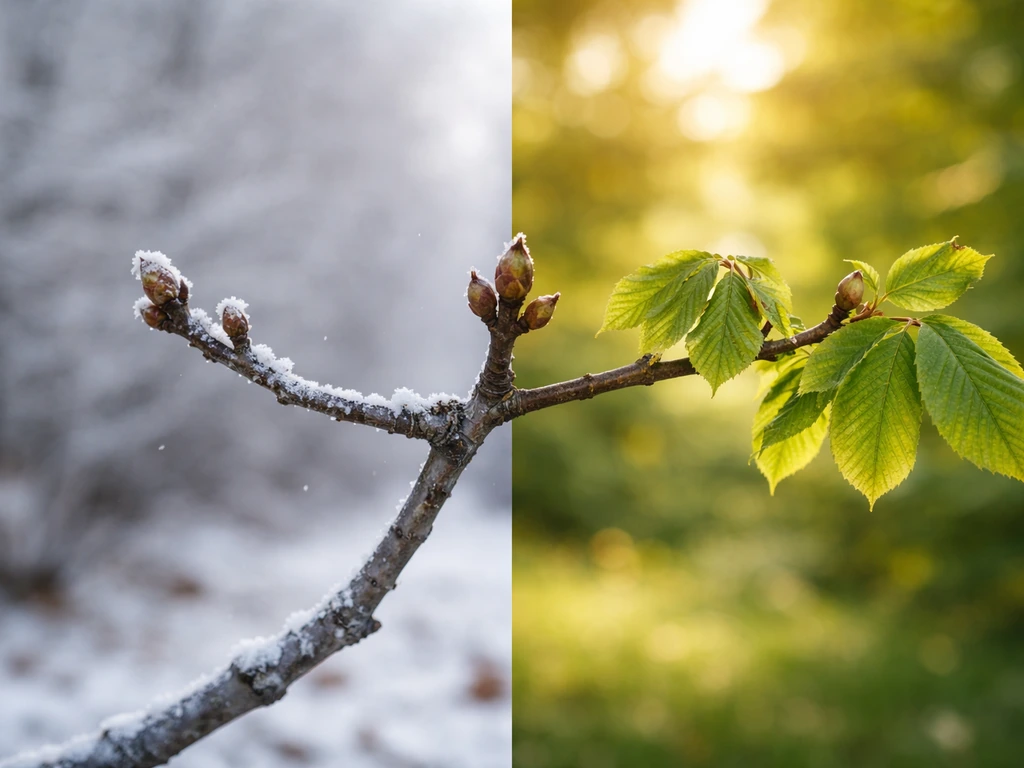
Chestnuts need four things from climate: enough winter chill to break dormancy properly, enough frost-free days to ripen nuts, adequate summer warmth, and sufficient rainfall spread across the growing season. Get one of those wrong and you will struggle, even if the other three are perfect.
Chinese chestnut is the most cold-hardy of the commonly planted species. When fully dormant, it can withstand approximately -30 degrees Celsius, which puts it solidly into very cold-winter territory. The catch is that Chinese chestnut leafs out relatively early in spring. After a mild winter it breaks dormancy even earlier, increasing the risk of cold damage to emerging buds from a late freeze. This is a real practical problem in the upper Midwest and parts of New England where late frosts are common. UF/IFAS places Chinese chestnut in USDA hardiness zones 5 through 8 for practical cultivation, while some sources extend that range down to zone 4 given the deep dormancy cold hardiness. Spring frosts are also a threat to flowering and fruit set regardless of species. Though chestnuts flower relatively late compared to many fruit trees, a sharp late frost can damage the catkins and reduce nut production significantly.
American chestnut fits broadly in zones 4 through 8. Sweet chestnut runs warmer, generally zones 5 through 7, though it can be pushed slightly outside that range in sheltered sites. Japanese chestnut covers zones 4 through 8. All species need summer warmth to fill nuts properly, and all of them do best with 30 to 40 inches of annual rainfall, reasonably well distributed. Drought stress during nut fill in late summer leads to undersized nuts and poor harvests.
Soil and site needs: pH, drainage, sunlight, and elevation
Soil pH is probably the single most important site factor for chestnuts and also the one most frequently ignored. Chestnuts demand acidic soil. For American chestnut, the target range is pH 5.5 to 6.5 in well-drained, loamy soil. Chinese chestnut has similar preferences. Soil pH matters because it directly affects nutrient availability, particularly phosphorus and micronutrients like manganese and iron. MSU Extension is explicit that pH management is critical for chestnut nutrient uptake, and soil testing before you plant is not optional if you want good results. Planting into alkaline soil and hoping for the best is one of the most common reasons chestnut plantings fail in otherwise suitable climates.
Drainage is equally non-negotiable. Chestnuts will not tolerate standing water or compacted, poorly drained subsoils. Chinese chestnut does best in consistently moist, well-drained soil and can handle occasional dry periods, but prolonged wet feet invite root rot and Phytophthora problems that kill trees fast. Choose sites with natural drainage, slope if possible, and avoid low-lying frost pockets which cause double trouble by holding cold air and staying wetter longer.
Sunlight requirements are straightforward: chestnuts are full-sun trees. Six or more hours of direct sun daily is the minimum; eight or more is better. Shading reduces nut production more than almost any other factor except soil pH. Elevation matters most in the species' native ranges, where sweet chestnut in Europe grows well from near sea level up to roughly 1,000 meters depending on latitude and aspect. In North America, American chestnuts historically grew across a wide elevation range in the Appalachians. For backyard or orchard planting, elevation is less critical than aspect and slope drainage.
Which chestnut species grows best where you live
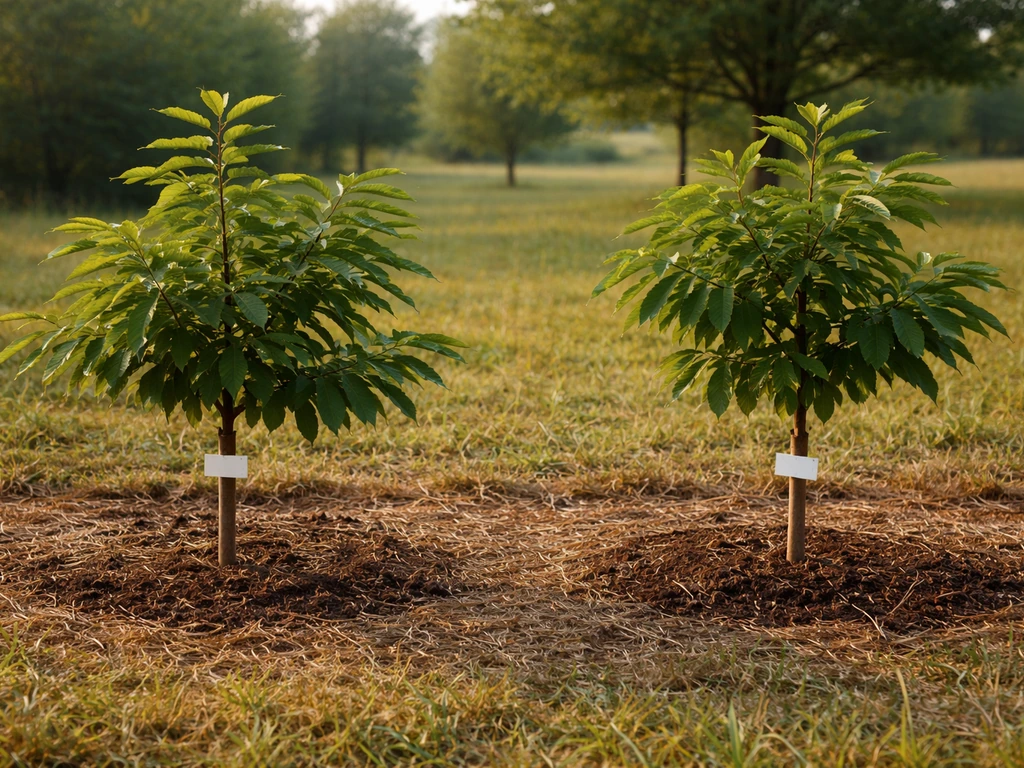
Choosing the right species for your region makes the difference between a productive orchard and a frustrating decade of struggling trees. Here is a practical breakdown by North American region, which is where most readers asking this question are planting.
| Region / Zone | Best Species or Hybrid | Key Consideration |
|---|---|---|
| Northeast (zones 4–6) | Chinese chestnut, blight-resistant American hybrids | Late frost risk on early leafout; acidic soils often naturally suitable |
| Mid-Atlantic / Appalachians (zones 5–7) | Chinese chestnut, American chestnut hybrids, American chestnut (with caveats) | Core historical American chestnut range; blight still present |
| Southeast (zones 6–8) | Chinese chestnut, Dunstan hybrids | Heat and humidity favor blight; choose blight-tolerant selections |
| Midwest (zones 4–6) | Chinese chestnut, Japanese hybrid rootstocks | Continental climate suits Chinese chestnut; watch late frost on buds |
| Pacific Northwest (zones 7–9) | Sweet chestnut, Chinese chestnut | Mild winters mean less chill; humidity varies by site |
| Mountain West / High Plains (zones 4–5) | Chinese chestnut in sheltered sites | Dry conditions require irrigation; late frosts are a significant risk |
| Europe (zones 5–8) | Sweet chestnut as dominant species | See regional variation across the continent by latitude and elevation |
If you are in the American chestnut's original native range and want to plant that species, be realistic about blight. The American Chestnut Foundation has developed blight-resistant hybrid lines, and TACF offers both wild-type American chestnut seeds for restoration work and improved hybrid seeds with intermediate blight resistance. Planting a pure wild-type American chestnut today as an orchard tree is not practical given blight pressure, but participating in TACF's restoration program is a meaningful way to contribute to the species' recovery. For pure nut production anywhere in North America, Chinese chestnut or a proven hybrid is the honest recommendation. The broader context on where does chestnut grow as a species-level overview also helps frame these regional choices.
How to check if chestnuts will grow where you live
You can run a quick site evaluation in an afternoon. Here is exactly what to check, in order of importance.
- Test your soil pH. Get a proper soil test through your county extension office or a commercial lab. A cheap pH meter from a garden store is not accurate enough for planning a chestnut planting. You need a number, not a color strip. If your pH is above 6.5, you will need to acidify before planting.
- Check your USDA hardiness zone (or local equivalent). Chinese chestnut is your safest choice in zones 4 through 8. If you are in zone 9 or warmer, chestnuts generally do not get enough winter chill to perform well.
- Look at your last frost date and your spring temperature pattern. If you regularly get hard frosts in late April or early May, that is a risk factor for Chinese chestnut's early leafout. Note the pattern over five or more years if you can.
- Walk your site for drainage. After a heavy rain, where does water pool? Avoid those spots. A gentle slope with loamy or sandy-loam soil is ideal.
- Count sunlight hours on your intended planting spot in summer. If anything shades the site for more than two to three hours in the middle of the day, find a better spot.
- Look for wild chestnuts or chestnut stumps nearby. If American chestnut root sprouts occur on your property or nearby land, you are in the native range and your soils are likely naturally suitable in terms of pH and drainage.
One more check worth doing: look at what other acid-loving trees or shrubs grow naturally in your area. Oaks, blueberries, rhododendrons, and mountain laurel all indicate naturally acidic, well-drained soils. If those plants thrive on your land without amendment, chestnuts have a strong baseline to work from.
Planting and getting chestnuts established
Getting through the first two years is where most chestnut plantings succeed or fail. The trees are not fragile, but they do need to be set up correctly from day one.
Grafted trees versus seedlings
This choice matters for production goals. Grafted trees, which are cloned by grafting or budding known cultivars onto seedling rootstock, will produce nuts of a predictable size and quality and will typically start bearing earlier than seedlings. Seedling trees are cheaper, more variable, and take longer to evaluate. For a home grower who wants the fastest path to consistent nut production, a grafted tree of a proven cultivar is the better choice. For restoration planting or if you want genetic diversity in a larger planting, seedlings have their place. MSU Extension's guidance on this is practical: your decision should be driven by your goals, not just cost.
Spacing, planting depth, and timing
Chestnuts need room. For orchard-style plantings, spacing of 20 to 35 feet between trees is typical depending on whether you plan to manage tree size. Crowded chestnuts compete for light and produce fewer nuts, and reduced airflow raises disease pressure. When planting a seedling, set it so the root collar, the slight swelling where stem meets root, sits right at ground level. Planting too deep is a common mistake that stresses trees for years. TACF's planting-from-seed guidance specifically flags proper root collar depth as critical. Timing-wise, spring planting after the last frost risk has passed is the standard approach for bare-root stock. TACF recommends starting seedlings indoors in late winter for spring transplanting if you are working from seed.
Pollination is not optional
Chestnuts are not self-fertile in any meaningful practical sense. You need at least two different trees, ideally of different genetic origin, planted within range of each other. Incomplete pollination results in burrs with only one or two filled nuts instead of the typical three, which cuts your harvest significantly. Plant at least two trees, ideally three or more, and make sure they are not from the same clone if using grafted stock.
Soil preparation and early care
If your soil pH is off, correct it before planting, not after. Sulfur applications to lower pH take months to work fully in the soil profile. Get the chemistry right first, then plant. Mulch newly planted trees heavily (4 to 6 inches of wood chip mulch kept away from the stem) to retain moisture, suppress competing vegetation, and moderate soil temperature. Water regularly through the first summer during dry spells. Do not fertilize heavily in the first year; root establishment is the priority, and excess nitrogen pushes soft growth that is more vulnerable to late-season frost damage. Once trees are established and putting on solid annual growth, you can begin a more structured nutrient management program based on soil tests.
FAQ
If chestnut trees grow naturally in a wide band, can I grow them anywhere in the Northern Hemisphere?
Yes, chestnuts can grow outside their native regions, but success depends on avoiding two deal-breakers: late spring frosts (budding and flowering damage) and poor drainage or alkaline soil (root stress and nutrient lockout). If your site is prone to cold-air pooling in a low spot, you will usually be better off choosing a more sloped, well-drained location or selecting a more cold-tolerant species like Chinese.
Do I need more than one chestnut tree to get a useful harvest?
No. Chestnuts are not self-pollinating in a practical orchard sense, so a single tree often produces low-quality burrs. Plan for at least two different trees (and ideally different genetic origin), placed close enough for pollinators to move pollen reliably, and stagger planting so both can bloom in the same season.
What’s the most common planting mistake that kills chestnuts slowly rather than immediately?
Watch the root collar carefully. If the tree is planted too deep, you can get slow growth or dieback for years, even when the pH and sunlight are right. Use the planting depth you see at the nursery (or the original soil line on container stock) and keep mulch several inches away from the trunk.
How do I fix soil pH for chestnuts if my land is too alkaline?
Alkaline soils are a major failure point. If your soil test shows pH above the target range, correct it before planting, because amendments like sulfur take time to move through the soil profile. Also ask your lab about available phosphorus and micronutrients, since low manganese or iron availability can show up even when you add fertilizer.
Should I water chestnut trees more or less in summer to boost nut size?
Chestnuts generally want consistent moisture during the nut-fill period in late summer, but they do not want standing water. Prioritize well-drained soil, then use irrigation during dry spells rather than “soaking” the area. If you see water lingering after rain, that is usually a drainage issue, not a watering amount issue.
What if my chestnut tree gets morning sun but is shaded in the afternoon?
Full sun matters, and you can lose production without noticing right away. If your tree gets less than about six hours of direct sun, nut set usually drops, and disease risk can rise because airflow slows under the canopy. Pruning to maintain light penetration helps, but it is a secondary fix compared with sunlight at the planting site.
Does Chinese chestnut’s cold hardiness guarantee good nut production in areas with late frosts?
Chinese chestnut has strong cold hardiness, but early leaf-out makes it vulnerable after mild winters followed by late freezes. If you live in a region with frequent late frost events, choose a site that reduces frost pockets (slope, good airflow) and consider cultivars proven locally for bud and catkin survival rather than assuming all Chinese chestnuts perform the same.
Should I fertilize chestnut seedlings right away to help them establish faster?
Fertilizing too early or too heavily can backfire by pushing soft growth that is damaged by late-season cold or increases susceptibility to problems. Use soil tests to guide nutrient needs, and during year one focus on establishment (mulch and steady moisture) rather than nitrogen-heavy feeding.
How far apart should I plant chestnuts for best nut production and lower disease pressure?
Spacing depends on whether you manage for orchard size. If trees are too close, competition reduces light and airflow, which tends to lower nut yields and raises disease pressure. The 20 to 35 feet guidance works well for many backyard-to-orchard setups, but you should adjust based on the cultivar vigor and your pruning plan.
My chestnuts produced small or mostly empty burrs, what should I check first?
If you are seeing poor or inconsistent nut fill, the cause is often pollination, not soil. Confirm you have at least two compatible trees that bloom at the same time, then check drainage and pH as secondary factors. Also note that late frost can reduce flowering and catkins regardless of how ideal the site is.