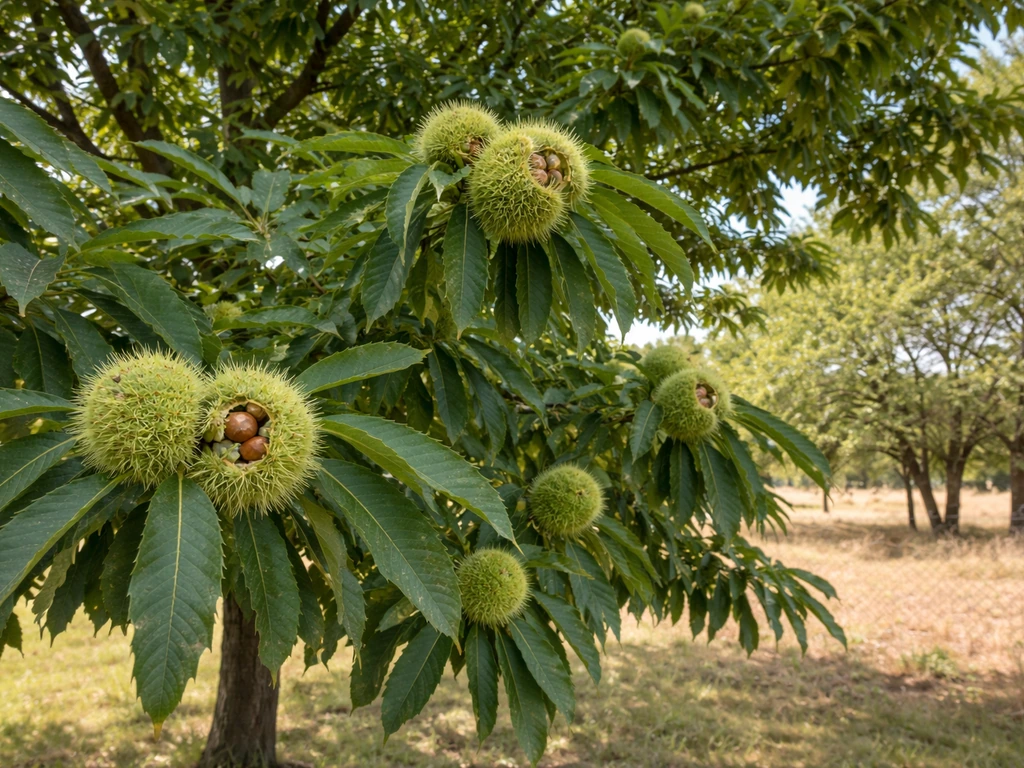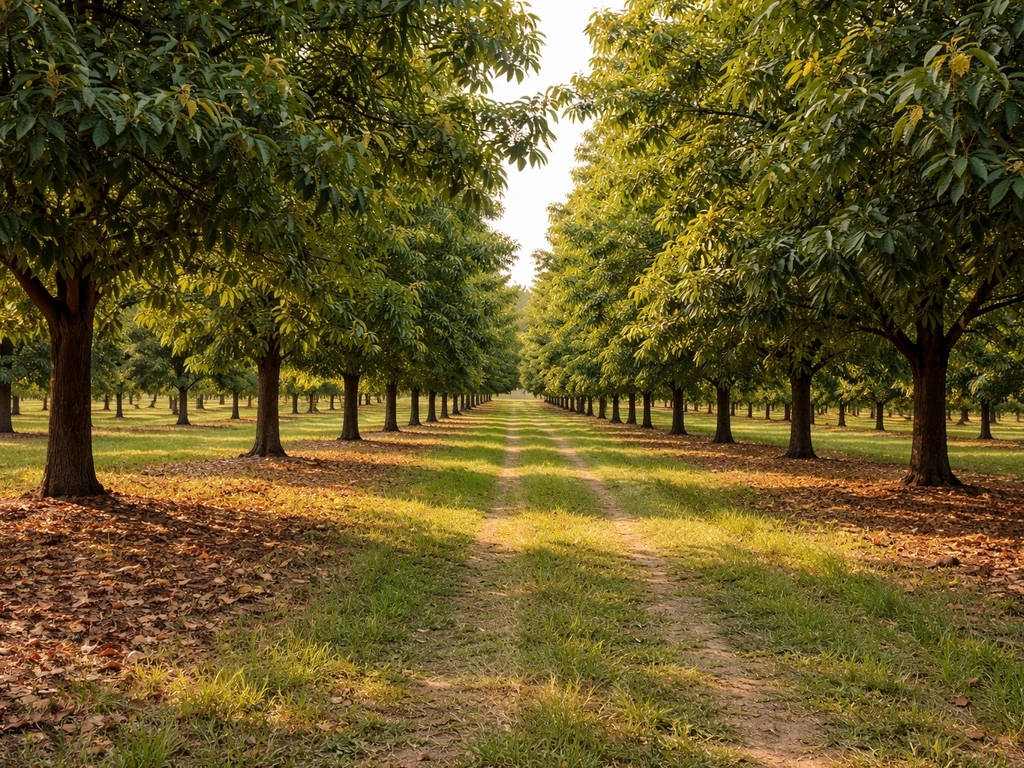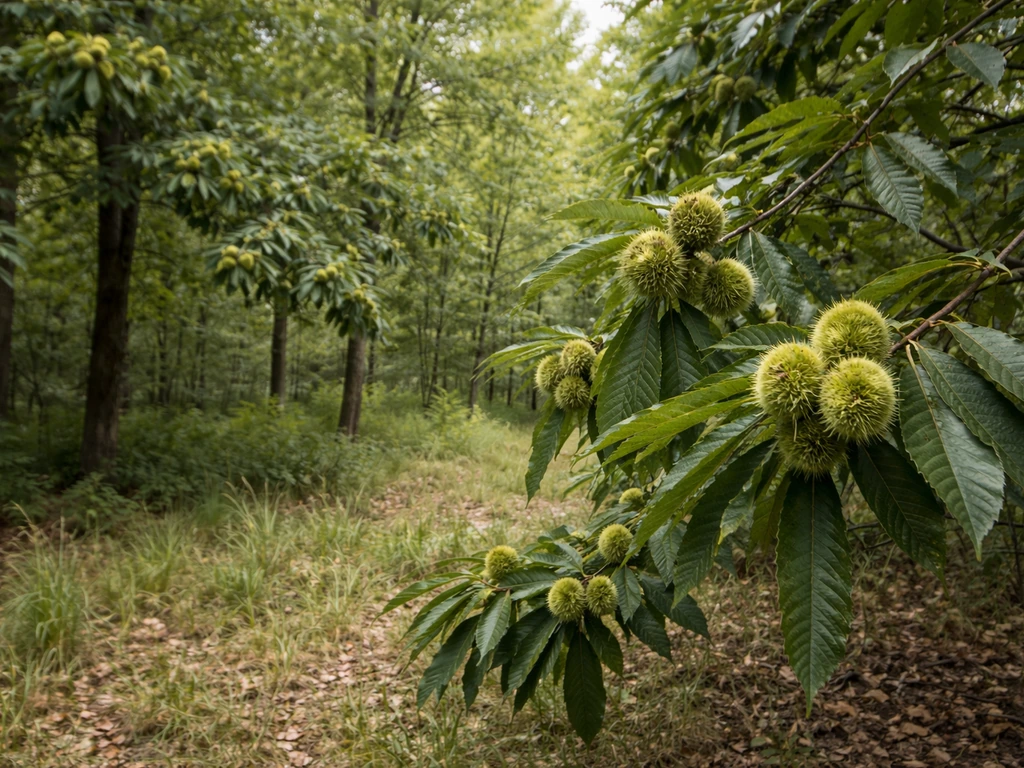
Yes, chestnut trees can grow in Louisiana, but success depends almost entirely on which species or hybrid you choose and where in the state you plant it. The short version: pure American chestnuts struggle, straight European chestnuts are marginal at best, but Chinese chestnuts and certain heat-tolerant hybrids have a genuine track record in the South and are your realistic options across most of Louisiana. Get the species right, pick a well-drained site, and you have a workable shot at a productive tree. If you are asking whether chestnut trees grow in Illinois, the key factors are winter chill hours, hard freeze frequency, and planting on well-drained sites do chestnut trees grow in illinois.
Will Chestnut Trees Grow in Louisiana? What to Plant
Marcus Hendricks
1 Jun 2026
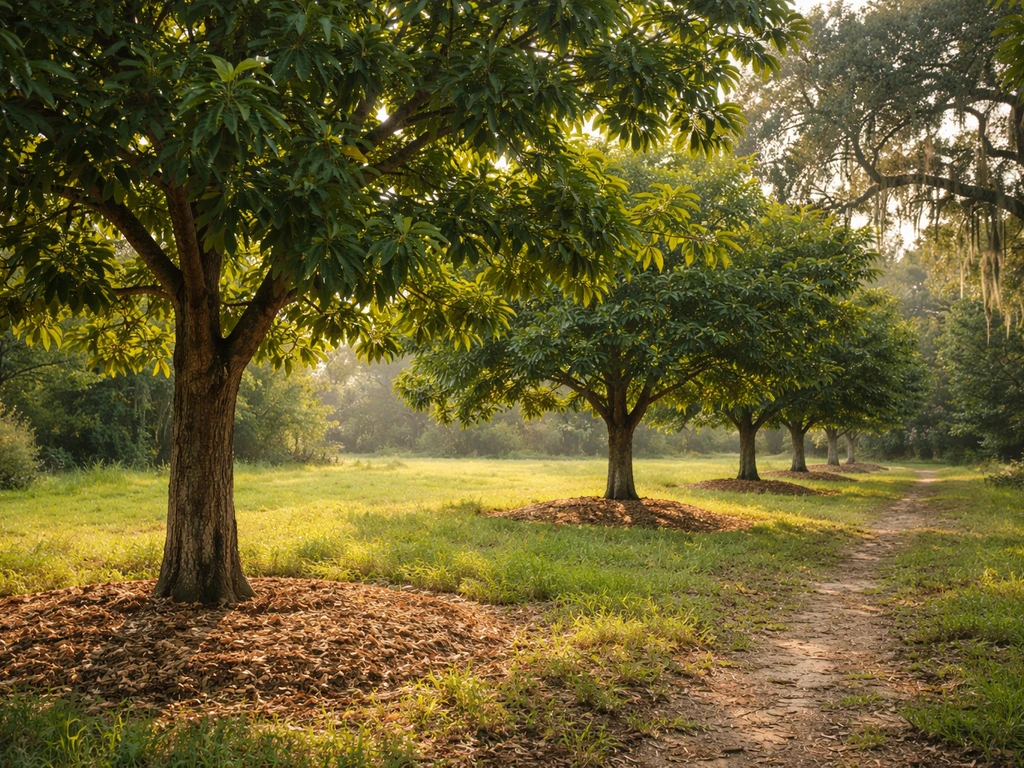
Louisiana's climate and how it stacks up against what chestnuts actually need
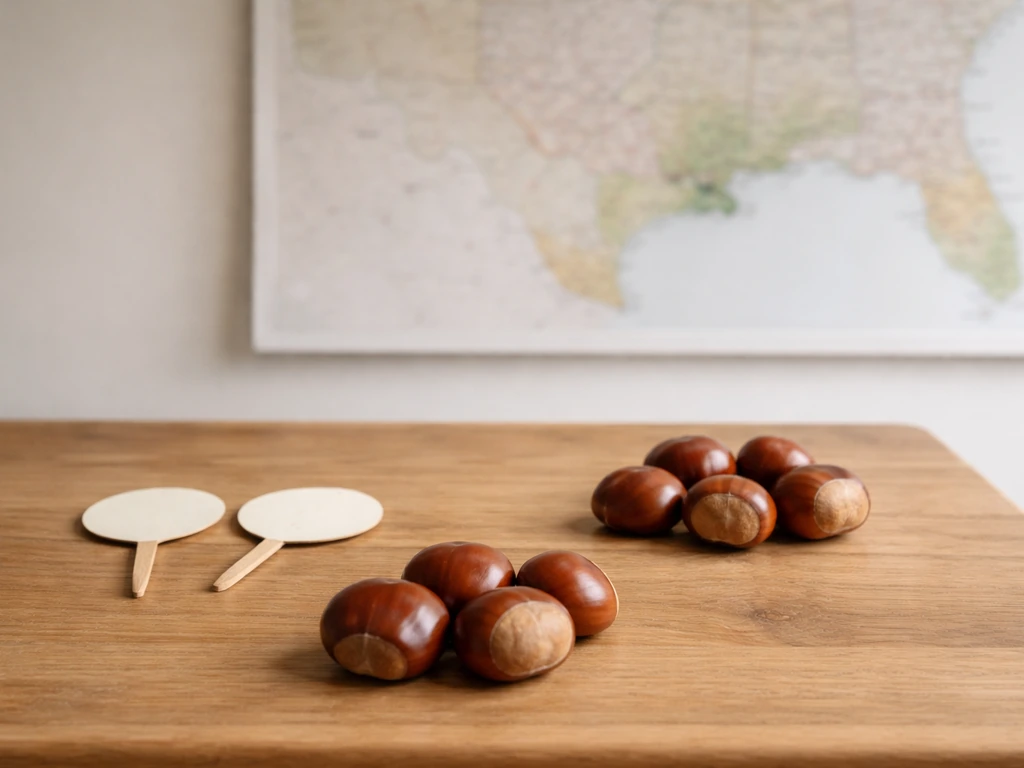
Louisiana is USDA Plant Hardiness Zones 8b through 10b depending on where you are. The USDA defines Plant Hardiness Zones using the average annual extreme minimum winter temperature over a 30-year period, shown in 10°F zones and 5°F half zones USDA Plant Hardiness Zones 8b through 10b. Shreveport in the north runs Zone 8b (minimum winter temps averaging around 15°F to 20°F). Baton Rouge sits in Zone 9a. New Orleans and the coast push into Zones 9b and 10a, where winter lows rarely drop below 25°F to 30°F and some years stay well above freezing all winter. That coastal fringe is genuinely marginal for chestnuts. The farther north you go in the state, the more winter chill accumulates, and the more viable the picture gets.
Chestnuts need two things from winter: enough cold to satisfy dormancy requirements (typically 400 to 700 chill hours below 45°F depending on species) and at least occasional hard freezes to interrupt pest and disease pressure. Northern Louisiana can meet those thresholds most years. Central Louisiana is inconsistent. The New Orleans metro and the coastal parishes often fall short on chill hours, which means trees may leaf out erratically, bloom poorly, and produce few or no nuts even if they survive. If you are wondering about South Carolina specifically, the same basics apply, but the cooler winter chill hours and humid conditions vary a lot by region. The humidity picture is more uniform statewide: Louisiana averages over 50 inches of rainfall per year with hot, muggy summers that create exactly the conditions fungal diseases thrive in. That matters a lot for chestnut selection.
The one consistent advantage Louisiana has going for it is a long growing season, which means chestnut trees that establish successfully can put on significant wood in a year. That cuts time to production if everything else lines up. Think of Louisiana as a climate where chestnuts are achievable but not forgiving: the right species on the right site can genuinely thrive, while the wrong species on a poorly drained lot in New Orleans will quietly die over two or three summers.
Which chestnut species actually makes sense here
The word "chestnut" covers several distinct species with very different tolerances, and in Louisiana that distinction matters more than almost anywhere else. Here is a practical breakdown.
Chinese chestnut (Castanea mollissima)
Chinese chestnut is your primary recommendation for Louisiana. It tolerates heat and humidity better than the other species, it carries significant resistance to chestnut blight (the fungal disease that wiped out the American chestnut across its native range), and named cultivars adapted to the South have been grown successfully from Zone 8 through the warmer edges of Zone 9. It needs around 400 to 500 chill hours, which most of the state outside the coast meets reliably. Trees are also more compact than American chestnut, typically topping out around 40 to 60 feet, which makes management more practical in a home orchard setting.
American chestnut (Castanea dentata)
Pure American chestnut is not a realistic option for most Louisiana growers. Even setting aside blight susceptibility, American chestnuts prefer cooler, well-drained upland soils in Zones 5 through 7. Louisiana's Zone 8 to 9 heat and humidity push these trees chronically toward stress, and the near-total lack of blight-resistant genetics in straight American seedlings means any tree that does struggle with disease will have almost no defense. Some hobbyists have grown American chestnuts in north Louisiana as novelty trees, but expecting reliable nut production from them in this climate is not realistic.
Hybrids: the nuanced middle ground
Chinese-American hybrids and, to a lesser extent, Chinese-European hybrids fill the gap for growers who want more nut quality than straight Chinese chestnut offers while maintaining some heat tolerance. Commercially, several hybrid selections bred for the Southeast and mid-South have been tested in Zone 8 and shown reasonable performance. Look for named hybrid cultivars specifically selected for hot, humid climates rather than generic "hybrid" seedlings, which are highly variable. Some of the hybrids coming out of university breeding programs targeting the Southeastern US are worth tracking down if you want to maximize nut quality alongside blight resistance. If you are in similar climates in neighboring states, the same guidance applies: growers exploring chestnuts in Oklahoma or South Carolina are working through comparable species-selection questions.
| Species | Blight Resistance | Heat/Humidity Tolerance | Chill Hours Needed | Best Louisiana Zones | Nut Quality |
|---|---|---|---|---|---|
| Chinese chestnut | High | High | 400-500 hrs | 8b, 9a (marginal 9b) | Good |
| Chinese-American hybrid | Moderate-High | Moderate-High | 500-600 hrs | 8b, 9a | Very good |
| American chestnut | Very low | Low | 600-700 hrs | Not recommended | Excellent |
| European chestnut | Low | Low | 600-800 hrs | Not recommended | Excellent |
Picking the right planting site, soil, and spacing
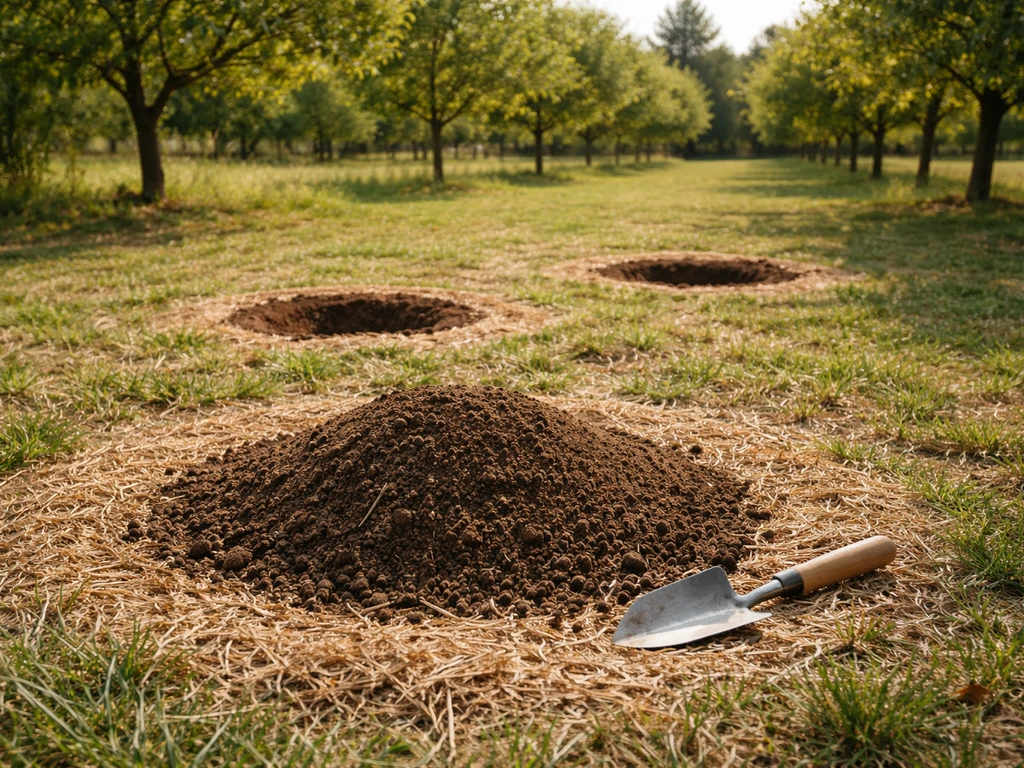
Chestnuts are unforgiving about drainage. This is the single biggest point of failure for Louisiana growers. If roots sit in waterlogged soil for more than a few days, chestnut trees develop root rot quickly. Louisiana's heavy clay soils in many parts of the state create exactly this risk, especially during the spring rainy season. Plant on a gentle slope, a raised bed, or any spot with naturally sandy or loamy soil that sheds water fast. If you are on flat land with clay, you will need to build a raised berm (minimum 12 to 18 inches above grade) or install drainage before you plant.
Chestnuts need full sun, meaning at least 6 to 8 hours of direct sunlight daily. They do not compete well with large shade trees and will grow lopsided and produce poorly if shaded from the south or west. Choose a site away from large established oaks or pines. Wind protection from the north matters less in Louisiana's mild winters than it would farther north, but some shelter from persistent Gulf Coast storm winds is worth considering for young trees in the first few years.
Soil pH is critical and often overlooked. Chestnuts need acidic soil in the range of 5.5 to 6.5. Louisiana soils in many areas are already moderately acidic, but test before you plant. A pH above 6.8 will cause iron and manganese deficiencies that look like nutrient problems but will not respond to fertilizer alone. Amend with elemental sulfur if needed, ideally six months before planting to let soil chemistry stabilize.
For spacing, plant Chinese chestnuts or hybrids at minimum 30 to 40 feet apart for an orchard setup, or 20 feet if you plan to manage them as smaller pruned trees. You need at least two trees of different cultivars for cross-pollination, and they should be within roughly 200 feet of each other for reliable pollination. Plant two, ideally three or four, to ensure nut set.
Planting time in Louisiana: fall planting (October through December) works well in most of the state and lets roots establish during the mild winters before summer heat arrives. Spring planting is also possible but requires more careful watering through the first summer. Plant at the same depth the tree grew in its nursery container. Do not plant deeper than the root collar; chestnuts are sensitive to crown burial.
Pollination, flowering, and realistic nut set expectations
Chestnuts are wind-pollinated and require cross-pollination between at least two genetically distinct trees to produce well-filled nuts. A single tree will produce catkins and may set a small number of nuts through chance cross-pollination with nearby trees, but reliable nut production requires a pollination partner deliberately planted nearby. Do not assume that one tree will eventually figure it out on its own.
In Louisiana, Chinese chestnuts typically bloom in late May through June, which overlaps cleanly with the warm temperatures the pollen needs to stay viable. The long warm spring in Louisiana is actually a mild advantage here compared to states farther north where late frosts can damage chestnut flowers. That said, an unusual late cold snap in April or early May, which does happen in north and central Louisiana, can damage emerging flower buds and reduce or eliminate nut set for that year. Coastal Louisiana's mild winters can cause another problem: if trees do not get enough chill hours, they may bloom erratically or at different times, which misaligns pollination between the two trees you planted. This is why the coast is genuinely marginal: it is not just about survival, it is about synchronized flowering.
Time to first nut production varies. On good sites with established trees, you can expect light nut production in years 3 to 5 and meaningful harvests by years 6 to 8. Do not expect commercial-scale production in 3 years on a Louisiana site. Manage your expectations during establishment, and think of the first several years as building the root system and canopy infrastructure that will support decades of production.
Caring for chestnuts in Louisiana's heat and humidity
Watering
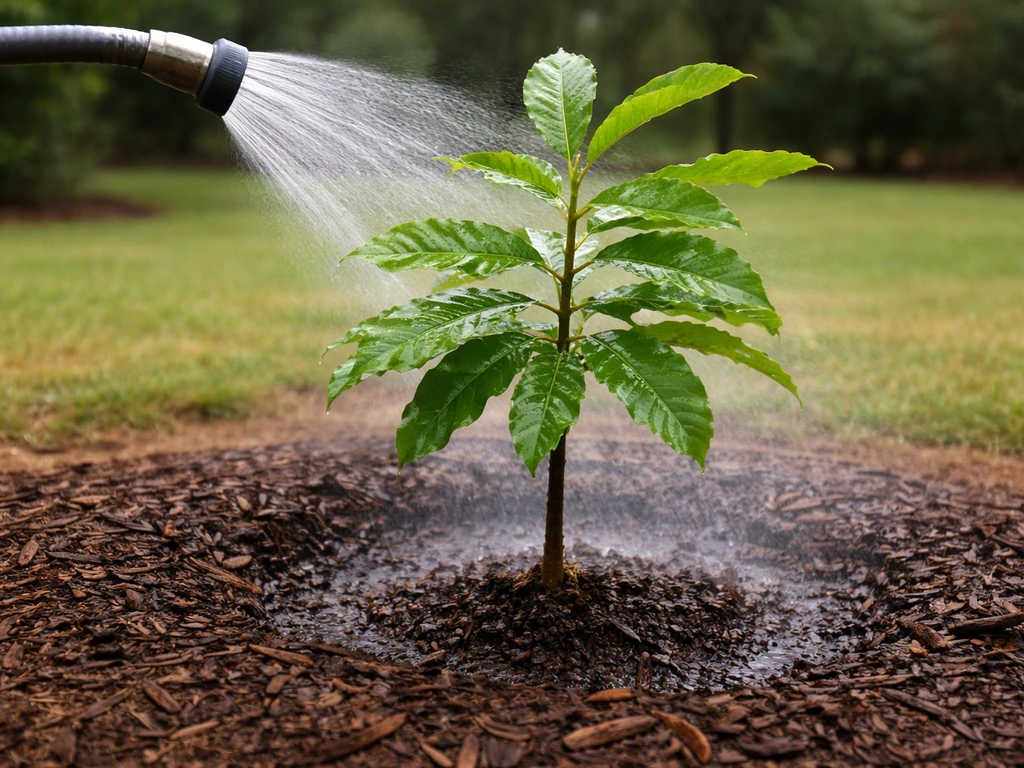
Louisiana gets plenty of annual rainfall, but summer distribution is uneven and young trees in their first two to three years genuinely need supplemental irrigation during dry stretches. The rule of thumb is about 1 inch of water per week during the growing season for young trees. During Louisiana's summer heat spikes, where daytime temperatures routinely exceed 90°F for weeks at a stretch, established trees appreciate deep watering every 10 to 14 days if rain is absent. Drip irrigation at the root zone is far better than overhead irrigation, which adds foliar moisture and increases disease risk.
Mulching
Mulch is not optional in Louisiana. A 3 to 4 inch layer of wood chip mulch extending 3 to 4 feet out from the trunk conserves soil moisture, moderates root temperature, suppresses competing vegetation, and gradually builds soil organic matter as it breaks down. Keep mulch pulled back 3 to 4 inches from the trunk to prevent crown rot, which is a real risk in Louisiana's humid conditions.
Fertility
Chestnuts are not heavy feeders. Overfertilizing with nitrogen, especially in spring, encourages lush vegetative growth that is more susceptible to fungal disease and less productive in terms of nut set. In Louisiana soils, a soil test result is your guide. In the absence of a test, a light application of balanced fertilizer (something like 10-10-10) in early spring, followed by a second light application in late May, is generally sufficient for young trees. Back off nitrogen once trees are bearing. Deficiencies in phosphorus and potassium matter more for nut production than pushing more green growth.
Pruning
In the first two to three years, focus pruning on establishing a single central leader and removing crossing or competing branches. Light annual pruning to maintain an open canopy structure improves airflow, which is critical for reducing fungal disease pressure in humid Louisiana conditions. Do not heavily prune in late summer, as this can stimulate new growth that will not harden off before winter. Prune in late winter before bud break.
What can go wrong: disease, pests, and weather in the South
Chestnut blight
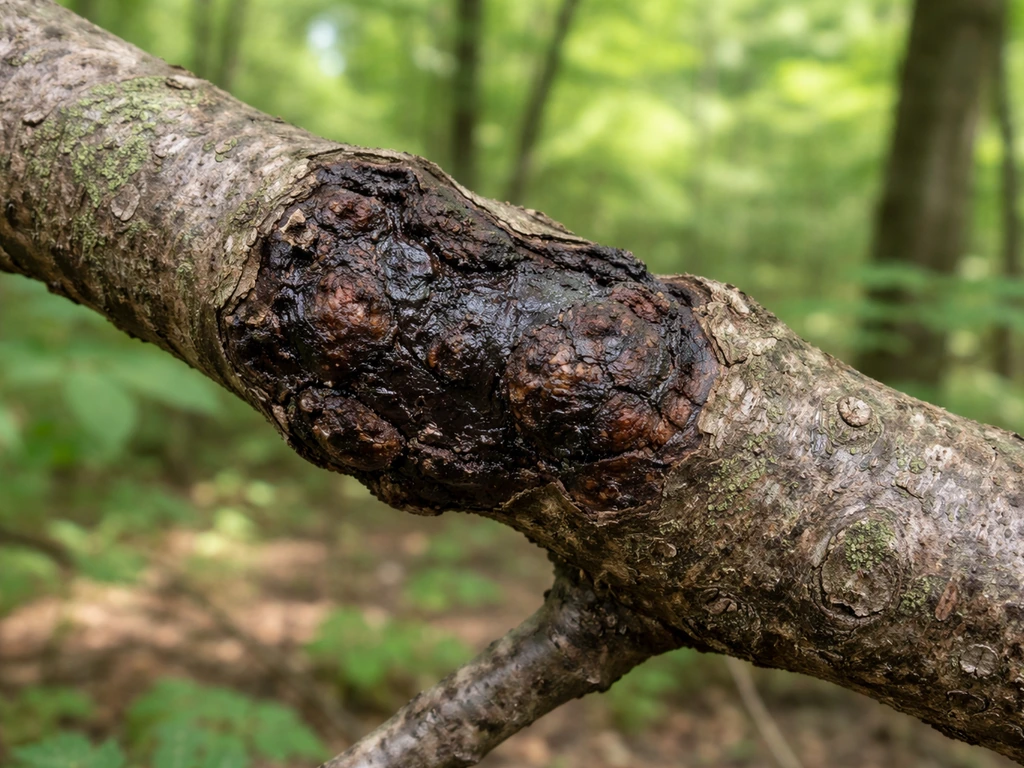
Chestnut blight (Cryphonectria parasitica) is the fungal disease that devastated American chestnut across its native range. It is present in the South and remains a legitimate concern. Chinese chestnuts and most commercial hybrids are not immune to blight but carry genetic resistance that allows them to tolerate infection without succumbing the way American chestnuts do. You will occasionally see blight cankers on resistant Chinese chestnut trees, and the trees typically wall them off and continue growing. Monitoring for cankers, removing infected wood promptly, and cleaning tools between cuts reduces spread. If you notice cankers spreading aggressively on a supposedly resistant tree, it is worth having your local extension service confirm species and variety, because mislabeled or seedling-grown trees may have lower resistance than advertised.
Phytophthora root rot
In Louisiana's wet conditions, Phytophthora root and crown rot is probably a bigger practical threat than blight for most growers. It shows up as sudden wilting, yellowing, and dieback in otherwise healthy-looking young trees, often after a period of saturated soil. There is no good chemical cure once a tree is severely infected. The only real defense is planting on well-drained sites from the start. If you lose a tree to this and replant on the same spot without improving drainage, you will lose the replacement too.
Insect pests
Chestnut weevils (Curculio spp.) are the main insect problem in mature nut-producing trees. Larvae develop inside the nuts and can ruin a large portion of a harvest if populations are high. Chickens or ducks free-ranged under the trees during nut drop will eat fallen nuts and interrupt the weevil lifecycle. Hickory chickens are commonly raised in the Southeast, but what matters most is the same thing as with any backyard broiler: you need the right warmth and forage for the stage you are raising them Chickens or ducks free-ranged under the trees. Timely harvest, meaning collecting fallen nuts within 24 to 48 hours and processing or storing them quickly, is the most practical management step for home growers. Ambrosia beetles can also attack stressed or damaged chestnut wood in the South, which is another reason to keep trees healthy and avoid bark wounds.
Cold snaps and winter damage
Louisiana's winters are mild on average, but unusual cold events do occur. The February 2021 freeze that affected much of the Gulf South is a recent example of what can happen when polar air pushes deep into Zone 9 territory. Chinese chestnuts are generally cold-hardy to about -10°F to -15°F, which means even a severe Louisiana freeze is unlikely to kill established trees outright. However, young trees in their first winter are more vulnerable, and late-spring cold events that catch expanding buds or open flowers will damage that year's crop. Protecting young trees with frost cloth during unusual early cold snaps in their first two winters is worthwhile insurance.
How to know if it's actually working
A healthy chestnut tree in Louisiana should put on 2 to 4 feet of new growth per year once established, which usually happens in year two or three. If a tree is growing less than 1 foot per year after its third year in the ground, something is limiting it: usually soil drainage, pH, competition from other roots, or pest pressure. Look for glossy, deep green foliage with no yellowing between veins (which would indicate pH-driven nutrient lockout) and no persistent wilted or dead branches (which would suggest root rot or blight).
First catkins typically appear in years 3 to 5. Seeing catkins but no burrs usually means pollination is not happening, which comes back to either having only one tree, having trees too far apart, or having mismatched bloom times. First burrs that are small or sparse are normal early in a tree's bearing life. If you get to year 7 or 8 with healthy, vigorously growing trees and still no meaningful burr set, dig into the pollination situation first, then soil chemistry second.
If a tree dies in year one or two, it is almost always one of three causes: waterlogged soil, planting too deep, or being planted on a site with active Phytophthora in the soil. Resist the urge to replant immediately on the same spot without addressing drainage. Move to a different location or build a proper raised berm before trying again.
Practical next steps before you plant
Before you order trees, do three things. First, get a soil test through the LSU AgCenter, which operates cooperative extension offices across Louisiana and provides soil testing services. You need actual pH and nutrient data for your specific site, not a guess. Second, contact your local parish extension office and ask specifically about chestnut cultivation in your zone and whether any local growers have documented success nearby. Extension agents in north Louisiana in particular may have direct experience or records of trials in your area. Third, look into whether any chestnut orchards or trial plantings exist at Louisiana state universities or botanical gardens, because seeing established trees in your climate zone is the most convincing data point available.
When sourcing trees, prioritize named cultivars of Chinese chestnut or tested hybrids bred for the Southeast over generic seedlings. Named cultivars give you known disease resistance ratings, known chill hour requirements, and known pollination compatibility. Generic seedlings are cheaper but highly variable. Buy from nurseries that can tell you the actual cultivar name and its documented heat tolerance or Southern performance history. At minimum, buy two trees of different cultivars to ensure cross-pollination from day one.
If you are in central or coastal Louisiana and genuinely uncertain whether your site gets enough chill hours, track chill hours through one full winter before planting. USDA also notes that if a hardiness zone changes on the updated map, it does not automatically mean you should remove plants, because the zones are an average hardiness guide rather than the absolute coldest temperature chill hours through one full winter. Several free online tools let you input your zip code and log chill hours from NOAA weather data. If you consistently accumulate fewer than 400 chill hours, you are looking at marginal territory for even Chinese chestnuts, and you should weigh whether the investment is worthwhile or whether you are better suited to other productive nut trees better adapted to Zone 9b and 10a conditions.
FAQ
Will chestnut trees grow in Louisiana if I have only a yard-sized space (not an orchard)?
Yes, but treat it like a managed tree rather than a wild planting. Use a full-sun site, plan for two different cultivars within about 200 feet for pollination, and expect lower yields than an orchard because spacing is tighter and airflow is reduced. Also keep the drainage plan simple but real, raised beds or berms are often the difference between survival and decline in humid areas.
What is the best chestnut choice for coastal Louisiana (near New Orleans or farther south)?
Coastal sites are marginal because winter chill can be too low for consistent bloom and nut set. If you still want to try, focus on Chinese chestnut or named heat-tolerant hybrids, and choose cultivars with documented performance in warm winters. Even then, accept the possibility of erratic flowering, mismatched bloom timing between trees, and very light harvests in some years.
Can I plant American chestnuts in Louisiana just for the novelty, even if I do not expect big nut harvests?
You can grow them as ornamentals in some northern locations, but the odds of reliable production are low because Louisiana’s heat and humidity stress the trees, and straight American seedlings often have little usable disease resistance. If you do try, pick the most upland, well-drained spot you have, and do not replant in the same area if you see decline linked to root or crown rot.
How can I tell if my failure is pollination versus soil problems?
If the tree produces catkins but not burrs, first check pollination: you likely need a nearby second genetically distinct cultivar and bloom overlap. If there are burrs early but they drop or never fill consistently, look at site conditions too, especially drainage and soil pH, because root stress and nutrient lockout can reduce fruit set. A soil test helps separate pH-related leaf issues from root-rot stress.
What distance should I plant two chestnut trees apart in Louisiana?
For reliable cross-pollination, keep the trees close enough that pollen transfer is realistic, roughly within 200 feet is the practical target. If you plant them farther apart, you may get occasional nuts, but consistent yields become unlikely, especially when flowering times drift due to low chill or unusual late freezes.
Do I really need two trees, or will one chestnut tree eventually figure it out?
You should assume you need at least two cultivars for dependable nut production. One tree can produce catkins and sometimes set a few nuts from chance pollen nearby, but Louisiana’s climate makes synchronized bloom less predictable in marginal chill zones, so relying on chance often leads to years with no meaningful harvest.
When should I mulch my chestnut trees in Louisiana?
Apply mulch after planting and keep a consistent 3 to 4 inch layer as temperatures stabilize, do not smother the trunk. Pull mulch back 3 to 4 inches from the trunk to reduce crown rot risk in humid conditions. If you switch mulching materials, avoid burying the root collar deeper than it was in the nursery.
How much supplemental watering is actually needed for young chestnuts in Louisiana?
During the first two to three years, water during dry stretches so the root zone does not stay droughty. A practical rule is about 1 inch of water per week during active growth, delivered slowly at the root zone. Avoid overhead watering, it increases foliar humidity and can worsen fungal disease pressure.
What fertilizer mistakes cause chestnuts to struggle in Louisiana?
The most common mistake is too much nitrogen, especially in spring, which pushes lush growth that is more disease-susceptible and less productive for nuts. Use a soil test to guide rates, and if you fertilize without one, keep applications light and do not continue nitrogen heavy feeding once the trees begin bearing.
If my chestnut grows poorly after year three, what should I check first?
Start with the most likely limiting factors: drainage, soil pH, and root competition. Louisiana clay soils can cause invisible saturation even when the tree looks okay briefly, so inspect the site after rains. Also check that you are not planting near aggressive tree roots, and confirm the tree is receiving full sun.
Should I replant if a chestnut dies in its first year or two?
Do not replant immediately on the same spot without correcting the cause. The most frequent culprits are waterlogged soil, planting too deep (crown burial), or planting into ground with active Phytophthora. If you cannot improve drainage, choose a different location, build a raised berm, and keep the root collar at the correct height.
How should I protect young chestnut trees from freezes in Louisiana?
Established Chinese chestnut trees are usually cold-tolerant enough that most typical winters do not kill them, but young trees can be vulnerable in their first winter and buds can be hit by late spring cold snaps. Use frost cloth for the first one or two winters, especially during unusual early cold events, and remember that the bigger crop risk is damage to emerging flowers rather than tree death.
What should I do if I see chestnut cankers or suspect blight on a resistant tree?
Monitor closely and remove infected wood promptly using clean tools between cuts. Resistant Chinese chestnuts can wall off cankers and keep growing, so not every canker means the tree is doomed. If you see rapid, aggressive spread on a tree that was supposed to be highly resistant, verify that the tree was correctly labeled and consider having local extension staff confirm the species or cultivar.
How do I manage chestnut weevils without pesticides at home?
Two practical steps work well: collect fallen nuts quickly, ideally within 24 to 48 hours, and keep birds or poultry under the trees during nut drop to reduce larvae survival in the ground. Also harvest consistently from the tree and the ground, because left-behind nuts can seed the next generation of weevils.