Yes, chestnut trees can grow in Oklahoma, and with the right species selection and site prep, they can produce reliably. If you are specifically asking about where hickory chickens grow, that depends more on habitat and region than on chestnut growing conditions where do hickory chickens grow. The key is skipping the straight American chestnut (which blight will almost certainly kill) and going with Chinese chestnut or a proven blight-resistant hybrid cultivar instead.
Will Chestnut Trees Grow in Oklahoma? Best Options and Care
Marcus Hendricks
27 May 2026
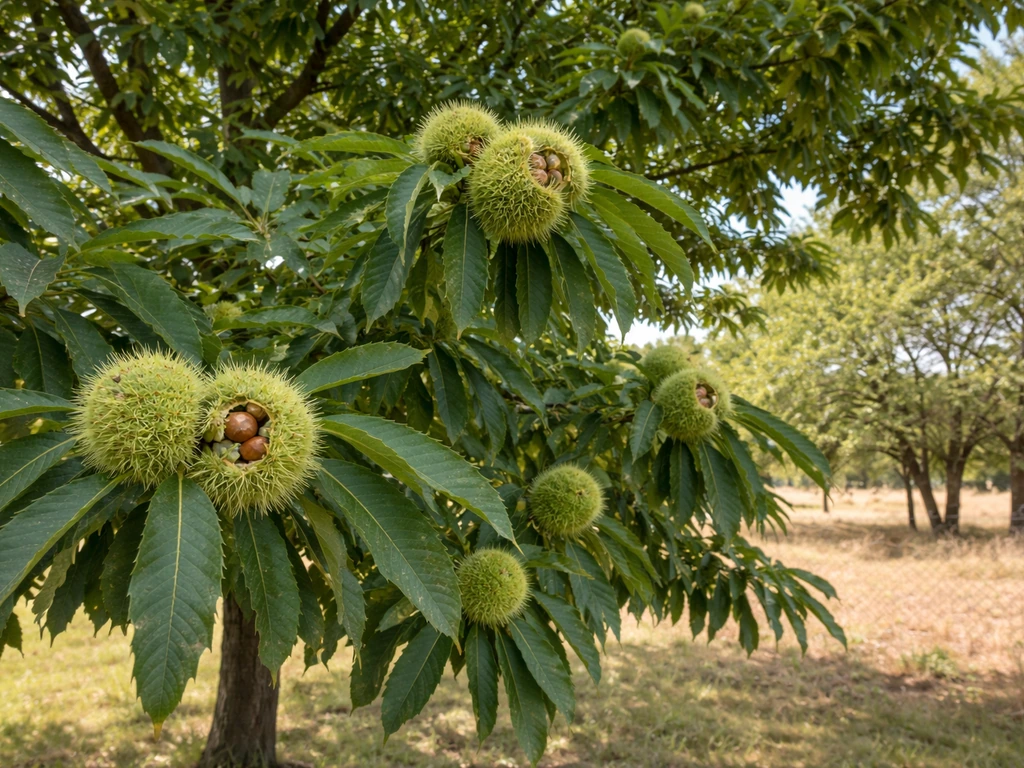
Most of Oklahoma falls into USDA zones 6a through 7b, which gives you enough winter chill for chestnuts while staying warm enough for good nut production. The eastern and northeastern parts of the state offer the best fit. Western Oklahoma gets tougher due to alkaline soils, drier conditions, and heat stress, but it's workable with extra effort.
What most people mean when they search 'chestnut trees in Oklahoma'
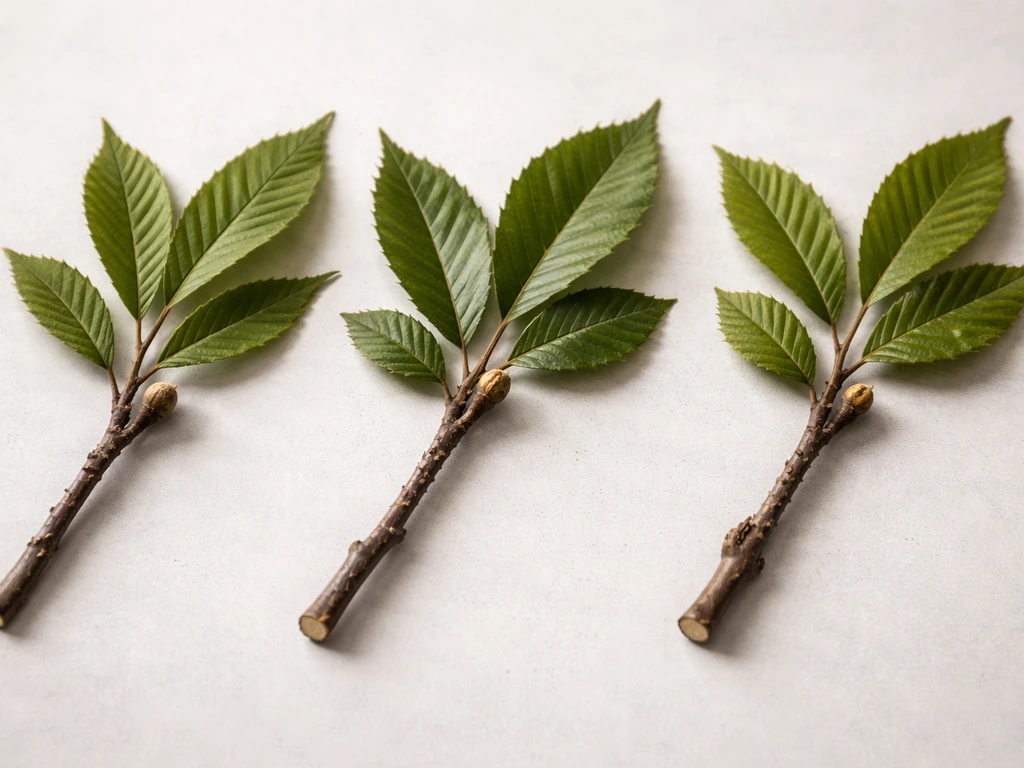
There are a few distinct trees that all go by 'chestnut,' and the distinction matters a lot for Oklahoma growers. The American chestnut (Castanea dentata) was once the dominant hardwood of eastern North America, but chestnut blight, caused by the fungus Cryphonectria parasitica, wiped out billions of trees in the early 20th century. Any straight American chestnut you plant today will almost certainly die from blight before it produces meaningfully.
Then there's Chinese chestnut (Castanea mollissima), which is naturally resistant to blight and the go-to for most home growers and small orchards across the South and Midwest. If you are also wondering, do chestnut trees grow in illinois, Chinese chestnut is the closest related option to look at because it is widely used for the South and Midwest where blight resistance helps. Japanese chestnut (Castanea crenata) is less common in the U. S.
but also carries good blight tolerance. Finally, there are hybrid cultivars, crosses between American and Chinese (or Japanese) chestnut, bred specifically for blight resistance combined with better nut quality or tree form. Most people searching this question are best served by Chinese chestnut or a well-tested hybrid.
The 'Clapper' hybrid is sometimes mentioned in chestnut breeding discussions as an early Chinese x American cross that showed promising form and slower blight progression, but it ultimately died from blight after roughly six years of infection. The American Chestnut Cooperators Foundation describes the “Clapper” hybrid’s history as having good form and growth, but dying in 1977 after about 6 years of blight, based on an Illinois USDA hybrid tree [died from blight after roughly six years of infection](https://accf-online. org/breed.
html). That story illustrates why 'blight-resistant' is a spectrum, not a binary, and why cultivar research from reputable programs matters before you plant. The American Chestnut Foundation's backcross breeding program continues developing advanced hybrids, and transgenic approaches like the Darling 58 line are in extended field trials.
For Oklahoma growers today, the most practical choice remains Chinese chestnut or a commercially available blight-resistant hybrid from a reputable nursery.
How Oklahoma's climate fits chestnut growing
Oklahoma spans USDA hardiness zones 6a in the panhandle and far northeastern corner to 7b in the south-central and southeastern parts of the state. Chinese chestnut is typically rated for zones 5 through 9, so the state is well within range on paper. The practical challenges come from Oklahoma's specific climate personality: hot, dry summers, occasional late spring frosts, and soil that ranges from productive eastern loams to alkaline western clay and sandy plains.
Oklahoma's average last spring freeze ranges from around March 21 in the south to April 20 in northern areas, with first fall freeze arriving between October 17 and November 15 depending on location. That frost window matters for chestnuts because they bloom in late spring, and a hard late frost can wipe out that year's flower set and nut crop.
Eastern Oklahoma, particularly the Ozark Plateau and Ouachita foothills, offers the most favorable microclimate: higher humidity, more acidic soils from weathered sandstone, better rainfall, and some topographic buffering against temperature swings. The Tulsa area and surrounding regions in the northeast are solid territory. Central Oklahoma (OKC corridor) can work but requires more attention to irrigation and soil amendment. Western Oklahoma is the hardest zone due to alkaline soils, wind, and summer heat that can stress young trees severely.
Microclimates to look for
- East-facing or north-facing slopes that reduce afternoon heat load in summer
- Lower elevations with access to natural moisture but not flood-prone bottomlands
- Areas with windbreaks to the west or north, which reduce desiccating winds in winter and hot blasts in summer
- Spots with naturally acidic, well-drained sandy loam or loam soils rather than heavy clay or high-pH soils
Species and cultivars most likely to succeed in Oklahoma
Chinese chestnut is the clear first recommendation for Oklahoma. It's blight-resistant by nature, handles Oklahoma's zone 6-7 winters without issue, and can tolerate more summer heat than American chestnut. Named cultivars of Chinese chestnut are worth seeking out over generic seedlings because they've been selected for nut size, production consistency, and form. Look for cultivars like 'Dunstan,' 'Qing,' 'AU-Homestead,' or others that have performed well in the mid-South and lower Midwest. The Dunstan chestnut, a Chinese-American hybrid developed in Florida, has shown good blight resistance and adaptability across a wide range of southeastern and south-central states, making it particularly relevant for Oklahoma.
If you want to experiment with American chestnut hybrids from the Foundation's backcross breeding program, understand that advanced-generation hybrids (15/16 American, 1/16 Chinese) with meaningful blight resistance are still largely in research and trial phases. For now, Chinese chestnut or a commercially proven hybrid is your most reliable path to actually eating chestnuts from your property. Japanese chestnut can also work in zones 6-7 and is worth considering if you find reputable nursery sources, though it's less widely available in the region.
| Species / Type | Blight Resistance | Oklahoma Zone Fit | Nut Quality | Availability |
|---|---|---|---|---|
| Chinese chestnut (Castanea mollissima) | High (natural) | Zones 5-9, excellent fit | Good to very good | Widely available |
| Dunstan hybrid (Chinese x American) | High | Zones 5-9, excellent fit | Very good | Moderate availability |
| Japanese chestnut (Castanea crenata) | High (natural) | Zones 5-8, good fit | Moderate | Limited availability |
| TACF backcross hybrids (advanced gen.) | Moderate to high (variable) | Zones 5-7, moderate fit | Very good | Research/trial stage |
| American chestnut (straight species) | None | Zones 4-8, climate fits | Excellent | Available but not recommended |
Planting basics: site, soil, spacing, and timing
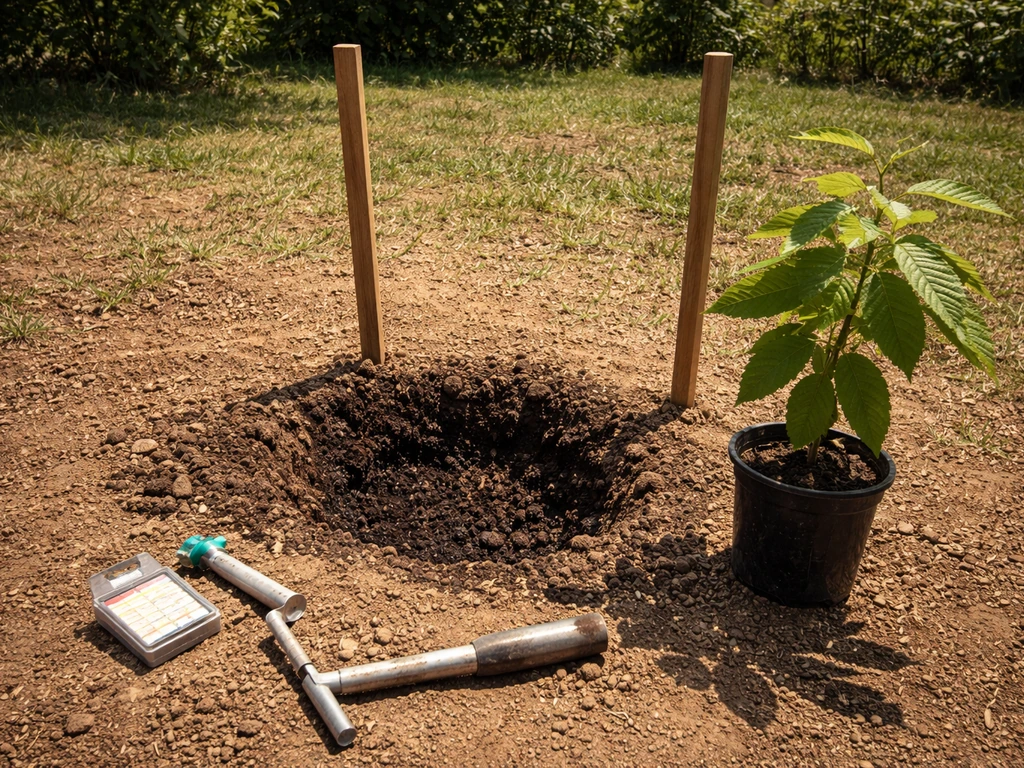
Site selection
Chestnuts need full sun, at least 6 to 8 hours of direct sunlight daily, to grow fast and flower productively. Don't compromise on this. A shaded spot will give you a slow, weak tree that takes longer to produce and is more susceptible to disease. Avoid low spots where water pools after heavy rain, as chestnuts are intolerant of standing water and root rot is a real risk. Good air circulation also helps reduce fungal pressure.
Soil and pH
Chestnuts strongly prefer slightly acidic soil, with a target pH of 4. 5 to 6. 5. This is one of the more challenging aspects of growing them in much of Oklahoma, where soils trend neutral to alkaline, particularly west of I-35.
Get a soil test before you plant, ideally through the OSU Extension soil testing service, so you know what you're working with. If pH is too high, work sulfur into the planting area well in advance and consider acidifying mulches like pine bark. In heavy Oklahoma clay soils, which is the norm for much of the state, Oklahoma State University Extension recommends planting trees and shrubs about 1 to 2 inches above grade to improve drainage around the root zone.
This is important for chestnuts because waterlogged clay is one of the fastest ways to lose a young tree.
Spacing and timing
For an orchard or multi-tree planting, space Chinese chestnut trees at least 30 to 40 feet apart to allow for full canopy development and air circulation. If space is tight, you can go closer (20-25 feet) but expect more competition and shading as trees mature. For pollination purposes (more on that below), you need at least two trees of different cultivars, so plan for a minimum of two planting spots.
The best planting time in Oklahoma is early spring, once the ground has thawed and you're past the hardest freezes but before the heat of late May sets in. Bare-root stock ships and establishes best in this window. Container-grown trees can go in from spring through early fall, but summer planting demands serious irrigation commitment.
Caring for your chestnut tree through establishment
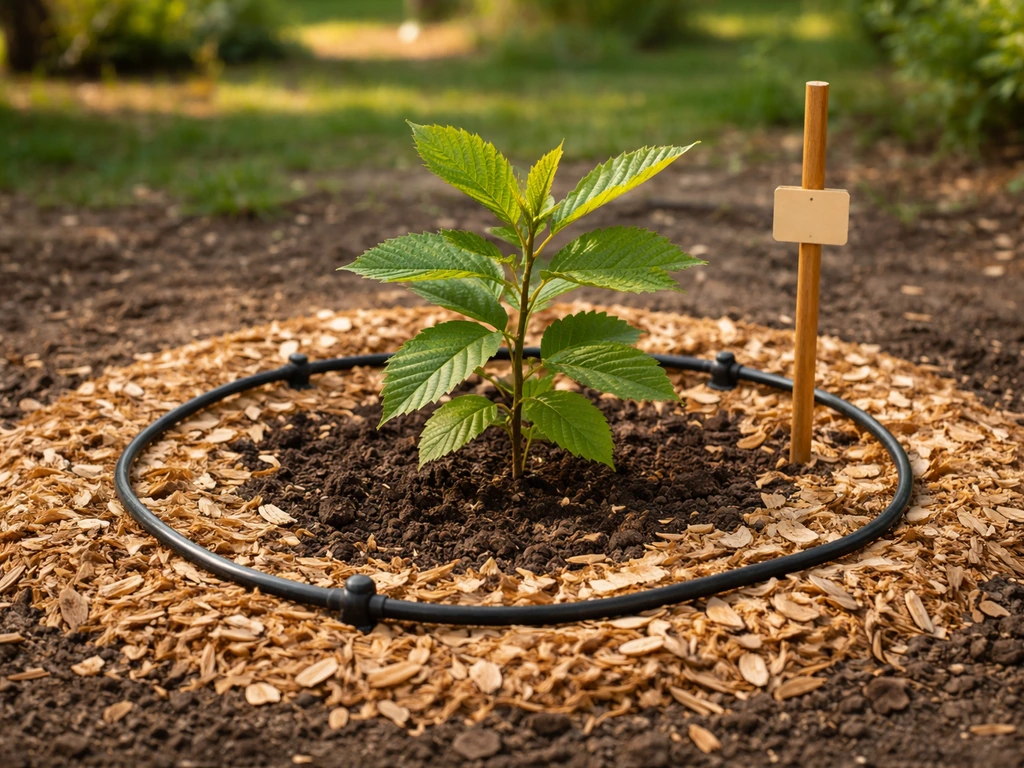
The first two to three years are the most critical, and most tree losses happen in year one or two from water stress. Oklahoma summers are brutal, with July and August heat that can desiccate a young chestnut's root system faster than you'd expect. Plan to water deeply once or twice a week during dry spells in the first two seasons, aiming for the root zone rather than the trunk. A deep, slow soak is far better than frequent shallow watering.
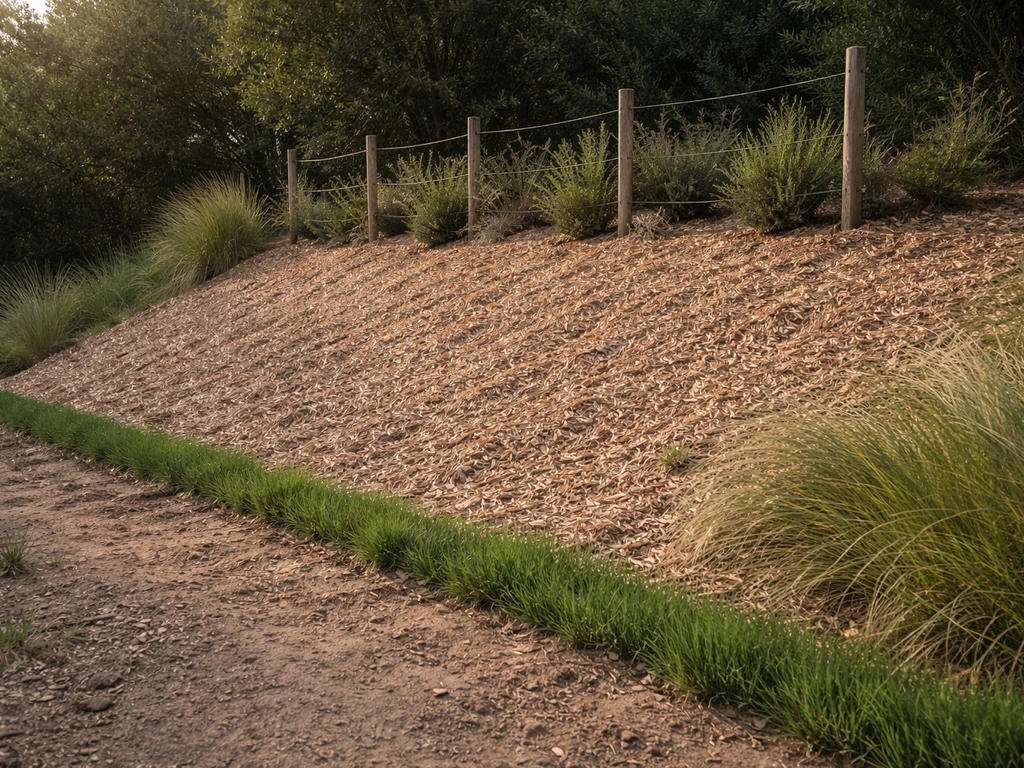
Mulch is your best friend here. Apply a 3 to 4 inch layer of wood chips or bark mulch in a wide ring around the tree, keeping it a few inches away from the trunk itself to prevent rot. Mulch conserves moisture, moderates soil temperature, and gradually acidifies the soil as it breaks down, which is a bonus for chestnut pH requirements.
For fertility, chestnuts are not heavy feeders and over-fertilizing, especially with nitrogen, can push lush leafy growth at the expense of root development and increase disease susceptibility. A light application of a balanced fertilizer or a product formulated for acid-loving trees in early spring is sufficient. Avoid fertilizing after mid-summer, as this can encourage late-season growth that gets damaged by early fall freezes. Pruning in the establishment phase should be minimal: remove dead or crossing branches and keep a clear central leader if the tree wants to fork low. Major structural pruning is best done in late winter while the tree is dormant.
Pollination and when to expect nuts
Chestnut trees are monoecious, meaning each tree produces both male (catkin) flowers and female flowers, but they're not reliably self-fertile. Most Chinese chestnut cultivars require cross-pollination from a different cultivar to produce a good nut crop. This means you need at least two trees, ideally of different named cultivars, within reasonable range of each other (within about 200 feet is ideal, though bees can carry pollen farther). Wind also plays a role in chestnut pollination, so don't plant your trees in a location with consistent wind blocks between them.
There's also a timing issue called dichogamy: chestnut trees release pollen and have receptive female flowers at slightly different times, and some cultivar pairings synchronize better than others. This is one reason buying named cultivars from a knowledgeable nursery beats planting random seedlings. Ask specifically whether the cultivars you're buying are known to be good pollinators for each other.
In terms of timeline, a grafted Chinese chestnut tree can start producing nuts in 3 to 5 years after planting. A seedling-grown tree typically takes 5 to 7 years or more. Don't expect a heavy crop in the first few bearing years, but production ramps up significantly once the tree is well established, often reaching meaningful harvests by year 6 to 10.
Seed vs. nursery tree: which route makes sense for Oklahoma
Growing from seed is possible and is how many growers start if they want specific genetics or are planting a larger number of trees economically. Fresh chestnut seeds (they cannot be allowed to dry out) need cold stratification of about 60 to 90 days in a moist medium at 33 to 40 degrees Fahrenheit before germination. You can plant stratified seeds directly in the ground in late fall and let winter do the stratification naturally, or start them indoors and transplant in spring. Germination rates from fresh, properly stored seed are reasonably good, but you'll lose some to mold or failure, and seedling genetics can vary considerably.
The honest trade-off: seeds are cheaper per tree and can work well for larger plantings, but you add 1 to 3 years to your timeline before first nuts, and you have less certainty about cultivar performance. For most Oklahoma home growers who want to know whether chestnuts will actually work on their property and want to eat nuts within a reasonable timeframe, buying a grafted named cultivar from a reputable nursery is the smarter starting point. Start with two grafted trees, get them established, see how your site performs, and then expand from seed or additional stock if you want more trees.
Common problems and how to handle them
Chestnut blight
Chestnut blight, caused by the fungus Cryphonectria parasitica, enters trees through wounds in the bark and forms orange-tan cankers that girdle and kill branches above the infection point. If you're growing Chinese chestnut or a well-bred hybrid, your tree has natural resistance that keeps the fungus from spreading aggressively through the tissue. You may still see occasional cankers on a Chinese chestnut, but the tree's resistance typically limits the damage.
The critical action is to never plant straight American chestnut in Oklahoma and to source trees from nurseries that clearly identify the species. If you see a suspicious canker on a resistant tree, cut it out well below the margin, sanitize your tools, and dispose of infected material away from your orchard.
Frost damage
Late spring frosts are a real threat in Oklahoma, particularly in the northern half of the state where the last freeze can occur as late as mid-April. Chestnuts leaf out and begin blooming in May, so truly severe late frosts are less of a flower-kill issue than with earlier-blooming trees like peaches. That said, a hard freeze in early May can damage new growth on young trees and set back establishment.
If you're in a frost-prone low spot, planting on a gentle slope where cold air drains away is a meaningful mitigation. Young trees in their first winter can also benefit from a ring of hardware cloth to prevent rodent damage at the base, which can look deceptively like frost injury.
Poor nut production
If your established tree isn't producing nuts, the most common culprits are: only one tree (no cross-pollination), poor cultivar pairing (pollination timing mismatch), too much shade, soil pH too high locking out nutrients, or the tree simply not being old enough yet. Walk through each of those possibilities systematically before assuming something is wrong with the tree itself. Soil testing and a second compatible cultivar solve most production problems.
Poor growth and dieback
Slow growth or tip dieback in Oklahoma is often a water stress problem in summer, a soil pH problem affecting nutrient uptake, or both. If your tree looks yellow and stunted, pH is the first thing to test and correct. If it's wilting or dropping leaves in July and August despite seemingly adequate rainfall, the root zone is drying out faster than you realize, especially in clay soils that can crack and shed water rather than absorb it. Deep watering and a robust mulch layer address this more reliably than any fertilizer application.
What to do today: your starting checklist
- Confirm your USDA hardiness zone using the USDA's interactive zone map, zoomed down to your specific property. Most of Oklahoma sits in zones 6a to 7b, which is appropriate for Chinese chestnut.
- Get a soil test, ideally through OSU Extension. You need to know your pH before you plant. Target 4.5 to 6.5; if you're above 7.0, plan to amend with sulfur and use acidifying mulch.
- Choose Chinese chestnut or a proven hybrid cultivar like Dunstan from a reputable nursery. Order two different cultivars for cross-pollination. Avoid straight American chestnut.
- Select the best site on your property: full sun, well-drained but not droughty, away from low frost pockets or standing water. If you have heavy clay, plan to plant 1 to 2 inches above grade.
- Plan your planting for early spring (March to early April in most of Oklahoma) when bare-root stock is available and establishment stress is lowest.
- Set up a deep watering plan for the first two to three summers. A drip line or soaker hose on a timer is worth the investment for Oklahoma's hot, dry periods.
- Apply a wide ring of wood chip mulch (3 to 4 inches deep, not touching the trunk) immediately after planting and replenish it annually.
- Set realistic expectations: grafted trees can begin producing in 3 to 5 years; seed-grown trees take 5 to 7 or more. Your first real harvests will likely come in years 6 to 10 as the tree matures.
Oklahoma is genuinely viable chestnut country, particularly in the eastern half of the state. If you're wondering about Louisiana conditions, the same core factors like species choice, soil pH, and frost timing will determine whether chestnuts can thrive there too will chestnut trees grow in louisiana. It's not effortless, and the site prep and species selection decisions you make before planting matter more than anything you do afterward.
Get those right and you'll have a productive chestnut tree that outlives you. Growers in neighboring states with similar conditions, including those in the mid-South and lower Midwest, have had consistent success with Chinese chestnut and Dunstan hybrids using essentially this same approach, which should give Oklahoma growers real confidence that this is worth doing.
In South Carolina, chestnut success also comes down to choosing blight-resistant Chinese chestnut or suitable hybrids and matching the site to the tree's needs neighboring states with similar conditions.
FAQ
What chestnut should I buy in Oklahoma if I want the best chance of actually getting nuts?
Choose a named Chinese chestnut cultivar or a commercially sold blight-resistant hybrid, and confirm the nursery labels the cultivar (not just “chestnut”). Named cultivars usually have more predictable nut set, and you can also ask which cultivars they recommend as good pollination partners for the one you want.
Can I plant just one chestnut tree and still get a crop?
Usually no. Many Chinese chestnut cultivars need cross-pollination from a different cultivar, so plan at least two trees. If you only have room for one, check whether the specific cultivar is known to produce well as a pollen donor and whether a second cultivar is available nearby (same property or a neighbor within roughly a couple hundred feet).
How close do two chestnut cultivars need to be for pollination to work?
Aim for about 200 feet if you can. Closer is better if there are wind issues or tall barriers, because chestnuts rely on both wind movement and bee activity for pollen transfer. Also try to avoid planting trees on opposite sides of a heavy fence line or dense woodland edge that blocks airflow.
Is it worth growing chestnuts from seed in Oklahoma?
It can work, but it extends the timeline. Expect about 5 to 7 years or more before meaningful nuts, and seedling genetics can vary so you may not get the nut quality or performance you hoped for. If you try seed, start with fresh seeds and accept that mold losses and uneven germination are part of the process.
What soil pH targets matter most, and how do I adjust it in alkaline Oklahoma soil?
Target slightly acidic soil (about 4.5 to 6.5). If your test shows high pH, amend before planting because it takes time for sulfur and organic amendments to shift soil chemistry. In addition to sulfur, acidifying mulches (for example, pine bark) can help over time around the root zone.
How do I improve drainage in heavy clay without harming the tree?
Planting slightly above grade (about 1 to 2 inches) helps keep the root zone from staying waterlogged. Also avoid low spots where rainwater pools, and maintain the mulch ring without piling mulch against the trunk, because prolonged moisture at the bark can increase disease risk.
What watering schedule actually works for young chestnuts in Oklahoma summers?
Water deeply once or twice per week during dry spells for the first two seasons, but judge by root-zone moisture rather than the calendar. A good approach is to soak slowly so water penetrates downward, then reassess after a couple days, since clay can shed water on the surface while deeper soil stays dry.
Why is my chestnut growing slowly or dying back at the tips in summer?
The most common causes are root-zone water stress and poor nutrient uptake due to high pH. If you see yellowing or stunting, test soil pH first before adding nitrogen. If you see wilting during July and August despite rainfall, improve deep watering and reinforce mulch, because drought stress can happen faster than you expect.
Should I fertilize chestnuts every year in Oklahoma?
Usually not heavily. Chestnuts prefer modest feeding, and too much especially nitrogen can encourage lush growth that is more vulnerable to early fall cold. Apply only a light, balanced (or acid-loving) fertilizer in early spring, then stop well before mid-summer.
What if my tree gets leaves but no nuts, even though I have a second tree?
Check cultivar compatibility and timing, because some pairings have poorer pollen synchronization. Also confirm the site has enough sun (at least 6 to 8 hours), since shade can reduce flowering. Finally, verify the trees are old enough, since nut production often becomes meaningful around years 6 to 10 even with good conditions.
How much pruning should I do the first couple years?
Keep pruning minimal during establishment. Remove dead or crossing branches and only address major structure issues, such as keeping a clear central leader if the tree tends to fork low. Save larger structural pruning for late winter while dormant to reduce stress.
How should I handle suspected chestnut blight on a resistant tree?
If you find cankers or girdling lesions, cut out infected tissue well below the visible margin and sanitize tools between cuts. Dispose of infected material away from your planting area to avoid spreading spores or contaminated debris through your orchard.
Will a late frost ruin my chestnut crop in Oklahoma?
Late frosts can damage flowers and also set back young growth. It matters most around early bloom and on young trees, so if you’re in a frost-prone low area, planting on a gentle slope where cold air drains can help. For young trees, a rodent barrier at the base (hardware cloth) protects bark from damage that can mimic frost injury.
What’s the quickest way to decide if chestnuts are right for my specific Oklahoma property?
Do three checks before buying trees: full sun for the site, a soil test for pH (especially if you’re west of I-35 or on alkaline clay), and a drainage inspection for ponding after heavy rain. If those align, Chinese chestnut or a proven hybrid is the most practical bet.