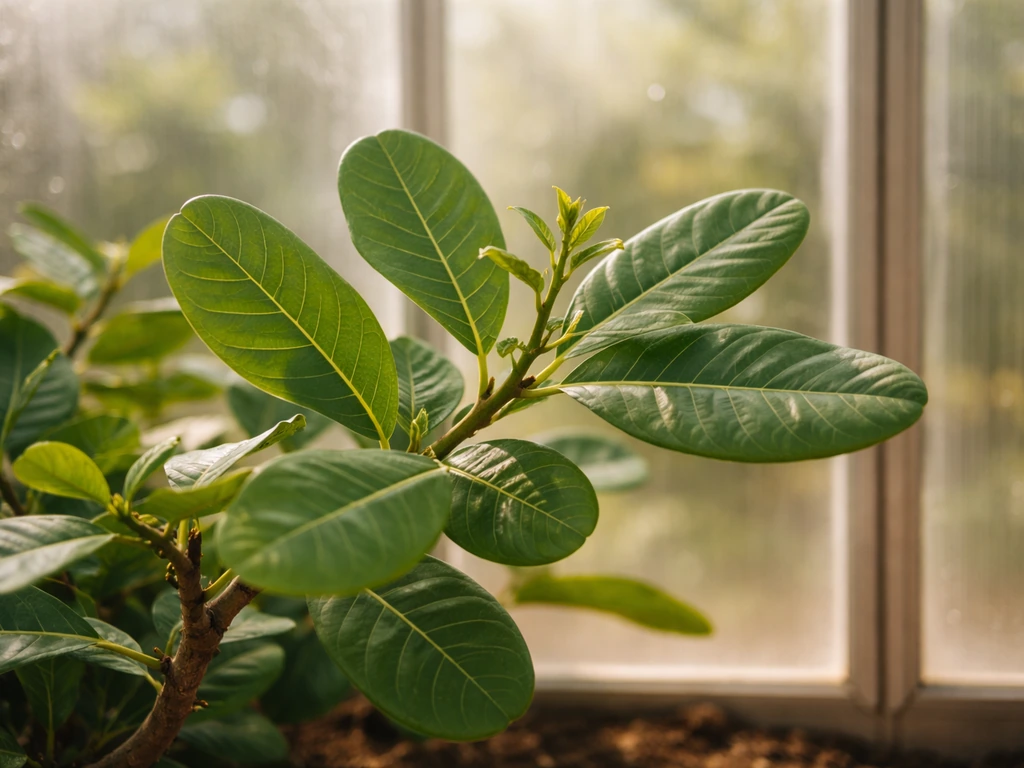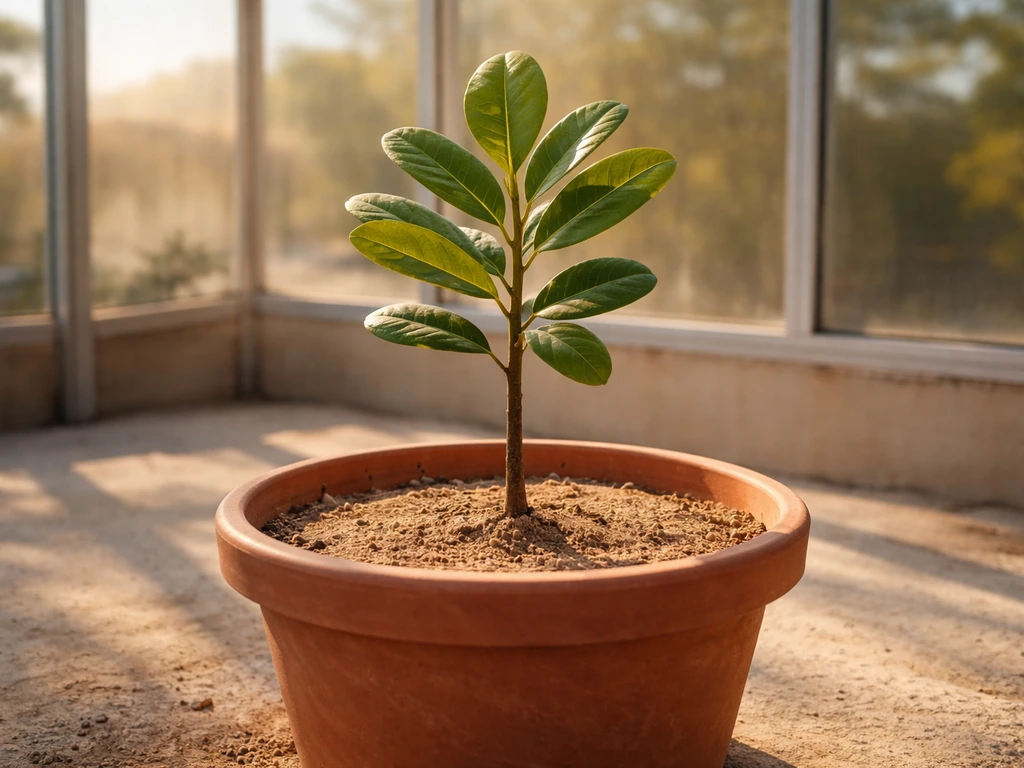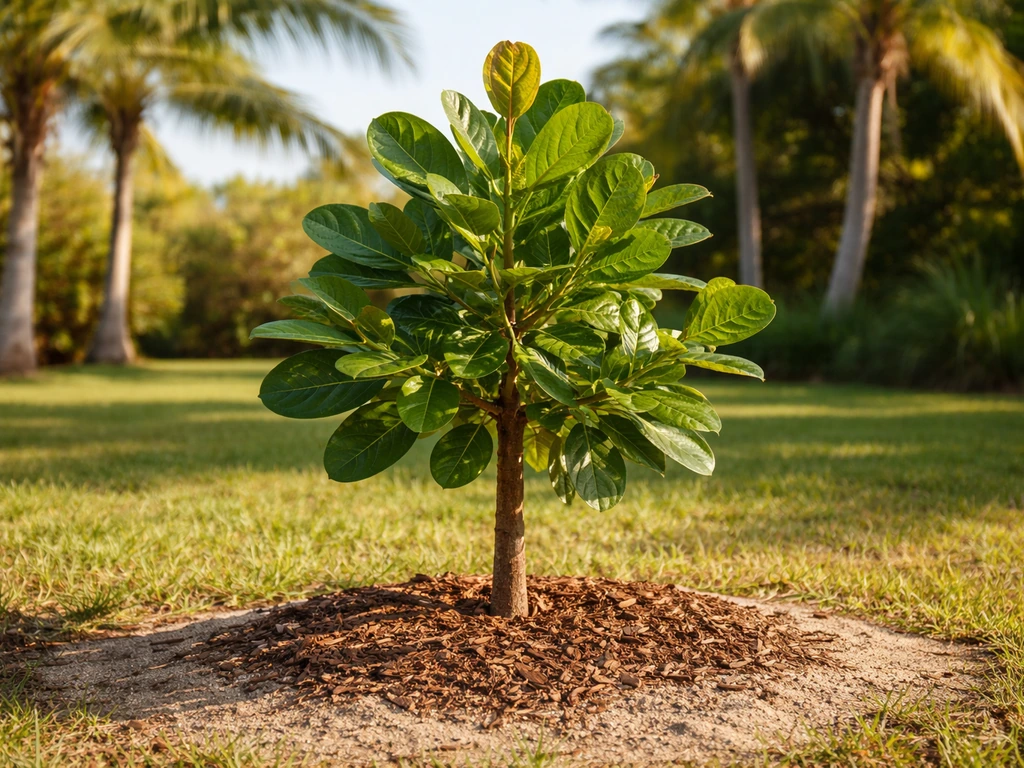
You can grow a cashew tree (Anacardium occidentale) indoors, but getting it to actually produce edible cashew nuts is a different story. As a foliage plant or a living experiment, yes, it works. As a nut-producing tree, indoors is almost never going to get you there unless you have a large, greenhouse-like space with serious heat, light, and the ability to simulate dry-season conditions. That's the honest baseline. Everything below is about making the most of what's possible and knowing when outdoor growing makes more sense than fighting biology.
Can You Grow Cashews Indoors? Complete Step-by-Step Guide
Marcus Hendricks
5 May 2026
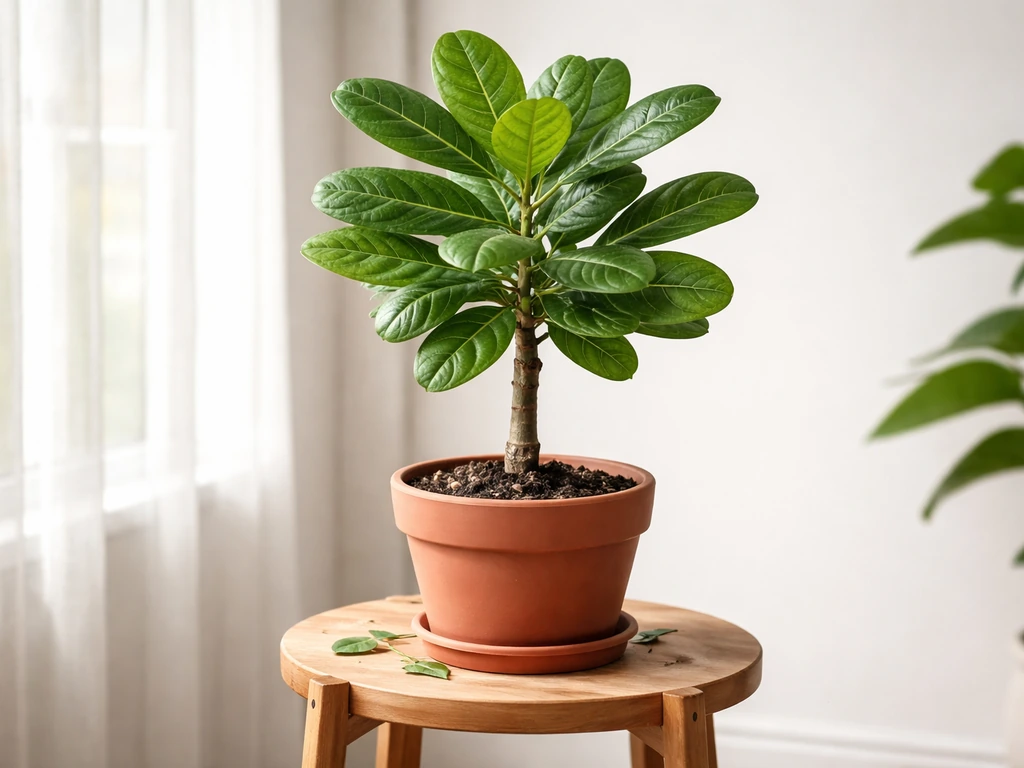
Is it actually possible to grow cashews indoors, and will you get nuts?
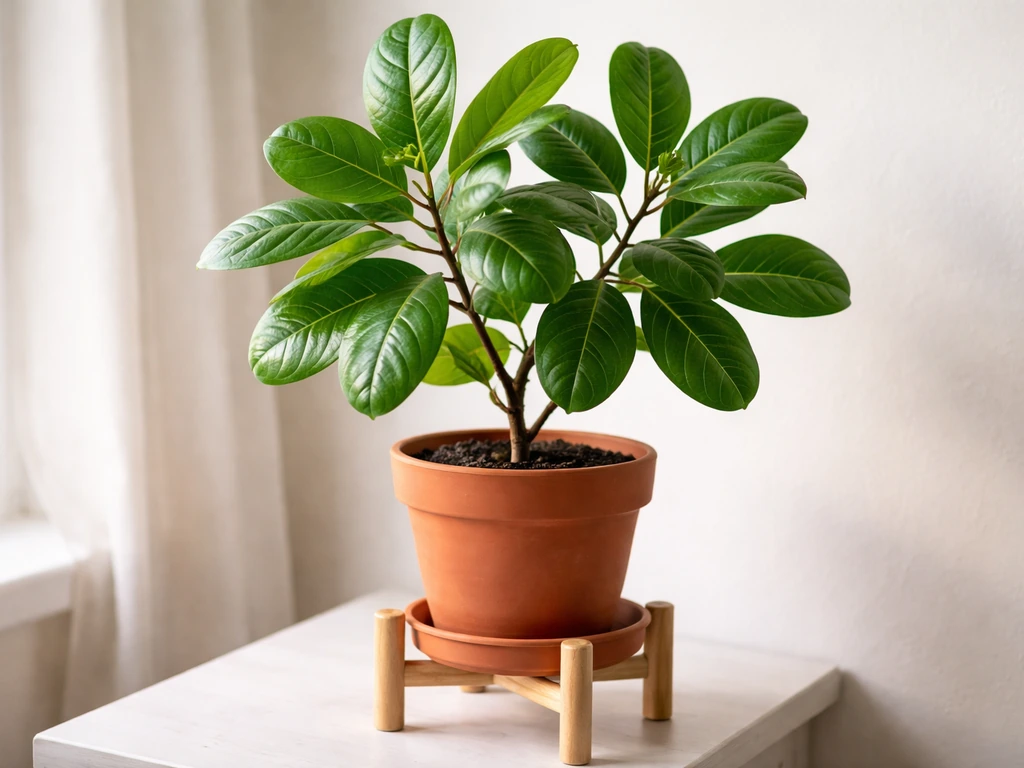
Technically, yes, you can sprout a cashew seed and grow the resulting tree in a container indoors. The plant is genuinely beautiful, with glossy leaves and an interesting growth habit, and many people keep young cashew trees as houseplants in colder climates. But if your goal is cashew nuts, the biology works hard against you.
Cashew trees flower on mature wood, and flowering is triggered by a distinct dry season followed by the return of warmth and moisture. A CSIRO publication notes that in North Queensland, [cashew flowering and fruiting](https://www. publish. csiro.
au/an/EA00158) coincides with the dry season (May, November). In their native range across tropical South America, and in commercial production zones across India, Brazil, and West Africa, trees flower heavily from around mid-January through May. That timing is governed by real outdoor seasonal shifts that a living room simply cannot replicate. Standard indoor environments lack the temperature swings, light intensity, and dry-rest period that push a cashew into flower.
So even a perfectly healthy indoor cashew tree may never bloom, and no blooms means no cashew apple and no nut.
The other constraint is size. A cashew tree in the ground in a suitable climate can reach 12 meters (about 40 feet). Dwarf varieties cap out closer to 6 meters, and dwarfs are your best bet for containers. Even so, the root system and canopy demands are significant.
A tree cramped in a pot that's too small will stay alive but won't have the energy reserves to initiate flowering and fruiting. Think of it this way: if you're in a climate like Florida, Texas, or Hawaii where outdoor conditions are suitable, planting outside will always outperform indoor growing.
If you're in Ohio, Michigan, Canada, or the UK, indoors (or a heated greenhouse) is your only realistic option, and you need to go in with realistic expectations about nuts.
What you need: cashew biology, expectations, and indoor space realities
Anacardium occidentale is a member of the Anacardiaceae family, which makes it a relative of mango and poison ivy. That latter connection matters: the shell of the raw cashew contains urushiol and anacardic acid, which are caustic and can cause serious skin reactions. This is why raw cashews in the shell are never sold commercially and why processing cashews involves high heat. If you do get your indoor tree to fruit, handle the shell with gloves.
Before you start, calibrate your expectations based on what you actually have available. Ask yourself these questions honestly: How much south-facing window space do you have, and can you supplement with grow lights? Can you dedicate a container that is at least 50 to 60 liters (roughly a 15-gallon pot) and eventually larger? Can your floor or plant stand handle a container that size?
Can you maintain indoor temperatures above 10°C (50°F) at all times, with daytime temps ideally between 24°C and 30°C (75°F to 86°F)? If the answer to most of those is yes, you can grow a healthy cashew tree indoors. In Canada, you can try the same indoor approach, but success usually depends on keeping temperatures warm and providing the dry rest period needed for flowering grow a healthy cashew tree indoors. If your goal is nuts specifically, add one more: do you have a space where you can simulate a 2 to 3 month dry, cooler rest period to trigger flowering?
- Dwarf cashew varieties (Anacardium occidentale var. nanum or named dwarf cultivars) are the only practical indoor option; standard varieties get far too large
- Minimum mature container size: 50 to 75 liters (15 to 20 gallons); larger is better for any chance of fruiting
- Minimum ceiling height you'll need eventually: 2.5 to 3 meters (8 to 10 feet) even for dwarfs, with pruning to control height
- Cashew trees can live for decades outdoors; indoors, they are often kept as long-term specimens but rarely reach full productive maturity
How to start: seed germination and choosing the right propagation method
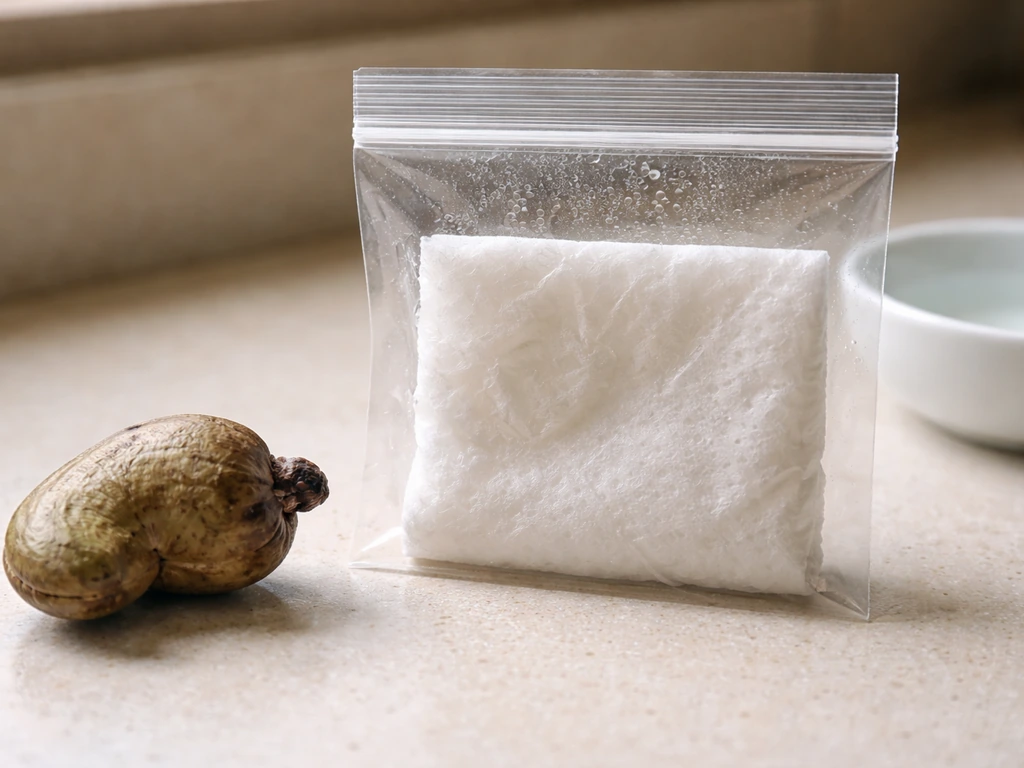
You have two realistic starting options: grow from seed (a raw, unprocessed cashew nut still in its shell) or source a grafted dwarf sapling from a specialist tropical plant nursery. If you want nuts with any reasonable timeline, a grafted dwarf sapling is the better choice because grafted trees can begin flowering in 3 to 4 years rather than the 5 to 8 years typical of seed-grown trees. Grafted trees also have more predictable traits. That said, sourcing grafted cashew saplings outside of tropical growing regions can be very difficult, so for many readers, seed germination is the practical starting point.
Starting from seed
To grow from seed, you need a raw cashew nut that has not been roasted, steamed, or processed in any way. The commercially sold "raw" cashews in grocery stores have almost always been heat-processed to remove the caustic shell liquid, which kills the seed. You need to source genuinely raw, unprocessed cashews in the shell from a specialty supplier or directly from a grower. This is the single biggest reason people fail at cashew germination before they even start.
- Source genuinely unprocessed cashew seeds in the shell from a reputable tropical seed supplier
- Wear gloves when handling the raw shell due to caustic oils; avoid touching your face
- Soak the seed (still in the shell) in room-temperature water for 12 to 24 hours to soften the shell and hydrate the seed
- Fill a small pot (10 to 15 cm diameter) with well-draining seedling mix: coarse sand, perlite, and a small amount of peat or coco coir works well
- Plant the seed about 2 to 3 cm (1 inch) deep, with the pointy end facing down if identifiable
- Keep the medium consistently moist but not waterlogged; cover with a clear plastic bag or humidity dome to maintain moisture
- Place in a warm spot with bottom heat if possible: soil temperature of 25°C to 30°C (77°F to 86°F) is ideal
- Germination typically takes 4 to 8 weeks; some seeds take up to 12 weeks, so don't give up early
- Once the seedling has 3 to 4 true leaves, begin transitioning to brighter light and reduce humidity dome time gradually
Germination rates for cashew seeds are variable and often disappointing for beginners. Starting 3 to 5 seeds at once is wise because even fresh seeds from a good source may have a germination rate of 50 to 70 percent under home conditions. If you see mold on the shell before germination, more on that in the troubleshooting section below.
Light, temperature, and humidity requirements for indoor cashew trees
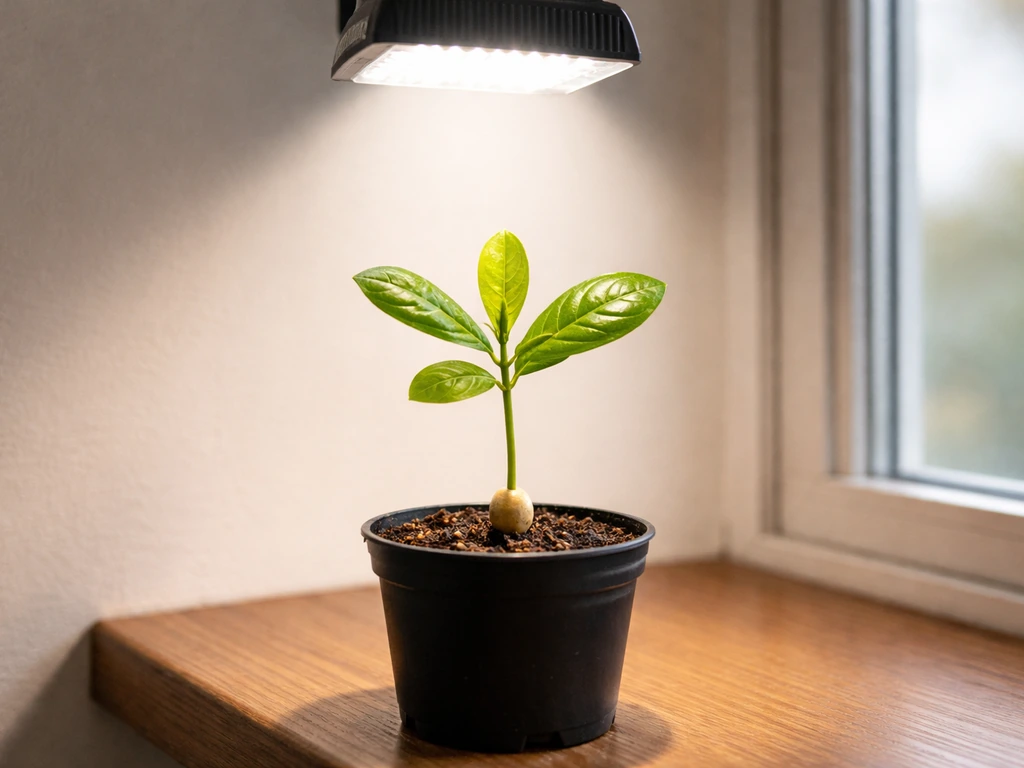
Light is where most indoor cashew growing attempts fall short. Cashew trees in their native environment receive full tropical sun, often 10 to 12 hours of direct, high-intensity light daily. A south-facing window in most temperate homes delivers a fraction of that, especially in winter months. If you are serious about growing a cashew tree that thrives rather than just survives, supplemental grow lighting is not optional, it's essential.
| Factor | Ideal Target | Minimum Acceptable | Notes |
|---|---|---|---|
| Light intensity | 40,000 to 60,000+ lux | 20,000 lux | Use full-spectrum LED grow lights if window light is insufficient |
| Daily light hours | 10 to 12 hours | 8 hours | Supplemental lighting can extend natural daylight |
| Daytime temperature | 24°C to 30°C (75°F to 86°F) | 21°C (70°F) | Growth slows significantly below 21°C |
| Night temperature | 18°C to 24°C (65°F to 75°F) | 10°C (50°F) | Temps below 10°C can cause leaf drop and dieback |
| Relative humidity | 50% to 70% | 40% | Below 40% causes leaf edge browning |
| Airflow | Gentle circulation | Avoid stagnant air | A small fan reduces fungal issues and strengthens stems |
Temperature is non-negotiable. Cashew trees are frost-intolerant; even a brief exposure to temperatures below 0°C (32°F) will kill a young tree outright and can severely damage mature specimens. Indoors, this is usually manageable, but cold drafts near windows in winter are worth watching. Keep your tree away from exterior walls that get cold and from heating vents that blast dry air directly on the foliage.
Humidity in the 50 to 70 percent range mimics the tropical conditions cashews prefer. Most centrally heated homes in winter drop to 30 to 40 percent humidity, which cashews tolerate but don't love. A pebble tray with water beneath the pot, regular misting, or a small humidifier nearby will all help. The payoff is healthier leaves and less stress on the plant overall.
Potting, soil mix, watering, feeding, and repotting schedule
Soil mix and container
Cashew trees are adapted to well-draining, low-fertility, often sandy soils in their native range. They are extremely sensitive to waterlogged roots and will develop root rot quickly in heavy, moisture-retentive potting mixes. A good indoor cashew mix is roughly: 40 percent coarse horticultural sand or perlite, 30 percent quality potting compost, 20 percent coco coir or peat, and 10 percent small gravel or pumice. This gives you fast drainage while still holding enough moisture and nutrients for growth. Avoid standard multipurpose compost on its own; it holds too much water.
For containers, always use pots with drainage holes, and don't sit the pot in standing water. Terra cotta pots are actually a good choice for cashews because they allow the soil to breathe and dry faster. Start a seedling in a 15 to 20 cm (6 to 8 inch) pot and size up by one pot size (roughly 5 cm larger in diameter) each time the tree becomes visibly root-bound, usually every 12 to 18 months in the early years. Your long-term goal is a container of at least 50 to 75 liters for a mature dwarf specimen.
Watering
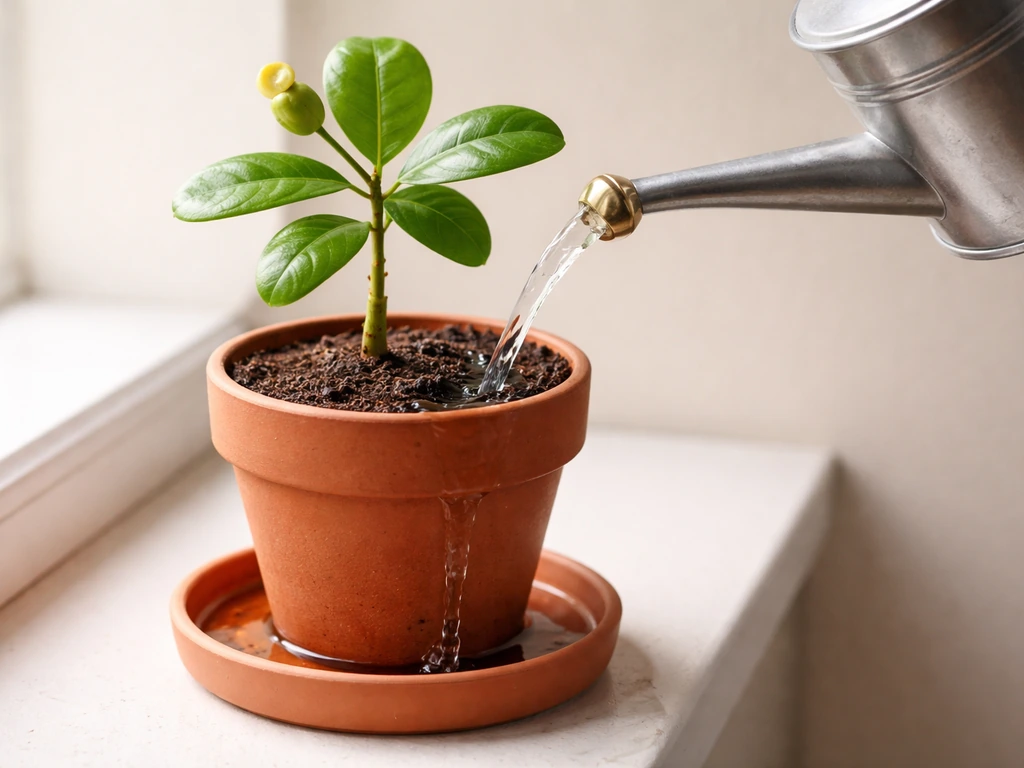
Water thoroughly when the top 3 to 5 cm (1 to 2 inches) of soil feels dry, then allow it to drain completely. In active growing season (spring and summer), this might mean watering every 5 to 7 days. In cooler or lower-light months, stretch that out to every 10 to 14 days. If you are attempting to induce flowering, reducing watering significantly for 6 to 8 weeks in late autumn or early winter can simulate the dry season cashew trees need to initiate flower buds. This is one of the few levers you actually have for encouraging blooms indoors.
Feeding
Feed with a balanced, slow-release fertilizer during the growing season, roughly March through September. A fertilizer with an NPK ratio around 10-10-10 or 8-3-9 (the latter favors potassium, which supports flowering and fruiting) works well. Apply every 4 to 6 weeks during the growing season and stop feeding entirely during the rest period if you are attempting to simulate dry-season conditions. Cashews in native soils are not heavy feeders, so overfeeding, especially with high-nitrogen fertilizers, will push lush leafy growth at the expense of flowers.
Repotting
Repot in spring before the main growth flush begins. Disturb the roots as little as possible; cashew trees do not love root disturbance and can sulk for several weeks after repotting. When moving to a larger container, use fresh potting mix but avoid washing or pruning roots unless you see clear signs of rot. After repotting, hold off on fertilizing for 4 to 6 weeks to let the root system settle.
Pruning, training, and getting healthy growth indoors
Left unpruned, a cashew tree grows as a spreading, sometimes irregular canopy. Indoors, you need to manage both height and spread deliberately. The good news is cashews respond well to pruning and will branch more densely when the growing tips are cut, which actually gives you more potential flowering sites on a mature tree.
For height control, pinch or cut back the main leader once the tree reaches about 60 to 90 cm (2 to 3 feet) tall to encourage lateral branching. Do this in early spring. Each time a branch extends past your target canopy boundary, cut it back to just above a leaf node. Prune with clean, sharp secateurs and wear gloves: the sap of cashew trees contains similar irritants to the shell and can cause contact dermatitis in sensitive individuals.
Training the structure early makes long-term management easier. Aim for an open-centered, multi-branched structure rather than a single tall stem. This mimics the natural spreading form of dwarf varieties and gives you a more manageable, attractive indoor tree. Remove any crossing, rubbing, or dead branches as you see them. Do all significant pruning in late winter or early spring, before the new growth flush, to minimize stress and avoid cutting off potential flowering wood.
Common problems and troubleshooting
No germination
The most common reason seeds fail to germinate is that they were processed, meaning they were heated to remove the shell toxins and the embryo was killed in the process. If your seeds came from a grocery store bag labeled "raw cashews," they almost certainly won't germinate. Source from a tropical seed specialist. The second most common issue is soil temperature: below 24°C (75°F), germination is very slow or fails entirely. Use a heat mat set to 28°C (82°F) to give seeds the best start.
Mold on the seed or soil
Surface mold during germination is common, especially with the humidity dome method. If you see white fuzzy mold on the shell or soil surface, improve airflow slightly by opening the dome for a few hours daily, reduce surface moisture by misting less, and dust the affected area lightly with powdered cinnamon, which has natural antifungal properties and won't harm the seed. If mold is heavy and persistent, remove the seed, rinse it gently, dust with a small amount of powdered sulfur fungicide, and repot in fresh, drier medium.
Yellow leaves
Yellow leaves on an indoor cashew usually point to one of three issues: overwatering (the most common culprit), low light, or a nitrogen deficiency. Check the soil first. If it's still wet more than 5 cm down when you water again, you're watering too frequently. If the soil seems fine and the plant is leggy and pale overall, move it to better light or add grow light hours. Yellowing of older (lower) leaves only, with new growth looking healthy, often just means the plant is naturally shedding old foliage and is not a problem.
Leggy, weak growth
Long, stretched stems with wide gaps between leaves is a clear sign of insufficient light. The plant is reaching for a light source it can't find. Move it closer to the window, or add a full-spectrum LED grow light positioned 20 to 40 cm above the canopy. Increase light hours gradually (by 1 to 2 hours per week) to avoid stress. Leggy growth won't reverse on existing stems, but new growth after improving light will be noticeably more compact.
Pests
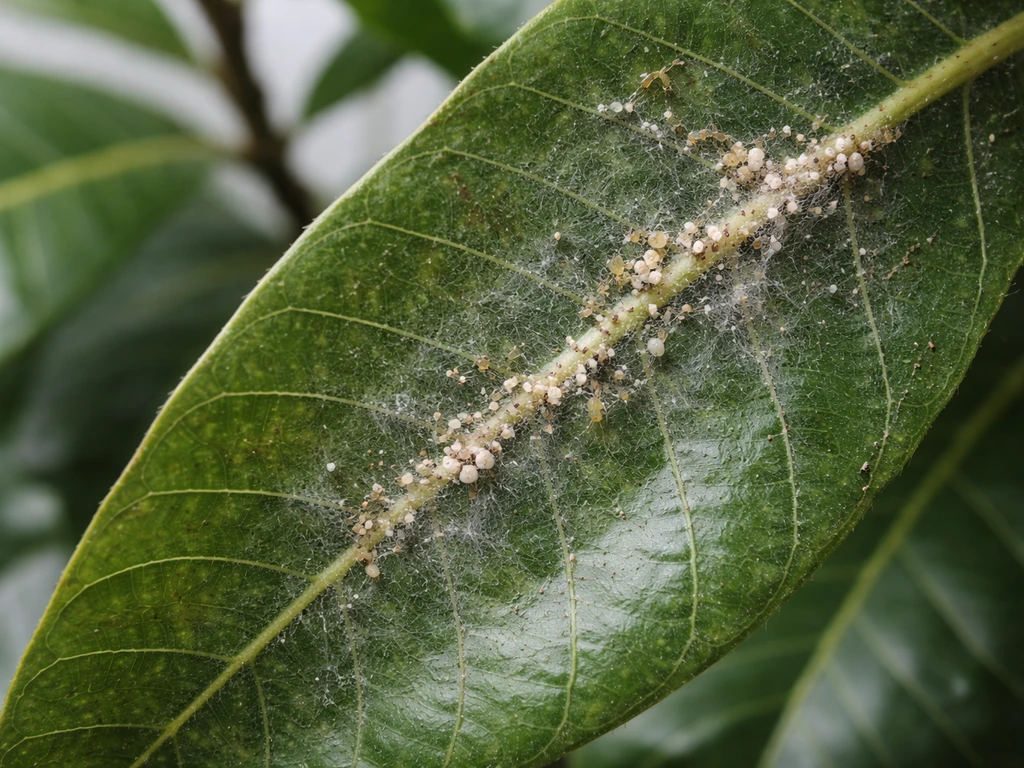
The most common pests on indoor cashew trees are spider mites (thriving in hot, dry conditions), scale insects, and mealybugs. Spider mites appear as fine webbing on the undersides of leaves with tiny pale stippling on the leaf surface. Treat with a strong spray of water to dislodge them, followed by neem oil spray (diluted as per product instructions) every 7 to 10 days for a month. Scale and mealybugs can be removed manually with a cotton swab dipped in isopropyl alcohol, followed by neem oil treatment. Keeping humidity above 50 percent significantly reduces spider mite risk.
No flowers or fruit
If your tree is mature (at least 4 to 5 years old from a grafted start, or 6 to 8 from seed) and still not flowering, the most likely causes are: insufficient light, no dry-season rest period, or overly consistent temperatures year-round. Try reducing watering significantly for 6 to 8 weeks in late autumn while also slightly reducing temperatures (to around 18°C to 20°C at night if possible) and cutting back or stopping fertilizer entirely. Then in late winter, resume normal watering and feeding and increase light hours. This mimics the dry-to-wet seasonal shift that triggers flowering in the wild. It's not guaranteed to work indoors, but it's the lever with the best odds.
Indoor growing vs. outdoor planting: making the right call for your situation
If you live somewhere with genuinely suitable outdoor conditions, growing cashews outside will always outperform an indoor container in terms of tree health, vigor, and any realistic chance of nut production. If you are wondering whether you can grow cashew nuts in the UK specifically, the key issue is whether you can replicate a tropical dry season and warm temperatures year-round can you grow cashew nuts in the UK.
If you are wondering can you grow cashews in Ohio outdoors, the answer is that indoor or a heated greenhouse is usually the only practical approach. Cashews need USDA hardiness zone 10b or warmer to thrive outdoors year-round, which covers parts of South Florida, Hawaii, and a narrow band of other warm coastal areas.
Readers curious about specific regional suitability will find that Texas and Canada, for example, present very different challenges, and even Florida requires the right microclimate to get consistent fruiting outdoors. Florida can work for cashews, but you still need a frost-free microclimate and the seasonal conditions they require to fruit consistently cashews in Florida. If you are wondering can you grow cashews in Canada, the answer usually comes down to whether you can recreate warm, frost-free conditions indoors or in a heated greenhouse.
For everyone else in temperate climates, indoors (or a heated greenhouse) is the only option. A heated greenhouse with supplemental lighting is genuinely the best shot at flowering and fruiting in a non-tropical climate. A standard indoor houseplant setup is realistic for growing a healthy, interesting tree but not for cashew production.
Your action plan: foliage tree vs. actual cashew nuts
Use the checklist below to decide on your next step based on what you actually want from this project.
| Your Goal | Best Starting Point | Key Success Factors |
|---|---|---|
| A living cashew tree as a houseplant | Sprout from raw unprocessed seed or buy a seedling | Adequate light, proper drainage, warm temps above 18°C |
| A cashew tree that might flower someday | Buy a grafted dwarf cultivar sapling | Greenhouse or intense grow lighting, dry-season rest simulation, large container |
| Actually harvesting cashew nuts indoors | Large heated greenhouse + grafted dwarf + grow lights | Seasonal dry rest, hand pollination, space for 2+ trees, significant patience (5+ years minimum) |
| Cashew nuts reliably | Plant outdoors in Zone 10b+ climate | Florida, Hawaii, or equivalent tropical/subtropical region |
Growing a cashew tree indoors is genuinely worth doing if you love the plant and enjoy the process. It's a striking, fast-growing tropical tree when conditions are right, and there's something satisfying about sprouting one from a raw seed. Just be honest with yourself about the nut goal: without the right space and the ability to simulate seasonal conditions, you're growing a beautiful ornamental, not a productive nut tree. That's still a worthwhile project, but it's a different one.
FAQ
Can I use the cashews labeled “raw” from grocery stores to grow a tree?
Usually not. Most grocery “raw” cashews have been heat-processed to make them safe, and that typically destroys the embryo. For germination, you need a truly unprocessed, raw cashew in the shell sourced from a tropical seed specialist or a direct grower.
How long should it take for cashew seeds to sprout indoors?
With fresh, viable seeds kept warm, expect sprouting in roughly 2 to 6 weeks, but home germination is variable. If you have no sprout after 6 to 8 weeks, it often indicates the seed was processed or was too cold, rather than a temporary delay.
What soil temperature is best for cashew germination and early growth?
Aim for about 28°C (82°F) for germination, since growth slows sharply below 24°C (75°F). Use a heat mat under the seed container, and keep the temperature stable, not cycling up and down with room drafts.
My germinating seed has fuzzy white mold on it, is it automatically a failure?
Not always. Light, superficial mold can sometimes be managed by improving airflow and reducing surface moisture. If mold spreads quickly, smells bad, or you see dark rot, remove the seed, rinse gently, and start over in fresh, drier medium to prevent the problem from taking hold.
Is bottom watering safer for preventing root rot in cashews?
Bottom watering can reduce splashing and keep moisture off the stem, but it still risks waterlogging if the mix stays wet too long. The real rule is drainage and drying, water only after the top 3 to 5 cm are dry, and never let the pot sit in standing water.
How much grow light is enough if my cashew is not getting a strong south-facing window?
If you cannot provide very bright, many-hours winter light, plan on full-spectrum LED supplemental lighting. A useful target is positioning the light about 20 to 40 cm above the canopy and increasing daily hours gradually by about 1 to 2 hours per week.
Will pruned branches still flower indoors, or do I cut off the fruiting wood?
Cashew flowering depends on mature wood, not just new shoots. If you do major pruning, do it in late winter or early spring, and avoid heavy trimming right before the plant would otherwise be forming flowering potential, because removing mature growth can delay flowering.
Can I force cashew nuts by watering less and changing temperatures?
You can improve odds, but you cannot guarantee nuts indoors. The key is replicating a dry rest phase long enough (often 2 to 3 months conceptually), with reduced watering and more stable temperatures, plus adequate light. Even then, many indoor trees stay ornamental without flowering.
How do I know if yellow leaves are from overwatering versus nutrient issues?
Check soil moisture first. If the potting mix stays wet deeper than about 5 cm after watering, overwatering is the likely cause. If the mix dries as expected and new growth is pale or growth is slow, then consider light deficiency or a mild nitrogen adjustment, since cashews are not heavy feeders.
What’s the safest way to handle a cashew shell if my tree fruits indoors?
Wear gloves when handling the shell, since the raw shell contains caustic compounds. Avoid skin contact and wash tools afterward. If you plan to open shells indoors, do it in a well-ventilated space and keep the material away from children and pets.
Why does my mature cashew never bloom even though I followed watering and feeding?
The most common reasons are insufficient light, no true dry-season rest period, or year-round temperature stability that fails to trigger the flowering cycle. Also verify age, because a seed-grown tree often needs significantly more time than a grafted dwarf to reach flowering capability.
What container size should I use to prevent stunting indoors?
Start small for drainage, but don’t keep it permanently undersized. Seedlings typically begin in about a 15 to 20 cm pot, then you size up gradually, with a long-term dwarf target around 50 to 75 liters. A cramped pot can keep the tree alive but reduce the energy it needs for flowering.