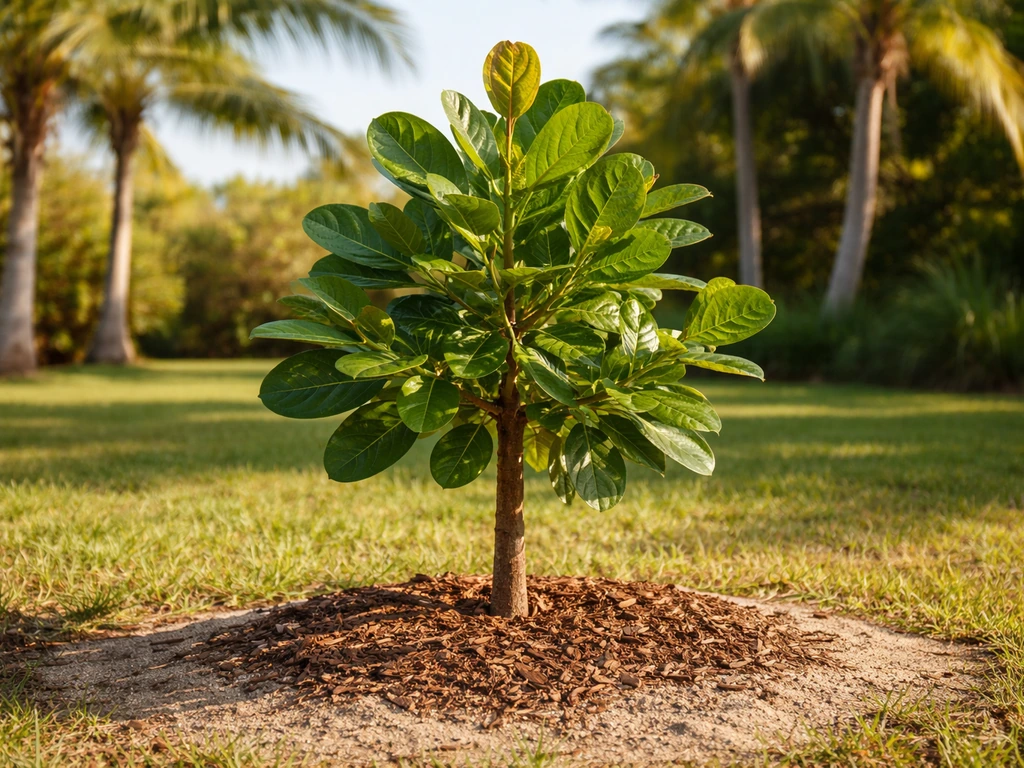
Yes, you can grow cashews in Florida, but only in the warmest parts of the state. UF/IFAS is pretty direct about this: cashews grow only in "very warm locations of extreme South Florida." That means if you're in Miami-Dade, Monroe, Broward, or the warmer coastal pockets of Palm Beach and Charlotte counties, you have a legitimate shot at an in-ground tree. If you're in Central or North Florida, you're looking at container growing with active winter protection, and your realistic ceiling is a novelty tree rather than a productive one.
Can You Grow Cashews in Florida? Step-by-Step Guide
Marcus Hendricks
14 Apr 2026
Which parts of Florida actually work
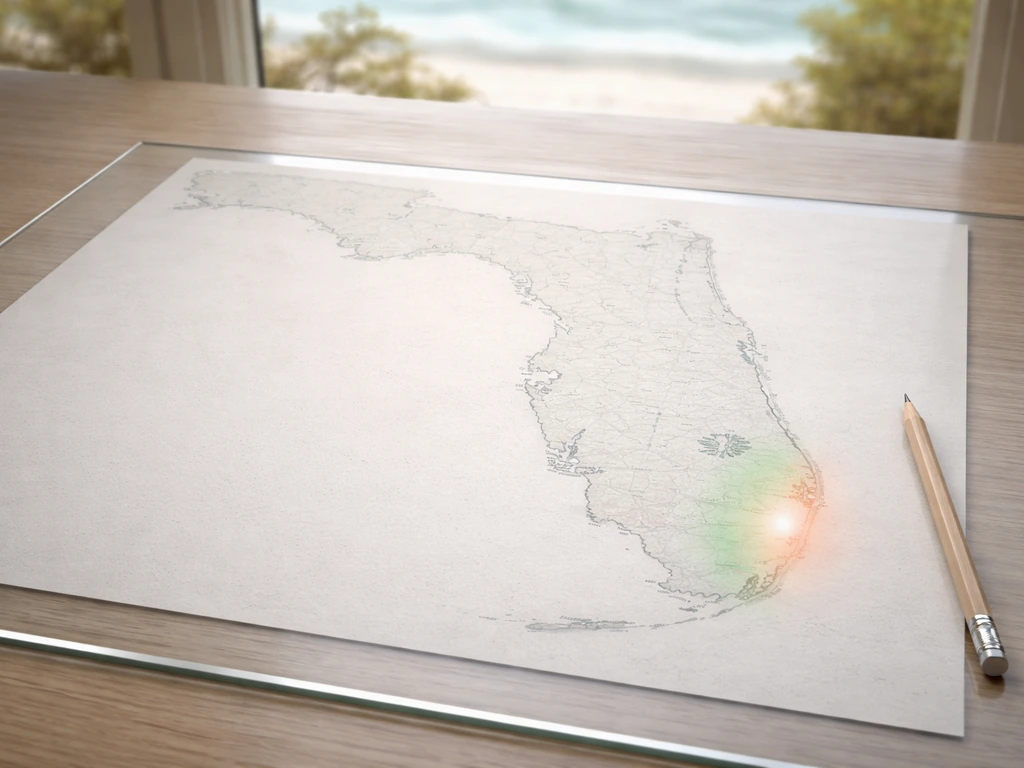
Historical horticultural records draw the practical outdoor line at roughly south of Palm Beach on the east coast and south of Punta Gorda on the west coast. Below that line, winters are warm enough often enough that an in-ground cashew can survive and eventually fruit. Above that line, the cold risk climbs sharply. The USDA Plant Hardiness Zone Map divides Florida into zones based on average annual extreme minimum temperatures, and cashews want to stay in zones 10b and 11, where lows rarely dip below 35 to 40°F. Fairchild Tropical Botanic Garden has confirmed that it is entirely feasible to grow, fruit, and enjoy cashews in South Florida, which is about as practical an endorsement as you'll find.
Microclimates matter a lot here. A protected coastal site in Fort Lauderdale, buffered by warm water and surrounded by thermal mass, will behave more like zone 11 than the surrounding average. An exposed inland site in the same county can drop 5 to 8°F colder on a clear, still night. Before you plant anything in the ground, watch your specific property through at least one winter. If you're wondering where you can grow cashews beyond Florida, the same warm-zone logic applies globally, which helps put Florida's position in perspective.
How Florida's climate lines up with what cashews need
Cashews (Anacardium occidentale) are native to northeastern Brazil and are best adapted to seasonally dry tropical climates. Their optimum temperature range is 63°F to 100°F with relative humidity in the 65 to 80% range. South Florida hits that humidity target easily, sometimes too easily during summer. The heat is generally fine until temperatures push above roughly 108°F (42°C) during active fruiting, at which point fruit drop becomes a real risk, but Florida rarely hits that threshold.
The real problem is cold. Cashews can handle a light frost briefly, but anything at or below 32°F causes leaf damage, and temperatures at 28°F or lower can kill branches or the whole tree outright. That's not a rare event in Central Florida or points north, where hard freezes happen multiple times a decade. Even in South Florida, an unusually cold winter can push lows into the low 30s. The tree does not have meaningful cold hardiness to fall back on. It has no dormancy mechanism to protect it the way an apple or pecan tree does. When it gets cold, it just gets hurt.
Florida also has a wet-dry seasonal pattern that can actually work in your favor. Cashews flower better after a prolonged dry period, and South Florida's dry season from roughly November through April lines up reasonably well with cashew's preferred flowering window. The challenge is that this dry season overlaps with the coolest months, so the tree is managing cold risk and trying to initiate flowering at the same time.
What the tree looks like and how fast it grows
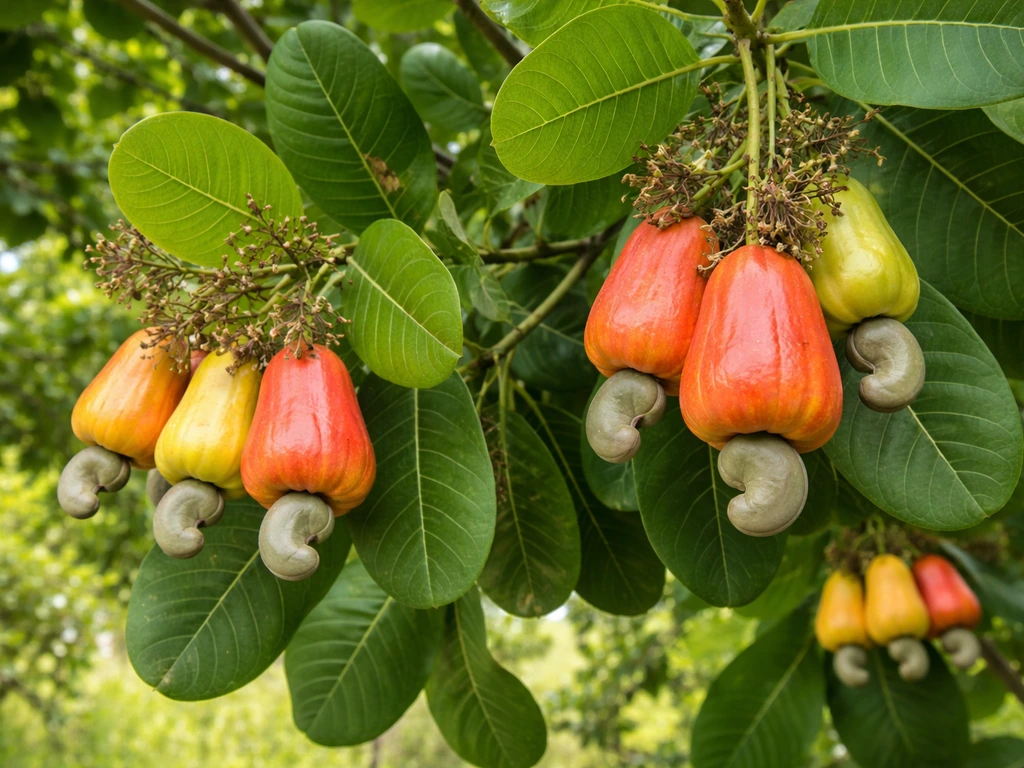
A standard cashew tree can eventually reach 30 to 40 feet, though most South Florida nurseries now stock dwarf selections that stay much smaller and, critically, begin flowering and fruiting in under two years. That's a big practical advantage. The dwarf types are far more manageable in a home landscape or large container, and the shorter timeline to first fruit keeps your patience intact.
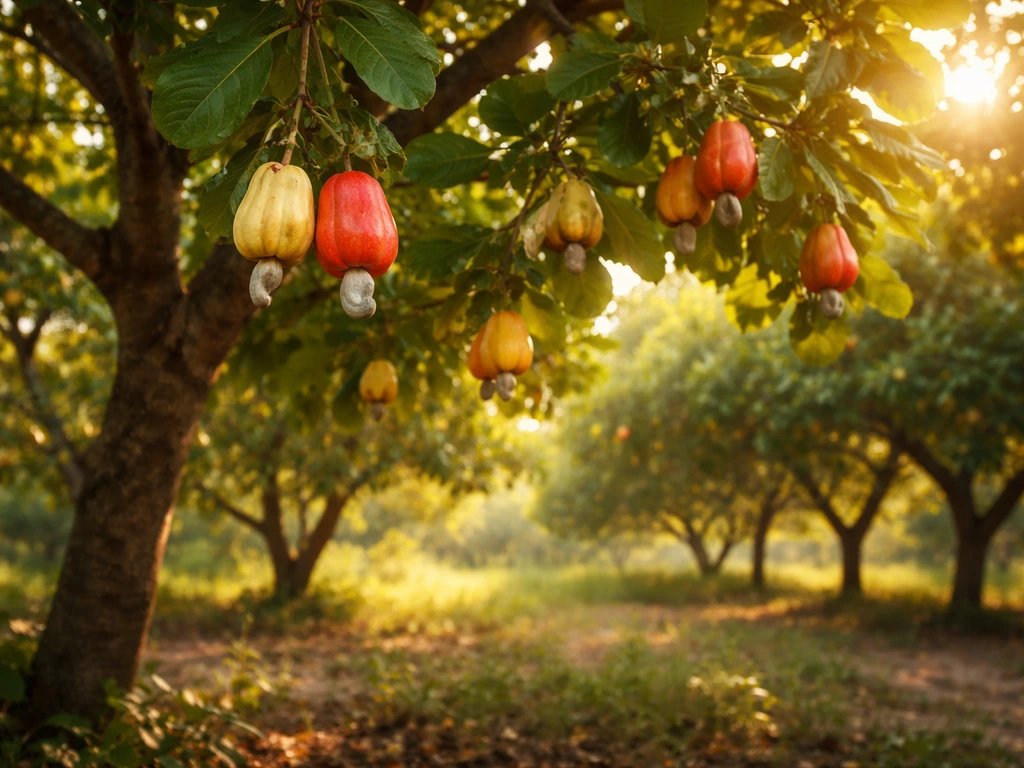
The fruit structure is worth understanding before you start. What most people picture as the cashew nut is actually the seed, attached to the outside bottom of a swollen, fleshy structure called the cashew apple (technically the pseudofruit or hypocarp, which develops from the swollen pedicel and receptacle). The actual nut hangs off the bottom of that apple like a small kidney-shaped appendage.
The hard shell surrounding the seed contains caustic oils, which is why commercially processed cashews require careful handling before they're edible. If you're harvesting your own, never crack the shell raw and directly handle the kernel without protective measures. The cashew apple itself is perfectly edible, and in Florida home landscapes, that's often the main thing growers actually eat. UF/IFAS even frames its Florida growing guide primarily around cashew apple production.
From flowering to harvest, expect about 2.5 to 3 months depending on temperatures. Flowering itself is protracted, meaning not all flowers open at once, so the fruiting season stretches out rather than peaking sharply. First anthesis typically occurs about five weeks after the initial flower buds appear.
Step-by-step: how to plant and grow cashews in Florida
Picking the right site
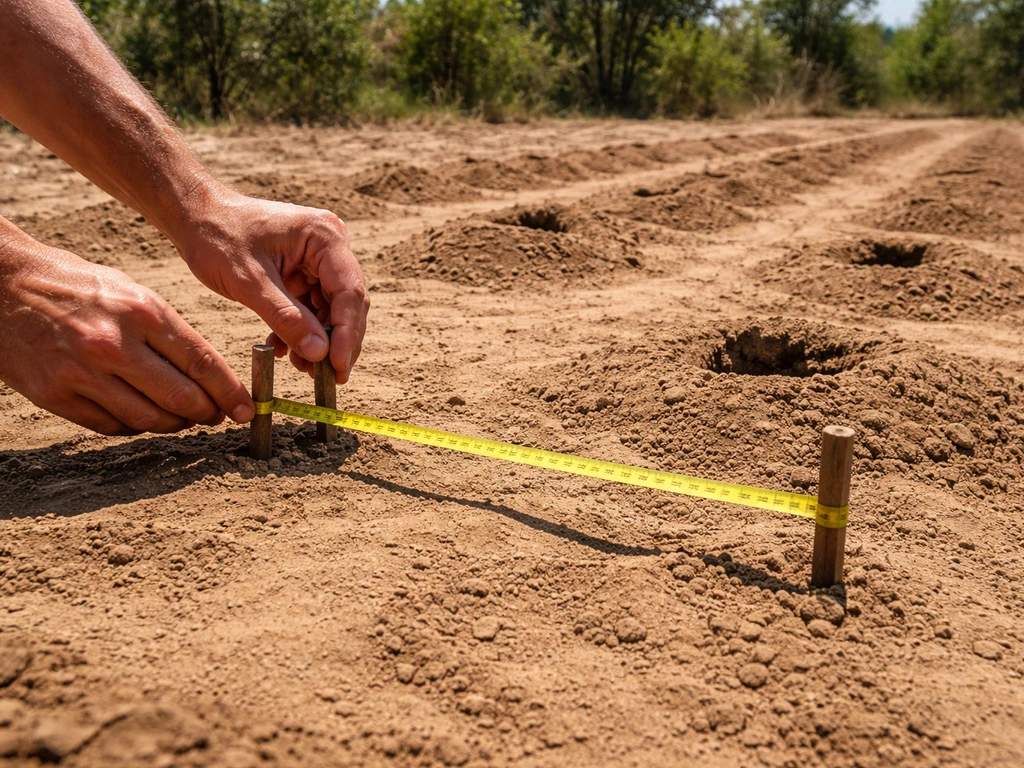
Full sun is non-negotiable. UF/IFAS is clear that cashews need full sun for best growth and fruit production, so any spot with partial shade will limit both. Beyond light, you want the warmest microclimate on your property: south-facing, near a wall or structure that absorbs heat, and away from low spots where cold air pools on still nights. Keep the tree at least 15 to 20 feet from buildings, utility lines, and other large trees to allow for canopy expansion. Florida's high water table is a recurring problem, so avoid any area that holds water after rain. Flooding stress will damage or kill roots even though the tree can handle surface-level drought.
Soil and pH
Cashews grow best in deep, well-drained sandy soils with a pH of 4.5 to 6.5. This is where South Florida gets complicated. Miami-Dade County sits on oolitic limestone, and those soils often run pH 7.4 to 8.5, well above what cashews prefer. At that alkalinity, the tree struggles to absorb iron, zinc, and manganese, which shows up as interveinal chlorosis and poor growth. If your soil is limestone-based, you'll need to acidify with sulfur applications, use chelated micronutrient products regularly, and accept that this is an ongoing management task rather than a one-time fix. Sandy soils in Broward or farther north are more forgiving on pH but also drain very fast, so moisture management becomes more important.
Planting
- Dig a hole two to three times the width of the root ball and no deeper than the root ball height. Cashews hate being planted too deep.
- Backfill with the native soil. Do not amend the planting hole with compost or enriched mix, as this creates a drainage boundary that traps water around roots.
- Apply a 3 to 4 inch layer of mulch in a wide ring around the tree, keeping it a few inches away from the trunk itself. Mulching helps retain moisture, moderates soil temperature, and reduces weed pressure near the trunk.
- Water in thoroughly after planting, then step back and let the soil dry slightly between waterings during establishment.
If you're starting from seed, the process is straightforward but slow, and germination rates vary. Growing a cashew tree from a cashew is doable, but for Florida growers who want to get to fruiting faster, buying an established dwarf grafted or cutting-grown plant from a local South Florida nursery is a much smarter starting point.
Watering
Cashews are genuinely drought tolerant once established, but production improves when the tree has adequate soil moisture during fruit set and development. For young trees in their first two or three years, water regularly to support root establishment. Once the tree is four or more years old, irrigation is only necessary during very prolonged dry spells in spring and summer. Overwatering a mature cashew in Florida's wet season is a real risk because the rainy season already delivers plenty of moisture, and the tree's roots sitting in saturated soil will suffer. Trust the tree's drought tolerance more than your instinct to water.
Fertilizing
There are no precisely dialed-in fertilizer recommendations specific to cashews in South Florida, but the tree does respond well to feeding. A balanced fertilizer program similar to what you'd use for other tropical fruit trees in South Florida, applied two to three times per year (spring, early summer, and early fall), is a reasonable starting point. On limestone soils, supplement with chelated iron, zinc, and manganese, since those micronutrients become unavailable at high pH regardless of how much you add to the soil in standard form. Watch the leaves: yellowing between the veins on newer growth is your signal to apply micronutrients.
Container growing vs. in-ground, and protecting against cold
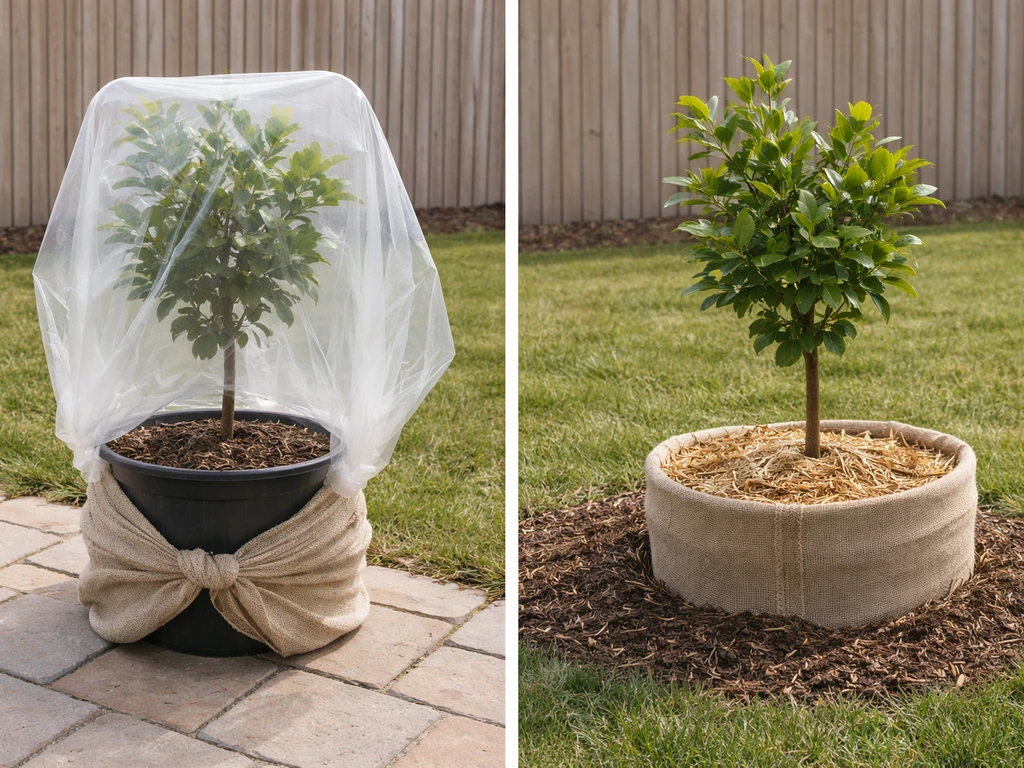
For anyone north of the reliable zone 10b line, container growing is the only realistic path to keeping a cashew alive through Florida winters. If you are wondering can you grow cashews in Michigan, plan on container growing and extra winter protection, because cold is the main limiting factor. It's also worth considering even in South Florida if you want maximum control over cold protection.
| Factor | In-Ground (South Florida) | Container (Any Florida) |
|---|---|---|
| Cold hardiness zone needed | Zone 10b–11 reliably | Any zone with indoor/covered storage |
| Tree size potential | Full or dwarf, 15–30+ ft | Dwarf varieties, kept pruned |
| Fruiting potential | Good with dwarf types | Possible but lower yield |
| Soil control | Limited by native soil pH | Full control of mix and pH |
| Winter protection effort | Frost cloth, heat lamps on cold nights | Move indoors or to covered structure |
| Long-term management | Lower once established | Ongoing repotting, watering precision |
| Best for | Miami-Dade, Monroe, southern Broward | Central Florida, zone 9b and colder |
For container growing, use a large pot (25 gallons or more for a mature dwarf tree) with excellent drainage. A mix of coarse sand, perlite, and a small amount of organic matter works well, targeting that 4.5 to 6.5 pH range. Water more carefully than you would in-ground, because containers lose moisture fast in summer heat but can also waterlog if drainage holes are inadequate.
For winter protection of in-ground trees in South Florida, keep these strategies ready when cold fronts are forecast:
- Cover young trees with frost cloth or old bedsheets when temperatures are expected below 40°F. Remove covers during the day to avoid overheating.
- String outdoor-rated incandescent (not LED) lights through the canopy for supplemental heat on freezing nights.
- Water the soil the day before a freeze arrives. Moist soil holds and releases heat better than dry soil overnight.
- Bank mulch slightly deeper around the root zone in winter, without touching the trunk, to insulate roots.
- If a freeze does damage the canopy, do not prune immediately. Wait until new growth shows you where the live wood ends, which can take several weeks after the freeze.
For context, trying to grow cashews outdoors year-round in states like Ohio or Michigan is not realistic at all. Growing cashews in Ohio faces far more severe cold barriers than even Central Florida does, which helps illustrate why South Florida's climate is the practical domestic limit. Similarly, growing cashews in Canada outdoors is essentially not feasible, which is why Florida's warm tip is genuinely one of the few places in the continental US where this crop can work.
If you're committed to container growing no matter where you live in Florida, the indoor option is worth understanding fully. Growing cashews indoors requires a warm, very bright environment and has real limitations on fruiting, but it keeps the tree alive through winters that would otherwise kill it.
Pollination, fruiting, and what to realistically expect
Cashew trees are pollinated primarily by insects, especially bees and other pollinators. A single tree can self-pollinate to some degree, but having more than one tree in proximity tends to improve fruit set. In South Florida's active pollinator environment, this usually isn't a major limiting factor.
On realistic yields: don't expect commercial-scale nut production. Florida home landscape cashews, especially dwarf selections, will produce modest quantities of cashew apples with nuts attached. The UF/IFAS framing is telling here. Their guide focuses on the cashew apple as the product, not the nut, because the apple is what you can easily harvest and eat at home. Processing the nut yourself is possible but requires careful handling of the caustic shell oil. Most Florida home growers end up eating the apple fresh and either leaving the nut or attempting small-batch processing with proper protective gear.
Dwarf selections from South Florida nurseries, as noted by Fairchild Tropical Botanic Garden, can begin flowering and fruiting in under two years. Standard seedling trees take longer to reach bearing age, sometimes four to six years. The dry season trigger for flowering aligns reasonably well with South Florida winters, so expect the main flowering push from roughly December through March, with harvest following two to three months later in spring.
Troubleshooting common Florida cashew problems
Freeze damage
Leaf scorch and dieback after cold are the most common issues Florida growers face. Leaves turn brown and drop; stems die back from the tips. The key mistake is aggressive pruning right after a freeze. Wait. New growth will emerge from wherever living tissue remains, and that tells you exactly where to cut. Pruning too early removes potentially viable wood and stresses the tree further.
Nutrient deficiencies
As covered earlier, iron, zinc, and manganese deficiency are the big three on Miami-Dade's limestone soils. Yellowing between the veins (interveinal chlorosis) on young leaves signals iron or manganese deficiency. Zinc deficiency often shows as small, distorted leaves. Treat with chelated forms of these nutrients applied as foliar sprays or soil drenches. Standard sulfate forms of these minerals tie up quickly at high pH and become unavailable to the tree.
Overwatering and root rot
In Florida's summer rainy season, it's easy to over-irrigate or site a tree where water accumulates. Wilting, yellowing, and premature leaf drop during wet periods often point to root stress from waterlogging rather than drought. If your site floods even briefly after heavy rain, the tree will struggle. Raised planting mounds can help in marginal drainage situations.
Mechanical trunk injury
UF/IFAS specifically flags lawnmower and weed eater damage as a real issue for cashew trees in Florida landscapes. The bark is not especially tough, and repeated nicking from lawn equipment creates entry points for disease and disrupts the vascular tissue. Keep a wide mulch ring around the base so equipment never gets close to the trunk. This is a simple fix that prevents a lot of long-term problems.
Pests and diseases
In Florida, the most common pest pressure on cashews includes thrips (which can damage flowers and young fruit), mites during dry periods, and various scale insects. Anthracnose, a fungal disease favored by warm humid conditions, can affect leaves and fruit. South Florida's combination of heat and humidity during the wet season creates ideal conditions for fungal issues, so good airflow through the canopy (achieved through light pruning) and avoiding overhead irrigation help reduce disease pressure. If you notice dark, sunken spots on developing fruit or flowers that die without setting, anthracnose is the likely culprit and copper-based fungicides are the standard treatment.
How Florida compares to other warm US climates
Florida's extreme south is genuinely one of the best domestic locations for cashews in the continental US. Growing cashews in Texas is possible in the Rio Grande Valley and a few other far-south pockets, but cold fronts push deeper and harder into Texas than they do into South Florida's coastal tip. The UK and most of Europe face even greater constraints. Growing cashew nuts in the UK outdoors is essentially off the table. Growing cashews in Michigan faces winters that are simply incompatible with cashew survival, even in containers moved outdoors in summer. That context makes South Florida's potential genuinely special even if it's geographically narrow.
Your next steps right now
If you're in South Florida (Miami-Dade, Monroe, or warmer parts of Broward and Palm Beach), here's what to do today to evaluate your site and get started:
- Check your USDA hardiness zone specifically for your address, not your city. Look up your ZIP code on the USDA Plant Hardiness Zone Map. You want to be in zone 10b or 11.
- Walk your property and identify the warmest microclimate: south-facing, near a wall, away from low-lying areas. That's your candidate planting spot.
- Test your soil pH with an inexpensive probe or send a sample to your county extension office. If you're on limestone and showing pH above 7, plan for ongoing chelated micronutrient management before you even plant.
- Contact a South Florida tropical plant nursery about dwarf cashew selections. Fairchild Tropical Botanic Garden's shop or Redland-area nurseries are good starting points. Dwarf grafted trees get you to fruiting far faster than seedlings.
- If you're in Central Florida or north of the zone 10b line, research container growing seriously. Large containers, a dwarf variety, and a plan to move the tree under cover during cold fronts are your minimum requirements.
- Read up on cashew apple harvest and nut processing before your tree fruits. Knowing what to expect from both the apple and the shell oil will save you unpleasant surprises at harvest time.
The honest summary: South Florida is legitimately good cashew territory. Fairchild Tropical Botanic Garden says it is feasible to grow, fruit, and enjoy cashews in South Florida. It's not easy, but it's real. The limiting factors are cold events, soil chemistry on limestone, and site drainage. Get those three things right and you have a tree that can fruit reliably and give you one of the more unusual tropical fruits you'll grow in a Florida home landscape.
FAQ
Can you grow cashews in Florida outdoors all year without protection?
In-ground year-round outdoor growing is only realistic in extreme South Florida. Even there, keep a cold plan for unusually warm winters that suddenly turn, because brief lows in the low 30s can cause dieback, and you will want materials ready before a forecasted cold front arrives.
What’s the biggest reason cashew trees fail in Florida, cold or waterlogging?
Both matter, but waterlogging is a common killer in South Florida because it overlaps with the wet season. If the area floods or stays soggy after rain, roots can be damaged even if temperatures are warm, so drainage and planting height are as important as winter cold protection.
If I’m in Miami-Dade, do I still need to test my soil pH?
Yes. Miami-Dade limestone can be highly alkaline, but the exact pH and the availability of iron, zinc, and manganese vary by yard. A soil test helps you decide whether you can rely on chelated micronutrients alone or whether sulfur acidification and repeated supplementation are necessary.
Will cashew trees grow in partial shade or near lawns and fences?
Partial shade usually reduces flowering and fruiting, so aim for full sun. Also avoid tight spots near fences or dense hedges, because cashews need space for canopy spread, and the shade you create can increase disease risk by limiting airflow.
Should I plant cashews in the ground or start with a container in South Florida?
If your yard drains poorly or you have concerns about cold microclimate, a large container (25 gallons or more for a dwarf) gives you more control over both cold protection and soil conditions. If your site is ideal, in-ground planting is typically better for long-term root health and less day-to-day management.
How often should I water a cashew in Florida if there’s frequent rain?
For young trees, water consistently during root establishment, then ease off once the rainy season is reliable. For mature trees, avoid routine watering during wet months, because saturated soil is more harmful than brief drought, even though cashews are drought tolerant.
Can I grow cashews from a store-bought “cashew nut”?
Not reliably. The nuts sold for eating are typically roasted, salted, or otherwise processed, which prevents germination. If you want seed propagation, you need viable, unprocessed seed, and expect slower progress and later fruiting than buying a grafted or cutting-grown dwarf plant.
Do cashew apples mean the tree is producing edible cashew fruit in Florida?
Not automatically. The cashew apple develops, but the nut kernel depends on successful fruit set and development, which is influenced by cold exposure, flowering timing, and overall tree health. If you see apples but few nuts, check micronutrients, avoid cold stress during the transition into flowering, and ensure full sun.
How do I handle pruning after a cold snap?
Wait before pruning. Let new growth emerge so you can identify living tissue, then prune back to that point. Pruning immediately after a freeze can remove wood that would have recovered, increasing dieback.
What pests should I watch for on cashews in Florida?
Thrips are especially important to monitor because they can damage flowers and young fruit, and mites can flare during dry stretches. Regular visual checks on new growth help you intervene early before flower and fruit set is affected.
What disease signs suggest anthracnose on cashew fruit or flowers?
Look for dark, sunken spots on developing fruit, or flowers that die without setting. These symptoms are more likely when warm, humid weather persists, and improving airflow and reducing overhead wetting are helpful alongside treatment if needed.
Can I expect cashew nuts to be produced like commercially sold cashews?
Usually not in a Florida home landscape. You should expect modest yields, especially from dwarf trees, and remember the shell contains caustic oils. Many home growers focus on eating the cashew apple and leave the nut unprocessed unless they use proper protective handling.