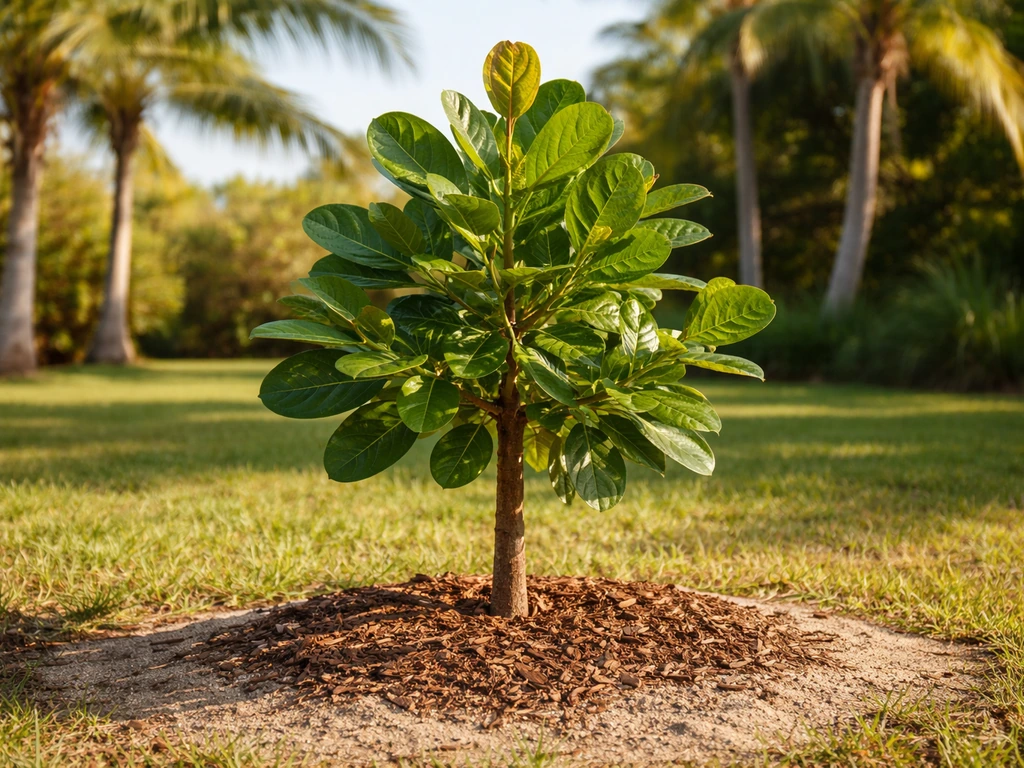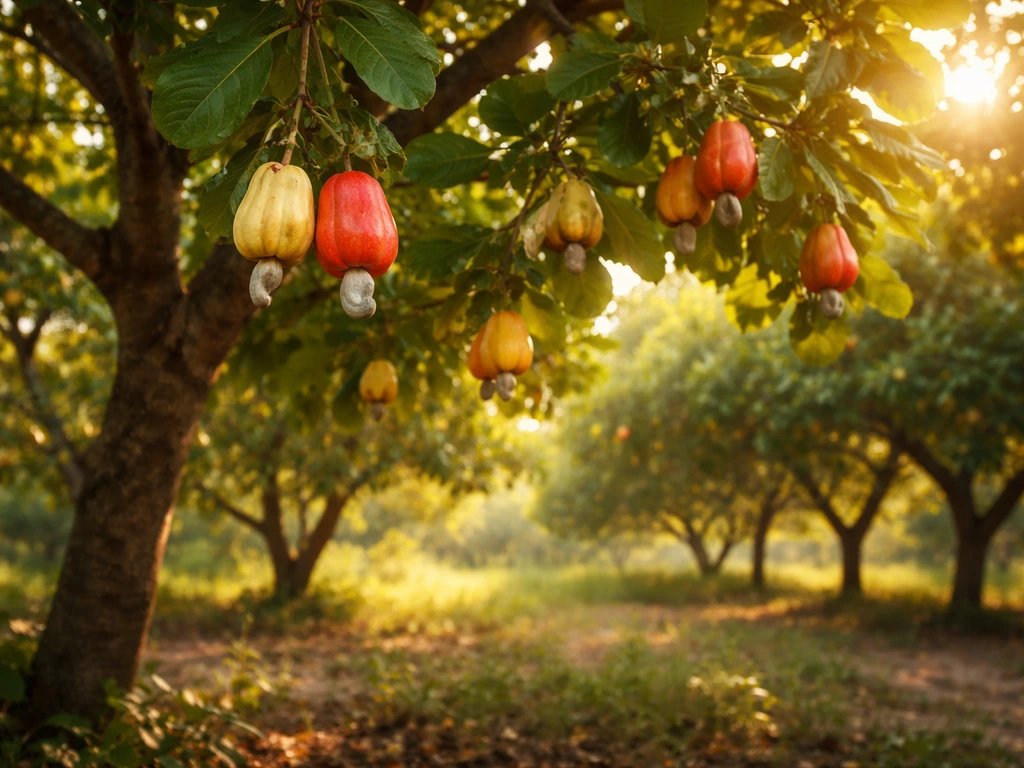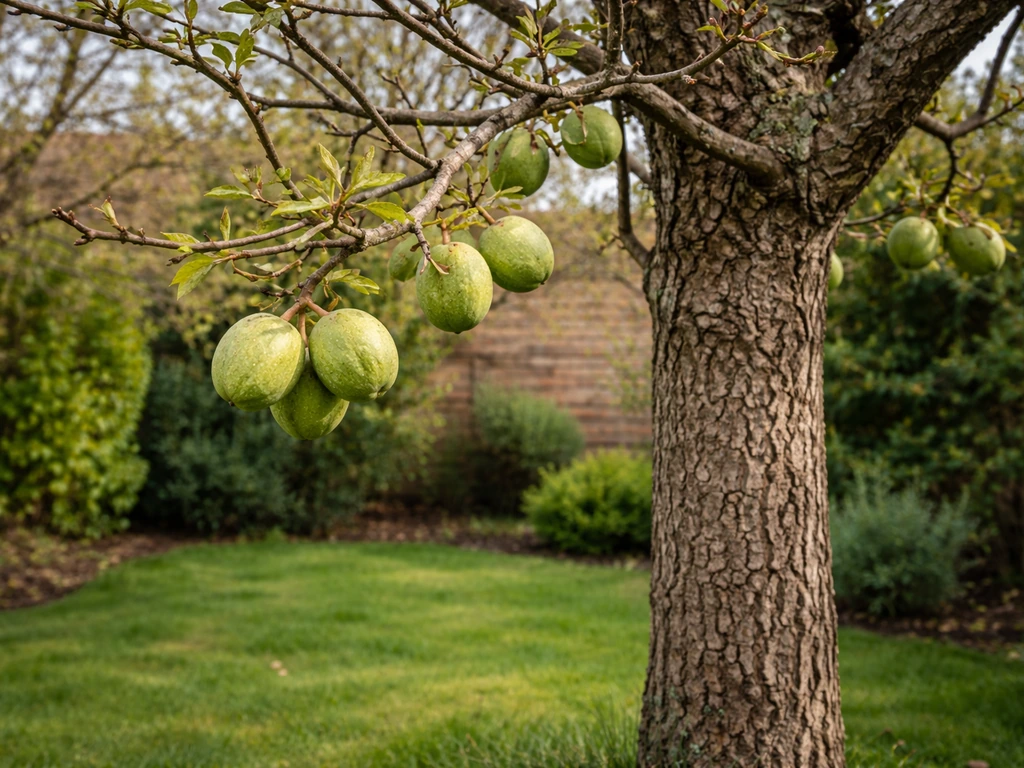
You can grow a cashew tree in Texas, but growing one that reliably produces nuts is a different question entirely. For most of the state, the honest answer is: cashews will survive in a container or greenhouse with the right care, but open-ground production with a real harvest is only realistic in a narrow slice of South Texas, and even there it's a gamble. Here's what the climate actually demands, where the numbers line up, and what your best practical setup looks like depending on where you live.
Can You Grow Cashews in Texas? Realistic Options and Tips
Marcus Hendricks
20 Apr 2026
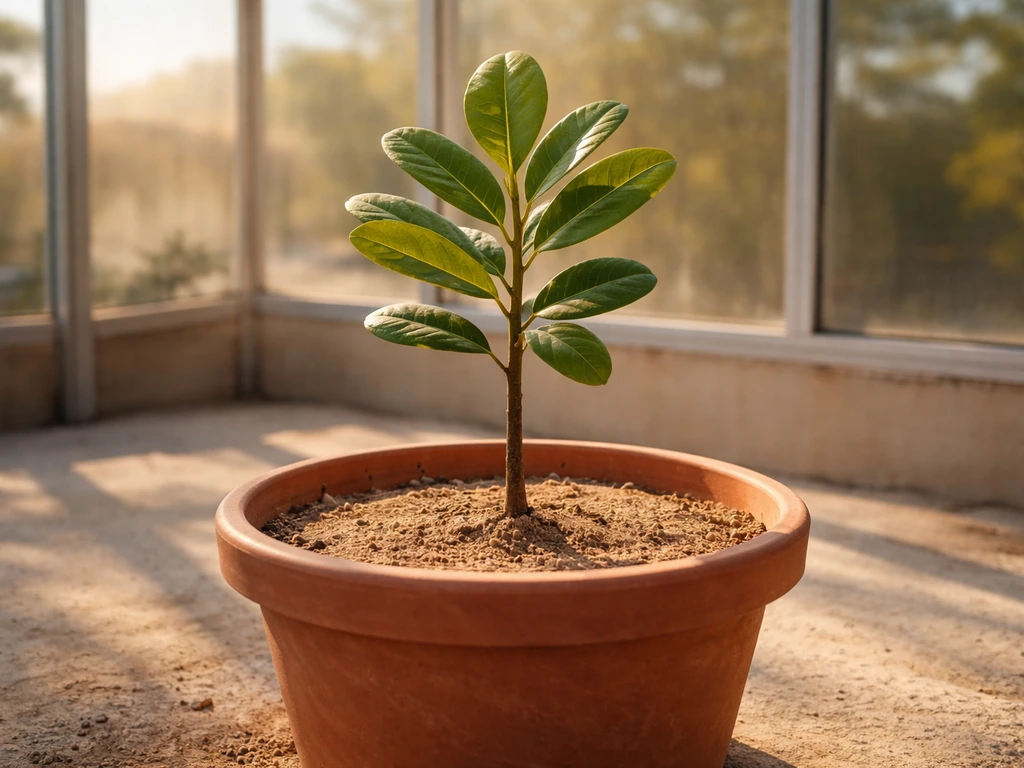
What cashews actually need vs. what Texas offers
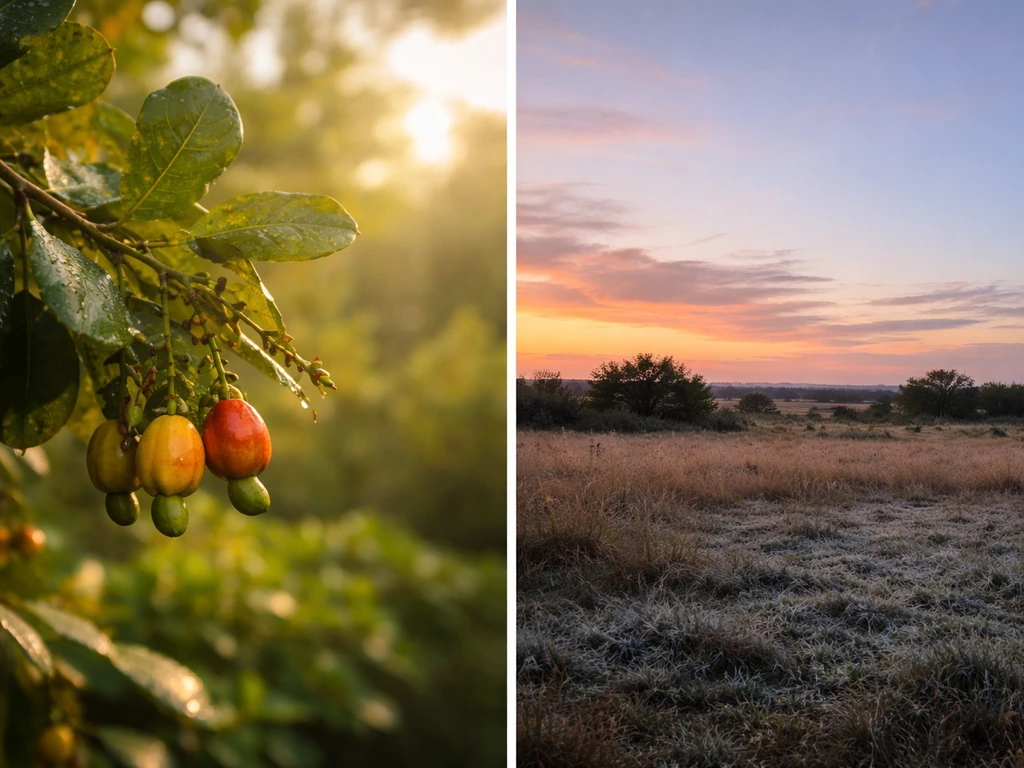
Cashew (Anacardium occidentale) is a tropical tree. Its optimum temperature range for vegetative growth is roughly 70–95°F, and it needs temperatures to stay above about 65°F to grow well. Flowering is triggered by the end of a rainy season and occurs through a dry season window, typically December through April in the Northern Hemisphere. Once flowers open, the nut takes about 50–60 days to mature, and the cashew apple follows 20–30 days after that. So from flower to finished harvest, you're looking at roughly 70–90 days of warm, dry conditions with no frost.
Cold is the tree's biggest enemy. Mature cashews can survive around 0°C (32°F) for a brief period, but prolonged cool temperatures, even without hard frost, cause real damage. That matters enormously in Texas. The state spans USDA hardiness zones 6a (Amarillo area, average winter lows around -10°F) all the way to zone 9b in the Rio Grande Valley (average winter lows around 25–30°F). Even Austin sits around zone 8b, where winter lows regularly dip below any threshold a cashew can handle unprotected. UF/IFAS limits recommended U.S. planting to extreme south Florida, Hawaii, and Puerto Rico, and for good reason.
There's also the rainfall timing problem. Texas weather doesn't follow the wet-dry tropical rhythm cashews need. The state gets unpredictable freezes, spring rains that can land right during the flowering window, and periodic drought that stresses young trees at the wrong times. Wet weather during flowering and fruit set severely reduces yields, so even in South Texas, a rainy February can wipe out a season's flower set.
Where in Texas cashews might actually work
The only part of Texas where open-ground cashew planting has any realistic shot is the Lower Rio Grande Valley, roughly from McAllen to Brownsville. This zone sits in USDA zone 9b, frost events are infrequent and usually brief, and summer heat is intense and sustained. The USDA plant hardiness zones are based on average annual extreme minimum winter temperatures from a 30-year period, which helps explain why rare freezes can still catch Texas growers off guard. That said, even the Valley sees occasional hard freezes, and the 2021 winter storm is a recent reminder that "rare" events do happen and can kill unprotected tropical trees outright.
South of San Antonio toward Laredo is zone 9a, which gives you marginally better odds than Central Texas but still carries real freeze risk. Houston sits around zone 9a as well, with high humidity that creates its own problems for cashew flower set. Anywhere north of roughly the I-10 corridor, including Austin, San Antonio, Dallas, and everything west, open-ground cashews are not a realistic crop plant. They may survive a mild winter but will be killed or severely set back in a cold one.
Microclimates matter here. A south-facing wall in Corpus Christi or Harlingen that absorbs heat during the day and radiates it overnight can push your effective zone up a notch. Urban heat island effects in the Valley can add a few degrees of buffer. If you're in South Texas, these details are worth scouting before you plant. Choose the warmest, most sheltered spot on your property, ideally with a thermal mass like a block wall behind the tree and good air drainage to avoid frost settling.
Starting from seed: the indoor and container approach
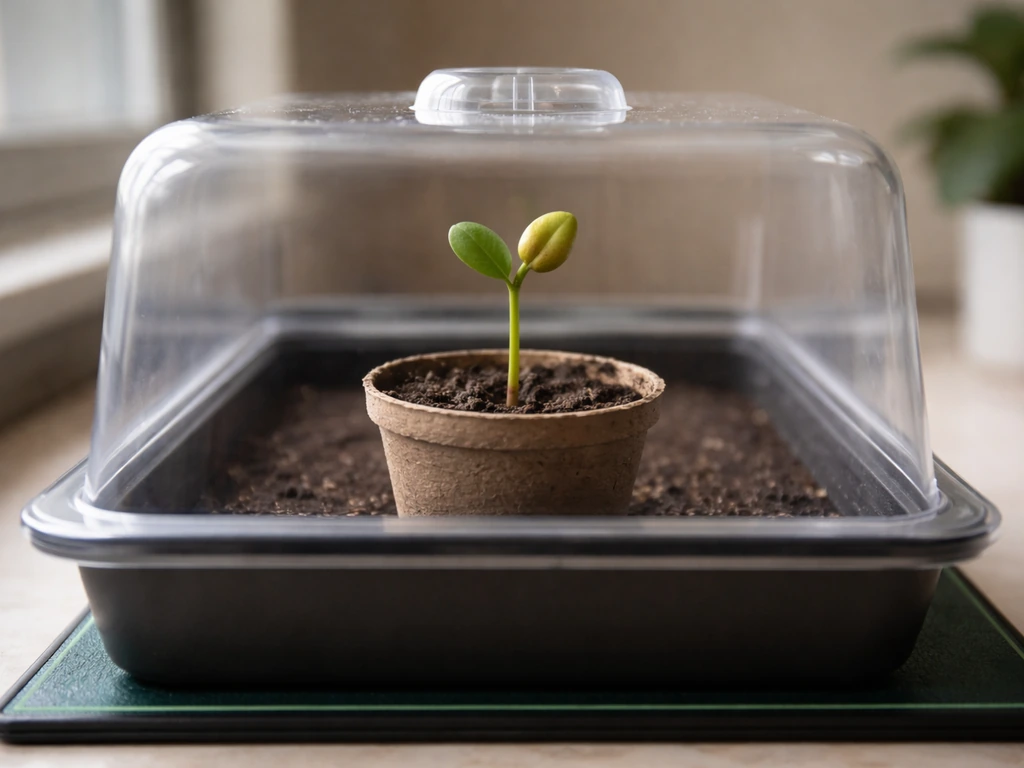
For most Texas growers, a container or greenhouse strategy is the only practical path. The good news is that cashew seeds germinate reliably under the right conditions. You need warmth: optimal germination temperature is around 35°C (95°F), and germination typically begins around 12 days after sowing, continuing up to about 28 days under nursery conditions. Soak the seed for 24 hours before planting to help with imbibition, since cashew seeds have a thick seed coat that slows water uptake.
One important caveat: seed-grown cashews do not come true to type. If you want a specific variety with known yield characteristics, you need a tree propagated by air layering or grafting. For most home growers just trying to grow the tree and see what happens, seed is fine, but go in knowing your results will be variable. Germination rates also drop with age, so use fresh seed whenever possible; priming treatments (soaking) can improve germination rates in stored seed, but fresh is always better.
Start seeds in peat pots or small biodegradable containers, then move the seedling into a 3-gallon container once established, keeping one seedling per pot. Cashews are very sensitive to root disturbance, so minimizing transplant shock matters from the beginning. When you eventually move a containerized tree to a larger pot or a protected ground planting, removing the bottom of the container before setting it in place helps reduce root damage.
A container-grown cashew can live on a sunny patio from late spring through fall and move inside to a heated greenhouse or bright sunroom before temperatures drop below about 50°F. This is the most manageable approach for most Texas locations outside the Valley. You won't get the scale of production a field tree in the tropics would give, but you can keep the tree alive and potentially get it to flower.
Keeping cashews alive through Texas winters
Overwintering is where most Texas cashew attempts fail. The tree cannot handle frost, and even sustained temperatures below about 50°F will stress it and reduce its ability to flower the following season. In South Texas, a frost cloth or two layers of protection over a small tree during a cold snap can be enough. For larger container trees anywhere else in the state, you need to bring them inside.
A heated greenhouse set to a minimum of 60°F is ideal. A south-facing sunroom or enclosed patio that stays above freezing works as a fallback, but the tree will be stressed if it stays cool for weeks at a time. Drying winds are also a real problem in parts of Texas, particularly West Texas and the Panhandle. Wind accelerates moisture loss and cold damage simultaneously, so shelter from wind is as important as shelter from direct frost.
One timing note that catches growers off guard: cashews in the Northern Hemisphere naturally flower between December and April, which is exactly when Texas winters are coldest. If your tree is inside during that window, it may try to flower in low-light greenhouse conditions where pollination is unlikely and fruiting is nearly impossible. If it's outside for flowering, it's at risk of frost. This seasonal mismatch is one of the core challenges of growing cashews in Texas and is worth thinking through before you invest in a tree.
Soil, sun, water, and fertilizer
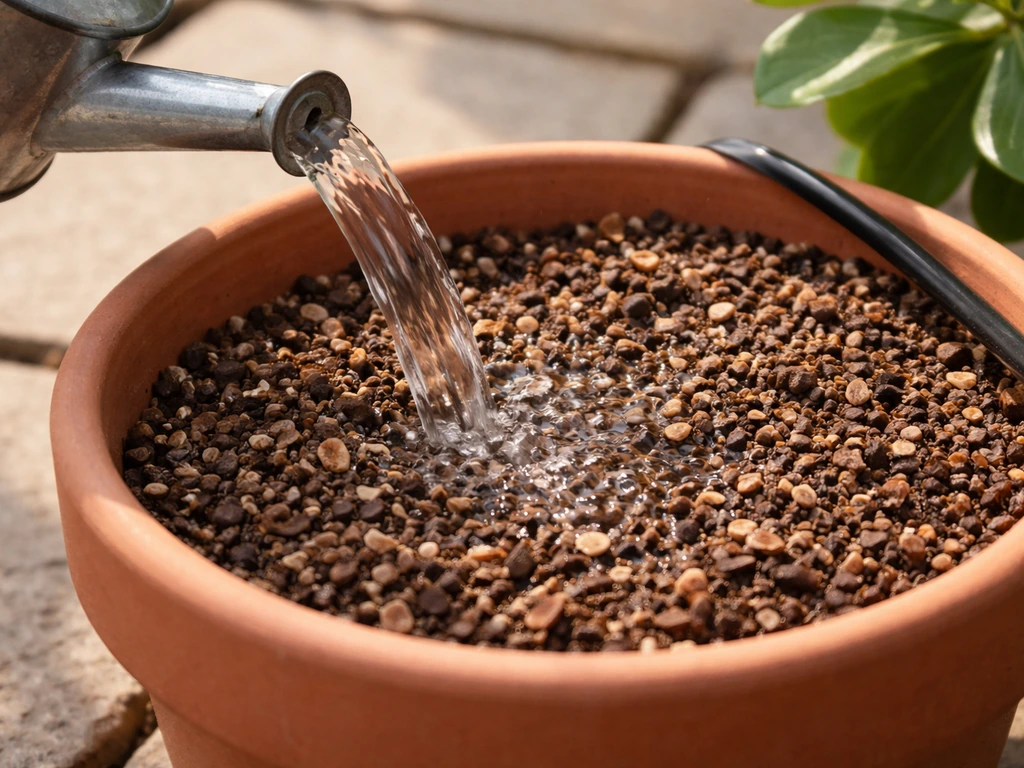
Cashews want full sun, no compromise. This is one area where Texas actually delivers: the state has plenty of intense sunlight and heat, which cashews love for vegetative growth. Position your tree or container where it gets at least 8 hours of direct sun daily. For container plants, rotate the pot seasonally to avoid uneven growth.
Soil drainage is critical. Cashews are adapted to seasonally dry, well-drained soils and will not tolerate waterlogged roots. In the ground, sandy loam is ideal. For containers, use a fast-draining mix and make sure the pot has large drainage holes. Texas's clay-heavy soils in the Blackland Prairie region are particularly problematic and would need significant amendment or raised bed construction to work.
Watering follows a clear pattern. New trees need frequent irrigation: every other day for the first 7–10 days after planting, then once or twice a week for the first couple of months, then tapering off as the tree establishes. Once established, cashews are drought tolerant, but consistent soil moisture during fruit set and development improves yield. Critically, avoid getting irrigation water on the foliage, flowers, or developing fruit. Wet leaves and flowers are an invitation to fungal disease, and in Texas's humid coastal zones this is a real problem.
For fertilizing, cashews benefit from a balanced nutrient program with particular attention to zinc. Zinc deficiency is a known issue in cashew cultivation, and zinc sulphate heptahydrate is the standard correction. A general tropical fruit fertilizer applied during the growing season works as a baseline; add a zinc supplement if you see signs of micronutrient deficiency (yellowing between veins, stunted new growth). Back off fertilizer as the tree heads into the cooler months and reduce it to near zero during winter dormancy.
Pollination, fruit set, and what you can realistically expect to harvest
Cashews can self-pollinate, but bee-assisted cross-pollination produces significantly better fruit set and yield. In a container or greenhouse setting, you won't have much bee activity, which means hand pollination becomes necessary if you want any nuts. NDSU Extension notes that hand pollination can fill the role of pollinators in the short term when insects are limited, supporting the general feasibility of hand pollination hand pollination becomes necessary if you want any nuts.. UF/IFAS specifically recommends hand pollination to increase fruit set in home landscape situations. Use a small soft brush to transfer pollen between flowers during the flowering period.
Fruiting typically begins in the third year for dwarf or early-type varieties (Anao/Precoce types), though some larger types don't flower until the third to fifth year. Even after the tree flowers, fruit set can be reduced by temperatures above about 34°C with very low humidity, since high heat with dry conditions desiccates the pollen. Texas summers are hot enough that this can be a real problem for late-season flowers.
Be realistic about yield. In its native range and tropical conditions, a mature cashew tree produces meaningful harvests. In Texas, even in the most favorable spots, you are likely looking at a modest yield at best: a handful of cashew apples and nuts per season if everything goes right, not a productive crop. Treat it as a novelty or a botanical project rather than a food production system, and you'll have more satisfying expectations.
Troubleshooting and deciding whether it's worth it for you
The most common failure points for cashews in Texas follow a predictable pattern. A single unexpected freeze wipes out an unprotected tree. Wet spring weather ruins the flowering period. A container-grown tree gets moved inside too late or to a space that's too dark and cold. Root rot from poor drainage in Texas clay kills the tree before it ever gets going. Each of these is avoidable with the right setup, but each requires deliberate planning.
Before you commit, ask yourself a few practical questions. If your question is can you grow a cashew tree from a cashew, remember that the same warm, frost-free, bright winter conditions apply even when you start from seed. Do you have a space indoors or in a greenhouse that stays reliably above 60°F all winter and gets strong light?
If you’re wondering whether it’s possible to grow cashews indoors, you’ll need to recreate those warm temperatures and a bright, stable winter setup an indoor or greenhouse setup. If not, you are signing up to carry a large tropical tree through a Texas winter without the conditions it needs. Are you in South Texas or the Rio Grande Valley, where open-ground planting is at least plausible?
If you are wondering can you grow cashew nuts in the UK, expect the same big limits: frost risk, the need for a warm flowering season, and the likelihood that only a protected indoor or greenhouse setup keeps the tree alive. If you're asking, can you grow cashews in Ohio, the short answer is that outdoor production is extremely unlikely because of winter cold and frost risk, but a tightly controlled indoor or greenhouse setup may keep a tree alive.
If you're wondering can you grow cashews in Michigan, the climate limits described for cold winters and frost risk apply even more strongly, so expect that only a highly controlled indoor or greenhouse setup is feasible can you grow cashews in Ohio. If you are wondering where you can grow cashews in Texas, the Lower Rio Grande Valley is the main open-ground option, while most other areas rely on containers or greenhouses South Texas or the Rio Grande Valley.
You can use the same climate and winter-protection logic to answer can you grow cashews in Canada. Or are you in Austin, Dallas, or anywhere north, where even a container strategy requires significant infrastructure?
If you're set on the project, here's what a realistic success path looks like: start seeds or source a grafted tree in spring, grow it aggressively in full sun through the summer, move it inside to a warm bright space before the first cold night of fall, hand-pollinate during the winter flowering window, and move it back out in spring. Repeat for several years until the tree is mature enough to flower reliably. That's the honest timeline.
If your primary interest is producing nuts and you live outside South Texas, it's worth comparing this effort to other nut trees that genuinely thrive in Texas conditions, such as pecans, native hazelnuts, or even macadamias in the warmest zones. A cashew grown in a container in Dallas can be a fascinating conversation piece and a genuine horticultural challenge, but it's not a nut-production strategy. In the Rio Grande Valley with a sheltered microclimate and frost protection on cold nights, it becomes closer to a real crop, but still not a reliable one. Know which goal you're chasing before you plant.
Growers curious about cashews in similarly marginal climates will find that the challenges in Texas echo what growers face in Florida (the closest U. If you're wondering can you grow cashews in Florida, the same key limits apply, especially frost risk and the need for a dry flowering season. S. analog) and are even more pronounced than what's involved in regions like coastal California or Hawaii. The fundamentals of cashew biology don't change by location: it needs heat, a dry flowering window, frost-free winters, and years of patience. Texas can provide some of those things, some of the time, in some places. Whether that's enough depends entirely on your specific setup and how much you enjoy a difficult project.
FAQ
Can I grow a cashew in Texas indoors year-round and actually get cashew nuts?
Yes, but it usually fails for two reasons: cold-season timing and light/pollination. In Texas, cashews tend to flower during the coolest part of winter (roughly December through April), so if the indoor spot stays warm but lacks strong light, flowers may open without viable pollination and you may get little or no fruit. If you try indoors, plan for consistent warmth (staying well above the mid 50s°F), very bright light (a sunny south-facing window may not be enough), and hand pollination during the flowering window.
What’s the fastest way to kill a container-grown cashew in Texas, and how do I prevent it?
A container cashew is vulnerable to root rot if the pot sits in saucers, drains poorly, or if you keep the mix constantly wet. Use a fast-draining mix, large drainage holes, and water only until excess drains away, then let the top portion of the mix dry before watering again. In humid regions, also improve air movement around the foliage to reduce fungal issues.
If cashews can self-pollinate, do I still need to hand pollinate in Texas?
Hand pollination can improve fruit set, but it is not only about doing it once. Cashew flowers may open over a span of days, and pollen viability is best when used promptly after collection. Use a small soft brush and transfer pollen between compatible flowers during the main flowering days. If you wait until the tree is already past peak bloom, you may not see much improvement.
How can I improve germination and ensure I’m more likely to get a nut-producing tree?
Start with fresh seed when possible, because germination declines as stored seed ages. Soak the seed before planting (about 24 hours) and keep the seed-starting area very warm (around the mid 90s°F range is ideal for germination). Also expect that even with perfect germination, seed-grown trees will not match a named variety’s nut quality, yield, or timing.
What’s the practical approach to overwintering a cashew in South Texas versus Central Texas?
If the plant is outdoors, the goal is to prevent the tree from being outdoors during nights that drop near freezing. Use frost protection that fully wraps the plant and extends to the ground level for small trees, and remove it during the day so you do not cook the plant under fabric. For larger container trees, bringing them inside before the first cold snap is typically safer than repeated short exposures.
Do walls, patios, and heat-reflective spots actually make outdoor cashews more viable in Texas?
Yes. A thermal mass can help, but it is not a substitute for frost-free conditions when freezes occur. Prioritize a sheltered, south-facing location, avoid low spots where cold air settles, and ensure quick drainage so the soil does not stay wet during cool weather. Treat microclimate as risk reduction, not as a guarantee of flowering and harvest.
Why did my cashew tree live through the winter but still produce few or no nuts?
Late spring freezes and cool snaps after the tree breaks dormancy can reduce flowering even if the tree survives. Cashews are sensitive to sustained cool temperatures, and cold stress can set back the next flowering cycle. If your winter storage is successful but you still get little fruit, check whether the plant spent too long near the lower temperature threshold before or during flowering.
Can Texas summer heat prevent cashews from setting fruit even if the tree is healthy?
Yes, because Texas summer heat can interfere with pollen function when conditions are very hot and dry. If the tree starts flowering late in the season, the hottest weeks can desiccate pollen and reduce fruit set. You cannot fully control weather, but you can manage microclimate and avoid overheating containers (for example, keep containers shaded from the hottest afternoon sun when temperatures spike).
Is growing cashews in Texas worth it compared with other nut trees?
For a nut-focused goal outside the Lower Rio Grande Valley, compare effort-to-result. Cashews in Texas are usually a botanical challenge with modest yields at best, so consider whether your time, greenhouse space, heating costs, and hand pollination effort are worth it versus better-adapted Texas nuts like pecans or hazelnuts. If you want, tell me your city and whether you have a heated greenhouse, and I can sanity-check which direction fits best.