You can grow cashews outdoors if you live in a frost-free, warm tropical or subtropical climate, roughly between latitudes 15°S and 15°N, or in sheltered pockets that mimic those conditions. Outside that belt, you're looking at container growing, a greenhouse, or an honest conversation with yourself about whether it's worth the effort. Let me break down exactly what that means for your location.
Where Can You Grow Cashews? Climate and Growing Options
Marcus Hendricks
8 Apr 2026
Cashew tree basics and what 'growing cashews' really means
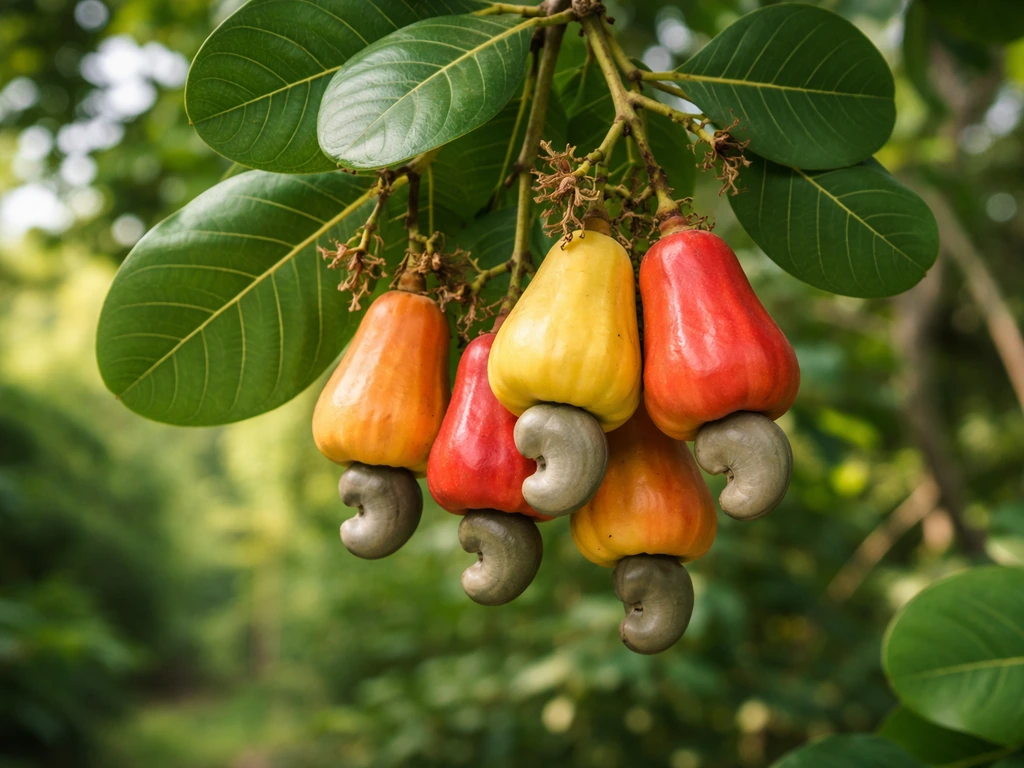
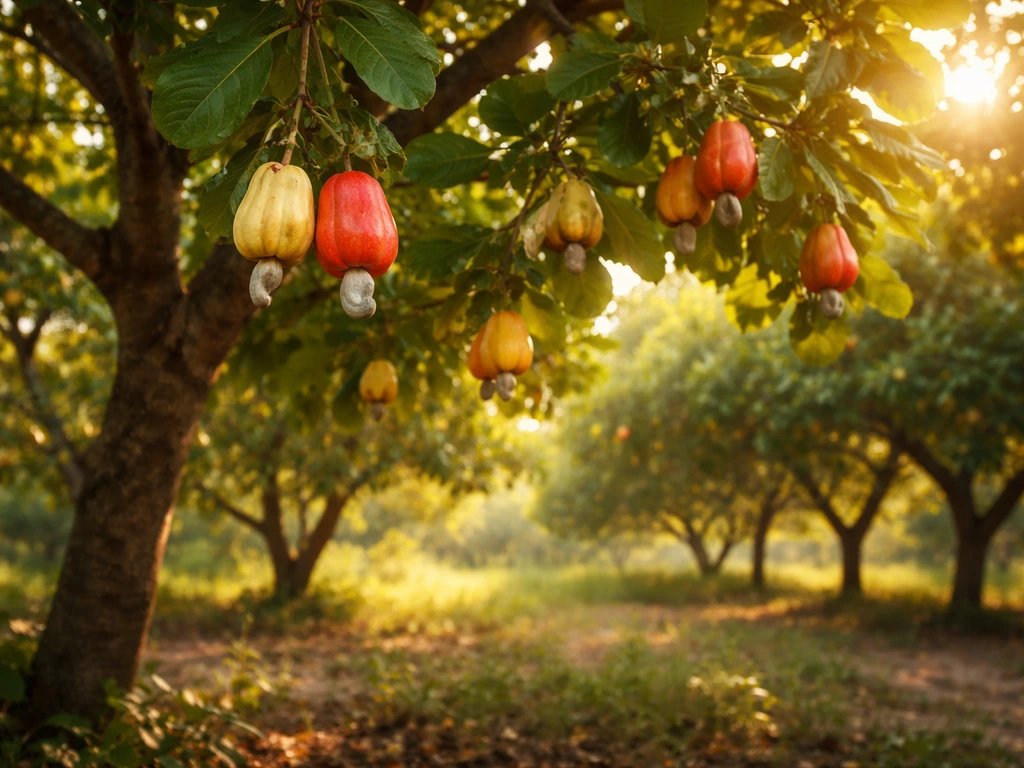
Cashew (Anacardium occidentale) is a medium to large tropical tree native to northeastern Brazil. Before you picture a nut hanging from a branch, understand the botany: the cashew nut is actually the seed of a cashew apple, and it grows on the outside of the fruit inside a double-shelled casing that contains urushiol, the same irritant found in poison ivy. That unusual structure means the nut requires very specific conditions not just to grow, but to actually form, mature, and be worth harvesting.
When people ask 'can I grow cashews,' they're usually asking one of two very different questions. The first is whether the tree itself will survive. The second, much harder question, is whether it will actually produce nuts. A cashew tree can limp along in marginal conditions, but nut production requires the right temperature window during flowering, a distinct dry season, and enough heat to push the fruit through to maturity. Surviving is not the same as cropping.
If you're curious about starting a tree from scratch, it helps to first understand how to grow a cashew tree from a cashew, because the propagation method you choose will affect how quickly your tree establishes and when it might first flower.
Climate and site requirements: the non-negotiables
Cashew is one of the least frost-tolerant trees you'll encounter. UF/IFAS is blunt about it: cashew will not tolerate even short exposures to frost or freezing temperatures. ECHO puts a useful number on that threshold: damage to young trees and flowers begins below about 7°C (45°F). That's not a hard freeze, that's a cool night. If your location regularly dips below 45°F in winter, outdoor cashew production is essentially off the table.
Optimum growth happens between roughly 63°F and 100°F (17–38°C), with the sweet spot for flowering and fruit set cited by the Hawaii Department of Agriculture around 68–86°F (20–30°C). Above about 34°C (93°F) with very low humidity, pollen viability drops and flowers dry out before they can set, so extreme desert heat is just as problematic as cold. UF/IFAS puts the relative humidity ideal at around 65–80% during the growing period.
Rainfall tolerance is surprisingly wide, ranging from about 400 mm to 4,000 mm annually based on ECOCROP data, with FAO generally citing a practical range of 1,000–3,000 mm for reliable production. Cashews. org notes that [cashew trees grow in tropical areas with annual rainfall ranging from about 400 to 4,000 mm](https://www. cashews.
org/cashew-information/), and that cashew grows from sea level to about 1,000 m altitude. The catch is that timing matters more than total rainfall. [Cashew performs best with a distinct dry period, particularly during flowering. ](https://www.
fao. org/4/u3160e/u3160e04. htm) Wet conditions when the tree is flowering and setting fruit are consistently linked with poor nut set, fungal problems, and flower drop. A dry spell at exactly the right point in the season is not optional for serious nut production.
Sunlight requirements are straightforward: cashew needs full sun, all day, every day. Partial shade will keep the tree alive but dramatically reduces flowering and fruiting. The tree also grows from sea level up to about 1,000 meters in suitable tropical climates, though yields tend to be better at lower elevations where temperatures stay consistently warm.
Where cashews grow best geographically
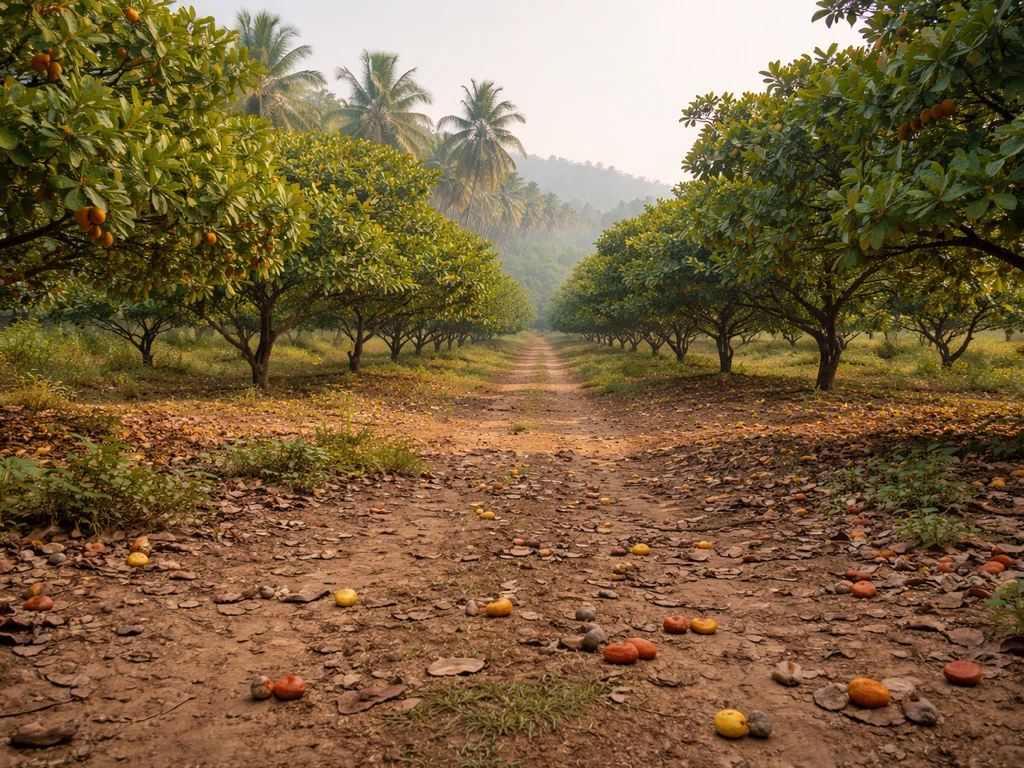
The commercially productive cashew belt sits roughly between 15°S and 15°N latitude. This is where you find the world's major producing regions: India (particularly Goa, Kerala, and Maharashtra), Vietnam, Brazil, the Ivory Coast, Tanzania, and Mozambique. These areas share the key traits: year-round warmth, a pronounced dry season that aligns with the flowering period, and soils that drain freely.
Outside the tropics, a handful of subtropical regions can support cashew with some caveats. Outside the tropics, you may still wonder, can you grow cashew nuts in the UK, but the climate challenges usually mean you need a greenhouse or other controlled approach. Southern Florida, Hawaii, and small parts of coastal Australia and southern Spain are places where the tree will grow and occasionally produce, though commercial-scale yields aren't realistic without the ideal seasonal dry period. The further you push from the tropics, the more the fruiting becomes inconsistent rather than the tree dying outright.
In the United States, Hawaii is the closest analog to true cashew country. Southern Florida sits right at the edge of feasibility, which is why there's real nuance to exploring whether you can grow cashews in Florida. The short answer for Florida is: possible in the southern tip, marginal further north, and the season's rain pattern is often the bigger obstacle than temperature.
A quick location check: can your area actually do this?
Run through this checklist before you invest in a tree. If you're checking off most of the boxes in the 'no' column, you're looking at container or greenhouse cultivation, not an outdoor grove.
| Condition | Good to go | Marginal | Forget outdoor growing |
|---|---|---|---|
| Winter lows | Never below 45°F (7°C) | Occasional dips to 40–45°F | Regular frosts or freezes |
| Summer highs | 75–95°F consistent | Occasional 100°F+ days | Persistent extreme heat with low humidity |
| Annual rainfall | 1,000–3,000 mm with dry season | 500–1,000 mm or very wet year-round | Below 400 mm with no irrigation OR wet during flowering |
| Dry season timing | Clear 3–5 month dry period | Irregular dry spells | Rain year-round or rain during flowering |
| Sunlight | Full sun all day | Partial afternoon shade | Mostly shaded site |
| Soil drainage | Sandy, deep, well-drained | Loamy with good drainage | Heavy clay or waterlogged |
If you're in Texas, the Gulf Coast and Rio Grande Valley region is the only realistic outdoor zone, and even then you're gambling on winter temperatures most years. The full picture of growing cashews in Texas involves understanding which microclimates in the state come closest to frost-free. Further north, places like Ohio and Michigan are simply too cold for outdoor cashew cultivation. If you've been wondering about growing cashews in Ohio or thinking about whether cashews could survive a Michigan winter, the answer outdoors is no, but indoor or greenhouse options do exist. Similarly, growing cashews in Canada outdoors isn't realistic in any province, and cashew cultivation in the UK faces the same hard temperature ceiling.
Growing options for marginal and cold climates
If your climate doesn't make the cut for outdoor growing, you have three realistic paths: containers, a greenhouse, or a sheltered microclimate. None of them will match a tree growing freely in Brazil, but they can work for someone who really wants to experience the plant. In practice, that usually means growing cashews in Canada is only realistic with a heated greenhouse or a well-controlled container setup.
Container growing
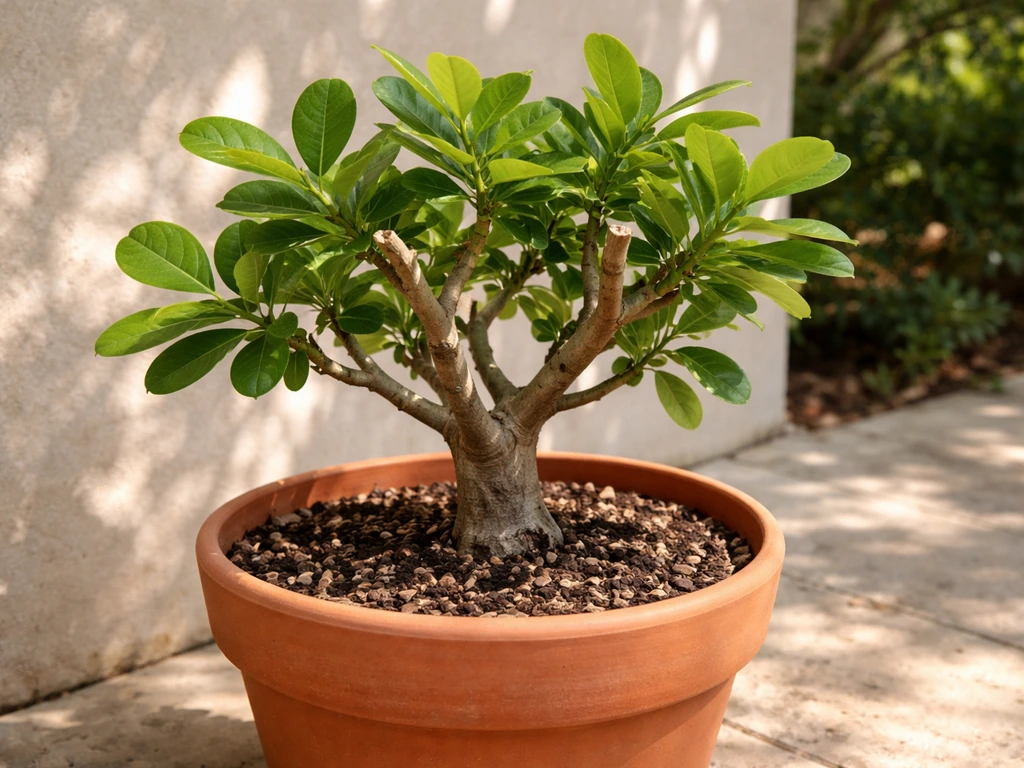
Cashew trees can be grown in large containers and kept manageable through pruning, though 'manageable' is relative. Left to its own devices, a cashew tree reaches 10–12 meters. In a container, heavy pruning can keep it to 2–3 meters, which is workable in a sunroom or on a sheltered patio. The trade-off is that container-grown trees rarely produce meaningful quantities of nuts. You might get a few cashew apples in a good year, which is more of a novelty than a harvest. The full breakdown of what this actually looks like in practice is covered in detail when you look at growing cashews indoors, which is the most realistic path for temperate-climate growers.
Greenhouse cultivation
A heated greenhouse gives you real control over winter temperatures and can keep the tree above that 45°F danger zone. The challenge is that a large greenhouse that can accommodate a mature cashew, with the full-sun exposure the tree needs, is a significant infrastructure investment. You'll also need to simulate the dry season if you want any serious flowering. This means consciously withholding water during the period when you want the tree to initiate flower buds, which takes some attention and planning.
Microclimates
In borderline climates like coastal Southern California or the warmest corners of the Gulf Coast, south-facing walls, heat-retaining masonry, and sheltered courtyard plantings can push your effective minimum temperature up by 4–6°F. That margin can be the difference between marginal survival and frost damage. It won't fix a climate that regularly drops below 35°F, but for a location that sees 40–44°F on a handful of winter nights, a well-placed microclimate spot can be enough.
Soil, planting, and establishment tips
UF/IFAS consistently emphasizes deep, well-drained sandy soils as the cashew's preferred medium, and this is one requirement you really don't want to shortcut. Cashew roots deeply and resents waterlogged conditions far more than it resents drought. The tree is genuinely drought-tolerant once established, but standing water around the root zone during establishment is one of the fastest ways to lose a young tree.
For planting in the ground, choose the highest, best-drained spot on your property. If your soil is heavy clay, consider raised beds or mounded planting rather than struggling to amend a large volume of clay in place. Avoid areas where water pools after heavy rain.
Here are the core establishment steps to follow from planting through the first two growing seasons:
- Plant in full sun in well-drained sandy or loamy soil, ideally at the start of the rainy season so the tree can establish before any dry period.
- Water regularly during the first year to support root development, then taper irrigation as the tree matures and shows signs of establishment.
- Apply a light layer of mulch around the base (keeping it away from the trunk) to regulate soil moisture and temperature without creating conditions for rot.
- Avoid heavy fertilization in the first year. Cashew grows naturally in low-fertility soils and excess nitrogen pushes vegetative growth at the expense of fruiting.
- Protect young trees from any cold snaps, even brief dips below 45°F, with frost cloth or by temporarily moving container-grown trees indoors.
- Prune only to shape and remove crossing branches during the first couple of years. Heavy pruning during the establishment phase delays first fruiting.
Fruiting and nuts: what to realistically expect
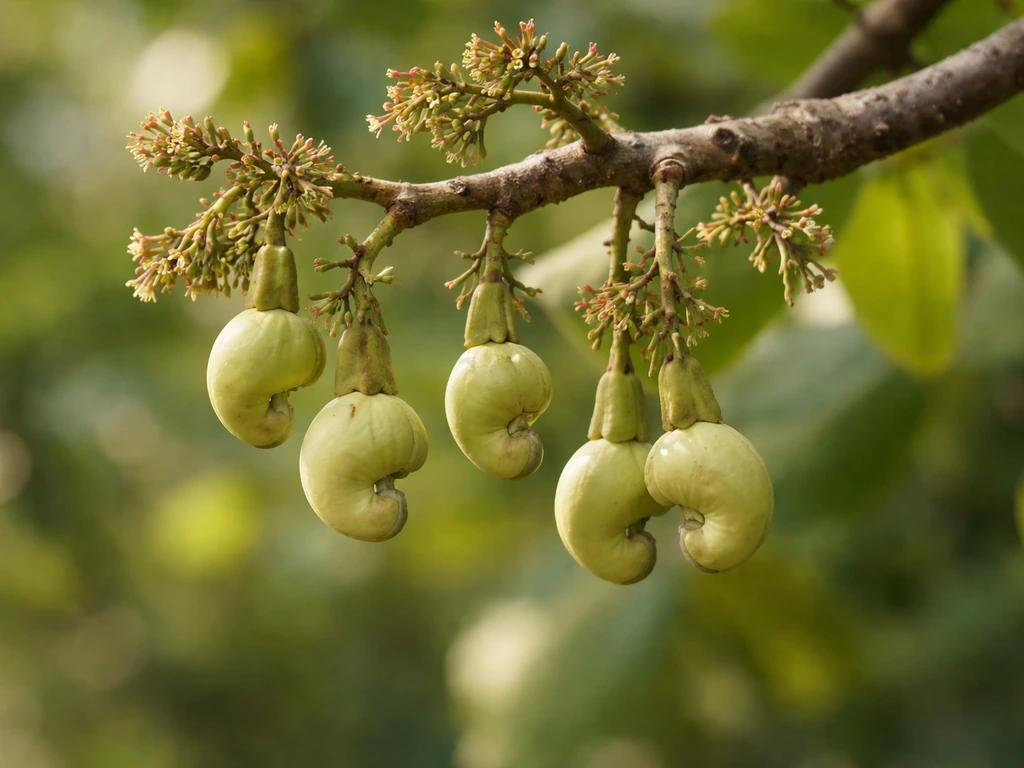
This is where a lot of first-time cashew growers get frustrated, so let me be direct. Cashew trees typically take 3 to 5 years from planting to produce their first meaningful crop, and that assumes ideal conditions. In marginal climates or container culture, you might wait longer. The tree flowers in the dry season and fruit matures roughly 60–90 days after flowering, so the entire cropping cycle is tied to seasonal timing in a way that many temperate gardeners aren't used to.
Pollination is handled primarily by insects, and cashew flowers are actually quite attractive to bees. The bigger issue is flower survival, not pollination. If temperatures climb above about 34°C (93°F) with low humidity during bloom, flowers dry out and abort before insects can do their job. On the other end, cool nights or rain during flowering washes pollen away and promotes fungal diseases. The window when conditions are right is narrower than most people expect.
UF/IFAS notes that production does benefit from adequate soil moisture during fruit development, even though the tree wants dry conditions for flowering. This means you need to read the seasons carefully: dry for flower initiation, some moisture during fruit swell. Managing that in a climate without a natural dry season is genuinely difficult.
Common mistakes that prevent fruiting, or that kill trees before they ever get to that stage, include: planting in poorly drained soil, underestimating cold sensitivity during establishment, over-irrigating during the period when the tree should be experiencing a dry spell, and expecting commercial-scale nut production from a backyard tree in a subtropical location. Even in good conditions, a single backyard tree might produce a few dozen cashew apples in a season. The nuts inside each one are small, and processing them safely at home requires care given the caustic shell oil. Keep those expectations grounded and you'll have a much more satisfying experience.
FAQ
Can I grow cashews outdoors if my winter gets below 45°F for only a short time?
Cashew is extremely sensitive to freezing exposure, even brief frosts. If you have nights near or below 45°F, treat it as a hard limit for outdoor planting, especially for young trees and flowering. For borderline areas, plan for protection or a greenhouse rather than hoping the cold spell is “too short to matter.”
Do cashews need a true dry season, or can I just water less in winter?
They need a dry period that aligns with flowering. Cutting water works only if it creates consistently lower humidity and avoids wet conditions around bloom, not just less rainfall on paper. In climates that stay humid or have winter rains, you may need to shelter the canopy from rainfall to avoid poor flowering and flower drop.
If my location is warm enough, why do cashew trees still fail to produce nuts?
Temperature window and seasonal timing are usually the problem. Flowering and fruit set require not only heat, but the right combination of warmth, adequate moisture during fruit swell, and low humidity during bloom. A tree can survive but still abort flowers if the bloom period is too wet, too humid, or too hot and dry.
How close to the ocean can I grow cashews without risking problems?
Coastal areas can work, but watch two things: salt-laden winds and persistent fog or drizzle during the flowering window. Salt stress can reduce vigor, and misty or rainy bloom periods can cause weak flower set and fungal issues. Choose a spot with full sun and good airflow, protected from prevailing salty wind.
What soil should I use in a container, and do I need special amendments?
Use a deep, fast-draining mix, similar to sandy, well-drained conditions. If you use potting mixes that hold water for long periods, expect root stress during establishment. Add coarse mineral material or perlite for drainage, and ensure the container has ample drainage holes, because cashews dislike standing water more than they dislike short dry spells.
Will pollination be a limiting factor in a backyard cashew tree?
Insect pollination is usually not the limiting step, because the flowers attract bees. The more common bottlenecks are flower survival issues, such as hot, dry, low-humidity conditions that dry out flowers, or rain and cool nights during bloom that wash pollen away and increase disease risk.
How big should I expect a container-grown cashew to get, and when should I plan to repot?
Without aggressive pruning, cashews can reach 10 to 12 meters, but containers plus pruning can keep them around 2 to 3 meters. Plan on gradual pot sizing with pruning roots if needed, because the tree will resent soggy conditions in oversized, slow-draining pots. A good rule is to repot only when the root ball is actively filling the container, not just because the tree “needs room.”
Is it possible to get a meaningful harvest from a single backyard tree?
Sometimes, but expectations should be realistic. Even in good subtropical conditions, a single tree often produces only a few dozen cashew apples, and nut yield is typically far lower than commercial orchards. If your goal is nuts, prioritize the climate match for flowering, not just survival and leaf growth.
Are there safety or handling issues with cashew shells from home harvests?
Yes. The shell contains caustic irritant oils, which can burn skin and irritate eyes if handled improperly. Even if you manage to harvest nuts, processing at home should be approached cautiously with protective gear and correct methods, because improper handling is a common reason people give up after the first harvest.
What’s the best way to choose a microclimate spot on my property?
Look for the warmest, most sheltered full-sun area, ideally with a heat-retaining wall or masonry nearby and reliable drainage so cold, wet air does not pool around the roots. Also consider how wind and nighttime radiational cooling behave in your yard, because those factors can push temperatures below the cashew’s danger threshold even when daytime looks perfect.