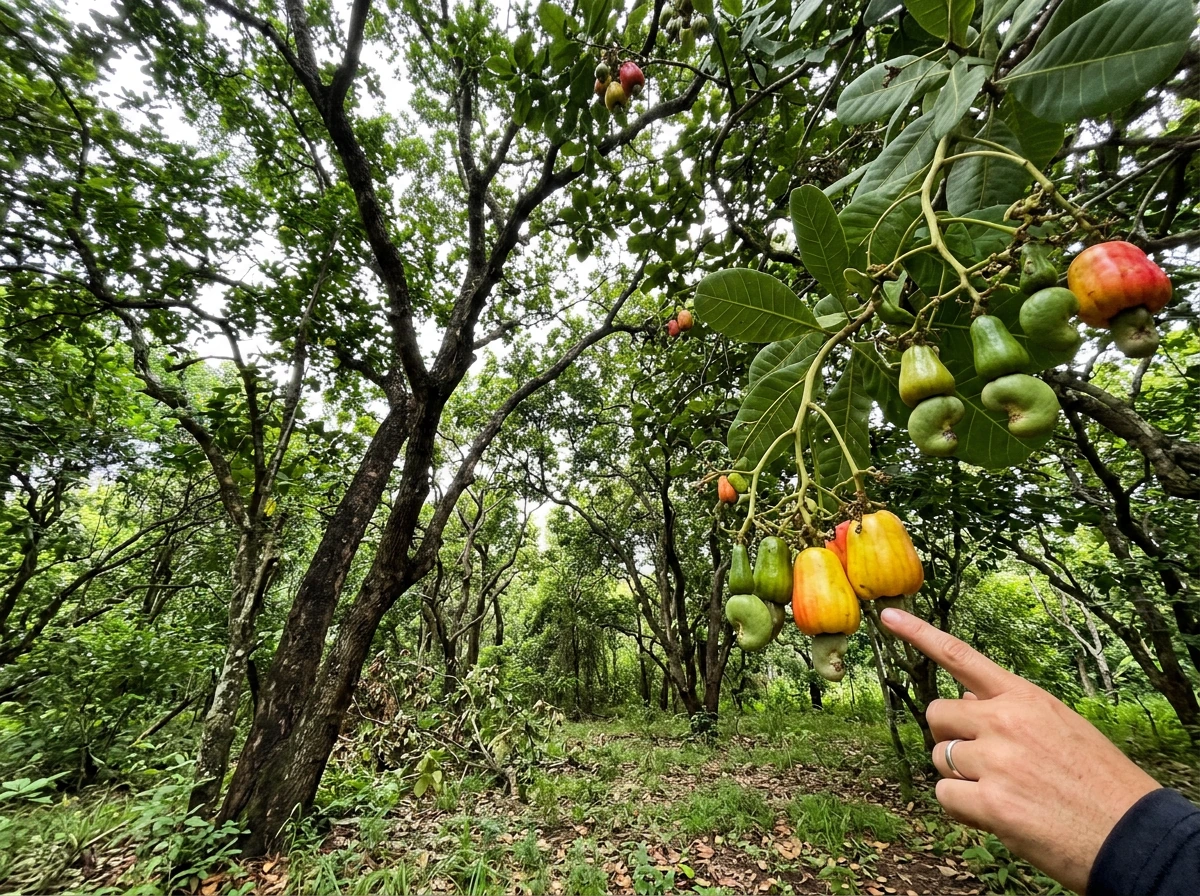
Direct answer: cashews and the "shell" confusion
Yes, cashews do grow inside a shell, but it is not the kind of hard, woody shell you crack open like a walnut or pecan. The edible cashew kernel sits inside a double-layered shell that hangs off the bottom of a fleshy fruit called the cashew apple. By the time cashews reach any store shelf, that shell has already been removed through roasting and shelling at a processing facility. So while the answer is technically yes, the shell exists, the real answer to what most people are asking is: no, you will never buy a cashew in its natural shell at the grocery store, and there is a very good reason for that.
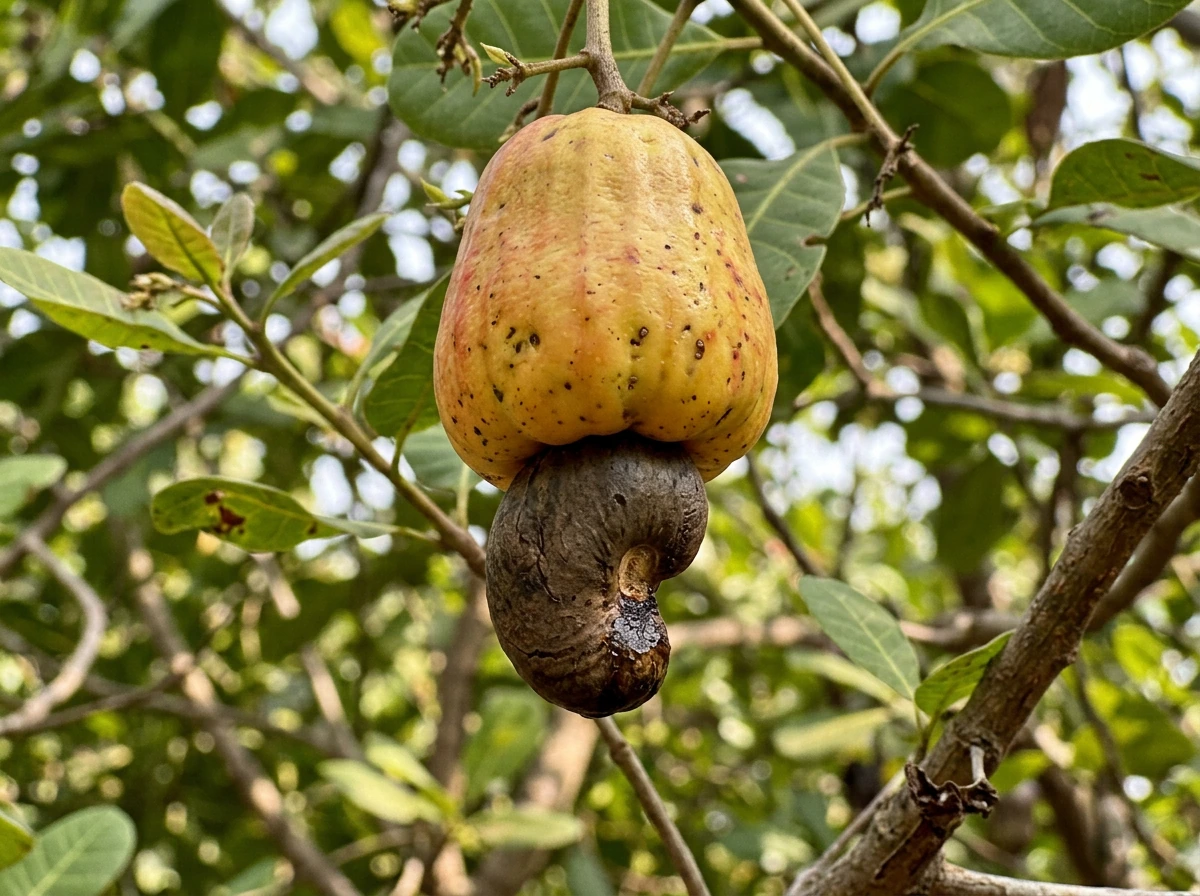
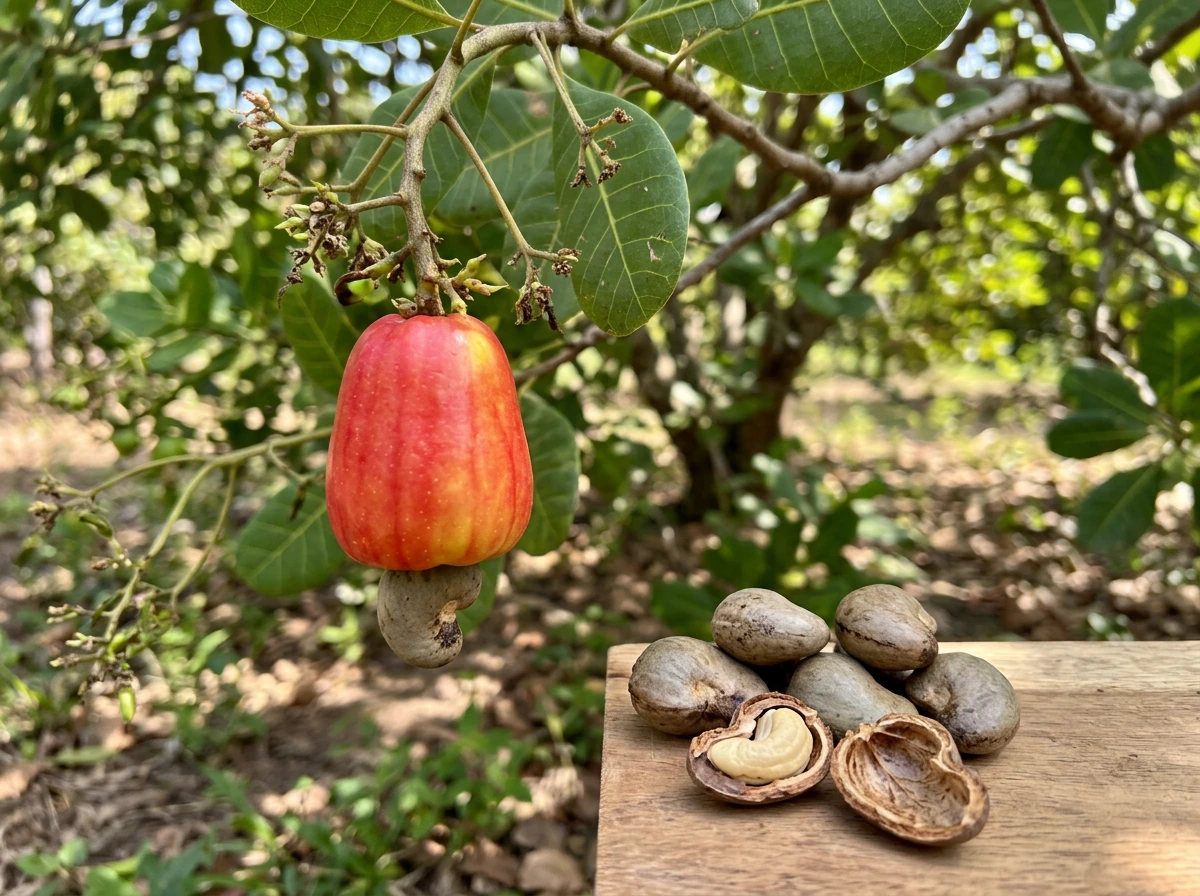
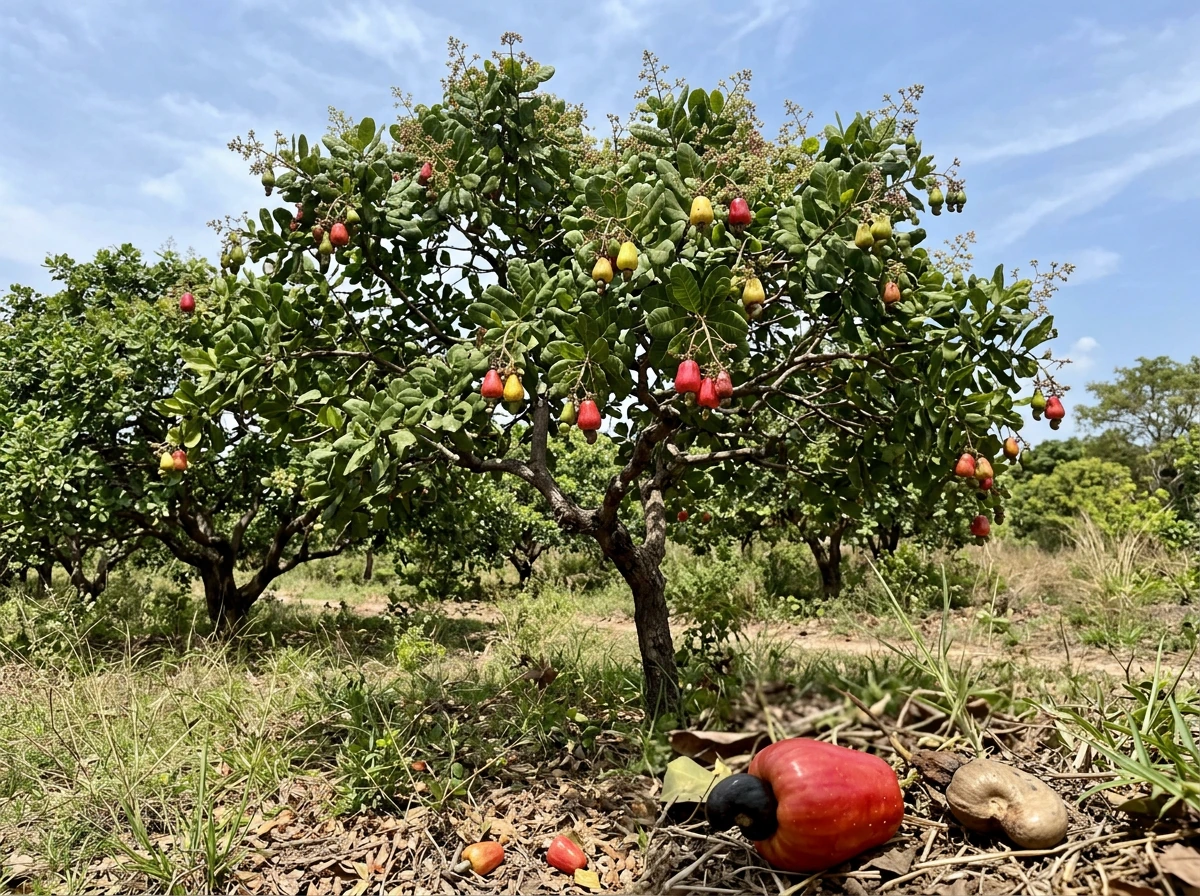
Cashew trees (Anacardium occidentale) produce what looks at first glance like a simple fruit, but the anatomy is genuinely unusual. Understanding these stages makes it easier to answer how does cashew nut grow from the tree, including what develops into the kernel. The large, pear-shaped, fleshy part you see in photos is called the cashew apple, and it is actually a pseudofruit or accessory fruit. It is not botanically a true fruit at all. The actual fruit of the cashew tree is the kidney-shaped structure that hangs from the bottom of the cashew apple. That hanging structure is a drupe, the true botanical fruit, and inside it is the single seed: the edible cashew kernel.
This is a detail worth spending a moment on if you are interested in growing cashews, because understanding the anatomy helps you recognize what you are looking at in the field. The cashew apple swells and ripens from what starts as the flower's receptacle, while the drupe (the shell-covered nut) develops simultaneously. Both parts mature together, but they are botanically distinct structures. For more on how this development unfolds step by step through the tree's growing season, the companion piece on how cashew nuts grow covers that full progression in detail.
What the "shell" actually is, and why it is nothing like a walnut shell
The outer covering of the cashew drupe is a double shell: a leathery outer layer and a honeycomb-like inner layer. Between those two layers sits a thick, oily liquid called cashew nut shell liquid, or CNSL. This liquid contains anacardic acids, which are phenolic compounds chemically related to urushiol, the same irritant found in poison ivy. Direct skin contact causes contact dermatitis, and the fluid is caustic enough that processing workers have to protect their hands when handling raw shells. This is the main reason cashews are never sold to consumers in the shell.
This is a fundamentally different structure from the shell of a walnut, almond, or hazelnut. Those shells are hard and lignified, and while some contain tannins, none contain a liquid this chemically aggressive sitting between their layers. The cashew's double-layer shell with CNSL is essentially a natural defense mechanism, and it has real consequences for how the nut is handled after harvest. It also means the term "cashew nut shell" in industrial contexts often refers specifically to the CNSL-bearing husk, which is actually a valuable byproduct used in resin manufacturing and other industrial applications. A PMC review article describes CNSL as obtained by thermomechanical processing and characterizes its main phenolic-lipid components, including anacardic acids and related phenolic fractions CNSL-bearing husk contains anacardic acids and phenolic fractions after processing.
What processing actually does after harvest
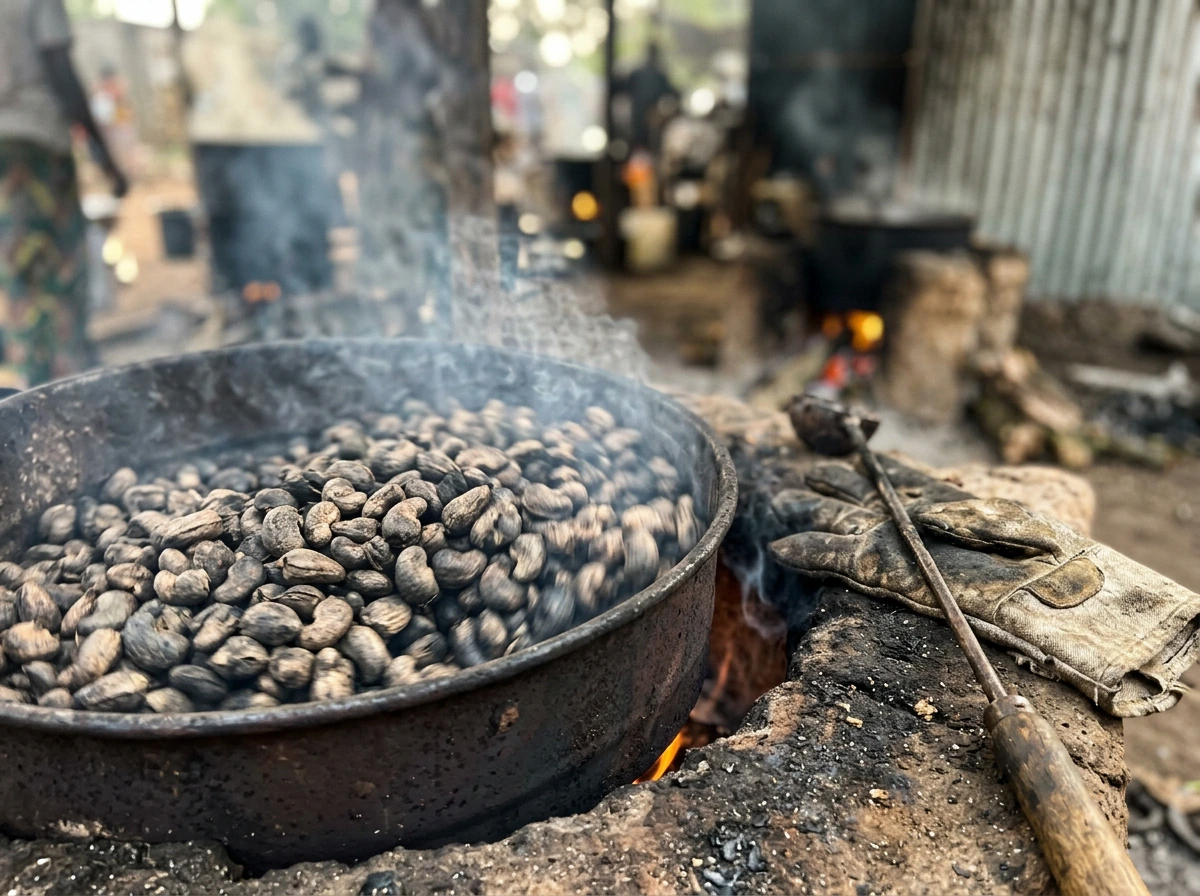
Calling a cashew "raw" in the retail sense is a bit misleading. All cashews you can safely eat have been through at least one heat treatment to neutralize the CNSL before the kernel is extracted. The standard industrial process works roughly like this: The Global Cashew Council describes the typical industrial processing pipeline for raw cashew nuts into edible kernels, including steps like roasting, shelling, drying, peeling, grading, quality controls, and related handling steps such as fumigation standard industrial process.
- Roasting or steam cooking: Whole cashews in their shells are either drum-roasted or steam-cooked. Steam roasting uses controlled pressure and temperature to soften and break down the CNSL and make the shell brittle enough to crack without shattering the kernel inside.
- Shelling (decorticating): Workers or machines crack the shell open. In manual operations, one person cuts and another uses a pin to separate the kernel from the inner shell lining. This is precise work because a broken kernel loses grade and value.
- Drying: Freshly shelled kernels still contain moisture and are dried in perforated trays using electric or steam dryers, typically for around three hours.
- Peeling: After drying, the thin skin (testa) clinging to the kernel is removed, often by hand or light abrasion.
- Grading, quality control, and packaging: Kernels are sorted by size, color, and wholeness, inspected, and packed for export or retail.
The product labeled "raw cashews" at a health food store has gone through steam processing to neutralize CNSL, even if it has not been further roasted for flavor. Truly unprocessed cashews are not edible safely. Cashews described as "roasted in shell" in industrial or trade contexts refer to the decorticating roast done before shelling, not a consumer roasting step done afterward. Retail packaging sometimes further roasts the already-shelled kernels for flavor, which is a separate step entirely. The Global Cashew Council's technical documentation and FAO processing guides both confirm this multi-stage pipeline, which is why cashews travel a long processing chain even before reaching a roaster or a retail bag.
What "in shell" means in trade versus in nature
Customs classifications and trade documents do include a category for "cashew nuts, in shell, fresh or dried," which can cause confusion. This refers to unshelled raw cashews moving between countries for processing, not a consumer product you would crack open at the kitchen table. India, for example, has historically imported large volumes of raw in-shell cashews (especially from West Africa and Brazil) and processes them domestically. When people ask why you never see in-shell cashews at a store, this is the answer: by the time the economics and food safety requirements play out, shelling happens at the processing facility, not in your kitchen.
What you need to know before trying to grow cashews
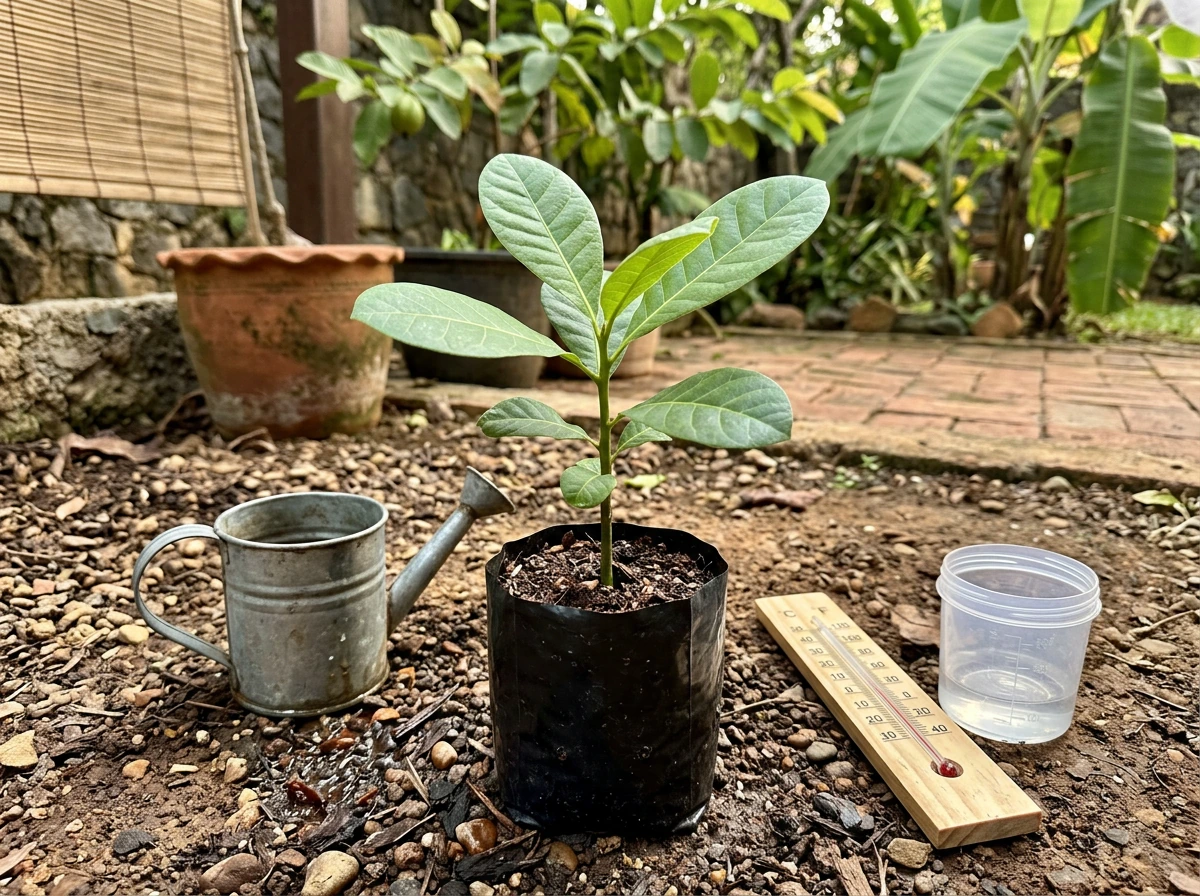
If learning about the cashew's unusual anatomy has you thinking about growing your own tree, here is the honest picture. Cashews are not difficult trees to grow if you live in the right climate, but that climate requirement is strict and non-negotiable. Get this wrong and the tree will struggle or simply not produce.
Climate and temperature
Anacardium occidentale is a tropical species native to northeastern Brazil and southeastern Venezuela. Its preferred temperature range is roughly 68 to 86 degrees Fahrenheit (20 to 30 degrees Celsius), and it is frost-sensitive: sustained temperatures below about 64 degrees Fahrenheit (18 degrees Celsius) will stress the tree, and any frost will damage or kill it. If you are gardening in USDA zone 10b or warmer, you are in viable territory. South Florida, Hawaii, and parts of Southern California with frost-free winters are the realistic options in the United States. If you are anywhere that gets winter frost, outdoor cashew growing is off the table.
Rainfall and soil
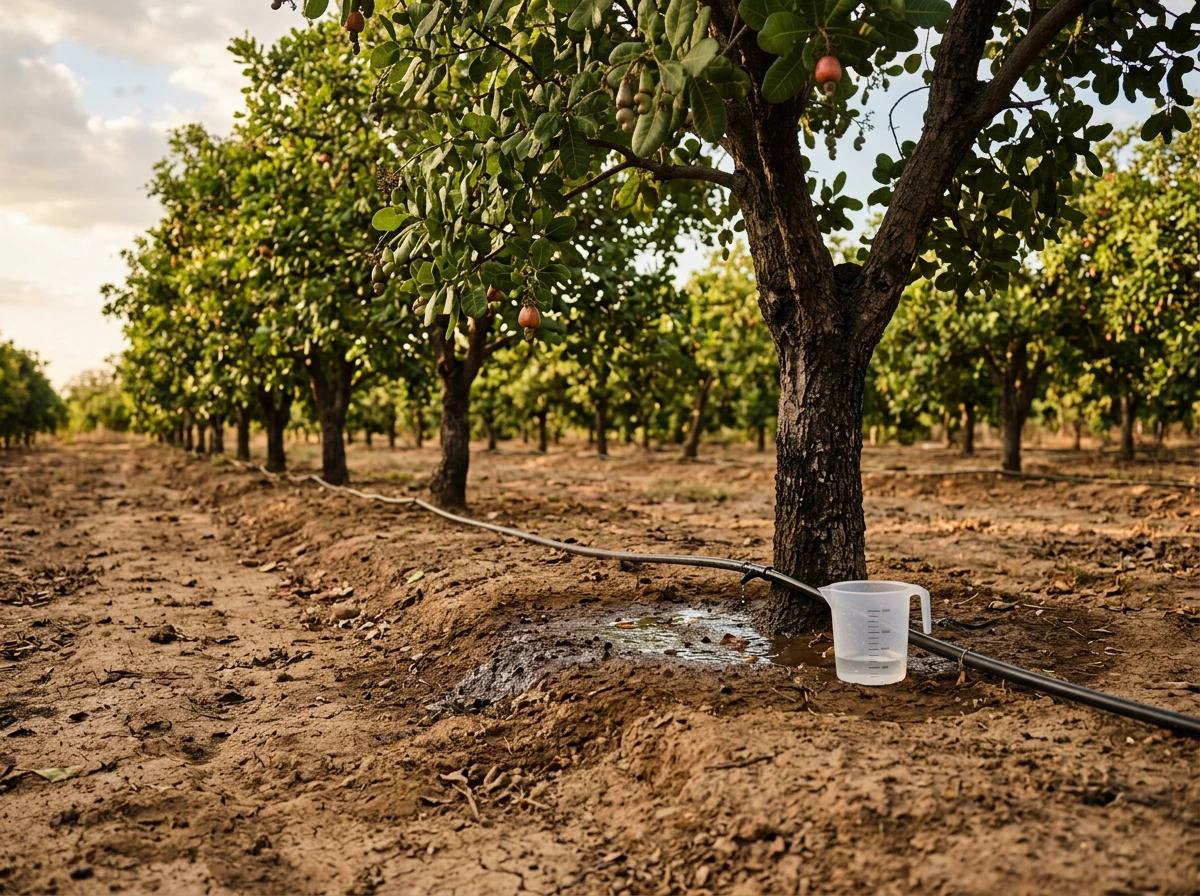
Cashews thrive in hot, semi-arid conditions and actually prefer a distinct dry season. The typical rainfall range for productive cashew cultivation runs from around 500 to 900 mm (roughly 20 to 35 inches) per year, with good drainage critical. Waterlogged soil or consistently humid, wet conditions, rather than the drier season cashews prefer, can encourage fungal disease and reduce nut production. what nut takes the most water to grow This is a tree adapted to lean conditions, not rich, moist garden beds. When people ask what nut takes the most water to grow, cashews are a good example because they prefer hot, drier conditions rather than constantly wet soil. Sandy, well-drained loam is preferable to heavy clay. An agricultural guide from Hawaii's Department of Agriculture confirms these preferences apply even in island settings where humidity can otherwise be a challenge.
Realistic expectations for home growers
Cashew trees grown from seed can take three to five years to produce their first significant crop. A single mature tree can eventually produce a meaningful quantity of cashews, but home-scale processing of the nuts is genuinely difficult and potentially dangerous without proper equipment, because of the CNSL issue described above. Most home growers who raise cashew trees do so for the novelty, for the cashew apple (which is edible, perishable, and rarely exported), or as an ornamental tropical specimen. If your goal is actually harvesting and eating your own cashew kernels, understand upfront that safe extraction requires either proper roasting equipment or sourcing a known safe processing method. For questions about how long it takes to see a first crop or how much water a cashew tree actually needs through its growing cycle, those topics are covered separately in our guides on cashew growing timelines and water requirements.
Quick-reference climate checklist for growing cashews
| Factor | Requirement | Notes |
|---|
| Temperature range | 68–86°F (20–30°C) | Frost-sensitive; minimum night temp above 64°F (18°C) |
| Annual rainfall | 500–900 mm (20–35 in) | Distinct dry season preferred; avoid waterlogging |
| USDA hardiness zone | 10b and warmer | South Florida, Hawaii, frost-free coastal California |
| Soil type | Sandy, well-drained loam | Poor tolerance for heavy clay or high moisture retention |
| Sun exposure | Full sun | Tropical canopy tree; does not tolerate shade well |
| Time to first crop | 3–5 years from seed | Grafted trees bear sooner |
The bottom line is that cashews do grow inside a shell, just not the kind you crack with a nutcracker. That shell contains a caustic liquid that makes home processing genuinely hazardous, which is why every cashew you have ever eaten came out of an industrial facility before it reached your hand. If you are in a tropical or near-tropical climate and want to grow one of the most botanically interesting nut trees around, cashews are a rewarding project. Cashews are sometimes mistaken for fruits that grow on apples, but in reality they come from the cashew tree and its cashew apple accessory fruit do cashews grow on apples. If you are outside the tropics, understanding this plant's anatomy is still worth knowing, because it rewires how you think about what a "nut" actually is.